

P1594 on 2016-2018 Ford Escape: Remote Start Failure Causes and Fixes
This code means the remote start system failed, causing the engine to shut down immediately after starting. The most common cause is a software issue in the Body Control Module (BCM) requiring a dealer update, as noted in Ford TSBs #SSM 47519 and #SSM 47187. A weak or aging 12V battery whose State of Charge (SoC) is low is the second most likely culprit, often requiring a Battery Management System (BMS) reset after replacement.
- P1594 on a 2016-2018 Escape means the remote start failed, not that there is a fundamental engine or charging system problem.
- The most likely cause is a known BCM software glitch that Ford has issued a TSB for; a dealer reprogram is the fix.
- A weak battery (specifically, low State of Charge) is the second most common cause. A BMS reset is critical after replacement.
- The vehicle is safe to drive normally using the key.
- This issue is also common on the 2016-2018 Ford Focus and Transit Connect.
What's Unique About the 2016-2018 Ford ESCAPE
For this generation of Ford Escape, the P1594 code is most famously linked to a known software glitch. Ford issued Technical Service Bulletins (TSBs) acknowledging that the BCM calibration on 2016-2018 models could cause this exact issue, where a remote start fails for no apparent hardware reason. This same software-related issue also affects platform mates like the 2016-2018 Ford Focus and Ford Transit Connect. While many vehicles will disable remote start for a low battery, the Escape from these years has a documented software-based problem that often presents the same symptom, making a trip to the dealer for a BCM reflash a very common and specific solution.
Diagnostic Flowchart
Tap your situation to follow the diagnostic path that matches what you're seeing on this vehicle.
Symptoms You May Notice
- Engine starts and then immediately shuts down when using remote start.
- Remote start fails to engage at all.
- The FordPass app indicates the remote start was successful, but the engine is not running.
- Horn may chirp and lights may flash to indicate a failed start attempt.
- Check Engine Light may or may not be illuminated. 🎬 See this guide on fixing the 3 most common remote start issues.
- Replacing the alternator. While a bad alternator can cause a weak battery, the P1594 code itself does not point to an alternator failure. The charging system should be tested, but the alternator should not be replaced based on this code alone.
- Replacing the starter. The engine cranks and starts briefly during the remote start attempt, so the starter is working correctly. The issue is that the BCM commands it to shut down after starting.
Most Likely Causes
- Body Control Module (BCM) Software Calibration 🔴 High Probability Ford issued TSBs #SSM 47519, #SSM 47187, and #SSM 47397 specifically for this issue on 2016-2018 Escapes, Focuses, and Transit Connects. Multiple owners on forums confirm this is a widespread and known problem.
How to confirm: A Ford dealer or a qualified shop with a J2534 pass-thru tool can check the current BCM software version against the latest available calibration. The TSB specifies using IDS/FDRS release 110.02 or higher.
Typical fix: Reprogram the BCM to the latest software version. One owner on Reddit noted: 'So I had the exact same problem, turns out that there is a TSB for it and all it was was just a software update of the BCM... and it fixed it for good.' For warranty claims, the causal part is listed as 14A068.
Est. part cost: $0 - Weak or Failing 12V Battery 🔴 High Probability The vehicle's Battery Management System (BMS) closely monitors the battery's State of Charge (SoC). If the SoC drops below a specific threshold, the BCM will disable remote start to conserve power, triggering P1594. This can happen even if the battery has enough voltage (e.g., >12.4V) to start the engine with the key, as the SoC is a more complex health metric.
How to confirm: Test the battery with a professional digital battery tester that can measure State of Charge and cranking amps, not just voltage. A simple multimeter reading may be misleading. A load test is definitive. A resting voltage below 12.3V is a strong indicator of a weak battery.
Typical fix: Replace the 12V battery and, crucially, perform a BMS reset. 🎬 Watch: How to replace the battery and perform a BMS reset. This allows the system to recognize the new battery's full capacity. Without a reset, the system may continue to operate as if the old, degraded battery is still installed.
Est. part cost: $150-$300 - Faulty Hood Latch Switch 🟡 Medium Probability As a safety feature, remote start is disabled if the system thinks the hood is open. The switch is integrated into the hood latch assembly and can fail, become misaligned, or suffer from corrosion over time, sending a false 'hood ajar' signal.
How to confirm: Check the instrument cluster for a 'Hood Ajar' warning message when the hood is closed. If no message appears, a technician can use a scan tool to monitor the switch's status (PID) or test the switch's continuity with a multimeter when it is depressed.
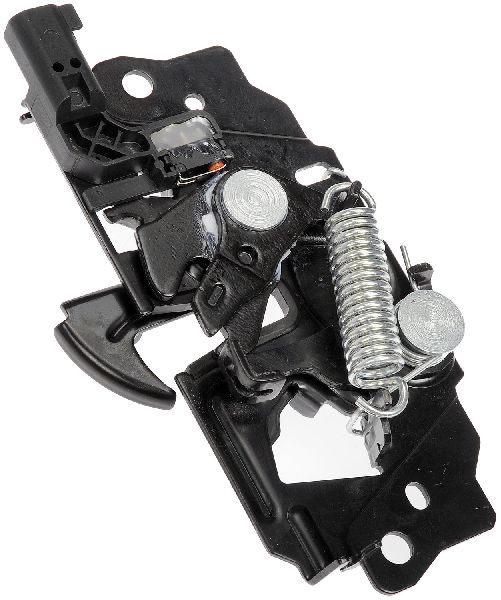
Typical fix: Replace the hood latch assembly which contains the switch. The OEM part number is typically CV6Z-16700-B 🎬 Watch: How to access and replace the hood latch assembly. or CV6Z-16700-A.
Est. part cost: $50-$120
Rare But Worth Checking
- Incorrect Battery Type Installed: If a standard flooded battery was installed in a vehicle designed for an AGM (Absorbed Glass Mat) battery (common in vehicles with Auto Start-Stop) without updating the BCM configuration via a tool like FORScan, the charging profile will be incorrect, leading to a chronically low State of Charge and disabling remote start.
- Other Active Diagnostic Trouble Codes (DTCs): The remote start system will be disabled by the BCM if there is an active Check Engine Light or certain other system faults present, such as those related to wheel speed sensors.
- BMS Reset Not Performed: After a battery replacement, if the BMS is not reset, it may not correctly learn the new battery's state of charge. This can cause the system to falsely believe the battery is weak and disable remote start.
Diagnosis Steps
- Check for other DTCs. Use a capable OBD-II scanner to check all modules. An active Check Engine Light will disable remote start.
- Test the 12V battery's State of Charge (SoC). Use a professional battery tester. A simple voltage check is often insufficient. The battery may start the car but still be too low for the BCM to permit a remote start.
- Verify Hood Latch Switch operation. Check for a 'Hood Ajar' light on the dash. If none, use a scan tool to monitor the switch's PID or manually test the switch for continuity.
- If the battery was recently replaced, confirm a BMS reset was performed. If not, perform one. There are three common methods:
- - Manual Reset: With the ignition on (engine off), flash the high beams 5 times, then press the brake pedal 3 times within 10 seconds. The battery light on the dash should flash 3 times to confirm the reset. Note: Success of this method varies by year and may not provide a flashing confirmation light even if successful.
- - 8-Hour Sleep: The official owner's manual method is to lock the vehicle and leave it undisturbed for at least 8 hours, which allows the BMS to automatically relearn the battery's state of charge.
- - Scan Tool Reset: Use a diagnostic tool like FORScan or have a dealer perform the 'BMS Reset' function.
- If all hardware checks out, the issue is almost certainly the BCM software. Contact a Ford dealer or qualified independent shop to check for and apply BCM software updates as specified in TSB #SSM 47519.
Parts You'll Likely Need
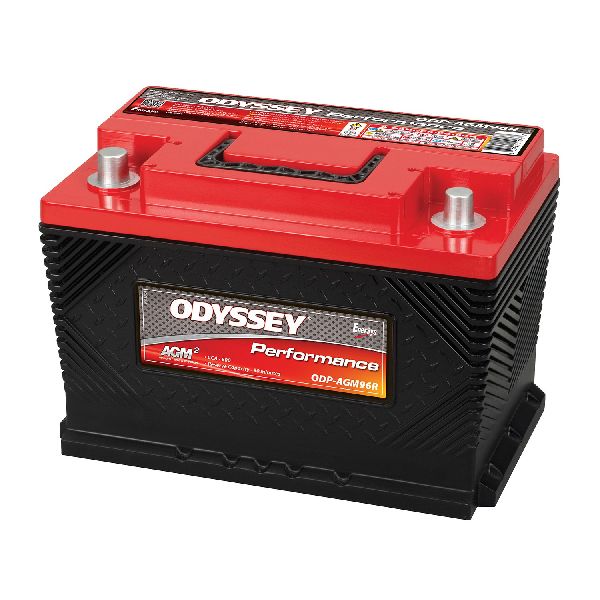
- 12V Battery — A weak battery with a low State of Charge is a very common cause for the BCM to disable remote start and set this code.
Trusted brands: Motorcraft, Interstate, DieHard
OEM price range: $200-$300
Aftermarket price range: $150-$250 - Hood Latch Assembly
(OEM #CV6Z-16700-B or CV6Z-16700-A)— The integrated hood ajar switch can fail, sending a false signal that the hood is open and preventing remote start as a safety measure.
Trusted brands: Motorcraft, Dorman
OEM price range: $70-$120
Aftermarket price range: $40-$80
Related Codes That Often Appear With This One
- U1007 — A forum post on a similar Ford platform showed U1007 (Lost Communication With Battery Monitoring Sensor 'A') alongside P1594, indicating the root cause was related to the battery or its monitoring system.
Technical Service Bulletins (TSBs) & Recalls
- SSM 47519: Notes that some 2016-2018 Escape, Focus, and Transit Connect vehicles may exhibit an immediate engine shut off after a remote start, with or without DTC P1594, and advises reprogramming the BCM.
- SSM 47187: A similar bulletin also pointing to a remote start failure with P1594 stored in the BCM, related to the FordPass app showing a successful start when the engine has stalled.
- SSM 47397: Re-confirms the issue on 2016-2018 Escape/Focus/Transit Connects, advising to reprogram the BCM using IDS release 110.02 or higher and listing causal part 14A068 for claims.
Platform-Specific Known Issues
- A known software issue in the Body Control Module (BCM) can cause P1594 on 2016-2018 models. Ford addressed this with a software update under TSB #SSM 47519 and #SSM 47187. This issue is so prevalent that it should be the primary suspect after the battery and hood latch have been ruled out.
Mechanic-Grade Diagnostic Values
- Hood Latch Switch Continuity — expected: With the hood closed (switch depressed), there should be continuity (near 0 ohms). With the hood open, there should be no continuity (open circuit/infinite resistance).. Failure: If the readings do not change when the switch is depressed and released, the switch is faulty.
- 12V Battery Resting Voltage — expected: A fully charged, healthy battery should have a resting voltage of approximately 12.6V.. Failure: A resting voltage below 12.3V indicates a significantly discharged or weak battery that could disable remote start, even if it can still start the car with the key.
Scan Tool Commands That Help
- FORScan: BMS Reset — After replacing the 12V battery to reset the battery's age and state of charge parameters in the Body Control Module, ensuring proper charging and enabling features like remote start.
- Ford IDS / FDRS: Module Reprogramming - BCM — To apply the software update specified in TSBs #SSM 47397 and #SSM 47519, which is the primary fix for P1594 when hardware issues are ruled out. Requires release 110.02 or higher.
Wiring & Ground Locations
- BCM Fuses — In the main engine fuse box, located under the hood on the right side. Two fuses power the BCM: Fuse F41 (20A) and Fuse F11 (30A) in the square fuse box section.. The BCM controls the remote start function. A blown fuse would cause a loss of power to the module, disabling this and many other features.
- BCM Connector C2280B — At the Body Control Module (BCM), located in the lower driver side of the dash.. This connector contains wiring for multiple systems controlled by the BCM, including inputs and outputs necessary for the remote start sequence.
- Ground G103 — On the right side of the engine compartment.. A poor ground connection for the BCM or related sensors can cause erratic behavior and false readings, potentially leading to a failed remote start precondition check.
- Hood Latch Switch Wiring — The switch is integrated into the hood latch assembly. The wiring runs to connector C146, located behind the LH headlamp assembly. The signal wire is typically Blue/Orange at Pin 10 of C146.. A break or short in this wire can send a false 'hood ajar' signal to the BCM, which is a primary safety interlock that will prevent remote start.
Real Owner Repair Stories
- Reddit user in r/fordescape (2018 Ford Escape SE 1.5L) — Replaced an aging 12V battery. Remote start and other features were likely disabled.
❌ Tried (didn't work) The repair shop employee who replaced the battery did not believe a BMS reset was necessary.
✅ What actually fixed it The owner performed the manual BMS reset procedure (flashing high beams 5 times, pressing brake 3 times) multiple times but never saw the flashing battery light confirmation. However, upon later checking with a FORScan scan tool, the 'Battery Days Since Installation' PID had been reset to 4 days (when the battery was replaced), confirming the manual procedure had worked without providing the visual feedback.
Model Year Variations Within This Range
- 2017: An early TSB from Ford (#SSM 47187, dated March 2018) specifically mentioned the P1594 issue on 2017-2018 models and stated that engineering was still investigating, advising against repairs at that time. This was later superseded by TSBs #SSM 47397 and #SSM 47519 which provided the BCM reprogramming fix.
Helpful Videos

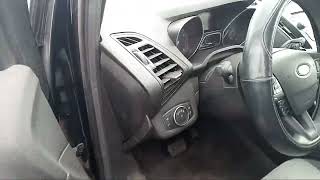

We Have This Part in Stock

The information in this article is provided for general reference and educational purposes only. Vehicle specifications, procedures, and part compatibility can vary by production date, trim level, and region. Always consult your vehicle's factory service manual and verify part numbers before purchasing or performing repairs. Safety-critical components such as airbags, seat belts, and braking systems should be installed by a qualified professional.
- Ford ESCAPE:
- 🎬 Helpful Videos
- 🛍️ Shop This Part
- What's Unique About the 2016-2018 Ford ESCAPE
- Diagnostic Flowchart
- Symptoms You May Notice
- Most Likely Causes
- Rare But Worth Checking
- Diagnosis Steps
- Parts You'll Likely Need
- Related Codes That Often Appear With This One
- Technical Service Bulletins (TSBs) & Recalls
- Platform-Specific Known Issues
- Mechanic-Grade Diagnostic Values
- Scan Tool Commands That Help
- Wiring & Ground Locations
- Real Owner Repair Stories
- Model Year Variations Within This Range
- 🎟️ Get 5% Off