

P1523 on 2015-2016 Jeep Renegade: VVA Low Oil Pressure Causes and Fixes
On a 2015-2016 Jeep Renegade, P1523 almost always points to an issue with the engine oil. Before buying any parts, check that the oil level is full and that the correct type of oil is being used. An oil and filter change with the manufacturer-specified oil often resolves the issue, which is critical for the sensitive MultiAir valve control system.
- P1523 means there is low oil pressure specifically in the Variable Valve Actuation (MultiAir) system.
- The first and most important diagnostic step is to check the engine oil level and confirm the correct type of oil is being used.
- This code is often accompanied by P1524, as the engine computer disables the system for protection.
- Do not drive the vehicle with this code, as it can lead to stalling and potential engine damage.
- If an oil change with the correct oil doesn't fix the issue, the problem could be a more expensive failure of the MultiAir actuator itself.
What's Unique About the 2015-2016 Jeep RENEGADE

The 2015-2016 Jeep Renegade uses Fiat-Chrysler's MultiAir engine technology in both its 1.4L and 2.4L engines. This electro-hydraulic system is uniquely sensitive to engine oil level, viscosity (thickness), and cleanliness. Unlike conventional engines where low oil pressure primarily risks bearing damage, on a MultiAir engine, it directly impacts the valvetrain's ability to function, leading to immediate drivability problems like stalling or loss of power. This is why oil-related issues are the number one cause of this specific code on this platform. The 2.4L Tigershark engine, in particular, is the subject of class-action lawsuits alleging excessive oil consumption which directly leads to this fault code.
Diagnostic Flowchart

Tap your situation to follow the diagnostic path that matches what you're seeing on this vehicle.
Symptoms You May Notice
- Check Engine Light (Malfunction Indicator Lamp) is on
- Engine stalling, especially when cornering, stopping, or at low speeds
- Rough or unstable idle
- Noticeable loss of engine power and sluggish acceleration
- Vehicle enters 'limp mode', sometimes limiting speed
- Engine may crank but fail to start, or have a long crank time
- Ticking noise from the top of the engine
- Burning oil smell
- Replacing camshaft position sensors. This code is about oil pressure for the valve system, not the sensor that reads the camshaft's position.
- Replacing the main oil pressure sensor. While a faulty sensor can cause incorrect pressure readings, P1523 is specific to the VVA/MultiAir circuit. A general low-pressure code would more likely point to the main sensor.
Most Likely Causes

- Low Engine Oil Level 🔴 High Probability The 2.4L Tigershark engine is known for excessive oil consumption, a defect alleged in multiple class-action lawsuits. This can cause the oil level to drop dangerously low between changes, starving the MultiAir system first. Sloshing oil during turns can uncover the oil pump pickup, triggering the code.
How to confirm: Turn the engine off, wait 5-10 minutes for the oil to settle, then check the engine oil dipstick on level ground. Many owners report no low oil warning light before the engine stalls.
Typical fix: Top up the oil to the full mark using the manufacturer-specified oil type and viscosity. Clear codes and test drive.
Est. part cost: $10-$20 - Incorrect Engine Oil Type or Viscosity 🔴 High Probability The MultiAir system's hydraulic actuators require a specific oil viscosity to function correctly. Using the wrong oil (e.g., conventional instead of synthetic, or the wrong weight like 5W-30 instead of the specified 0W-20 for the 2.4L) can prevent the system from building adequate pressure.
How to confirm: Verify the oil type used during the last oil change via service records. If unknown, incorrect, or if a quick-lube service was used, an oil change is the best confirmation. Owners on forums report this code appearing immediately after an oil change with the wrong oil.
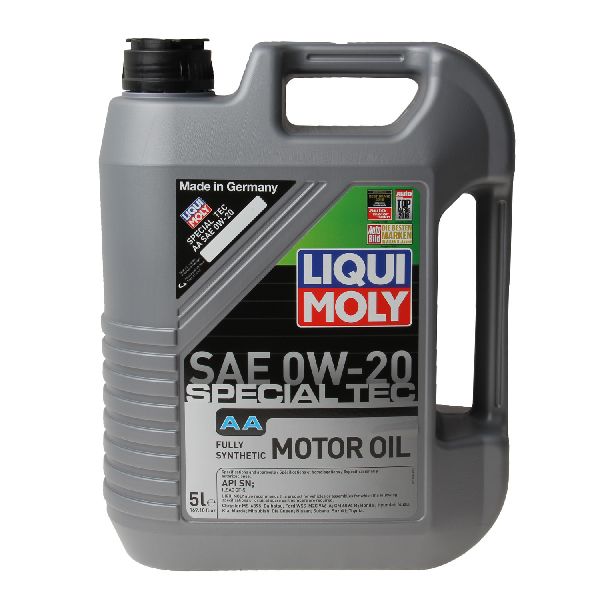
Typical fix: Perform an engine oil and filter change using the exact oil specified in the owner's manual for your engine (e.g., API Certified SAE 0W-20 for the 2.4L).
Est. part cost: $50-$100 - Dirty or Clogged Engine Oil Filter 🟡 Medium Probability A clogged or incorrect-spec oil filter can restrict flow, lowering overall oil pressure. The MultiAir system also has a small, secondary filter screen located under the timing cover that can become clogged with sludge from infrequent oil changes, starving the actuator for oil.
How to confirm: If the oil is dark and the service interval is overdue, the filter is likely dirty. The secondary filter requires significant disassembly to inspect.
Typical fix: Replace the main engine oil filter with a high-quality or OEM filter. If the problem persists, the secondary MultiAir pre-filter may need to be cleaned or replaced, which is a more involved job.
Est. part cost: $10-$25 - Failed MultiAir Actuator Assembly ('Brick') ⚪ Low Probability Though less common than oil issues, the actuator itself can fail internally. The solenoids or hydraulic passages within the assembly can wear out, become blocked, or leak, preventing it from holding pressure.
How to confirm: This is a diagnosis of exclusion. If oil level, type, and pressure are all confirmed to be correct via mechanical gauge testing, the actuator is the likely culprit. A technician may use an advanced scan tool to perform active tests 🎬 See how to access and replace the VVT solenoids. on the VVT solenoids.
Typical fix: Replace the entire MultiAir actuator assembly. This is a significant and costly repair, often requiring special procedures to bleed the new unit. 🎬 Watch this professional walkthrough of a MultiAir brick installation.
Est. part cost: $800-$1500
Rare But Worth Checking
- Failing Oil Pump: While possible, a failing oil pump would typically cause a general low oil pressure warning for the entire engine, not just the VVA system. It's less likely but should be considered if other causes are ruled out and base oil pressure is low.
- PCM Software Issue: Technical Service Bulletins #18-042-21 and #18-089-17 mention that a PCM software update can address this code in some cases, suggesting the fault logic can sometimes be too sensitive or to correct other related issues.
- Clogged Oil Pump Pickup Screen: In cases of severe sludge buildup from poor maintenance, the oil pump pickup screen in the oil pan can become clogged, restricting oil flow to the entire engine.
Diagnosis Steps

- Check the engine oil level using the dipstick. Ensure the vehicle is on level ground and has been off for at least 5 minutes. If low, top off with the correct oil, clear codes, and re-test.
- If the oil level is full, verify the correct type and viscosity of oil was used. Check the oil fill cap and owner's manual for specifications (e.g., SAE 0W-20 for the 2.4L). If in doubt, perform a complete oil and filter change with high-quality, OEM-spec products.
- Inspect the area around the MultiAir actuator (top of the engine) for any visible oil leaks, which could indicate a failing gasket or actuator.
- Check for any available Powertrain Control Module (PCM) software updates by contacting a dealership, as mentioned in TSBs #18-042-21 and #18-089-17.
- If the code persists, have a professional mechanic test the engine's base oil pressure with a mechanical gauge to rule out a failing oil pump or clogged pickup tube.
- If base oil pressure is good, the issue likely lies within the MultiAir system itself. This could be a clogged secondary pre-filter screen or a failing MultiAir actuator ('brick'). Diagnosis from this point requires advanced knowledge and tools.
Parts You'll Likely Need
- MultiAir Actuator Assembly
(OEM #05047980AD (superseded by 05047980AE))— This is the complete electro-hydraulic unit that controls the intake valves. If it fails internally, it cannot maintain the oil pressure required for operation, triggering P1523. The original part number 05047980AD has been superseded by 05047980AE.
Trusted brands: Mopar
OEM price range: $1300-$2000
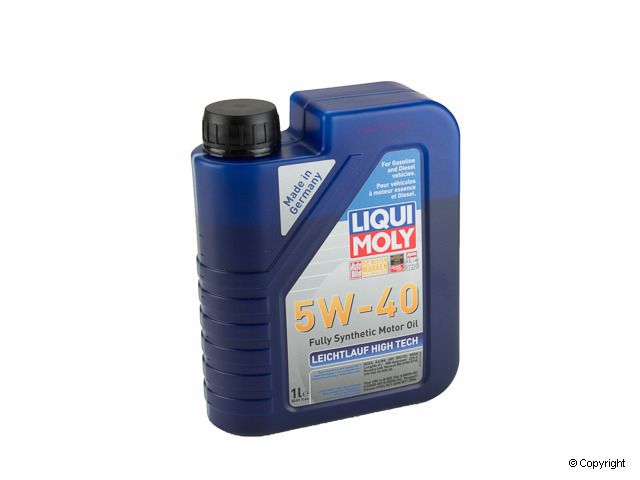
Aftermarket price range: $800-$1200 - Engine Oil and Filter — The MultiAir system is highly sensitive to oil quality, viscosity, and level. An oil and filter change with the correct specification oil is the most common and essential first step in fixing this code. The 2.4L engine's oil consumption issues make this a recurring maintenance item to prevent the code.
Trusted brands: Mopar, Pennzoil, Mobil 1
OEM price range: $70-$120
Aftermarket price range: $50-$90
Related Codes That Often Appear With This One
- P1524 — P1524 (Oil Pressure Out Of Range - Camshaft Advance/Retard Disabled) is a direct result of P1523. When the PCM detects low pressure (P1523), it disables the variable valve system as a protective measure, logging P1524. They almost always appear together.
- P1D7F — P1D7F (ETC Self-Learning Failure) can appear because the engine is not running correctly due to the valve actuation issue, which interferes with the Electronic Throttle Control's ability to learn its parameters. This is mentioned in the same TSBs as P1523.
- P0300-P0304 — Misfire codes (e.g., P0304 for Cylinder 4) can occur because if the intake valves for a specific cylinder aren't opening correctly due to the MultiAir issue, that cylinder won't fire properly.
Technical Service Bulletins (TSBs) & Recalls
- Covers PCM updates for 2015-2016 Renegade 1.4L engines to address P1523, P1524, P1D7F, long crank times, and ticking noises.
- Superseded bulletin, also for PCM reprogramming on 1.4L engines with manual transmissions to address P1523 and other codes.
Platform-Specific Known Issues
- The 2.4L Tigershark MultiAir engine has a widely documented history of excessive oil consumption, leading to multiple class-action lawsuits. This defect is a primary driver for the P1523 code, as low oil levels starve the MultiAir system of the pressure it needs to function.
Mechanic-Grade Diagnostic Values
- Engine Oil Pressure (Mechanical Gauge) — expected: Typically above 25-30 PSI at operating temperature and RPM. Exact specs are not widely published, but significantly low readings are a clear indicator.. Failure: A user with severe issues reported oil pressure of 5 PSI at idle and 20 PSI at 2,000 RPM, which preceded an engine replacement.
Scan Tool Commands That Help
- wiTECH (Dealer Scan Tool): Flash: Powertrain Control Module (PCM) Updates — As per TSB #18-042-21, a PCM software update may resolve overly sensitive fault logic for P1523 and related codes. This should be checked before replacing major components.
- Advanced Scan Tool (e.g., wiTECH): Solenoid Actuation Test / Pulse Test — After verifying oil pressure is good, a technician can command the individual VVA solenoids to pulse. This helps determine if the electrical side of the actuator is responding, pointing towards a mechanical/hydraulic blockage if the command is sent but the problem persists.
Wiring & Ground Locations
- PCM Connector C2 (VVA Solenoids) — The Powertrain Control Module (PCM) for the 2.4L engine is located in the engine bay. Connector C2 is one of the main harness connectors to the module.. These pins control the MultiAir actuator solenoids. Testing for continuity and voltage here can rule out wiring issues between the PCM and the actuator. Based on a 2018 diagram (which is highly similar), the pinouts are: Pin 1 (VT) - VVA Solenoid 2 Return; Pin 2 (DB/PK) - VVA Solenoid 3 Signal; Pin 3 (DB) - VVA Solenoid 3 Return.
- Engine Ground Strap — A primary ground strap connects the engine block to the chassis, often near a motor mount or the bell housing. Another connects the negative battery terminal to the chassis.. While not a direct cause of P1523, a corroded or loose engine ground strap can cause a myriad of electrical issues, including erratic sensor readings and improper module function. Ensuring all main grounds are clean and tight is a foundational step in any complex electrical diagnosis.
Real Owner Repair Stories
- YouTube channel 'Mecânico Parceiro' (Jeep Compass with T270 1.3L Turbo engine (shares MultiAir technology and P1523 code)) — Check engine light with code P1523-00, low oil pressure in the VVA system.
❌ Tried (didn't work) The diagnostic process shown involves checking base engine oil pressure, checking oil level and quality, and inspecting the MultiAir pre-filter.
✅ What actually fixed it After confirming oil pressure and the pre-filter were good, the entire MultiAir actuator ('brick') was replaced. The mechanic stated the failure was internal to the sealed actuator, preventing the solenoids from functioning correctly. - Reddit user in r/JeepRenegade (2018 Jeep Renegade, 26k miles) — Sluggish acceleration, burning smell, eventual no-start, then limp mode (won't exceed 44 mph). Codes P1523-00 and P1524-00.
❌ Tried (didn't work) A local mechanic performed an oil change, which allowed the car to start but did not fix the limp mode or other symptoms.
✅ What actually fixed it The original poster did not provide the final resolution, but took the vehicle to the dealership under warranty. The strong implication from both the dealer and other commenters was that the initial problem was either critically low oil or the wrong type of oil, and the subsequent oil change did not resolve a potentially damaged component (like the MultiAir actuator).
"I Checked Everything" — The Actual Cause
- The equivalent for this code is 'base oil pressure tests good, but P1523 persists'. In these cases, the root cause is almost always isolated to the MultiAir system itself. The two most common culprits are: 1) The small, mesh pre-filter for the MultiAir actuator is clogged with sludge, preventing sufficient oil from entering the actuator. 2) The MultiAir actuator ('brick') has failed internally; its own hydraulic passages are blocked or a solenoid has failed mechanically, and it cannot build the pressure needed to operate the valves, even with good pressure being supplied to it.
When the Usual Fixes Don't Work
- While an oil change with the correct oil is the most common fix, it is not a guaranteed solution. In a case reported by an owner, a fresh oil change by a local mechanic did not resolve the P1523/P1524 codes or the associated limp mode. This indicates that once the low oil pressure condition has occurred, it may have caused a persistent fault within the MultiAir actuator ('brick') that an oil change alone cannot rectify. This highlights the importance of addressing the root cause (often oil consumption) before it leads to component damage.
OEM Part Supersession History
5047980AA, 5047980AB, 5047980AC, 05047980AD→05047980AE— Part revisions to improve reliability and address issues in earlier versions.
Heads up: 05047980AE is the latest, most reliable version and is a direct replacement for the previous part numbers. No programming is required upon replacement.
Helpful Videos
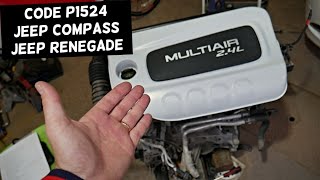
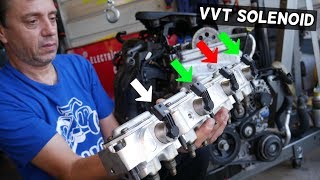
We Have This Part in Stock


The information in this article is provided for general reference and educational purposes only. Vehicle specifications, procedures, and part compatibility can vary by production date, trim level, and region. Always consult your vehicle's factory service manual and verify part numbers before purchasing or performing repairs. Safety-critical components such as airbags, seat belts, and braking systems should be installed by a qualified professional.
- Jeep RENEGADE:
- 🎬 Helpful Videos
- 🛍️ Shop This Part
- What's Unique About the 2015-2016 Jeep RENEGADE
- Diagnostic Flowchart
- Symptoms You May Notice
- Most Likely Causes
- Rare But Worth Checking
- Diagnosis Steps
- Parts You'll Likely Need
- Related Codes That Often Appear With This One
- Technical Service Bulletins (TSBs) & Recalls
- Platform-Specific Known Issues
- Mechanic-Grade Diagnostic Values
- Scan Tool Commands That Help
- Wiring & Ground Locations
- Real Owner Repair Stories
- "I Checked Everything" — The Actual Cause
- When the Usual Fixes Don't Work
- OEM Part Supersession History
- 🎟️ Get 5% Off