

P1516 on 2004-2011 GMC Canyon: Reduced Power, Causes, and Fixes
On a 2004-2011 GMC Canyon, code P1516 almost always points to a failing electronic throttle body. This triggers the 'Reduced Engine Power' mode. Cleaning the throttle body is a first step, but replacement is often necessary. Another potential, though less common, cause is poor grounding between the engine, chassis, and PCM. Expect to pay $100-$250 for an aftermarket part.
- P1516 on your GMC Canyon means the electronic throttle control system has a problem, almost always triggering 'Reduced Engine Power' mode.
- The most common cause is a failing electronic throttle body assembly. A dirty throttle body is the second most likely cause.
- Start by cleaning the throttle body. It's inexpensive and may solve the problem.
- If cleaning doesn't work, inspect the wiring connector before buying parts. If the wiring is good, replacing the entire throttle body assembly is the most reliable repair.
- This is a DIY-friendly repair for most home mechanics with basic tools.
What's Unique About the 2004-2011 Gmc CANYON
The first-generation GMC Canyon and its siblings, the Chevy Colorado and Hummer H3, are known for throttle body issues that trigger the P1516 code. 🎬 Watch: Understanding the mystery behind P1516 and P2101 codes. The problem is often exacerbated by carbon and oil buildup in the throttle body, which is common on these trucks due to the PCV system design. This buildup can cause the throttle plate to stick or move slowly, creating the position mismatch that the computer flags. Additionally, the wiring harness connector to the throttle body is a common failure point due to engine vibration and heat over time. Some owners have also traced intermittent issues to faulty or corroded ground wires between the engine block, firewall, and PCM, a known weak point on this platform.
Diagnostic Flowchart
Tap your situation to follow the diagnostic path that matches what you're seeing on this vehicle.
Symptoms You May Notice
- Reduced Engine Power warning light and message
- Check Engine Light is on
- Vehicle will not accelerate past a certain low speed (limp mode)
- Little to no throttle response
- Rough or unstable idle
- Engine may stall, especially when coming to a stop
- Harsh or erratic shifting
- Hesitation or sluggishness during acceleration
- Replacing the accelerator pedal position (APP) sensor. While the APP sensor is part of the drive-by-wire system, a failure there typically sets different codes (like P2138 or P2122). Owners often replace this part with no success for P1516.
Most Likely Causes
- Dirty or Clogged Throttle Body 🔴 High Probability The PCV (Positive Crankcase Ventilation) system routes oil vapor and blow-by gases into the intake, leading to carbon and gunk buildup on the throttle plate and bore over time. TSB PIP4578B specifically calls this out for high-mileage vehicles.
How to confirm: Remove the air intake duct from the throttle body and visually inspect the throttle plate and bore for a thick, black layer of carbon or oil residue. With the ignition off, check if the plate is sticky or binds when moved by hand; it should move smoothly and spring back shut.
Typical fix: Thoroughly clean the throttle body bore and plate using a dedicated throttle body cleaner and a soft cloth or brush. Do not spray cleaner directly into the electronic components. A throttle relearn procedure is often required after cleaning.
Est. part cost: $5-$15 - Failing Electronic Throttle Body Assembly 🔴 High Probability The internal components of the throttle body, including the electric motor and the dual throttle position sensors (TPS), wear out. The plastic gears inside can fail, the motor can weaken, and the resistive strips on the TPS can develop dead spots, causing the commanded vs. actual position error. A clicking noise from the throttle body at idle just before it enters limp mode is a strong indicator of internal failure.
How to confirm: If cleaning doesn't resolve the issue, the problem is very likely internal to the throttle body. A scan tool can graph the two TPS sensor voltages (typically 0.5-4.5V) to look for dropouts or discrepancies between commanded vs. actual position. A buzzing or clicking noise from the throttle body at idle just before it enters limp mode is a strong sign of a failing actuator motor.
Typical fix: Replace the entire throttle body assembly. It is sold as a complete unit with the motor and sensors integrated. This is the most common definitive fix reported by owners.
Est. part cost: $100-$250 - Wiring or Connector Issues at Throttle Body 🟡 Medium Probability The wiring harness connector (pigtail) at the throttle body is subject to heat and vibration, which can lead to loose pins, corrosion, or broken wires over time. This can cause an intermittent connection, triggering the code, especially when hitting bumps.
How to confirm: With the engine off, disconnect the throttle body connector and inspect the pins on both the harness and the throttle body for corrosion, moisture, or damage. Wiggle the harness near the connector while the engine is running (if possible) to see if it triggers the fault (a 'wiggle test').
Typical fix: Repair the damaged wires or replace the throttle body connector pigtail. Some owners have also found success by adding redundant ground wires from the engine block to the firewall to rule out poor grounding.
Est. part cost: $15-$40
Rare But Worth Checking
- Weak or Failing Battery: A weak battery or poor terminal connections can cause low voltage during cranking, which can sometimes trigger a P1516 code and a 'Reduced Power' message. Always ensure the battery is fully charged and connections are clean before replacing parts.
- Faulty Throttle Actuator Control (TAC) Module: On some older GM models, the TAC module is a separate computer that controls the throttle body. On these Canyons, the TAC logic is integrated into the Powertrain Control Module (PCM), making a separate TAC module failure not applicable.
- Powertrain Control Module (PCM) Issue: In very rare cases, the fault can be with the PCM itself. This should only be considered after all other possibilities, including all wiring and grounds, have been exhaustively ruled out. Sometimes a PCM software update from a dealer can address logic issues.
Diagnosis Steps
- Connect an OBD-II scanner and confirm P1516 is present. Check for any other related codes like P2101, P2135, or P0068 and address them as a group.
- Check battery voltage. Ensure the battery is fully charged (above 12.4V) and that terminals are clean and tight. A weak battery can cause erroneous electronic faults.
- Turn the ignition off. Remove the air intake hose connected to the throttle body.
- Visually inspect the throttle body bore and plate for heavy carbon or oil buildup.
- Gently push the throttle plate with your finger (ignition OFF). It should move smoothly and spring back to its resting position without sticking or binding. If it's sticky, it needs cleaning. If it feels gritty or the spring action is weak, the unit is likely failing.
- If dirty, clean the throttle body thoroughly with a dedicated cleaner and a soft cloth. Manually open the plate to clean the edges. Do not spray cleaner directly into the electronic components.
- Inspect the wiring harness and connector at the throttle body. Look for loose connections, pushed-out pins, corrosion, or damaged wires. Perform a 'wiggle test' on the harness with the engine idling to see if the fault can be triggered.
- Inspect main engine ground straps and splice packs. On these trucks, poor grounds are a known issue and can cause intermittent electronic faults. Ensure the grounds from the engine to the chassis (G101, G102) and firewall (G103) are clean and tight. Some owners add redundant ground wires as a permanent fix.
- If cleaning and wiring checks do not solve the problem, the throttle body assembly is the most likely culprit and should be replaced.
- After cleaning or replacement, perform a throttle relearn procedure. A common manual method is: 1) Idle in Park for 3 minutes. 2) Turn ignition OFF for 60 seconds. 3) Idle in Park for another 3 minutes. The idle should stabilize. Clear any idle-related codes that may appear during this process.
Parts You'll Likely Need
- Electronic Throttle Body Assembly
(OEM #ACDelco 217-2296 (superceded by 12679524) for 3.7L/2.9L engines 2007. ACDelco 217-3106 for 2008-2012 models. Verify by VIN.)— This is the most common fix for P1516 when cleaning fails. The internal motor and sensors wear out, and the assembly is replaced as a single unit.
Trusted brands: ACDelco, Bosch, Hitachi, Standard Motor Products
OEM price range: $200-$350
Aftermarket price range: $100-$250 - Throttle Body Connector Pigtail — If the 'wiggle test' fails or the connector is visibly damaged, replacing the pigtail is necessary to ensure a solid connection to the throttle body.
Related Codes That Often Appear With This One
- P2101 — Throttle Actuator Control Motor Circuit Range/Performance. This code is often set alongside P1516 as it directly relates to the performance of the motor inside the throttle body.
- P2135 — Throttle/Pedal Position Sensor/Switch 'A'/'B' Voltage Correlation. This code points to a disagreement between the two throttle position sensors inside the throttle body assembly, a common internal failure mode.
- P0068 — MAP/MAF - Throttle Position Correlation. This indicates a discrepancy between the airflow sensors and the throttle position, which can be caused by a faulty throttle body. TSB PIP4578B lists this code in conjunction with P1516.
- P2119 — Throttle Actuator Control Throttle Body Range/Performance. This code relates to the throttle plate's ability to move correctly, often caused by binding or a weak motor, and is mentioned in TSBs alongside P1516.
- P0507 — Idle Air Control System RPM Higher Than Expected. This can occur after cleaning a throttle body if an idle relearn is not performed, as the PCM is still compensating for the old carbon buildup.
Technical Service Bulletins (TSBs) & Recalls
- PIP4578B: Discusses idle surge, reduced power, and several DTCs including P1516 on high-mileage vehicles. It explains that carbon buildup causes the PCM to adapt, and cleaning the throttle body without an idle learn reset can cause further issues.
- PIP4573B: Notes that P1516, P2101, and other codes can appear during very cold starts (below -10°F). The bulletin suggests this may be due to a frozen PCV system or a weak battery affecting throttle operation.
- 11-06-04-007B: While primarily for P2135, this bulletin is relevant as it involves a water intrusion issue at the throttle position sensor cover that can cause correlation errors. It also notes that if P1516 is set, the entire throttle body should be replaced, not repaired.
Platform-Specific Known Issues
- High-Mileage Carbon Buildup: NHTSA Technical Service Bulletin #PIP4578B directly links P1516 to idle surge and reduced power on high-mileage vehicles due to carbon buildup. It notes that as carbon accumulates, the PCM learns to open the throttle plate more at idle. If the throttle is cleaned and the idle memory isn't reset, new idle-related codes can appear.
- Extreme Cold Weather Failure: NHTSA Technical Service Bulletin #PIP4573B links P1516 to cold start issues in extremely low temperatures (approx. -10°F / -23°C). This may be caused by a frozen PCV system creating excessive crankcase pressure or a weak battery struggling to operate the throttle plate motor in the cold.
- Intermittent Grounding Problems: Owners on forums have reported chasing intermittent P1516 codes for months, replacing the throttle body and pedal sensor to no avail. The ultimate fix for some was found to be poor or corroded ground connections, particularly the main straps from the engine to the firewall/chassis. Adding new, redundant ground wires has proven to be a reliable fix in these cases.
Mechanic-Grade Diagnostic Values
- Throttle Position Sensor (TPS) Voltage Range — expected: 0.5V - 4.5V. Failure: Voltage readings that are flat, drop out, or do not smoothly track from closed to wide-open throttle.
- Ground Circuit Voltage Drop — expected: < 50 millivolts (0.05V). Failure: A reading higher than 50mV between the component's ground pin and the negative battery terminal indicates excessive resistance in the ground circuit.
Scan Tool Commands That Help
- Snap-on Solus or similar professional scanner: Module Setup > Idle Learn Reset — This function is used after cleaning or replacing the throttle body to reset the PCM's learned idle compensation values. Failure to do this can result in a high idle and codes like P0506 or P0507.
- Tech2 / GDS2 (GM Dealer Tool): TAC Motor Command — While observing live data, this parameter should display 'Enabled' as the accelerator pedal is pressed. If it does not, or if it goes to 99% and then sets a fault, it indicates a problem in the TAC system that needs to be investigated via circuit testing.
Wiring & Ground Locations
- G101 — Lower left side of the engine block.. This is a primary ground for the Powertrain Control Module (PCM). A poor connection here can cause a wide range of engine management faults, including P1516.
- G102 / G103 / G104 — Grouped on the lower left side of the engine block (G102/G104) and on the cowl above the brake booster (G103).. These are primary engine and body ground points. Corrosion or looseness can affect sensor readings and cause intermittent electrical faults that mimic throttle body failure.
- Ground Splice Packs (SP105 / SP106) — SP105 is near the battery on the driver's side; SP106 is behind the engine airbox on the passenger's side.. These splice packs are notorious for corrosion. They bundle multiple ground wires together, and a failure here can cause bizarre, seemingly unrelated electrical issues, including those affecting the TAC system. SP106 specifically grounds the Data Link Connector, which can affect diagnostics.
- Throttle Body Connector — The 6-pin electrical connector on the electronic throttle body itself.. This is the most common point of wiring failure. Wires can break internally from vibration, or pins can get corroded. A 'wiggle test' on this connector is a key diagnostic step.
Real Owner Repair Stories
- Tahoe Yukon Forum user 'mdmcinti' (2003-2007 GM Truck/SUV (similar drive-by-wire system)) — Recurring 'Reduced Engine Power' message with code P1516, especially on cold starts or when hitting a hard bump.
❌ Tried (didn't work) Replacing the throttle body, Replacing the pigtail connector (initially), Adding some ground wires (temporary fix)
✅ What actually fixed it The user discovered the aftermarket pigtail connector had a poorly crimped wire. Shaking the harness would cause the idle to change. Re-doing the crimp connections properly solved the problem permanently. The user concluded that the issue is almost always in the wiring or grounds, not the TAC module or pedal sensor. - GM Forum user (2006 GMC Sierra 2500HD 6.0L) — P1516 and Reduce Engine Power mode, especially after coming to a stop. Butterfly on the throttle body was observed clicking back and forth at idle right before the fault occurred.
❌ Tried (didn't work) Cleaning the throttle body, Performing a throttle relearn, Checking grounds
✅ What actually fixed it Replacing the entire throttle body assembly was the final fix that resolved the codes and the Reduced Engine Power mode.
When the Usual Fixes Don't Work
- While cleaning the throttle body is a common first step, many owners report that it does not solve the P1516 code and 'Reduced Engine Power' mode. In cases where the internal electronics of the throttle body have failed, cleaning provides no benefit. Similarly, many owners chase intermittent P1516 codes by replacing the throttle body multiple times, only to find the root cause was a poor ground connection or a broken wire in the harness near the connector. One owner on a forum detailed a long saga of replacing parts, only to find the final fix was to properly re-crimp the wires on an aftermarket pigtail connector that had been installed previously.
OEM Part Supersession History
ACDelco 217-2296→GM 12679524— Standard part update and consolidation.
Model Year Variations Within This Range
- 2004-2007 vs 2008-2012: There are different throttle body part numbers for 2004-2007 and 2008-2012 models. For example, ACDelco 217-2296 is listed for 2007 models, while ACDelco 217-3106 is for 2008-2012. While they may look similar, internal electronics or physical design may differ, making them non-interchangeable. Always verify the correct part number for your specific year and engine.
- 2008-2012: GM issued a special coverage adjustment (11273A) for the throttle position sensor on some 2008-2012 models, extending the warranty to 10 years/120,000 miles. This acknowledges a high failure rate for the electronics in the throttle bodies of these specific years.
Helpful Videos

Used OEM Parts in Stock


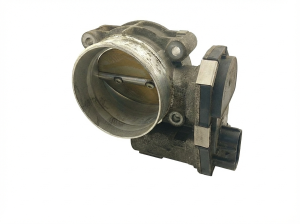
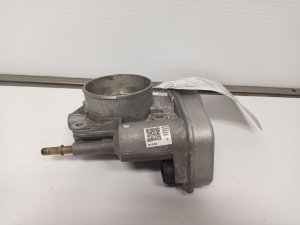
New Aftermarket Parts Available



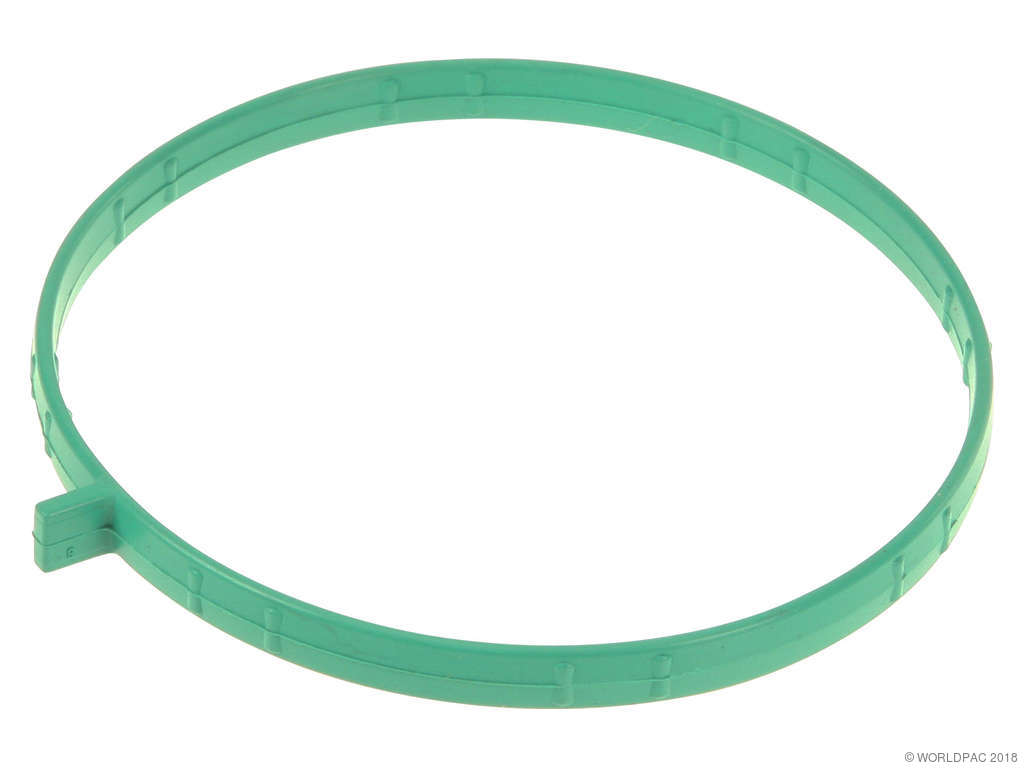


The information in this article is provided for general reference and educational purposes only. Vehicle specifications, procedures, and part compatibility can vary by production date, trim level, and region. Always consult your vehicle's factory service manual and verify part numbers before purchasing or performing repairs. Safety-critical components such as airbags, seat belts, and braking systems should be installed by a qualified professional.
- Gmc CANYON:
- 🎬 Helpful Videos
- 🛍️ Shop This Part
- What's Unique About the 2004-2011 Gmc CANYON
- Diagnostic Flowchart
- Symptoms You May Notice
- Most Likely Causes
- Rare But Worth Checking
- Diagnosis Steps
- Parts You'll Likely Need
- Related Codes That Often Appear With This One
- Technical Service Bulletins (TSBs) & Recalls
- Platform-Specific Known Issues
- Mechanic-Grade Diagnostic Values
- Scan Tool Commands That Help
- Wiring & Ground Locations
- Real Owner Repair Stories
- When the Usual Fixes Don't Work
- OEM Part Supersession History
- Model Year Variations Within This Range
- 🎟️ Get 5% Off