

OBD-II Code P1507: Ultimate Cummins Crankcase Filter Restriction Guide
The Most Comprehensive P1507 Guide for Cummins Engines: Causes, Pro-Level Diagnostics, and Fixes.
- Code P1507 on a Cummins engine indicates a restricted crankcase ventilation (CCV) filter requiring immediate replacement.
- Replace the CCV filter every 67,500 miles (2007.5-2018 models) or 75,000 miles (2019+ models) to prevent this code.
- Driving over 200 miles with an active P1507 code forces oil past the rear main seal, causing a $1,500+ repair.
- If P1507 returns immediately after installing a new filter, test the crankcase pressure sensor for a stuck 5V signal before assuming internal engine damage.
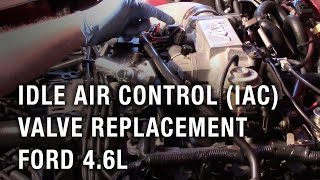
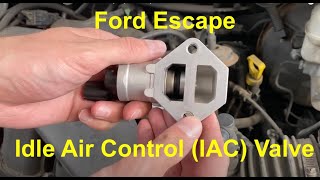
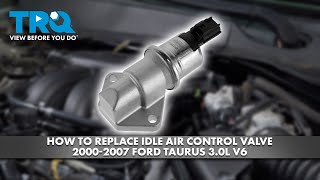
- On non-Cummins vehicles (Ford, Subaru, Hyundai), P1507 points to an Idle Air Control (IAC) system failure, not a filter restriction.
What Does P1507 Mean?

On a Cummins engine, P1507 indicates the Powertrain Control Module (PCM) detects a clogged crankcase ventilation (CCV) filter. This filter separates oil mist from blow-by gases. A blockage traps pressure inside the engine, causing severe oil leaks and performance drops. **Note:** On makes like Ford, Subaru, and Hyundai, P1507 indicates an Idle Air Control (IAC) system fault.
Technical definition: The SAE/ISO definition for P1507 is 'Crankcase Filter Restriction'. The PCM sets this code when the crankcase pressure sensor detects pressure exceeding a calibrated threshold (typically ~6.8 inches of H2O) for a specified duration, indicating the CCV filter is blocking gas flow.
Can I Drive With P1507?

Yes, But With Caution. Driving is possible for short distances, but strongly discouraged over 100 miles. Continuing to drive with high crankcase pressure forces oil past critical seals. This causes catastrophic failure of the rear main seal (a $1,500-$2,500 repair requiring transmission removal) and destroys the turbocharger (adding $1,000-$3,000).
Common Causes

- Clogged CCV Filter (End of Service Life) (Very Common) — The filter is a maintenance item requiring replacement every 67,500 (2007.5-2018) or 75,000 miles (2019+). This is the primary cause of the code.
- Faulty Crankcase Pressure Sensor (Common) — The sensor fails and sends a falsely high-pressure reading to the PCM, triggering P1507 even with a clean filter.
- Frozen CCV System Hoses (Common) — In sub-zero temperatures, moisture in the CCV hoses freezes into an ice blockage, restricting flow and triggering the code (Cummins TSB #1800824).
- Excessive Engine Blow-By (Less Common) — Worn piston rings on high-mileage engines push excessive blow-by gas into the crankcase, overwhelming the CCV system and prematurely clogging the filter.
- Poor Maintenance or Harsh Conditions (Less Common) — Extended oil change intervals, incorrect oil types, or heavy idling create excessive sludge that saturates the filter media early.
- Air Intake Restriction (Rare) — A collapsed flexible intake duct or poorly designed aftermarket 'ram air' intake alters pressure dynamics, confusing the crankcase pressure sensor.
Symptoms

- "Perform Service" Message on Dash — The truck's computer tracks mileage and displays a service message on the instrument cluster when the filter change is due, often before the P1507 code sets.
- Engine Oil Leaks — Increased crankcase pressure forces oil past gaskets and seals, specifically the valve cover gasket and the rear main seal.
- Oil in the Turbocharger or Intake Pipes — A saturated CCV filter allows a wet film of oil to coat the inside of the intake pipe leading to the turbocharger compressor wheel.
- Increased Oil Consumption — Oil vapor forced into the engine's intake burns during combustion, leading to a noticeable drop in oil level between changes.
- Whistling or Hissing Noise from Engine Bay — Pressure audibly escapes from weak points in gaskets, seals, or the oil filler cap, creating a distinct whistling or hissing sound.
- Reduced Engine Performance or Rough Idle — The engine feels sluggish and the idle becomes unsteady because internal pressure disrupts the engine's normal operating balance.
Diagnostic Flowchart
Tap your situation to follow the diagnostic path that matches what you're seeing on this code.
Common Fixes & Costs
- Replace the CCV Filter Element — Parts: $80-$140, Labor: $100-$200, ~1.0 hr book time (DIY)
- Reset the "Perform Service" Light — Parts: $0, Labor: $0, ~0.1 hr book time (DIY)
- Replace Crankcase Pressure Sensor — Parts: $60-$100, Labor: $75-$150, ~0.5 hr book time (Intermediate)
- Clear Frozen CCV Hoses — Parts: $0, Labor: $0-$150, ~1.0 hr book time (Intermediate)
- Replace Leaking Gaskets and Seals — Parts: $50-$300, Labor: $1500-$2500, ~8.5 hr book time (Professional)
Used vs. New Parts: Buying Guide
When a used part is worth it: Never. The CCV filter is a consumable maintenance item designed to trap contaminants. A used filter is already partially or fully clogged and has no value.
Donor quality checklist:
- N/A - Do not purchase a used CCV filter under any circumstances.
Decision logic:
- If The part is a CCV filter → Always buy new. The choice is between OEM (Fleetguard/Mopar) and a reputable aftermarket brand.
- If Budget is the primary concern → A quality aftermarket filter from a known brand offers savings over OEM, but verify it meets OEM specifications.
- If Reliability and exact fit are the priority → Buy an OEM filter from Fleetguard (the original manufacturer) or Mopar to ensure perfect compatibility and performance.
Warranty tradeoff: Used Parts: No warranty, no reliability. Aftermarket New: Typically offer a 1-year to limited lifetime warranty against defects. OEM New: Covered by a standard 12-month/12,000-mile parts warranty.
Worst-case if a used part fails: $150 if a poor-quality aftermarket filter fails prematurely, requiring repeat labor and the cost of a new, quality filter.
What Happens If You Wait — Timeline
- 0-1 month: The 'Perform Service' light illuminates as the filter reaches its service life. P1507 sets intermittently under load. Oil mist passes into the turbo inlet. (MPG impact: 0-1%% · Added cost: $0)
- 1-4 months: P1507 is a hard-set code with an active Check Engine Light. Crankcase pressure is consistently high, causing minor oil weeping around the valve cover gasket. Oil coats the turbo compressor wheel. (MPG impact: 1-3%% · Added cost: $50)
- 4-12 months: Pressure forces oil past major seals. The rear main seal leaks, causing drips on the driveway. Turbocharger efficiency drops due to oil contamination. (MPG impact: 3-5%% · Added cost: $1500)
- 12+ months: Catastrophic failure. The rear main seal blows out, causing rapid oil loss. Turbocharger bearings fail completely. The engine is at high risk of severe internal damage. (MPG impact: 5-10%+% · Added cost: $4500)
Cost of Not Fixing It
- 0-3 months: Minor oil weeping from gaskets (valve cover), oil contamination of turbo inlet, and reduced fuel economy. (Added cost: $50)
- 3-12 months: Significant oil leaks develop, most notably from the rear main seal. Turbocharger performance degrades due to oil contamination and bearing wear. (Added cost: $1500)
- 12+ months: Catastrophic failure of the rear main seal, leading to rapid oil loss. Complete turbocharger failure and potential internal engine damage. (Added cost: $4500)
Diagnosis Steps
- Check Service Messages and Mileage
Check your instrument cluster for a "Perform Service" message. Compare your mileage to the service interval (67,500 miles for 2007.5–2018, 75,000 miles for 2019+). If you are near or over the interval, the filter requires replacement.
Tools: None (Beginner) - Perform an Idle Pressure Check (Oil Cap Test)
Start the engine and let it idle. Carefully loosen the oil filler cap. A significant puff of air escaping or the cap 'dancing' confirms excessive crankcase pressure. Visible smoke indicates severe blow-by.
Tools: None (Beginner) - Scan for DTCs and Monitor Live Data
Confirm P1507 is active. Monitor the 'Crankcase Pressure' PID. Healthy idle pressure is 0-2 inches of H2O. Sustained readings over 5-6 inches confirm a restriction.
Tools: OBD-II Scanner with Live Data (Intermediate) - Inspect the Turbo Inlet for Oil
Remove the main intake tube connecting the airbox to the turbo. A wet, oily film on the compressor wheel confirms the CCV filter is saturated and failing to separate oil from vapor.
Tools: Screwdriver or socket set (Intermediate) - Inspect for Obvious Oil Leaks
Check the valve cover, CCV filter housing, and bell housing (where the engine meets the transmission) for fresh oil drips indicating seal failure.
Tools: Flashlight (Beginner) - Remove and Inspect the CCV Filter
Remove the valve cover assembly. A clogged filter feels significantly heavier than a new one and is soaked with black sludge.
Tools: 8mm or 5/16" socket, ratchet, extensions (Intermediate) - Test Crankcase Pressure Sensor Voltage
With key on/engine off, back-probe the sensor's signal wire. Voltage should be under 1V. A reading over 4.5V indicates a stuck, faulty sensor requiring replacement.
Tools: Multimeter, Back-probe pins (Advanced) - Measure Crankcase Pressure with a Manometer
Connect a manometer to the oil dipstick tube. If pressure exceeds 6-7 inches of H2O at idle with a new filter installed, the engine has excessive blow-by requiring internal repair.
Tools: Digital Manometer, appropriate fittings (Advanced)
When This Code Triggers (Freeze-Frame Conditions)
- Engine Coolant Temp: 180-205°F (Engine at full operating temperature.)
- RPM: 1800-2800 RPM (Sustained cruise or light acceleration, not typically at idle.)
- Engine Load: 40-70% (Vehicle under moderate load, such as climbing a grade or towing.)
- Time Since Start: > 10 minutes (Engine has been running long enough to be stable and warm.)
Related Codes
- P1508 — This is a more severe version of P1507, defined as 'Crankcase Filter Restriction - Replace Filter.' P1508 sets when pressure exceeds a critical, higher threshold, indicating the filter is completely saturated.
- P04DB — This code means 'Crankcase Ventilation System Disconnected.' The PCM sets P04DB when it sees a signal that is irrational or disconnected, such as an open circuit or short to ground.
- P053F — Stands for 'Cold Start Crankcase Breather Heater Performance'. This code appears alongside P1507 in cold climates, indicating a problem with the heater element designed to prevent the CCV system from freezing.
- "Perform Service" Message — This is a programmed maintenance reminder that appears on the dash when the truck reaches the mileage interval for a CCV filter change. It often appears before the P1507 code sets.
Climate & Environmental Factors
- Extreme Cold Weather: Moisture within the blow-by gases freezes inside the CCV filter media or hoses, creating an ice blockage. This causes a sudden restriction and triggers P1507, even if the filter is not near its service life (Cummins TSB #1800824).
- High Altitude: Operating at high altitude slightly alters air pressure dynamics. However, the crankcase pressure sensor measures gauge pressure relative to ambient pressure, making altitude alone an unlikely trigger for P1507.
How to Talk to a Mechanic About This Code
Say this: "I have a P1507 code on my Cummins. I need the CCV filter replaced. Please also verify the crankcase pressure with a manometer to confirm the filter is the root cause and not excessive blow-by."
Signals you know this is a routine maintenance item and requests a specific diagnostic test (pressure measurement) to confirm the filter is the problem, preventing unnecessary replacement of a good sensor.
Avoid saying:
- 'Just fix whatever's wrong'
- 'My check engine light is on, can you look at it?'
- 'Whatever you recommend'
Questions to ask before authorizing the repair:
- What was the crankcase pressure reading before the repair?
- If you are recommending a new sensor, what were the voltage readings from the old one?
- If the filter didn't fix it, what were the pressure readings with the new filter installed?
- Is the replacement filter an OEM Fleetguard or an equivalent aftermarket part?
Where to Take It: Dealer vs Independent vs Chain
- Dealer:
Best for: Vehicles under the 5-year/100,000-mile powertrain warranty, as this repair is often covered, Owners who prioritize guaranteed use of OEM parts (Mopar/Fleetguard)
Downsides: Highest labor rates, often 1.5-2x vs. an independent shop., Less flexible on diagnosing vs. just replacing parts by the book (Typical cost: +50% vs. baseline) - Chain Shop:
AVOID. While they technically change the filter, they are ill-equipped to handle any diagnostic complexity if the problem persists.
Best for: Not recommended for this repair
Downsides: Technicians typically lack the diesel-specific training to diagnose beyond the code itself, High risk of misdiagnosis (e.g., replacing the sensor unnecessarily) or upselling (Typical cost: -10% vs. baseline)
When to Walk Away From the Repair
If the estimated repair cost exceeds 40-50% of the truck's private-party value, consider selling it as-is or trading it in.
- Car worth $30000, fix is $250: Fix immediately. This is routine maintenance, not a major repair.
- Car worth $15000, fix is $2500: Borderline. The repair for a consequential rear main seal leak is ~17% of the truck's value. Get a second opinion, but likely worth fixing if the rest of the truck is in good shape.
- Car worth $20000, fix is $12000: Walk away. Repair cost for excessive blow-by requiring an engine rebuild is 60% of the vehicle's value.
What Scan Tool You Need for This Code
Minimum: OBD-II scanner with Live Data functionality to monitor the 'Crankcase Pressure' PID.
A basic code reader only shows the P1507 code. It cannot display the live pressure data that confirms the sensor is reading high, which is essential for distinguishing a clogged filter from a faulty sensor.
Budget: BAFX Products Bluetooth OBD2 Scanner (with Torque Pro app) (~$30) — Reads and clears codes, and displays live sensor data (including crankcase pressure) on your smartphone. Sufficient for DIY diagnosis of this specific code.
Mid-range: BlueDriver Pro or Autel MaxiCheck MX808 (~$100) — Provides more detailed, manufacturer-specific live data and graphs sensor readings over time. Useful for spotting intermittent sensor issues.
Professional: Autel MaxiCOM MK808BT or higher (~$500-1200) — Professional-level tool with full diagnostic capabilities. Overkill for just this code, but a powerful asset for a serious DIYer.
Rent vs buy: Most auto parts store loaner tools are basic code readers and lack live data functionality. Buying a budget Bluetooth scanner (~$30-100) is a better investment as it guarantees you can read the necessary live pressure data.
How to Clear the Code After You Fix It
- Replace the CCV filter and/or repair the root cause.
- Use an OBD-II scan tool to clear the P1507 diagnostic trouble code.
- Perform the manual 'Perform Service' message reset procedure (accelerator pedal sequence).
- Complete at least one full drive cycle to allow readiness monitors to run.
Drive cycle (~30 minutes): Start the engine and allow it to idle for 2-3 minutes. Drive in mixed city/highway conditions for 15-20 minutes, including several minutes of steady-state cruising between 45-60 mph. Perform several moderate accelerations and decelerations. Allow the engine to cool down completely (several hours) and repeat if necessary.
Readiness monitors affected: Comprehensive Component Monitor (CCM), Misfire Monitor
Before emissions retest: drive at least 50 miles to fully set monitors.
Watch out for:
- Only resetting the 'Perform Service' light with the pedal procedure does NOT clear the P1507 fault code from the ECM.
- Clearing the code with a scanner does NOT reset the 'Perform Service' maintenance reminder.
- The code returns quickly if the underlying cause (clogged filter, bad sensor, or excessive blow-by) is not corrected.
Will This Fail Emissions / State Inspection?
Yes — this code typically fails an OBD-II emissions inspection.
- California: An active P1507 code causes an automatic failure of the OBD-II portion of the smog check. The Check Engine Light must be off and all required readiness monitors must be set.
- New York: The NYS DMV inspection includes an OBD-II scan. An illuminated Check Engine Light and an active fault code like P1507 results in an emissions test failure.
- Texas: In the 17 counties requiring emissions testing, an active P1507 code causes the vehicle to fail the OBD-II test.
Most Commonly Affected Vehicles
- Ram 2500 / 3500 / 4500 / 5500 (2007-2024) — All models with the 6.7L Cummins. Service interval is 67.5k miles for 2007.5-18 and 75k miles for 2019+. Current OEM filter is Fleetguard CV52001 or Mopar 68002433AC.
- Nissan Titan XD (2016-2019) — Applies to models equipped with the 5.0L Cummins V8 engine, which has a similar crankcase ventilation system.
- Ford F-650 / F-750 (2011-2024) — Applies to medium-duty models optioned with the 6.7L Cummins engine instead of the standard Ford Power Stroke V8.
- Freightliner Chassis Cabs (M2, MT45, etc.) (2008-2024) — Many Freightliner medium-duty trucks and chassis use the 6.7L Cummins (ISB) and share the same CCV filter maintenance.
- Blue Bird / Thomas Vision / Saf-T-Liner (2008-2024) — School buses and commercial buses using the 6.7L Cummins ISB engine share this CCV system and service requirement.
- Various (RV / Motorhome) Class A Diesel Pushers (2007-2024) — Many motorhomes built on Freightliner (XCR) or Spartan chassis use the 6.7L Cummins ISB and require this service.
- Kenworth / Peterbilt T270, T370 / 330, 337 (2007-2024) — Medium-duty conventional trucks from PACCAR are often equipped with the 6.7L Cummins (rebranded as PX-7) and have this system.
- Case IH / New Holland Various Agricultural Equipment (2007-2024) — Many tractors, combines, and sprayers use variants of the 6.7L Cummins (QSB 6.7) and feature a similar crankcase ventilation filter.
- Sterling Bullet 45 / 55 (2008-2010) — These short-lived medium-duty trucks were based on the Ram chassis and used the 6.7L Cummins engine.
Manufacturer-Specific Notes
- Ram / Cummins: Ram/Cummins treats the CCV filter as a scheduled maintenance item tied directly to a 'Perform Service' light. After replacing the filter, a specific pedal-press procedure is required to reset this light, separate from clearing the DTC.
- Cummins: Per TSBs #1800824 and #1800724, the CCV system is susceptible to freezing in extremely cold climates. Moisture in blow-by gases crystallizes in hoses or the filter housing, causing a blockage and triggering P1507.
- Ram / Cummins (Warranty): The crankcase ventilation filter is often covered under the vehicle's diesel powertrain warranty. If the 'Perform Service' message and P1507 code appear within the warranty period, consult a dealership for coverage.
- Aftermarket (Tuning): Aggressive aftermarket tunes increase cylinder pressure and blow-by. This overwhelms the stock CCV system, causing P1507 to appear much sooner than the standard service interval.
Real Owner Stories
2015 Ram 2500 at 130K miles - Standard Fix
Owner experienced a "Perform Service" light and a P1507 code. A visual check of the oil filler cap showed significant pressure release but no smoke.
What they tried:
- Diagnosed a clogged CCV filter based on the code and pressure symptoms.
Outcome: Replaced the CCV filter element (a 30-minute DIY job). After replacement and clearing the code, the pressure was relieved and the code did not return.
Lesson: For a truck with mileage near or over the service interval, P1507 is almost always a direct signal to replace the CCV filter. The 'oil cap test' is a great first step to confirm pressure without special tools.
2013 Ram 2500 - Misdiagnosis with CCV Reroute
The 'Perform Service' light and P1507 code appeared only during heavy acceleration. The truck already had a CCV reroute kit installed, so there was no filter to clog.
What they tried:
- Owner suspected an issue with the aftermarket exhaust or the CCV delete kit itself.
Outcome: The issue was traced to the CCV reroute hose. It had a low spot where condensation collected and froze in cold weather, creating a blockage. Clearing the ice resolved the code.
Lesson: If you have a CCV reroute kit, P1507 is triggered by a blockage in the vent hose (like an ice plug or a kink). Ensure the hose has a continuous downward slope to prevent fluid from collecting.
High-Mileage Ram with recurring P1507 - The Real Cause
A new CCV filter was installed, but the P1507 code and 'Perform Service' light returned in just a few thousand miles. The oil cap test showed pressure and visible puffs of smoke.
What they tried:
- Replacing the CCV filter again, which provided a temporary fix.
- Replacing the crankcase pressure sensor, which did not solve the problem.
Outcome: A professional diagnosis with a manometer confirmed crankcase pressure was extremely high even with a new filter. The root cause was worn piston rings from high mileage causing excessive blow-by.
Lesson: If P1507 returns quickly after a filter change, the filter is a symptom, not the problem. Visible smoke from the oil filler strongly indicates excessive blow-by from internal engine wear.
How to Prevent This Code From Triggering
- Change CCV filter at or before the recommended interval. (Every 67,500 miles (2007.5-18) or 75,000 miles (2019+). Consider shortening to 50,000 miles for severe duty.) — This ensures the system manages crankcase pressure as designed, preventing the chain reaction of leaks and contamination.
- Use high-quality CJ-4/CK-4 diesel engine oil and adhere to oil change intervals. (Every 7,500-10,000 miles, or more often in severe use.) — Quality oil with proper detergency reduces sludge and soot formation, preventing particulate matter from saturating the CCV filter media.
- Avoid excessive idling. (Daily habit.) — Prolonged idling allows soot to accumulate and leads to moisture condensation in the crankcase. This moisture emulsifies with oil, creating sludge that clogs the filter.
- Ensure regular highway driving. (At least once per week.) — Driving at sustained highway speeds gets the engine fully up to operating temperature, burning off moisture and contaminants within the crankcase.
Frequently Asked Questions
I have code P1507 on my Ford (or Subaru, Honda, etc.). Is it my crankcase filter?
No. The definition of P1507 as 'Crankcase Filter Restriction' is specific to Cummins engines. On most other vehicles, P1507 indicates a failure in the Idle Air Control (IAC) system.
I replaced the CCV filter but the P1507 code came back. What now?
First, test the crankcase pressure sensor, as a faulty sensor sends false high-pressure readings. Second, your engine likely has excessive blow-by from worn piston rings clogging the new filter. A professional manometer test confirms this.
Can a clogged CCV filter make my truck burn oil?
Yes. When the filter fails to separate oil from crankcase gases, oil mist gets sucked into the turbo and intake manifold. The engine burns this oil during combustion, causing a noticeable drop in oil levels.
What are the torque specs for the CCV filter cover bolts?
Tighten the 8mm CCV cover bolts in a crisscross pattern to exactly 89 lb-in (7.4 lb-ft). The bolts thread into fragile brass inserts in the plastic valve cover and strip easily if over-tightened.
What happens if I ignore the 'Perform Service' light and code P1507?
Ignoring it traps pressure inside the engine, forcing oil past the weakest seals. This causes severe rear main seal leaks, contaminates the turbocharger, and turns a $100 maintenance task into a $3,000+ repair.
Is changing the CCV filter a difficult DIY job?
No, it is a straightforward 30-minute job for most DIYers. It requires an 8mm socket to remove the cover bolts located directly on top of the engine.
How do I reset the 'Perform Service' light after changing the filter?
Turn the ignition to 'ON' without starting the engine. Slowly press the accelerator pedal completely to the floor two times within 10 seconds, then turn the ignition 'OFF'. You must still clear the P1507 code from the PCM using an OBD-II scanner.
Can I just clean the old filter instead of replacing it?
No. The filter uses a depth-media element that traps fine oil and soot particles deep within its fibers. Solvents or compressed air cannot clean it effectively, making replacement mandatory.
My truck has a CCV reroute kit installed but still gets a P1507 code. Why?
The pressure sensor detects momentary spikes in blow-by pressure under heavy acceleration, exceeding the PCM's threshold even without a filter. It also occurs if the reroute hose develops a kink or freezes in cold weather.
What is the difference between a Mopar and Fleetguard CCV filter?
Fleetguard is the filtration division of Cummins and manufactures the original equipment (OEM) part (CV52001). Mopar reboxes this exact same Fleetguard filter. Both are identical, genuine OEM parts.
Key Takeaways
- Code P1507 on a Cummins engine indicates a restricted crankcase ventilation (CCV) filter requiring immediate replacement.
- Replace the CCV filter every 67,500 miles (2007.5-2018 models) or 75,000 miles (2019+ models) to prevent this code.
- Driving over 200 miles with an active P1507 code forces oil past the rear main seal, causing a $1,500+ repair.
- If P1507 returns immediately after installing a new filter, test the crankcase pressure sensor for a stuck 5V signal before assuming internal engine damage.
- On non-Cummins vehicles (Ford, Subaru, Hyundai), P1507 points to an Idle Air Control (IAC) system failure, not a filter restriction.
Helpful Videos


The information in this article is provided for general reference and educational purposes only. Vehicle specifications, procedures, and part compatibility can vary by production date, trim level, and region. Always consult your vehicle's factory service manual and verify part numbers before purchasing or performing repairs. Safety-critical components such as airbags, seat belts, and braking systems should be installed by a qualified professional.
- 🎬 Helpful Videos
- What Does P1507 Mean?
- Can I Drive With P1507?
- Common Causes
- Symptoms
- Diagnostic Flowchart
- Common Fixes & Costs
- Used vs. New Parts: Buying Guide
- What Happens If You Wait — Timeline
- Cost of Not Fixing It
- Diagnosis Steps
- When This Code Triggers (Freeze-Frame Conditions)
- Related Codes
- Climate & Environmental Factors
- How to Talk to a Mechanic About This Code
- Where to Take It: Dealer vs Independent vs Chain
- When to Walk Away From the Repair
- What Scan Tool You Need for This Code
- How to Clear the Code After You Fix It
- Will This Fail Emissions / State Inspection?
- Most Commonly Affected Vehicles
- Manufacturer-Specific Notes
- Real Owner Stories
- 2015 Ram 2500 at 130K miles - Standard Fix
- 2013 Ram 2500 - Misdiagnosis with CCV Reroute
- High-Mileage Ram with recurring P1507 - The Real Cause
- How to Prevent This Code From Triggering
- Frequently Asked Questions
- I have code P1507 on my Ford (or Subaru, Honda, etc.). Is it my crankcase filter?
- I replaced the CCV filter but the P1507 code came back. What now?
- Can a clogged CCV filter make my truck burn oil?
- What are the torque specs for the CCV filter cover bolts?
- What happens if I ignore the 'Perform Service' light and code P1507?
- Is changing the CCV filter a difficult DIY job?
- How do I reset the 'Perform Service' light after changing the filter?
- Can I just clean the old filter instead of replacing it?
- My truck has a CCV reroute kit installed but still gets a P1507 code. Why?
- What is the difference between a Mopar and Fleetguard CCV filter?
- Key Takeaways
- 🎟️ Get 5% Off