

P1456 on 1997-2001 Acura NSX: EVAP Fuel Tank Leak Causes and Fixes
On a 1997-2001 Acura NSX, the P1456 code almost always points to a loose or faulty gas cap. Before suspecting more complex issues, ensure the cap is tight (at least three clicks) or replace it with a genuine OEM part. This is the cheapest, most common, and most likely fix. Aftermarket caps are a frequent cause of repeat failures.
- P1456 signifies a small leak in the fuel tank side of the EVAP system.
- Always check, tighten, and if necessary, replace the gas cap first. It is the most common and cheapest solution.
- Use a genuine OEM Acura gas cap for the best fit and seal.
- If a new gas cap does not solve the issue, the next step is a professional smoke test to find the leak, which could be a hose or a valve.
What's Unique About the 1997-2001 Acura NSX
While the P1456 code is common across the Honda/Acura lineup and frequently relates to the gas cap, the NSX's mid-engine layout can make accessing other EVAP components more complex than on a front-engine sedan like a TL or Accord. The fundamental diagnostic logic remains the same, but the physical location of parts is unique. For example, a 1999 NSX service manual places the Canister Purge Control Valve on the 'Left Underside of Engine Compartment'. The charcoal canister and associated valves are located in the rear of the vehicle, requiring removal of panels or wheels for access, unlike the more accessible engine bays of other Hondas.
Diagnostic Flowchart
Tap your situation to follow the diagnostic path that matches what you're seeing on this vehicle.
Symptoms You May Notice
- Check Engine Light (CEL) is on
- A faint smell of fuel, particularly around the rear of the car
- Replacing the O2 sensor. An O2 sensor fault will trigger different codes and is not related to the EVAP system.
- Replacing the purge valve (near the engine) instead of the vent valve/solenoid (near the tank). P1456 specifically points to the fuel tank side of the system, while a different code, P1457, typically points to the canister/engine side. This is a critical distinction in Honda/Acura diagnostics.
Most Likely Causes
- Loose, Incorrect, or Faulty Gas Cap 🔴 High Probability This is the most common cause for this code across all Honda/Acura vehicles. The rubber seal on the cap can dry out, crack, or become dirty over time, preventing a proper seal. Owner forums and mechanic testimonials repeatedly confirm this is the fix over 90% of the time.
How to confirm: First, ensure the cap is tightened until it clicks at least three times. Remove the cap and inspect the rubber gasket for any visible cracks, stiffness, or debris. If the light returns after clearing the code, replacing the cap with a genuine OEM part is the most effective and cost-efficient next step.
Typical fix: Replace the fuel filler cap with a new, genuine OEM part. Aftermarket caps are notoriously unreliable and may not solve the problem.
Est. part cost: $30-$55 - Faulty EVAP Canister Vent Solenoid / Bypass Solenoid Valve 🟡 Medium Probability This valve is a common failure point in Honda/Acura EVAP systems. It can get stuck open or closed due to corrosion or internal failure, preventing the system from sealing correctly for its self-test.
How to confirm: The valve can be tested with a handheld vacuum pump and by applying 12V battery voltage to see if it actuates correctly. A professional will use a bi-directional scan tool to command the valve on and off while monitoring system pressure.
Typical fix: Replace the EVAP canister vent solenoid valve.
Est. part cost: $40-$80 - Cracked or Disconnected EVAP Hoses ⚪ Low Probability Rubber and plastic hoses become brittle with age and heat cycles, leading to small cracks that cause leaks. This is less common than valve or cap failures but is a possibility on a 20+ year old vehicle.
How to confirm: A visual inspection may reveal obvious cracks, but the most effective method is a smoke test. This involves injecting low-pressure smoke into the EVAP system's service port and looking for where it escapes. This is the definitive way to find a leak in a hose or fitting.
Typical fix: Replace the specific section of cracked hose.
Est. part cost: $10-$30 - Faulty Fuel Tank Pressure Sensor ⚪ Low Probability The sensor that detects the pressure/vacuum for the test can fail, giving a false reading. While less common than the cap or valves, it is a known failure point.
How to confirm: Requires testing the sensor's voltage output with a multimeter against specifications or monitoring its readings with an advanced scan tool during an EVAP test. TSB B99-040 outlines this procedure, looking for a steady voltage between 2.45 and 2.55 volts with the gas cap removed.
Typical fix: Replace the fuel tank pressure sensor.
Est. part cost: $50-$100
Rare But Worth Checking
- Leaking Fuel Filler Neck: Rust or corrosion on the metal tube leading to the gas tank can create a small hole, preventing the gas cap from sealing properly and causing an EVAP leak. This is more common in regions that use road salt and can be definitively diagnosed with a smoke test.
- Cracked EVAP Charcoal Canister: The plastic housing of the canister itself can develop hairline cracks from age or impact, leading to a leak. This is an expensive part (OEM P/N 17011-SL0-A50 is over $600) and should only be replaced after a smoke test has confirmed the canister itself is the source of the leak.
Diagnosis Steps
- Check the Gas Cap: Ensure the gas cap is tight. Remove it, inspect the seal for cracks or debris, and retighten it until it clicks multiple times. Clear the code and drive to see if it returns.
- Replace Gas Cap: If the code returns, replace the gas cap with a genuine OEM Acura part as a low-cost, high-probability fix. Do not use a cheap aftermarket cap.
- Visual Inspection: Visually inspect all accessible EVAP hoses between the fuel tank, charcoal canister, and vent solenoid for obvious cracks, disconnections, or damage. On the NSX, this will require getting under the rear of the vehicle.
- Perform a Smoke Test: If no obvious issues are found, the most effective next step is to perform an EVAP smoke test. This involves feeding low-pressure smoke into the system's service port and watching for where the smoke escapes. This will pinpoint the exact location of any leak, whether it's a hose, the filler neck, or the canister.
- Test Components: If the smoke test reveals no leaks, test the individual components. Test the EVAP canister vent solenoid for proper operation using a vacuum pump and power source. Test the fuel tank pressure sensor's output to ensure it's within the correct range per the service manual (2.45V-2.55V with cap off).
- Inspect Fuel Filler Neck: During the smoke test, pay close attention to the fuel filler neck for any signs of smoke indicating a rust-through or crack.
Parts You'll Likely Need
- Fuel Filler Cap
(OEM #17670-SM4-A04)— This is the most frequent cause of a P1456 code due to the rubber seal wearing out over time. Using a genuine OEM cap is critical for a lasting repair. Honda has a history of updating cap designs to fix sealing issues, as noted in TSB 14-006 for later models which specified replacing caps with black gaskets with improved brown gasket versions.
Trusted brands: Acura (OEM)
OEM price range: $30-$55
Aftermarket price range: $15-$25 - EVAP Canister Vent Shut Valve
(OEM #17310-SV4-L32)— This valve is a common electrical/mechanical failure point that prevents the EVAP system from sealing properly for its pressure test. It is often the next most likely culprit after the gas cap.
Trusted brands: Acura (OEM), Denso
OEM price range: $60-$90
Aftermarket price range: $40-$70
Technical Service Bulletins (TSBs) & Recalls
- B99-040: "SERVICE BULLETIN - THIS BULLETIN UPDATES THE TROUBLESHOOTING PROCEDURES FOR DTC P1456 (EVAP CONTROL SYSTEM LEAKAGE [FUEL TANK SYSTEM]) AND DTC P1457 (EVAP CONTROL SYSTEM LEAKAGE[EVAP CANISTER SYSTEM])."
- Acura TSB 14-006 (for later models): While not for the 1997-2001 NSX, this TSB addresses the equivalent generic code (P0456) on 2012+ Acuras. It notes that the fuel cap gasket can create too much friction, preventing a good seal, and instructs dealers to replace caps with an old black gasket with an updated version with a brown gasket. This provides valuable context that Honda has actively worked to improve gas cap design to prevent this specific leak code.
Platform-Specific Known Issues
- While P1456 is a very common code on the wider Honda/Acura lineup, detailed, multi-page repair threads for it are notably absent from NSX-specific forums like NSXPrime. The few mentions that exist are typically resolved in one or two posts by replacing the gas cap. This strongly suggests that for the NSX, the issue is even more likely to be the gas cap and rarely progresses to more complex failures seen on higher-volume models like the Accord or TL.
Mechanic-Grade Diagnostic Values
- Fuel Tank Pressure (FTP) Sensor Voltage — expected: 2.45V - 2.55V with the ignition ON, engine OFF, and the fuel cap removed (system at atmospheric pressure).. Failure: A voltage outside this range indicates a faulty sensor or a restriction in the sensor's hoses. For example, a reading above 2.7V or below 2.3V with the cap on suggests the system is holding pressure or vacuum when it shouldn't be.
Scan Tool Commands That Help
- Honda Diagnostic System (HDS): EVAP FUNCTION TEST — This is the initial overall system test recommended by Acura service bulletins before beginning manual troubleshooting. A 'pass' indicates an intermittent issue, while a 'fail' confirms a current fault.
- Honda Diagnostic System (HDS): INSPECTION > EVAP TEST > SINGLE SOLENOID > BYPASS SOLENOID (BPS) — Used to manually command the Bypass Solenoid Valve on or off to isolate it during leak testing with a vacuum pump.
- Honda Diagnostic System (HDS): INSPECTION > EVAP TEST > MULTI SOLENOIDS > PCS ON, CVS ON, BPS ON — This command activates multiple solenoids simultaneously to seal the entire EVAP system, allowing a technician to apply vacuum and monitor the FTP sensor for a leak-down rate.
Wiring & Ground Locations
- G302 — Below the left rear seat area.. This is a chassis ground point referenced in wiring diagrams for the EVAP System Monitor. A poor connection at this ground could potentially cause erratic behavior or false readings from EVAP system components, although it is not a common cause of P1456.
Real Owner Repair Stories
- NSXPrime Forum Community Consensus (1997-2001 Acura NSX) — Check Engine Light with code P1456.
❌ Tried (didn't work) Due to the overwhelming success of the primary fix, there are virtually no documented cases on NSX-specific forums of owners trying multiple other parts before finding a resolution. The diagnostic path almost always stops after the first step.
✅ What actually fixed it In the vast majority of discussions, the issue is resolved by either re-tightening the gas cap (ensuring 3+ clicks) or replacing the fuel filler cap with a new OEM part (P/N 17670-SM4-A04). This is consistently reported as the first and final fix.
OEM Part Supersession History
17310-SV4-L31→17310-SV4-L32— Standard part revision or manufacturer change for the EVAP Canister Vent Shut Valve.
Heads up: The parts are interchangeable, with the L32 being the current replacement.
Helpful Videos
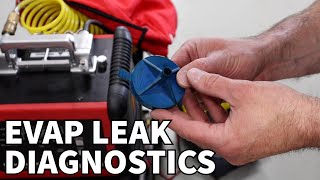
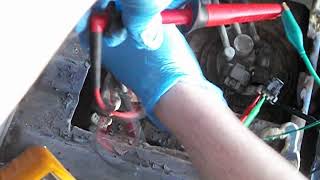
We Have This Part in Stock
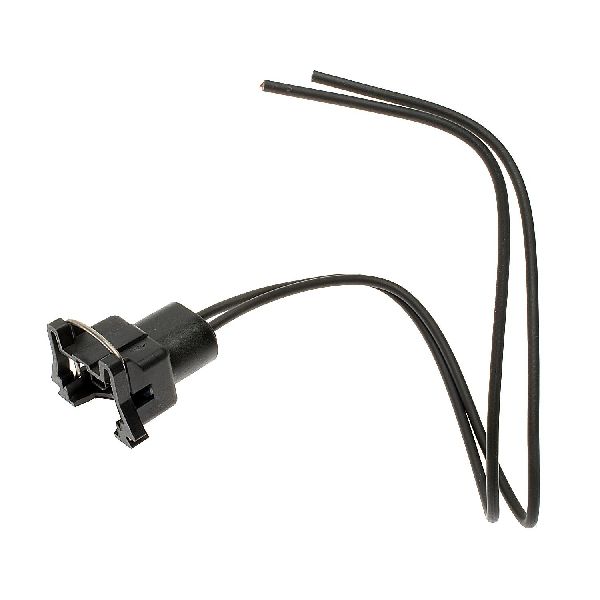

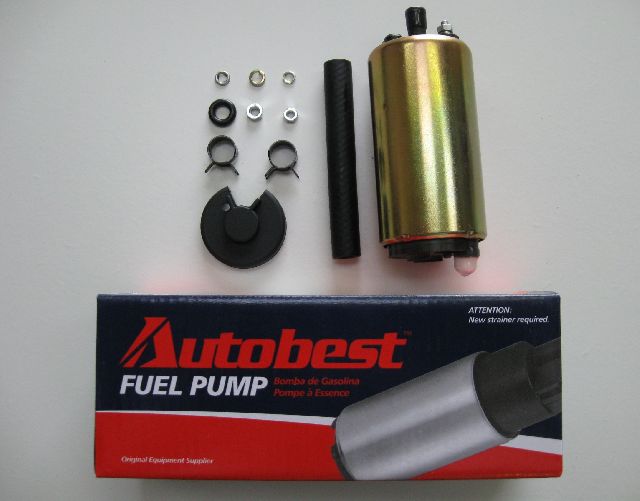

The information in this article is provided for general reference and educational purposes only. Vehicle specifications, procedures, and part compatibility can vary by production date, trim level, and region. Always consult your vehicle's factory service manual and verify part numbers before purchasing or performing repairs. Safety-critical components such as airbags, seat belts, and braking systems should be installed by a qualified professional.
- Acura NSX:
- 🎬 Helpful Videos
- 🛍️ Shop This Part
- What's Unique About the 1997-2001 Acura NSX
- Diagnostic Flowchart
- Symptoms You May Notice
- Most Likely Causes
- Rare But Worth Checking
- Diagnosis Steps
- Parts You'll Likely Need
- Technical Service Bulletins (TSBs) & Recalls
- Platform-Specific Known Issues
- Mechanic-Grade Diagnostic Values
- Scan Tool Commands That Help
- Wiring & Ground Locations
- Real Owner Repair Stories
- OEM Part Supersession History
- 🎟️ Get 5% Off