

P1450 on 2013-2017 Lincoln MKZ Hybrid: Causes and Fixes for EVAP System Faults
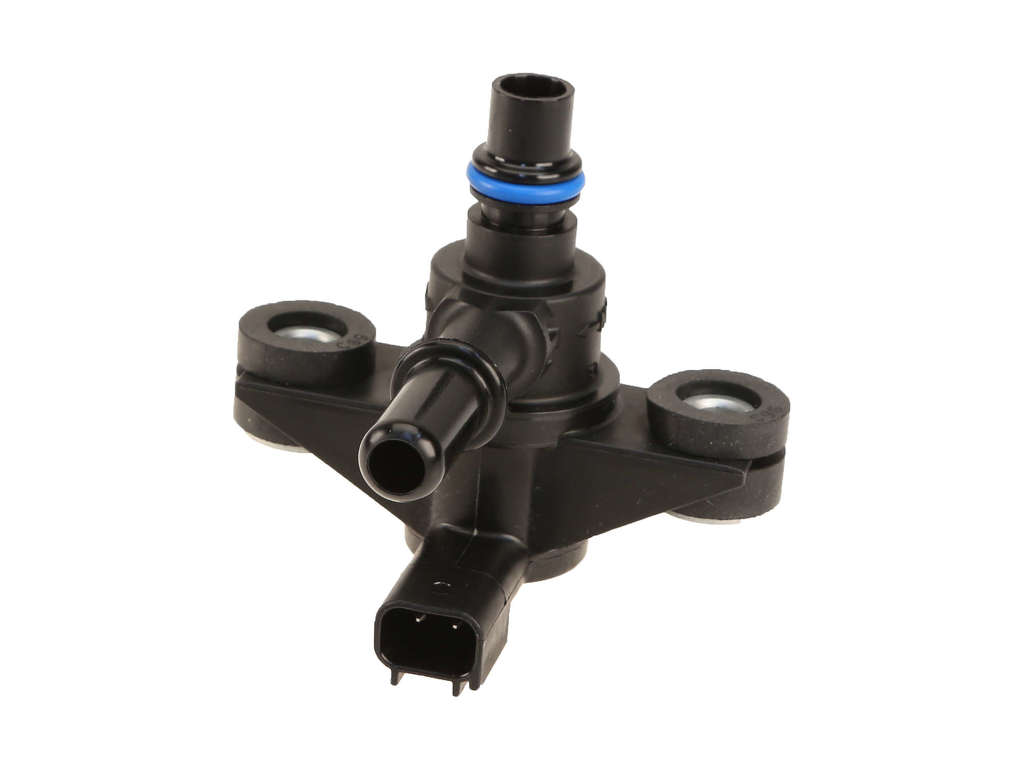
For the 2013-2017 Lincoln MKZ Hybrid, code P1450 is almost always caused by a faulty canister purge valve. Ford issued a Technical Service Bulletin (TSB 19-2207) for this exact issue. Replacing the valve is a straightforward DIY fix, with the part costing between $40 and $70. The updated OEM part number is AU5Z-9C915-E.
- P1450 on a 2013-2017 Lincoln MKZ Hybrid means the EVAP system can't release vacuum from the fuel tank.
- The most common cause by a wide margin is a faulty canister purge valve, a problem acknowledged by Ford in TSB 19-2207.
- Key symptoms are a check engine light and difficulty starting the car right after refueling.
- The repair is DIY-friendly, involving the replacement of the purge valve located in the engine bay. The updated OEM part is AU5Z-9C915-E.
- When replacing the valve, it is also recommended to have a dealer or qualified shop update the Powertrain Control Module (PCM) software as per TSB 19-2207.
What's Unique About the 2013-2017 Lincoln MKZ HYBRID

This issue is exceptionally common on the 2013-2017 Lincoln MKZ Hybrid and its siblings, the Ford Fusion Hybrid and C-Max. The problem is so well-documented that Ford issued Technical Service Bulletin #TSB 19-2207, which directly identifies a faulty canister purge valve as the primary cause. This TSB makes diagnosis much more certain compared to other vehicles where P1450 could have a wider range of potential causes.
Diagnostic Flowchart

Tap your situation to follow the diagnostic path that matches what you're seeing on this vehicle.
Symptoms You May Notice

- Check Engine Light is on
- Difficulty starting the vehicle after getting gas (engine cranks but won't fire up, or stalls immediately).
- A 'whoosh' sound of rushing air when opening the fuel cap (due to excessive vacuum).
- Rough or fluctuating idle, especially after refueling.
- Engine hesitation or stumbling during acceleration.
- A faint hissing or clicking sound from the engine bay near the purge valve.
- Replacing the gas cap. While a faulty gas cap can cause other EVAP codes (like P0457 for a large leak), it typically causes a leak, not an inability to vent excess vacuum, which is the specific problem with P1450.
Most Likely Causes

- Faulty Canister Purge Valve 🔴 High Probability The original purge valve's sealing capability was insufficient, as noted by Ford in TSB 19-2207. The valve gets stuck open, allowing constant engine vacuum to be pulled on the fuel tank.
How to confirm: With the engine off, remove the purge valve. If you can blow air through it, it is stuck open and needs to be replaced. Alternatively, with the engine running and the valve's electrical connector unplugged, check for vacuum at the port leading to the EVAP canister; there should be none. A scan tool can also monitor the Fuel Tank Pressure (FTP) sensor; if vacuum increases while the purge valve is commanded off, the valve is leaking.
Typical fix: Replace the canister purge valve. Per TSB 19-2207, the PCM should also be reprogrammed with the latest software by a dealer or qualified shop to optimize the EVAP monitor strategy. Many owners perform the valve replacement themselves and only seek dealer help if the code returns.
Est. part cost: $40-$70 - Blocked EVAP Canister Vent Solenoid or Hose ⚪ Low Probability Dirt, debris, or insect nests can clog the vent solenoid filter, which is open to the atmosphere.
How to confirm: Inspect the vent solenoid (usually near the charcoal canister at the rear of the vehicle) and its associated hoses for blockages, dirt, or kinks. A smoke test can confirm if the vent path is restricted.
Typical fix: Clean or replace the vent solenoid, filter, or blocked hose.
Est. part cost: $30-$80 - Kinked or Collapsed EVAP Hose ⚪ Low Probability
How to confirm: Visually inspect all EVAP system hoses between the engine bay, charcoal canister, and fuel tank for any visible damage, kinks, or collapses.
Typical fix: Replace the damaged section of the hose.
Est. part cost: $10-$40
Rare But Worth Checking
- Faulty Fuel Tank Pressure (FTP) Sensor: If the purge valve and vent path are confirmed to be working correctly, the FTP sensor could be sending incorrect vacuum readings to the computer.
- Over-filling the Fuel Tank: Repeatedly 'topping off' the fuel tank after the pump automatically shuts off can force liquid fuel into the charcoal canister and EVAP lines, which are designed only for vapor. This can lead to saturation of the canister and place stress on the purge and vent valves.
Diagnosis Steps
- Scan the system for any other accompanying EVAP codes. Note P0456, P04EE, etc., as they strongly point to the purge valve per TSB 19-2207.
- Confirm the primary symptom: difficulty starting after refueling.
- Listen for a 'whoosh' of air when opening the fuel cap, confirming excessive tank vacuum.
- Locate the canister purge valve in the engine bay. On the 2.0L Hybrid, it is located at the left rear of the engine, often mounted to the intake manifold.
- With the engine running, disconnect the EVAP line from the purge valve. Place your finger over the port on the valve. If you feel suction, the valve is stuck open and is faulty.
- If the purge valve tests good, inspect the EVAP vent solenoid and the lines running to it (located near the rear of the vehicle by the charcoal canister) for any blockages or damage.
- If no blockages are found, consider testing the Fuel Tank Pressure (FTP) sensor's output with an advanced scan tool to ensure it is reading correctly.
Parts You'll Likely Need
- Canister Purge Valve
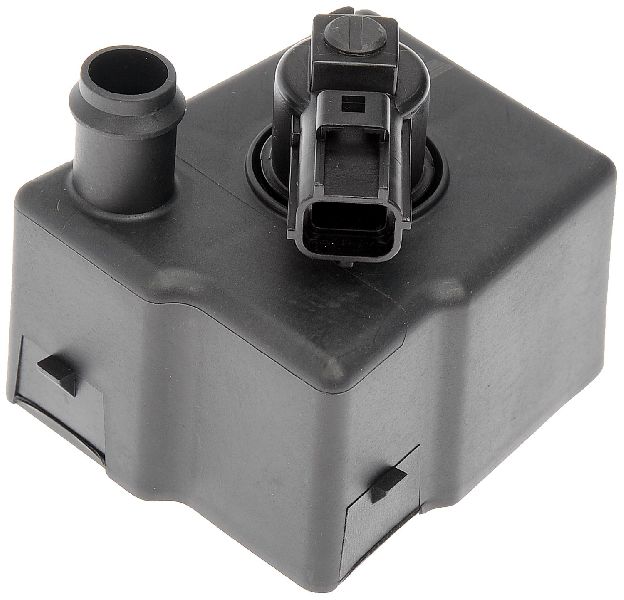
(OEM #AU5Z-9C915-E)— This is the component identified as the primary failure point in manufacturer Technical Service Bulletin TSB 19-2207. It has been superseded multiple times; previous numbers include AU5Z-9C915-D, AU5Z-9C915-C, and AU5Z-9C915-B.
Trusted brands: Motorcraft, Dorman (911-775), Bosch (0280142519)
OEM price range: $40-$70
Aftermarket price range: $35-$60
Related Codes That Often Appear With This One
- P0456 — EVAP System Small Leak Detected. TSB 19-2207 lists this as a common companion code caused by the faulty purge valve.
- P0457 — EVAP System Leak Detected (Fuel Cap Loose/Off). Also listed in TSB 19-2207.
- P04EE — EVAP System Canister Purge Valve 'A' Performance/Stuck Closed. This code directly points to the purge valve and is mentioned in TSB 19-2207.
- P04EF — EVAP System Canister Purge Valve 'B' Performance/Stuck Closed. Also related to the purge valve circuit and mentioned in TSB 19-2207.
Technical Service Bulletins (TSBs) & Recalls

- TSB 19-2207: States that P1450 on 2013-2017 MKZ Hybrids (and Fusion/C-Max Hybrids) may be due to the sealing capability of the canister purge valve and advises replacing the valve (part number AU5Z-9C915-D or newer) and updating PCM software.
- SSM 48301: Groups P1450 with a family of other EVAP codes (P0496, P04ED, P04EF, etc.) for these vehicles, confirming it's part of a known emissions system issue.
Platform-Specific Known Issues
- A known high failure rate of the canister purge valve led Ford to issue TSB 19-2207, which applies to 2013-2017 MKZ Hybrid models. The fix involves replacing the valve and reprogramming the PCM.
- Owner Experience: A user on Reddit with a Ford Fusion (platform mate) noted that while replacing the valve is 'conceptually easy,' access can be an issue if you don't have skinny fingers and arms, making a simple job slightly frustrating.
Mechanic-Grade Diagnostic Values
- Fuel Tank Pressure (FTP) Sensor Voltage at KOEO (Key On, Engine Off) — expected: 2.4 - 2.8 Volts at atmospheric pressure. Failure: A voltage significantly outside this range suggests a biased or faulty sensor.
- Canister Purge Valve Solenoid Coil Resistance — expected: 12 to 130 ohms. Failure: A reading outside this range, or an open circuit, indicates a failed solenoid coil.
- EVAP Canister Vent Valve Solenoid Resistance — expected: 12 - 80 Ohms. Failure: A reading outside this range points to a faulty solenoid coil.
- Canister Purge Valve Connector Voltage (Key On, Engine Off) — expected: Approximately 11 to 12 volts DC. Failure: No voltage at the harness connector suggests a wiring or fuse issue upstream of the valve.
Hidden / Shadow Codes Worth Checking
- P1450-00: This is a sub-code that may be displayed on some higher-end scan tools. The '-00' suffix does not change the diagnostic direction, which still points to an inability to bleed up fuel tank vacuum. (see via Professional scan tools or advanced DIY tools like FORScan.)
Scan Tool Commands That Help
- Advanced Scan Tool (e.g., iCarsoft, FORScan, Ford IDS): EVAP Purge Valve Bi-Directional Control — This is the definitive test for a stuck purge valve. Command the valve to 0% (closed) while monitoring the FTP sensor data. If the scan tool shows the valve is commanded closed but vacuum still builds in the tank (FTP voltage drops), the valve is mechanically stuck open and must be replaced.
- Advanced Scan Tool (e.g., FORScan, Ford IDS): EVAP System Test — This is a PCM-initiated self-test that runs the EVAP monitor on demand. It can be used to verify a repair has been successful without having to complete a full drive cycle. The test will command the purge and vent valves and monitor the FTP sensor to confirm the system can hold and release vacuum correctly.
Wiring & Ground Locations
- G101 — Left front of the engine compartment.. This is a major ground point for various engine components. A poor connection here could potentially affect the operation of engine bay-mounted solenoids like the canister purge valve.
- G106 — Right front of the engine compartment.. Another primary engine compartment ground. Verifying this ground is clean and tight is a good practice when diagnosing any electrical fault under the hood.
- Canister Purge Valve Connector — At the rear of the engine, connected to the purge valve solenoid.. This connector provides power and control signals to the purge valve. Technicians test for battery voltage here with the key on to rule out a wiring or fuse issue before replacing the valve itself.
Real Owner Repair Stories
- Reddit user on r/FordFocus (2013 Ford Focus) — Multiple different EVAP codes that kept returning.
❌ Tried (didn't work) Replaced multiple EVAP system parts based on the codes.
✅ What actually fixed it A damaged wiring harness was found to be the root cause. A section of the harness was rubbing against another component, causing intermittent shorts and sending erroneous codes for parts that were not actually faulty. The dealership repaired the damaged wiring.
OEM Part Supersession History
AU5Z-9C915-A, AU5Z-9C915-B, AU5Z-9C915-C, AU5Z-9C915-D→AU5Z-9C915-E— Progressive design updates to improve the sealing capability and prevent the valve from sticking open, which was the root cause identified in TSB 19-2207.
Heads up: All previous versions are superseded by AU5Z-9C915-E. It is recommended to always use the latest revision to ensure the most durable repair.
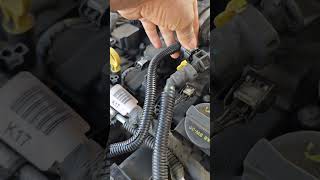
Helpful Videos
Used OEM Parts in Stock
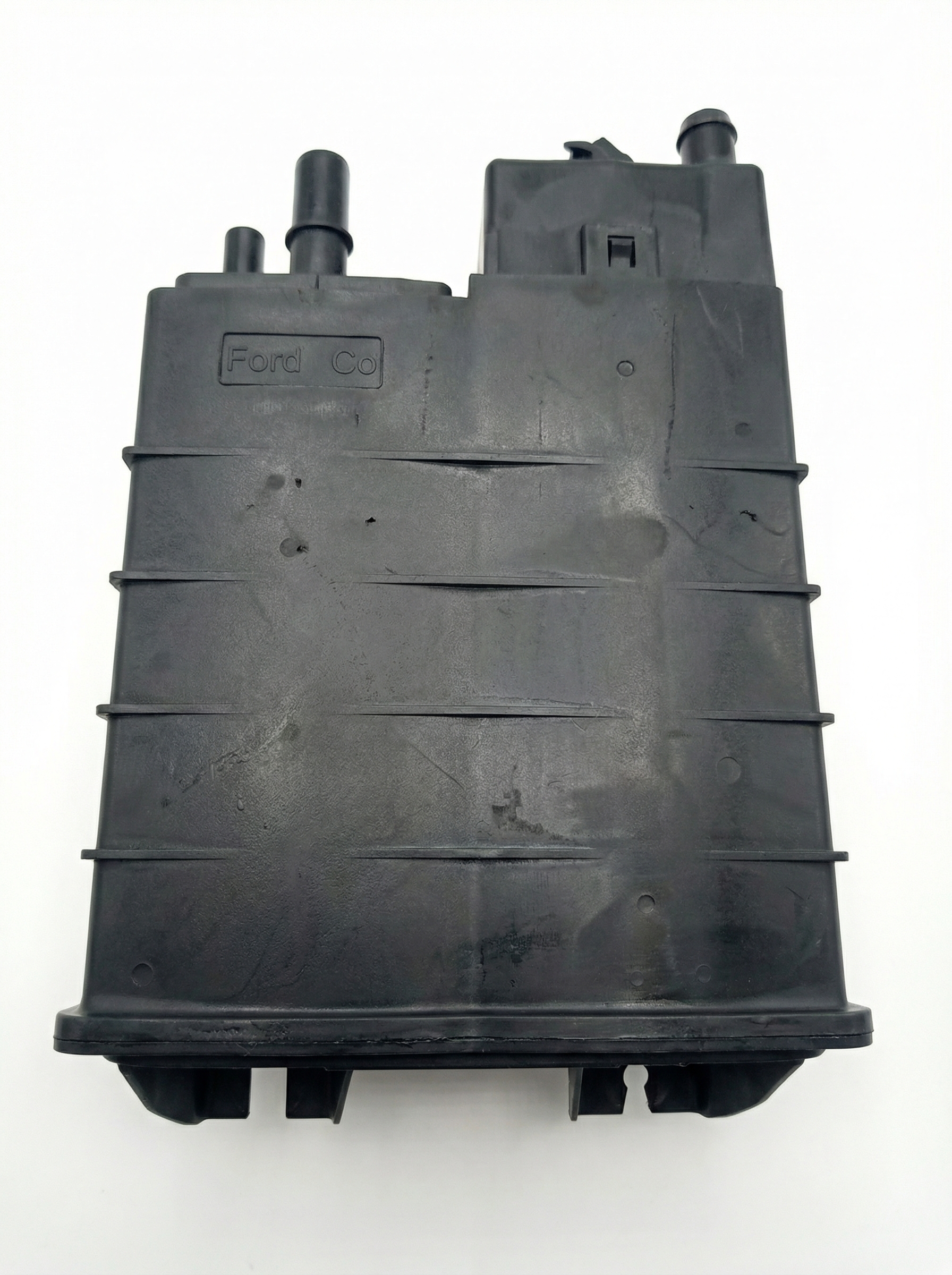

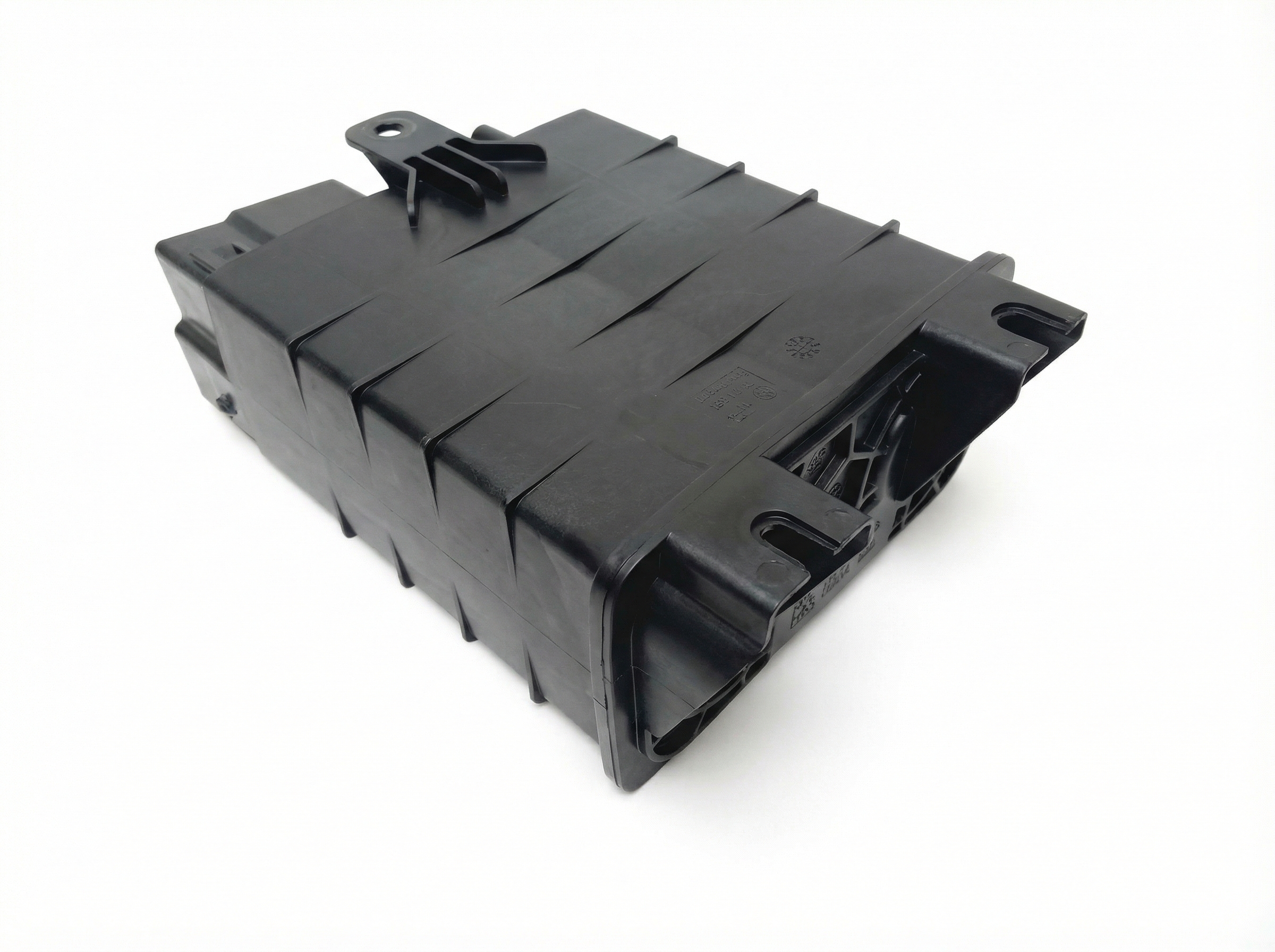

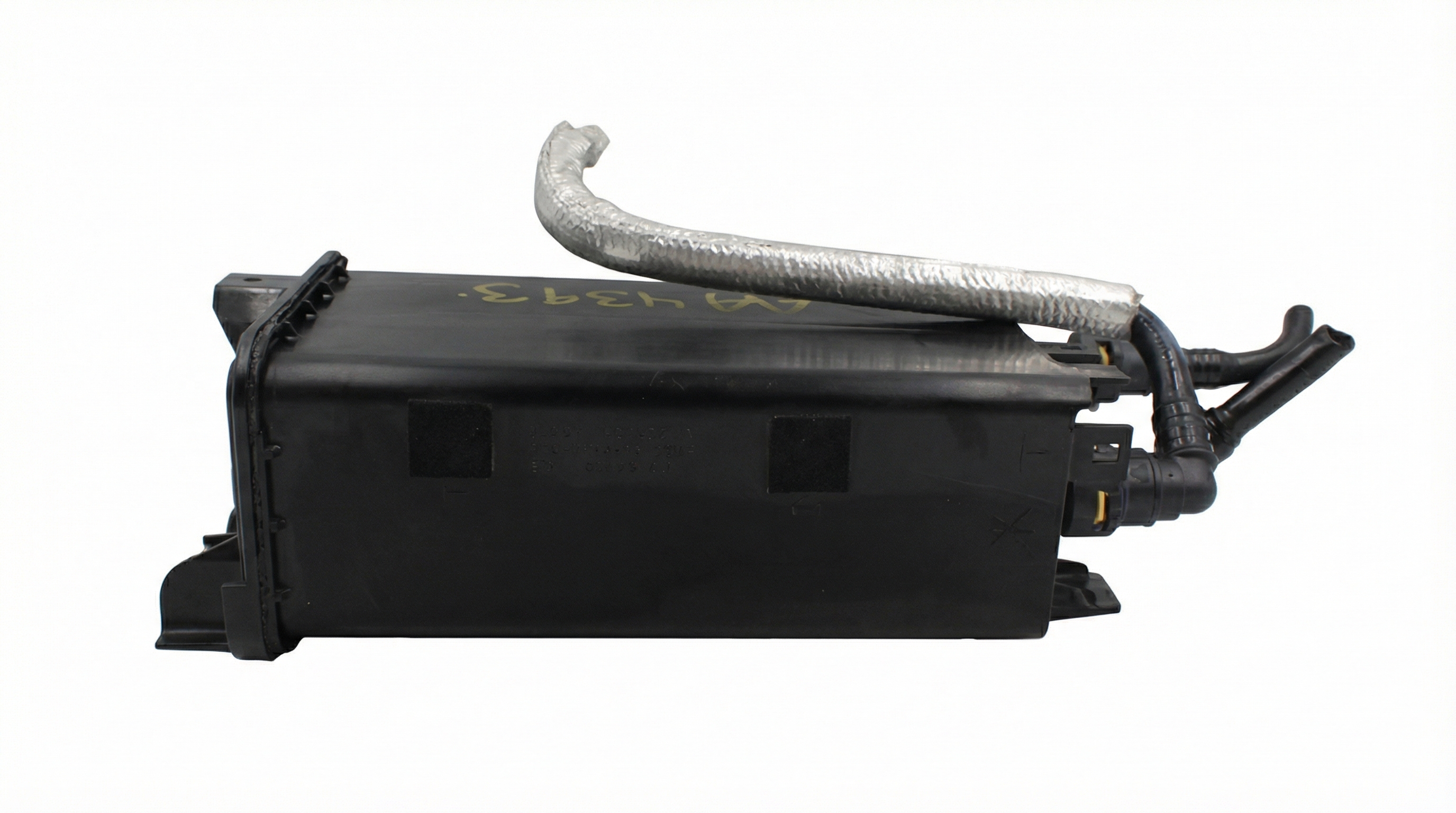

New Aftermarket Parts Available


The information in this article is provided for general reference and educational purposes only. Vehicle specifications, procedures, and part compatibility can vary by production date, trim level, and region. Always consult your vehicle's factory service manual and verify part numbers before purchasing or performing repairs. Safety-critical components such as airbags, seat belts, and braking systems should be installed by a qualified professional.
- Lincoln MKZ HYBRID:
- 🎬 Helpful Videos
- 🛍️ Shop This Part
- What's Unique About the 2013-2017 Lincoln MKZ HYBRID
- Diagnostic Flowchart
- Symptoms You May Notice
- Most Likely Causes
- Rare But Worth Checking
- Diagnosis Steps
- Parts You'll Likely Need
- Related Codes That Often Appear With This One
- Technical Service Bulletins (TSBs) & Recalls
- Platform-Specific Known Issues
- Mechanic-Grade Diagnostic Values
- Hidden / Shadow Codes Worth Checking
- Scan Tool Commands That Help
- Wiring & Ground Locations
- Real Owner Repair Stories
- OEM Part Supersession History
- 🎟️ Get 5% Off