

P1450 on 2013-2017 Ford Fusion Hybrid: Causes and Fixes for EVAP Vacuum Faults
On a 2013-2017 Ford Fusion Hybrid, code P1450 is almost always caused by a faulty canister purge valve that gets stuck open. This is a known issue confirmed by Ford TSB 19-2207, which also applies to the Ford C-Max and Lincoln MKZ Hybrids. The official fix requires replacing the valve (Part # AU5Z-9C915-D or its successor AU5Z-9C915-E) and performing a PCM software update. Replacing the valve is a common DIY fix costing between $45 for an aftermarket part and $140 for an OEM Motorcraft part.
- P1450 on your Fusion Hybrid almost certainly means the canister purge valve has failed and is stuck open.
- Key symptoms are a Check Engine Light, trouble starting after getting gas, and a 'whoosh' of air when opening the fuel filler.
- This is a known issue documented by Ford in TSB 19-2207.
- The fix is to replace the canister purge valve, which is an accessible and affordable DIY job for many owners.
- Do not waste time or money on a smoke test, as it is not the correct diagnostic procedure for this specific vacuum-related code.
What's Unique About the 2013-2017 Ford FUSION HYBRID

The 2013-2017 Ford Fusion Hybrid, along with its C-Max and MKZ siblings, is particularly known for this P1450 code due to a specific, widespread issue with the canister purge valve's sealing capability. Ford acknowledged this by issuing Technical Service Bulletin (TSB) 19-2207, which points directly to a faulty purge valve and mandates a PCM software update as the complete repair. This makes diagnosis on this specific platform more straightforward than on other vehicles where the cause might be less obvious.
Diagnostic Flowchart

Tap your situation to follow the diagnostic path that matches what you're seeing on this vehicle.
Generation note: The 2013-2017 model years all fall within the second generation of the Ford Fusion. The issue is consistent across this entire generation for the Hybrid, Energi, C-Max, and MKZ models sharing this powertrain.
Symptoms You May Notice

- Check Engine Light is on.
- Difficulty starting the engine or stalling, especially right after refueling. 🎬 Watch: See how this stalling issue looks in real time.
- A loud 'whoosh' of air rushing into the tank when you open the capless fuel filler.
- Rough or unstable idle.
- Reduced fuel economy.
- Intermittent buzzing or humming noise from the rear of the vehicle (fuel tank area).
- Replacing the gas cap (this vehicle has a capless system).
- Performing an EVAP smoke test. A smoke test is designed to find leaks (pressure escaping out), but P1450 is a vacuum problem (suction not being released). A smoke test will often pass even with a bad purge valve.
- Replacing the EVAP canister vent solenoid near the tank, when the problem is almost always the purge valve in the engine bay.
Most Likely Causes

- Stuck-Open Canister Purge Valve 🔴 High Probability Ford TSB 19-2207 specifically identifies a faulty canister purge valve as the primary cause for P1450 on this vehicle. The valve fails internally, allowing constant engine vacuum to be pulled on the fuel tank. Mechanics report this is the cause in over 99% of cases for this code on Fords.
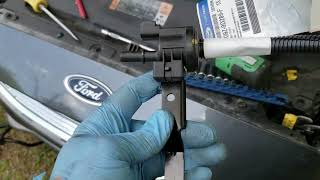
How to confirm: With the engine off, disconnect the EVAP line running from the purge valve to the fuel tank. Start the engine. Place your finger over the port on the valve; if you feel any suction, the valve is stuck open 🎬 Watch: A mechanic shows you how to test the purge valve. and must be replaced. You can also use a vacuum pump to confirm it won't hold vacuum.
Typical fix: Replace the canister purge valve assembly. The official fix per TSB 19-2207 also requires reprogramming the PCM with the latest software level, which typically requires a dealer or a well-equipped independent shop.
Est. part cost: $45-$140 - Blocked EVAP Canister or Vent Solenoid ⚪ Low Probability While possible, this is far less common than the purge valve failure. Dust and debris can clog the EVAP canister's vent path, preventing the system from breathing and relieving vacuum.
How to confirm: Inspect the canister vent solenoid (located near the fuel tank) and its filter for blockages. A smoke test may be required to check for restrictions in the canister itself, though this is often misdiagnosed.
Typical fix: Replace the EVAP canister vent solenoid or, if clogged, the entire charcoal canister assembly.
Est. part cost: $50-$250 - Faulty Capless Fuel Filler Neck ⚪ Low Probability The capless system has a spring-loaded flap that must seal properly. If it gets stuck or the seal fails, it can interfere with the EVAP system's ability to manage pressure, though this typically causes a leak code, not a vacuum code. One owner reported a horrible noise from the filler neck due to the excessive vacuum.
How to confirm: Visually inspect the fuel filler neck for debris or damage. Some owners report success by cleaning the flap and lubricating the mechanism.
Typical fix: Clean the fuel filler neck assembly. If damaged, the entire filler neck must be replaced.
Est. part cost: $150-$300
Rare But Worth Checking
- Kinked or Blocked EVAP Hose: A physically damaged, pinched, or collapsed hose between the fuel tank, purge valve, and canister can prevent the system from venting vacuum.
- Faulty Fuel Tank Pressure (FTP) Sensor: While less common, the sensor that reports the vacuum level to the computer can fail, causing a false P1450 code. This is usually diagnosed after confirming the purge valve and vent path are clear.
Diagnosis Steps
- Read the code with an OBD-II scanner to confirm P1450 is present.
- Listen for a 'whoosh' sound when opening the fuel filler door. This is a strong indicator of excessive vacuum.
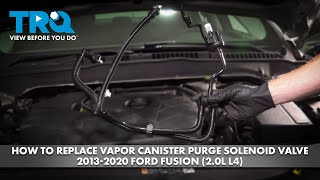
- Locate the canister purge valve in the engine bay. On the Fusion Hybrid, it is often located low in the engine bay, underneath the air intake hose, making access somewhat difficult. 🎬 See this walkthrough for replacing the purge valve assembly.
- Test the purge valve: Disconnect the electrical connector and the hose coming from the fuel tank. Start the engine. If you feel vacuum suction from the valve's port with your finger, it is stuck open and faulty.
- If the purge valve test passes (which is highly unlikely), inspect the EVAP hoses for any kinks, collapses, or blockages between the engine, canister, and fuel tank.
- Inspect the EVAP canister and vent solenoid, located near the fuel tank, for any visible blockages from dirt or debris.
- If all other components are confirmed good, the Fuel Tank Pressure (FTP) sensor may be faulty, which requires more advanced diagnostics with a scan tool to monitor its readings.
Parts You'll Likely Need
- Canister Purge Valve / Solenoid
(OEM #AU5Z-9C915-D)— This is the most common failure part for code P1450 on this vehicle, as confirmed by Ford's own Technical Service Bulletin 19-2207. The original part AU5Z-9C915-B was superseded by AU5Z-9C915-D, and subsequently by AU5Z-9C915-E.
Trusted brands: Motorcraft
OEM price range: $80-$140
Aftermarket price range: $45-$75
Related Codes That Often Appear With This One
- P0456 — Small EVAP Leak. TSB 19-2207 lists this code alongside P1450 as being caused by the same faulty purge valve.
- P04EF — EVAP System Very Small Leak Detected (Fresh Air Side). This is another code mentioned in Ford's TSBs related to the purge valve and EVAP system integrity.
- P04EE — EVAP System Leak Detection (Fuel Vapor Leak). Also listed in TSB 19-2207 as a related code caused by the canister purge valve.
Technical Service Bulletins (TSBs) & Recalls
- TSB 19-2207: Addresses P1450 caused by a faulty canister purge valve and recommends replacement and a PCM software update.
- SSM 48301: Acknowledges P1450 as a known issue among a group of EVAP codes on these vehicles.
Platform-Specific Known Issues
- TSB 19-2207: Ford issued this bulletin for 2013-2017 Fusion/C-Max/MKZ Hybrid/Energi models for code P1450 (and others), stating the cause is the poor sealing capability of the canister purge valve. The official fix involves replacing the valve AND updating the PCM software.
- SSM 48301: This service message also groups P1450 with other EVAP codes as a known issue on these vehicles, directing technicians to specific diagnostic procedures.
- Owner Experience with Aftermarket Parts: One Reddit user noted that a cheap replacement part failed after a month, and they resorted to buying a part with a lifetime warranty from a local auto parts store, swapping it for free when it fails.
Mechanic-Grade Diagnostic Values
- Fuel Tank Pressure (FTP) Sensor Voltage (KOEO) — expected: 2.4V - 2.8V. Failure: A reading that is stuck high (e.g., ~5V) or low (~0V), or a reading that does not change when vacuum/pressure is applied.
- EVAP Canister Vent Valve Solenoid Resistance — expected: 12 - 80 Ohms. Failure: A resistance reading outside of this range indicates a faulty solenoid coil.
- Live Data - FTP Sensor at Idle (Normal) — expected: Near 0 PSI / ~2.5V. Failure: With a P1450 condition, the pressure will drop into a significant vacuum (negative PSI reading) as the engine runs, even with the purge valve commanded closed.
Scan Tool Commands That Help
- Ford IDS (or advanced aftermarket scanner): EVAP System Leak Test / Purge Valve Actuation Test — This is the definitive test to confirm a stuck purge valve. Command the valve to 0% (closed) while monitoring the FTP sensor. If the scan tool shows the valve is commanded closed but the FTP sensor still shows a vacuum building, the valve is mechanically stuck open and must be replaced.
- Ford IDS (or advanced aftermarket scanner): Vent Valve Actuation Test — Use this if the purge valve has been confirmed good but P1450 persists. Command the vent valve (normally open) to close. If the FTP sensor reading does not change or the system cannot build pressure during a test, the vent valve may be stuck or its airway blocked.
- Ford IDS (or advanced aftermarket scanner): PCM Reprogramming — This is required after replacing the canister purge valve, as per TSB 19-2207. The software update adjusts the EVAP monitor parameters and must be performed to complete the official repair and prevent the code from returning.
Wiring & Ground Locations
- Canister Purge Valve Connector — On the purge valve solenoid, located in the engine bay, often beneath the air intake hose.. This 2-pin connector provides power and the control signal from the PCM. One pin is power (hot in RUN/START), and the other is the ground-side control wire to the PCM. Checking for voltage and the control signal here can rule out wiring issues.
- G101 / G100 — Left front of the engine compartment, near the battery tray.. These are primary engine bay ground points. A corroded or loose ground at this location can cause erratic voltage to various sensors and actuators in the EVAP system, leading to incorrect readings or component behavior.
- EVAP Canister Purge Valve (Wiring Diagram) — Rear of the engine.. A wiring diagram confirms the wire colors and pinouts, allowing a technician to test for power from the fuse box and the pulse-width modulated ground signal from the PCM at the valve's connector.
Real Owner Repair Stories
- Car Talk Community Forum (2012 Ford Fusion) — Check Engine Light with code P1450.
❌ Tried (didn't work) Replacing the FTP sensor (initially for a P0451 code). The P1450 code appeared later.
✅ What actually fixed it The dealership found the EVAP purge valve was stuck open. They replaced the purge valve, which resolved the P1450 code. This was after a previous FTP sensor replacement for a different EVAP code. - Reddit r/fordfusion (2017 Ford Fusion) — Check Engine Light with code P1450.
❌ Tried (didn't work) Replacing the canister purge valve.
✅ What actually fixed it After replacing the part, the check engine light remained on. The final step was to clear the diagnostic trouble code using an OBD-II scanner. The system will not clear this code on its own immediately and requires a manual reset or a significant number of drive cycles to self-clear. - Ford Edge Forum (2017 Ford Edge 2.0L EcoBoost (similar EVAP system)) — P1450 code returned one month after repair.
❌ Tried (didn't work) Replacing the purge valve with a new part.
✅ What actually fixed it The user was questioning if the new purge valve had failed again. This highlights a common issue where low-quality aftermarket purge valves fail quickly. The implicit solution is to use a high-quality OEM Motorcraft part to prevent repeat failures.
"I Checked Everything" — The Actual Cause
- A standard EVAP smoke test is designed to find system leaks by introducing low-pressure smoke and looking for where it escapes. Code P1450 is not a leak code; it indicates the system is holding vacuum when it shouldn't be. A stuck-open purge valve, the most common cause, will not show up as a leak in a smoke test because the smoke will simply be drawn into the engine's intake manifold, which is not an external leak path. Therefore, a 'clean' smoke test is expected and does not rule out the faulty purge valve.
OEM Part Supersession History
AU5Z-9C915-A, AU5Z-9C915-B, AU5Z-9C915-C→AU5Z-9C915-D, and subsequently AU5Z-9C915-E— The original parts were prone to internal seal failure, causing them to stick open. The updated revisions (-D and -E) feature an improved design for better durability and sealing against fuel vapors, directly addressing the root cause of the P1450 TSB.
Heads up: No incompatibility. The latest version, AU5Z-9C915-E, is the correct and recommended replacement for all previous versions.
Helpful Videos


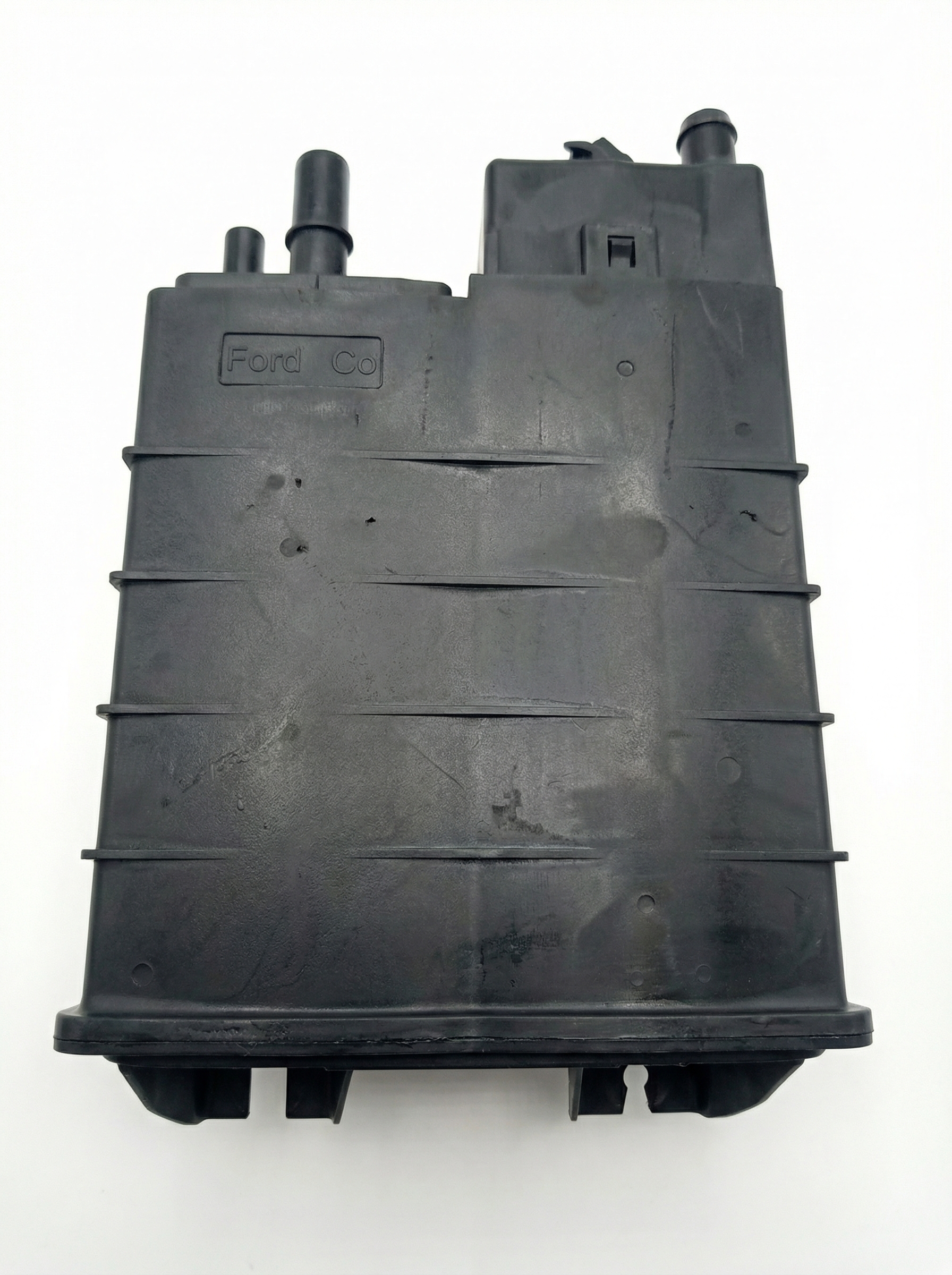
Used OEM Parts in Stock
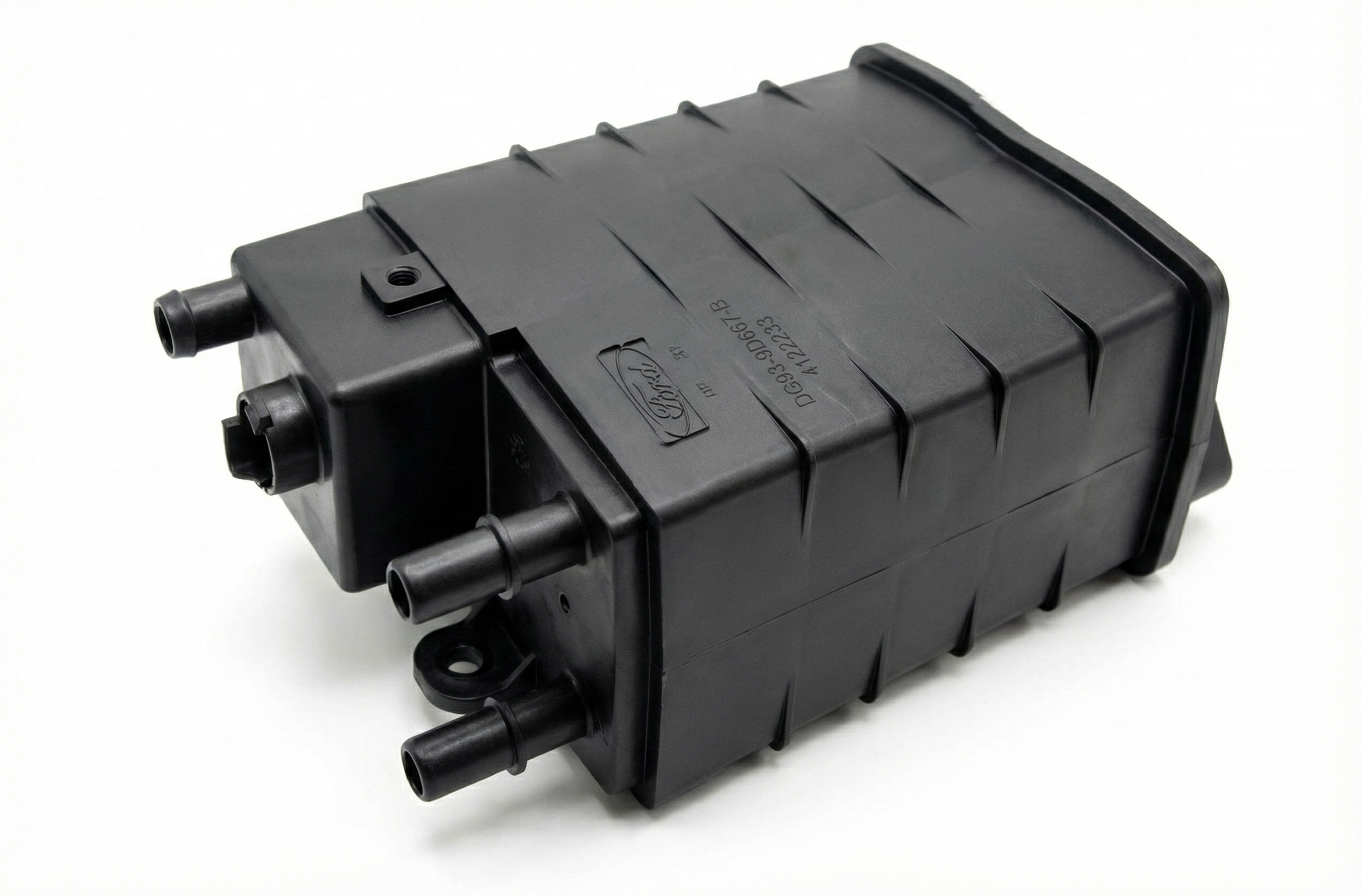

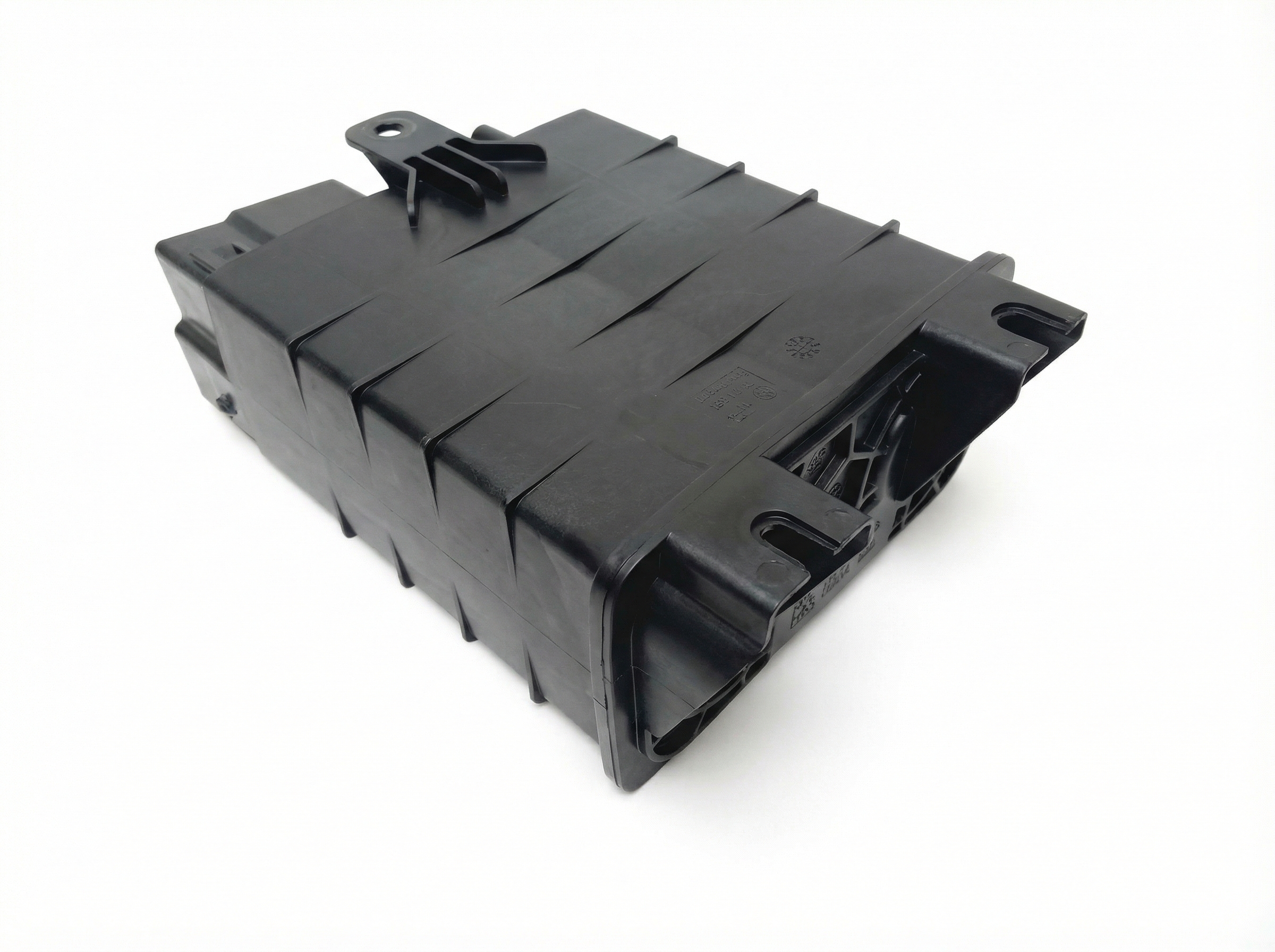
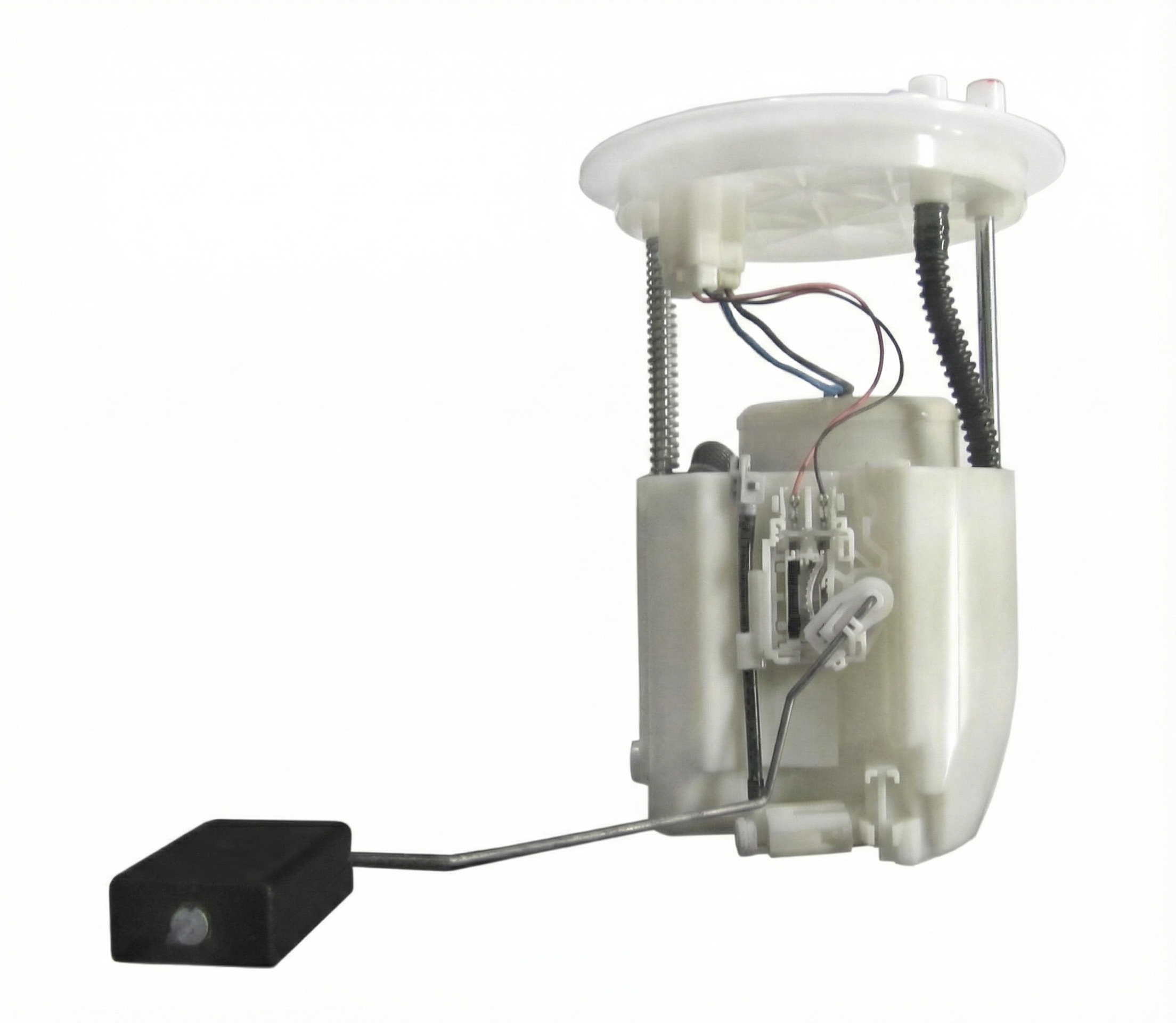
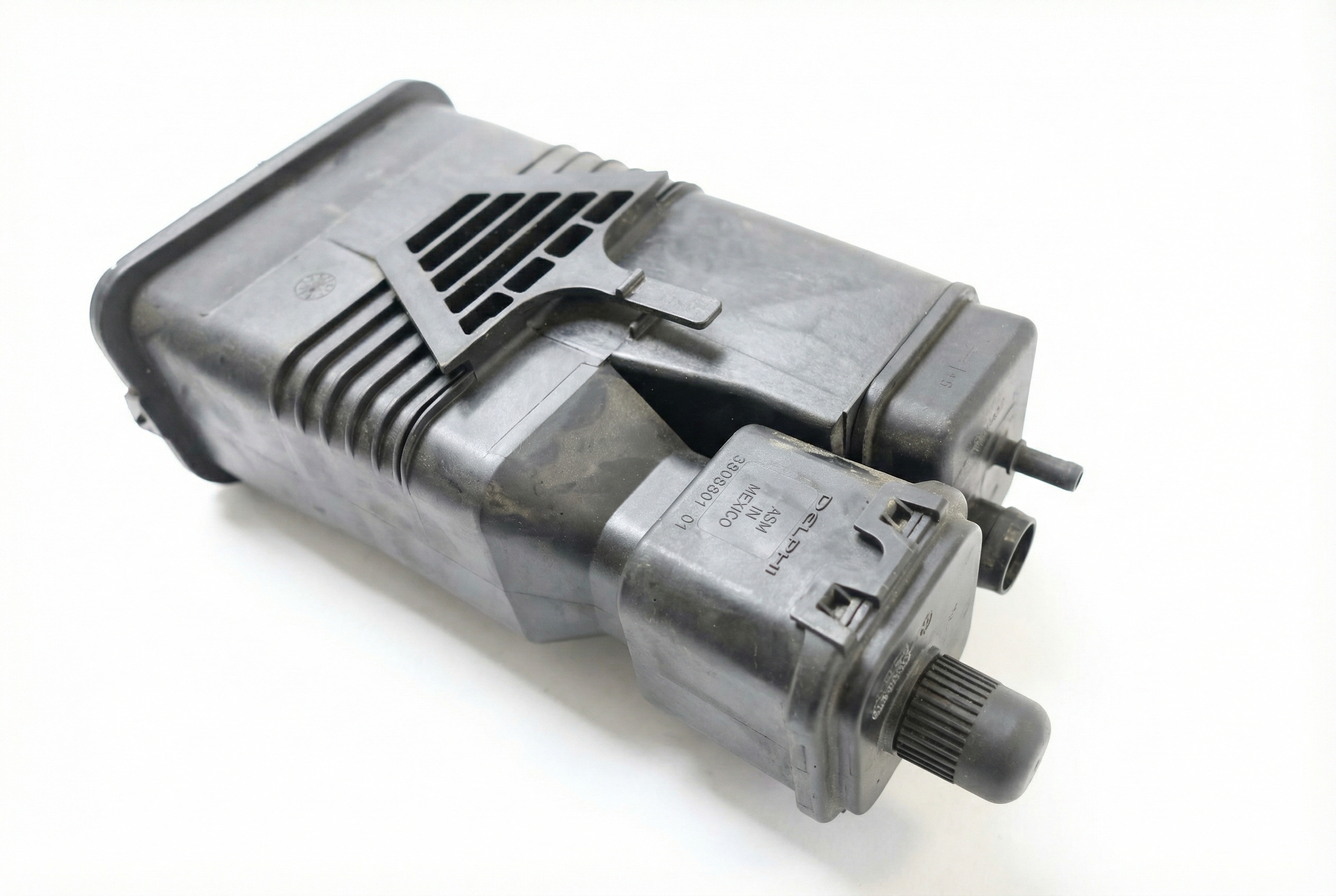
New Aftermarket Parts Available

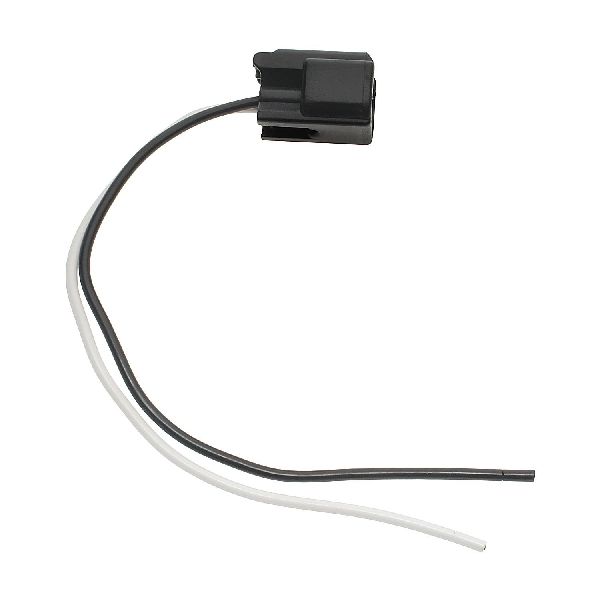

The information in this article is provided for general reference and educational purposes only. Vehicle specifications, procedures, and part compatibility can vary by production date, trim level, and region. Always consult your vehicle's factory service manual and verify part numbers before purchasing or performing repairs. Safety-critical components such as airbags, seat belts, and braking systems should be installed by a qualified professional.
- Ford FUSION HYBRID:
- 🎬 Helpful Videos
- 🛍️ Shop This Part
- What's Unique About the 2013-2017 Ford FUSION HYBRID
- Diagnostic Flowchart
- Symptoms You May Notice
- Most Likely Causes
- Rare But Worth Checking
- Diagnosis Steps
- Parts You'll Likely Need
- Related Codes That Often Appear With This One
- Technical Service Bulletins (TSBs) & Recalls
- Platform-Specific Known Issues
- Mechanic-Grade Diagnostic Values
- Scan Tool Commands That Help
- Wiring & Ground Locations
- Real Owner Repair Stories
- "I Checked Everything" — The Actual Cause
- OEM Part Supersession History
- 🎟️ Get 5% Off