

P1445 on 2005-2007 Toyota Sequoia: Air Injection Valve Stuck Closed Fixes
On a 2005-2007 Sequoia, P1445 means the secondary air injection switching valve is stuck closed, almost always due to a failed air pump that has sent debris into the system. The full repair is a costly replacement of the pump and valves located under the intake manifold, often exceeding $2,000-$3,000. A popular, cheaper alternative is an aftermarket electronic bypass kit from brands like Hewitt Technologies, which tricks the ECU to clear the code and exit limp mode.
- P1445 on a 2005-2007 Sequoia points to a stuck Secondary Air Injection Valve, but the root cause is almost always a failed Air Pump.
- A complete, proper repair is very expensive ($2,000+) because the components are located under the intake manifold and the pump and both valves should be replaced together.
- Symptoms include a Check Engine Light, VSC/TRAC lights, and potentially the vehicle entering a 'limp mode' with reduced power.
- Driving with this issue will cause you to fail an emissions test but is unlikely to cause further engine damage, though limp mode can be a safety issue.
- A much cheaper, popular (but not emissions-legal) alternative is to install an electronic bypass kit that tricks the computer and clears the code.
What's Unique About the 2005-2007 Toyota SEQUOIA

This is a notoriously common and expensive failure on Toyota's 4.7L 2UZ-FE V8 engine found in the Sequoia, Tundra, 4Runner, and Land Cruiser. The system's air pump has an open design with a foam filter that is known to degrade and disintegrate over time, especially with moisture exposure. This crumbled filter material, which looks like black pepper, gets sent through the air lines, contaminating and seizing the air switching valves. Because all the main components are buried under the intake manifold, labor costs for a full OEM parts replacement are very high.
Diagnostic Flowchart
Tap your situation to follow the diagnostic path that matches what you're seeing on this vehicle.
Symptoms You May Notice
- Check Engine Light is on
- VSC and/or TRAC OFF lights are illuminated
- Vehicle enters 'limp mode' with reduced acceleration and power
- Loud vacuum cleaner or 'jet engine' noise from under the hood for a minute after a cold start, which is a sign of the pump failing.
- Failure to pass an emissions inspection.
- No sound from the pump on a cold start (indicating a seized or burnt-out motor).
- Replacing only one switching valve without replacing the air pump. The new valve will likely fail soon after from the same debris that caused the original failure.
- Replacing oxygen sensors or catalytic converters, as the symptoms can sometimes seem related to a general emissions or exhaust issue.
- Installing a bypass kit when a 'stuck open' code is active without also installing the required block-off plates. This will not resolve the issue as exhaust will still leak past the open valve.
Most Likely Causes

- Failed Secondary Air Injection Pump 🔴 High Probability The foam filter inside the pump is known to break down, sending debris throughout the system and causing the valves to fail. The pump motor can also fail from moisture intrusion, which is common due to the pump's location and design.
How to confirm: Listen for an unusually loud or non-existent pump sound on a cold start. A technician can test for voltage at the pump and use a scan tool to command it on. Finding black, crumbly debris in the air lines is a definitive sign of pump failure.
Typical fix: Replace the air injection pump. This should always be done in conjunction 🎬 Watch this walkthrough for replacing the pump and valves. with replacing the switching valves to prevent a repeat failure of the new parts.
Est. part cost: $300-$1300 - Failed Secondary Air Injection Switching Valve #2 🔴 High Probability The valve is almost always a secondary failure, not the root cause. It fails due to contamination from a disintegrating air pump filter and/or moisture intrusion, which is a common design flaw in this system.
How to confirm: Diagnosis requires using a bidirectional scan tool (like Toyota Techstream) to command the valve to open and close. Physical inspection is difficult as the valve is located under the intake manifold.
Typical fix: Replace the air switching valve assembly. It is highly recommended to replace the air pump and both switching valves (Bank 1 and Bank 2) at the same time due to the high labor cost of access.
Est. part cost: $200-$400 per valve - Water Intrusion in the SAIS 🟡 Medium Probability The system design can allow condensation and water to collect in the pump and lines, especially in humid or cold climates. This leads to corrosion and seizure of the pump motor and valve internals.
How to confirm: Visual inspection of the pump and lines (if accessible) may show signs of rust or water damage. Some owners report the issue only occurs in freezing temperatures when moisture freezes the valves shut.
Typical fix: Replace all damaged components (pump, valves) and ensure the system is dry before reassembly. Some owners in wet climates proactively relocate the pump's air intake to a higher, drier location.
Est. part cost: $500-$2000+
Rare But Worth Checking
- Failed Air Injection Control Driver: The electronic module that controls the pump and valves can fail. TSB T-SB-0230-12 Rev notes that if codes P0418 and/or P2445 are present, this driver should be inspected and likely replaced.
- Wiring or Connector Issues: Damage to the wiring harness or corrosion in the connectors for the pump, valves, or control driver can cause an open or short circuit, preventing operation. This is less common than mechanical failure from debris.
- Leaking or Disconnected Vacuum Lines: The air switching valves are actuated by vacuum solenoids. A cracked, disconnected, or leaking vacuum hose can prevent a valve from opening, triggering a 'stuck closed' code.
Diagnosis Steps

- Read the Diagnostic Trouble Codes (DTCs) with an OBD-II scanner to confirm P1445 and any other related codes.
- On a cold start, listen for the air pump. It should run for 30-90 seconds and sound like a small vacuum cleaner. An excessively loud whine or no sound at all indicates a problem.
- If you have a bidirectional scan tool (like Toyota Techstream), perform an active test to command the air pump and switching valves to operate. Listen for clicks from the valves and the pump running.
- Inspect the vacuum lines running to the air switching valve solenoids for cracks, disconnection, or leaks.
- If an active test is not possible or fails, the next step is to access the components. This requires removing the intake manifold, which is a significant job (4-8 hours). 🎬 Watch: Step-by-step guide to removing the intake manifold.
- Once the intake manifold is removed, inspect the air pump and valves. Look for a disintegrated foam filter (often looks like black pepper or coffee grounds), debris in the air lines, or signs of water/corrosion.
- Test the valves and pump motor directly by applying 12V power. If they do not operate, they have failed.
- Check the wiring and connectors for the pump, valves, and Air Injection Control Driver for any damage, corrosion, or loose connections.
Parts You'll Likely Need

- Secondary Air Injection Pump
(OEM #17610-0C010)— This is the root cause of the problem. Its internal foam filter disintegrates, sending debris that destroys the switching valves. It must be replaced to ensure a lasting repair.
Trusted brands: Toyota (OEM), Dorman (p/n 306-010, may require splicing connector)
OEM price range: $1100-$1300
Aftermarket price range: $300-$500 - Air Switching Valve Assembly
(OEM #25710-50022 (latest p/n, supersedes 25710-50021, 25710-50020))— This is the part that the code directly points to as being 'stuck closed'. It fails due to contamination from the air pump. Both Bank 1 and Bank 2 valves are typically replaced together.
Trusted brands: Toyota (OEM)
OEM price range: $250-$400
Aftermarket price range: $150-$250 - Secondary Air Injection System Bypass Kit — For owners looking for a much cheaper alternative to the full repair, these kits electronically bypass the system, tricking the ECU into thinking it's working correctly. This clears the codes and limp mode but does not repair the emissions system.
Trusted brands: Hewitt Technologies, Slyfox, Rutech Solutions
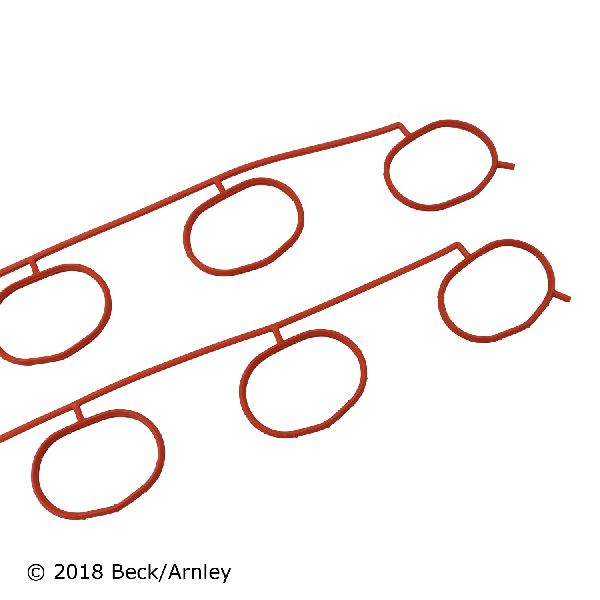
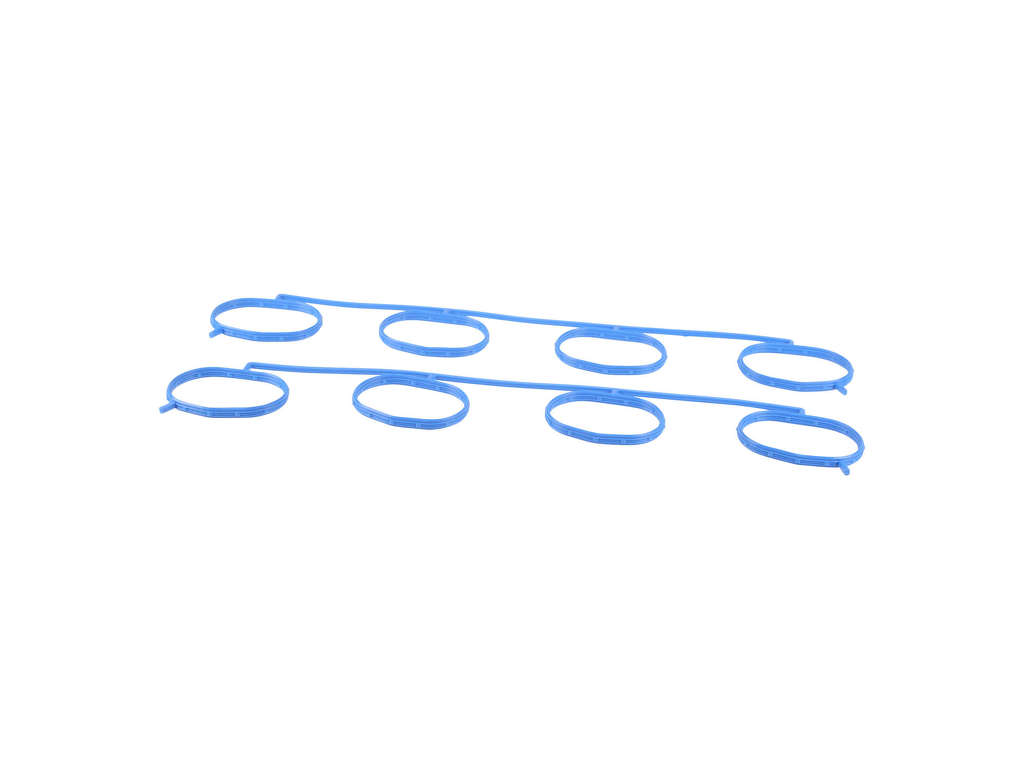
Aftermarket price range: $150-$350 - Intake Manifold Gaskets
(OEM #17171-50030)— These are required, one-time-use gaskets for when the intake manifold is removed to access the SAIS components.
Trusted brands: Toyota (OEM)
Related Codes That Often Appear With This One
- P1442 — This is the code for the same valve stuck closed, but on Bank 1. Since the cause (bad air pump) affects the entire system, it's common for both valves to fail around the same time and for both codes to appear together.
- P2440, P2441, P2442, P2443 — These are all related codes for the secondary air injection valves being stuck open or closed on either bank. They are all listed in the same TSB and point to the same systemic failure.
- P0418 — This code indicates a fault in the secondary air injection system relay or pump circuit. It often appears alongside valve codes and points to an electrical issue or a failed Air Injection Control Driver.
- P2445 — This code indicates the air pump itself is stuck off. It is frequently caused by a seized pump motor or a blown fuse due to the motor failing. TSB T-SB-0230-12 was revised specifically to include this code.
Technical Service Bulletins (TSBs) & Recalls
- T-SB-0230-12 Rev1 (October 17, 2013): Title 'Air Injection System MIL ON'. This bulletin covers multiple SAIS codes including P1442/P1445. It was revised to add DTC P2445 and diagnosis for the Air Injection Control Driver. It applies to 2005-2007 Sequoia, 2005-2006 Tundra, 2005-2009 4Runner, and 2006-2007 Land Cruiser with the 2UZ-FE engine.
- T-SB-0230-12 (November 27, 2012): The original version of the above TSB.
Platform-Specific Known Issues
- A known issue on 2005-2007 Sequoias with the 4.7L V8. The problem was so widespread that Toyota issued Technical Service Bulletin T-SB-0230-12 and its revision, which outlines the diagnosis and repair for this and related codes.
- Toyota also had a warranty enhancement program (ZLA) for this issue on some vehicles (primarily Tundras), but it has long since expired for this model year range.
- Due to the extremely high cost of repair ($3,300+ quote from a dealer), many owners opt for an aftermarket bypass kit, which is sold for 'off-road use' only as it disables a federally mandated emissions system.
- One owner on TundraSolutions with a 2006 Tundra reported having the P1445 code for over a year, simply clearing it when it appeared without drivability issues, but acknowledged a bypass kit was the long-term solution.
Mechanic-Grade Diagnostic Values
- Air Switching Valve Coil Resistance — expected: 5.2 Ohms. Failure: An open circuit (infinite resistance) or a reading far from the specification indicates a failed coil.
- Air Pump Motor Current Draw — expected: Normal operating amperage (not specified, but less than 50A).. Failure: A current draw spike to 70 amps or more upon activation indicates a seized pump motor, which will blow the 50A fuse.
Scan Tool Commands That Help

- Toyota Techstream: Active Test: Air Injection Check (Manual Mode) — This function allows a technician to individually command the air pumps (AIR PUMP 1, AIR PUMP 2) and air switching valves (ASV1, ASV2) ON/OFF or OPEN/CLOSE. This is critical for isolating a failed component without having to wait for a cold soak, by listening for pump activation and checking for air flow.
- Autel (e.g., MS906TS) or similar advanced scanner: Special Function: Secondary Air Injection Check (Automatic) — This automated test runs the entire SAIS through its cycle to check for system integrity. It's a good first step to validate a repair or to see if a fault code can be triggered on demand after clearing. The tool will confirm if preconditions (like engine temp) are met before running.
Wiring & Ground Locations
- Air Injection Control Driver — Located on the inner driver-side fender in the engine bay.. This module is the 'brain' that takes commands from the ECM and sends power to the air pump and valves. A failure here can cause circuit codes like P0418 and prevent the system from running, mimicking a mechanical failure.
- A/PUMP Fuse (50A) — In the engine room relay block / fuse box, on the left side of the engine compartment. It is often a multi-part fusible link.. This is the main fuse for the air pump. When the pump motor seizes from debris or moisture, it will draw excessive current and blow this fuse, leading to codes like P2445 (Pump Stuck Off) and preventing the entire system from operating.
- Ground Points (General) — Wiring diagrams indicate multiple ground points in the engine compartment ('E' designators) and on the body ('B' designators). The SAIS components share grounds with other engine sensors.. A corroded or broken ground wire for an air switching valve can cause a circuit fault or prevent the valve from actuating, leading to a 'stuck closed' code even if the valve itself is mechanically sound.
Real Owner Repair Stories
- YouTube user, Forest To Farm (2006 Toyota Tundra 4.7L V8) — Check engine light with codes P0418, P1445, and P2445. Vehicle was in limp mode with no power on acceleration.
❌ Tried (didn't work) Initial diagnosis pointed to a non-operational air pump (no sound on startup) and a stuck valve (P1445).
✅ What actually fixed it The owner opted to install a Hewitt Technologies SAIS bypass kit instead of a full OEM parts replacement. The installation involved adding block-off plates to the exhaust manifolds and wiring in the electronic bypass module. This successfully cleared the check engine light and resolved the limp mode condition. - IH8MUD.com forum user (2005 Toyota Tundra 4.7L V8 with 84k miles) — Noticed the air pump was getting loud on a rarely used truck, a symptom known to precede failure.
❌ Tried (didn't work) The owner had a previous 2006 Land Cruiser with the same engine that suffered a complete SAIS failure, which was fixed with a bypass kit.
✅ What actually fixed it Based on prior experience and hearing the pump getting loud, the owner proactively installed a Hewitt-Tech bypass module to prevent the inevitable failure and associated trouble codes/limp mode.
When the Usual Fixes Don't Work
- While the vast majority of P1445 codes are caused by mechanical failure from debris, a small number of cases are purely electrical. In one documented instance, a vehicle with all new SAIS components still threw a circuit code. The cause was found to be a broken ground wire in the harness between the Air Injection Control Driver and the switching valve. The fix was to bypass the broken section of wire, not replace any of the major components again.
OEM Part Supersession History
25710-50020, 25710-50021→25710-50022— Component revision by the manufacturer, likely for improved durability or to address a known failure pattern.
Heads up: The newer part number 25710-50022 is the correct and current replacement for the older versions on all specified model years.
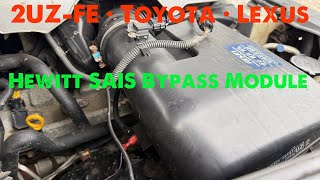
Helpful Videos
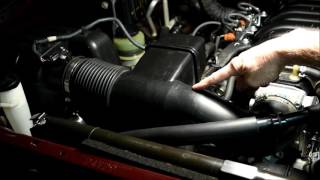
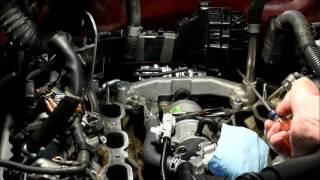
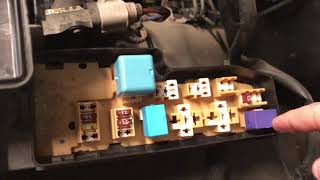
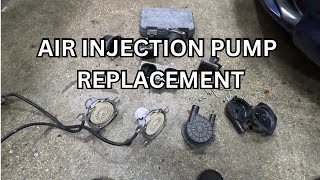
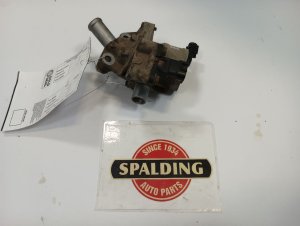
Used OEM Parts in Stock
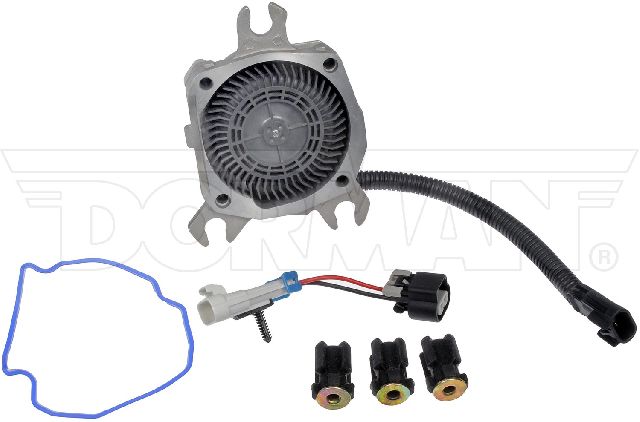
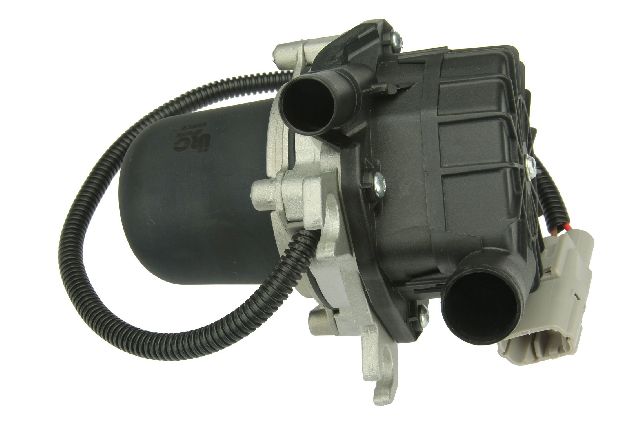
New Aftermarket Parts Available


The information in this article is provided for general reference and educational purposes only. Vehicle specifications, procedures, and part compatibility can vary by production date, trim level, and region. Always consult your vehicle's factory service manual and verify part numbers before purchasing or performing repairs. Safety-critical components such as airbags, seat belts, and braking systems should be installed by a qualified professional.
- Toyota SEQUOIA:
- 🎬 Helpful Videos
- 🛍️ Shop This Part
- What's Unique About the 2005-2007 Toyota SEQUOIA
- Diagnostic Flowchart
- Symptoms You May Notice
- Most Likely Causes
- Rare But Worth Checking
- Diagnosis Steps
- Parts You'll Likely Need
- Related Codes That Often Appear With This One
- Technical Service Bulletins (TSBs) & Recalls
- Platform-Specific Known Issues
- Mechanic-Grade Diagnostic Values
- Scan Tool Commands That Help
- Wiring & Ground Locations
- Real Owner Repair Stories
- When the Usual Fixes Don't Work
- OEM Part Supersession History
- 🎟️ Get 5% Off