

P1445 on 2005-2009 Toyota 4Runner: Secondary Air Injection Valve Stuck Closed Fixes
On the 4.7L V8 4Runner, P1445 means the Secondary Air Injection System's Switching Valve #2 is stuck closed. This is a very common failure caused by moisture and debris from the disintegrating air pump filter corrupting the system. The fix is often a costly replacement of the valves and the air pump, which are located under the intake manifold, with dealer quotes often exceeding $3,000. A popular, cheaper alternative is installing an aftermarket electronic bypass kit.
- P1445 on a V8 4Runner means an air injection valve is stuck closed, a very common issue for this engine.
- The root cause is typically a faulty air pump ingesting moisture and debris, which then damages the valves.
- Repair is expensive ($1200-$2500+) because the entire system is located under the intake manifold.
- For a full repair, it is critical to replace the air pump and all switching valves simultaneously to prevent a repeat failure.
- Aftermarket bypass kits are a popular, more affordable solution, but are sold for off-road use and may not be emissions-compliant.
What's Unique About the 2005-2009 Toyota 4RUNNER

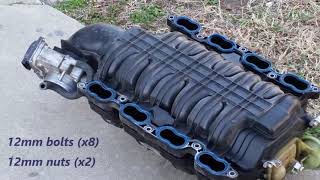
This is an infamous and near-inevitable problem on the 2005-2009 4Runner with the 4.7L 2UZ-FE V8 engine (models with VVTi). The design of the air pump, which is open to the atmosphere, allows it to ingest moisture and debris over time. The pump's internal foam filter is also known to disintegrate, sending debris directly into the switching valves. This contamination causes the valves to corrode and seize and the pump motor to burn out. The repair is particularly labor-intensive because the entire SAI system—pump and valves—is buried in the engine valley, underneath the intake manifold, with the rear valves positioned just inches from the firewall.
Diagnostic Flowchart
Tap your situation to follow the diagnostic path that matches what you're seeing on this vehicle.
Symptoms You May Notice

- Check Engine Light is on
- VSC and TRAC OFF lights may also illuminate
- Vehicle will fail an emissions inspection.
- Absence of the typical vacuum-cleaner-like sound from the air pump for about 30-90 seconds on a cold start.
- In some cases, especially with related 'stuck open' codes, the vehicle may enter 'limp mode', with severely limited power.
- Replacing only the air pump when the valves are also seized. Debris from the old pump has likely already damaged the new valves or will cause them to fail shortly after.
- Replacing only one switching valve. Due to the high labor cost to access the components, it is poor economy to not replace all valves and the pump at the same time.
- Mistaking a P1445 code in freezing temperatures as a major failure. There is a known ECM glitch on some models that can throw a P2445 code when starting the vehicle in freezing weather, which is not related to a mechanical failure of the pump or valves.
Most Likely Causes

- Failed Air Injection Switching Valve #2 🔴 High Probability The valves are located in the engine valley where they are subjected to intense heat cycles. More importantly, the air pump often ingests moisture or its own filter material, which is then blown into the valves, causing them to corrode and seize shut or open.
How to confirm: The valve can be tested by applying 12V to its solenoid to see if it actuates, or by applying vacuum to see if it holds. A bidirectional scan tool like Toyota's Techstream can also command the valve to open and close for testing. However, physical access requires removing the intake manifold, making diagnosis difficult.
Typical fix: Replace the failed air switching valve assembly. 🎬 Watch: A detailed walkthrough of the air switching valve replacement. Since accessing them is extremely labor-intensive, it's highly recommended to replace both valves (Bank 1 and Bank 2), the air pump, and all related gaskets at the same time to prevent a repeat failure.
Est. part cost: $150-$300 per valve - Failed Secondary Air Injection Pump 🟡 Medium Probability The pump's foam filter is known to disintegrate, sending debris through the system. The pump is also susceptible to water intrusion, which causes the electric motor to rust, seize, and blow the main SAIS fuse. A failed pump is often the root cause of the subsequent valve failures.
How to confirm: Listen for the pump running during a cold start. If it doesn't run, check the SAIS fuse and relay. An amp clamp on the pump's power wire during activation will show a massive current draw (e.g., 70+ amps) if the motor is seized. Physical inspection after removing the intake manifold may show a seized motor, broken fan blades, or water damage.
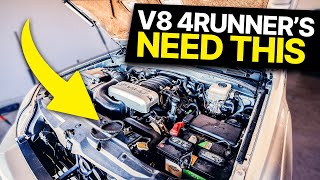
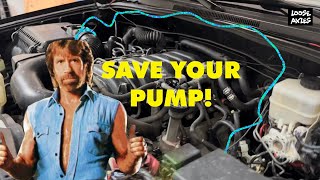
Typical fix: Replace the air injection pump assembly. 🎬 See how to access and replace the secondary air pump. This is almost always done in conjunction with replacing the switching valves, as debris from the old pump has likely contaminated them. Some owners add a DIY pre-filter to the pump's air inlet to prevent future debris ingestion.
Est. part cost: $400-$800 - Clogged or Damaged Air Passages/Hoses ⚪ Low Probability Debris from a failed pump can clog the metal tubes leading to the exhaust manifold. The rubber hoses can also become extremely brittle and crack from heat over time, but can often be removed without damage if a heat gun is used to soften them.
How to confirm: Visually inspect all accessible hoses. During valve replacement, inspect the air passages for blockages from carbon or pump debris. Check vacuum lines for leaks.
Typical fix: Clean out passages and replace any cracked or hardened rubber hoses.
Est. part cost: $20-$50
Rare But Worth Checking
- Failed Air Injection Control Driver: The electronic module that controls the pump and valves can fail. Toyota TSB T-SB-0230-12 Rev1 suggests inspecting the Air Injection Control Driver as part of the diagnostic procedure, especially if codes like P0418 are present.
- Damaged Wiring Harness: The wiring harness in the engine valley can be damaged by heat or rodents, leading to an open or short in the valve's circuit. A technician on YourMechanic noted this as a possible, though less common, cause. A video shows the vacuum nipple on the valve breaking off due to interference with a large, heavy engine harness.
Diagnosis Steps

- Read the codes with an OBD-II scanner to confirm P1445 and any other related SAI codes.
- On a cold start, listen for the air pump running for the first 30-90 seconds. It should sound like a small vacuum cleaner. A whining or grinding noise can indicate the pump is beginning to fail.
- If the pump does not run, check the main fuse and relay for the SAIS. The main power comes from the 50A A/PUMP fuse, which is hot at all times.
- A professional with a bidirectional scan tool (like Toyota Techstream) can command the pump and individual valves to operate to pinpoint the failure without disassembly.
- Due to the location of the parts under the intake manifold, further physical diagnosis requires significant disassembly.
- Once the intake manifold is removed, visually inspect the pump for signs of water intrusion or broken fan blades.
- Inspect the air switching valves for corrosion or debris. Test the valves by applying 12V power to their solenoids and using a hand vacuum pump to check if they hold vacuum.
- Inspect all air hoses and metal tubes for blockages or cracks. Use a heat gun to soften hardened hoses before removal to prevent breakage.
Parts You'll Likely Need

- Air Switching Valve Assembly
(OEM #25710-50022 (supersedes 25710-50021, 25710-50020))— This is the valve assembly that contains the individual valves that get stuck. It's the primary point of failure indicated by codes P1442 and P1445.
Trusted brands: Toyota (OEM), Dorman (911-646)
OEM price range: $250-$350
Aftermarket price range: $150-$220 - Air Injection Pump Assembly
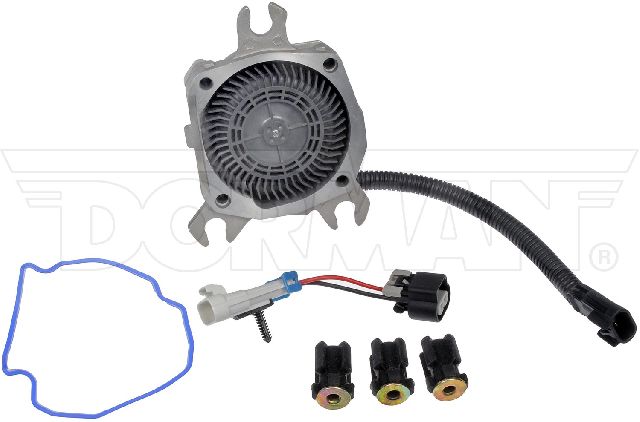
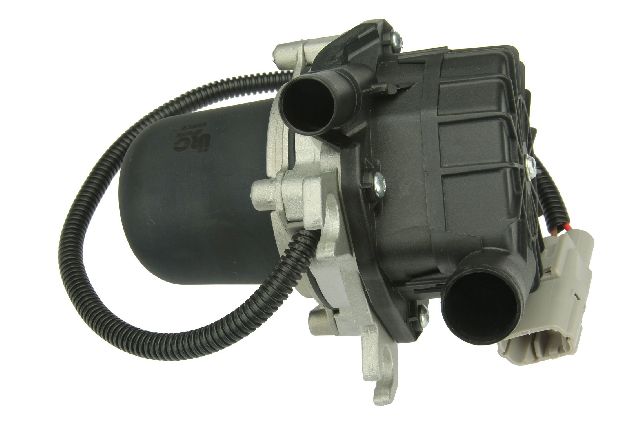
(OEM #17600-0F010)— The pump is the source of the debris and moisture that causes the valves to fail. It is standard practice to replace it along with the valves to ensure a permanent repair.
Trusted brands: Toyota (OEM), Dorman (911-643)
OEM price range: $700-$850
Aftermarket price range: $250-$450 - Intake Manifold Gaskets
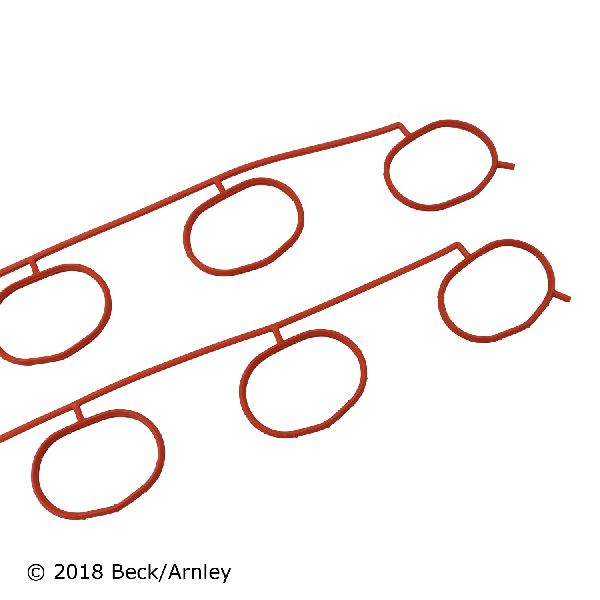
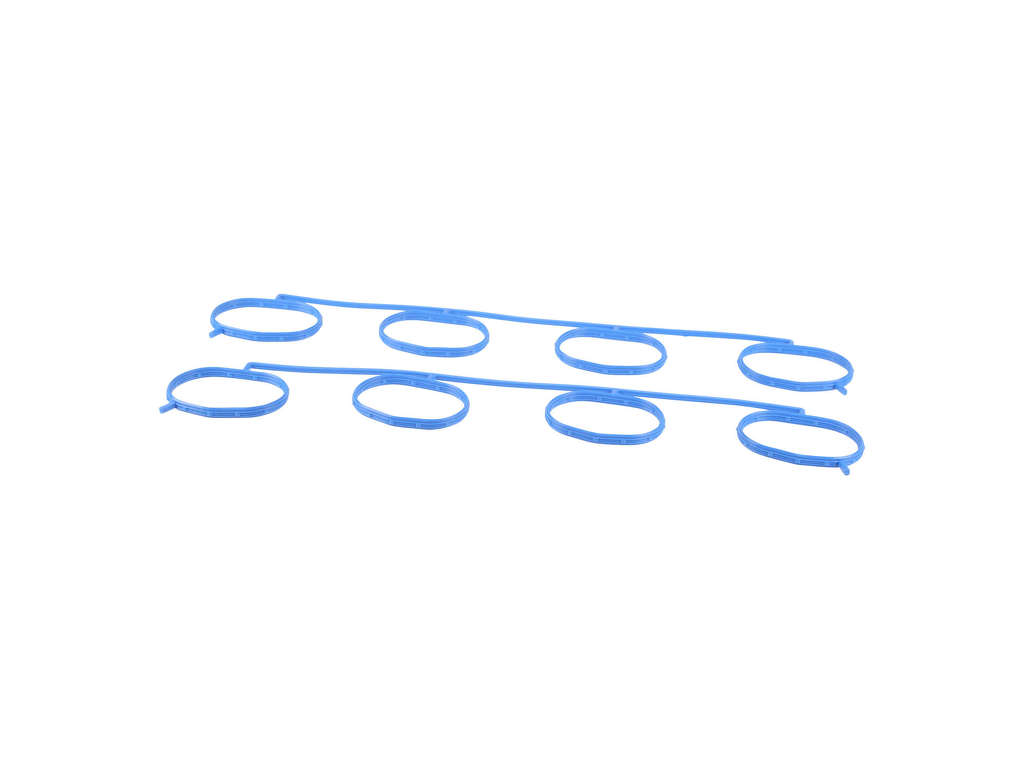
(OEM #17171-50030)— These are single-use gaskets required for re-installing the intake manifold after accessing the SAI components. Two are needed.
Trusted brands: Toyota (OEM), Fel-Pro
OEM price range: $30-$50
Aftermarket price range: $20-$40
Related Codes That Often Appear With This One
- P1442 — This is the code for the same valve stuck closed, but for Bank 1. It's very common to see both codes together as they fail for the same reasons.
- P2440, P2441, P2442, P2443 — These are related codes for the SAI system, indicating valves are stuck open or closed. A cluster of these codes points to a systemic failure caused by debris from the pump.
- P0418 — This code indicates a fault in the air pump control circuit, often pointing to a failed/seized pump motor or a blown main fuse for the SAIS.
Technical Service Bulletins (TSBs) & Recalls
- T-SB-0230-12 Rev1: A comprehensive TSB issued by Toyota covering the 2005-2009 4Runner, Tundra, Sequoia, and Land Cruiser. It lists all related DTCs (P1442, P1445, P2440, P0418, etc.) and officially attributes the cause to 'debris passing through the air injection pump assembly and contaminating various components in the system.' It provides part numbers and diagnostic procedures.
Platform-Specific Known Issues
- The entire SAI system is located under the intake manifold, making the repair very labor-intensive and expensive.
- The original air pump design lacks adequate filtration for its atmospheric air intake, allowing moisture and debris to be ingested, which is the root cause of the system-wide failure.
Mechanic-Grade Diagnostic Values
- Air Injection Control Driver - Main Power — expected: 12V+ (Battery Voltage). Failure: Low or no voltage indicates a blown fuse or wiring issue.
- Air Injection Control Driver - Ignition Power — expected: 12V+ (Battery Voltage). Failure: Low or no voltage with key ON indicates a blown fuse or wiring issue.
- Air Injection Control Driver - Ground — expected: Good continuity to chassis ground.. Failure: High resistance indicates a poor ground connection.
- Air Switching Valve Solenoid Resistance — expected: Approximately 20-30 ohms. Failure: A reading of infinity (open circuit) or near zero (short circuit) indicates a failed solenoid.
- Torque Specification - Air Switching Valve Assembly — expected: 18 N*m (13 ft*lbf). Failure: N/A
- Torque Specification - Air Pump Assembly — expected: 16 N*m (12 ft*lbf). Failure: N/A
Scan Tool Commands That Help
- Toyota Techstream (or equivalent, e.g., Autel): Active Test: "Air Injection Check" (Automatic or Manual Mode) — This function allows a technician to command the air pump and switching valves to operate even when the engine is warm. It runs the system through its cycle to test for pressure changes and component response, helping to pinpoint the exact point of failure (pump, specific valve) without having to remove the intake manifold.
Wiring & Ground Locations
- Air Injection Control Driver (AID) — At the rear passenger side corner of the engine compartment.. This module controls the air pump and valves. Testing power and ground here is a key step in diagnosing electrical faults within the SAIS, especially if code P0418 is also present.
- Ground Point EA — On the right (passenger side) fender apron, near the washer fluid reservoir.. This is the main ground point for the Air Injection Control Driver. A corroded or loose connection here can cause intermittent or total failure of the SAIS.
- A/PUMP Fuse (50A) — In the under-hood fuse/relay box.. This is the main fuse for the air pump motor. If it is blown, the pump is likely seized, which is a common root cause for the entire system failing.
- ECM Connector (for Bypass Kit Install) — Behind the glove box. The Hewitt-Tech Gen-II bypass kit requires tapping into specific wires at the top/leftmost ECM connector.. This is critical information for installing the popular bypass kit solution. The specific wires vary by exact model year but are detailed in the kit's instructions. For example, for a 4Runner, the wires to be tapped are often Light Green, Green/Yellow, and Pink/Black.
- MAF Sensor Connector (for Bypass Kit Install) — On the airbox lid, connecting to the Mass Airflow Sensor.. Some bypass kits (like the Slyfox75 kit) require cutting and splicing the Pin 4 wire (Yellow with Black stripe on a 4Runner) at the MAF sensor connector to trick the ECM.
Real Owner Repair Stories
- Reddit user /u/shelly1936 (2006 Toyota 4Runner V8) — Intermittent Check Engine Light for a valve stuck closed (like P1445). No limp mode.
❌ Tried (didn't work) Clearing the code repeatedly when it appeared on startup.
✅ What actually fixed it The user mentions living with the intermittent code but acknowledges that installing a bypass kit is the definitive solution to prevent a future 'stuck open' failure that would cause limp mode. Other users in the thread confirm installing a Slyfox or Hewitt-Tech bypass kit resolved their codes permanently. - TundraSolutions forum user '2006Tundra' (2006 Toyota Tundra) — P1445 code present for about a year. No drivability issues, able to pass smog by clearing the code.
❌ Tried (didn't work) Received a quote for OEM replacement for $1800 ($1300 parts, $500 labor) but considered it too expensive.
✅ What actually fixed it The user, along with others in the thread, ultimately decided on and installed a Hewitt-Tech bypass kit as a cost-effective and permanent solution compared to the expensive OEM repair. Another user confirmed a cheaper Rutech kit also worked and cleared their codes. - YouTube video by 'Last Line of Defense' (4th Gen Toyota 4Runner 4.7L V8) — No active codes, performing preventative maintenance.
❌ Tried (didn't work) N/A
✅ What actually fixed it Installed a 'Slyfox75' bypass kit as a preventative measure to avoid the common, expensive failure of the SAIS. The installation involved splicing into the yellow with black stripe wire (Pin 4) at the MAF sensor connector. - 4Runners.com forum user 'Angie' (2006 Toyota 4Runner V8) — After replacing the air pump and both valves, the same codes for a bad pump and stuck valves returned.
❌ Tried (didn't work) Replaced the secondary air pump., Replaced both air switching valves., Replaced the intake manifold gasket., Resetting the codes multiple times.
✅ What actually fixed it A responding user suggested that the only reliable fix they've used across three different 4.7L V8s was to install the Slyfox75 SAIS bypass kit, implying that even replacing all the hardware can sometimes fail to resolve the issue, possibly due to an underlying electrical or ECM issue.
OEM Part Supersession History
25710-50020, 25710-50021→25710-50022— Likely minor internal improvements to address the sticking/failure issue.89580-34010, 89580-34011, 89581-34040, 89581-34041, 89581-71010→89580-34012— Consolidation of part numbers and potential internal electronic updates for the Air Injection Control Driver.
Model Year Variations Within This Range
- 2005-2007 vs 2008-2009: Aftermarket bypass kits have different versions for these year ranges (e.g., Hewitt-Tech V36 for '05-'07 and V54 for '08+). This strongly suggests a change in the ECM logic, wiring, or sensor tolerances for the SAIS between the 2007 and 2008 model years, even within the same 4th generation platform.
Helpful Videos
Used OEM Parts in Stock


New Aftermarket Parts Available


The information in this article is provided for general reference and educational purposes only. Vehicle specifications, procedures, and part compatibility can vary by production date, trim level, and region. Always consult your vehicle's factory service manual and verify part numbers before purchasing or performing repairs. Safety-critical components such as airbags, seat belts, and braking systems should be installed by a qualified professional.
- Toyota 4RUNNER:
- 🎬 Helpful Videos
- 🛍️ Shop This Part
- What's Unique About the 2005-2009 Toyota 4RUNNER
- Diagnostic Flowchart
- Symptoms You May Notice
- Most Likely Causes
- Rare But Worth Checking
- Diagnosis Steps
- Parts You'll Likely Need
- Related Codes That Often Appear With This One
- Technical Service Bulletins (TSBs) & Recalls
- Platform-Specific Known Issues
- Mechanic-Grade Diagnostic Values
- Scan Tool Commands That Help
- Wiring & Ground Locations
- Real Owner Repair Stories
- OEM Part Supersession History
- Model Year Variations Within This Range
- 🎟️ Get 5% Off