

P1442 on 2005-2007 Toyota Sequoia: Air Injection Valve Stuck Closed Causes and Fixes
On a 2005-2007 Toyota Sequoia, code P1442 almost always indicates a failure in the Secondary Air Injection (SAI) system, specifically that the switching valve for Bank 1 is stuck closed. This is a very common and expensive problem caused by moisture intrusion from a flawed air pump design. The official fix involves replacing the air pumps and valves, often costing over $2,000, while many owners opt for an aftermarket bypass kit to electronically disable the system and clear the codes.
- P1442 on your Sequoia points directly to a failed Secondary Air Injection (SAI) valve, a very common issue for this engine.
- The root cause is a design flaw where the air pumps ingest moisture, which then corrodes and seizes the valves.
- A complete OEM repair is very expensive (often $2,000+) and involves replacing both the pumps and the valves.
- Symptoms include a Check Engine Light, VSC/TRAC lights, a loud pump noise on cold start, and potentially a power-reducing 'limp mode'.
- For those in areas without emissions testing, an aftermarket bypass kit is a popular and much cheaper alternative to a full repair.
What's Unique About the 2005-2007 Toyota SEQUOIA
The 4.7L (2UZ-FE) V8 engine used in this generation of Sequoia, Tundra, and other Toyota/Lexus SUVs is notorious for this specific failure. A design flaw allows the air pumps, located in the engine valley under the intake manifold, to ingest moisture over time. This water is then forced through the system, causing the metal air switching valves to corrode, seize, and fail. This is not a random component failure but a well-documented pattern issue for this platform, leading Toyota to issue a Technical Service Bulletin (TSB) and later an extended warranty campaign for some models.
Diagnostic Flowchart
Tap your situation to follow the diagnostic path that matches what you're seeing on this vehicle.
Symptoms You May Notice
- Check Engine Light is on
- VSC and/or TRAC OFF warning lights are illuminated.
- Vehicle enters 'limp mode,' limiting engine RPM and power.
- Loud vacuum cleaner-like noise from the engine bay for 30-60 seconds after a cold start, which may be present even if the valves are failing.
- Replacing only the failed switching valve without addressing the root cause (the failing air pump). If the pump is still ingesting moisture, the new valve will likely fail again.
- Replacing only one switching valve (e.g., Bank 1 for P1442) when the other (Bank 2) is likely in the same corroded condition and prone to imminent failure.
- Assuming a bypass kit will fix the issue if the valves are stuck open. Bypass kits are designed for 'stuck closed' codes. If valves are stuck open (e.g., P2440, P2442), hot exhaust can flow backward and damage the pump, and the block-off plates included with the kit must be installed. 🎬 Watch: How to install a bypass kit and block-off plates.
Most Likely Causes
- Failed Air Injection Switching Valve #2 (Bank 1) 🔴 High Probability The valves are made of metal and are highly susceptible to corrosion and seizing when moisture, ingested by the air pumps, is forced through the system. This is the direct cause of the code being triggered.
How to confirm: A technician can use a bidirectional scan tool to command the valve to open. Alternatively, a vacuum pump can be attached to the valve's diaphragm port; if it fails to hold vacuum, the diaphragm is torn and the valve is bad. Visual inspection after removal often shows clear signs of rust and seizure.
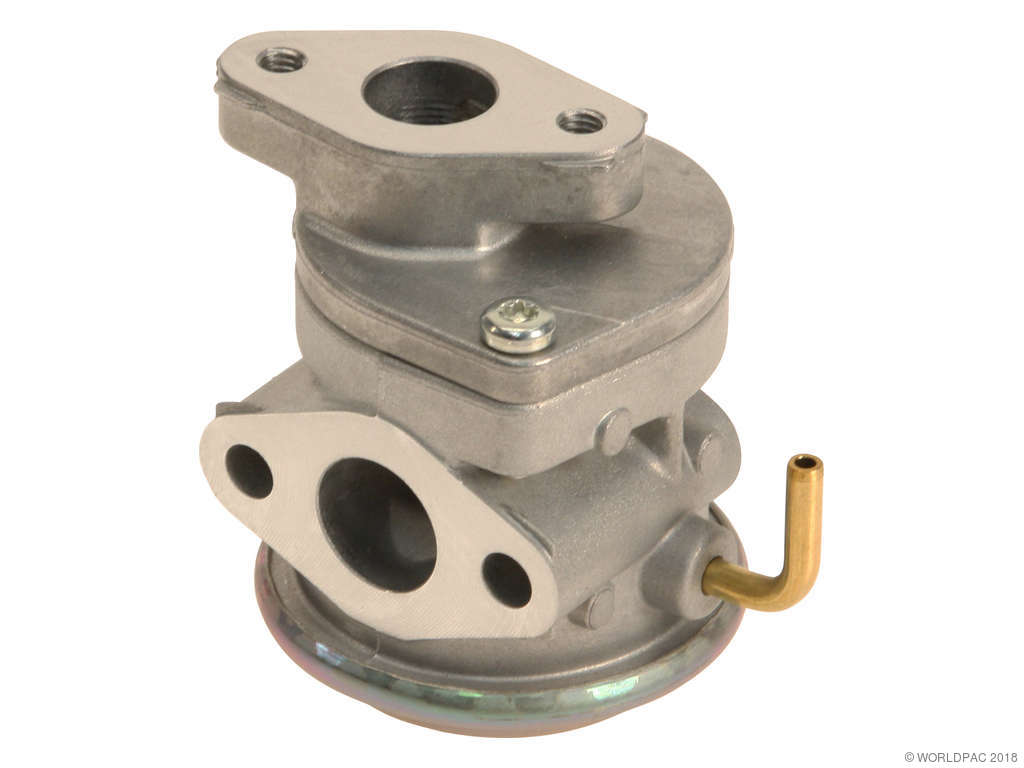
Typical fix: Replacement of the air switching valve assembly (Part #25710-50022). It is highly recommended to replace both bank 1 and bank 2 valves at the same time, as the other is likely to fail soon.
Est. part cost: $200-$450 - Failed Secondary Air Injection Pump(s) 🔴 High Probability The foam filter material for the pumps can degrade or become saturated, allowing water to be sucked into the pump assembly. This not only causes the pump to fail but also sends moisture and debris downstream to the valves, making it the root cause of the entire problem.
How to confirm: Listen for the pump's operation during a cold start. If it does not run, check the 50A fuse and AIR relay. If it runs but sounds rough, excessively loud, or codes for the valves persist, the pump is the likely root cause of the contamination.
Typical fix: Replacement of the air injection pump assembly. This is almost always done in conjunction with replacing the switching valves as a complete system repair to prevent a repeat failure. 🎬 Watch: Full walkthrough on replacing the air pump and valves.
Est. part cost: $1100-$1300 - Leaking or Clogged Air Hoses ⚪ Low Probability
How to confirm: Visually inspect all rubber and metal lines associated with the SAI system for cracks, blockages, or loose connections. A smoke test can also be used to find small leaks.
Typical fix: Replace the damaged section of hose.
Est. part cost: $20-$100
Rare But Worth Checking
- Faulty Air Injection Control Driver: This is the electronic module that controls the pumps and valves. While less common than mechanical failures, it can malfunction. TSB T-SB-0230-12 Rev1 specifically added diagnosis for the driver if code P2445 is present, indicating it can be a point of failure.
- Faulty Engine Control Module (ECM): In very rare instances, after all mechanical parts (pumps, valves) have been replaced with new OEM components and confirmed to be working, a persistent P1442 code could point to an issue with the ECM itself. This is a last resort diagnosis after all other possibilities are exhausted.
Diagnosis Steps
- Confirm P1442 and any other related codes with a quality OBD-II scanner.
- On a cold start (engine off for 7+ hours), listen for a loud 'vacuum cleaner' sound from the engine bay for about 30-60 seconds. No sound points to a failed pump, relay, or fuse.
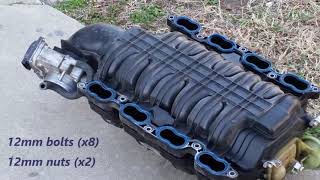
- If the pump runs, the issue is likely with the switching valves. The valves are located at the rear of the engine near the firewall, under the intake manifold. Access requires removing the intake manifold. 🎬 See how to replace the valves without removing the intake.
- Inspect the vacuum lines running to the switching valves for cracks or leaks.
- Using a vacuum pump, test the diaphragm on the switching valve to see if it holds vacuum. If it doesn't, the valve is bad. Even if it holds vacuum, the valve can still be seized internally.
- Using a bidirectional scan tool, command the SAI system components (pumps and valves) to activate and observe their operation. This is the most definitive diagnostic step.
- If replacing parts, inspect the old components and air lines for evidence of water or black debris (from a disintegrating pump), which confirms the common failure pattern.
- If codes return after replacing valves and pump, investigate the Air Injection Control Driver or wiring, as outlined in TSB T-SB-0230-12.
Parts You'll Likely Need
- Air Injection Pump Assembly
(OEM #17600-0F010)— This is often the root cause of the failure, as it ingests moisture and sends it to the valves. Replacing it is key to a long-term fix.
Trusted brands: Toyota (OEM), Dorman
OEM price range: $1141-$1286
Aftermarket price range: $300-$500 - Air Switching Valve Assembly
(OEM #25710-50022)— This is the part that the code directly identifies as being stuck closed due to corrosion from moisture. This part number supersedes 25710-50020 and 25710-50021.
Trusted brands: Toyota (OEM), Dorman (911-643)
OEM price range: $200-$450
Aftermarket price range: $150-$375 - Secondary Air Injection System Bypass Kit — Due to the extremely high cost of OEM repair, many owners in areas without strict emissions testing choose to install a bypass kit. This electronically satisfies the ECU while physically blocking off the system to prevent codes and limp mode.
Trusted brands: Hewitt Technologies, Slyfox Performance
Aftermarket price range: $150-$400
Related Codes That Often Appear With This One
- P1445 — This code is for 'Switching Valve No. 2 Stuck Closed Bank 2'. P1442 and P1445 often appear together because the moisture that damages one valve assembly usually damages both.
- P2440, P2441, P2442, P2443, P2445, P2447 — These are all related to the Secondary Air Injection system, indicating various failures like valves stuck open, pumps stuck off, or pressure sensor issues. Their presence points to a widespread system failure and is covered in TSB T-SB-0230-12.
Technical Service Bulletins (TSBs) & Recalls
- T-SB-0230-12 Rev1 / T-SB-0230-12: Identifies P1442/P1445 as 'Secondary Air Injection System Switching Valve No. 2 Bank 1 / Bank 2 Stuck Close' and outlines the potential cause as debris from the air pump contaminating the system. The
Platform-Specific Known Issues
- This failure is the subject of Toyota Technical Service Bulletin (TSB) #T-SB-0230-12 Rev1, which acknowledges the issue across several 2UZ-FE equipped vehicles and outlines the full diagnostic and repair procedure.
- An owner complaint filed with the NHTSA (ODI #10551708) notes, "TOYOTA IS AWARE BUT WON'T FIX AFTER CERTAIN MILES," highlighting owner frustration with the expensive, out-of-warranty repair.
- Another complaint (ODI #10520439) confirms the dealer diagnosis of an "AIR INJECTION PUMP PROBLEM (CODES P1442, P1445)" and the vehicle entering a safe mode with reduced capacity.
- Aftermarket bypass kits are a very common solution discussed by owners due to the high repair cost. However, these kits are sold for 'off-road use only' as they disable a federally mandated emissions system and will cause the vehicle to fail a visual inspection in states like California.
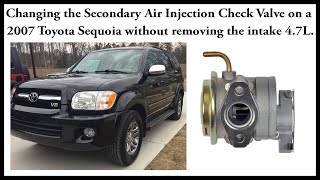
- Some owners have successfully replaced the valves without removing the intake manifold, which saves significant labor time. This requires small hands, specific tools like a swivel head ratchet, and considerable patience. A detailed account can be found in a YouTube video by 'How to Automotive'.
Mechanic-Grade Diagnostic Values
- Vacuum applied to Air Switching Valve (ASV) diaphragm — expected: Should hold a steady 20 in/Hg of vacuum without leaking down.. Failure: If the vacuum gauge reading drops, the diaphragm inside the valve is torn and the valve must be replaced.
- Voltage at Air Pump connector during active test — expected: Battery voltage (approx. 12V) should be present at pin 2 of the pump connector when commanded ON.. Failure: No voltage suggests a problem with the Air Injection Control Driver, relay, or wiring, not the pump itself.
Scan Tool Commands That Help
- Toyota Techstream: Utility -> Air Injection Check -> Manual Mode — This allows a technician to individually command the air pumps (AIR PUMP 1/2) and air switching valves (ASV1/2) ON and OFF to verify their mechanical and electrical operation without waiting for a natural cold start.
- Toyota Techstream: Utility -> Air Injection Check -> Automatic Mode — After a repair, this function runs a complete system self-test to confirm the fix and check for pending codes before the check engine light would normally come on.
- Autel (e.g., MS906TS): Special Functions -> Secondary Air Injection Check — Similar to Techstream, this function on professional aftermarket scan tools initiates a full system cycle test to identify a failed component or validate a repair.
Wiring & Ground Locations
- EC — At the rear of the left cylinder head.. This is a primary engine ground point. A poor connection here can cause a variety of issues with engine-mounted sensors and actuators, including the nearby secondary air injection components.
- EB — At the rear of the right cylinder head.. This is the corresponding primary engine ground on the opposite bank. Both EC and EB should be inspected and cleaned during any major engine work in this area.
- Air Injection Control Driver — Located in the engine compartment, typically on the driver's side inner fender.. This module is the 'brain' of the SAI system, controlling the pumps and valves. All wiring for the system components routes through this driver, making its connections and ground a critical point of inspection if codes persist after replacing mechanical parts.
Real Owner Repair Stories
- TundraSolutions Forum user 'Bilgepump' ('06 Sequoia Limited 4.7L VVT-i 2WD) — Recurring P1442 and P1445 codes.
❌ Tried (didn't work) Replaced the air pump with a brand new unit., Replaced both Air Switching Valves (#2) at the rear of the manifold with new OEM parts., Verified that the vacuum switching solenoids (VSVs) were providing a steady 20 in/Hg of vacuum to the new valves on cold start.
✅ What actually fixed it The user was still diagnosing at the end of the thread, suspecting the issue was now either the main Air Switching Valve (the one after the pump), the Air Injection Driver, or the ECM itself, as all the common failure parts had been replaced and tested good. This highlights that even with new parts, the fault can persist due to an issue upstream in the control system.
OEM Part Supersession History
25710-50020, 25710-50021→25710-50022— Likely an incremental update to improve durability or address a known issue with the original design.
Model Year Variations Within This Range
- 2005-2007: The 2005 model year was the first to feature the updated 4.7L 2UZ-FE engine with VVT-i in the Sequoia. This is also the year range when the problematic Secondary Air Injection system was added to this platform to meet emissions standards. Vehicles prior to 2005 do not have this system and are not subject to this specific failure.
Helpful Videos
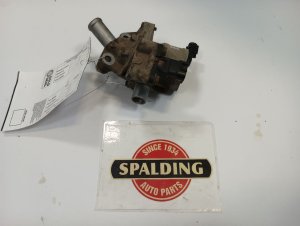
Used OEM Parts in Stock
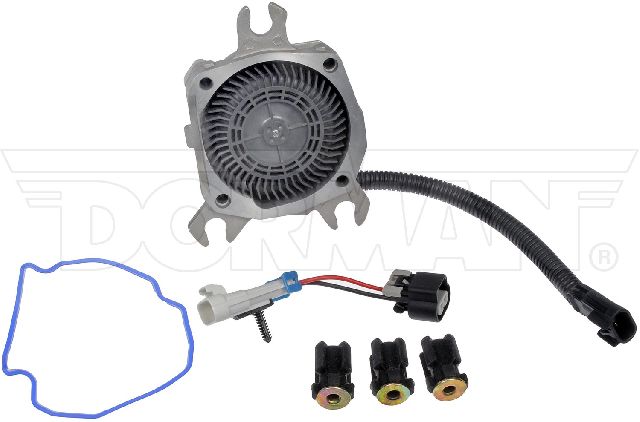
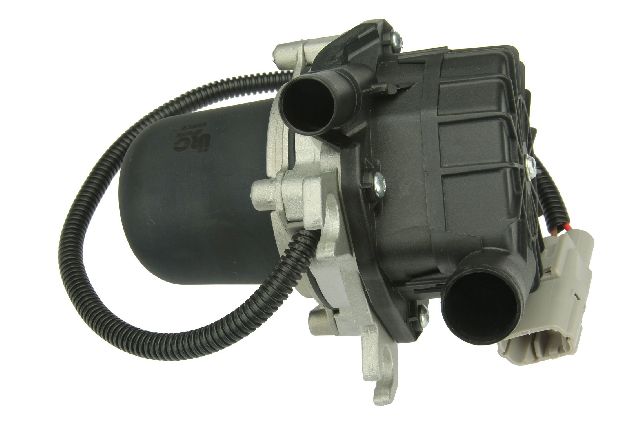
New Aftermarket Parts Available



The information in this article is provided for general reference and educational purposes only. Vehicle specifications, procedures, and part compatibility can vary by production date, trim level, and region. Always consult your vehicle's factory service manual and verify part numbers before purchasing or performing repairs. Safety-critical components such as airbags, seat belts, and braking systems should be installed by a qualified professional.
- Toyota SEQUOIA:
- 🎬 Helpful Videos
- 🛍️ Shop This Part
- What's Unique About the 2005-2007 Toyota SEQUOIA
- Diagnostic Flowchart
- Symptoms You May Notice
- Most Likely Causes
- Rare But Worth Checking
- Diagnosis Steps
- Parts You'll Likely Need
- Related Codes That Often Appear With This One
- Technical Service Bulletins (TSBs) & Recalls
- Platform-Specific Known Issues
- Mechanic-Grade Diagnostic Values
- Scan Tool Commands That Help
- Wiring & Ground Locations
- Real Owner Repair Stories
- OEM Part Supersession History
- Model Year Variations Within This Range
- 🎟️ Get 5% Off