

P1441 on 2005-2007 Toyota Sequoia: Air Injection Valve Failure Causes and Fixes
P1441 on a 2005-2007 Sequoia indicates the Secondary Air Injection (SAI) system's switching valve for Bank 1 is stuck open. This is a very common issue on the 4.7L V8, often caused by a failing air pump that sends moisture and debris into the valves. The official repair is expensive as it requires removing the intake manifold, but many owners opt for an aftermarket bypass kit from brands like Hewitt-Tech if not subject to emissions testing.
- P1441 means the passenger-side air injection valve is stuck open, a very common problem on 2005-2007 Sequoias.
- The root cause is almost always a failing air pump that contaminates the system with debris. A complete repair requires replacing the pump AND the valves.
- This repair is expensive (often $1,200-$2,200+) because the valves are located under the engine's intake manifold.
- Ignoring the code will lead to a failed emissions test and can keep the vehicle in a power-reducing 'limp mode'.
- For those not subject to emissions testing, an electronic bypass kit is a much cheaper, though unofficial, alternative to a full mechanical repair.
What's Unique About the 2005-2007 Toyota SEQUOIA
The Secondary Air Injection (SAI) system on the 4.7L 2UZ-FE engine used in this generation of Sequoia, Tundra, 4Runner, Land Cruiser, and their Lexus counterparts (GX/LX470) is a widely documented failure point. Toyota issued Technical Service Bulletin T-SB-0230-12, acknowledging that debris and moisture from a deteriorating air pump can contaminate and seize the switching valves located under the intake manifold. This design flaw means that simply replacing a stuck valve without also replacing the air pump often leads to a repeat failure. Due to the high cost of the official repair (often quoted at $2000+), a niche market for electronic bypass kits has emerged to eliminate the system, though this is not legal in areas with emissions testing.
🎬 See how to install an electronic bypass module.Diagnostic Flowchart
Tap your situation to follow the diagnostic path that matches what you're seeing on this vehicle.
Symptoms You May Notice
- Check Engine Light (CEL) is on
- Vehicle enters 'limp mode' with significantly reduced engine power
- VSC and TRAC OFF lights illuminate on the dashboard
- Loud vacuum or leaf-blower-like noise from the engine bay for 30-60 seconds after a cold start, which is the sound of the failing air pump
- Replacing only the stuck Air Switching Valve without replacing the failing Air Pump. The new valve will likely fail again quickly from the same debris that caused the original problem.
- Mistaking the issue for a faulty gas cap. While a loose gas cap can cause other EVAP codes, it is not related to the P1441 SAI system failure on this platform.
Most Likely Causes
- Failed Secondary Air Injection Pump 🔴 High Probability The air pump, often located in the passenger-side fender, is the root cause of the problem. Its internal foam filter or fan blades disintegrate over time, sending debris and moisture throughout the system, which then seizes the valves. This is a confirmed design issue per Toyota's TSB.
How to confirm: Inspect the air pump and the hoses leading from it for foam particles or black debris. If debris is present, the pump has failed and has contaminated the system. The pump running for an extended period or making a loud, abnormal noise on cold start is another key indicator.
Typical fix: Replace the air injection pump assembly. This is considered essential to prevent a repeat failure of the new valves.
Est. part cost: $400-$550 for an OEM pump. - Stuck Air Switching Valve (Bank 1) 🔴 High Probability These valves are located under the intake manifold in a high-heat area and are susceptible to contamination from the failing air pump. Moisture from the pump can cause the valves to rust and seize.
How to confirm: The P1441 code directly points to this valve. Diagnosis involves removing the intake manifold to access the valve for physical inspection or testing.
Typical fix: Replace the Air Switching Valve for Bank 1 (and often Bank 2 as a preventative measure). This is a labor-intensive job requiring intake manifold removal.
Est. part cost: $180-$375 per valve. - Faulty Vacuum Switching Valve (VSV) ⚪ Low Probability
How to confirm: Test the solenoid that controls vacuum to the air switching valve. Using a scan tool, you can command the solenoid on and check if it clicks and allows vacuum to pass through.
Typical fix: Replace the faulty VSV solenoid. This is much easier and cheaper than replacing the main valves.
Est. part cost: $50-$100
Rare But Worth Checking
- Faulty Air Injection Control Driver: The TSB mentions that if codes P0418 and/or P2445 are also present, the electronic control driver for the system may need replacement.
- Wiring or Connector Issues: Damage to the wiring harness or corrosion in the connectors for the pump or valves can cause communication errors. In some cases, the engine harness has been found to rub against and break the vacuum nipple on the switching valve.
Diagnosis Steps
- Confirm the presence of P1441 and any other related SAI codes with an OBD-II scanner.
- On a cold start, listen for a loud noise resembling a vacuum cleaner or leaf blower coming from the engine bay for about a minute. This sound is a strong indicator of a failing air pump.
- Inspect the air pump (located in the front passenger fender area) and its hoses for signs of filter foam or black plastic debris. If found, the pump and valves must be replaced.
- If no debris is obvious, test the vacuum switching solenoids (VSVs) that control the main valves. They are more accessible and can be tested with a scan tool or by applying 12V to see if they click.
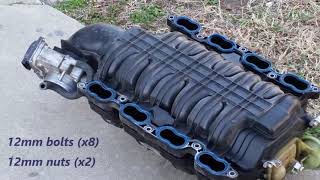
- If the VSVs are working, the next step is to access the air switching valves themselves, which requires removing the intake manifold. 🎬 Watch: Step-by-step guide to replacing the pump and valves.
- Check for broken vacuum nipples on the switching valves, which can be damaged by contact with the main engine wiring harness.
- Once accessed, the valves can be manually tested for operation or replaced.
- A complete OEM repair should include replacing the air pump, both Bank 1 and Bank 2 switching valves, and all associated gaskets to prevent a recurrence.
Parts You'll Likely Need
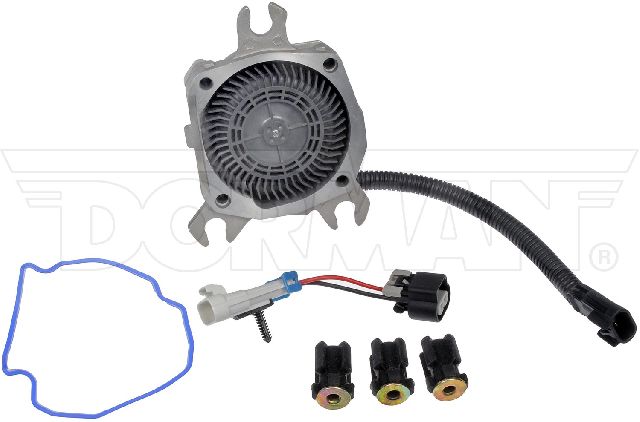
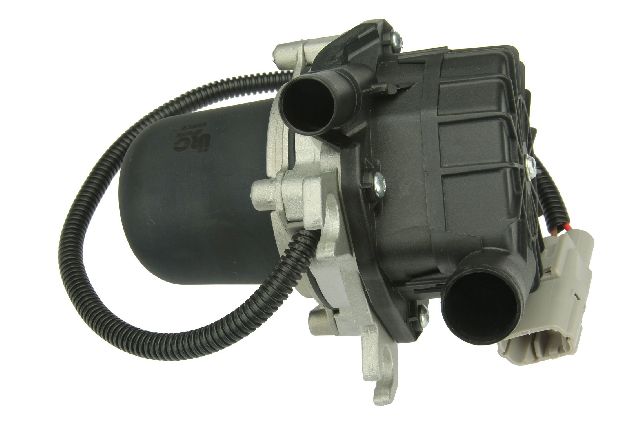
- Secondary Air Injection Pump
(OEM #17600-0F010)— This is the root cause of the failure, as its disintegration contaminates the entire system.
Trusted brands: Toyota (OEM), Dorman
OEM price range: $400-$550
Aftermarket price range: $150-$300 - Air Switching Valve Assembly (Bank 1)
(OEM #25720-50020)— This is the valve that code P1441 identifies as being stuck open. It is located under the intake manifold.
Trusted brands: Toyota (OEM), Dorman (911-643)
OEM price range: $200-$300
Aftermarket price range: $180-$250 - Air Switching Valve Assembly (Bank 2)
(OEM #25710-50022)— It is highly recommended to replace the Bank 2 valve at the same time as Bank 1, as it has been exposed to the same contaminants and is equally likely to fail.
Trusted brands: Toyota (OEM), Dorman (911-642)
OEM price range: $200-$300
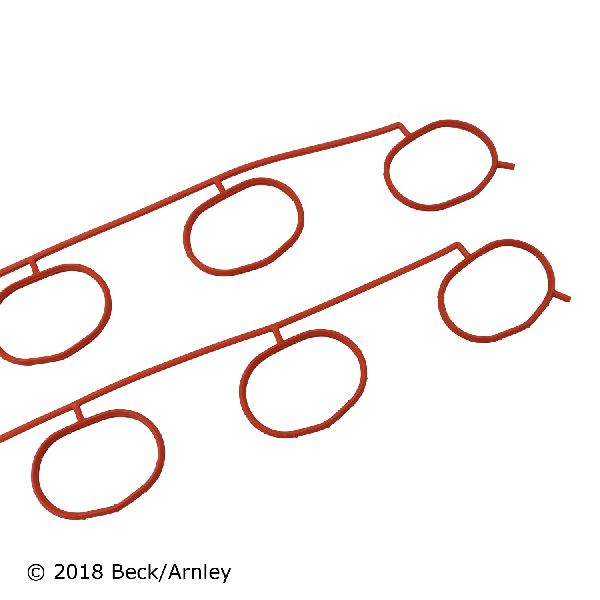
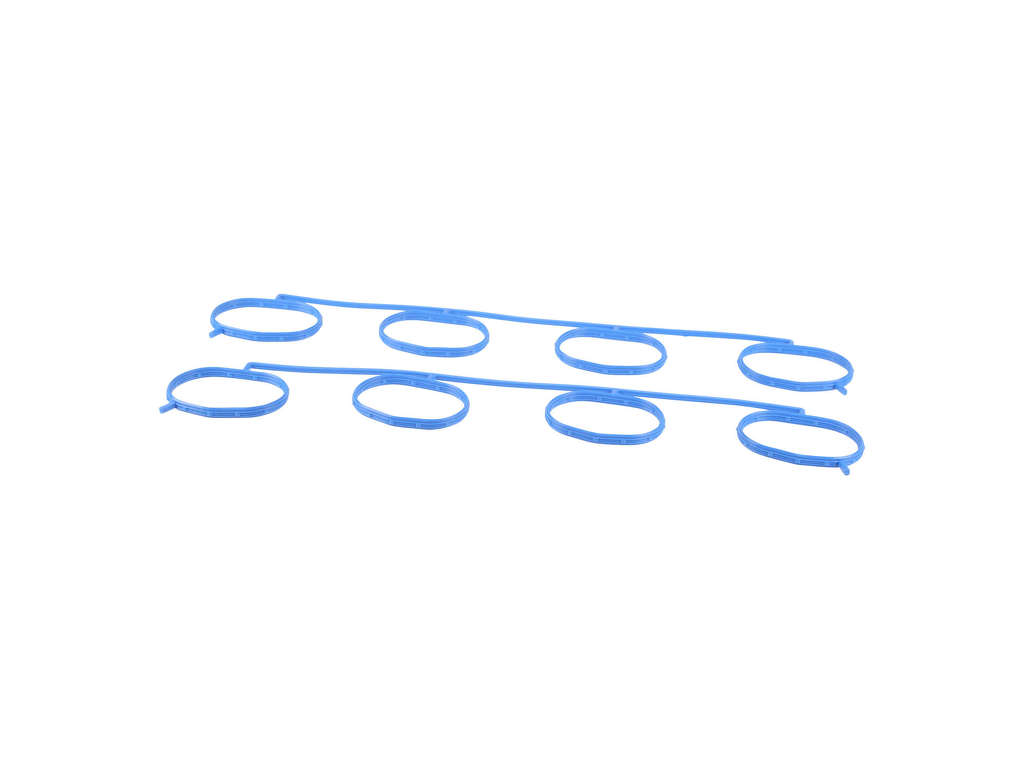
Aftermarket price range: $180-$250 - Intake Manifold Gasket Set
(OEM #17171-50030 (x2))— Required for re-installing the intake manifold after replacing the switching valves.
Trusted brands: Fel-Pro, Toyota (OEM)
OEM price range: $50-$80
Aftermarket price range: $30-$50 - Air Tube Gasket
(OEM #17377-50010 (x4))— Required for sealing the air tubes to the switching valves. TSB recommends replacement.
Trusted brands: Toyota (OEM)
OEM price range: $5-$10 each
Aftermarket price range: $3-$7 each
Related Codes That Often Appear With This One
- P1444 — This is the identical code for Bank 2 (driver's side). Since the failing air pump sends debris to both banks, it's very common for both valves to fail around the same time.
- P2440 — Another code indicating a valve is stuck open in Bank 1. The TSBs group these codes together as part of the same systemic failure.
- P0418 — This code points to a circuit fault in the air injection system relay. It often appears when the air pump motor fails and draws excessive current, potentially damaging the relay or its circuit.
- P1440, P1442, P1443, P1445, P2441, P2442, P2443, P2445 — These are all related codes for the Secondary Air Injection system, indicating valves stuck closed, circuit issues, or pump problems. Toyota's TSB T-SB-0230-12 groups them all under the same diagnostic and repair procedure.
Technical Service Bulletins (TSBs) & Recalls
- T-SB-0230-12 Rev1
Platform-Specific Known Issues
- The placement of the air switching valves underneath the intake manifold makes this a particularly labor-intensive and expensive repair for what is solely an emissions component.
- Toyota TSB T-SB-0230-12 directly addresses this common failure across the Sequoia, Tundra, 4Runner, and Land Cruiser models with the 2UZ-FE engine, confirming it is a known systemic issue. 🎬 Watch: A mechanic explains Toyota's fix for these valves.
Scan Tool Commands That Help
- Toyota Techstream: Air Injection Check (Manual Mode) — To manually command the air pumps and switching valves (ASV) ON/OFF to test their individual operation. This allows a technician to isolate a failing component (pump or specific valve) without relying solely on the automatic system check. The path is Powertrain / Engine and ECT / Utility / Air Injection Check.
- Toyota Techstream: Air Injection Check (Automatic Mode) — To run the complete system self-test after a repair has been performed to confirm the fix and check for any remaining pending codes before returning the vehicle to service.
Wiring & Ground Locations
- Air Injection Control Driver — On the left side of the engine compartment.. This module controls the air pump and valves. TSB T-SB-0230-12 notes that it may need replacement if P0418 or P2445 are present along with other SAI codes.
- Air Switching Valve Connectors — Located under the rear of the intake manifold, accessible mostly by feel.. These are the primary connectors for the valves indicated in codes P1441/P1444. A poor connection or damaged wiring here can mimic a failed valve.
- Air Pump — Located in the front passenger-side fender area.. This is the source component that fails and sends debris into the valves. Its wiring connector should be checked for corrosion or damage.
- Ground Point IG — At the right kick panel.. This is a general ground distribution point for various interior and ECU-related circuits. A poor ground here could cause a variety of difficult-to-diagnose electronic issues.
Real Owner Repair Stories
- Reddit user 'Inevitable_Badger512' (2006 Toyota Sequoia) — Codes P1441 and P1444, loud 'leaf blower' noise on cold start.
❌ Tried (didn't work) The user opted for a complete repair rather than trying partial fixes.
✅ What actually fixed it The user performed a complete DIY replacement of the smog pump (air pump), both check valves (air switching valves), and associated hoses using all Toyota OEM parts. They also replaced the starter at the same time due to its location under the intake manifold. The total cost for parts was just under $950, and it took a full day to install. - Reddit user 'Ace-Venturaa' (2005 Toyota Sequoia) — P1441, VSC and TRAC OFF lights, vehicle in limp mode.
❌ Tried (didn't work) The user researched the OEM repair and found it too expensive (quoted upwards of $1000 at a shop).
✅ What actually fixed it The user chose to install an aftermarket Secondary Air Injection System bypass kit with block-off plates, which cost around $180. This option is viable for vehicles not subject to emissions testing and eliminates the failure-prone factory components entirely.
OEM Part Supersession History
25710-50020, 25710-50021→25710-50022— Likely internal improvements to address durability or failure modes of the valve assembly.25720-50010, 25720-50011→25720-50020— Likely internal improvements to address durability or failure modes of the valve assembly.
Helpful Videos
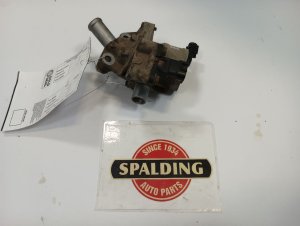
Used OEM Parts in Stock
New Aftermarket Parts Available


The information in this article is provided for general reference and educational purposes only. Vehicle specifications, procedures, and part compatibility can vary by production date, trim level, and region. Always consult your vehicle's factory service manual and verify part numbers before purchasing or performing repairs. Safety-critical components such as airbags, seat belts, and braking systems should be installed by a qualified professional.
- Toyota SEQUOIA:
- 🎬 Helpful Videos
- 🛍️ Shop This Part
- What's Unique About the 2005-2007 Toyota SEQUOIA
- Diagnostic Flowchart
- Symptoms You May Notice
- Most Likely Causes
- Rare But Worth Checking
- Diagnosis Steps
- Parts You'll Likely Need
- Related Codes That Often Appear With This One
- Technical Service Bulletins (TSBs) & Recalls
- Platform-Specific Known Issues
- Scan Tool Commands That Help
- Wiring & Ground Locations
- Real Owner Repair Stories
- OEM Part Supersession History
- 🎟️ Get 5% Off