

P1440 on 2007-2014 Volvo XC90 3.2L: EVAP Purge Valve Causes and Fixes
On a 2007-2014 Volvo XC90 with the 3.2L engine, the P1440 code is most often caused by a faulty vapor canister purge valve that is stuck open. Replacing this valve is a common DIY fix, with the part costing between $30 for an aftermarket version and $75 for an OEM part. The OEM part number is 8653908.
- P1440 on a 2007-2014 XC90 3.2L almost always points to a problem with a component in the EVAP system, not a generic leak.
- The most likely cause is a faulty vapor canister purge valve located in the engine bay, OEM part number 8653908.
- A simple and effective diagnostic test is to remove the purge valve and see if you can blow through it. If you can, it's bad.
- Always check the gas cap first for tightness and seal integrity; it's a simple and free check.
- The correct OEM part number for the purge valve is 8653908, which may be superseded by 31104896.
What's Unique About the 2002-2014 Volvo XC90
The first-generation XC90 with the 3.2L inline-six engine (model years 2007-2014) has a well-documented issue with the vapor canister purge valve failing. Unlike a generic 'small leak' code on other cars, P1440 on this Volvo very frequently points directly to this specific valve. Owners and mechanics have found that the valve can be easily tested by removing it and attempting to blow through it; if air passes, it's confirmed to be stuck open and faulty. This direct correlation makes diagnosis much simpler than on many other vehicles where P1440 can be a generic EVAP leak code.
Generation note: The specified year range 2002-2014 covers the entire first generation of the Volvo XC90. However, the SI6 3.2L I6 engine was only available from model years 2007 to 2014. This guide is specific to those 2007-2014 models.
Symptoms You May Notice
- Check Engine Light is illuminated.
- Slightly reduced fuel efficiency.
- A faint fuel odor may be noticeable near the vehicle.
- The car may run 'a little weird' or have a slightly unstable idle if the valve is stuck open significantly.
- Difficulty starting the engine in some cases.
- Replacing the fuel tank pressure sensor without proper diagnosis.
- Replacing the charcoal canister when the issue is a much simpler and cheaper component like a valve or gas cap.
- Assuming a generic EVAP leak and performing a smoke test before checking the purge valve, which is the most common failure point for this specific code on this engine.
Most Likely Causes
- Faulty Vapor Canister Purge Valve (Solenoid) 🔴 High Probability This specific part is a known failure point on the 3.2L engine, often getting stuck internally due to debris or wear.
How to confirm: Locate the valve in the engine bay, near the intake manifold. Disconnect the electrical connector and hoses. With the valve removed from the vehicle, try to blow air through it. If air passes through, the valve is stuck open and needs to be replaced. A new, functioning valve should be sealed shut when not energized.
Typical fix: Replace the vapor canister purge valve. This is a straightforward DIY job.
Est. part cost: $30-$75 - Loose or Defective Gas Cap 🟡 Medium Probability
How to confirm: Ensure the gas cap is tightened until it clicks multiple times. Inspect the rubber seal on the cap for any cracks, tearing, or signs of dry rot. A worn seal will not create the necessary vacuum to pass the EVAP system self-test.
Typical fix: Tighten or replace the gas cap. Using an OEM (Original Equipment Manufacturer) cap is highly recommended for a proper seal, as some aftermarket caps do not seal correctly.
Est. part cost: $20-$50 - Faulty EVAP Canister Vent Valve ⚪ Low Probability
How to confirm: The vent valve is typically located near the charcoal canister by the fuel tank. Diagnosis involves checking for an electrical signal with a multimeter and verifying if the valve opens and closes when voltage is applied. It can also become stuck due to dirt or debris.
Typical fix: Replace the canister vent valve.
Est. part cost: $40-$100 - Cracked or Disconnected EVAP Hoses ⚪ Low Probability Hoses can become brittle with age and heat cycling, leading to cracks and leaks.
How to confirm: Visually inspect all accessible EVAP hoses between the engine, purge valve, charcoal canister, and fuel tank for obvious cracks, breaks, or loose connections. A smoke test is the most effective way to find small, hard-to-see leaks.
Typical fix: Replace the damaged hose section.
Est. part cost: $10-$40
Rare But Worth Checking
- Damaged Wiring or Connector: A visual inspection of the wiring going to the purge and vent valves is worth performing. Look for any chafed, broken, or corroded wires or pins in the connectors. This is particularly relevant for the vent valve circuit, which is exposed to the elements under the car.
- Faulty Fuel Tank Pressure Sensor: While rare, the fuel tank pressure sensor can fail and send incorrect data to the ECM, causing it to believe there is a leak when there isn't one. The sensor is located on top of the fuel rail in the engine bay.
Diagnosis Steps
- Read the code with an OBD-II scanner and confirm it is P1440.
- Check the gas cap. Ensure it is tight and the seal is in good condition. If in doubt, replace it with an OEM cap.
- Locate the vapor canister purge valve on the 3.2L engine. It is accessible in the engine bay, to the left of the air intake ducting.
- Disconnect the electrical connector and hoses from the purge valve.
- Perform a 'blow test': try to blow air through the valve. If air passes, it is defective and must be replaced. This is the most common fix.
- If the purge valve is good, inspect its electrical connector and wiring for any visible damage or corrosion.
- If no issues are found, visually inspect all visible EVAP system hoses for cracks or damage.
- If the cause is still not found, the next step is to inspect the EVAP canister vent valve (near the fuel tank) and its wiring for faults. Check for power and ground at the connector.
- If the cause is still not found, perform a smoke test on the EVAP system to pinpoint any small leaks that are not visible.
Parts You'll Likely Need
- Vapor Canister Purge Valve / Solenoid
(OEM #8653908)— This is the most common failure part for code P1440 on this specific engine. It gets stuck open, causing an improper purge flow that the ECM detects.
Trusted brands: Genuine Volvo, Bosch, Pierburg, URO Parts, Standard Motor Products
OEM price range: $60-$75
Aftermarket price range: $30-$60
Related Codes That Often Appear With This One
- P0441 - Evaporative Emission Control System Incorrect Purge Flow
- P0455 - Evaporative Emission Control System Leak Detected (gross leak)
- P0442 - Evaporative Emission Control System Leak Detected (small leak)
Mechanic-Grade Diagnostic Values
- EVAP Canister Purge Valve Solenoid Resistance — expected: 20 Ω ± 1.5 Ω at 20°C (68°F). Failure: A reading significantly outside this range indicates a faulty coil in the solenoid.
Hidden / Shadow Codes Worth Checking
- ECM-433B: Leak diagnostic unit, pump. Signal missing. This is a Volvo-specific code that points to a problem with the Leak Detection Pump (LDP) or its circuit, which is a key component of the EVAP system test. It can be set in conjunction with a generic P1440 code. (see via A Volvo-specific scanner like one running VIDA software is required to read these manufacturer-specific ECM codes.)
Scan Tool Commands That Help
- Volvo VIDA (Vehicle Information and Diagnostics for Aftersales): Quick test of fuel tank system — This is a bidirectional test used to command the EVAP system to perform a self-test for leaks. After navigating to Vehicle Communications > Advanced, a technician can start the test. The software will report back 'System Fine', 'Minor Leak', or 'Major Leak', helping to confirm if a leak exists without needing a smoke machine initially.
Wiring & Ground Locations
- EVAP Purge Valve Connector — On the purge valve itself, located on the left side of the engine compartment near the air intake ducting.. This 2-pin connector provides power and ground to the solenoid. One pin should have battery voltage with the key on, and the other is a pulse-width modulated ground controlled by the ECM. Checking for voltage here is a key step if the valve itself tests good.
- 31/120 — Ground connection located in the cargo compartment.. While not the primary engine ground, poor grounds anywhere on the vehicle can cause unpredictable electrical issues. The XC90 has multiple fuse and electronic modules, including the Rear Electronic Module (REM) in the cargo area, which communicate over the CAN bus. A bad ground in this area could potentially affect overall system communication, though a main engine or ECM ground is a more likely culprit for engine-related codes.
OEM Part Supersession History
8653908→31104896— Standard part number update/revision by Volvo.
Heads up: No known incompatibilities. The parts are interchangeable for the specified vehicles.
Diagnostic Flowchart
Other Known Issues on This Vehicle
Issues unrelated to this code that are worth knowing about as an owner of this generation:
- Brake Vacuum Pump Oil Leak 🟠 Medium — Very common at higher mileage (80k+ miles). Oil drips onto the top of the transmission, causing a burning smell. (Ref: No recall, but a seal replacement kit (P/N 31401556) is available from Volvo as a common repair.)
- Rear Engine Accessory Drive (READ) Bearing Failure 🔴 High — Less common, but a critical failure. More prevalent on earlier (pre-2010) models. Onset is signaled by a whining or growling noise from the transmission-side of the engine. (Ref: Volvo TSB 21-9 addresses the noise and failure of the drive gear. Repair is complex and requires special tools.)
- Alternator Decoupler Pulley / One-Way Clutch Failure 🟠 Medium — Common failure item. The clutch can seize, causing the main drive gear for the alternator to loosen, resulting in a no-charge condition.
- Water Pump Failure 🟠 Medium — The water pump, driven by the READ unit, can fail and leak. Recommended replacement interval is around 150,000 miles, but can fail earlier.
- Worn Engine Mounts 🟡 Low — Common after 100,000 miles. The 3.2L engine uses six mounts which degrade over time, causing vibrations at idle and clunking noises.
Used vs. New Parts: Buying Guide for This Vehicle
When a used part is the smart pick: For the EVAP Purge Valve, a used part is strongly discouraged. Forum and repair blog consensus indicates that used electronic valves and solenoids for the EVAP system are a significant gamble and often fail shortly after installation.
What to inspect on the donor part:
- Not applicable for the primary failed part (Purge Valve), as internal wear is not visible.
OEM-only on this vehicle (don't cheap out):
- Gas Cap: While not strictly 'OEM-only', it is highly recommended to use a Genuine Volvo or OEM-supplier gas cap, as aftermarket caps are frequently cited as having sealing issues that can cause EVAP codes to persist.
Aftermarket brands forum-validated for this vehicle:
- Bosch
- Pierburg
Brands owners have reported issues with on this vehicle:
- URO Parts: Multiple forum discussions across different European car communities describe URO parts, especially rubber and electronic components, as having high failure rates and poor quality control, often being called the 'dollar tree of parts'.
Real Owner Stories
Aggregated from forums and TSBs cited above. Mileages and costs reflect what owners reported in those sources.
2002-2014 Volvo XC90 3.2L I6
Symptoms: The car was running 'a little weird' with a slightly unstable idle and the Check Engine Light was on.
What fixed it: The owner performed a 'blow test' on the purge valve, confirmed it was stuck open, and replaced it with a Pierburg unit.
Source hint: Matthews Volvo Site
2002-2014 Volvo XC90 3.2L I6
Symptoms: Check Engine Light illuminated; P1440 code confirmed via OBD-II scanner.
What fixed it: Replaced the purge valve (P/N 8653908) after confirming it was the primary culprit.
Source hint: SwedeSpeed Forums
Related OBD-II Codes
Frequently Asked Questions
Is there a specific Volvo part number I should look for when replacing the purge valve on my 3.2L XC90?
Does Volvo TSB 21-9 relate to the P1440 EVAP code on my XC90?
Can I use a used purge valve from a donor vehicle to save money?
Are there any specific brands I should avoid when buying replacement EVAP components for my Volvo?
Why is my XC90 hard to start after refueling, and is it related to P1440?
Is the gas cap a common issue for this code on the XC90?
Helpful Videos
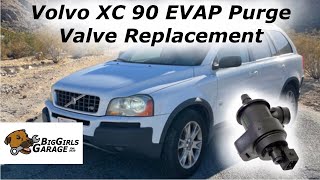
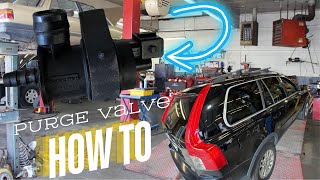
We Have This Part in Stock
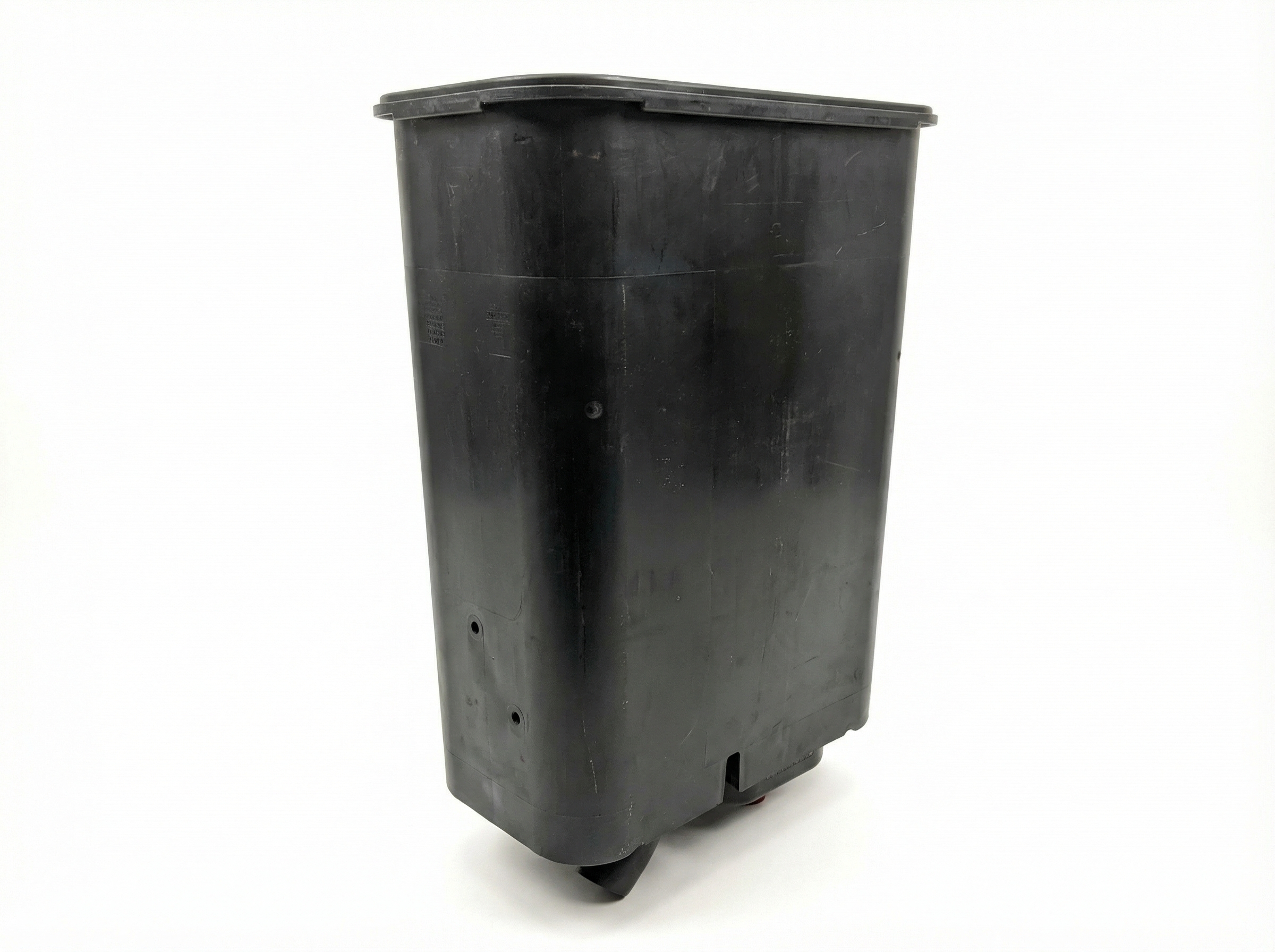

The information in this article is provided for general reference and educational purposes only. Vehicle specifications, procedures, and part compatibility can vary by production date, trim level, and region. Always consult your vehicle's factory service manual and verify part numbers before purchasing or performing repairs. Safety-critical components such as airbags, seat belts, and braking systems should be installed by a qualified professional.
- Volvo XC90:
- 🎬 Helpful Videos
- 🛍️ Shop This Part
- What's Unique About the 2002-2014 Volvo XC90
- Symptoms You May Notice
- Most Likely Causes
- Rare But Worth Checking
- Diagnosis Steps
- Parts You'll Likely Need
- Related Codes That Often Appear With This One
- Mechanic-Grade Diagnostic Values
- Hidden / Shadow Codes Worth Checking
- Scan Tool Commands That Help
- Wiring & Ground Locations
- OEM Part Supersession History
- Diagnostic Flowchart
- Other Known Issues on This Vehicle
- Used vs. New Parts: Buying Guide for This Vehicle
- Real Owner Stories
- 2002-2014 Volvo XC90 3.2L I6
- 2002-2014 Volvo XC90 3.2L I6
- Related OBD-II Codes
- Frequently Asked Questions
- 🎟️ Get 5% Off