

P1429 on 2017-2019 Volkswagen Passat: Brake Vacuum Pump Open Circuit Fixes
This code indicates an electrical problem with the auxiliary brake vacuum pump. The most common fix is replacing the failed electric vacuum pump itself. Expect to pay $250-$450 for the part. Before replacement, always check the fuse for the pump circuit, as this is a simple and inexpensive potential fix.
- P1429 means there is an electrical fault, specifically an open circuit, in the brake vacuum pump circuit.
- Do not drive the vehicle extensively; the lack of power brake assist is a serious safety hazard.
- The most likely cause is a failed electric vacuum pump, followed by a blown fuse.
- This code is often accompanied by P0556; fixing the P1429 issue will typically resolve both.
- Always check the fuse first, as it is the simplest and cheapest potential fix.
What's Unique About the 2017-2019 Volkswagen PASSAT
The Passat of this generation, built on the MQB platform and using the EA888 Gen 3 engine, relies on a supplemental electric vacuum pump to ensure the brake booster has adequate vacuum for proper operation. The fault P1429 is an electrical code, not a mechanical one, pointing specifically to a loss of electrical continuity. Volkswagen Technical Service Bulletins (TSBs) for this vehicle frequently show P1429 appearing alongside P0556 (Brake Booster Pressure Sensor), which confirms this sequence of events: the pump circuit fails (P1429), leading to incorrect vacuum levels detected by the sensor (P0556). This is a known issue across many VW and Audi models using this powertrain.
Diagnostic Flowchart
Tap your situation to follow the diagnostic path that matches what you're seeing on this vehicle.
Symptoms You May Notice
- Check Engine Light (Malfunction Indicator Lamp or MIL) is on.
- A noticeably harder or stiffer brake pedal.
- Increased effort required to stop the vehicle.
- Longer than usual stopping distances.
- Brake warning light may also be illuminated on the dashboard.
- Replacing the brake booster pressure sensor (for code P0556) without checking the vacuum pump first. The sensor is often reporting a valid problem caused by the pump's failure.
- Replacing the brake booster itself when the issue is a lack of vacuum assist from the auxiliary pump.
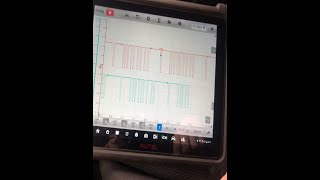
- Ignoring the P1429 code and only attempting to fix a P0556 code, which is a symptom 🎬 Watch: A quick guide to fixing the P0556 fault. of the pump's electrical failure.
Most Likely Causes
- Failed Electric Brake Vacuum Pump 🔴 High Probability The electric motor or internal circuitry within the pump assembly (often a Pierburg unit) can fail, creating an internal open circuit. This is the most common point of failure for this code.
How to confirm: After confirming power and ground are present at the pump's electrical connector, the pump's failure to activate points to an internal fault. A mechanic can also try to activate it with a diagnostic scan tool. A multimeter test on the pump's terminals should show an open loop (infinite resistance).
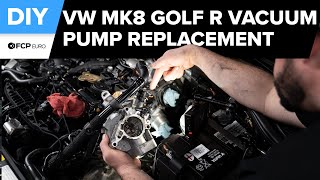
Typical fix: Replace the electric brake vacuum pump. 🎬 See this walkthrough on how to replace the vacuum pump.
Est. part cost: $250-$450 - Blown Fuse for Vacuum Pump Circuit 🟡 Medium Probability
How to confirm: Locate the fuse for the brake vacuum pump (V192). On a Passat, this is typically in the engine bay fuse box, located next to the battery. Visually inspect the fuse or use a multimeter to test for continuity. A common location is a 5A fuse at position SB9, though this can vary.
Typical fix: Replace the blown fuse. If the new fuse blows immediately, it indicates a short circuit in the wiring or, more likely, within the pump itself, which will then need to be replaced.
Est. part cost: $1-$5 - Damaged Wiring or Connector ⚪ Low Probability
How to confirm: Visually inspect the wiring harness leading to the vacuum pump for any signs of damage, fraying, or corrosion, particularly where it may rub against other components. Check the electrical connector for a secure connection and test for power and ground using a multimeter.
Typical fix: Repair the damaged section of the wiring harness or replace the connector.
Est. part cost: $10-$100
Rare But Worth Checking
- Cracked Vacuum Line:
Diagnosis Steps
- Read the fault codes with an OBD-II scanner to confirm P1429 and any other related codes like P0556.
- Locate and inspect the fuse for the brake vacuum pump circuit in the engine bay fuse box. Replace if blown and re-test. If it blows again, the pump is likely shorted.
- If the fuse is good, visually inspect the wiring harness and electrical connector at the vacuum pump for any visible damage, corrosion, or loose connections.
- Using a multimeter, check for battery voltage and a good ground at the pump's connector with the key on. The connector will have two pins.
- If power and ground are present, the electric vacuum pump is faulty and needs to be replaced. This is the most common outcome.
- If power is not present at the connector and the fuse is good, there is a fault in the wiring between the fuse box and the pump that must be traced and repaired.
- As a final check, inspect the vacuum lines connected to the pump and booster for any cracks or damage.
Parts You'll Likely Need
- Electric Brake Vacuum Pump
(OEM #06L145100F (or supersessions like 06L145100K, 06K145100CB))— This is the component that most commonly fails, causing the 'open circuit' fault reported by code P1429.
Trusted brands: Genuine VW, Pierburg (OEM supplier, part 7.01341.03.0), Hella
OEM price range: $350-$500
Aftermarket price range: $250-$450
Related Codes That Often Appear With This One
- P0556 — P0556 indicates a problem with the Brake Booster Pressure Sensor. This code is often triggered as a direct result of the vacuum pump (P1429) failing to generate vacuum, causing the sensor to report out-of-range pressure readings. Fixing the P1429 issue (e.g., replacing the pump) will almost always resolve the P0556 code. In some cases, a dealer software update may be required per TSB V011618.
Technical Service Bulletins (TSBs) & Recalls
- VIN4APIN20191122: Notes customer states MIL-on with P1429 and/or P0556.
- VIN4APIN20190805: Notes customer states MIL-on with P1429 and/or P0556.
- VIN4APIN20190617: Notes customer states MIL-on with P1429 and/or P0556.
- V011618 (NHTSA ID 10130153): A TSB related to the P0556 code that may require an ECM software update at the dealer, though this is less common than pump failure.
Platform-Specific Known Issues
- Volkswagen issued several Technical Service Bulletins (TSBs) that note customer complaints of the check engine light being on with code P1429 stored, often in conjunction with P0556.
- A recall was issued for some 2015-2016 models for a different failure mode where the camshaft lobe driving the pump could shear off, but the P1429 code points specifically to an electrical open circuit in the auxiliary pump.
- Forum discussions on Reddit and VWVortex confirm that the simultaneous appearance of P1429 and P0556 almost always points to a failed vacuum pump, not the sensor.
Mechanic-Grade Diagnostic Values
- Brake Booster Pressure Sensor Live Data 🎬 Watch: Diagnostic summary for troubleshooting the P0556 sensor code. — expected: With the engine running, the pressure should be low (high vacuum). When the brake pedal is pressed, the pressure reading should increase towards atmospheric pressure.. Failure: If the pump is faulty (P1429), the vacuum will not build, and the pressure will remain near atmospheric pressure, triggering P0556. Repeatedly pumping the pedal should show a loss of vacuum that is slow or fails to recover.
- Voltage at Pump Connector — expected: Pin 1: Battery Voltage (12V+) when the pump is commanded on. Pin 2: Ground (continuity to chassis ground).. Failure: No voltage at Pin 1 with the fuse and wiring confirmed good points to a control module or relay issue. No ground at Pin 2 indicates a broken ground wire or bad ground connection.
Scan Tool Commands That Help
- VCDS (VAG-COM) / ODIS: Engine (01) -> Output Tests (03) -> Brake Vacuum Pump (V192) — Use this to directly command the pump to turn on. If the pump does not activate during this test but has power and ground, it confirms the pump motor itself has failed.
- VCDS (VAG-COM) / ODIS: ABS Brakes (03) -> Measuring Value Blocks (MVB) -> Brake Booster Pressure — Use this to monitor the live pressure/vacuum reading from the sensor. This allows you to see if the pump is generating vacuum when it runs and how quickly vacuum is lost when the pedal is pressed.
- VCDS (VAG-COM) / ODIS: Engine (01) -> Basic Settings (04) -> Group 008 (System Test) — This function may initiate a self-test of the brake vacuum system, requiring the tech to pump the brakes. The system checks if the booster can be evacuated within a specified time.
Wiring & Ground Locations
- Main Engine/Transmission Ground — Typically a heavy strap from the engine block or transmission housing to the chassis frame rail. For MQB platform vehicles, a key ground point is often on the left side frame member in the engine bay.. The vacuum pump (V192) requires a solid ground connection to complete its circuit. A corroded or loose main engine ground can cause intermittent or total failure of high-draw components like this pump, leading to an open circuit or high resistance fault.
- Ground Point on Cylinder Head — There are multiple ground points on the cylinder head. A common one for various sensors and actuators is designated as '15' in some VW diagrams.. While the pump itself may ground to the chassis, the control circuit and associated sensors rely on clean grounds. A faulty ground on the cylinder head could potentially affect the pressure sensor's reading, though it's less likely to cause P1429 directly.
- Pump Connector — A 2-pin electrical connector directly on the electric brake vacuum pump assembly.. This is the primary point for testing. P1429 means 'Open Circuit', so checking for 12V power and a good ground at these two pins is the most direct diagnostic step. If power and ground are present, the 'open' is inside the pump.
Real Owner Repair Stories
- Reddit user nazzareno1535 on r/mechanic (2019 VW Jetta 1.4L (same EA888 component family)) — Check Engine Light with code P0556.
❌ Tried (didn't work) A local mechanic replaced the brake booster vacuum pump with an aftermarket part, but the code returned., The same mechanic then replaced the brake booster sensor, which also did not fix the issue.
✅ What actually fixed it The vehicle was taken to a VW dealership. They discovered the aftermarket brake vacuum pump was incompatible and had 'fried' the control module. The final repair required replacing the aftermarket pump with a Genuine VW pump AND replacing the damaged control module.
OEM Part Supersession History
06L145100B→06L145100F, which was later superseded by 06L145100N— Revisions are common to improve reliability, change suppliers, or address internal component failures. The failure of the electric motor leading to P1429 is likely a key reason for these updates.
Heads up: While the parts are generally interchangeable, using a non-genuine or unverified aftermarket part can lead to control module damage, as noted in repair stories. It is critical to use a high-quality OEM (Pierburg) or Genuine VW part.
Helpful Videos

Used OEM Parts in Stock


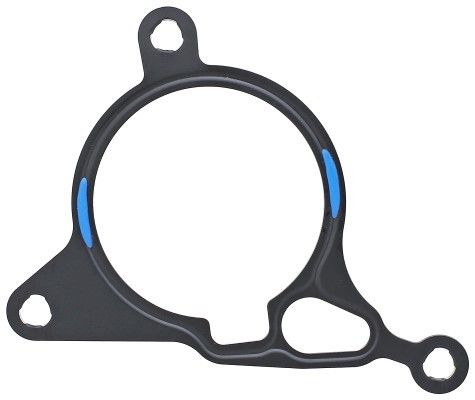
New Aftermarket Parts Available

The information in this article is provided for general reference and educational purposes only. Vehicle specifications, procedures, and part compatibility can vary by production date, trim level, and region. Always consult your vehicle's factory service manual and verify part numbers before purchasing or performing repairs. Safety-critical components such as airbags, seat belts, and braking systems should be installed by a qualified professional.
- Volkswagen PASSAT:
- 🎬 Helpful Videos
- 🛍️ Shop This Part
- What's Unique About the 2017-2019 Volkswagen PASSAT
- Diagnostic Flowchart
- Symptoms You May Notice
- Most Likely Causes
- Rare But Worth Checking
- Diagnosis Steps
- Parts You'll Likely Need
- Related Codes That Often Appear With This One
- Technical Service Bulletins (TSBs) & Recalls
- Platform-Specific Known Issues
- Mechanic-Grade Diagnostic Values
- Scan Tool Commands That Help
- Wiring & Ground Locations
- Real Owner Repair Stories
- OEM Part Supersession History
- 🎟️ Get 5% Off