

OBD-II Code P1399: The Ultimate Guide to Diagnosing Random Misfires or Glow Plug Faults
What P1399 means, why it triggers, and how to fix it for good
- Code P1399 means a 'pending random misfire' on Honda/Acura vehicles, but indicates a 'Glow Plug Circuit High Side' fault on Ford Power Stroke diesels.
- A valve adjustment fixes P1399 on over 80% of high-mileage Honda engines, costing between $400 and $750 at an independent shop.
- Stop driving immediately if the check engine light flashes, as raw fuel will melt your catalytic converter and cause over $2,000 in exhaust damage.
- For Ford diesels, replace the Glow Plug Control Module (GPCM) rather than the glow plugs themselves to resolve this specific circuit fault.
- Always perform a Crankshaft Position (CKP) Pattern Relearn using a bidirectional scan tool if P1399 returns immediately after replacing ignition parts.
What Does P1399 Mean?
P1399 is a manufacturer-specific code. For Honda and Acura, it signals a 'Random Cylinder Misfire' detected by the engine computer, acting as a pending code before a standard P0300 triggers. For Ford Power Stroke diesels, it indicates a 'Glow Plug Circuit High Side, High Input' fault.
Technical definition: The SAE/ISO definition varies by manufacturer. Honda uses it for 'Random Cylinder Misfire Detected' when the PCM detects subtle crankshaft speed variations. Ford uses it for 'Glow Plug Circuit High Side, High Input' when detecting abnormally high voltage in the glow plug control circuit.
Can I Drive With P1399?
Yes, But With Caution. You can drive short distances, but the engine will run poorly, hesitate, and stall. A flashing check engine light indicates a severe misfire dumping raw fuel into the exhaust. This destroys your catalytic converter, leading to a repair costing $800 to $2,500. Do not drive if the light is flashing.
Common Causes

- Incorrect Valve Clearance (Honda) (Very Common) — Unlike many modern engines, older Hondas require periodic valve adjustments. If the clearance is too tight, a valve fails to fully close, causing a loss of compression and a misfire, especially when the engine is cold or at idle.
- Failing Ignition Coil(s) (Very Common) — An ignition coil provides the high voltage needed to create a spark. When a coil fails, it produces a weak or intermittent spark, causing a random misfire. One failing coil triggers a P1399 before it fails completely and sets a cylinder-specific code. 🎬 Watch: How to diagnose and fix random misfires on Honda V6s.
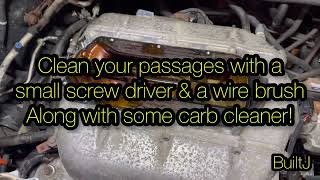
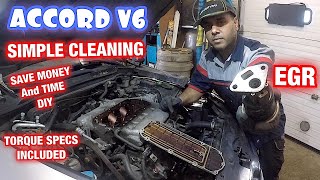
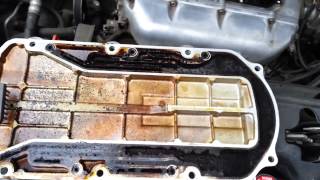
- Clogged EGR Passages (Honda V6) (Common) — Carbon builds up and clogs the small passages of the EGR system on the intake manifold, leading to poor distribution of exhaust gases. This causes misfires on one or more cylinders, triggering a P1399.
- Faulty Glow Plug Control Module (Ford Diesel) (Common) — For diesel engines showing a P1399, the GPCM or its relay is the primary suspect. It fails or gets stuck, sending continuous high voltage to the circuit and preventing the glow plugs from heating correctly for a cold start.
- Worn or Fouled Spark Plugs (Very Common) — A plug with a wide gap, carbon fouling, or one contaminated with oil or fuel fails to ignite the air-fuel mixture properly. A wet plug indicates fuel is present, but no spark is occurring.
- Dirty or Failing Fuel Injectors (Less Common) — A clogged or malfunctioning fuel injector delivers an incorrect amount of fuel, leading to a lean or rich mixture that misfires. On older Acura TL models, the plastic tip of the injector physically breaks off.
- Low Fuel Pressure (Uncommon) — A weak fuel pump or a failing fuel pressure regulator causes system-wide low fuel pressure. This leads to a lean running condition across all cylinders, manifesting as random misfires under load.
- Clogged Catalytic Converter (Uncommon) — A clogged catalytic converter creates excessive backpressure in the exhaust system. This causes the engine to hesitate, misfire under load, and lose power, triggering a P1399 before other codes appear.
- Poor Engine Ground Connection (Rare) — A corroded or loose main engine ground strap causes bizarre electrical issues, including weak spark and erratic sensor readings. This unstable electrical environment leads the ECU to incorrectly detect misfires.
- Faulty Engine Control Unit (ECU/PCM) (Rare) — Internal failures lead to incorrect calculations or faulty driver circuits for coils or injectors, causing phantom or real misfires. This is a known, albeit uncommon, issue on older Honda CR-V models.
Symptoms

- Flashing or Solid Check Engine Light — A flashing light indicates a severe, active misfire that damages the catalytic converter. A solid light indicates a less severe but important fault is stored.
- Engine sounds like a 'Subaru' (uneven, rumbling exhaust note) — When an inline-four or V6 engine misfires, the exhaust note becomes irregular and develops a distinct 'burble' or 'rumble' compared to the sound of a Subaru boxer engine.
- Engine Hesitation or Stumbling — The car loses power or jerks, especially during acceleration or when going uphill.
- Rough or Unstable Idle — The engine shakes or vibrates more than usual while the car is stopped. The RPM needle bounces slightly.
- Hard Starting (Especially Cold) — The engine cranks for a long time before it starts, or fails to start entirely. This is a primary symptom for diesel vehicles with a P1399 glow plug fault.
- Reduced Power and Poor Acceleration — The car feels sluggish and doesn't respond quickly when you press the gas pedal.
- White Smoke from Exhaust on Startup (Diesel) — On diesel engines, if the glow plugs are not heating correctly, unburned fuel is pushed into the hot exhaust on startup, creating puffs of white smoke.
Diagnostic Flowchart
Tap your situation to follow the diagnostic path that matches what you're seeing on this code.
Common Fixes & Costs
- Perform Valve Adjustment (Honda)
— Parts: $30-$60 (gasket), Labor: $400-$750, ~3.5 hr book time
(Professional)
Honda Accord/Odyssey/CR-V: OEM - Replace Ignition Coil(s) and/or Spark Plugs
— Parts: $60-$150 (per coil), $10-$20 (per plug), Labor: $130-$300, ~1.5 hr book time
(DIY)
Honda Accord/CR-V (4-Cyl): OEM
Honda Accord/Odyssey (V6): OEM - Clean EGR Valve and Passages (Honda V6)
— Parts: $20-$40 (cleaner/gaskets), Labor: $260-$450, ~2.5 hr book time
(Intermediate)
Honda Accord V6 (2003-2007): OEM - Replace Glow Plug Control Module (Ford Diesel)
— Parts: $170-$450, Labor: $130-$250, ~1 hr book time
(Intermediate)
Ford F-Series Power Stroke (7.3L, 6.0L, 6.4L): OEM - Replace Fuel Injector(s)
— Parts: $50-$200 (per injector), Labor: $150-$400, ~3 hr book time
(Intermediate)
Acura TL (2000-2003): OEM
DIY vs Professional
- Replace Ignition Coil(s) and Spark Plugs — Beginner: yes
- Replace Glow Plug Control Module (Ford) — Beginner: yes
- Clean EGR Valve and Passages (Honda V6) — Beginner: no
- Replace Fuel Injector(s) — Beginner: no
- Perform Valve Adjustment (Honda) — Beginner: no
Used vs. New Parts: Buying Guide
When a used part is worth it: For ignition coils, buying used OEM parts from a low-mileage vehicle is a better value than buying cheap, new aftermarket coils, which cause performance issues. For expensive electronics like a GPCM, a used part with a warranty is a viable budget option.
Donor-vehicle mileage cap: roughly under 80000 miles for the part to have meaningful remaining life.
Donor quality checklist:
- Verify the donor vehicle was not scrapped for a related engine or emissions failure.
- For ignition coils, stick to original equipment brands like Denso, NGK, or Hitachi, even when buying used.
- Ensure the part number matches exactly; visual similarities do not guarantee compatibility.
Decision logic:
- If Part is a simple wear item like spark plugs → always buy new.
- If Vehicle is sensitive to part quality (e.g., Honda ignition system) and budget is tight → a used OEM coil is more reliable than a new, non-brand-name aftermarket coil.
- If Part is expensive and electronic (GPCM, ECU) → a used part from a reputable seller with a 90-day+ warranty is a reasonable choice to save money.
Warranty tradeoff: Used parts from salvage yards typically offer a 30-90 day warranty. New aftermarket parts range from 1 year to a limited lifetime warranty. New OEM parts usually carry a 1-year warranty.
Worst-case if a used part fails: $200-$800 if a used part fails after installation, accounting for repeat labor costs and the price of a replacement part.
What Happens If You Wait — Timeline
- 0-1 month: Solid Check Engine Light appears, often intermittently. The code is logged as 'temporary' (P1399). No major symptoms, or perhaps a very slight rough idle when cold. (MPG impact: 0-5%% · Added cost: $0-$50 (in wasted fuel))
- 1-3 months: Misfire becomes more frequent. The Check Engine Light starts flashing during specific conditions like going uphill or under heavy acceleration. Engine hesitation is noticeable. The code escalates to a 'hard' P0300. (MPG impact: 5-15%% · Added cost: $50-$150 (in wasted fuel))
- 3-6 months: The Check Engine Light is flashing frequently. Unburned fuel consistently enters the exhaust, causing the catalytic converter's internal temperature to exceed its design limits. The ceramic substrate begins to crack or melt. (MPG impact: 15-25%% · Added cost: $1200-$2800 (catalytic converter is now damaged and requires replacement))
- 6+ months: Catastrophic failure. The catalytic converter substrate melts and clogs the exhaust, causing severe backpressure. The engine has very little power, stalls, and fails to restart. Prolonged driving burns exhaust valves or damages pistons. (MPG impact: 25-50%+% · Added cost: $3000-$8000+ (engine and exhaust system repairs))
Cost of Not Fixing It
- 0-1 month: Noticeable drop in fuel economy (5-15%), rough idle, poor acceleration, and stalling. (Added cost: $50-$150 (in wasted fuel))
- 1-6 months: Risk of overheating and melting the catalytic converter due to unburned fuel entering the exhaust. This is guaranteed if the check engine light is flashing. (Added cost: $1200-$2800 (for catalytic converter replacement))
- 6+ months: Prolonged misfiring causes 'cylinder wash,' where fuel strips oil from cylinder walls, leading to scoring and loss of compression. This results in catastrophic engine damage. (Added cost: $3000-$8000+ (for engine repair or replacement))
Diagnosis Steps

- Check for Other Codes and Freeze Frame Data
Use an OBD-II scanner to read all stored trouble codes. P1399 often appears with P0300 or specific cylinder misfire codes (P0301-P0306). Analyze the freeze frame data to see the exact engine conditions (RPM, load, temperature) when the P1399 was set.
Tools: OBD-II Scanner (Beginner) - Identify the Misfiring Cylinder (Balance Test)
With the engine running at idle, carefully disconnect the electrical connector to one ignition coil at a time. If you disconnect a coil and the engine's idle gets worse, that cylinder is working. If there is no change, you have found the misfiring cylinder.
Tools: Insulated Pliers (Intermediate) - Swap Components to Confirm Fault
Once you identify a suspect cylinder, swap its ignition coil with a known good one from another cylinder. Clear the codes and drive the car. If the misfire code moves to the new cylinder, the ignition coil is bad. Repeat this test with the spark plug.
Tools: OBD-II Scanner, Socket Set (Intermediate) - Inspect Spark Plugs and Ignition Coils
Remove the ignition coils and spark plugs. Look for signs of wear, oil fouling, or carbon buildup on the plugs. Examine the ignition coil boots for white or grey 'arc tracking' marks, indicating the spark is escaping. A wet spark plug means it receives fuel but no spark.
Tools: Socket Set, Spark Plug Socket, Ratchet (Beginner) - Check and Adjust Valve Clearance (Honda)
Using a feeler gauge on a cold engine (below 100°F), measure valve lash. For Honda J-Series V6, intake is 0.20-0.24mm, exhaust is 0.28-0.32mm. For F-Series 4-cylinders, intake is 0.26mm, exhaust is 0.30mm. Incorrect clearance, especially tight exhaust valves, is a leading cause of P1399.
Tools: Feeler Gauges, Socket Set, Torque Wrench, Valve Adjustment Tool (Advanced) - Inspect EGR Passages (Honda V6)
Remove the intake manifold cover to access the EGR port. Check if the main port and the individual passages to each cylinder are clogged with carbon. Clean them thoroughly with carburetor cleaner and a small brush or pick, then install a new gasket.
Tools: Socket Set, Carburetor Cleaner, Brushes/Picks, Gaskets (Advanced) - Test Glow Plug Circuit (Ford Diesel)
Disconnect the valve cover connector and measure resistance from each glow plug pin to battery ground (0.1 to 2.0 ohms is good). Check voltage at the GPCM output wire; over 12.5V confirms the high input condition caused by a faulty GPCM.
Tools: Digital Multimeter (Intermediate) - Check Fuel Pressure and Volume
Connect a fuel pressure gauge to the fuel rail. At idle, a 2005 Accord should have 48-55 psi. Pressure dropping significantly under load indicates a weak pump or clogged filter, leading to lean misfires across all cylinders.
Tools: Fuel Pressure Gauge with adapters (Intermediate) - Perform Crankshaft Position (CKP) Waveform Analysis
In cases of 'ghost misfires', use an oscilloscope to analyze the CKP sensor signal. Look for electrical noise or signal dropouts coinciding with misfire counts. Electromagnetic interference corrupts the CKP signal, causing the ECU to falsely detect misfires.
Tools: Automotive Oscilloscope, Scan Tool with Live Data (Professional)
When This Code Triggers (Freeze-Frame Conditions)
- Engine Coolant Temp: 175-210°F (80-99°C) (The engine is fully warmed up; misfires also log during warm-up.)
- Engine RPM: 1200-3000 RPM (Occurs during light acceleration or steady-state cruising, not typically at idle.)
- Engine Load: 20-50% (The code sets under light to moderate engine load, where subtle misfires are easily detected by the ECU.)
- Vehicle Speed: 30-60 mph (48-97 kph) (Corresponds to city and highway cruising speeds where the engine operates under a consistent load.)
Related Codes
- P0300 — P1399 on a Honda is a precursor to P0300. P1399 is a 'temporary' code set by a more sensitive misfire monitor. If the misfire becomes more frequent, the PCM confirms the fault and sets the 'hard' P0300 code.
- P0301, P0302, P0303, etc. — These codes indicate a misfire on a specific cylinder. If you have P1399 along with a specific cylinder code like P0301, your diagnostic process starts with that cylinder's spark plug, ignition coil, and fuel injector.
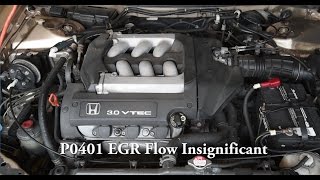
- P0401 — This code means 'EGR Flow Insufficient'. If the EGR passages are clogged enough to cause a P1399 misfire on a Honda V6, the P0401 code is also present. Cleaning the EGR plate is the highest-priority repair.
- P0670 — On a Ford diesel, this code means 'Glow Plug Control Module Control Circuit Malfunction'. It appears alongside P1399 and points directly to a faulty GPCM or its wiring, reinforcing the diagnosis away from the glow plugs.
Climate & Environmental Factors
- Cold Weather: Exacerbates P1399 symptoms. For Ford diesels, a faulty glow plug system causes hard starting specifically in the cold. For Hondas, tight valve clearances cause a pronounced compression loss and misfire when the engine is cold, which lessens as parts expand.
- High Altitude: Thinner air provides less oxygen, forcing the ECU to adjust the air-fuel ratio. This exposes underlying weaknesses in the fuel or ignition systems. Lower air density reduces the voltage required for a spark to arc outside the combustion chamber, leading to misfires under high load.
How to Talk to a Mechanic About This Code
Say this: "I have a P1399 code on my [Make, Model, Year]. For my Honda/Acura, I'd like to authorize one hour of diagnostic time to investigate common causes like valve clearance, coils, and EGR, and please provide the freeze-frame data. For my Ford Diesel, please focus diagnostics on the Glow Plug Control Module and its circuit."
This signals you've done your research and directs the mechanic to the most likely causes. Requesting freeze-frame data shows you're an informed customer and prevents them from simply clearing the code. Specifying the vehicle type (Honda vs. Ford) is crucial for this particular code.
Avoid saying:
- 'My check engine light is on, can you look at it?' (This is too vague and invites a wide-ranging, expensive diagnostic process.)
- 'Just fix whatever's wrong.' (This gives the shop a blank check to replace parts without your approval.)
- 'My friend said it's probably the...' (While you may be right, it undermines the mechanic's diagnostic process; present the code and symptoms objectively.)
Questions to ask before authorizing the repair:
- For a Honda: Did you check the valve clearance? What were the measurements?
- For a Honda: If you're recommending ignition coils, are you using OEM-spec parts like Denso or NGK?
- For a Ford: Did you test the GPCM and its wiring, or are you just replacing parts?
- Can you explain why you've ruled out other common causes?
- What is the warranty on the parts and labor for this repair?
Where to Take It: Dealer vs Independent vs Chain
- Dealer:
Use if warranty applies or as a last resort. An independent Honda specialist is usually a better first choice.
Best for: Vehicles under warranty., Complex manufacturer-specific procedures like a CKP pattern relearn if an independent shop can't perform it., When you've exhausted other options and suspect a rare ECU-related issue.
Downsides: Highest labor rates, often 1.5-2x more than independent shops., Recommends expensive, bundled services (e.g., fuel system cleaning) that aren't necessary to fix the code. (Typical cost: +50% vs. baseline) - Independent Shop:
Best fit. A reputable independent shop, especially one specializing in Honda or domestic trucks, has seen and fixed P1399 many times and is the most cost-effective solution.
Best for: Out-of-warranty Hondas and Fords., Common P1399 fixes like valve adjustments, tune-ups, and EGR cleaning., Building a long-term relationship with a mechanic who knows your vehicle's history.
Downsides: Quality and expertise vary greatly; you must find a shop with a good reputation and specific experience with your vehicle's brand., Lacks the expensive, dealer-level tools for certain software-related procedures. (Typical cost: +0% vs. baseline) - Chain Shop:
AVOID for diagnosis. P1399 requires more diagnostic skill than a typical chain shop provides, increasing the risk of misdiagnosis and unnecessary parts replacement.
Best for: Getting the code read for free (though they cannot clear it for you)., Simple parts replacement like spark plugs if you have already diagnosed the issue yourself.
Downsides: Technician skill varies dramatically; they are often less experienced with complex diagnostics., Business model encourages upselling unnecessary services., Unlikely to perform a valve adjustment or complex EGR cleaning correctly. (Typical cost: -10% vs. baseline)
When to Walk Away From the Repair
If the estimated repair cost exceeds 40-50% of the car's private-party value, you should seriously consider selling or trading in the vehicle instead of repairing it.
- Car worth $4000, fix is $2200: Walk away. The repair cost is over 50% of the car's value. The money is better put toward a replacement vehicle.
- Car worth $8000, fix is $600: Fix it. A $600 valve adjustment and tune-up on an $8,000 Honda is a smart investment and well below the threshold.
- Car worth $2500, fix is $1500: Walk away. The repair is 60% of the car's value. It's very likely other age-related failures will occur soon.
What Scan Tool You Need for This Code
Minimum: A basic code reader that pulls engine codes (DTCs) and shows you the freeze-frame data associated with the P1399 code.
A simple $20 reader tells you the code but won't help you diagnose it. It can't show live data (like misfire counts) or perform special functions. For P1399 on a Honda, the ability to perform a 'CKP Pattern Relearn' is a huge advantage that basic scanners lack.
Budget: BlueDriver Pro (~$100) — Reads codes, shows freeze-frame data, and graphs live data streams on your smartphone. It's excellent for monitoring engine parameters to see when the misfire occurs but cannot perform the Honda-specific CKP relearn function.
Mid-range: Foxwell NT510 Elite (with Honda software) (~$160) — This is the sweet spot for a DIYer with a Honda. It does everything the budget pick does, but crucially, it includes the manufacturer-specific 'CKP Pattern Relearn' function, which fixes the code if it's a 'ghost' misfire after a repair.
Professional: Autel MaxiCOM MK808 / Launch X431 Series (~$500-1200) — These professional-grade tools offer full bidirectional control, allowing you to command components to test their function. They have extensive diagnostic capabilities and perform the CKP relearn and any other OEM-level function needed for diagnosis.
Rent vs buy: AutoZone and other parts stores offer a free tool loaner program where you borrow a basic OBD-II scanner. This is a good first step to simply read the code. However, due to past issues, some locations no longer offer this service. For a P1399, buying a mid-range tool like the Foxwell NT510 is a worthwhile investment if you plan to do any serious DIY diagnosis.
How to Clear the Code After You Fix It
- Use an OBD-II scan tool to erase the diagnostic trouble codes.
- Perform a complete manufacturer-specific drive cycle to allow readiness monitors to run.
- Check for pending or current codes after the drive cycle.
Drive cycle (~30 minutes): A typical Honda drive cycle involves: 1) Cold start (engine off for 6+ hours). 2) Idle for 2-3 minutes. 3) Drive at a steady 55 mph for 3-5 minutes. 4) Decelerate (coast) to 20 mph without using the brakes. 5) Repeat steady driving at 55 mph for another 5 minutes to run the catalyst monitor.
Readiness monitors affected: Misfire Monitor, Catalyst Monitor, Oxygen (O2) Sensor Monitor, EGR System Monitor
Before emissions retest: drive at least 100 miles to fully set monitors.
Watch out for:
- Clearing the code by disconnecting the battery resets all readiness monitors to 'Not Ready', resulting in an automatic emissions test failure.
- The code returns within a few drive cycles if the root mechanical or electrical cause of the misfire is not properly repaired.
Will This Fail Emissions / State Inspection?
Yes — this code typically fails an OBD-II emissions inspection.
- California: An illuminated check engine light from a P1399 code is an automatic failure. All OBD readiness monitors must be 'Ready', so you must complete a full drive cycle after repairs before re-testing.
- New York: The NYS DMV vehicle inspection includes an OBD-II scan. Any active fault code, including P1399, results in an immediate inspection failure.
- Texas: In counties requiring emissions testing, an active check engine light is an automatic fail. You cannot renew your registration until the issue is repaired and the inspection is passed.
Most Commonly Affected Vehicles
- Honda Accord (1998-2012) — Very common code. On V6 models (2003-2007), clogged EGR passages are a primary cause. On all models, incorrect valve clearance is a frequent culprit over 100k miles.
- Honda Odyssey (1999-2010) — The 3.5L V6 is prone to P1399 from ignition coil failure and fouled spark plugs. Models with VCM experience oil consumption leading to fouled plugs. A valve adjustment is also a common fix.
- Honda Pilot (2003-2011) — Shares the same J-series V6 engine as the Odyssey and Accord, making it susceptible to the same issues: coils, plugs, valve lash, and clogged EGR ports.
- Acura TL / CL (1999-2008) — These models use Honda's J-series V6. P1399 is frequently caused by ignition coils, valve clearance issues, or clogged EGR ports. On 2000-2003 models, physically broken fuel injector tips are a known cause.
- Honda CR-V (1997-2006) — Four-cylinder models are well-known to set this code, pointing to the need for a valve adjustment. In rare instances, a failing ECU is the root cause after all other components are replaced.
- Ford F-Series, E-Series with Power Stroke Diesel (2000-2010) — On these diesel trucks, P1399 is not a misfire code but points to 'Glow Plug Circuit High Side, High Input'. It is caused by a failed Glow Plug Control Module (GPCM).
- Chevrolet Various (1996-2010) — For some Chevrolet vehicles, P1399 is defined as an intermittent fault in the wheel speed sensor circuit, which is completely unrelated to the engine's operation and instead affects the ABS system.
- Honda S2000 (2000-2009) — On the S2000, a P1399 is caused by the usual ignition suspects but is also linked to oil on the spark plugs from worn piston rings or valve guide issues, necessitating a compression test.
Manufacturer-Specific Notes

- Honda / Acura: P1399 is a 'temporary' random misfire code, more sensitive than P0300. A valve adjustment frequently solves this on high-mileage engines. Additionally, Honda issued warranty extensions (e.g., TSB 25-061) for VCM-related misfires causing oil-fouled spark plugs. A CKP Pattern Relearn is often required after repairs.
- Ford: On Power Stroke diesel engines, P1399 means 'Glow Plug Circuit High Side, High Input'. It points to a problem in the electronic control circuit for the glow plugs, not the plugs themselves. The common fix is replacing the GPCM.
- Volkswagen / Audi: On some VW/Audi models, P1399 means 'Bank1, Long Term Fuel Trim, Range 2 Rich Limit Exceeded' or relates to a crankshaft position sensor issue. This requires diagnosing the fuel system or CKP sensor, a completely different path.
- Chevrolet: On certain Chevrolet models, P1399 is defined as 'Wheel Speed Sensor 2 (G) Intermittent Circuit Malfunction'. This fault is part of the ABS/Traction Control system and has no connection to engine performance.
Real Owner Stories
2003 Acura CL Type-S with 225k+ miles
Car hesitated and shuddered under high throttle, eventually triggering a flashing CEL with P1399 and multiple P030x codes.
What they tried:
- Replaced fuel pump, VTEC solenoid, TPS, MAF sensor, spark plugs, and ignition coils with no change.
- Replaced fuel injectors after finding some with broken pintle cones, but the problem persisted.
- Performed a compression test, which passed with all cylinders above 225 psi.
Outcome: The owner suspected a clogged catalytic converter. After removing the upstream O2 sensor to relieve backpressure, the car's performance improved, confirming the diagnosis. Replacing the catalytic converter resolved the issue.
Lesson: After exhausting common misfire causes (fuel, spark, compression), a clogged catalytic converter is the culprit. A simple test is to remove an upstream O2 sensor to see if relieving backpressure improves performance.
2001 Honda CR-V with ~250k miles
Persistent P1399 along with P0302 and P0304, even though the engine seemed to run fine with no noticeable rough idle or power loss.
What they tried:
- Replaced spark plugs, wires, distributor cap, and rotor.
- Performed a valve adjustment, which was only slightly off.
- Cleaned and tested fuel injectors, replacing one with a questionable O-ring. After this, the cylinder-specific codes disappeared, but P1399 returned immediately.
Outcome: This is a classic case of misdiagnosis where the root cause was elusive. The owner had previously replaced the ECU to solve a past misfire issue, highlighting that on rare occasions, the ECU itself is the source of phantom misfire codes.
Lesson: If you've addressed all mechanical and electrical possibilities (plugs, coils, valves, EGR, injectors, grounds) and P1399 persists without symptoms, investigate rare causes like a faulty ECU or CKP sensor signal noise before replacing major components.
2004 Honda Odyssey with ~180k miles
Sudden onset of severe shaking and a flashing CEL with P1399 and misfires on all six cylinders after a cold snap.
What they tried:
- Pulled spark plugs and found one was wet with fuel, indicating spark but no ignition.
- Inspected ignition coils and found no visible signs of arc tracking.
- Discovered the EGR passages on the intake manifold were severely clogged with carbon buildup.
Outcome: A full tune-up including new NGK platinum spark plugs, new Hitachi OEM-style coils, a new PCV valve, and a thorough cleaning of the EGR passages resolved all codes and restored performance.
Lesson: For high-mileage Honda V6s, P1399 is often a sign that multiple maintenance items are past due. A combination of a tune-up (plugs/coils) and an EGR passage cleaning is a very common and effective fix.
How to Prevent This Code From Triggering
- Perform valve adjustment (Every 100,000-150,000 miles) — Honda engines use a solid lifter design that does not self-adjust for wear. Over time, valve clearance tightens, preventing valves from fully closing, which causes compression loss and misfires that trigger P1399.
- Use Top Tier certified gasoline (Every fill-up) — Gasolines with enhanced detergent packages help prevent and clean carbon deposits on fuel injectors and within EGR passages, reducing the chance of lean misfires or EGR clogging.
- Clean EGR passages during major tune-ups (Every 100,000 miles (especially on V6 models)) — Carbon from exhaust gas inevitably builds up in the small EGR ports on the intake manifold, leading to uneven flow and misfires. Proactively cleaning these passages prevents future P0401 and P1399 codes.
- Replace ignition coils and spark plugs as a set with OEM parts (When one coil fails on a high-mileage engine) — Aftermarket ignition coils are a known source of performance issues. When one original Hitachi or Denso coil fails, the others are near the end of their service life. Replacing all with OEM-quality parts prevents chasing intermittent misfires.
- Avoid long periods of engine idling (Daily habit) — Extended idling contributes to faster carbon buildup in intake ports and on EGR components, as combustion temperatures are lower and less efficient at burning off deposits.
Frequently Asked Questions
What's the difference between P1399 and P0300?
On a Honda, P1399 is a temporary or pending misfire code. The computer detects a slight engine stumble but isn't sure if it's a consistent problem yet. If the misfire continues, it triggers the more serious P0300 code.
I've replaced plugs, coils, and cleaned the EGR, but P1399 is still there. What else is it?
If you've covered common items on a Honda, a valve adjustment is the next logical step. Incorrect valve lash is a very frequent cause. After that, consider low fuel pressure, a clogged catalytic converter, or a poor engine ground.
My car sounds like a Subaru, is that related to P1399?
Yes, that uneven rumbling sound happens when one or more cylinders aren't firing correctly. It changes the engine's rhythm and exhaust note. This is a strong indicator of the misfire triggering the P1399 code.
A mechanic said I need a valve adjustment for a P1399. Is that a real thing?
Yes, absolutely. Unlike many modern cars, older Honda engines require manual valve clearance adjustments as routine maintenance. Tight clearances cause compression loss and misfires, making this a very common P1399 repair.
Why is my check engine light flashing with a P1399 code?
A flashing check engine light signals a severe misfire dumping unburned fuel into the exhaust. This quickly overheats and destroys your catalytic converter, costing $800 to $2,500 to replace. Do not drive the vehicle if the light is flashing.
My car is a diesel and got a P1399. Is it still a misfire?
No. On diesel trucks like the Ford Power Stroke, P1399 points to an electrical fault in the glow plug system. The problem is usually the Glow Plug Control Module (GPCM), not a combustion misfire.
Will a tune-up fix a P1399 code?
A basic tune-up with new spark plugs and coils fixes P1399 if those components are the root cause. However, on many Hondas, the code stems from clogged EGR passages or incorrect valve clearance. A standard tune-up will not solve those specific issues.
Can a weak battery cause a P1399 code?
Yes. A weak battery provides inconsistent voltage to the electrical system, disrupting the ECU and weakening the ignition coil spark. If you have misfire codes accompanied by slow cranking, test your battery.
What is a CKP Pattern Relearn and can it fix a P1399?
A CKP Pattern Relearn allows the ECU to relearn the precise pattern of the crankshaft sensor. After repairs, the ECU sometimes misinterprets the signal and logs 'ghost' misfires. Performing this relearn with a scan tool resolves P1399 if no physical fault exists.
Key Takeaways
- Code P1399 means a 'pending random misfire' on Honda/Acura vehicles, but indicates a 'Glow Plug Circuit High Side' fault on Ford Power Stroke diesels.
- A valve adjustment fixes P1399 on over 80% of high-mileage Honda engines, costing between $400 and $750 at an independent shop.
- Stop driving immediately if the check engine light flashes, as raw fuel will melt your catalytic converter and cause over $2,000 in exhaust damage.
- For Ford diesels, replace the Glow Plug Control Module (GPCM) rather than the glow plugs themselves to resolve this specific circuit fault.
- Always perform a Crankshaft Position (CKP) Pattern Relearn using a bidirectional scan tool if P1399 returns immediately after replacing ignition parts.
Helpful Videos


The information in this article is provided for general reference and educational purposes only. Vehicle specifications, procedures, and part compatibility can vary by production date, trim level, and region. Always consult your vehicle's factory service manual and verify part numbers before purchasing or performing repairs. Safety-critical components such as airbags, seat belts, and braking systems should be installed by a qualified professional.
- 🎬 Helpful Videos
- What Does P1399 Mean?
- Can I Drive With P1399?
- Common Causes
- Symptoms
- Diagnostic Flowchart
- Common Fixes & Costs
- DIY vs Professional
- Used vs. New Parts: Buying Guide
- What Happens If You Wait — Timeline
- Cost of Not Fixing It
- Diagnosis Steps
- When This Code Triggers (Freeze-Frame Conditions)
- Related Codes
- Climate & Environmental Factors
- How to Talk to a Mechanic About This Code
- Where to Take It: Dealer vs Independent vs Chain
- When to Walk Away From the Repair
- What Scan Tool You Need for This Code
- How to Clear the Code After You Fix It
- Will This Fail Emissions / State Inspection?
- Most Commonly Affected Vehicles
- Manufacturer-Specific Notes
- Real Owner Stories
- 2003 Acura CL Type-S with 225k+ miles
- 2001 Honda CR-V with ~250k miles
- 2004 Honda Odyssey with ~180k miles
- How to Prevent This Code From Triggering
- Frequently Asked Questions
- What's the difference between P1399 and P0300?
- I've replaced plugs, coils, and cleaned the EGR, but P1399 is still there. What else is it?
- My car sounds like a Subaru, is that related to P1399?
- A mechanic said I need a valve adjustment for a P1399. Is that a real thing?
- Why is my check engine light flashing with a P1399 code?
- My car is a diesel and got a P1399. Is it still a misfire?
- Will a tune-up fix a P1399 code?
- Can a weak battery cause a P1399 code?
- What is a CKP Pattern Relearn and can it fix a P1399?
- Key Takeaways
- 🎟️ Get 5% Off