

P1326 on 2011-2015 Kia Optima Hybrid: Knock Sensor Warning, Limp Mode, and Engine Failure Risk
P1326 on a 2011-2015 Kia Optima Hybrid is a critical code indicating the Knock Sensor Detection System (KSDS) has detected vibrations consistent with severe internal engine bearing wear. The vehicle will enter a low-power 'limp mode'. This issue is often covered by a lifetime warranty extension from Kia, leading to a dealer-installed engine replacement.
- P1326 is a critical code that signals likely internal engine failure (rod bearings).
- Do NOT drive the vehicle. It will be in a protective 'limp mode'. Tow it to a Kia dealership.
- Do NOT clear the code. The dealer needs it to process the warranty claim.
- This repair is almost always an engine replacement, which is frequently covered under Kia's lifetime engine warranty extension, provided the KSDS software update was previously installed.
What's Unique About the 2011-2015 Kia OPTIMA HYBRID
The 2011-2015 Kia Optima Hybrid uses a 2.4L Theta II MPI engine, a variant of the engine family known for widespread connecting rod bearing failures. The failure stems from manufacturing defects where metallic debris could be left in the crankshaft during production, leading to oil starvation and premature bearing wear. In response to class-action lawsuits, Kia implemented the KSDS via software updates. This system's sole purpose is to detect the specific vibrations of this failure. Therefore, a P1326 code on this vehicle is not a typical sensor fault; it is a direct and intentional warning of a well-documented, critical mechanical defect 🎬 Watch: This video explains the Theta II bearing failure in detail. that often qualifies for an engine replacement under a lifetime warranty extension.
Diagnostic Flowchart
Tap your situation to follow the diagnostic path that matches what you're seeing on this vehicle.
Symptoms You May Notice
- Flashing or solid Check Engine Light
- Vehicle enters 'limp mode' (reduced power, RPM limited to ~2000)
- Engine knocking, rattling, or 'helicopter' chopper sounds
- Engine stalling
- Inability to accelerate properly
- Blinking oil light
- In some cases, the vehicle may not start
- Replacing the knock sensor. The P1326 code is a *result* of what the sensor detects, not a failure of the sensor itself in most cases. Replacing the sensor without addressing the underlying mechanical issue will not solve the problem, and the code will likely return.
Most Likely Causes
- Excessive Connecting Rod Bearing Wear / Engine Failure 🔴 High Probability Manufacturing defects in the Theta II engine family can leave behind metal debris from crankshaft machining, leading to oil starvation and premature failure of the connecting rod bearings. This is a widely acknowledged issue by the manufacturer, leading to a massive class-action settlement.
How to confirm: A Kia dealership must perform a specific bearing clearance test (BCT) using a special service tool (SST KQ231-2T110QQK or KQ231-2T111QQK). This test involves removing the spark plugs and using a probe with a dial gauge to measure clearance by applying air and vacuum to the cylinders. The procedure is detailed in TSBs like PI1802Y/Z. The presence of the P1326 code itself is the primary indicator that triggers this test.
Typical fix: Engine long-block replacement, performed by a Kia dealer under the lifetime warranty extension program. The warranty is transferable to subsequent owners.
Est. part cost: $0 (if under warranty) - $7000+
Rare But Worth Checking
- Faulty Knock Sensor or Wiring: While rare, the knock sensor itself or its wiring harness can fail or suffer from signal interference, incorrectly triggering the P1326 code. This is usually considered only after the bearing clearance test has passed. TSB PI1803W/X specifically provides a procedure for checking wiring signal interference before condemning the engine. 🎬 Watch: A professional walkthrough of P1326 diagnosis and sensor replacement. Some owners have reported having the sensor replaced only for the code to return, eventually leading to an engine replacement.
- Outdated Engine Control Unit (ECU) Software: The P1326 code will only be set if the KSDS software update has been installed. If the code appears and the engine is healthy (passes the bearing test), the dealer may check if the ECU has the absolute latest software version or if a logic update is required.
Diagnosis Steps
- Confirm the P1326 code is active. DO NOT clear the code, as the dealer needs it for the warranty process.
- Have the vehicle towed to a Kia dealership. Do not attempt to drive it. Keep towing receipts for potential reimbursement.
- The dealer will verify the vehicle's VIN is covered by the warranty extension (Settlement for Theta II MPI engines) and that the KSDS software update (e.g., Campaign PI1803) was previously performed.
- The dealer will create a Vehicle Diagnosis Number (VDN) and may first check for wiring signal interference per TSB PI1803W/X.
- The dealer will then perform a Bearing Clearance Test (BCT) as specified in TSBs like PI1802Y/Z, using SST KQ231-2T110QQK.
- If the test fails, the dealer will initiate a warranty claim with Kia for an engine replacement. They may require maintenance records (like oil changes) to rule out 'Exceptional Neglect'.
- If the test passes, the dealer will investigate for less common causes, such as knock sensor wiring interference or a faulty sensor itself.
Parts You'll Likely Need
- Engine Long Block Assembly
(OEM #G4KK (Engine Block for Hybrid))— This is the definitive fix for the connecting rod bearing failure that triggers the P1326 code. The replacement is typically a remanufactured or new long block from Kia.
Trusted brands: Kia (OEM)
OEM price range: $5000-$7000+
Aftermarket price range: $4000-$6000+ - Knock Sensor
(OEM #39250-2C500 (example, confirm with VIN))— Only replaced in the rare event the engine passes the bearing clearance test and the sensor or its wiring is confirmed to be faulty.
Trusted brands: Kia (OEM), Bosch
OEM price range: $45-$65
Aftermarket price range: $35-$75
Technical Service Bulletins (TSBs) & Recalls
- PI2104YZ_TSB_R1: PRODUCT IMPROVEMENT CAMPAIGN: SUBSEQUENT REPAIR ACTION: ENGINE REPLACEMENT INSTRUCTIONS FOR DTC P1326 (PI2104Y/Z)
- PI2002YZ_TSB_R3: PRODUCT IMPROVEMENT CAMPAIGN: ENGINE REPLACEMENT INSTRUCTIONS FOR DTC P1326 (PI2002Y/Z)
- PI1803: Knock Sensor Detection System - ECU Logic Improvement. Explains the function of the KSDS and the resulting limp mode with DTC P1326.
- PI1803W/X: ENGINE REPLACEMENT INSTRUCTIONS FOR DTC P1326. Provides instructions to check for wiring signal interference *before* proceeding to engine replacement.
- PI1802Y/Z: PRODUCT IMPROVEMENT CAMPAIGN - ENGINE REPLACEMENT INSTRUCTIONS FOR DTC P1326. Details the Bearing Clearance Test (BCT) procedure.
Platform-Specific Known Issues
- Lifetime Engine Warranty: Due to a class-action lawsuit (In re: Hyundai and Kia Engine Litigation II), Kia extended the warranty on the short block assembly for affected vehicles that have had the KSDS software update performed. The P1326 code is the primary trigger for initiating a claim under this warranty, which is transferable to subsequent owners.
- Knock Sensor Detection System (KSDS): This vehicle was subject to product improvement campaigns (like PI1803) to install software that actively listens for the specific vibrations of a failing rod bearing. The P1326 code is a direct result of this system functioning as designed to put the car in limp mode and prevent a catastrophic engine seizure.
- Dealer Process & Owner Experience: Owners report that while the warranty exists, the process can be lengthy, sometimes taking weeks or months. Dealers may require extensive maintenance records to approve the claim and may try to charge for diagnostics or related parts not covered by the long block warranty.
Mechanic-Grade Diagnostic Values
- Bearing Clearance Tester (BCT) Tool Pressure - AP (Apply Pressure) — expected: 0.1 ~ 0.11 MPa. Failure: Readings outside this range require tool recalibration before testing the engine.
- Bearing Clearance Tester (BCT) Tool Pressure - VC (Vacuum) — expected: -73 ~ -83 kPa. Failure: Readings outside this range require tool recalibration before testing the engine.
- Bearing Clearance Tester (BCT) Shop Air Supply — expected: 50 PSI (minimum, consistent). Failure: Inconsistent or low pressure can cause invalid test results. Portable compressors are prohibited.
- Knock Sensor Mounting Bolt Torque — expected: 15 - 17 ft-lbs. Failure: Improper torque can lead to incorrect vibration readings, causing false positive or negative results.
- Engine Oil Temperature for Dealer Tests — expected: At or above 176°F (80°C). Failure: The KDS/GDS software will not allow the 'Wiring Signal Interference Check' or 'Engine Noise Inspection' to proceed if the engine is too cold.
- Engine RPM for Dealer Noise Test (2.4L Engine) — expected: Hold at 1,900 - 2,100 RPM. Failure: This specific RPM range is required by the KDS software and special service tool to accurately measure engine noise levels for the bearing test.
Scan Tool Commands That Help
- Kia KDS / GDS: Wiring Signal Interference Check — This is a mandatory first step after confirming DTC P1326 is present, as per TSBs PI1803W/X and SA379. It's a 3-minute automated test at idle to rule out electrical noise from other components causing a false P1326. A 'NOT OK' result directs the technician to a wiring repair, not engine replacement.
- Kia KDS / GDS: Bearing Clearance Test (BCT) — This is the primary mechanical test performed if the 'Wiring Signal Interference Check' is 'OK'. It's a guided procedure using the SST (KQ231-2T110QQK) to physically measure bearing clearance by applying air and vacuum to the cylinders. A 'FAIL' result confirms the need for engine replacement.
- Kia KDS / GDS: Engine Noise Inspection — Used as part of the diagnostic tree, this test uses a special microphone SST in the oil dipstick tube to listen for bearing noise at specific RPMs (1900-2100 RPM) to confirm or deny the need for engine replacement, especially if the BCT is inconclusive or not the primary test path in a given TSB.
Wiring & Ground Locations
- ECU Connector — Engine bay, specific location varies slightly by model year but is accessible after removing the air cleaner assembly.. If the 'Wiring Signal Interference Check' fails, TSB PI1802W/X instructs technicians to install a new knock sensor extension harness. This procedure involves removing the pin retainer on the main ECU connector, de-pinning the three old knock sensor circuit terminals, and inserting the three new terminals from the extension harness.
- Knock Sensor Extension Harness Routing — The new harness is routed from the ECU, along the existing main harness, above the harness protector, and UNDER the breather hose and Camshaft Position Sensor to reach the knock sensor.. Improper routing can lead to continued signal interference or physical damage to the new harness. TSB PI1802W/X provides a specific diagram to ensure correct installation when a wiring fault is the root cause of P1326.
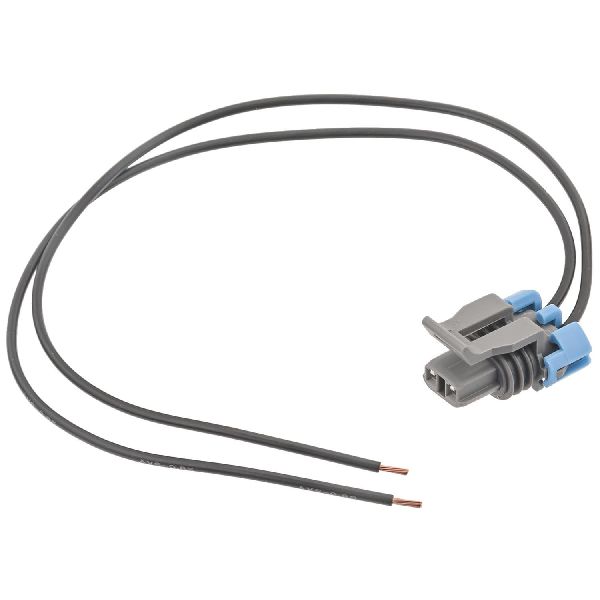
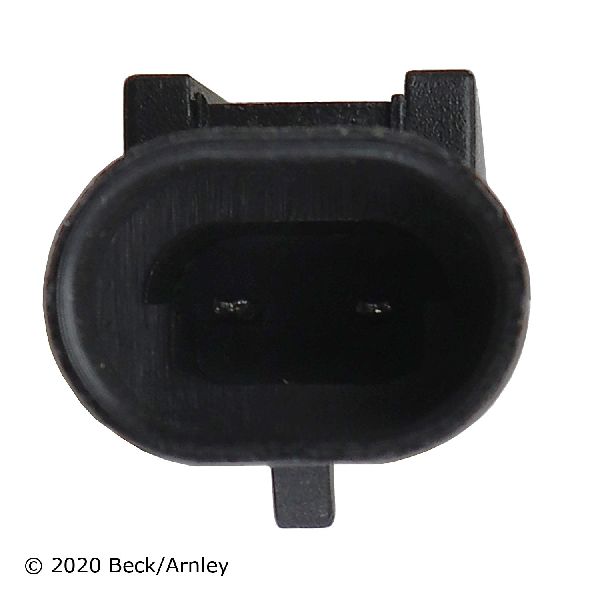
- Knock Sensor Connector — On the engine block, behind the intake manifold, near cylinder 3.. This 2-wire connector is the termination point for the sensor circuit. It can become contaminated with oil or have a poor connection, causing signal issues. The pigtail uses 18-gauge wire.
- Engine Ground Strap — A primary ground strap connects the engine block/transmission to the chassis. For a 2012-2013 Optima 2.4L, an example part is 91860-4C010.. While not a primary cause, a poor engine ground can introduce electrical noise into the entire system, potentially affecting sensitive sensor readings like the knock sensor and contributing to a failed 'Wiring Signal Interference Check'.
OEM Part Supersession History
39250-2g000→39250-2G100— Unknown, likely revision for performance or reliability.
Heads up: Part 39250-2G100 is listed for many 2.4L Theta II engines in this era.N/A→N/A— N/A
Heads up: The correct part number for the 2011-2013 Optima Hybrid 2.4L is 39250-2C500. Ensure this specific part is used, as other knock sensors for non-hybrid models may have different specifications.
Model Year Variations Within This Range
- 2011-2013: The specified OEM knock sensor is part number 39250-2C500 for the Optima Hybrid 2.4L.
- 2014-2015: TSB PI1802W/X specifically calls out 2014-2015 Optima models as being affected and subject to the KSDS update and subsequent P1326 diagnostic procedures. While the engine is similar, always confirm part numbers by VIN as minor changes could exist near the model year refresh.
Helpful Videos
We Have This Part in Stock


The information in this article is provided for general reference and educational purposes only. Vehicle specifications, procedures, and part compatibility can vary by production date, trim level, and region. Always consult your vehicle's factory service manual and verify part numbers before purchasing or performing repairs. Safety-critical components such as airbags, seat belts, and braking systems should be installed by a qualified professional.
- Kia OPTIMA HYBRID:
- 🎬 Helpful Videos
- 🛍️ Shop This Part
- What's Unique About the 2011-2015 Kia OPTIMA HYBRID
- Diagnostic Flowchart
- Symptoms You May Notice
- Most Likely Causes
- Rare But Worth Checking
- Diagnosis Steps
- Parts You'll Likely Need
- Technical Service Bulletins (TSBs) & Recalls
- Platform-Specific Known Issues
- Mechanic-Grade Diagnostic Values
- Scan Tool Commands That Help
- Wiring & Ground Locations
- OEM Part Supersession History
- Model Year Variations Within This Range
- 🎟️ Get 5% Off