

P1326 on 2009-2018 Audi A6 3.0L TDI: Knock Control Limit Fixes
On the Audi A6 3.0L TDI, code P1326 almost always points to a problem with cylinder #2, most commonly a leaking fuel injector seal. This allows combustion gases to escape, creating a ticking or 'chuffing' noise that the knock sensor misinterprets as engine knock. This condition is often called 'black death' due to the resulting soot buildup. Expect to pay around $25-$50 for an injector seal kit and 1-2 hours of labor.
- Do not confuse this with the severe P1326 code on Hyundai/Kia vehicles; on your Audi TDI, it is almost always a repairable fuel system issue.
- The most likely cause is a leaking fuel injector seal on cylinder #2 (middle cylinder, passenger side). Look for black soot and listen for a 'chuffing' sound.
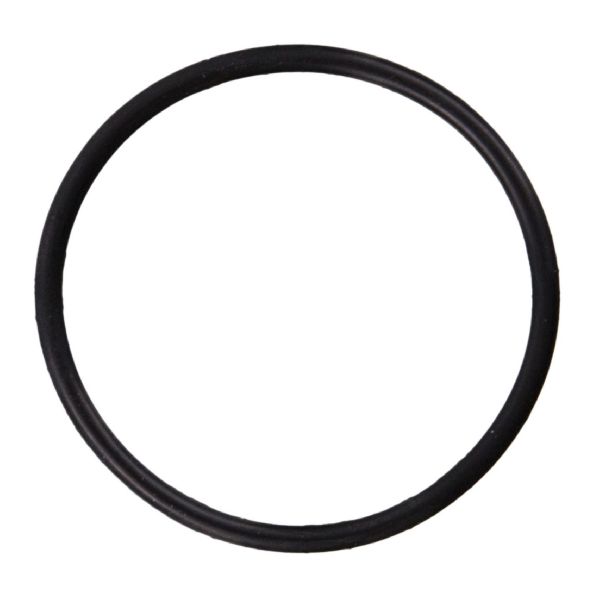
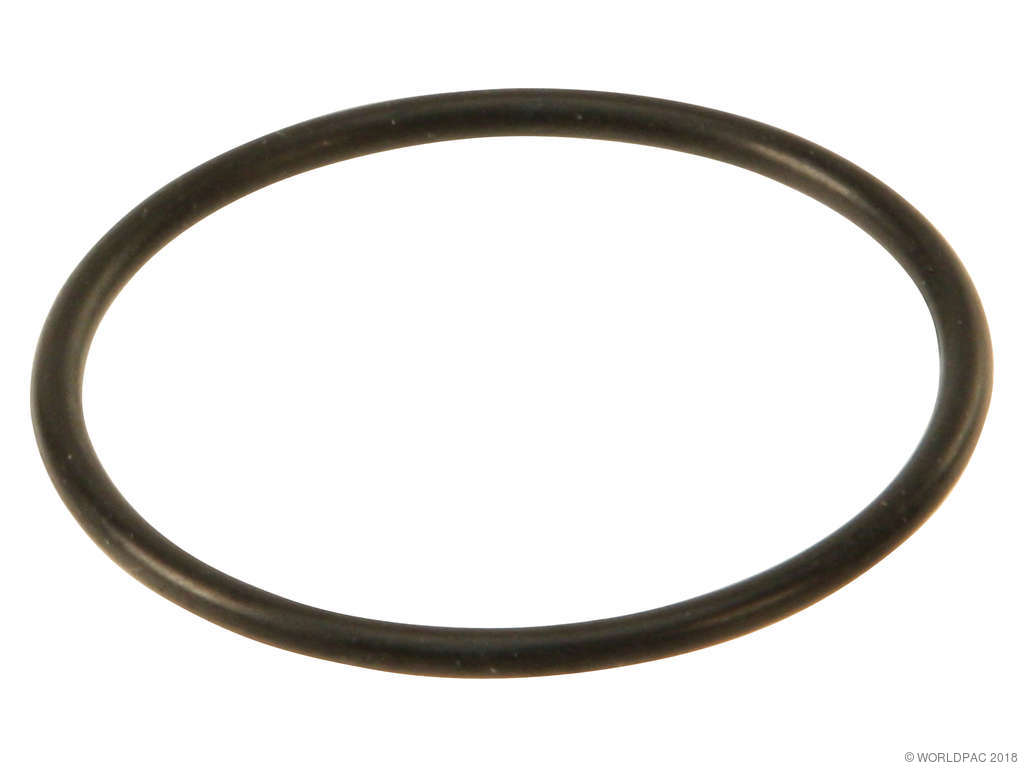
- Always replace the copper washer, O-rings, and stretch bolt when servicing a fuel injector.
- Diagnose before replacing parts. Check for a leaking seal and use a scan tool to check injector balance rates before assuming the knock sensor is bad.
- Accessing the knock sensor is labor-intensive, requiring removal of the intake manifold.
What's Unique About the 2009-2018 Audi A6

Unlike many other manufacturers where P1326 indicates catastrophic engine failure (notably Hyundai/Kia), on the Audi 3.0L TDI it is most often a non-critical but important issue related to the fuel system. The most common culprit is a failed copper seal at the base of the fuel injector for cylinder #2. This allows combustion gases to leak out, creating a distinct ticking or 'chuffing' sound that the highly sensitive knock sensor interprets as engine knock. While true engine knock is a concern in gasoline engines, this sound on a TDI is typically an external leak, not an internal combustion problem. While the sensor itself can fail, investigating the injector and its seal first is crucial on this specific diesel engine.
Generation note: This guide covers the Audi A6 C6 (2009-2011) and C7 (2012-2018) generations. The causes and diagnostic principles are the same for both generations equipped with the 3.0L TDI engine, though specific part numbers for sensors or injectors may vary slightly across engine codes (e.g., CDUC, CPNB, etc.).
Symptoms You May Notice
- Check Engine Light is on
- Flashing glow plug light on the dashboard
- Audible ticking or 'chuffing' sound from the engine bay, especially when warm
- Smell of diesel fumes or exhaust in the engine bay or cabin
- Reduced engine power or hesitation, possibly entering 'limp mode'
- Rough idle
- Visible black soot ('black death') around the base of an injector
- Replacing the knock sensor without first checking the fuel injectors and seals. The sensor is often just reporting the problem, not the cause of it.
- Mistaking the 'chuffing' sound of a leaking injector seal for an exhaust manifold leak. The cylinder head has a designed vent path that can make the sound appear to come from the manifold area.
Most Likely Causes

- Leaking Fuel Injector Seal on Cylinder #2 🔴 High Probability The copper crush washers and O-rings that seal the fuel injectors can degrade over time from immense heat and pressure, allowing combustion gases to leak past the injector body. This is a very well-documented issue on this engine platform.
How to confirm: Visually inspect the base of the fuel injector on cylinder #2 (middle cylinder, passenger side on LHD cars) for black, tar-like soot buildup, often called 'black death'. You may also hear a distinct, rhythmic 'chuffing' or hissing sound from this area. Spraying a small amount of soapy water at the base of the injector with the engine running may show bubbles, confirming the leak.
Typical fix: Replace the injector seal kit, which includes the copper crush washer, O-rings, and the single-use stretch bolt. The injector bore in the cylinder head must be meticulously cleaned of all carbon buildup 🎬 Watch: Step-by-step guide to installing new injectors and seals before installing the new seals. Special wire brushes and a vacuum are often required. The new stretch bolt should be torqued to spec, typically 6 Nm + 90 degrees.
Est. part cost: $20-$50 - Faulty Fuel Injector on Cylinder #2 🟡 Medium Probability High-pressure diesel injectors operate under extreme stress and can fail internally, leading to poor atomization, incorrect spray patterns, or improper timing, all of which cause abnormal combustion that can trigger a knock code.
How to confirm: Use a diagnostic tool (like VCDS or OBDeleven) to monitor injector quantity deviation values at idle when the engine is warm. For this engine, check Advanced Measuring Values for channels IDE00184 through IDE00189. 🎬 See how to check injector values using VCDS A value for cylinder #2 that is significantly positive (e.g., > +2.5 mg/stroke) while others are normal indicates a weak cylinder, possibly due to a failing injector. A high negative value can indicate a leaking nozzle. An injector swap test (moving the suspect injector to another cylinder and seeing if the high reading follows) can definitively confirm a bad injector.
Typical fix: Replace the fuel injector for cylinder #2. It is mandatory to also replace the seal kit and stretch bolt at the same time. The new injector's IMA/ISA code must be programmed into the ECM using a diagnostic tool.
Est. part cost: $250-$500 - Faulty Knock Sensor (Bank 1) or Wiring ⚪ Low Probability The knock sensors are located in the hot 'V' valley of the engine, underneath the intake manifold. Prolonged exposure to high heat can make the sensor's wiring harness brittle and prone to cracking or damage from rodents or vibration.
How to confirm: This requires removing the intake manifold to access the sensor. Inspect the wiring harness for any signs of damage, chafing, or corrosion. The sensor's internal resistance can be tested with a multimeter, and it must be torqued correctly (typically 20 Nm) to function. If no other cause is found, the sensor is the likely culprit.
Typical fix: Replace the Bank 1 knock sensor (G61). Due to the high labor cost to access this area, many technicians recommend replacing both Bank 1 and Bank 2 sensors (G66) and the wiring harness at the same time.
Est. part cost: $50-$120
Rare But Worth Checking
- Excessive Carbon Buildup: Significant carbon buildup on piston crowns or in the cylinder can create hot spots or increase the compression ratio, leading to abnormal combustion events that the knock sensor may detect.
- Engine Control Module (ECM) Fault: In very rare cases, the ECM itself can fail, leading to a false P1326 code. This should only be considered after all other possibilities have been exhaustively ruled out.
Diagnosis Steps
- Confirm the code with an OBD-II scanner. Note any other codes present.
- Start the engine and listen carefully for a rhythmic ticking or 'chuffing' sound, paying close attention to the passenger side of the engine (for LHD vehicles).
- Remove the plastic engine cover. Visually inspect the base of the fuel injector for cylinder #2 (middle cylinder on the passenger side for LHD cars) for any black, wet, or crusty soot residue ('black death'). Compare it to the other injectors.
- If a leak is suspected, carefully spray a soapy water solution around the injector base with the engine running to check for leak-indicating bubbles.
- If no external leak is visible, connect a diagnostic tool capable of reading advanced measuring values (like VCDS). With the engine fully warmed up at idle, check the fuel injector quantity deviation values (e.g., IDE00184-IDE00189). A high positive reading for cylinder #2 (e.g., > +2.5 mg/str) points to an injector or compression issue.
- If injector values are normal and no leak is found, the problem may be with the knock sensor circuit. This requires removing the intake manifold for access.
- Once the intake is removed, inspect the knock sensor wiring for damage. The Bank 1 sensor (G61) is for cylinders 1-2-3. If the wiring is intact, test the sensor's resistance or replace it. Given the labor involved, replacement is often the most practical choice. Ensure the new sensor is torqued to 20 Nm.
Parts You'll Likely Need
- Fuel Injector Seal Kit
(OEM #059130519B (Copper Seal), WHT000884 (O-Ring), WHT004923B (Stretch Bolt))— This is the most common cause of P1326 on the 3.0L TDI. The kit contains the necessary copper washer, O-rings, and single-use stretch bolt to fix a combustion leak at the injector base.
Trusted brands: Bosch, Elring, Victor Reinz
OEM price range: $30-$50
Aftermarket price range: $15-$30 - Knock Sensor (Bank 1)
(OEM #06E905376B (or superseding part))— If the injector and seal are confirmed to be good, the sensor itself or its wiring is the next logical failure point. It detects engine vibrations. Bank 1 sensor (G61) covers cylinders 1, 2, and 3.
Trusted brands: Bosch, NTK, Genuine Audi/VW
OEM price range: $90-$150
Aftermarket price range: $40-$80 - Fuel Injector (Cylinder 2)
(OEM #059130277CD (example, verify by VIN))— If diagnostic data shows a balance/contribution fault, the injector itself has likely failed internally and needs to be replaced. Must be coded to the ECU after installation.
Trusted brands: Bosch
OEM price range: $400-$600
Aftermarket price range: $250-$400 - Injector Bore Cleaning Kit — Essential for properly cleaning the injector seat in the cylinder head. Failure to remove all carbon will cause the new seal to fail prematurely.
Related Codes That Often Appear With This One
- P0266 — This code means 'Cylinder 2 Contribution/Balance Fault'. It may appear alongside P1326, strongly reinforcing the diagnosis of a faulty fuel injector in cylinder 2.
- P0302 — A 'Cylinder 2 Misfire Detected' code can accompany P1326 if the combustion issue is severe enough to be classified as a full misfire by the ECM.
- P05061 — A Ross-Tech VCDS specific code for 'Fuel Injector Supply Voltage for Group B Open Circuit' can appear under hard acceleration, pointing towards an electrical issue with the injector or its wiring harness, which can also trigger knock control faults.
Technical Service Bulletins (TSBs) & Recalls
- While no TSB is directly for P1326, TSB 2039995/1 addresses rattling noises from the timing chain area, another potential source of vibrations that could be misread by knock sensors, though this is a less likely cause for a single-cylinder code.
Platform-Specific Known Issues
- The 3.0L TDI engine is well-known for developing leaks at the fuel injector seals, leading to a condition nicknamed 'black death' due to the buildup of black soot around the injector base. This is a primary trigger for knock sensor codes.
- The cylinder head is designed with a channel to vent leaking combustion gases from a failed injector seal to the outside of the engine, preventing them from contaminating the engine oil. This is why the 'chuffing' sound and soot are so apparent externally.
Mechanic-Grade Diagnostic Values

- Knock Sensor (G61/G66) Electrical Test — expected: Infinite resistance (∞ Ω) between sensor terminals. These are piezoelectric sensors and cannot be reliably tested for resistance; they generate an AC voltage when tapped.. Failure: Any continuity between terminals indicates an internal short. No voltage signal when lightly tapped suggests a dead sensor.
- Knock Sensor (G61/G66) Tightening Torque — expected: 20 Nm (15 ft-lb). Failure: Incorrect torque will cause the sensor to read vibrations improperly, leading to false knock signals or a failure to detect real ones.
- VCDS Advanced Measuring Values - Ignition Timing Retard — expected: Values near 0° at idle and under steady load.. Failure: A consistently high value (e.g., > 3-4°) on Cylinder 2 indicates the ECM is actively pulling timing in response to a perceived knock event.
- VCDS Advanced Measuring Values - Injector Quantity Deviation (Warm Idle) — expected: As close to 0.0 mg/stroke as possible. Sum of all 6 cylinders should be near zero.. Failure: A value consistently > +2.5 mg/stroke on one cylinder suggests a weak injector or compression issue. A value consistently < -2.5 mg/stroke can indicate a leaking nozzle or over-fueling injector.
Scan Tool Commands That Help
- VCDS (VAG-COM): Advanced Measuring Values — Used to monitor live data such as 'Ignition timing retard, cyl. X' and 'Injector quantity deviation, cyl. X' (e.g., IDE00184-IDE00189). This is the primary method for diagnosing whether the knock is real (timing retard active) or if an injector is failing (high deviation value).
- VCDS (VAG-COM) or ODIS: Injector Quantity Adjustment (IMA-ISA) Coding — This is mandatory after replacing a fuel injector. Each new injector has a specific calibration code printed on it that must be entered into the ECM to ensure correct fueling and smooth operation.
Wiring & Ground Locations
- Engine Block Ground Strap — Typically found on the passenger side (LHD) of the engine block, connecting to the chassis frame rail near the alternator.. A corroded or loose main engine ground can introduce electrical noise into sensor circuits, potentially causing the sensitive knock sensor to generate false readings.
- G61 (Knock Sensor 1) Connector — Located in the engine valley, under the intake manifold. The connector itself is often green.. The wiring harness in this high-heat area can become brittle and crack, causing an open or short in the sensor circuit, directly triggering a fault.
- Ground Connection 600 — A ground point located on the right-side cylinder head.. As this is a primary ground point for the cylinder head, poor contact could affect sensor readings originating from that bank of the engine.
Real Owner Repair Stories
- Audi-Sport.net forum user (Audi 3.0 TDI (year not specified)) — Lots of smoke when hot and idling, but car ran perfectly otherwise.
❌ Tried (didn't work) Initial garage diagnostics were inconclusive.
✅ What actually fixed it Replaced all six fuel injectors with a used set from a newer model year vehicle, along with new seals. The user noted the importance of meticulously cleaning the injector sockets (bores) of carbon before installing the new seals. - Forum user experience (paraphrased from multiple similar stories) (Audi A6/Q7 3.0 TDI) — P1326 code returned shortly after replacing the injector seal on cylinder #2.
❌ Tried (didn't work) Replacing the copper injector seal and O-rings.
✅ What actually fixed it The threads for the injector hold-down bolt in the aluminum cylinder head were stripped or stretched. This prevented the bolt from achieving the correct final torque-plus-angle specification, allowing the new seal to leak. The fix required repairing the threads in the cylinder head using a thread repair kit (like a Time-Sert).
OEM Part Supersession History
06E905376B→06E905376C, 06E905376F— Likely internal revisions to improve sensor accuracy, durability, or resistance to heat and vibration.
Heads up: The newer revisions are generally backwards compatible, but it is always best to use the latest available part number for a replacement.059130277CD→059130277EJ (example)— Revisions to nozzle design, internal components, or calibration for performance and emissions updates across different engine codes (e.g., CDUC, CKVB, CRCA).
Heads up: Injectors are NOT universally interchangeable across all 3.0L TDI engines. The correct part number must be verified by VIN or engine code. Using the wrong injector will cause running issues, even if it physically fits.
Model Year Variations Within This Range
- 2009-2011 (C6) vs 2012-2018 (C7): The C6 generation used earlier 3.0L TDI engines (e.g., CAPA, CCWA) while the C7 used updated versions (e.g., CDUC, CPNB). While both suffer from the P1326 injector seal issue, part numbers for injectors and some sensors are not interchangeable. The C7 platform also has a generally more refined ride and different interior/exterior styling.
Diagnostic Flowchart
Other Known Issues on This Vehicle
Issues unrelated to this code that are worth knowing about as an owner of this generation:
- Timing Chain Tensioner Failure 🔴 High — Becomes more common over 80,000 miles. A 'rattle' on cold starts for 1-3 seconds is the primary warning sign. (Ref: Audi issued TSB 2039995/1 recommending updated tensioners if a cold-start rattle is present. Failure can be catastrophic, leading to jumped timing and engine damage.)
- High-Pressure Fuel Pump (HPFP) Failure 🔴 High — Can occur at various mileages. Failures were investigated by the NHTSA (EA11-003). Misfueling with gasoline is a major contributor, but failures can still occur. (Ref: While no direct recall for this model's HPFP, recalls for similar VAG fuel pumps exist (NHTSA 22V516), highlighting sensitivity in the fuel systems. A failing HPFP can send metal debris through the entire fuel system, requiring a very expensive repair.)
- Oil Leaks (Oil Cooler, Valve Covers) 🟠 Medium — Common after 60,000-80,000 miles. The oil cooler seals, located in the engine 'V', are a known weak point and a labor-intensive repair.
- S-Tronic (DSG) Mechatronics Unit Failure 🔴 High — More common on earlier C7 models. Symptoms include jerky shifting, hesitation, and transmission warning lights. Regular fluid changes (every 40,000 miles) are critical.
- Diesel Emissions System Issues (DPF/EGR) 🟠 Medium — Frequent short trips can lead to Diesel Particulate Filter (DPF) clogging. This vehicle was also subject to the 'Dieselgate' emissions scandal, which resulted in an ECM reflash that some owners feel affected performance and reliability. (Ref: Part of the Volkswagen 'Dieselgate' emissions settlement and recall.)
Used vs. New Parts: Buying Guide for This Vehicle
When a used part is the smart pick: A used fuel injector can be a cost-effective option if sourced from a reputable dismantler with a known, low-mileage donor vehicle. It is critical to obtain the injector's IMA calibration code.
Donor-vehicle mileage cap: roughly under 80000 miles for the part to have meaningful remaining life.
What to inspect on the donor part:
- Verify the part number matches your original injector exactly.
- Ensure the IMA code is legible on the injector body.
- Inspect the nozzle for any signs of physical damage or heavy carbonization.
- Ask for a warranty or return period from the seller.
OEM-only on this vehicle (don't cheap out):
- Fuel Injector Seal Kit: These are single-use crush washers and stretch bolts; they must always be new.
- Knock Sensor: Due to the high labor cost of accessing the sensor in the engine valley, installing a used sensor with unknown remaining life is a significant risk. The part cost is minor compared to the labor for a potential repeat failure.
Aftermarket brands forum-validated for this vehicle:
- Injectors: Bosch is the Original Equipment Manufacturer (OEM) and the only recommended brand.
- Knock Sensor: Bosch, NTK, or Genuine Audi/VW are the most reliable choices.
- Seal Kits: Elring and Victor Reinz are reputable OEM suppliers.
Brands owners have reported issues with on this vehicle:
- Avoid unbranded, no-name fuel injectors and knock sensors from online marketplaces. These often have high failure rates, incorrect calibration, and can cause further engine running problems.
Real Owner Stories
Aggregated from forums and TSBs cited above. Mileages and costs reflect what owners reported in those sources.
Audi A6 3.0 TDI
Symptoms: A rhythmic ticking or 'chuffing' sound from the engine bay and the smell of diesel fumes in the cabin. Visible black soot was found around the base of the injector.
What fixed it: Replacing the injector seals, including the copper crush washer and O-rings, and meticulously cleaning the injector bore with special wire brushes and a vacuum.
Source hint: YouTube - 'How I fixed an exhaust leak by replacing injector seals on my Audi TDI' by 'Adventures with Purpose'
Audi 3.0 TDI
Symptoms: The owner was checking injector health via diagnostic software and found a specific cylinder reading +3.92mg/stroke.
What fixed it: The high deviation value (+3.92mg/stroke) was identified as excessive, indicating a faulty injector that required replacement.
Source hint: Ross-Tech Forums - '3.0 v6 injector reading'
Audi 3.0 TDI
Symptoms: Injector seal failure leading to leaks; owner sought advice on the specific hardware needed for the repair.
What fixed it: Replacing the injector seals, clamps, and covers to ensure a proper seal and prevent future leaks.
Source hint: Audi-Sport.net - '3.0 TDI Injector Woes – HELLLLLP sage advice needed.'
Related OBD-II Codes
Frequently Asked Questions
What is the 'black death' mentioned in relation to my Audi A6 3.0L TDI?
I hear a 'chuffing' sound from my engine bay; is this related to code P1326?
Does TSB 2039995/1 explain why I have a P1326 code on my A6?
What diagnostic values should I look for in VCDS to check my A6's injectors?
Can I just replace the copper washer to fix the injector leak?
Where is the knock sensor located if I need to inspect the wiring?
Helpful Videos
Used OEM Parts in Stock
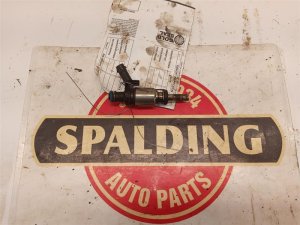
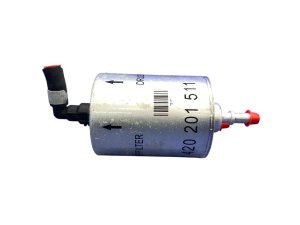

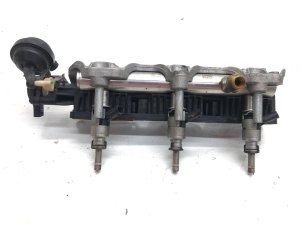
New Aftermarket Parts Available

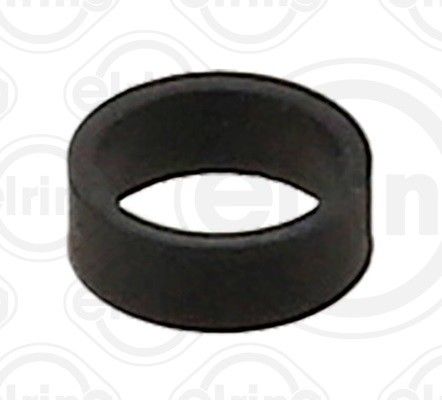

The information in this article is provided for general reference and educational purposes only. Vehicle specifications, procedures, and part compatibility can vary by production date, trim level, and region. Always consult your vehicle's factory service manual and verify part numbers before purchasing or performing repairs. Safety-critical components such as airbags, seat belts, and braking systems should be installed by a qualified professional.
- Audi A6:
- 🎬 Helpful Videos
- 🛍️ Shop This Part
- What's Unique About the 2009-2018 Audi A6
- Symptoms You May Notice
- Most Likely Causes
- Rare But Worth Checking
- Diagnosis Steps
- Parts You'll Likely Need
- Related Codes That Often Appear With This One
- Technical Service Bulletins (TSBs) & Recalls
- Platform-Specific Known Issues
- Mechanic-Grade Diagnostic Values
- Scan Tool Commands That Help
- Wiring & Ground Locations
- Real Owner Repair Stories
- OEM Part Supersession History
- Model Year Variations Within This Range
- Diagnostic Flowchart
- Other Known Issues on This Vehicle
- Used vs. New Parts: Buying Guide for This Vehicle
- Real Owner Stories
- Audi A6 3.0 TDI
- Audi 3.0 TDI
- Audi 3.0 TDI
- Related OBD-II Codes
- Frequently Asked Questions
- 🎟️ Get 5% Off