

OBD-II Code P1262: Cylinder 2 Injector Circuit Fault
What P1262 means, why it triggers, and how to fix it
- P1262 indicates a direct electrical short or open circuit in the cylinder 2 fuel injector wiring, not necessarily a mechanical failure of the injector itself.
- Before replacing a $300+ fuel injector, test the wiring harness and the Fuel Injector Control Module (FICM), as these components cause over 40% of P1262 codes.
- Stop driving immediately; a stuck-open injector washes oil from the cylinder walls, causing catastrophic engine damage that costs upwards of $4,500 to rebuild.
- On Ford 6.0L Powerstroke engines, verify the FICM produces at least 45 volts during cranking before diagnosing the individual injector.
- Modern diesel replacements require coding the new injector's unique calibration number to the Engine Control Unit (ECU) using an advanced bidirectional scan tool.
What Does P1262 Mean?

Trouble code P1262 means the Engine Control Module (ECM) detects an electrical circuit problem for the cylinder 2 fuel injector. This is typically an open circuit (broken wire) or a short circuit. Consequently, the injector fails to deliver fuel, causing a severe misfire and poor performance.
Technical definition: The SAE/ISO definition for P1262 translates to "Cylinder 2 High to Low Side Open" or "Cylinder 2 High to Low Side Short". This indicates the Powertrain Control Module (PCM), Fuel Injector Control Module (FICM), or Injector Driver Unit (EDU) detects an electrical fault within the cylinder 2 injector control circuit. The 'high side' is the power supply wire; the 'low side' is the control wire the computer pulses to ground to activate the injector.
Can I Drive With P1262?
No — Do Not Drive. Do not drive. The vehicle enters a 'limp mode' with severely reduced power, creating a safety hazard in traffic. Continuing to drive with a faulty injector circuit causes significant engine damage. A stuck-open injector washes oil from cylinder walls, leading to piston scoring, or dumps raw fuel into the exhaust, destroying a catalytic converter or Diesel Particulate Filter (DPF), adding $800-$2,500 to repair costs. Tow the vehicle to a repair shop.
Common Causes

- Faulty Fuel Injector in Cylinder 2 (Very Common) — The injector fails internally, either electrically (coil winding shorts or opens) or mechanically (stuck open/closed). This is the most frequent cause of a P1262 code.
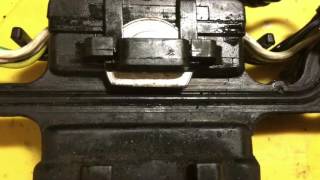
- Wiring Harness or Connector Issues (Common) — Wiring from the control module to the injector frays, corrodes, or shorts to ground. Connector pins often bend or loosen during previous repairs, interrupting the electrical signal. 🎬 Watch: How to diagnose a misfire caused by harness connection issues.
- Failed Fuel Injector Control Module (FICM) or Injector Driver (EDU) (Common) — This module provides the high voltage needed to operate the injectors, especially in diesel engines. A failure in the FICM's internal circuitry for the cylinder 2 driver triggers this code.
- Oil or Water Intrusion into Connectors (Common) — On many diesel engines, like the Ford Powerstroke, engine oil leaks from internal gaskets and saturates the under-valve-cover injector harness, 🎬 See this clever 25-cent fix for loose under-valve-cover harnesses. causing shorts and intermittent faults.
- Poor ECU/Module Ground Connection (Less Common) — On vehicles like the Scion FR-S/Subaru BRZ, the injector driver module (EDU) grounds through its mounting bolts. Loose or corroded bolts create an intermittent ground and trigger injector codes.
- Contaminated Fuel or Clogged Injector (Less Common) — Debris in the fuel or buildup on the injector nozzle causes the injector to stick. The resulting change in electrical load is sometimes misinterpreted by the control module as a circuit fault.
- Powertrain Control Module (PCM) Failure (Rare) — The main engine computer's internal driver circuit for the injector fails. Consider this only after exhausting all other diagnostic possibilities.
Symptoms

- Engine Misfire and Rough Idle — The engine runs unevenly and vibrates significantly because cylinder 2 is not contributing power.
- Reduced Engine Power and Limp Mode — The vehicle experiences poor acceleration and enters a 'limp mode' where the computer limits speed and RPMs to prevent damage.
- Hard Starting or No Start — The engine is difficult to start, especially when cold, or fails to start entirely. This is a classic symptom of a failing FICM on Ford Powerstroke engines.
- Engine Stalling — The engine stalls at idle or under load due to the severe imbalance in power delivery.
- Poor Fuel Economy — With one cylinder offline, the engine's overall fuel consumption increases dramatically.
- Black or Gray Exhaust Smoke — A stuck-open injector leads to incomplete combustion, resulting in visible dark smoke from the exhaust.
- Distinct Fuel Smell — A leaking or stuck-open fuel injector causes a strong smell of raw fuel in the engine bay or exhaust.
- Check Engine Light is On (also visible on scanner) — The Malfunction Indicator Lamp (MIL) illuminates immediately upon detecting the fault.
Diagnostic Flowchart
Tap your situation to follow the diagnostic path that matches what you're seeing on this code.
Common Fixes & Costs
- Replace Fuel Injector for Cylinder 2 — Parts: $150-$550, Labor: $150-$500, ~2.5 hr book time (Intermediate)
- Repair or Replace Fuel Injector Wiring Harness — Parts: $50-$300, Labor: $150-$400, ~2 hr book time (Intermediate)
- Replace Fuel Injector Control Module (FICM) — Parts: $200-$1200, Labor: $100-$300, ~1.5 hr book time (Intermediate)
- Replace Under-Valve-Cover (UVC) Harness (Powerstroke) — Parts: $75-$150, Labor: $300-$500, ~3.5 hr book time (Intermediate)
- Clean or Repair Injector and Module Connectors — Parts: $10-$20, Labor: $75-$150, ~0.5 hr book time (DIY)
DIY vs Professional
- Replace Fuel Injector — Beginner: Not Recommended
Tools: Socket set, torque wrench, fuel line disconnect tools, potentially slide hammer or special pullers (diesel), scan tool for coding. - Repair Wiring Harness — Beginner: No
Tools: Multimeter, wire strippers, soldering iron or quality crimp tools, heat shrink tubing, wiring diagrams. - Replace FICM/EDU — Beginner: Yes
Tools: Basic hand tools (socket set, screwdrivers). - Clean Connectors — Beginner: Yes
Tools: Electrical contact cleaner, small brushes, dielectric grease.
Used vs. New Parts: Buying Guide
When a used part is worth it: For expensive modules like a FICM, a used or remanufactured unit from a reputable source offers significant savings. 'Used' injectors are very risky as they are near the end of their service life. 'Remanufactured' injectors are a better balance, having been rebuilt and tested to meet OEM specifications.
Donor-vehicle mileage cap: roughly under 80000 miles for the part to have meaningful remaining life.
Donor quality checklist:
- For remanufactured parts, verify the seller offers a good warranty and details their testing process.
- For used electronics (FICM), ensure the part number matches exactly and check for signs of water damage or physical trauma.
- Avoid 'refurbished' injectors, which are often just cleaned used parts without internal components being replaced or properly tested.
Decision logic:
- If The part is a fuel injector and the vehicle is high-mileage (>150k miles) → Buy a new or high-quality remanufactured injector. A used injector is likely to fail soon.
- If The part is an electronic module (FICM/EDU) and the budget is tight → A used or remanufactured module from a trusted vendor with a warranty is a viable option.
- If The part has a known high failure rate (e.g., 6.0L Powerstroke FICM) → Favor a new or upgraded remanufactured unit that addresses the original design flaws.
Warranty tradeoff: Used parts often have a 30-90 day warranty at best. Quality remanufactured parts have warranties from 1 year to lifetime, sometimes matching or exceeding new parts. OEM new parts typically carry a 1-2 year warranty.
Worst-case if a used part fails: $500-$1,500 in repeat labor and diagnostic fees if the used unit fails prematurely.
What Happens If You Wait — Timeline
- 0-1 week: Check Engine Light is on with code P1262. Engine has a slightly rough idle, but performance is largely normal. Vehicle enters 'limp mode' with reduced power. (MPG impact: 5-15%% · Added cost: Up to $50 in wasted fuel)
- 1 week - 2 months: Misfire becomes more consistent, causing noticeable engine vibration and poor acceleration. Fuel economy drops significantly. If the injector is stuck open, it begins dumping unburnt fuel into the exhaust. (MPG impact: 15-30%% · Added cost: $50-$200 in wasted fuel)
- 2-6 months: If stuck open, the raw fuel continuously passing through the exhaust overheats and destroys the catalytic converter or Diesel Particulate Filter (DPF). The engine oil becomes diluted with fuel, indicated by a fuel smell on the dipstick. (MPG impact: 25-40%% · Added cost: $1,000 - $3,500 (for catalytic converter/DPF replacement))
- 6+ months: Catastrophic engine damage occurs. Fuel-diluted oil loses its lubricating properties, causing main and rod bearing failure. The 'cylinder wash' effect (fuel stripping oil from cylinder walls) leads to scored pistons and cylinder walls, requiring a complete engine rebuild or replacement. (MPG impact: N/A (vehicle likely undrivable)% · Added cost: $4,500 - $15,000+ (for engine rebuild/replacement))
Cost of Not Fixing It
- Immediate (0-1 month): Significant drop in fuel economy (10-25%), rough idle, poor acceleration, and potential stalling. The vehicle enters a power-reducing 'limp mode'. (Added cost: Up to $50 in wasted fuel.)
- Short-Term (1-6 months): If the injector is stuck open, it dumps raw fuel into the exhaust, overheating and destroying the catalytic converter or Diesel Particulate Filter (DPF). (Added cost: $1,000 - $3,500)
- Long-Term (6+ months): A stuck-open injector washes lubricating oil off the cylinder walls, leading to scoring of the cylinder and piston damage. Fuel contaminates the engine oil, causing bearing damage. This leads to catastrophic engine failure requiring a full rebuild or replacement. (Added cost: $4,500 - $15,000+)
Diagnosis Steps

- Read All Trouble Codes & Freeze Frame Data
Use an OBD-II scanner to confirm P1262 and look for other codes. Note any related injector codes (P1261, P1263), FICM codes (P0611), or communication codes (U0105). Record the freeze frame data.
Tools: OBD-II Scanner (Beginner) - Visually Inspect Wiring and Connectors
Carefully inspect the wiring harness and electrical connector at the cylinder 2 fuel injector and at the control module (FICM/EDU). Look for chafing, melting, corrosion, loose pins, or oil saturation.
Tools: Flashlight, Mirror (Beginner) - Perform an Injector 'Buzz Test'
Using a bi-directional scan tool, command an injector 'buzz test'. Listen for an audible, sharp click from each injector. If cylinder 2 is silent while others click, it confirms a fault in that injector's circuit or the injector itself.
Tools: Advanced Bi-directional Scan Tool (Intermediate) - Swap Injector Locations (If Possible)
For a definitive test of the injector itself, swap the cylinder 2 injector with an adjacent one (e.g., cylinder 4). Clear the codes and run the engine. If the code changes to P1264, the injector is faulty. If P1262 returns, the problem is in the wiring or control module.
Tools: Basic Hand Tools (Intermediate) - Check Injector Circuit Resistance
Disconnect the cylinder 2 injector and the control module. Use a multimeter to measure the resistance of the injector itself. Compare to manufacturer specs. Then, measure the resistance of the two wires between the injector connector and the module connector to check for an open circuit (infinite resistance).
Tools: Multimeter (Intermediate) - Check for Shorts to Ground and Power
With the harness disconnected, use a multimeter to check for continuity between each of the two cylinder 2 injector wires and a good chassis ground. There should be no continuity. Also check for continuity between the injector wires and any known power sources.
Tools: Multimeter (Advanced) - [PRO TIP] Check Live Data PIDs for FICM Voltage
Using an advanced scan tool, monitor the live data PIDs for the Fuel Injector Control Module. FICM_MPWR (Main Power) is the critical value; it must read between 47-49V with the key on and engine running. If it drops below 45V during cranking or acceleration, the FICM is faulty.
Tools: Advanced Bi-directional Scan Tool (Advanced) - [PRO TIP] Manually Test FICM Voltage (Ford Powerstroke)
On Ford 6.0L Powerstroke engines, manually test the FICM output voltage. Remove the T20 Torx inspection cover. Set a multimeter to DC volts. Connect the negative probe to the battery negative. Probe the correct screw for your FICM version. With the key on, voltage must be 47-49V. During cranking, it must not drop below 45V.
Tools: Multimeter, T20 Torx Driver (Advanced) - [PRO TIP] Measure Injector Coil Resistance (Ford 6.0L)
Disconnect the Ford 6.0L injector and use a multimeter to measure resistance. At ambient temperature, the resistance between pins 1&2 (Open coil) and pins 3&4 (Close coil) must be between 0.4 and 0.6 ohms. A reading of 0 ohms indicates a short; an infinite reading (O.L.) indicates an open coil.
Tools: High-Quality Multimeter (Advanced) - [PRO TIP] Check Module Ground Connections
Verify the Injector Driver (EDU) is securely grounded, especially on Scion FR-S/Subaru BRZ models. Remove the mounting bolts, clean the contact surfaces of any paint or corrosion to bare metal, and re-torque to specification. A bad ground causes intermittent injector faults.
Tools: Basic Hand Tools, Wire Brush (Intermediate) - [PRO TIP] Perform Injector Waveform Analysis
Use an automotive oscilloscope to analyze the voltage and current patterns on the cylinder 2 injector circuit. A healthy HEUI injector pattern shows a sharp 48V spike, a current ramp, and a large inductive kick (over 70V). A shorted injector shows excessive current and no inductive kick.
Tools: Automotive Oscilloscope, Current Clamp (Expert)
When This Code Triggers (Freeze-Frame Conditions)
- Engine Coolant Temp: 180-200°F (82-93°C) (The fault is often detected once the engine is fully warmed up and operating in closed-loop fuel control.)
- RPM: 1500-2500 RPM (The code frequently triggers under steady-state cruise or light acceleration.)
- Engine Load: 30-60% (Moderate engine load during highway or city driving is the most common condition for the ECU to run the injector circuit diagnostics.)
- Vehicle Speed: 35-55 mph (The fault logs during normal driving speeds, as opposed to sitting still or during aggressive maneuvers.)
Related Codes
- P0202 — P0202 is the generic OBD-II code for 'Cylinder 2 Injector Circuit Malfunction'. P1262 is often the manufacturer-specific version of this code, providing more detail (e.g., 'High to Low Side Short'). If you see P0202, the diagnostic path is very similar, but P1262 points more specifically to a short or open detected by a dedicated driver module (FICM/EDU).
- P1261, P1263, P1264, etc. — These codes indicate the same fault but for cylinders 1, 3, and 4, respectively. Seeing multiple of these codes together strongly suggests a problem with the shared control module (FICM/EDU), its power/ground supply, or a wiring harness that serves multiple injectors, rather than multiple individual injector failures.
- P0611 — This code specifically indicates a 'Fuel Injector Control Module Performance' issue. It is very common to see this code alongside P1262 on Ford 6.0L Powerstroke engines. If P0611 is present, it often means the FICM is failing (e.g., low output voltage) which in turn *causes* the P1262. Diagnose and fix the P0611 fault first.
- U0105 — This is a communication code meaning 'Lost Communication With Fuel Injector Control Module'. It points directly to a problem with the FICM itself, its main power/ground connections, or the CAN bus wiring between the FICM and the PCM. This is a module-level failure, not an individual injector circuit fault.
Climate & Environmental Factors
- Cold Weather: Cold weather significantly worsens the symptoms of a failing FICM, particularly on Ford 6.0L Powerstroke engines. The increased viscosity of cold engine oil requires more energy to actuate the injectors. A weak FICM cannot supply the required 45V+ under this load, leading to hard-start and no-start conditions.
- High Humidity / Salt: Regions with high humidity or that use road salt in winter experience accelerated corrosion on wiring harnesses, connectors, and module ground points. This corrosion increases electrical resistance and causes intermittent open/short circuits, triggering a P1262 code.
How to Talk to a Mechanic About This Code
Say this: "I have a P1262 code for the cylinder 2 injector circuit. I would like a diagnosis that tests the injector, the wiring harness, and the injector control module (FICM/EDU) to pinpoint the failure. For example, on a Powerstroke, I'd want to know the FICM voltage during cranking."
This signals you know that P1262 has multiple common causes. It directs the technician to perform a complete diagnosis instead of just replacing the most obvious part, saving you money if the fault lies with the wiring or the control module.
Avoid saying:
- 'Just fix whatever's wrong'
- 'My check engine light is on, can you look at it?'
- 'Whatever you recommend'
Questions to ask before authorizing the repair:
- If you are recommending an injector replacement, how did you confirm the injector itself failed and rule out the wiring or control module?
- If you are recommending a FICM/EDU replacement, what were the specific test results that condemn the module?
- Did you perform an injector buzz test or swap the injector to another cylinder to see if the fault followed the injector?
- What is the warranty on the recommended parts and labor?
Where to Take It: Dealer vs Independent vs Chain
- Dealer:
A strong, safe choice, especially for newer or German vehicles, but will be the most expensive option.
Best for: Vehicles still under a powertrain or emissions warranty., Complex, vehicle-specific electrical issues where access to proprietary diagnostic tools and TSBs is critical., Owners who prioritize by-the-book repairs over cost.
Downsides: Highest labor rates, typically 1.5-2x more than independent shops., May replace an entire module or harness when a simpler repair is possible. (Typical cost: +50% vs. baseline) - Independent Shop:
Excellent fit, but ONLY if you choose a reputable independent shop that specializes in diesel trucks or your specific vehicle brand. A general mechanic often misdiagnoses the issue, leading to unnecessary $500+ injector replacements.
Best for: Out-of-warranty vehicles, especially common ones like Ford Powerstroke or GM Duramax trucks., Finding a shop that specializes in your vehicle type (e.g., a diesel performance/repair shop)., Cost-conscious owners seeking good value.
Downsides: Quality and expertise vary widely. A general auto repair shop lacks the specific tools or knowledge for diesel injector or FICM diagnosis. (Typical cost: +0% vs. baseline) - Chain Shop:
Not Recommended. The risk of improper diagnosis and unnecessary parts replacement is very high for this type of fault.
Best for: Simple, routine maintenance like oil changes, tires, and brake pads.
Downsides: Technicians lack the specialized training for complex electrical diagnostics like P1262., High pressure to upsell parts leads to expensive misdiagnoses. (Typical cost: -10% vs. baseline)
When to Walk Away From the Repair
If the estimated repair cost exceeds 40-50% of the car's private-party value (check Kelley Blue Book), sell or trade it in instead of repairing it.
- Car worth $5000, fix is $2200: Borderline. The repair is ~44% of the car's value. Get a second opinion before authorizing, and consider if the car needs other major work soon.
- Car worth $15000, fix is $1200: Fix it. The repair cost is well below the threshold and is a reasonable investment to keep a valuable vehicle running well.
- Car worth $3000, fix is $1800: Walk away. The repair cost is 60% of the vehicle's value. It is not a sound financial decision to proceed.
What Scan Tool You Need for This Code
Minimum: A scanner with manufacturer-specific live data (e.g., to read FICM voltage on a Ford) and bidirectional controls to perform an 'injector buzz test'.
A basic $20 code reader only tells you the P1262 code exists. It cannot help you determine if the cause is the injector, the wiring, or the control module. You will waste money on parts without a more advanced scanner to properly diagnose the circuit.
Budget: BlueDriver Pro or similar smartphone-based tool (~$100) — Reads freeze frame data and displays live data streams, which might include manufacturer-specific PIDs like FICM voltage. It helps confirm symptoms but lacks crucial bidirectional tests.
Mid-range: Foxwell NT510 Elite or Autel MaxiCOM MK808S (~$180) — Offers bidirectional controls, allowing you to command an injector buzz test to confirm if the cylinder 2 circuit is responsive. They read specific PIDs like FICM main power and perform injector coding after replacement.
Professional: Autel MaxiSys Series (MS906) or Launch X431 Series (~$600-1200+) — Provides full OE-level bidirectional control for comprehensive testing of all related components. These tools offer advanced coding and programming functions required for replacing modules on complex vehicles.
Rent vs buy: Rent a basic scanner from an auto parts store for free just to confirm the P1262 code. However, to properly diagnose the root cause yourself, you must buy a mid-range scanner with bidirectional capabilities.
How to Clear the Code After You Fix It
- Reconnect the battery if it was disconnected for the repair.
- Use an OBD-II scan tool to formally clear the P1262 trouble code from the ECM's memory.
- Perform a complete OBD-II drive cycle to allow the vehicle's onboard diagnostics to run and confirm the fix.
Drive cycle (~30 minutes): A general drive cycle includes a cold start (vehicle sits for 8+ hours), 2-3 minutes of idling, followed by mixed city driving (stop-and-go) and steady highway driving (55 mph for at least 5 minutes). This allows the various emissions monitors to run their self-tests.
Readiness monitors affected: Catalyst Monitor, Oxygen (O2) Sensor Monitor, Evaporative System (EVAP) Monitor, Misfire Monitor
Before emissions retest: drive at least 50 miles to fully set monitors.
Watch out for:
- Simply disconnecting the battery clears the code, but it also resets all emissions readiness monitors to 'Not Ready', causing an automatic failure at an emissions testing station.
- The code returns immediately if the underlying electrical fault was not properly repaired.
- Some vehicles require a very specific drive cycle procedure; check the service manual for exact steps.
Will This Fail Emissions / State Inspection?
Yes — this code typically fails an OBD-II emissions inspection.
- California: An illuminated Check Engine Light results in an automatic smog check failure. After repair, a full drive cycle must be completed to set all readiness monitors before a re-test is possible.
- New York: A vehicle with an active Check Engine Light automatically fails the emissions portion of the NYS inspection. Clearing the code without a proper drive cycle results in a rejection because the readiness monitors will not be set.
- Texas: In the 17 counties requiring emissions testing, an active P1262 code causes an automatic failure of the OBD-II test. As of 2025, safety inspections are no longer required for most non-commercial vehicles, but the emissions test is still mandatory in these areas.
Most Commonly Affected Vehicles
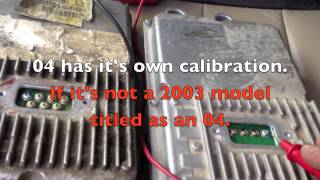
- Ford F-250/F-350 Super Duty with 6.0L Powerstroke Diesel (2003-2007) — Extremely common due to failures of both the Fuel Injector Control Module (FICM) and the injectors. 2003-2004 models typically use a 7-pin FICM, while 2004.5-2007 models use a 4-pin FICM, which require different testing procedures.
- Ford C-Max / Focus / Mondeo with 1.6L TDCI Diesel (2011-2015) — Prone to internal injector shorts that trigger this specific code, often putting the car into limp mode. Replacing the injector requires coding the new injector's calibration value to the PCM.
- Scion / Subaru FR-S / BRZ (2013-2018) — The direct injection system's Injector Driver (EDU) or its wiring fails. A common hidden cause is a poor ground connection for the EDU, which is bolted to the engine; this often occurs after other engine work like a spark plug change.
- GMC / Chevrolet / Isuzu Sierra / Silverado / N-Series with 6.6L Duramax Diesel (LB7) (2001-2004) — On LB7 engines, P1262 indicates a fault in 'Group 2' injectors (cylinders 2, 3, 5, or 8). A fault in any one of these circuits causes the FICM to disable all four injectors in that group. It sets with other codes like P0202, P0203, P0205, or P0208.
- Ford E-Series Van with 7.3L Powerstroke Diesel (1995-2003) — Wiring issues are the most frequent cause, particularly the under-valve-cover (UVC) harness connectors which become saturated with oil, leading to shorts.
- Volkswagen / Audi Various models with TDI engines (e.g., Jetta, Golf, A3) (2009-2015) — On some VW/Audi models, P1262 means 'Injector 1 Control Limit Not Reached' and is caused by air in the fuel system or low fuel levels, rather than an electrical short. A VW-specific scanner is crucial for correct diagnosis.
- Hyundai Sonata (2008-2010) — P1262 indicates a fault in the injector circuit, with potential causes including loose connectors or faulty wiring.
- BMW Various models (e.g., E70 X5 Diesel, E90 3-Series) (2006-2013) — The definition of P1262 varies significantly on BMWs. It relates to the injector driver in the ECU (DDE) or other components entirely. A BMW-specific scanner (like ISTA/INPA) is highly recommended for accurate diagnosis.
Manufacturer-Specific Notes
- Ford: On 6.0L Powerstroke engines, the FICM is a high-failure item. It must produce 47-49 volts to fire the injectors correctly; voltage dropping below 45V during cranking indicates failure. Oil also seeps into the under-valve-cover harness, causing shorts. TSB 09-24-03 addresses FICM and harness issues.
- General Motors (Duramax): On LB7 engines (2001-2004), P1262 indicates a fault in the circuit controlling a group of injectors (2, 3, 5, and 8). The FICM disables all four injectors in that group if a fault is detected in any one of them. If P1262 appears alone without P020x codes, the FICM itself is likely the cause.
- Toyota / Scion: On the FA20 engine (FR-S/BRZ), this code points to a fault in the high-pressure direct injector circuit, controlled by a separate Injector Driver (EDU). The ECM monitors the EDU, and if the EDU reports a fault, the ECM logs P1262. A loose grounding bolt for the EDU is a common 'hidden' cause.
- Volkswagen: For some TDI engines, the code P1262 translates to 'Injector 1 Control Limit Not Reached' or even refers to the N75 boost pressure control solenoid, not a cylinder 2 fuel injector. This highlights the critical need for a VW-specific scan tool (like VCDS) for accurate diagnosis.
Real Owner Stories
2006 Ford F-250 6.0L Powerstroke - Misdiagnosis Pitfall
Truck developed a rough idle, hard starting, and eventually threw a P1262 code. Owner assumed it was a bad injector.
What they tried:
- Replaced the #2 fuel injector. The code immediately returned.
- Performed a continuity test on the injector harness, which passed.
- Finally tested the FICM voltage using a multimeter.
Outcome: The FICM voltage was reading 48V with the key on, but dropped to 35V during cranking. This confirmed a failing FICM power supply. Replacing the FICM with a remanufactured unit for ~$600 resolved the P1262 code and all symptoms.
Lesson: Always test the FICM voltage before replacing a 6.0L Powerstroke injector. A voltage drop below 45V during cranking is a definitive sign of a bad FICM, which often causes single-cylinder injector codes.
2003 GMC Sierra 2500HD 6.6L Duramax LB7 - Group Fault
After a head gasket replacement, the truck had a long crank time and ran very rough, throwing codes P0202, P0203, P0205, P0208, and P1262.
What they tried:
- Sent the FICM out for testing, which came back good.
- Replaced the entire engine wiring harness with no change.
- Checked resistance on all injector harnesses, which were within spec.
- Cleaned all bail connectors and applied dielectric grease.
Outcome: The owner discovered that on LB7 engines, a fault in any injector in Group 2 (cylinders 2, 3, 5, 8) triggers P1262 and disables the entire bank. The issue was traced back to a single loose pin on one of the injector connectors inside the valve cover that occurred during the head gasket job. Reseating the connector fixed all codes.
Lesson: On a Duramax LB7, P1262 plus multiple P020x codes for cylinders 2, 3, 5, or 8 points to a single fault in that group's circuit. Check all injector connections under the valve cover before replacing the FICM or multiple injectors.
2011 Ford C-Max 1.6L TDCI - Intermittent Limp Mode
Car with 77k miles intermittently went into limp mode. Resetting the code made it disappear, but it returned within a few hundred yards of driving. The code was P1262: Cylinder #2 high to low side short.
What they tried:
- A garage replaced the #2 injector, and the car ran okay for a short time before the fault returned.
- The owner noted the issue seemed to happen after filling up with fuel.
- Another garage checked the wiring and connections, finding no faults.
Outcome: The second garage changed the fuel filter, which was found to be extremely dirty despite service records indicating it had been replaced. After the fuel filter change and adding a diesel injector cleaner to the tank, the problem was resolved. The likely cause was a piece of debris from the dirty filter momentarily clogging the new injector, causing an electrical anomaly detected by the PCM.
Lesson: For intermittent injector electrical faults, especially on high-mileage diesels, consider simple maintenance items like a clogged fuel filter as a possible root cause before performing expensive electrical diagnosis.
1999 Ford F-350 7.3L Powerstroke - The "Quarter Trick" Fix
Owner experienced a sudden rough run and misfire, with codes indicating an issue with the passenger side bank of injectors. This is a classic symptom of the Under Valve Cover Harness (UVCH) connector coming loose.
What they tried:
- Removed the valve cover to inspect the UVCH.
- Confirmed the large rectangular connector had vibrated loose from the valve cover gasket pass-through.
Outcome: Instead of replacing the harness, the owner used a well-known community fix. After ensuring the connector was fully seated, they wedged a common US quarter between the connector clip and the valve cover gasket housing. This prevents the clip from backing out again. The fix cost $0.25 and permanently solved the intermittent connection.
Lesson: On 7.3L Powerstroke engines, a common cause for multiple injector codes on one bank is a loose Under Valve Cover Harness (UVCH) connector. Before replacing parts, inspect this connection. The community-proven 'quarter trick' is a durable and virtually free fix.
How to Prevent This Code From Triggering
- Use High-Quality Diesel Fuel and Fuel Additives (Every fill-up / Every oil change) — Quality diesel from high-volume stations contains fewer contaminants. Periodically using additives with detergents (like Sea Foam or BG Products) helps prevent and remove carbon deposits and internal residue ('stiction' in HEUI injectors) that cause injectors to stick or spray poorly.
- Perform Regular Fuel Filter Changes (Per manufacturer schedule (e.g., every 15,000-20,000 miles)) — The fuel filter is the primary defense against dirt, water, and debris reaching the high-tolerance internal components of the injectors. A clogged filter leads to fuel starvation, while a failed filter allows contaminants to pass through, causing clogs and mechanical damage.
- Maintain Healthy Batteries and Alternator (Especially on Ford 6.0L) (Annually, before winter) — On a Ford 6.0L, the FICM requires a minimum of 12.6V from the batteries to function correctly. Weak batteries or a failing alternator provide low voltage, which puts extreme stress on the FICM's power supply, causing it to overheat and fail prematurely. Load-test batteries annually to prevent FICM failure.
- Avoid Extended Idling (Daily habit) — Long periods of idling in diesel engines lead to lower combustion temperatures, resulting in incomplete fuel burn. This accelerates the formation of carbon deposits on injector tips, disrupting the spray pattern and leading to clogs.
- Use Correct Specification Engine Oil and Change it On Time (Per manufacturer schedule) — On HEUI systems like the Ford Powerstroke, engine oil is the hydraulic fluid used to fire the injectors. Clean, correct-viscosity oil is critical. Dirty oil or oil with additives that cause residue buildup ('stiction') causes the injector's internal spool valve to stick, leading to misfires and codes.
Frequently Asked Questions
Can I just clear the P1262 code and keep driving?
No. The code returns immediately when the control module runs its self-test, often within seconds of starting the engine. Clearing the code does not fix the electrical short or open circuit, and the engine remains in limp mode.
Is it expensive to fix a P1262 code?
It ranges from $150 for a simple connector repair to over $1,200 if a diesel Fuel Injector Control Module (FICM) requires replacement. Replacing a single diesel injector typically costs $500-$1,000 at a shop.
I replaced the injector for cylinder 2, but the P1262 code came back. What now?
The problem is in the wiring harness or the control module (FICM/EDU). Perform continuity and short-to-ground tests on the wiring harness before condemning the expensive control module. This is a common misdiagnosis pitfall.
Do I need to program a new fuel injector?
Yes, on most modern common rail diesel engines, you must code the new injector to the ECU. Each injector has a unique calibration code dictating its precise flow characteristics. Failing to program this code causes rough running and poor fuel economy.
Can a bad ground cause a P1262 code?
Yes. The injector circuit requires a solid ground to function properly. This is often a bad ground wire in the harness or a poor chassis ground for the entire injector driver module, especially on Scion FR-S/Subaru BRZ models.
Can a bad battery cause a P1262 code?
A weak battery is not a direct cause, but on Ford 6.0L Powerstroke engines, low cranking voltage damages the FICM over time. This voltage drop causes the FICM to fail, which then triggers multiple injector circuit codes.
What is a 'high to low side short'?
A fuel injector has a 'high side' power supply wire and a 'low side' control ground wire. A short means these two wires are touching, creating a direct circuit that prevents the computer from pulsing the injector.
Can a clogged fuel filter cause P1262?
Rarely. P1262 is strictly an electrical fault code. However, severe fuel starvation from a clogged filter sometimes triggers injection quantity control codes that share similar symptoms.
Key Takeaways
- P1262 indicates a direct electrical short or open circuit in the cylinder 2 fuel injector wiring, not necessarily a mechanical failure of the injector itself.
- Before replacing a $300+ fuel injector, test the wiring harness and the Fuel Injector Control Module (FICM), as these components cause over 40% of P1262 codes.
- Stop driving immediately; a stuck-open injector washes oil from the cylinder walls, causing catastrophic engine damage that costs upwards of $4,500 to rebuild.
- On Ford 6.0L Powerstroke engines, verify the FICM produces at least 45 volts during cranking before diagnosing the individual injector.
- Modern diesel replacements require coding the new injector's unique calibration number to the Engine Control Unit (ECU) using an advanced bidirectional scan tool.
Helpful Videos

The information in this article is provided for general reference and educational purposes only. Vehicle specifications, procedures, and part compatibility can vary by production date, trim level, and region. Always consult your vehicle's factory service manual and verify part numbers before purchasing or performing repairs. Safety-critical components such as airbags, seat belts, and braking systems should be installed by a qualified professional.
- 🎬 Helpful Videos
- What Does P1262 Mean?
- Can I Drive With P1262?
- Common Causes
- Symptoms
- Diagnostic Flowchart
- Common Fixes & Costs
- DIY vs Professional
- Used vs. New Parts: Buying Guide
- What Happens If You Wait — Timeline
- Cost of Not Fixing It
- Diagnosis Steps
- When This Code Triggers (Freeze-Frame Conditions)
- Related Codes
- Climate & Environmental Factors
- How to Talk to a Mechanic About This Code
- Where to Take It: Dealer vs Independent vs Chain
- When to Walk Away From the Repair
- What Scan Tool You Need for This Code
- How to Clear the Code After You Fix It
- Will This Fail Emissions / State Inspection?
- Most Commonly Affected Vehicles
- Manufacturer-Specific Notes
- Real Owner Stories
- 2006 Ford F-250 6.0L Powerstroke - Misdiagnosis Pitfall
- 2003 GMC Sierra 2500HD 6.6L Duramax LB7 - Group Fault
- 2011 Ford C-Max 1.6L TDCI - Intermittent Limp Mode
- 1999 Ford F-350 7.3L Powerstroke - The "Quarter Trick" Fix
- How to Prevent This Code From Triggering
- Frequently Asked Questions
- Can I just clear the P1262 code and keep driving?
- Is it expensive to fix a P1262 code?
- I replaced the injector for cylinder 2, but the P1262 code came back. What now?
- Do I need to program a new fuel injector?
- Can a bad ground cause a P1262 code?
- Can a bad battery cause a P1262 code?
- What is a 'high to low side short'?
- Can a clogged fuel filter cause P1262?
- Key Takeaways
- 🎟️ Get 5% Off