

OBD-II Code P1258: Engine Overheating Protection
What P1258 means, why it triggers, and how to fix it
- P1258 indicates engine coolant exceeded 268°F (131°C), prompting the computer to disable half the cylinders to prevent catastrophic damage.
- Pull over immediately and shut off the engine; driving even 10 additional miles guarantees severe damage like a warped cylinder head.
- Check the actual engine temperature with an infrared thermometer first, as a faulty $30 ECT sensor frequently triggers this code falsely.
- Verify your manufacturer's specific definition, as P1258 means a VTEC failure on Hondas and an accelerator pedal fault on Fords.
What Does P1258 Mean?

P1258 means your car's main computer, the Engine Control Module (ECM), detected a dangerously high engine coolant temperature. To protect the engine from self-destruction, it activates a 'protection mode.' This reduces engine power by shutting off fuel to half of the cylinders, turning them into air pumps to cool the engine down.
Technical definition: The official SAE definition for P1258 is "Engine Coolant Overtemperature — Protection Mode Active." This indicates the Engine Control Module (ECM) detected an engine coolant temperature exceeding a calibrated threshold (typically above 268°F or 131°C) for 7-10 seconds. This triggers a protective action to reduce engine temperature, most commonly by deactivating a bank of fuel injectors.
Can I Drive With P1258?
No — Do Not Drive. Driving with this code is not recommended under any circumstances. Your engine is either already overheating or the computer believes it is. Continuing to drive quickly leads to catastrophic and expensive engine damage, such as warped cylinder heads, a blown head gasket, or a completely seized engine. Pull over as soon as it is safe and shut off the engine to prevent turning a repairable issue into a total engine replacement.
Common Causes

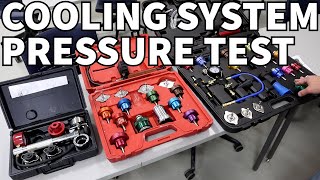
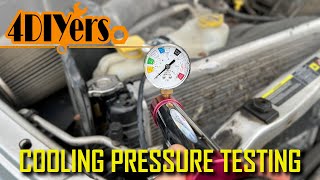
- Low Engine Coolant Level (Very Common) — This is the most frequent cause. A leak in a hose, the radiator, water pump, heater core, or plastic fittings allows coolant to escape, leaving insufficient fluid to cool the engine. 🎬 Watch: How to use a pressure tester to find leaks.
- Faulty Engine Coolant Temperature (ECT) Sensor (Very Common) — This sensor tells the computer how hot the coolant is. If it fails, it sends a false high-temperature signal, tricking the computer into activating protection mode even if the engine operates at a normal temperature.
- Stuck-Closed Thermostat (Common) — The thermostat is a valve controlling coolant flow. If it gets stuck in the closed position, it traps coolant in the engine block and prevents it from circulating to the radiator to cool down.
- Failed Cooling Fan Assembly (Common) — The electric cooling fan pulls air through the radiator to cool the fluid, especially when stopped or moving slowly. If the fan motor, relay, or fuse fails, the engine overheats in traffic.
- ECT Sensor Wiring or Connector Fault (Less Common) — The wiring to the ECT sensor becomes damaged, corroded, or shorted. The plastic connector itself becomes brittle from heat cycles and breaks, causing an intermittent or false signal.
- Failing Water Pump (Less Common) — The water pump is the heart of the cooling system. If its internal impeller corrodes or stops spinning, coolant flow stops entirely, and the engine rapidly overheats.
- Airlock in Cooling System (Less Common) — If the cooling system was recently serviced, an air bubble gets trapped, preventing proper coolant circulation and causing localized overheating that triggers the sensor.
- Blown Head Gasket (Rare) — A failed head gasket forces hot combustion gases into the cooling system, rapidly increasing the temperature and pressure. This requires a major engine repair.
- Restricted Airflow or Coolant Flow (Rare) — Debris blocking the radiator fins, internal sediment buildup, or a collapsed lower radiator hose severely restricts the system's ability to dissipate heat.
Symptoms

- Check Engine Light is On — The Malfunction Indicator Lamp (MIL) illuminates immediately on your dashboard.
- High Temperature Gauge Reading — The engine temperature gauge on your dashboard pegs into the red 'H' zone.
- Reduced Engine Power — The vehicle feels sluggish and refuses to accelerate properly. This is the 'protection mode' limiting the engine to prevent damage.
- Message on Driver Information Center (DIC) — You see dashboard warnings like 'Engine Hot A/C Off' or 'Engine Power is Reduced'.
- Engine Shaking or Vibrating — When the ECM deactivates cylinders to cool the engine, it causes a violent shake or rough running condition easily mistaken for a misfire.
- Steam or Smoke from Under the Hood — Coolant boils and escapes the system, indicating a severe, physical overheat condition.
- Smell of Hot Coolant — You notice a sweet, syrupy smell, which is the scent of antifreeze leaking or boiling over.
- Freeze Frame Data Stored (scan-tool only — no driver-felt sign) — The ECM stores a snapshot of the engine's operating conditions at the exact moment the fault triggered.
Diagnostic Flowchart
Tap your situation to follow the diagnostic path that matches what you're seeing on this code.
Common Fixes & Costs
- Replacing the Engine Coolant Temperature (ECT) Sensor — Parts: $20-$50, Labor: $86-$205, ~0.8 hr book time (DIY)
- Topping Off or Flushing Engine Coolant — Parts: $25-$100, Labor: $100-$200, ~1.0 hr book time (DIY)
- Replacing the Thermostat — Parts: $15-$150, Labor: $150-$300, ~1.5 hr book time (Intermediate)
- Replacing the Radiator Fan Assembly — Parts: $50-$775, Labor: $100-$400, ~2.5 hr book time (Intermediate)
- Replacing the ECT Sensor Connector/Pigtail — Parts: $15-$40, Labor: $75-$150, ~0.7 hr book time (DIY)
- Replacing the Water Pump — Parts: $50-$581, Labor: $358-$525, ~3.0 hr book time (Professional)
DIY vs Professional
- Replacing the Engine Coolant Temperature (ECT) Sensor — Beginner:
- Replacing the Thermostat — Beginner:
- Replacing the Water Pump — Beginner:
- Topping Off or Flushing Engine Coolant — Beginner:
Used vs. New Parts: Buying Guide
When a used part is worth it: For the common causes of P1258 (ECT sensor, thermostat, water pump), buying used parts is strongly discouraged. These are wear-and-tear items with a finite lifespan, and the labor cost to replace them is much higher than the part cost. The risk of a used part failing shortly after installation is not worth the minimal savings.
Donor-vehicle mileage cap: roughly under 10000 miles for the part to have meaningful remaining life.
Donor quality checklist:
- For wear items like sensors, pumps, and thermostats, there are no reliable quality cues for a used part. Its remaining lifespan is unknown.
- If buying a larger assembly like a used radiator or fan shroud, inspect for cracks, corrosion, and bent fins. Match part numbers exactly.
Decision logic:
- If The part is an ECT sensor, thermostat, or water pump → Always buy new. The risk of premature failure and repeated labor costs outweighs any savings.
- If The part is an expensive assembly like a radiator or fan module and budget is extremely tight → A used part from a verified low-mileage vehicle is a last-resort option, but a new aftermarket part is preferable.
Warranty tradeoff: Used parts from a salvage yard typically have a 30-90 day warranty on the part only, not labor. New aftermarket parts carry a 1-year to limited lifetime warranty. New OEM parts offer the best guarantee of fit and function.
Worst-case if a used part fails: $400-$800 if a used water pump or thermostat fails, requiring repeat labor, plus the cost of another part and potential towing.
What Happens If You Wait — Timeline

- 0-10 miles: P1258 code triggers, Check Engine Light on, DIC message appears ('Engine Hot A/C Off'). Engine enters limp mode with significantly reduced power. (MPG impact: N/A (Driving not recommended)% · Added cost: $100-$300 if a tow is required.)
- 10-25 miles: If driving continues, actual overheating intensifies. Coolant boils, causing steam from under the hood. This extreme heat warps the aluminum cylinder head. (MPG impact: N/A% · Added cost: $0 if stopped immediately. If head warps, repair costs are $1,200-$2,500 for resurfacing and a new head gasket.)
- 25-50 miles: A warped head leads to a failed head gasket. Coolant and oil mix. You see white smoke from the exhaust and a milky substance in the oil. The engine runs very poorly with ticking or knocking noises. (MPG impact: N/A% · Added cost: $2,000-$4,000 for head gasket replacement and potential cylinder head machining.)
- 50+ miles: Catastrophic failure. The lack of proper cooling and lubrication from contaminated oil causes internal components like pistons and bearings to seize. The engine cracks or throws a rod, resulting in complete, irreversible failure. (MPG impact: N/A% · Added cost: $5,000-$10,000+ for a used or remanufactured engine replacement.)
Cost of Not Fixing It
- Immediate (0-10 miles): Driving while the engine is in protection mode. Risk of being stranded. (Added cost: $100-$300 for a tow truck.)
- Short-Term (10-50 miles): Continued overheating warps the cylinder head or blows the head gasket, allowing coolant and oil to mix. (Added cost: $1,500-$3,000+)
- Long-Term (50+ miles): Catastrophic engine failure. Piston seizure, cracked engine block, or snapped connecting rods. The engine requires complete replacement. (Added cost: $5,000-$10,000+)
Diagnosis Steps

- Read Live Data with a Scan Tool
Connect an OBD-II scanner and view the live data for the Engine Coolant Temperature (ECT) sensor. Compare the reading from a cold engine to the ambient air temperature; they should match. If the scanner shows a very high temperature (e.g., 220°F+) on a cold engine, the ECT sensor or its wiring is faulty. Compare the scan tool reading to an infrared thermometer aimed at the thermostat housing to verify accuracy.
Tools: OBD-II Scan Tool, Infrared Thermometer (Intermediate) - Check Coolant Level and Condition
Wait for the engine to cool down completely. Open the hood and check the coolant level in the overflow reservoir. If it is low, look for obvious signs of leaks like puddles under the car or white crusty residue on engine parts. The coolant must be a consistent color and not look rusty, sludgy, or milky.
Tools: Flashlight (Beginner) - Verify Cooling Fan Operation
Start the car and turn the air conditioning on to the max setting. The electric cooling fans must turn on immediately. If they do not, check the fuses and relays for the fan circuit first.
Tools: OBD-II Scan Tool (optional) (Beginner) - Inspect ECT Sensor Wiring and Connector
Visually inspect the wiring harness and connector for the ECT sensor. Look for signs of corrosion, melted plastic, or oil contamination. The plastic connector becomes brittle and breaks easily on models like the Chevy Traverse, causing high resistance and a false high-temperature reading.
Tools: Flashlight, Mechanic's Mirror (Intermediate) - Inspect the Thermostat
With the engine running and warming up, carefully feel the upper and lower radiator hoses. The upper hose gets hot first. Once the engine reaches operating temperature (180-210°F), the lower hose also becomes hot, indicating the thermostat opened. If the lower hose stays cool, the thermostat is stuck closed.
Tools: Mechanic's Gloves (Intermediate) - Pressure Test the Cooling System
Use a cooling system pressure tester to apply pressure to the system when it is cool. This forces coolant out of small, hidden leaks. The pressure must hold steady; if the gauge drops, you have a leak that requires repair.
Tools: Cooling System Pressure Tester (Intermediate) - Test ECT Sensor Circuit and Voltage
Unplug the ECT sensor connector. With the key on, your scan tool should read the coldest possible temperature (-40°F) and the multimeter should show a 5-volt reference signal from the ECM. Use a jumper wire to connect the two terminals in the harness; the scan tool should instantly read the hottest possible temperature (280°F+). If the circuit behaves this way, the wiring and ECM are good, proving the sensor itself is faulty.
Tools: OBD-II Scan Tool, Multimeter, Jumper Wire (Advanced) - Test ECT Sensor Resistance
Remove the ECT sensor. Use a multimeter set to Ohms (Ω) to measure the resistance across its two pins. Submerge the sensor tip in ice water (32°F) and then in boiling water (212°F), noting the resistance at both temperatures. Compare these readings to the manufacturer's specifications. A sensor that is out of spec requires replacement.
Tools: Multimeter, Thermometer, Cups for hot/cold water (Advanced) - Check for a Blown Head Gasket
If the coolant bubbles in the reservoir even when the engine isn't boiling hot, or if the coolant looks milky and contaminated with oil, you likely have a blown head gasket. Use a block tester kit to check for the presence of combustion gases in the coolant.
Tools: Block Tester Kit (Advanced)
When This Code Triggers (Freeze-Frame Conditions)
- Engine Coolant Temp: > 268°F (131°C) (The code triggers when the ECT reading exceeds this threshold for 7-10 seconds.)
- RPM: 1200-3000 (Often occurs under load, such as climbing a hill or sitting in traffic after a highway run.)
- Engine Load: 30-70% (The cooling system is under stress, but not necessarily at full throttle.)
- Vehicle Speed: 0-25 mph or 55-70 mph (Frequently happens either in stop-and-go traffic (fan failure) or during prolonged highway driving (flow issue).)
Related Codes
- P0117 — Means 'Engine Coolant Temperature Sensor Circuit Low Input,' indicating a short in the sensor's circuit. On many GM vehicles, the logic for P1258 will not run if P0117 is active, making P0117 the primary electrical code to diagnose first.
- P0118 — Means 'Engine Coolant Temperature Sensor Circuit High Input,' indicating an open circuit (e.g., unplugged sensor). Many systems prevent P1258 from setting if P0118 is present, so P0118 must be resolved first.
- P0128 — Means 'Coolant Temperature Below Thermostat Regulating Temperature.' It indicates the engine runs too cold, usually from a thermostat stuck open. This is the functional opposite of P1258.
- P0480 — Means 'Fan 1 Control Circuit Malfunction.' If you see this with P1258, the overheating is caused by the cooling fan failing to turn on. Diagnose the P0480 code first by checking fan fuses, relays, and wiring.
Climate & Environmental Factors
- Hot Climates: Engines overheat faster in hot weather as the cooling system works harder to dissipate heat. This puts extra stress on the water pump, hoses, and fan assembly, making a P1258 event highly likely.
- Cold Climates: Overheating still occurs in freezing weather. A thermostat sticks closed, or coolant with an improper water/antifreeze ratio freezes, creating a solid blockage that prevents circulation.
- High Altitude: At higher altitudes, the air is less dense. This reduces the efficiency of the radiator and cooling fan, causing the cooling system to struggle under load, especially during uphill driving or towing.
How to Talk to a Mechanic About This Code
Say this: "I have a P1258 code and the engine went into reduced power mode. I'd like to book a diagnostic appointment. Can you please start by verifying if the engine is actually overheating or if it's a false sensor reading before recommending any part replacements?"
This signals you understand the two primary causes: a real cooling system failure or a bad sensor. It directs the shop to perform a proper diagnosis (comparing scan tool data to physical temperature) instead of guessing or replacing the most expensive part.
Avoid saying:
- 'My car is overheating, just fix it.'
- 'My check engine light is on, can you look at it?' (This is too vague and invites a broad, expensive inspection).
- 'I think I need a new water pump.' (Don't diagnose it for them; you anchor them to the wrong, expensive repair).
Questions to ask before authorizing the repair:
- Did you confirm the engine's actual temperature with an infrared thermometer? What did it read compared to the scan tool?
- If it is overheating, did you pressure test the system for leaks? Did you confirm the cooling fans and thermostat are working correctly?
- Can you provide a written estimate that breaks down parts and labor?
- What is the warranty on the parts and your labor for this specific repair?
Where to Take It: Dealer vs Independent vs Chain
- Dealer:
Best for: Vehicles still under a powertrain or extended warranty., Complex electrical issues or if an independent shop has already failed to diagnose the problem., Manufacturer-specific quirks, like on certain VW or Ford models where P1258 has a different meaning.
Downsides: Typically the highest labor rates., Quicker to replace an entire assembly (e.g., fan module) rather than a smaller component (e.g., fan relay). (Typical cost: +50% vs. baseline) - Independent Shop:
Best fit for most situations. A reputable independent shop effectively diagnoses and repairs the common causes of P1258 without the dealer price tag.
Best for: Out-of-warranty vehicles where cost is a major factor., Diagnosing and repairing common cooling system faults (leaks, thermostats, water pumps, sensors), which are the root cause of P1258 in most cases.
Downsides: Shop quality and diagnostic skill vary greatly. Look for shops with good reviews and ASE-certified technicians specializing in cooling systems. (Typical cost: +0% vs. baseline) - Chain Shop:
Use with caution. Acceptable for a simple, pre-diagnosed part swap like an ECT sensor. AVOID for initial diagnosis, as they frequently misdiagnose a bad sensor as a need for a new radiator or water pump.
Best for: Simple, clear-cut repairs like a coolant flush or replacing an easily accessible ECT sensor if you've already diagnosed it yourself.
Downsides: High pressure to upsell services like unnecessary flushes or additives., Technician skill varies widely; they are rarely equipped for in-depth diagnostics like tracing a wiring fault or identifying an internal engine issue. (Typical cost: -10% vs. baseline)
When to Walk Away From the Repair
If the total estimated repair cost exceeds 50% of your car's current private-party value (e.g., from Kelley Blue Book), you should seriously consider selling or trading in the vehicle instead of repairing it.
- Car worth $8000, fix is $350: Fix it. A repair for a faulty ECT sensor or thermostat is a small fraction of the car's value.
- Car worth $4000, fix is $2500: Walk away. The repair cost for a blown head gasket is over 60% of the car's value. It is not a sound financial decision.
- Car worth $5000, fix is $1800: Borderline. A water pump replacement is a significant cost. Get a second opinion and assess the car's overall condition before proceeding.
What Scan Tool You Need for This Code
Minimum: A scanner that reads and displays live engine data, specifically the Engine Coolant Temperature (ECT) PID.
A basic $20 code reader only gives you the P1258 code. It cannot show you the live temperature reading from the sensor, which is essential to determine if you have a real overheat or a sensor failure. Without live data, you are just guessing.
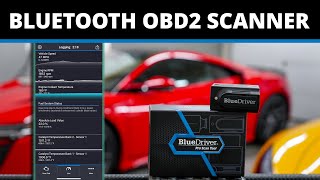
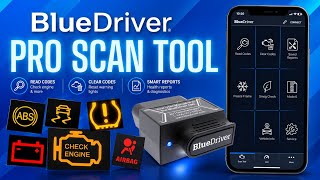
Budget: BlueDriver Pro Scan Tool (~$100) — Connects to your smartphone via Bluetooth and displays live ECT data in a graph or digital gauge. This is sufficient to perform the key diagnostic step of comparing the sensor's reading to the actual engine temperature.
Mid-range: Autel MaxiCOM MK808 / Foxwell NT510/NT680 Series (~$250-400) — These tablet-style scanners offer everything the budget pick does, plus bidirectional controls. This allows you to actively command components like the cooling fans to turn on, which is extremely helpful for testing the fan circuit directly without waiting for the engine to get hot.
Professional: Autel MaxiSys Series (e.g., MS906) (~$1200+) — Offers full, OEM-level diagnostics, including advanced coding and programming. This is complete overkill for a DIY P1258 diagnosis and is intended for professional repair shops.
How to Clear the Code After You Fix It
- Fix the underlying cause (e.g., replace sensor, thermostat, fix leak).
- Use an OBD-II scan tool to clear the 'stored' and 'pending' codes.
- Perform the GM drive cycle to allow the computer to clear the 'permanent' code.
Drive cycle (~25 minutes): From a cold start (coolant temp below 122°F), idle for 2-3 minutes with A/C on. Accelerate to 55 mph and hold for 3 minutes. Let the car coast to 20 mph without braking. Accelerate to 60 mph and hold for 5 minutes. Coast down again. Repeat over 2-3 trips.
Readiness monitors affected: Catalyst (CAT), Evaporative System (EVAP), Oxygen (O2) Sensor
Before emissions retest: drive at least 50 miles to fully set monitors.
Watch out for:
- Simply clearing the code with a scanner will not erase a 'Permanent DTC'. The vehicle must verify the fix is complete.
- Not letting the engine cool down sufficiently before starting the drive cycle.
- The permanent code returns immediately if the root cause of the overheat was not properly repaired.
Will This Fail Emissions / State Inspection?
Yes — this code typically fails an OBD-II emissions inspection.
- California: An illuminated Check Engine Light results in an automatic failure of the smog check. After repairs, the vehicle must complete a drive cycle to set readiness monitors before testing. A permanent DTC blocks a passing result until the computer clears it.
- New York: A vehicle fails the required annual OBD-II emissions inspection if the Malfunction Indicator Light (Check Engine Light) is on for any reason.
- Texas: In counties requiring emissions testing, an illuminated Check Engine Light is an automatic failure. Even if the light is off, the test fails if too many readiness monitors are 'Not Ready', which happens immediately after clearing codes.
Most Commonly Affected Vehicles
- Chevrolet Traverse (2009-2017) — The ECT sensor connector becomes brittle and fragile from heat, making it a common failure point during diagnosis or replacement.
- GMC Acadia (2007-2016) — Shares the same platform and 3.6L engine as the Traverse. Prone to thermostat failure; after an overheat event, check the oil for a 'milky' appearance indicating head gasket damage.
- Chevrolet Silverado (2005-2013) — This code is common on these trucks, often related to actual overheating from thermostat or water pump failure. The ECT sensor sits on the driver's side of the engine block.
- Chevrolet Camaro (2010-2015) — Owners report this code after periods of high-revving or stationary idling in traffic, pointing to cooling fan or thermostat failure.
- Cadillac CTS (2008-2013) — Experiences P1258 in conjunction with cooling fan failures or other cooling system faults after primary components wear out.
- Chevrolet Impala (2006-2013) — Prone to cooling system issues that trigger a P1258 code, including head gasket problems in severe cases.
- Chevrolet Malibu (2005-2012) — Drivers report this code appearing due to a range of issues from stuck thermostats to serious head gasket failures after an overheat event.
- Volkswagen Jetta / Passat / Golf (2000-2015) — On these VW models, P1258 is defined as 'Engine Coolant System Valve Short To B+,' pointing to a specific electrical fault rather than a general overheat.
Manufacturer-Specific Notes
- General Motors (Chevrolet, GMC, Cadillac, Buick): The ECM triggers this code when coolant temperature exceeds 270°F (132°C), then actively shuts down half of the engine's fuel injectors to reduce heat, causing a severe loss of power. Standard warranties cover P1258 repairs if the vehicle is within term limits, but powertrain warranties exclude wear items like hoses and radiators.
- Honda / Acura: On many Honda and Acura models, P1258 means 'VTEC System Malfunction.' This relates to a problem in the variable valve timing system, often caused by low oil pressure or a faulty VTEC solenoid, and is completely unrelated to engine temperature.
- Ford / Peugeot / Citroen: For some vehicles from these brands, P1258 means 'Pedal Correlation PDS1 and PDS2.' This points to a problem with the accelerator pedal position sensor, not the cooling system.
- Volkswagen / Audi: On certain models, P1258 is defined as 'Engine Coolant System Valve Short To B+.' This indicates a specific electrical short circuit in the wiring or the valve itself, requiring electrical diagnosis rather than cooling system repair.
Real Owner Stories
2014 Chevy Traverse with 110K miles - A Case of Mistaken Identity
While driving, the DIC flashed 'Engine Hot A/C Off' and 'Engine Power is Reduced.' The temperature gauge shot to max, and the Check Engine Light with code P1258 came on. The engine ran rough, but there was no steam or smell of coolant.
What they tried:
- Owner pulled over immediately and had the vehicle towed home.
- After cooling, the coolant level was checked and found to be full.
- Using an OBD-II scanner, the live ECT data showed 222°F on a cold engine.
- An infrared thermometer aimed at the thermostat housing read only 129°F, confirming the engine was not actually overheating.
Outcome: The ECT sensor was faulty and sending a false high-temperature signal. The owner replaced the ECT sensor (a $30 part) and the brittle connector pigtail. After clearing the codes, the P1258 did not return.
Lesson: Don't assume P1258 means the engine is actually overheating. Always verify the temperature with an external tool like an infrared thermometer before replacing expensive parts like a water pump or thermostat. A faulty sensor is a very common and cheap fix.
2010 Chevy Camaro SS - Overheating in Traffic
After revving the engine and sitting in stop-and-go traffic, the temperature gauge climbed into the red, and the P1258 code triggered, putting the car in limp mode.
What they tried:
- The owner let the car cool down and checked the coolant, which was full.
- A shop inspected the cooling system and found no obvious leaks or issues with the oil.
- The cooling fans were tested and found to be operating correctly.
Outcome: The issue traced back to a stuck-closed thermostat that prevented coolant from circulating to the radiator at low speeds. Replacing the thermostat ($40 part plus labor) resolved the overheating issue.
Lesson: Overheating that occurs primarily at low speeds or in traffic points to a problem with either airflow (cooling fans) or coolant flow (thermostat or water pump). A stuck thermostat is a common failure that prevents the radiator from doing its job.
2008 GMC Acadia at 130K miles - The Post-Repair Airlock
Shortly after having the water pump replaced, the vehicle threw a P1258 code during a short trip. The temperature gauge went high, and the 'Engine Hot' message appeared.
What they tried:
- The owner returned the vehicle to the shop that performed the water pump replacement.
- The shop pressure-tested the system and found no leaks.
- The technician suspected an airlock from the recent service.
Outcome: The cooling system was not properly bled after the water pump installation, trapping a large air bubble. This air pocket prevented coolant from circulating correctly, causing a rapid overheat. The shop performed a vacuum-fill procedure to properly bleed the system, fixing the problem.
Lesson: If P1258 appears immediately after a cooling system service (like a water pump or thermostat replacement), suspect an airlock. Modern cooling systems are difficult to bleed, and trapped air causes overheating even if all parts are new.
How to Prevent This Code From Triggering
- Perform a cooling system flush and refill with manufacturer-specified coolant. (Every 30,000-50,000 miles for conventional coolants, or up to 100,000 miles for long-life coolants.) — Old coolant becomes acidic and loses its anti-corrosion properties, damaging the water pump, radiator, and thermostat. A flush removes contaminants and restores protection.
- Replace the thermostat as a preventive measure. (Every 10 years or whenever replacing a major cooling system component like the water pump or radiator.) — Thermostats are a mechanical wear item. Replacing it proactively prevents a future failure where it gets stuck closed, which guarantees an overheat and triggers a P1258.
- Inspect radiator hoses and serpentine belt. (Every oil change.) — Visually check hoses for cracks, bulges, or soft spots. A failed hose causes rapid coolant loss. A worn or broken serpentine belt stops the water pump from spinning, causing an immediate overheat.
- Keep the radiator exterior clean. (Annually, or as needed.) — Remove bugs, leaves, and dirt from the radiator fins with a soft brush or gentle water spray. A blocked radiator cannot dissipate heat effectively, increasing the risk of overheating.
- Use only distilled water when mixing coolant. (Whenever topping off or flushing the system.) — Tap water contains minerals that leave deposits inside the cooling system, clogging the radiator and heater core and damaging the water pump's seals.
Frequently Asked Questions
What does 'Protection Mode Active' mean?
It means the car's computer detected extreme heat and intentionally reduced engine power to prevent catastrophic damage like a warped cylinder head or seized engine.
Can a bad sensor cause the P1258 code even if the car is not overheating?
Yes. If the Engine Coolant Temperature (ECT) sensor fails and sends a false high-temperature reading to the computer, it triggers the P1258 code and activates protection mode, even if the engine temperature is normal.
What are common misdiagnosis mistakes with P1258?
A frequent mistake is replacing expensive components like the water pump or radiator without verifying if the engine is actually overheating. The true cause is often a cheap faulty ECT sensor, its connector, or an airlock in the system. Always use a scan tool and an infrared thermometer to confirm the real temperature before replacing parts.
The code appeared after a long trip or sitting in traffic. What should I check first?
After letting the engine cool completely, verify the coolant level is correct and look for leaks. Then, ensure the cooling fans run when the engine gets hot or when the A/C is on. These components are under the most stress during heavy use or idle conditions.
Is it safe to drive my car with a P1258 code?
No, it is not safe. You risk causing severe and very expensive engine damage. Pull over as soon as it is safe, turn off the engine, and have the vehicle towed to a repair shop.
What should I do first if I get a P1258 code?
Safely pull over and shut off the engine immediately to prevent damage. Do not attempt to open the radiator cap when the engine is hot. Once it cools completely for at least an hour, check the coolant level in the overflow reservoir.
Does P1258 always mean my engine is permanently damaged?
Not necessarily. The code means the protection mode activated to prevent damage. If you stop driving immediately, you fix the underlying cooling system problem without any long-term engine damage.
Where is the ECT sensor located?
The location varies by engine. On GM V8 trucks like the Silverado, it sits on the driver's side of the engine block, toward the front. On GM 3.6L V6 engines like the Traverse and Acadia, it sits near the thermostat housing on the passenger side.
Can I just replace the sensor to fix the P1258 code?
Only if the sensor is the actual problem. If the code triggers from a real overheat condition like a stuck thermostat or low coolant, replacing the sensor does nothing. Always diagnose the problem before replacing parts.
My scan tool shows P1258 as a 'permanent' code. What does that mean?
A permanent DTC (pDTC) cannot be cleared with a scan tool. The vehicle's computer clears it automatically after you fix the root cause and complete a specific drive cycle. Drive normally for a few days, and the code erases itself once the system passes its internal self-tests.
Key Takeaways
- P1258 indicates engine coolant exceeded 268°F (131°C), prompting the computer to disable half the cylinders to prevent catastrophic damage.
- Pull over immediately and shut off the engine; driving even 10 additional miles guarantees severe damage like a warped cylinder head.
- Check the actual engine temperature with an infrared thermometer first, as a faulty $30 ECT sensor frequently triggers this code falsely.
- Verify your manufacturer's specific definition, as P1258 means a VTEC failure on Hondas and an accelerator pedal fault on Fords.
Helpful Videos

The information in this article is provided for general reference and educational purposes only. Vehicle specifications, procedures, and part compatibility can vary by production date, trim level, and region. Always consult your vehicle's factory service manual and verify part numbers before purchasing or performing repairs. Safety-critical components such as airbags, seat belts, and braking systems should be installed by a qualified professional.
- 🎬 Helpful Videos
- What Does P1258 Mean?
- Can I Drive With P1258?
- Common Causes
- Symptoms
- Diagnostic Flowchart
- Common Fixes & Costs
- DIY vs Professional
- Used vs. New Parts: Buying Guide
- What Happens If You Wait — Timeline
- Cost of Not Fixing It
- Diagnosis Steps
- When This Code Triggers (Freeze-Frame Conditions)
- Related Codes
- Climate & Environmental Factors
- How to Talk to a Mechanic About This Code
- Where to Take It: Dealer vs Independent vs Chain
- When to Walk Away From the Repair
- What Scan Tool You Need for This Code
- How to Clear the Code After You Fix It
- Will This Fail Emissions / State Inspection?
- Most Commonly Affected Vehicles
- Manufacturer-Specific Notes
- Real Owner Stories
- 2014 Chevy Traverse with 110K miles - A Case of Mistaken Identity
- 2010 Chevy Camaro SS - Overheating in Traffic
- 2008 GMC Acadia at 130K miles - The Post-Repair Airlock
- How to Prevent This Code From Triggering
- Frequently Asked Questions
- What does 'Protection Mode Active' mean?
- Can a bad sensor cause the P1258 code even if the car is not overheating?
- What are common misdiagnosis mistakes with P1258?
- The code appeared after a long trip or sitting in traffic. What should I check first?
- Is it safe to drive my car with a P1258 code?
- What should I do first if I get a P1258 code?
- Does P1258 always mean my engine is permanently damaged?
- Where is the ECT sensor located?
- Can I just replace the sensor to fix the P1258 code?
- My scan tool shows P1258 as a 'permanent' code. What does that mean?
- Key Takeaways
- 🎟️ Get 5% Off