

OBD-II Code P1217: Engine Over Temperature
What P1217 means, why it triggers, and how to fix it
- P1217 is a critical overheating code on Nissan and Infiniti vehicles that requires you to pull over immediately to prevent engine seizure.
- Check your coolant level and radiator fans first; a $15 bottle of coolant or a $20 relay fixes the majority of P1217 triggers.
- Verify your vehicle's specific code definition, as P1217 means 'Active Exhaust Valve Performance' on modern Dodge V8s and 'Injector Circuit Short' on VW/Audi models.
- Never ignore a P1217 code or just clear it with a scanner, as driving an overheating vehicle for even 10 minutes causes a $2,000+ warped cylinder head.
What Does P1217 Mean?

The trouble code P1217 means your vehicle's Engine Control Module (ECM) has detected engine coolant temperatures rising to a dangerous level. This critical warning indicates the cooling system is failing to dissipate heat, requiring immediate attention to prevent catastrophic engine failure.
Technical definition: Engine Over Temperature Condition. The ECM sets this code when the engine coolant temperature (ECT) sensor reports a temperature exceeding the manufacturer's maximum limit—often above 250°F (121°C)—for a set period. The vehicle immediately enters a protective 'limp mode,' drastically reducing engine power and speed to prevent further thermal damage.
Can I Drive With P1217?

No — Do Not Drive. Pull over safely and shut off the engine immediately. Driving with an active P1217 code indicates a critical overheating condition that quickly leads to severe, irreversible engine damage like a warped cylinder head or cracked block, resulting in multi-thousand dollar repairs.
Common Causes

- Low Engine Coolant Level (Very Common) — The most frequent cause. Coolant escapes through leaking hoses, radiators, water pumps, or faulty caps. Without sufficient coolant, the system cannot remove heat from the engine.
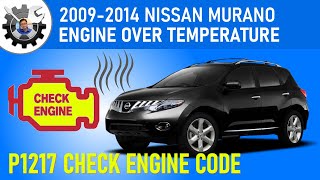
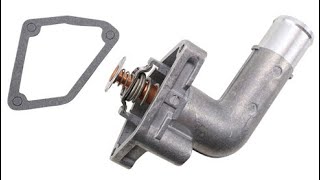
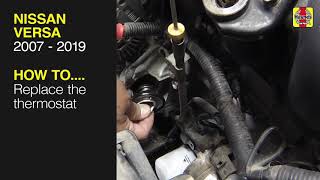
- Failed Thermostat (Common) — If the thermostat sticks closed, it blocks coolant from circulating to the radiator, causing rapid overheating. This is a primary failure point on Nissan and Infiniti models. 🎬 Watch: Step-by-step guide to replacing a faulty Nissan thermostat.
- Malfunctioning Cooling Fan(s) (Common) — A failed fan motor, bad relay, or blown fuse prevents air from pulling through the radiator at low speeds, leading to overheating in traffic.
- Air Pockets in the Cooling System (Common) — Improperly bled cooling systems trap air pockets that block coolant flow and cause localized overheating or false steam readings at the ECT sensor.
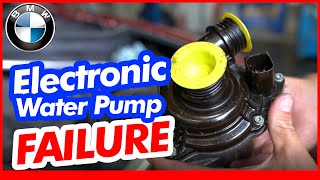
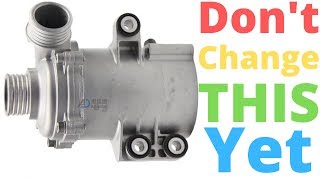
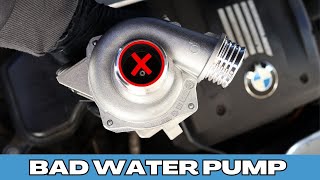
- Failing Water Pump (Less Common) — A worn impeller or failing bearing stops coolant circulation. Failing electric water pumps are a notorious cause on modern BMWs. 🎬 Watch: How to test and bleed a BMW electric water pump.
- Clogged or Damaged Radiator (Less Common) — Internal sediment clogs or external debris blockages prevent the radiator from dissipating heat. Cracked plastic end tanks also cause rapid coolant loss.
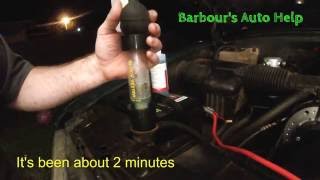
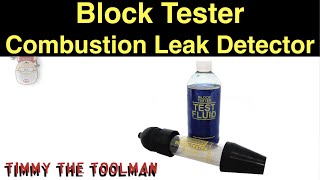
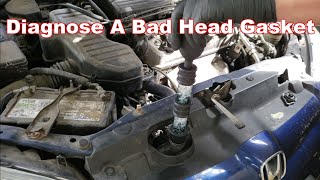
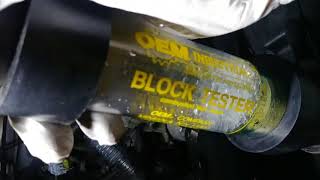
- Blown Head Gasket or Cracked Cylinder Head (Less Common) — A failed head gasket pushes high-pressure combustion gases into the cooling system, displacing coolant and causing immediate overheating. 🎬 See how to use a block tester to confirm a blown head gasket.
- Faulty ECT Sensor or Wiring (Rare) — A shorted ECT sensor or damaged wiring harness sends a falsely high temperature signal to the ECM, triggering P1217 and limp mode even on a cold engine.
Symptoms

- Temperature Gauge in the Red Zone — The dashboard temperature gauge maxes out in the 'H' or red section.
- Engine 'Limp Mode' — The ECM drastically reduces engine power, limiting speed and RPMs to protect internal components.
- Steam or Smoke from Under the Hood — Boiling coolant escapes the system as pressurized steam. Pull over immediately.
- Check Engine Light On — The MIL illuminates, often accompanied by a flashing red temperature warning light.
- No Heat from Vents — A critically low coolant level or stuck thermostat prevents hot coolant from reaching the cabin heater core, causing it to blow cold air.
- Sweet Smell from Engine Bay or Exhaust — Burning coolant produces a distinct, sweet syrup odor from the engine bay or exhaust.
- Erratic RPMs or Rough Running — Severe heat causes the computer to struggle with fuel and timing, leading to rough idling and misfires.
Diagnostic Flowchart

Tap your situation to follow the diagnostic path that matches what you're seeing on this code.
Common Fixes & Costs
- Refilling Coolant and Repairing Leak (Hose, Clamp, etc.) — Parts: $15-$50, Labor: $100-$250, ~1 hr book time (DIY)
- Replacing the Engine Thermostat — Parts: $20-$60, Labor: $150-$350, ~2 hr book time (Intermediate)
- Replacing the Cooling Fan Assembly — Parts: $150-$450, Labor: $150-$300, ~1.5 hr book time (Intermediate)
- Replacing the Radiator — Parts: $150-$400, Labor: $400-$1,200, ~3.5 hr book time (Professional)
- Replacing the Water Pump — Parts: $50-$500, Labor: $300-$1,000+, ~5 hr book time (Professional)
- Replacing a Blown Head Gasket — Parts: $300-$600, Labor: $1,800-$3,500+, ~14 hr book time (Professional)
DIY vs Professional
- Refilling Coolant and Repairing Leak (Hose, Clamp, etc.) — Beginner:
Tools: Pliers, screwdriver, socket set, funnel, drain pan. - Replacing the Engine Thermostat — Beginner:
Tools: Socket set, torque wrench, gasket scraper, drain pan, funnel. - Replacing the Cooling Fan Assembly — Beginner:
Tools: Socket set, screwdrivers, trim removal tools. - Replacing the Radiator — Beginner:
Tools: Full socket set, line wrenches for transmission cooler lines, drain pans, funnel, trim removal tools. - Replacing the Water Pump — Beginner:
Tools: Extensive socket/wrench set, torque wrench, belt tensioner tool, jack stands. - Replacing a Blown Head Gasket — Beginner:
Tools: Complete engine tool set, engine hoist, torque-to-yield bolt tools, precision measuring tools.
Used vs. New Parts: Buying Guide
When a used part is worth it: Buying used is not recommended for wear items like thermostats and water pumps due to high labor costs. A used cooling fan assembly from a low-mileage donor vehicle offers good value.
Donor-vehicle mileage cap: roughly under 60000 miles for the part to have meaningful remaining life.
Donor quality checklist:
- Verify the donor vehicle was not scrapped due to engine or overheating issues.
- For fan assemblies, check for cracked plastic shrouds and test the motor.
- Match part numbers exactly; cooling system components are specific to engine options.
Decision logic:
- If Part is a thermostat or mechanical water pump → Always buy new. The part cost is low compared to the labor.
- If Part is an expensive electric water pump (e.g., BMW) → A new OEM or high-quality aftermarket part is strongly preferred. Used is high-risk.
- If Part is a radiator or fan assembly → A new aftermarket part provides the best balance. A used part is acceptable if significantly cheaper.
Warranty tradeoff: Used parts typically offer a 30-90 day warranty on the part only. New aftermarket parts usually come with a 1-year to limited-lifetime warranty.
Worst-case if a used part fails: $500 - $1,500 if a used water pump fails shortly after installation, requiring a second labor payment.
What Happens If You Wait — Timeline
- 0-10 Minutes: Initial fault occurs. Engine temperature rises, the gauge enters the red zone, and P1217 triggers limp mode. (MPG impact: 0%% · Added cost: $0 if the engine is shut off immediately.)
- 10-30 Minutes: Coolant boils and escapes as pressurized steam. Plastic and rubber components suffer heat damage. (MPG impact: 5-10%% · Added cost: $50 - $300 (Cost of lost coolant and damaged hoses).)
- 30+ Minutes or Several Overheat Cycles: Extreme heat warps the aluminum cylinder head, breaking the head gasket seal. (MPG impact: 10-25%% · Added cost: $1,500 - $4,000 (Cost to machine the cylinder head and replace the head gasket).)
- Continued Operation After Stage 3: Coolant and oil mix, destroying lubrication. Internal bearings fail and the engine block cracks. (MPG impact: 100% (Engine is seized and inoperable)% · Added cost: $4,000 - $10,000+ (Cost to replace the entire engine).)
Cost of Not Fixing It
- Immediate (Minutes to Hours): Risk of warped cylinder head. As the engine overheats, the aluminum head distorts, compromising the head gasket seal. (Added cost: $1,500 - $4,000)
- Short-Term (Days to Weeks): Blown head gasket and internal coolant/oil mixing. A warped head leads to head gasket failure, destroying the lubricating properties of the oil. (Added cost: $2,000 - $5,000)
- Long-Term (Continued Operation): Cracked engine block or seized engine. Continued operation with contaminated oil and extreme heat destroys internal components like pistons and bearings. (Added cost: $4,000 - $10,000+)
Diagnosis Steps
- Perform a Visual Inspection (Engine OFF and COLD)
Check the coolant reservoir level and look for green, orange, or pink crusty residue indicating leaks on hoses, the radiator, or water pump.
Tools: Flashlight (Beginner) - Check Radiator Coolant Level (Engine OFF and COLD)
Wrap a thick cloth around the radiator cap, turn slowly to release pressure, and remove. Low fluid confirms a coolant loss issue. Do not rely solely on the reservoir level.
Tools: Rag or thick cloth (Beginner) - Verify Cooling Fan Operation
Start the engine and turn the A/C to max. The electric cooling fans must turn on. If they don't, inspect the fan motor, relay, and fuses.
Tools: None (Beginner) - Test the Thermostat
Start a cold engine and feel the upper radiator hose. It should remain cool, then suddenly become hot as the engine reaches operating temperature and the thermostat opens. If it stays cool while the engine overheats, the thermostat is stuck closed.
Tools: Infrared Thermometer (Intermediate) - Analyze Live Scan Tool Data
Connect a scan tool and monitor the ECT PID. A normal engine runs between 195°F and 220°F. Readings climbing past 240°F confirm a real-time overheating event.
Tools: OBD-II Scan Tool with Live Data (Intermediate) - Perform a Cooling System Pressure Test
Attach a pressure tester to the radiator and pump to the cap's rated PSI (usually 13-16 PSI). A pressure drop over 20 minutes confirms a hidden leak.
Tools: Cooling system pressure tester kit (Intermediate) - Test the ECT Sensor Circuit
Unplug the ECT sensor. A scan tool should read -40°F. Jumper the harness connector terminals; the tool should jump to 250°F+. This confirms the wiring is good and points to a faulty sensor.
Tools: Scan tool, jumper wire (Advanced) - Perform a Chemical Block Test
Use a block tester on a warm, idling engine. If the blue chemical fluid turns yellow or green when exposed to radiator air, combustion gases are present, confirming a blown head gasket.
Tools: Combustion leak detector kit (Block Tester) (Advanced)
When This Code Triggers (Freeze-Frame Conditions)
- Engine Coolant Temp: > 245°F (118°C) (Exceeds the manufacturer's maximum threshold, confirming an overheat event.)
- RPM: 1200-3000 RPM (Occurs under normal driving conditions, such as steady cruising or climbing a grade.)
- Engine Load: 30-70% (The engine is working under a moderate load, generating heat the compromised cooling system cannot handle.)
- Vehicle Speed: 20-60 mph (Occurs at city or highway speeds, proving the failure is not solely related to a lack of airflow from vehicle movement.)
Related Codes
- P0117 — Engine Coolant Temperature Sensor Circuit Low Input. Points to an electrical short. P0117 causes an instant high gauge reading on cold start, while P1217 appears as the engine warms up.
- P0128 — Coolant Thermostat Below Regulating Temp. Indicates a thermostat stuck open. A history of P0128 often precedes a P1217 stuck-closed failure.
- U1000 / U1001 — CAN Communication Circuit Malfunction. Network failures cause modules to report false data. Always resolve U-codes before diagnosing P1217 on Nissan/Infiniti.
- P0300-P0308 — Random or Specific Cylinder Misfire. Severe overheating causes combustion problems. Fix the P1217 first; if misfires remain, the heat likely damaged the head gasket.
Climate & Environmental Factors
- Hot Climate: High ambient temperatures reduce radiator efficiency, turning minor weaknesses like weak fans or slightly low coolant into full overheating events.
- High Altitude: Thinner air transfers less heat and reduces cooling fan effectiveness, forcing the system to work harder and increasing overheat risk on inclines.
- Heavy Load / Towing: Towing forces the engine to generate significantly more heat, overwhelming compromised cooling systems.
How to Talk to a Mechanic About This Code
Say this: "I have a P1217 engine over temperature code. Please start with a cooling system pressure test to check for leaks and verify cooling fan operation."
This signals you want a systematic diagnosis, directing the shop to perform critical initial tests and preventing them from jumping to expensive conclusions.
Avoid saying:
- 'Just fix whatever's wrong'
- 'My check engine light is on, can you look at it?'
- 'My car is overheating, I think I need a new water pump.'
Questions to ask before authorizing the repair:
- What was the result of the cooling system pressure test? Where was the leak?
- How did you confirm the thermostat/water pump/cooling fan failed?
- Did you check for combustion gases in the coolant to rule out a head gasket issue?
- Does the repair estimate include bleeding the air from the system and new coolant?
- What is the warranty on the parts and labor for this repair?
Where to Take It: Dealer vs Independent vs Chain
- Dealer:
Best for: Vehicles under warranty, Repairs covered by a specific Technical Service Bulletin (TSB), Complex failures like a BMW electric water pump requiring programming
Downsides: Significantly higher labor rates, May recommend replacing a full assembly when only one component failed (Typical cost: +50% vs. baseline) - Independent Shop:
Best fit for most vehicles. A reputable independent shop is the most cost-effective choice for common overheating problems.
Best for: Most out-of-warranty P1217 repairs, Diagnosing common failures like thermostats, radiators, and mechanical water pumps
Downsides: Quality varies greatly; vet shops based on reviews and ASE certifications, May lack expensive diagnostic tools for the newest vehicles (Typical cost: +0% vs. baseline) - Chain Shop:
AVOID for diagnosis. The risk of an incorrect diagnosis on a critical issue like overheating is too high.
Best for: Simple parts replacement after a confident diagnosis has already been made elsewhere
Downsides: High pressure to upsell unnecessary services, Technician skill and diagnostic ability is inconsistent, High risk of misdiagnosis on critical issues (Typical cost: -10% vs. baseline)
When to Walk Away From the Repair
If the estimated repair cost exceeds 50% of your car's current private-party market value, seriously consider selling or trading in the vehicle.
- Car worth $3000, fix is $2500: Walk away. The repair cost is nearly the entire value of the car.
- Car worth $10000, fix is $1200: Fix it. The repair cost is only 12% of the vehicle's value, making it a sound investment.
- Car worth $5000, fix is $2800: Borderline. The repair cost is over 50% of the car's value. Get a second opinion before proceeding.
What Scan Tool You Need for This Code
Minimum: A scanner that can read and graph live data, specifically the Engine Coolant Temperature (ECT) PID.
A basic $20 code reader cannot show live temperature data, which is essential to determine if the engine is truly overheating or if you have a sensor fault.
Budget: BlueDriver Pro (~$100) — Connects to your smartphone via Bluetooth and graphs live Engine Coolant Temperature to confirm a real overheat versus a sensor failure.
Mid-range: Foxwell NT510 Elite (~$160) — Offers bidirectional controls to command components like electric cooling fans to turn on, helping quickly diagnose a failed fan motor or relay.
Professional: Autel MaxiCOM MK808S (~$400) — Provides full bidirectional control to diagnose complex issues like a failing BMW electric water pump by commanding it to run at various speeds.
Rent vs buy: Auto parts stores loan basic scanners for free, but they typically cannot read live data. Buying a scanner with live data capability is a worthwhile investment for DIY work.
How to Clear the Code After You Fix It
- Use an OBD-II scan tool to clear the P1217 and any related fault codes.
- Top off all fluids, especially engine coolant.
- Perform a complete drive cycle to allow the vehicle's readiness monitors to run.
Drive cycle (~30 minutes): Start the engine cold and idle for 3 minutes. Drive for 20 minutes with a mix of city and highway speeds above 50 mph. Allow the vehicle to cool down completely to let the ECU verify the repair.
Readiness monitors affected: Catalyst Monitor, Oxygen (O2) Sensor Monitor, EGR System Monitor
Before emissions retest: drive at least 100 miles to fully set monitors.
Watch out for:
- Clearing the code without fixing the overheating causes immediate return.
- Emissions testing fails immediately due to 'Not Ready' monitors.
- Disconnecting the battery erases learned memory and requires a longer drive cycle.
Will This Fail Emissions / State Inspection?
Yes — this code typically fails an OBD-II emissions inspection.
- California: An illuminated Check Engine Light is an automatic failure. All required readiness monitors must be in a 'Ready' state.
- New York: The NYS vehicle inspection includes an OBD-II scan. An active P1217 code results in an automatic failure.
- Texas: In counties requiring an emissions test, a vehicle with an active Check Engine Light automatically fails.
Most Commonly Affected Vehicles
- Nissan / Infiniti Most Models (Rogue, Sentra, G35/G37, Pathfinder, Murano) (2003-2023) — P1217 is the primary overheating code. Common culprits are failed thermostats, air pockets after coolant service, and cooling fan failures.
- Nissan Sentra (2013-2014) — TSB NTB15-020 addresses P1217 caused by a faulty cooling fan motor blowing a 40A fusible link. The fix requires replacing the fan motor and reprogramming the ECM.
- BMW / Mini Various Models with N52/N54/N55 Engines (2006-2015) — P1217 strongly indicates a failing electric water pump. Prioritize testing the pump via scan tool active tests before replacing other components.
- Subaru Outback, Forester, Impreza (EJ Series Engines) (1999-2012) — P1217 requires immediate inspection for head gasket failure, a known weak point that pushes combustion gases into the coolant.
- Dodge / Chrysler / Jeep Charger, Challenger, 300 (V8 Models) (2015-2024) — CRITICAL: P1217 means 'Active Exhaust Valve 1 Performance'. It has nothing to do with engine temperature.
- Volkswagen / Audi Various (2005-2018) — CRITICAL: P1217 means 'Cylinder 5 Injector Circuit Short to B+'. Do not diagnose as an overheating problem.
- Chevrolet / GM C/K Trucks (e.g., C3500 6.5L Diesel) (1992-2000) — CRITICAL: P1217 means 'Fuel Solenoid Response Time Too Long'. Verify code definitions on older GM vehicles.
Manufacturer-Specific Notes
- Nissan / Infiniti: The ECM is highly sensitive to high temperatures and instantly engages limp mode to prevent damage. The root cause is frequently a stuck thermostat or air in the system.
- Dodge / Chrysler / Jeep: On modern V8 models, P1217 refers to an 'Active Exhaust Valve Performance' issue. Do not diagnose as an overheating problem.
- Volkswagen / Audi: P1217 refers to 'Cylinder 5 Injector Circuit Short to B+'. Diagnosing this as an overheat problem wastes time and money.
- BMW: This code frequently points to a failure of the electric water pump. Diagnostic approach must prioritize testing the pump's operation via a scan tool's active tests.
Real Owner Stories
Infiniti owner with sudden limp mode
While driving, the car suddenly went into 'limp mode,' barely able to accelerate over 10 mph. A P1217 code was stored.
What they tried:
- Checked the engine coolant level in the reservoir and found it was very low.
Outcome: Topping off the coolant resolved the limp mode and the code did not return. The total cost was about $15.
Lesson: Always check basic fluid levels first. A simple low coolant situation triggers a critical P1217 code and protective limp mode before permanent damage occurs.
2014 Nissan Rogue with a persistent P1217
The check engine light came on with a P1217 code. A visual inspection showed low coolant.
What they tried:
- A pressure test revealed a leak from the radiator, which was replaced.
- Despite the new radiator, the engine continued to overheat.
- An infrared thermometer showed the upper radiator hose was hot, but the lower hose was cool.
Outcome: Replacing the stuck-closed thermostat finally resolved the overheating problem.
Lesson: Overheating issues can have multiple failure points. After fixing one obvious problem, verify the repair and re-diagnose if symptoms persist.
2003 Nissan Pathfinder with a 'phantom' overheat
The vehicle threw a P1217 code, and the temperature gauge swung wildly to HOT, but there were no physical signs of overheating.
What they tried:
- The owner suspected a false reading and sought advice.
- Forum experts suggested an air pocket or a faulty ECT sensor.
Outcome: The owner used a scan tool to read live ECT data and an infrared thermometer to measure actual engine temperature, confirming a faulty sensor.
Lesson: Don't automatically assume the gauge is correct. Verify actual temperature with a tool to rule out electrical or sensor-related issues.
2009 Nissan Murano DIY repair leads to new problems
A coolant hose clamp failed, causing a massive leak and a P1217 code. The owner replaced the clamp and refilled the coolant.
What they tried:
- After repair, the heater blew cold air and the car overheated when driven.
- The owner realized the system had a severe air lock.
Outcome: It required extensive bleeding with a spill-free funnel to purge all the air, resolving the issue.
Lesson: Refilling a cooling system requires proper bleeding. Trapped air causes the exact same overheating symptoms as a leak.
How to Prevent This Code From Triggering
- Perform a Coolant Flush & Fill (Every 30,000-50,000 miles (3-5 years)) — Anti-corrosive additives break down over time, allowing rust and scale to clog radiator passages and reduce heat dissipation.
- Replace the Radiator Cap (Every 5 years or with any major cooling system service) — The cap maintains system pressure to raise the coolant's boiling point. Worn seals cause pressure loss and overheating.
- Replace the Engine Thermostat Preventively (Every 60,000 to 90,000 miles) — Thermostats are mechanical parts that fail without warning. Replacing it prevents a stuck-closed failure and severe overheating.
- Regularly Inspect Hoses and Belts (During every oil change.) — Catching a cracking hose or fraying serpentine belt prevents sudden, catastrophic coolant loss.
Frequently Asked Questions
Can I just clear the P1217 code and keep driving?
Absolutely not. Clearing the code does not fix the physical overheating problem. Ignoring it causes the code to return quickly and leads to catastrophic engine failure.
My temperature gauge goes to HOT instantly on a cold start. What's wrong?
This indicates an electrical fault rather than actual overheating. It is usually a failing Engine Coolant Temperature (ECT) sensor that shorted internally, or a damaged wiring harness. It also happens if a large air pocket causes the sensor to read steam.
I just had my coolant changed and now I have a P1217 code. Why?
Air was likely trapped in the cooling system during the service. The system must be properly bled to remove air pockets. Trapped air passing over the temperature sensor causes a sudden, false spike in the reading.
Why is my heater blowing cold air if the engine is overheating?
This indicates a severe lack of coolant circulation. The coolant level is either so low that hot fluid cannot reach the heater core, or the water pump has completely failed.
Can a bad radiator cap cause a P1217 code?
Yes. The radiator cap holds pressure in the system to raise the coolant's boiling point. A faulty cap loses pressure, allowing coolant to boil at lower temperatures and triggering an overheat condition.
What are the most common misdiagnosis mistakes with P1217?
The biggest mistake is assuming P1217 means 'overheating' on all vehicles, as it means completely different things on Dodge, VW, or GM models. The second mistake is replacing expensive parts like water pumps without testing simple items like fan relays first.
How much does it cost to diagnose a P1217 code?
Most repair shops charge a diagnostic fee ranging from $120 to $250. This covers the initial investigation, including pressure tests, scan tool analysis, and visual inspections to pinpoint the exact cause.
Key Takeaways
- P1217 is a critical overheating code on Nissan and Infiniti vehicles that requires you to pull over immediately to prevent engine seizure.
- Check your coolant level and radiator fans first; a $15 bottle of coolant or a $20 relay fixes the majority of P1217 triggers.
- Verify your vehicle's specific code definition, as P1217 means 'Active Exhaust Valve Performance' on modern Dodge V8s and 'Injector Circuit Short' on VW/Audi models.
- Never ignore a P1217 code or just clear it with a scanner, as driving an overheating vehicle for even 10 minutes causes a $2,000+ warped cylinder head.
Helpful Videos
![How To Purge Air Out of a Cooling System! [FREE and DIY Method]](https://img.youtube.com/vi/JEv8bC4S6UI/mqdefault.jpg)

The information in this article is provided for general reference and educational purposes only. Vehicle specifications, procedures, and part compatibility can vary by production date, trim level, and region. Always consult your vehicle's factory service manual and verify part numbers before purchasing or performing repairs. Safety-critical components such as airbags, seat belts, and braking systems should be installed by a qualified professional.
- 🎬 Helpful Videos
- What Does P1217 Mean?
- Can I Drive With P1217?
- Common Causes
- Symptoms
- Diagnostic Flowchart
- Common Fixes & Costs
- DIY vs Professional
- Used vs. New Parts: Buying Guide
- What Happens If You Wait — Timeline
- Cost of Not Fixing It
- Diagnosis Steps
- When This Code Triggers (Freeze-Frame Conditions)
- Related Codes
- Climate & Environmental Factors
- How to Talk to a Mechanic About This Code
- Where to Take It: Dealer vs Independent vs Chain
- When to Walk Away From the Repair
- What Scan Tool You Need for This Code
- How to Clear the Code After You Fix It
- Will This Fail Emissions / State Inspection?
- Most Commonly Affected Vehicles
- Manufacturer-Specific Notes
- Real Owner Stories
- Infiniti owner with sudden limp mode
- 2014 Nissan Rogue with a persistent P1217
- 2003 Nissan Pathfinder with a 'phantom' overheat
- 2009 Nissan Murano DIY repair leads to new problems
- How to Prevent This Code From Triggering
- Frequently Asked Questions
- Can I just clear the P1217 code and keep driving?
- My temperature gauge goes to HOT instantly on a cold start. What's wrong?
- I just had my coolant changed and now I have a P1217 code. Why?
- Why is my heater blowing cold air if the engine is overheating?
- Can a bad radiator cap cause a P1217 code?
- What are the most common misdiagnosis mistakes with P1217?
- How much does it cost to diagnose a P1217 code?
- Key Takeaways
- 🎟️ Get 5% Off