

OBD-II Code P1198: The Ultimate Diagnostic & Repair Guide (All Manufacturers)
What P1198 Means, Why It Triggers, and How to Fix It for Ford, Audi, BMW, Chevy, Chrysler & More
- Search 'P1198 + [Your Vehicle Make]' immediately, as this manufacturer-specific code means 'O2 Sensor Heater Fault' on an Audi but 'Fuel Pump Underfueling' on a Ford.
- Check the dedicated O2 sensor heater fuse before replacing any oxygen sensors on VW or Audi vehicles to avoid wasting $150 to $450 on an unnecessary repair.
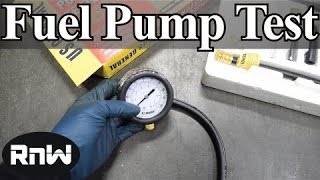
- Test fuel pressure at the rail using a mechanical gauge if your Ford or Hyundai shows P1198; readings below 40 PSI confirm a failing fuel pump or clogged filter.
- Replace the $40 radiator temperature sensor on Chrysler, Dodge, or Jeep vehicles if P1198 appears alongside a constantly running cooling fan.
What Does P1198 Mean?

P1198 is a manufacturer-specific code with entirely different definitions based on your vehicle's make. It indicates a fuel pump underfueling issue (Ford/Hyundai), an O2 sensor heater circuit electrical fault (Audi/VW), a high voltage reading from the radiator temperature sensor (Chrysler), or a differential pressure sensor fault (BMW).
Technical definition: The formal definition of P1198 varies by manufacturer. Common definitions include: 'Pump Rotor Control Underfueling' (Ford, Mercury, Peugeot, Hyundai), 'O2 Sensor Heater Circuit, Bank 1 Sensor 2 Electrical Malfunction' (Audi, Volkswagen, Volvo), 'Radiator Temperature Sensor Voltage Too High' (Chrysler, Dodge, Jeep), 'Exhaust Gas Temperature Sensor 5 Performance' (Chevrolet), and 'Differential Pressure Sensor Intake Manifold Signal' (BMW).
Can I Drive With P1198?
Yes, But With Caution. Driving is possible for short distances, but not recommended. Depending on the cause, you will experience stalling, severe power loss, and poor fuel economy. Continued driving with a fuel pressure issue causes engine damage from a lean condition, while a sensor heater fault destroys the catalytic converter over time—a $1,000 to $2,500 repair. Address the code promptly to avoid escalating costs.
Common Causes

- Faulty Oxygen (O2) Sensor or Heater Circuit (Very Common) — On European vehicles like Audi and VW, this code triggers when the heater circuit for the downstream (post-catalytic converter) O2 sensor malfunctions, or the sensor itself fails.
- Failing Fuel Pump or Clogged Fuel Filter (Common) — On Ford, Hyundai, and Peugeot, P1198 means the fuel pump is not providing enough fuel pressure due to a weak high-pressure pump, a failing in-tank lift pump, or a clogged filter.
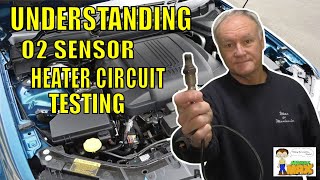
- Blown Fuse for Sensor Heater Circuit (Common) — Before replacing an O2 sensor for a heater circuit fault, check the associated fuse. A simple blown fuse triggers this code and costs less than $5 to fix. 🎬 Watch: How to test and diagnose O2 sensor heater circuits.
- Faulty Radiator/Coolant Temperature Sensor (Common) — For Chrysler, Dodge, and Jeep vehicles, this code indicates the sensor monitoring radiator temperature is sending a voltage signal that is too high, usually due to a bad sensor. 🎬 See this step-by-step coolant temperature sensor replacement guide.
- Clogged or Dirty Mass Airflow (MAF) Sensor (Less Common) — A dirty MAF sensor provides incorrect airflow readings to the engine computer, triggering this code on makes like BMW and Mercedes-Benz.
- Vacuum Leaks in the Intake System (Less Common) — Cracked hoses in the air intake system allow unmetered air to enter the engine, throwing off the air-fuel ratio and triggering fuel-related faults.
- Faulty Fuel Pump Driver Module (FPDM) (Less Common) — For 'Underfueling' codes, the module controlling the fuel pump's speed and voltage fails, leading to low pressure even if the pump itself is functional.
- Wiring or Connector Issues (Less Common) — Damaged wires, corroded connectors, or a poor ground connection to any related sensors (O2, MAF, Fuel Pump, Coolant Temp) cause this fault.
- Faulty Exhaust Gas Temperature (EGT) Sensor (Rare) — On Chevrolet Duramax diesel models, P1198 indicates a performance problem with EGT sensor 5 located in the exhaust system.
- Faulty Fuel Pre-Heater (Diesel Models) (Rare) — On Peugeot/Citroën 2.0 HDI engines, a malfunctioning fuel pre-heater tricks the ECU into thinking there is a fuel pressure issue under acceleration.
Symptoms

- Check Engine Light is On — The Malfunction Indicator Lamp (MIL) illuminates on your dashboard.
- Reduced Engine Power and Acceleration — The vehicle feels sluggish, hesitates, or enters 'limp mode' with severely restricted power under load.
- Rough or Unstable Idle — The engine runs unevenly, shakes, or stalls when the vehicle is stopped.
- Increased Fuel Consumption — Gas mileage drops by 10-20% because the engine is not running efficiently.
- Difficulty Starting the Engine — The engine takes longer than usual to start or fails to start entirely, specifically with fuel pressure-related issues.
- Rotten Egg Smell from Exhaust — If the code relates to a faulty O2 sensor, a failing catalytic converter produces a sulfurous smell from the exhaust.
Diagnostic Flowchart
Tap your situation to follow the diagnostic path that matches what you're seeing on this code.
Common Fixes & Costs
- Replace Oxygen (O2) Sensor — Parts: $50-$250, Labor: $100-$200, ~0.8 hr book time (Intermediate)
- Replace Fuel Pump Assembly — Parts: $200-$800, Labor: $300-$800, ~2.5 hr book time (Professional)
- Replace Engine Coolant/Radiator Temperature Sensor — Parts: $25-$80, Labor: $100-$200, ~0.7 hr book time (Intermediate)
- Replace Clogged Fuel Filter — Parts: $20-$120, Labor: $80-$200, ~1.0 hr book time (DIY)
- Replace Mass Airflow (MAF) Sensor — Parts: $100-$400, Labor: $100-$200, ~0.5 hr book time (DIY)
- Replace BMW Differential Pressure Sensor — Parts: $80-$150, Labor: $120-$250, ~0.6 hr book time (Intermediate)
- Replace Exhaust Gas Temperature (EGT) Sensor — Parts: $80-$250, Labor: $150-$300, ~1.2 hr book time (Intermediate)
- Repair Wiring Harness or Replace Connector — Parts: $10-$50, Labor: $150-$500, ~2.0 hr book time (Professional)
Used vs. New Parts: Buying Guide
When a used part is worth it: For electronic sensors (O2, MAF) or fuel pumps, buying new is mandatory. Used sensors have an unknown lifespan and cause persistent issues. The savings never justify the risk of repeat labor costs.
Donor-vehicle mileage cap: roughly under 50000 miles for the part to have meaningful remaining life.
Donor quality checklist:
- Verify the donor vehicle's mileage and reason for being scrapped.
- Avoid parts from vehicles with flood, fire, or major engine damage.
- Match the OEM part number exactly; superseded parts have different connectors.
Decision logic:
- If The part is an electronic sensor (O2, MAF, Coolant Temp) or a fuel pump. → Buy a new, quality aftermarket (Bosch, Denso, NTK) or OEM part. The failure rate of cheap, unbranded online parts is extremely high.
- If The vehicle is over 150,000 miles and the budget is extremely tight. → A used part from a low-mileage donor is a gamble, but serves as a temporary solution.
- If The part is a simple mechanical component with no electronics (e.g., a hose). → A used part in good visual condition is acceptable.
Warranty tradeoff: Used parts typically have a 30-day warranty covering the part only. New aftermarket parts offer a 1-year to limited lifetime warranty.
Worst-case if a used part fails: 400-800 if a used fuel pump fails after installation, requiring repeat labor costs plus the price of another part.
What Happens If You Wait — Timeline
- 0-2 weeks: Check Engine Light is on. For O2 heater faults, there are no noticeable symptoms. For fuel issues, a slight hesitation or rough idle occurs when cold. (MPG impact: 0-5%% · Added cost: $0)
- 2 weeks - 3 months: MPG loss becomes noticeable. The engine runs consistently rich (for O2 fault) or lean (for fuel fault). Hesitation and rough idle become frequent. (MPG impact: 5-15%% · Added cost: $50-200 in wasted fuel)
- 3-8 months: Catalytic converter suffers damage. A rich condition melts the catalyst substrate, while a lean condition causes overheating. You notice a rotten egg smell. (MPG impact: 10-20%% · Added cost: $1000-2500 (catalytic converter replacement needed))
- 8+ months: Severe engine damage occurs. A prolonged lean condition burns pistons or valves. A clogged catalytic converter creates extreme backpressure, leading to stalling. (MPG impact: 20-30%+% · Added cost: $2500-6000 (includes catalytic converter and engine repairs))
Cost of Not Fixing It
- 0-1 month: Noticeable drop in fuel economy (10-20%) and poor engine performance including hesitation and rough idle. (Added cost: 50-150 in wasted fuel)
- 1-6 months: If caused by an O2 heater fault, the catalytic converter sustains damage from operating with an incorrect air-fuel ratio. If a fuel pressure issue, the engine suffers damage from running lean. (Added cost: 1000-2500 for catalytic converter replacement)
- 6+ months: Severe and irreversible engine damage (burned valves, damaged pistons) from a prolonged lean condition. Complete catalytic converter failure is guaranteed. (Added cost: 2500-6000 for major engine repairs and exhaust system replacement)
Diagnosis Steps

- Identify Your Vehicle's Definition for P1198
This is the most critical step. Perform an internet search for 'P1198 [Your Car Make]' (e.g., 'P1198 Ford'). This dictates whether you are diagnosing a fuel pump, oxygen sensor, temperature sensor, or exhaust sensor.
Tools: Smartphone or Computer (Beginner) - Read the Code and Freeze Frame Data
Use an OBD-II scanner to confirm P1198 is active. Review the freeze frame data to see the engine speed, temperature, and load when the code set.
Tools: OBD-II Scanner (Beginner) - Check Fuses and Relays
If the code relates to a heater circuit (O2 sensor) or fuel pump, inspect the corresponding fuses and relays in the fuse box. A blown fuse is the cheapest and easiest fix.
Tools: Vehicle Owner's Manual, Fuse Puller (Beginner) - Perform a Thorough Visual Inspection
Check the air intake for loose hoses. Inspect wiring harnesses for damage, fraying, or corrosion near the relevant sensors (O2, MAF, EGT, Coolant Temp) and fuel pump.
Tools: Flashlight (Beginner) - Test Fuel Pressure (If 'Underfueling' Code)
Connect a fuel pressure gauge to the fuel rail. Pressure should be 40-60 PSI at idle for port-injected engines. Low pressure confirms a weak pump, clogged filter, or faulty regulator.
Tools: Fuel Pressure Gauge (Intermediate) - [ADVANCED] Test O2 Sensor Heater Resistance (Audi/VW)
Disconnect the downstream O2 sensor and use a multimeter set to Ohms. Measure resistance between the two heater pins. A good sensor reads 3-25 ohms cold. A reading of 'OL' means the heater is burned out.
Tools: Multimeter, Wiring Diagram (Advanced) - [ADVANCED] Test Radiator Temp Sensor Voltage (Chrysler/Dodge)
Check the sensor's signal voltage with the key on, engine off. At normal operating temperature (180°F), the 5V reference signal should drop to around 0.5V. If it stays near 5V, the sensor is faulty.
Tools: Multimeter with back-probe pins (Advanced) - [PRO TIP] Analyze Live Sensor Data
For 'Underfueling' codes, monitor the Fuel Pump Duty Cycle PID. A high duty cycle (>80%) with low actual fuel pressure proves the pump is failing or restricted.
Tools: Advanced OBD-II Scanner with Live Data (Advanced) - [PRO TIP] Perform a Voltage Drop Test
For heater circuit or pump control faults, measure the voltage drop across the active circuit. A drop of more than 0.5 volts indicates excessive resistance in the wiring that must be repaired.
Tools: Multimeter (Advanced)
When This Code Triggers (Freeze-Frame Conditions)
- Engine Coolant Temp: 180-200°F (82-93°C) (The fault appears once the engine is fully warmed up and enters closed-loop fuel control.)
- Engine Load: 25-60% (The code sets under a moderate engine load, where the fuel or sensor systems are actively monitored.)
- Vehicle Speed: 40-65 mph (65-105 kph) (Highway or steady suburban driving conditions are common scenarios for the ECU to run the diagnostic tests that trigger this code.)
- RPM: 1500-3000 RPM (Triggered during steady-state cruising or light acceleration, rarely at idle or full throttle.)
Related Codes
- P0087 — Fuel Rail/System Pressure - Too Low. If P0087 appears with the 'Underfueling' version of P1198, it confirms a physical pressure loss. Diagnose the entire fuel system, paying close attention to the fuel pump driver module.
- P0171 — System Too Lean (Bank 1). This is a direct consequence of the 'Underfueling' version of P1198. P1198 indicates the cause (lack of fuel), while P0171 indicates the result (lean mixture).
- P0141 — O2 Sensor Heater Circuit Malfunction (Bank 1 Sensor 2). This is the generic equivalent for the Audi/VW definition of P1198. Seeing both strongly confirms an electrical fault in the downstream O2 sensor's heater.
- P1127 — Long Term Fuel Trim B1 System Too Rich. On VW/Audi vehicles, this code accompanies an O2 sensor heater fault (P1198). The faulty sensor reading causes the ECU to incorrectly enrich the fuel mixture.
Climate & Environmental Factors
- Cold Weather: Cold temperatures force O2 sensor heaters to work harder to reach their 600°F operating temperature. This thermal stress accelerates the failure of the heater element. For diesel models, cold causes fuel gelling, mimicking an underfueling condition.
- High Humidity & Rain: Moisture penetrates wiring connectors and fuse boxes, causing corrosion and electrical shorts. This is the primary cause of intermittent sensor faults and heater circuit malfunctions.
How to Talk to a Mechanic About This Code
Say this: "I have a check engine light and my scanner is showing code P1198. For my [car's make/model], I believe this means [specific definition, e.g., 'O2 sensor heater fault' or 'fuel pump underfueling']. I'd like to schedule a diagnostic to confirm the cause. Please start by [specific first step, e.g., 'checking the O2 heater fuse and wiring' or 'testing the fuel pressure at the rail']."
This signals you understand the code is manufacturer-specific. It directs the mechanic to the most likely cause, saving diagnostic time and preventing them from starting a broad, expensive investigation.
Avoid saying:
- 'My check engine light is on, can you look at it?' (This invites a wide-ranging, costly diagnostic process).
- 'Just fix whatever's wrong.' (This gives the shop a blank check to replace parts without your approval).
- 'My friend says it's probably the...' (This undermines the mechanic's diagnostic process; present the code and your research instead).
Questions to ask before authorizing the repair:
- Can you provide a written estimate that breaks down parts and labor costs?
- Based on your diagnosis, what specific tests confirmed this part has failed?
- Are there other options, like repairing a wire instead of replacing a whole harness?
- What is the warranty on the parts and the labor for this repair?
- Will you call me for approval if you find anything else or if the cost exceeds this estimate?
Where to Take It: Dealer vs Independent vs Chain
- Dealer:
Best for: Vehicles still under powertrain or emissions warranty., Complex manufacturer-specific quirks (e.g., Peugeot fuel pre-heater, BMW differential pressure sensor)., Confirmed recall-related issues, like the Hyundai HPFP.
Downsides: Highest labor rates, often $150-$250 per hour., Defaults to replacing entire assemblies rather than repairing smaller components. (Typical cost: +50% vs. baseline) - Independent Shop:
Best overall fit for most P1198 scenarios, especially on vehicles older than 5 years. A good independent shop provides the best balance of expertise and value.
Best for: Out-of-warranty vehicles where cost is a factor., Common, well-documented versions of P1198 (e.g., Audi/VW O2 sensor, Ford underfueling)., Owners who want a direct relationship with their technician.
Downsides: Quality and expertise vary widely; look for ASE certification., Lacks the very latest proprietary diagnostic tools for brand-new models. (Typical cost: +0% vs. baseline) - Chain Shop:
High risk for initial diagnosis. Because P1198 has so many possible meanings, a chain shop is likely to misdiagnose or replace unnecessary parts.
Best for: Simple, clear-cut part replacements where the diagnosis is already certain.
Downsides: High pressure to upsell services; technicians are less experienced with complex diagnostics., Not equipped or trained for manufacturer-specific quirks, leading to misdiagnosis. (Typical cost: -10% vs. baseline)
When to Walk Away From the Repair
If the estimated repair cost exceeds 40-50% of the car's private-party value, it is time to seriously consider selling or trading it in.
- Car worth $4000, fix is $2200: Walk away. The repair cost is over 50% of the car's value. This money is better used as a down payment on a more reliable vehicle.
- Car worth $12000, fix is $1500: Fix it. The repair is well below the 50% threshold and is a cost-effective way to keep a valuable car running.
- Car worth $3000, fix is $800: Borderline. If the car is otherwise reliable, the repair is worth it. Get a second opinion before proceeding.
What Scan Tool You Need for This Code
Minimum: A scanner that reads manufacturer-specific codes and displays live data streams (e.g., O2 sensor voltage, fuel pressure, coolant temperature).
A basic $20 code reader only shows 'P1198' but won't tell you what it means for your specific car or show the live data needed to find the root cause. You will be guessing, leading to wasted money on unneeded parts.
Budget: BlueDriver Pro (~$120) — Reads manufacturer-specific P1198 definitions, graphs live data for O2 sensors and fuel pressure, and checks emissions readiness. It is an excellent tool for DIY diagnosis.
Mid-range: Foxwell NT510 Elite (~$180) — Includes all budget pick features plus bi-directional controls. This allows you to command components like the fuel pump to run, helping to isolate electrical vs. mechanical failures.
Professional: Autel MaxiCOM MK808S (~$450) — Full bi-directional control for all vehicle systems. You can command fuel pump duty cycles, run EVAP tests, and perform system resets. This is a professional-level tool.
Rent vs buy: For a one-time diagnosis, auto parts stores like AutoZone have a loaner tool program. You pay a deposit, which is fully refunded when you return it. However, these loaner tools are often basic and lack live data.
How to Clear the Code After You Fix It
- Use an OBD-II scan tool to clear the fault codes.
- Ensure the fuel tank is between 35% and 85% full for the EVAP monitor to run.
- Perform a complete drive cycle to allow all readiness monitors to set.
Drive cycle (~30 minutes): Start with a cold engine. Idle for 3 minutes with the A/C on. Drive for 15 minutes in stop-and-go city conditions. Include at least 5 minutes of steady highway driving at 55-60 mph.
Readiness monitors affected: Catalyst (CAT) monitor, Oxygen (O2) Sensor monitor, O2 Sensor Heater monitor, Evaporative (EVAP) System monitor
Before emissions retest: drive at least 100 miles to fully set monitors.
Watch out for:
- Disconnecting the battery clears the code but resets all readiness monitors, guaranteeing an emissions test failure.
- The code returns immediately if the underlying mechanical or electrical fault is not properly fixed.
- Steady highway driving alone will not complete the drive cycle; varied stop-and-go conditions are required.
Will This Fail Emissions / State Inspection?
Yes — this code typically fails an OBD-II emissions inspection.
- California: An active Check Engine Light is an automatic failure. After repair, all readiness monitors must be 'Ready' before the vehicle passes the OBD-II test.
- New York: NYS inspections include an OBD-II check. An illuminated Check Engine light causes an automatic failure.
- Texas: In the 17 counties requiring emissions testing, an illuminated MIL results in a failed inspection. The vehicle cannot pass until the issue is repaired.
Most Commonly Affected Vehicles
- Audi A4, A6 (1997-2008) — Prone to O2 sensor heater circuit failures for the post-catalyst sensor (Bank 1, Sensor 2). Always check the fuse before replacing the sensor.
- Ford Focus, Mondeo, F-150 (1998-2012) — Commonly experiences the 'Pump Rotor Control Underfueling' issue. On 1.0L EcoBoost engines, high-pressure fuel delivery issues are a known problem.
- BMW 3 Series (E46), 5 Series (E39) (1998-2006) — Often related to a 'Differential Pressure Sensor Intake Manifold' fault. Requires testing the sensor and its associated hoses for leaks or blockages.
- Chrysler/Dodge/Jeep Various Models w/ 2.7L, 3.5L, 4.7L engines (2000-2010) — Known for the 'Radiator Temperature Sensor Voltage Too High' definition of P1198. The sensor or its wiring is the culprit.
- Volkswagen Golf, Jetta, Beetle, Passat (1999-2010) — Frequently triggered by a 'Heater Circuit Malfunction' for the Bank 1, Sensor 2 oxygen sensor. Often appears with a rich fuel trim code like P1127.
- Hyundai Elantra, Sonata, Veloster N, Kona N (2000-2010, 2019-2023) — Older models experience 'Pump Rotor Control Underfueling.' Newer performance 'N' models are subject to a recall for failing high-pressure fuel pumps.
- Chevrolet Silverado, Sierra (with Duramax diesel) (2011-2016) — Triggered by a faulty Exhaust Gas Temperature (EGT) sensor, specifically 'EGT Sensor 5 Performance'. Diagnosis requires testing the sensor and wiring.
- Peugeot / Citroën 307, C4 (with 2.0 HDI Siemens system) (2001-2009) — Linked to 'Diesel high pressure monitoring'. A faulty fuel pre-heater causes the code under hard acceleration, mimicking a bad high-pressure pump.
Manufacturer-Specific Notes

- Ford / Mercury / Hyundai: P1198 specifically means 'Pump Rotor Control Underfueling,' pointing directly to a lack of fuel delivery from the high-pressure pump, the in-tank lift pump, or the control module.
- Audi / Volkswagen / Volvo: P1198 indicates an 'O2 Sensor Heater Circuit Electrical Malfunction', almost always for the sensor located after the catalytic converter (Bank 1, Sensor 2). Always check fuses before replacing the sensor.
- Chrysler / Dodge / Jeep: The code is defined as 'Radiator Temperature Sensor Voltage Too High,' indicating a problem with the coolant temperature sensor circuit, not the fuel or exhaust system.
- Peugeot / Citroën (Diesel): A unique quirk is that a faulty fuel pre-heater overheats the diesel fuel, causing a drop in pressure under load and triggering this code, mimicking a failing high-pressure pump.
- BMW: P1198 is 'Differential Pressure Sensor Intake Manifold Signal'. The fault is often caused by a cracked rubber hose connected to the sensor, not the sensor itself.
- Hyundai (Recall): Hyundai issued recall 262 (NHTSA Campaign 24V-504) for 2019-2023 Veloster N, Elantra N, Kona N, and Genesis G70 models due to a failing high-pressure fuel pump (HPFP).
Real Owner Stories
Citroën C4 2.0 HDI with limp mode under acceleration
For 6 months, the car went into limp mode with code P1198 when accelerating hard. Multiple mechanics suggested replacing the high-pressure fuel pump after replacing the regulator failed to fix it.
What they tried:
- Diesel specialist checked injectors.
- Logged data during acceleration, showing the high-pressure pump delivered enough pressure.
- Replaced the Fuel Pressure Regulator with an OEM VDO part.
Outcome: The owner noticed a diesel purge can got extremely hot. Suspecting a temperature issue, they disconnected the Fuel Pre-heater. The P1198 code and limp mode disappeared completely.
Lesson: On Peugeot/Citroën HDI engines, a faulty fuel pre-heater overheats the fuel, causing a pressure drop that mimics a failing high-pressure pump. Check this before authorizing an expensive pump replacement.
2009 BMW 328i (N51) with multiple rich codes and hesitation
After a DIY valve cover and PCV valve replacement, the car developed a rough idle, jerky shifts, and threw codes P0172, P0175 (System Too Rich) and P1105 (Manifold Differential Pressure).
What they tried:
- Verified no vacuum leaks with a smoke machine.
- Reset valvetronic and transmission adaptations.
- Suspected the cheap eBay PCV diaphragm used in the repair was the culprit.
Outcome: The issue started immediately after a specific repair. The combination of rich codes and the differential pressure sensor code pointed to a problem in the intake/PCV system introduced by the cheap aftermarket part.
Lesson: If a code appears right after a repair, scrutinize the work just performed. Using cheap, non-OEM parts for critical systems like the PCV introduces new problems.
2014 Chrysler 200 with P0128, fan running constantly
The cooling fan ran constantly, even in cold weather. The code was P0128, but forum posts suggested a related issue triggers P1198 on other Chrysler models.
What they tried:
- Replaced the coolant temperature sensor as the first, cheapest step, even though the dashboard gauge showed a normal temperature.
Outcome: While it didn't fix the P0128 in this specific instance, for the P1198 'Radiator Temperature Sensor Voltage Too High' variant on Chryslers, replacing the sensor is the exact correct fix.
Lesson: On Chrysler/Dodge vehicles, cooling fans running erratically alongside a high voltage code point directly to a faulty coolant temperature sensor, not a complex cooling system failure.
How to Prevent This Code From Triggering
- Use Top Tier certified gasoline (Every fill-up) — Higher levels of detergents prevent carbon deposits on fuel injectors and intake valves. Clogged injectors lead to lean conditions and underfueling codes.
- Replace engine air filter at recommended intervals (Per owner's manual (typically 15k-30k miles)) — A clogged air filter restricts airflow, forcing the MAF sensor to provide inaccurate readings and triggering airflow-related P1198 codes on BMW and Mercedes.
- Perform regular oil changes with quality synthetic oil (Per owner's manual (typically 5k-10k miles)) — Clean oil prevents sludge that clogs PCV systems (a cause on BMWs) and prevents oil leaks that contaminate O2 sensor wiring.
- Keep the fuel tank at least 1/4 full (Daily habit) — Fuel cools the electric fuel pump. Running the tank low repeatedly causes the pump to overheat, shortening its life and triggering underfueling codes.
- Address engine misfires and fluid leaks immediately (As needed) — Unburned fuel from misfires and contaminants from leaks quickly destroy O2 sensors and catalytic converters, leading to heater circuit faults.
Frequently Asked Questions
What is the #1 misdiagnosis for P1198?
The biggest mistake is failing to look up the vehicle-specific definition and assuming it is a fuel problem. Technicians replace fuel pumps on Chryslers when the code actually points to a $40 coolant sensor. Another error is replacing an O2 sensor without checking its dedicated heater fuse first.
Can I fix a P1198 code myself?
It depends entirely on the cause. Replacing an accessible coolant sensor or checking a fuse is highly DIY-friendly. However, replacing an in-tank fuel pump or diagnosing complex electrical shorts requires professional tools and experience.
My scanner says 'Bank 1, Sensor 2'. What does that mean?
'Bank 1' is the side of the engine containing cylinder #1. 'Sensor 2' is the downstream oxygen sensor located in the exhaust stream after the catalytic converter. Its primary job is to monitor the converter's efficiency.
Will clearing the code make it go away?
Clearing the code turns off the Check Engine Light temporarily. The code returns as soon as the PCM runs its diagnostic test and detects the underlying mechanical or electrical problem is still present.
Can a bad gas cap cause code P1198?
No, a loose gas cap does not cause a P1198 code. It triggers codes related to the evaporative emission (EVAP) system, such as P0455 or P0457.
What happens if I ignore a P1198 code?
If it is a fuel issue, you risk severe engine damage from running lean. If it is an O2 sensor heater issue, you will destroy your catalytic converter, resulting in a multi-thousand dollar repair. If it is a coolant sensor issue, your engine overheats without warning.
Why is the repair cost so different for the same code?
P1198 has drastically different meanings across manufacturers. Replacing a $40 coolant sensor on a Dodge is much cheaper than replacing a $1,500 high-pressure fuel pump on a Ford. The final cost depends entirely on your specific vehicle's definition.
I have the O2 sensor heater code. Should I replace the pre-catalyst or post-catalyst sensor?
The definition for P1198 on VW and Audi almost always refers to the post-catalyst (downstream) sensor, which is Bank 1, Sensor 2. Always verify with your specific vehicle's service manual to avoid replacing the wrong sensor.
Key Takeaways
- Search 'P1198 + [Your Vehicle Make]' immediately, as this manufacturer-specific code means 'O2 Sensor Heater Fault' on an Audi but 'Fuel Pump Underfueling' on a Ford.
- Check the dedicated O2 sensor heater fuse before replacing any oxygen sensors on VW or Audi vehicles to avoid wasting $150 to $450 on an unnecessary repair.
- Test fuel pressure at the rail using a mechanical gauge if your Ford or Hyundai shows P1198; readings below 40 PSI confirm a failing fuel pump or clogged filter.
- Replace the $40 radiator temperature sensor on Chrysler, Dodge, or Jeep vehicles if P1198 appears alongside a constantly running cooling fan.
Helpful Videos


The information in this article is provided for general reference and educational purposes only. Vehicle specifications, procedures, and part compatibility can vary by production date, trim level, and region. Always consult your vehicle's factory service manual and verify part numbers before purchasing or performing repairs. Safety-critical components such as airbags, seat belts, and braking systems should be installed by a qualified professional.
- 🎬 Helpful Videos
- What Does P1198 Mean?
- Can I Drive With P1198?
- Common Causes
- Symptoms
- Diagnostic Flowchart
- Common Fixes & Costs
- Used vs. New Parts: Buying Guide
- What Happens If You Wait — Timeline
- Cost of Not Fixing It
- Diagnosis Steps
- When This Code Triggers (Freeze-Frame Conditions)
- Related Codes
- Climate & Environmental Factors
- How to Talk to a Mechanic About This Code
- Where to Take It: Dealer vs Independent vs Chain
- When to Walk Away From the Repair
- What Scan Tool You Need for This Code
- How to Clear the Code After You Fix It
- Will This Fail Emissions / State Inspection?
- Most Commonly Affected Vehicles
- Manufacturer-Specific Notes
- Real Owner Stories
- Citroën C4 2.0 HDI with limp mode under acceleration
- 2009 BMW 328i (N51) with multiple rich codes and hesitation
- 2014 Chrysler 200 with P0128, fan running constantly
- How to Prevent This Code From Triggering
- Frequently Asked Questions
- What is the #1 misdiagnosis for P1198?
- Can I fix a P1198 code myself?
- My scanner says 'Bank 1, Sensor 2'. What does that mean?
- Will clearing the code make it go away?
- Can a bad gas cap cause code P1198?
- What happens if I ignore a P1198 code?
- Why is the repair cost so different for the same code?
- I have the O2 sensor heater code. Should I replace the pre-catalyst or post-catalyst sensor?
- Key Takeaways
- 🎟️ Get 5% Off