

P1197 on 2010-2012 Audi A6: O2 Sensor Heater Circuit Malfunction Causes and Fixes
On a 2010-2012 Audi A6, code P1197 points to an electrical malfunction in the heater circuit for the Bank 2, Sensor 1 oxygen sensor. This sensor is the 'upstream' sensor on the driver's side of the engine (for LHD vehicles). The most common fix is replacing the sensor itself, which costs between $70 for an aftermarket part and $180 for an OEM version. However, checking the dedicated fuse in the engine bay fuse box is a critical first step.
- P1197 specifically points to a problem with the heater in the upstream oxygen sensor on Bank 2 (driver's side on LHD cars).
- The most likely cause is a failed oxygen sensor, but a blown fuse in the engine bay fuse box is a very common and cheaper-to-fix alternative.
- Diagnosis is straightforward with a multimeter by checking the fuse, then the resistance of the sensor's heater circuit.
- Driving with this code won't cause immediate damage, but it will negatively affect fuel economy and emissions, especially during cold starts.
- Always verify you are working on the correct sensor: Bank 2 (opposite cylinder #1) and Sensor 1 (pre-catalytic converter).
What's Unique About the 2010-2012 Audi A6
The 2010-2012 Audi A6 range spans two different vehicle generations: the C6 (2010-2011) and the C7 (2012). While the code's meaning is consistent, the specific engines (e.g., 3.2L FSI V6, 3.0T FSI Supercharged V6) may have different part numbers and sensor locations. For these V6 engines in left-hand-drive vehicles, Bank 2 is the driver's side. Audi issued a Technical Service Bulletin (TSB #01139020337671) for 2010-2012 models with the 3.0L and 3.2L engines related to this fault, indicating it was a recognized issue. The TSB is a 'Repair Authorization', meaning it provides a standard procedure for diagnosis and repair, not just data collection.
Diagnostic Flowchart
Tap your situation to follow the diagnostic path that matches what you're seeing on this vehicle.
Generation note: The 2010-2011 models are the C6 generation, while the 2012 model is the first year of the C7 generation. While the P1197 code applies to both, always verify the correct oxygen sensor part number for your specific year and engine, as they may differ between generations. Access to the Bank 2 sensor on the 3.2L engine involves moving the coolant expansion tank.
🎬 Watch: How to access and replace the sensor on a C7Symptoms You May Notice
- Check Engine Light (Malfunction Indicator Lamp or MIL) is on.
- Slightly increased fuel consumption.
- Rough idle or hesitant acceleration, especially when the engine is cold.
- Failing a vehicle emissions test.
- Noticeable fuel smell from the exhaust on startup due to a rich fuel mixture.
- Replacing the wrong oxygen sensor (e.g., replacing the post-catalyst Sensor 2 instead of the pre-catalyst Sensor 1, or replacing the sensor on Bank 1 instead of Bank 2).
- Overlooking the dedicated O2 sensor heater fuse in the engine bay fuse box and only checking interior fuses.
- Condemning the sensor without testing the wiring and fuse first. If multiple heater codes (like P1196 and P1197) appear simultaneously, a shared power source like a fuse is a more likely culprit than two sensors failing at the exact same time.
Most Likely Causes
- Failed Oxygen Sensor (Bank 2, Sensor 1) 🔴 High Probability The internal heating element of the sensor is a common failure point due to age and constant exposure to extreme heat cycles. Contamination from oil or coolant leaks can also damage the sensor.
How to confirm: Disconnect the sensor and measure the resistance between the two heater circuit pins (often the two wires of the same color, e.g., white). A good sensor typically has a resistance between 2 and 30 Ohms. An infinite resistance reading (open circuit) or zero resistance (short circuit) confirms the heater element has failed. 🎬 See this video for a deep dive into testing heater circuits
Typical fix: Replace the Bank 2, Sensor 1 oxygen sensor. Using an OEM-spec sensor (like Bosch) is highly recommended, as some universal sensors have been reported to cause issues.
Est. part cost: $70-$180 - Blown Fuse for O2 Sensor Heater 🟡 Medium Probability A short circuit in the sensor's heating element or its wiring can cause the dedicated fuse to blow as a protective measure.
How to confirm: Check the fuse for the oxygen sensor heater circuit. This is often NOT in the cabin fuse panels. Look in the engine bay fuse/relay box, which is typically a triangular or rectangular waterproof box located near the coolant expansion tank. In some C6/C7 models, this may be a 15A fuse labeled 'Z19 - Lambda probe heater' or similar. A user on a Ross-Tech forum found a blown 5A fuse for a similar circuit in this location on a C7. Visually inspect the fuse or test for continuity.
Typical fix: Replace the blown fuse. If the new fuse blows immediately, it indicates a persistent short circuit in the wiring or the sensor itself that must be diagnosed and repaired.
Est. part cost: $1-$10 - Damaged Wiring or Connector 🟡 Medium Probability The wiring harness is located in the hot engine bay and under the vehicle, making it susceptible to heat damage, fraying, or corrosion from road salt and moisture. The plastic connectors can also become brittle and break.
How to confirm: Visually inspect the wiring harness and connector leading to the O2 sensor for any signs of melting, chafing, or broken wires. Check the connector pins for corrosion, moisture, or oil contamination. Perform a voltage and ground test at the harness-side connector with the key on.
Typical fix: Repair the damaged section of the wiring harness or clean/replace the connector.
Est. part cost: $5-$50
Rare But Worth Checking
- Faulty Engine Control Module (ECM): This is very rare. Before suspecting the ECM, all other possibilities (sensor, wiring, fuses) must be exhaustively ruled out. The TSB for this code requested technicians to contact Audi's technical assistance, which can sometimes point towards more complex issues like ECM driver faults. A shop in one forum thread suspected an ECM issue on a C7 3.0T after replacing parts did not resolve the codes.
Diagnosis Steps
- Confirm the code P1197 is present using an OBD-II scanner. Note any other codes, especially P1196, which would point to a shared power issue.
- Identify Bank 2 on your engine. For LHD (North American/European) models, Bank 2 is the driver's side cylinder bank.
- Locate the fuse for the O2 sensor heater circuit. Check the main fuse box in the engine bay plenum (near the windshield or coolant tank), not just the cabin fuse panels. It may be a 15A or 5A fuse. Replace if blown.
- If the fuse is good, locate Sensor 1 (the pre-catalyst or upstream sensor) on Bank 2. Visually inspect the sensor's wiring harness and connector for any obvious signs of damage, melting, or corrosion.
- If the fuse and wiring appear intact, disconnect the O2 sensor connector.
- Test the sensor's internal heater. Using a multimeter set to Ohms (Ω), measure the resistance between the two heater pins on the sensor side of the connector (often same-colored wires). 🎬 Watch: A quick guide to testing O2 heater resistance A good sensor will typically have a low resistance (e.g., 2-30 ohms). An open circuit (infinite resistance) means the sensor is bad.
- If the sensor's resistance is good, test the circuit. With the ignition on (engine off), use a multimeter to check for battery voltage at the heater power pin on the vehicle's harness connector. Also, check for a good ground on the corresponding ground pin.
- If voltage/ground is missing, the fault is in the vehicle's wiring or ECM. If voltage/ground is present and the sensor's heater circuit is open, the sensor itself is faulty and needs to be replaced.
- When replacing the sensor, use a 22mm slotted oxygen sensor socket to avoid damaging the wire. For the 3.2L engine, access is improved by moving the coolant expansion tank.
Parts You'll Likely Need
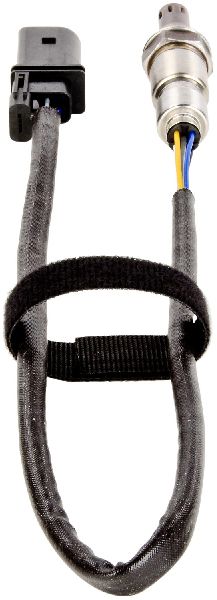
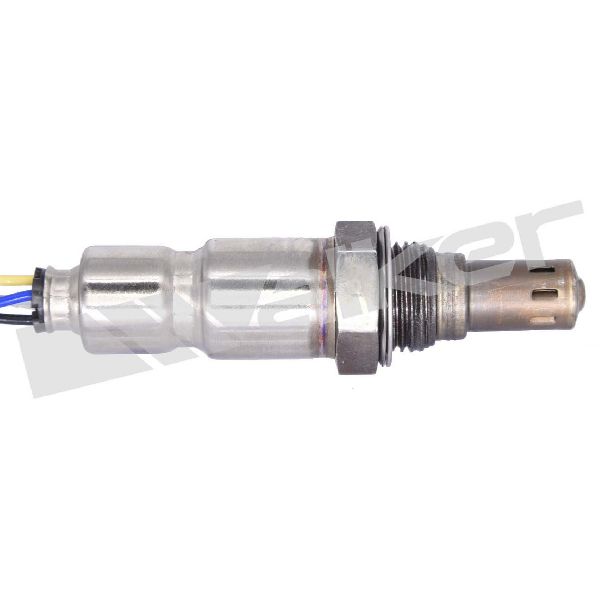
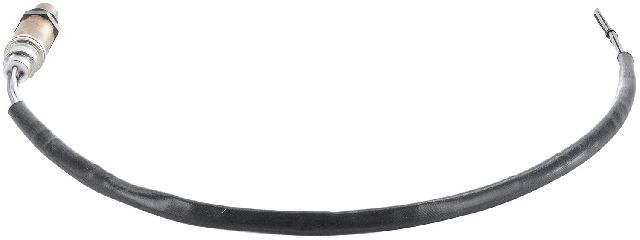
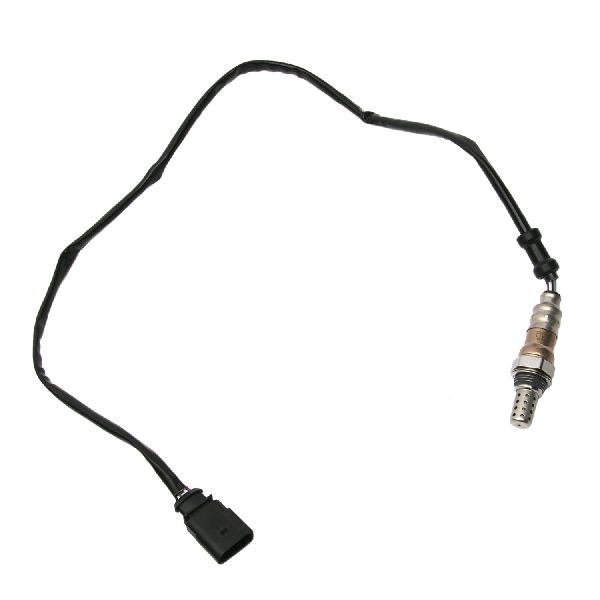
- Oxygen Sensor (Bank 2, Sensor 1)
(OEM #Varies by engine/VIN (e.g., 06E906265S for some 3.0T). Always verify.)— The internal heating element is the most common point of failure for this code.
Trusted brands: Bosch (OEM Manufacturer), Denso, NGK/NTK
OEM price range: $120-$180
Aftermarket price range: $70-$130 - Mini Blade Fuse — If the sensor's heater element shorts out, it will often blow the corresponding fuse in the engine bay fuse box.
Trusted brands: Littelfuse, Bussmann
OEM price range: $1-$5
Aftermarket price range: $0.50
Related Codes That Often Appear With This One
- P1196 — P1196 is the equivalent code for the Bank 1, Sensor 1 heater circuit. Seeing both codes together strongly suggests a shared power or ground issue, such as a blown fuse for the heater circuits, or a problem with the shared relay.
- P0155 — P0155 is the generic SAE equivalent of P1197, also indicating an O2 Sensor Heater Circuit Malfunction for Bank 2, Sensor 1. Some scan tools may display one or both codes.
Technical Service Bulletins (TSBs) & Recalls
- 01139020337671: MIL on (DTC P1196/P1197/P0135, heater circuit fault lambda sensor) - Repair Authorization.
Platform-Specific Known Issues
- Audi issued Technical Service Bulletin #01139020337671, which is a 'Repair Authorization' for DTCs P1196, P1197, and P0135 related to lambda sensor heater circuit faults.
- The fuse for the O2 sensor heater is commonly located in the engine bay fuse box, not the interior panels. Owners often misdiagnose by only checking the cabin fuses.
- On the 3.0T supercharged engine, access to the Bank 2 Sensor 1 can be tight, but is generally achievable from the top of the engine bay after removing some covers.
Mechanic-Grade Diagnostic Values
- O2 Sensor Heater Element Resistance — expected: 2 to 15 Ohms when the sensor is cold.. Failure: An infinite resistance (open circuit) or zero resistance (short circuit) reading indicates a failed heater element.
- Voltage at O2 Sensor Harness Connector (Heater Power Pin) — expected: Battery voltage with ignition on, engine off.. Failure: No voltage indicates a problem with the fuse, relay, or wiring from the power source.
- Wiring Harness Resistance (Sensor Connector to ECM) — expected: Maximum of 1.5 Ohms.. Failure: A higher resistance reading indicates corrosion or a break in the wire, requiring harness repair.
Scan Tool Commands That Help
- VCDS (VAG-COM): Basic Settings - O2 Sensor Heater Test — To command the heater circuit on and monitor its status and current draw directly from the scan tool, verifying ECM control and circuit integrity after checking fuses and wiring.
Wiring & Ground Locations
- SA6 Fuse (C6 Models) — Fuse #6 on fuse holder A, located in the electronics box in the engine bay plenum chamber (near the base of the windshield).. This is the specific 15A fuse labeled 'Z19 - Lambda probe heater' that supplies power to the O2 sensor heater circuits on the C6 generation A6.
- Engine Bay Fuse (C7 Models) — Inside the waterproof fuse/relay box located next to the coolant expansion tank, secured by Torx screws. May be a 5A or 15A fuse.. This is the confirmed location for the sensor heater fuse on the C7 generation. A user fixed a similar heater circuit code by replacing a 5A fuse in this box.
- Sensor Heater Circuit Pins — On the O2 sensor's electrical connector, the two heater circuit wires are typically the same color (e.g., both white or both black). These correspond to pins 3 and 4 in some service literature.. These are the specific pins to use with a multimeter to test the sensor's internal heater resistance.
- Engine Ground Point (C6 3.2L) — A small ground wire attached to one of the bolts on the oil filter housing.. A loose or corroded main engine ground can cause a variety of electrical issues, including sensor faults. This is a known ground point to check during diagnosis.
Real Owner Repair Stories
- Ross-Tech Forums user 'Timb08880' (Audi A6 3.0 TDI C7) — Persistent heater circuit fault code for a NOx sensor (a similar emissions sensor) even after the sensor was replaced.
❌ Tried (didn't work) Replacing the NOx sensor itself.
✅ What actually fixed it The user located and replaced a blown 5-amp fuse in the waterproof engine bay fuse/relay box next to the coolant expansion tank. They specified it was the 6th fuse from the left in a row under a pink holder.
OEM Part Supersession History
06E-906-265-F→06E-906-265-S— Standard part revision and improvement by the manufacturer.
Heads up: Part number 06E906265R is also part of this supersession chain. While physically similar, always use the latest revision (06E906265S) for best results and compatibility.
Model Year Variations Within This Range
- 2010-2011 (C6 Generation): The O2 sensor heater fuse is a 15A fuse designated SA6, located on fuse holder A within the main electronics box in the engine plenum chamber.
- 2012 (C7 Generation): The O2 sensor heater fuse is located in a separate, waterproof fuse/relay box in the engine bay, often near the coolant expansion tank. It may be a 5A or 15A fuse.
Helpful Videos
Used OEM Parts in Stock


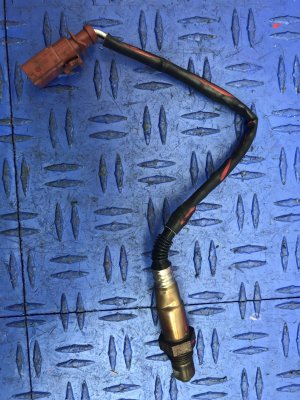
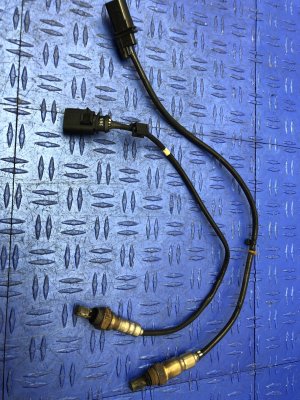
New Aftermarket Parts Available

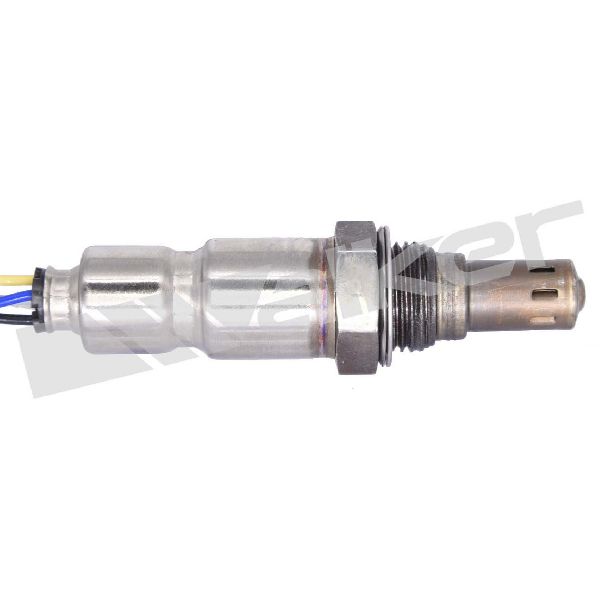

The information in this article is provided for general reference and educational purposes only. Vehicle specifications, procedures, and part compatibility can vary by production date, trim level, and region. Always consult your vehicle's factory service manual and verify part numbers before purchasing or performing repairs. Safety-critical components such as airbags, seat belts, and braking systems should be installed by a qualified professional.
- Audi A6:
- 🎬 Helpful Videos
- 🛍️ Shop This Part
- What's Unique About the 2010-2012 Audi A6
- Diagnostic Flowchart
- Symptoms You May Notice
- Most Likely Causes
- Rare But Worth Checking
- Diagnosis Steps
- Parts You'll Likely Need
- Related Codes That Often Appear With This One
- Technical Service Bulletins (TSBs) & Recalls
- Platform-Specific Known Issues
- Mechanic-Grade Diagnostic Values
- Scan Tool Commands That Help
- Wiring & Ground Locations
- Real Owner Repair Stories
- OEM Part Supersession History
- Model Year Variations Within This Range
- 🎟️ Get 5% Off