

P1196 on 2010-2012 Audi S5: O2 Sensor Heater Circuit Malfunction Causes and Fixes
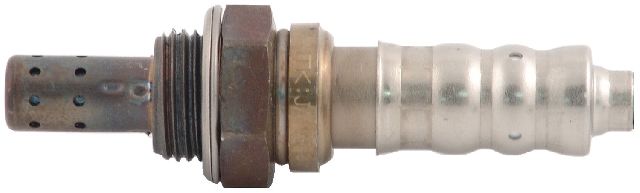
On a 2010-2012 Audi S5, code P1196 indicates an electrical malfunction in the heater circuit of the Bank 1, Sensor 1 oxygen sensor. This is the upstream sensor on the passenger side. The most common fix is replacing the sensor itself. An OEM-quality Bosch sensor (Part No. 17330 for the 4.2L V8) costs about $100-$150, while other aftermarket options can be found for $70-$120. On 3.0L V6 models, this code is frequently caused by an oil leak from the oil filter housing gasket soaking the sensor's w
- P1196 specifically means there's an electrical fault in the heater of the upstream oxygen sensor on the passenger side (Bank 1, Sensor 1).
- The most likely cause is the oxygen sensor itself has failed and needs to be replaced.
- Before buying parts, inspect the wiring and connector for heat damage or oil contamination, especially on the 3.0L V6 engine, as this is a very common failure point.
- For the 4.2L V8, be prepared for a difficult repair due to extremely limited access to the sensor.
- If P1197 (Bank 2) appears at the same time, suspect a common cause like a blown fuse.
What's Unique About the 2010-2012 Audi S5
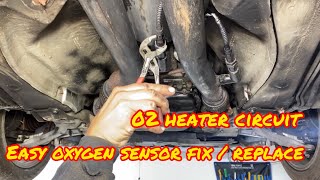
The 2010-2012 Audi S5 was available as a Coupé with a 4.2L V8 (CAUA) engine or a Cabriolet (convertible) with a 3.0L supercharged V6 (CCBA). While both engines can experience this code, the physical location and access to the Bank 1 Sensor 1 (passenger side, upstream) can differ. On the 3.0T V6, oil leaks from the oil filter housing gasket are a known issue that can drip onto the O2 sensor wiring and connector, causing saturation, degradation, and electrical faults that trigger this code. On the 4.2L V8, the sensors are tucked deep at the rear of the engine between the firewall and the block, making access extremely challenging. Many owners report needing to work from above, sometimes kneeling on the intake manifold, using a combination of long extensions, universal joints, and a 22mm (7/8") O2 sensor socket, often working entirely by feel.
🎬 Watch: Accessing the O2 sensors on the 4.2L V8 engineDiagnostic Flowchart
Tap your situation to follow the diagnostic path that matches what you're seeing on this vehicle.
Symptoms You May Notice
- Check Engine Light (MIL) is illuminated
- Increased fuel consumption
- Rough idle or inconsistent engine operation, especially during the cold start catalyst heating phase
- Failing an emissions test
- In some cases, no noticeable symptoms other than the Check Engine Light
- Replacing the wrong oxygen sensor (e.g., the post-cat sensor or the sensor on the driver's side/Bank 2). P1196 is specific to Bank 1, Sensor 1.
- Replacing the sensor without checking for and repairing underlying wiring damage or oil leaks, leading to a repeat failure.
Most Likely Causes
- Failed Bank 1, Sensor 1 Oxygen Sensor 🔴 High Probability Oxygen sensors are wear-and-tear items that degrade over time, typically lasting 60,000-90,000 miles. The internal heating element is often the first part to fail due to repeated heat cycles.
How to confirm: Disconnect the sensor and measure the resistance between the two heater pins (typically the two same-colored wires, often white or black). A healthy Bosch sensor heater should have a low resistance, typically between 2 and 15 ohms when cool. A reading of infinite or very high resistance (over 20 ohms) confirms a burned-out heater element.
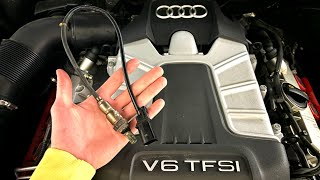
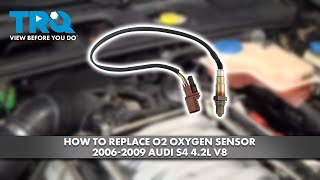
Typical fix: Replace the Bank 1, Sensor 1 (upstream, passenger side) oxygen sensor. It is recommended to use a small amount of anti-seize compound on the threads of the new sensor, being careful not to get any on the sensor tip. 🎬 See this walkthrough for replacing the upstream O2 sensor
Est. part cost: $70-$280 - Damaged Wiring or Connector 🟡 Medium Probability On the 3.0T V6 engine, the oil filter housing gasket can leak oil directly onto the O2 sensor connector, degrading the wiring insulation and causing shorts. On both engines, the wiring is exposed to extreme heat from the exhaust manifolds and can become brittle, melted, or damaged from chafing.
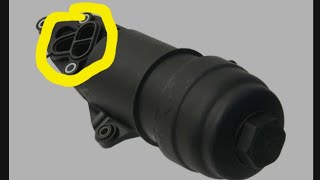
How to confirm: Visually inspect the wiring harness leading to the O2 sensor for any signs of melting, chafing, or oil contamination. Check the connector for corrosion, pushed-out pins, or oil saturation. A video guide on replacing the 3.0T oil filter housing shows how oil from a failed gasket can run down the back of the engine, potentially soaking components below. 🎬 Watch: How to replace the 3.0T oil filter housing gasket
Typical fix: Repair the damaged section of the wiring harness or clean/replace the connector. If oil contamination is from the oil filter housing on a 3.0T, that gasket must also be replaced to prevent a repeat failure. In severe cases of melted wiring, splicing in a new connector pigtail may be necessary.
Est. part cost: $10-$50 for repair materials, or more if the harness needs replacement. - Blown Fuse ⚪ Low Probability
How to confirm: Check the vehicle's fuse boxes for the fuse that supplies power to the O2 sensor heaters. For the B8 platform, this is often located in one of the fuse panels at the ends of the dashboard or in the plenum chamber.
Typical fix: Replace the blown fuse. If the fuse blows again immediately, it indicates a persistent short circuit in the wiring or the sensor itself that must be diagnosed and repaired.
Est. part cost: $1-$5
Rare But Worth Checking
- Failed Engine Control Module (ECM): This is extremely rare. The ECM should only be considered after all other possibilities, including the sensor, wiring, and fuses, have been exhaustively tested and ruled out.
Diagnosis Steps
- Read the fault codes with an OBD-II scanner to confirm P1196 is present and note any other codes. Record the freeze frame data, which shows the engine conditions (RPM, temp, etc.) when the fault occurred.
- Identify the correct sensor: Bank 1 is the passenger side of the engine. Sensor 1 is the upstream sensor, located in the exhaust manifold or downpipe before the catalytic converter.
- Visually inspect the sensor's wiring harness and connector for any signs of damage, melting, or oil contamination. Pay close attention to the area near the oil filter housing on 3.0T V6 models.
- If wiring looks good, disconnect the sensor. Use a multimeter to test the resistance of the heater circuit on the sensor side of the connector (usually pins 1 and 2, often with same-colored wires). A reading of open-circuit/infinite or very high resistance (above 20 ohms) confirms a failed sensor heater. A good sensor should read between 2-15 ohms when at ambient temperature.
- If the sensor's resistance is good, check for power at the heater circuit pins on the harness side of the connector. First, clear any fault codes, as the ECM may disable the circuit if a fault is active. With the ignition on (engine off), one pin should have battery voltage.
- If power is present and the sensor tests good, the issue is likely in the ground control wire leading back to the ECM or, very rarely, the ECM driver itself.
- If no power is present at the connector, check the associated fuse. On the B8 platform, check fuse panels on both ends of the dashboard and in the left plenum chamber e-box.
Parts You'll Likely Need
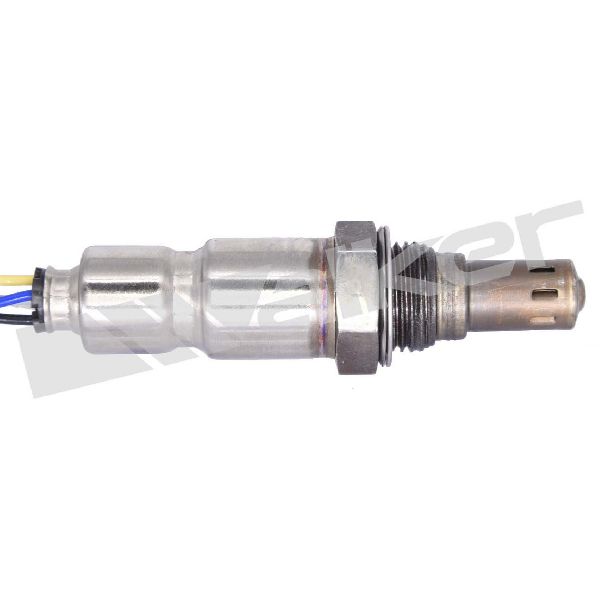
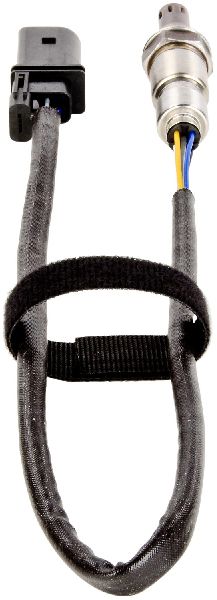
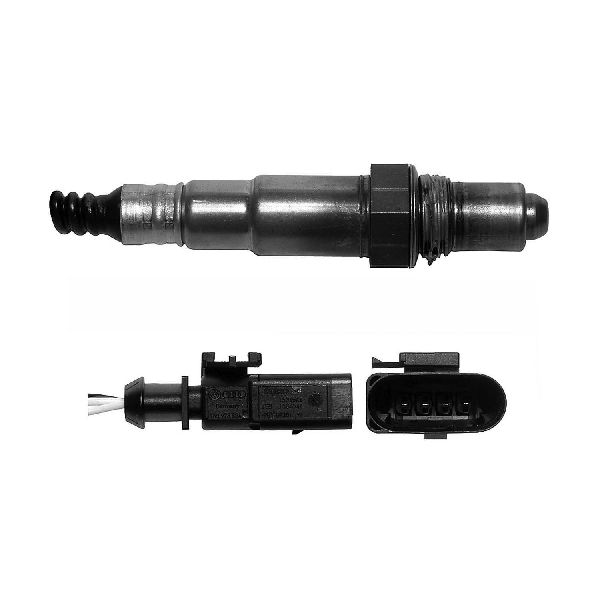
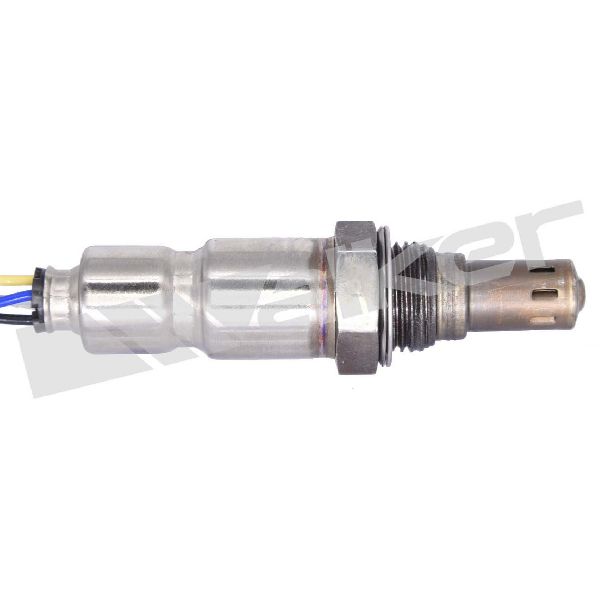
- Front Oxygen Sensor (Bank 1, Sensor 1)
(OEM #06E906265F (for 3.0T), 07L906262K (for 4.2L V8))— This is the upstream sensor for the passenger side. The internal heater element is the most common failure point that triggers code P1196.
Trusted brands: Bosch (OEM), Denso, NTK
OEM price range: $200-$280
Aftermarket price range: $70-$150 - Oil Filter Housing Gasket (3.0T V6) — If the cause of the P1196 code on a 3.0T engine is an oil-soaked sensor wire, the leak from the oil filter housing must be fixed to prevent recurrence. This involves replacing the gasket between the housing and the engine block.
Trusted brands: Victor Reinz, Elring, Audi Genuine
OEM price range: $30-$50
Aftermarket price range: $15-$30
Related Codes That Often Appear With This One
- P1197 — P1197 is the equivalent code for the Bank 2, Sensor 1 heater circuit. If both appear, it could suggest a common power or ground issue for both sensors, like a blown fuse or a systemic wiring problem.
- P0135 — This is the generic SAE code for 'O2 Sensor Heater Circuit Malfunction (Bank 1, Sensor 1)'. It is often seen alongside the manufacturer-specific P1196 code, as noted in TSB #01139020337671.
- P0102 — Mass Air Flow (MAF) Sensor Signal too Low. This can appear with O2 sensor heater codes if they share a common power supply fuse that has blown.
Technical Service Bulletins (TSBs) & Recalls
- 01139020337671: Mentions DTC P1196 in relation to a heater circuit fault for the lambda sensor, confirming the code's definition. The TSB is titled '01 MIL on (DTC P1196/P1197/P0135, heater circuit fault lambda sensor) - Repair Authorization'.
Platform-Specific Known Issues
- On 3.0T V6 models, a leaking oil filter housing gasket is a common problem that can cause oil to saturate and damage the Bank 1 O2 sensor wiring harness, leading to this code.
- On 4.2L V8 models, the primary issue is severe access difficulty. The Bank 1 Sensor 1 is located between the engine and firewall, requiring removal of the air intake assembly and working from the top of the engine bay, often blindly.
Mechanic-Grade Diagnostic Values
- O2 Sensor Heater Resistance (cold) — expected: 2 - 15 Ohms. Failure: Infinite resistance (open circuit) or a reading over 20 Ohms.
- O2 Sensor Heater Current Draw — expected: 0.5 - 2.0 Amps. Failure: 0 Amps (open circuit) or excessively high amperage (short circuit).
- VCDS Live Data - Heater Resistance (hot) — expected: Variable, can be >40 Ohms. Failure: An extremely high reading (e.g., >200 Ohms) or a value that doesn't change may indicate a fault.
- Freeze Frame Data — expected: A snapshot of engine parameters (RPM, vehicle speed, coolant temp, etc.) at the moment the P1196 code was logged.. Failure: This data provides context for the failure (e.g., occurred during cold start, at high RPM) rather than indicating failure itself.
Scan Tool Commands That Help
- VCDS (or equivalent Audi diagnostic tool): Read Measuring Value Blocks (MVB) for O2 Sensors (e.g., Group 034) — To monitor the status of the ECU's internal heater circuit test, which will display 'Test ON', 'Test OFF', or a pass/fail status ('B1-S1 OK' / 'B1-S1 not OK'). This can confirm if the ECU is even attempting to run the test.
- VCDS (or equivalent Audi diagnostic tool): Read ECU-calculated heater resistance — To see the resistance value the ECU is calculating for the hot sensor. This can be compared against known-good values or the other bank's sensor to spot an anomaly without having to wait for the sensor to cool down for a multimeter test.
- Any OBD-II Scanner: Clear Fault Codes — This should be done before testing for voltage at the sensor harness. Some Audi ECUs will disable the power supply to the heater circuit once a fault is logged, which can lead to a misdiagnosis of a bad fuse or relay.
Wiring & Ground Locations
- O2 Sensor Heater Pins — Pins 1 and 2 on the 6-pin sensor-side connector. These are typically the two wires of the same color (e.g., two white or two black wires).. These are the specific pins to probe with a multimeter to measure the resistance of the internal heating element.
- Ground Point (12) — In the engine compartment on the left side (driver's side for LHD).. A poor engine ground can cause a variety of electrical issues, including faults in sensor circuits. This is a primary ground point to inspect for corrosion or looseness.
- Ground Point (615) — On the left suspension strut tower.. This is another critical chassis ground point in the engine bay. A fault here could affect the ECM or sensor ground paths.
- Engine Control Module (ECM) — Located in the plenum chamber (the area under the windshield wipers), typically on the left side.. The ECM provides the pulsed ground signal that controls the O2 sensor heater. Knowing its location is essential for advanced diagnosis involving tracing the ground wire back from the sensor.
Real Owner Repair Stories
- Various YouTube DIY videos and forum discussions (2010-2012 Audi S5 with 3.0T V6 Supercharged engine) — Check Engine Light with code P1196, sometimes accompanied by an oil leak visible from underneath the vehicle, appearing to come from the rear of the engine or bell housing.
❌ Tried (didn't work) Replacing only the oxygen sensor without addressing the oil leak.
✅ What actually fixed it Replacing the oil filter housing gasket (or the entire housing assembly) to stop an oil leak, and then replacing the oil-saturated Bank 1 oxygen sensor and cleaning the harness connector. The leak from the housing runs down the back of the engine and soaks the O2 sensor wiring, causing the electrical fault.
When the Usual Fixes Don't Work
- While P1196 points directly to the Bank 1 sensor, if it appears simultaneously with P1197 (Bank 2 heater fault), the root cause is unlikely to be two independently failed sensors. The diagnostic focus should immediately shift to a common element, such as the fuse supplying power to both heater circuits or a shared power relay. Replacing just the Bank 1 sensor in this scenario will not resolve the issue.
OEM Part Supersession History
06E906265F→06E906265S— Standard part revision by the manufacturer, likely for improved durability or material changes.
Heads up: The new part number (06E906265S) is a direct replacement for the old one and should be used for repairs.
Helpful Videos
Used OEM Parts in Stock


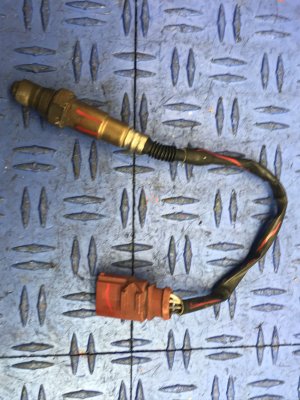
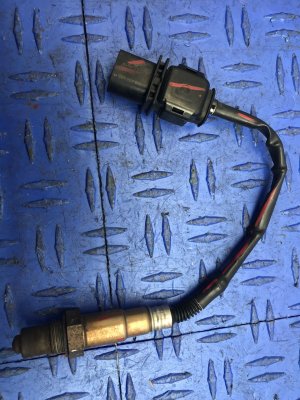
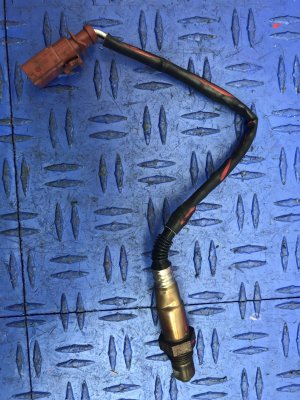
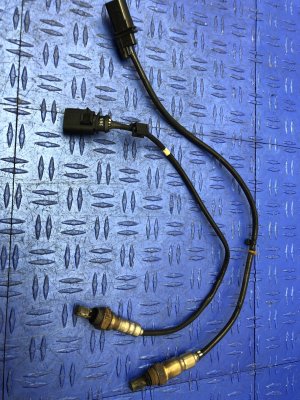
New Aftermarket Parts Available


The information in this article is provided for general reference and educational purposes only. Vehicle specifications, procedures, and part compatibility can vary by production date, trim level, and region. Always consult your vehicle's factory service manual and verify part numbers before purchasing or performing repairs. Safety-critical components such as airbags, seat belts, and braking systems should be installed by a qualified professional.
- Audi S5:
- 🎬 Helpful Videos
- 🛍️ Shop This Part
- What's Unique About the 2010-2012 Audi S5
- Diagnostic Flowchart
- Symptoms You May Notice
- Most Likely Causes
- Rare But Worth Checking
- Diagnosis Steps
- Parts You'll Likely Need
- Related Codes That Often Appear With This One
- Technical Service Bulletins (TSBs) & Recalls
- Platform-Specific Known Issues
- Mechanic-Grade Diagnostic Values
- Scan Tool Commands That Help
- Wiring & Ground Locations
- Real Owner Repair Stories
- When the Usual Fixes Don't Work
- OEM Part Supersession History
- 🎟️ Get 5% Off