

P1196 on 2010-2012 Audi Q5: O2 Sensor Heater Circuit Fault Explained
This code indicates a problem with the heater circuit in the Bank 1, Sensor 1 (pre-catalytic converter) oxygen sensor. The most common fix is replacing the sensor itself, which costs between $50-$150 for an aftermarket part and is a straightforward DIY job for many. For V6 engines, Bank 1 is the passenger side.
- P1196 on a 2010-2012 Audi Q5 means the heater in your upstream oxygen sensor (Bank 1, Sensor 1) has an electrical fault.
- On the 3.2L V6, Bank 1 is the passenger side; on the 2.0T, it's the only bank.
- The most common symptom is simply the Check Engine Light being on, though poor fuel economy or a rough idle can also occur.
- The most likely fix is replacing the Bank 1, Sensor 1 oxygen sensor, with OEM part number 06E906265S being a likely candidate for the 3.2L V6.
- Before buying parts, it's wise to quickly check the sensor's fuse and inspect the wiring for visible damage.
- This is a common DIY repair that can save significant labor costs, especially if you have a 22mm O2 sensor socket.
What's Unique About the 2010-2012 Audi Q5
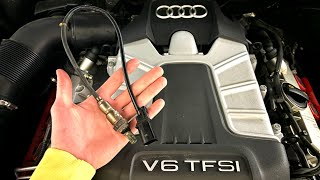
For the 2010-2012 Audi Q5, this code is a well-documented issue, particularly on the 3.2L V6 engine. Audi released Technical Service Bulletin (TSB) #01139020337671 for a range of models including the Q5 with the 3.2L FSI AVS engine, specifically mentioning P1196 and authorizing a repair/data collection process. 🎬 See this 3.2L engine oxygen sensor replacement walkthrough. This indicates that premature failure or issues with this specific sensor are common enough for the manufacturer to formally address it. The issue isn't necessarily a design flaw in the engine itself, but rather a known failure pattern of the O2 sensor component used. Forum discussions confirm that this is a frequent problem, often occurring alongside misfires or other sensor codes.
Diagnostic Flowchart
Tap your situation to follow the diagnostic path that matches what you're seeing on this vehicle.
Symptoms You May Notice
- Check Engine Light (MIL) is on
- Reduced fuel economy
- Failure to pass an emissions test
- Rough or uneven idle
- Black smoke from exhaust under acceleration
- Replacing the wrong oxygen sensor (e.g., the post-catalytic converter sensor, Bank 1 Sensor 2, or a sensor on Bank 2). P1196 specifically refers to Bank 1, Sensor 1.
- Replacing the sensor when the actual fault is a blown fuse or damaged wiring.
Most Likely Causes
- Failed Bank 1, Sensor 1 Oxygen Sensor 🔴 High Probability As evidenced by the manufacturer TSB for the 3.2L engine, this specific component has a known failure rate on this platform. The heater element is a common point of failure inside the sensor.
How to confirm: Disconnect the sensor and measure the resistance across the two heater circuit pins (often the two same-colored wires). An infinite resistance (open circuit) or a reading of 20 ohms or more generally indicates the heater element has failed and the sensor needs replacement.
Typical fix: Replace the Bank 1, Sensor 1 oxygen sensor. On the 3.2L V6, this is the passenger side, upstream sensor. Access can be improved by removing the airbox.
Est. part cost: $50-$185 - Damaged Wiring or Connector 🟡 Medium Probability Wiring in the engine bay is exposed to heat and vibration. Rodents can also cause damage by chewing on wires, a known issue in some VAG products. Moisture or oil intrusion into the connector can also cause a short.
How to confirm: Visually inspect the wiring harness and connector for the Bank 1 Sensor 1 O2 sensor. Look for any signs of melting, frayed wires, rodent damage, or corrosion on the connector pins. Use a multimeter to check for 12V power and ground at the connector (harness side) with the ignition on.
Typical fix: Repair the damaged section of the wiring harness or clean/replace the connector. Wiring diagrams can assist in tracing the circuit.
Est. part cost: $5-$50 - Blown Fuse ⚪ Low Probability Not specific to the vehicle, but a short in the circuit can cause the related fuse to blow as a protective measure. Owners have reported finding and replacing blown fuses for the O2 sensor heater circuit.
How to confirm: Locate the fuse for the oxygen sensor heater circuit in the vehicle's fuse box (check the driver's side panel and under the steering column). Visually inspect the fuse or test it for continuity with a multimeter.
Typical fix: Replace the blown fuse. If it blows again immediately, this indicates an underlying short circuit that must be found and repaired.
Est. part cost: $1-$5
Rare But Worth Checking
- Faulty Engine Control Module (ECM): This is extremely rare. Before condemning the ECM, all other possibilities, including the sensor, wiring, and fuses, must be exhaustively tested and ruled out.
Diagnosis Steps
- Read the fault codes with an OBD-II scanner to confirm P1196 and note any other codes present.
- Identify the Bank 1, Sensor 1 oxygen sensor. On a 2.0T 4-cylinder engine, Bank 1 is the only bank. On a 3.2L V6, Bank 1 is the passenger side of the engine. Sensor 1 is always the upstream sensor, before the catalytic converter.
- Visually inspect the sensor's wiring harness and connector for any obvious signs of damage, such as melting, chafing, or corrosion. Check for signs of rodent activity.
- Check the fuse related to the O2 sensor heater circuit. This may be in the driver's side fuse panel or under the steering column. Replace if blown.
- If the wiring and fuse are okay, disconnect the sensor. Use a multimeter set to Ohms to measure the resistance between the two heater pins on the sensor side of the connector.
- A reading of infinite resistance (OL) or over 20 Ohms means the heater is burned out and the sensor must be replaced. A low resistance reading (typically under 10 ohms) suggests the heater is likely good.
- If the sensor's resistance is good, check the vehicle-side connector for power (battery voltage) and ground with the ignition on. If either is missing, you have a wiring circuit problem to trace back from the connector using a wiring diagram.
- If the sensor has failed, replace it. Using a specialized 22mm O2 sensor socket is recommended. Clear the codes and perform a drive cycle to ensure the fault does not return.
Parts You'll Likely Need
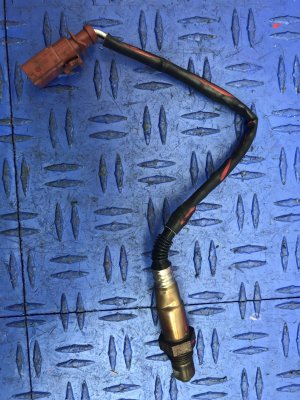
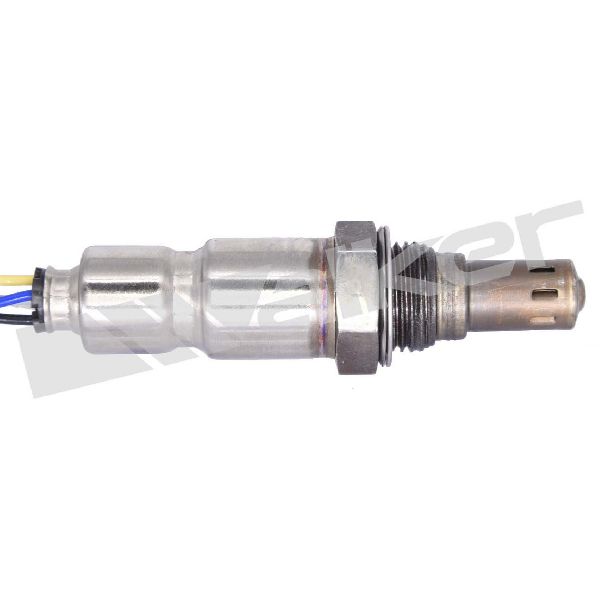
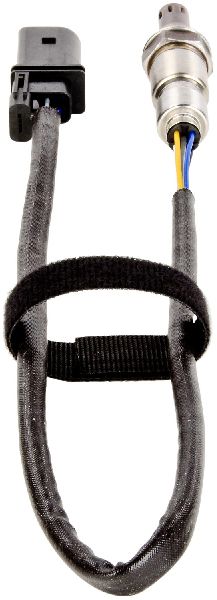
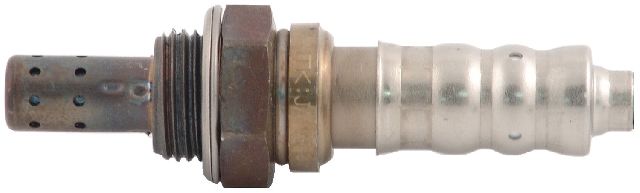
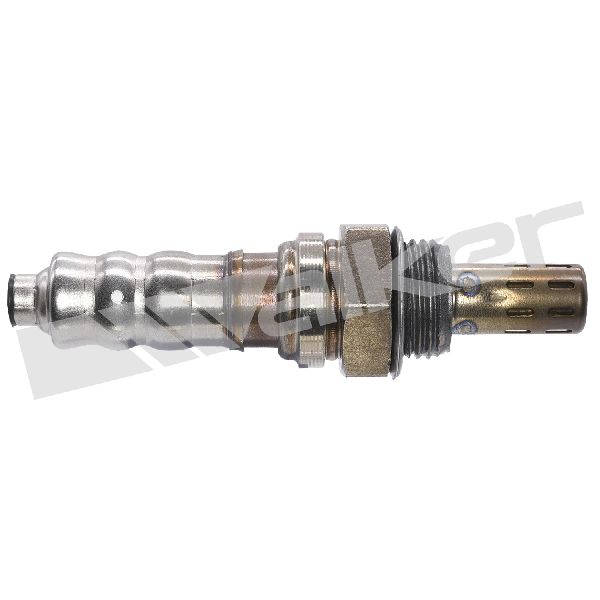
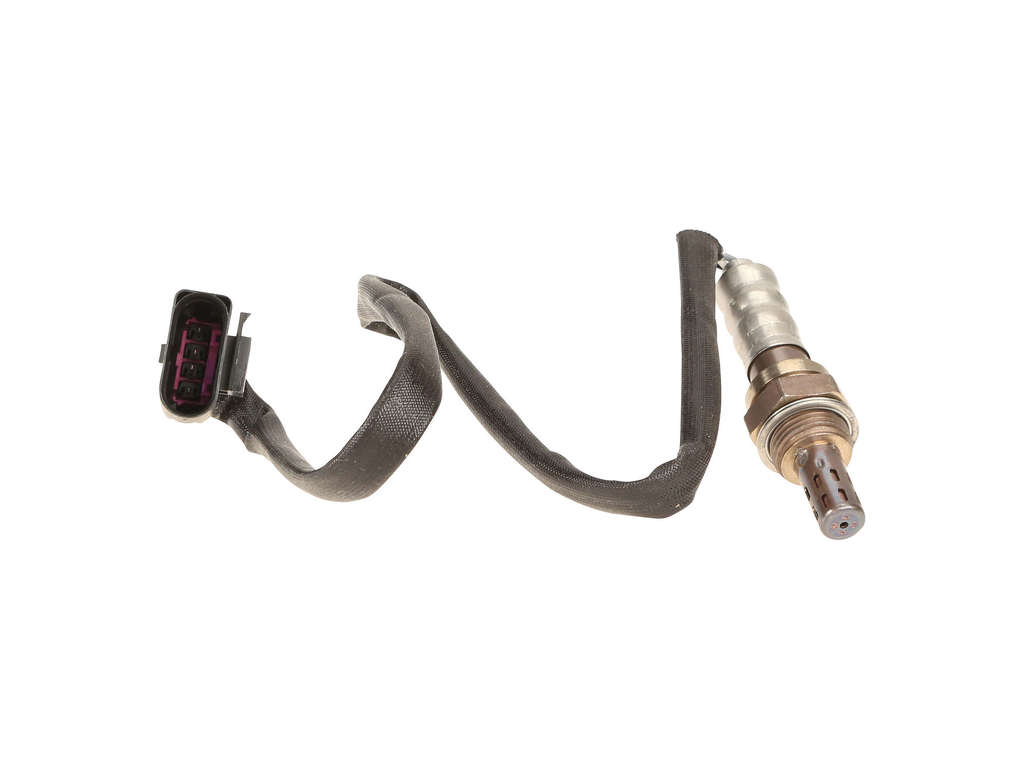
- Oxygen Sensor (Bank 1, Sensor 1)
(OEM #06E906265S (for 3.2L V6))— This is the component whose internal heater element most commonly fails, triggering code P1196.
Trusted brands: Bosch, NGK/NTK, Denso
OEM price range: $180-$340
Aftermarket price range: $50-$185
Related Codes That Often Appear With This One
- P0135 — This is the generic SAE code for 'O2 Sensor Heater Circuit Malfunction (Bank 1 Sensor 1)', which describes the exact same fault as the manufacturer-specific P1196.
- P1197 — This code indicates a heater circuit fault on Bank 2, Sensor 1. It's common to see both codes together on V6 engines if both upstream sensors are of a similar age and fail around the same time.
- P0134 — This code means 'O2 Sensor Circuit No Activity Detected (Bank 1 Sensor 1)'. If the heater fails, the sensor may not reach operating temperature, preventing it from generating a signal, which can trigger P0134.
- P2251 — This code for 'Oxygen (Lambda) Sensor B1 S1: Negative Lead - Open Circuit' has been reported alongside P1196 on a 2009 Q5 3.2L, indicating a related electrical fault in the sensor's circuit.
Technical Service Bulletins (TSBs) & Recalls
- Bulletin #01139020337671 (also cited as 01 13 90 2033767/1): '01 MIL on (DTC P1196/P1197/P0135, heater circuit fault lambda sensor) - Repair Authorization'. This TSB is informational, requesting technicians to contact Audi TAC before proceeding with repairs for data collection purposes. It applies to the 3.2L FSI AVS engine in the 2010-2012 Q5.
Platform-Specific Known Issues
- Audi has issued Technical Service Bulletin #01139020337671 which covers the 2010-2012 Q5 with the 3.2L FSI AVS engine and specifically mentions DTC P1196 as a 'heater circuit fault lambda sensor', authorizing a repair and requesting data be sent to TAC.
- On AudiWorld forums, a user with a 2009 Q5 3.2L reported P1196 along with multiple misfire codes and a secondary air injection fault, pointing to a potential cascade of issues starting with the O2 sensor.
- On the same forum, another user confirmed that for the V6 engine, Bank 1 Sensor 1 is on the US passenger side (pre-cat) and that removing the airbox greatly improves access for replacement.
Mechanic-Grade Diagnostic Values
- O2 Sensor Heater Element Resistance — expected: Between 2.0 and 16 ohms. A common rule of thumb is that a reading below 20 ohms is acceptable.. Failure: A reading of 20 ohms or more, or an open circuit (infinite resistance), indicates a failed heater element.
- Wiring harness resistance from sensor connector to ECM — expected: 1.5 Ω maximum. Failure: A reading higher than 1.5 Ω indicates excessive resistance in the wiring harness, which could be caused by corrosion or a damaged wire.
Scan Tool Commands That Help
- VCDS (VAG-COM): Generic OBD-II Mode -> Mode 6 -> Test-ID 01 — This function can be used to run a specific diagnostic test on the Heated Oxygen Sensor that is not continuously monitored, which can help confirm a fault.
- VCDS (VAG-COM): Live Data Graphing (e.g., Measuring Blocks Group 031) — To observe the real-time voltage and lambda values of the O2 sensor. A healthy, warm upstream sensor will show a rapidly switching voltage (yellow line), while the lambda value (red line) tries to stay at 1. A dead sensor will show no activity.
Wiring & Ground Locations
- 12 — In engine compartment, left side.. This is a primary engine compartment ground point. A loose or corroded connection here can cause various electrical issues, including sensor heater circuit faults.
- 671 / 672 — Ground connections on the left front long member.. These chassis grounds are critical for the overall health of the vehicle's electrical system. Faults here can introduce difficult-to-diagnose electrical noise and resistance.
- 685 — Ground connection on the right front long member, behind the wheel housing liner.. This ground point is on the same side as Bank 1 (passenger side) for the V6 engine. A poor connection here could potentially affect the Bank 1 sensor circuits.
- Engine Ground Strap — Connects the engine block to the chassis. On the 3.2L V6, a ground wire is secured by a nut on the right engine mount bracket.. The ECM and its sensors rely on a solid ground reference to the engine block. A faulty or corroded engine ground strap can cause erratic sensor readings and heater circuit faults.
Real Owner Repair Stories
- AudiWorld Forums user 'jcrampton' (Audi (model not specified, but codes P1196/P1197/P0134 are consistent with V6)) — Check Engine Light with codes P1196, P1197, and P0134.
❌ Tried (didn't work) Replaced both pre-cat O2 sensors with universal fit Bosch sensors., Replaced a fuse in the driver's side fuse panel., Replaced one blown maxi fuse under the steering column.
✅ What actually fixed it The user did not post a final resolution in the thread, which is a common outcome. The fact that replacing both sensors and multiple fuses did not fix the problem strongly suggests the fault was in the wiring harness or a related power/ground issue, which the user was advised to investigate next using VAG-COM.
OEM Part Supersession History
06E906265F→06E906265S— Part revision by the manufacturer, likely for improved reliability or material changes.
Helpful Videos
Used OEM Parts in Stock

New Aftermarket Parts Available

The information in this article is provided for general reference and educational purposes only. Vehicle specifications, procedures, and part compatibility can vary by production date, trim level, and region. Always consult your vehicle's factory service manual and verify part numbers before purchasing or performing repairs. Safety-critical components such as airbags, seat belts, and braking systems should be installed by a qualified professional.
- Audi Q5:
- 🎬 Helpful Videos
- 🛍️ Shop This Part
- What's Unique About the 2010-2012 Audi Q5
- Diagnostic Flowchart
- Symptoms You May Notice
- Most Likely Causes
- Rare But Worth Checking
- Diagnosis Steps
- Parts You'll Likely Need
- Related Codes That Often Appear With This One
- Technical Service Bulletins (TSBs) & Recalls
- Platform-Specific Known Issues
- Mechanic-Grade Diagnostic Values
- Scan Tool Commands That Help
- Wiring & Ground Locations
- Real Owner Repair Stories
- OEM Part Supersession History
- 🎟️ Get 5% Off