

P1186 on 2016 Jeep Cherokee: Cylinder 1 Oil Supply Solenoid Causes and Fixes
On a 2016 Jeep Cherokee with the 2.4L engine, code P1186 is most often caused by low or dirty engine oil, or a failed oil supply solenoid. First, check your oil level and quality. If the oil is fine, the entire MultiAir actuator assembly likely needs replacement, costing between $450 and $800 for the part.
- P1186 on a 2016 Jeep Cherokee 2.4L is not a fuel code; it is an engine valve control code related to the MultiAir system.
- Before any other diagnosis, check your engine oil. Low or dirty oil is the most common cause.
- The fix almost always involves either an oil change or the replacement of the entire MultiAir actuator assembly, which is a moderately expensive part.
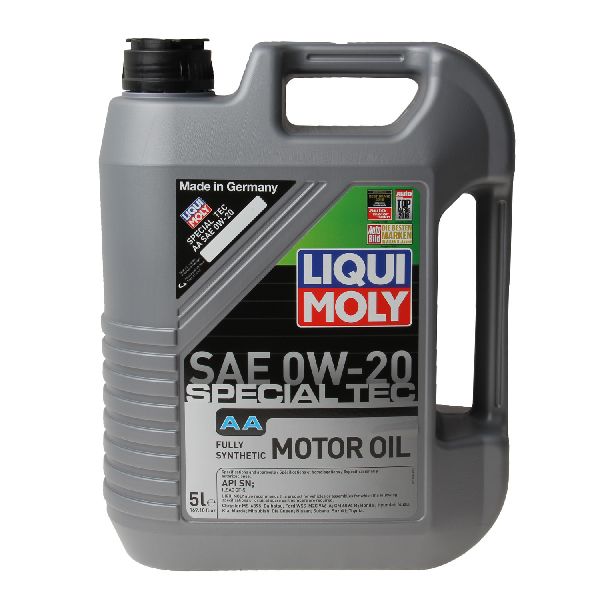
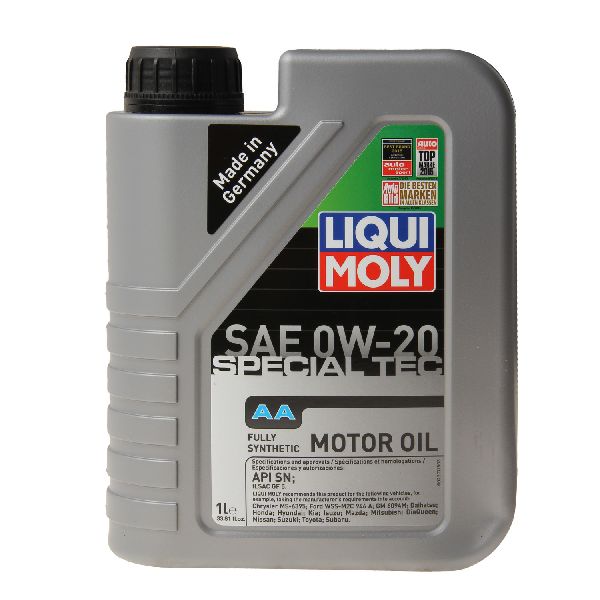
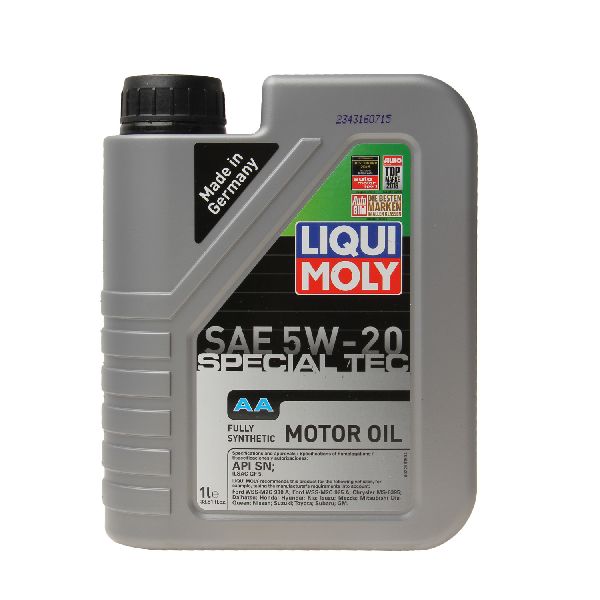
- Always use the exact OEM-specified oil type and viscosity (e.g., SAE 0W-20) to prevent issues with the MultiAir system.
What's Unique About the 2016-2016 Jeep CHEROKEE
The 2.4L 'Tigershark' engine in this Cherokee uses a unique Fiat-Chrysler MultiAir system. Unlike traditional engines that use camshaft lobes to directly open intake valves, this system uses engine oil as a hydraulic fluid, controlled by these solenoids, to actuate the valves. This design makes the engine's performance exceptionally sensitive to oil level, oil quality, and oil pressure. Many issues that would be mechanical on other engines are hydraulic or electronic on this platform.
Diagnostic Flowchart
Tap your situation to follow the diagnostic path that matches what you're seeing on this vehicle.
Symptoms You May Notice
- Check Engine Light (MIL) is on
- Rough or unstable idle
- Noticeable loss of engine power
- Engine hesitation or stumbling during acceleration
- Potential for engine stalling
- Increased fuel consumption
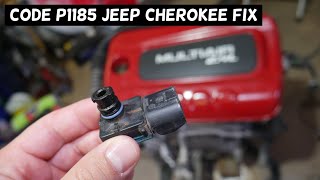
- Replacing only the spark plugs or ignition coils for cylinder 1. While a misfire might occur, P1186 points specifically to the oil solenoid circuit 🎬 Watch: How to diagnose and fix MultiAir solenoid circuit codes., not the ignition system.
- Confusing the code with fuel pressure issues. On many other brands (like Hyundai/Kia), P1186 relates to fuel pressure, but on this Jeep, it is definitively related to the valve train.
Most Likely Causes
- Low or Dirty Engine Oil 🔴 High Probability The MultiAir system uses engine oil to actuate the valves, making it extremely sensitive to oil level and viscosity. Low pressure from insufficient oil is a primary cause of solenoid timing faults. These engines can also be prone to oil consumption.
How to confirm: Check the engine oil dipstick. The oil should be at the full mark and appear clean. If it's low, top it off. If it's dark and past its change interval, replace the oil and filter.
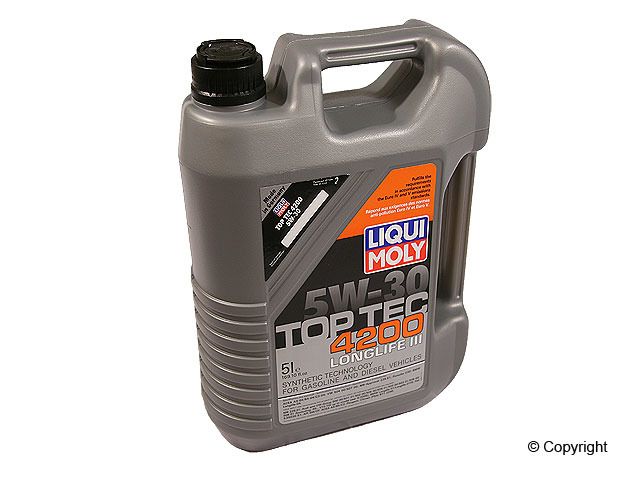
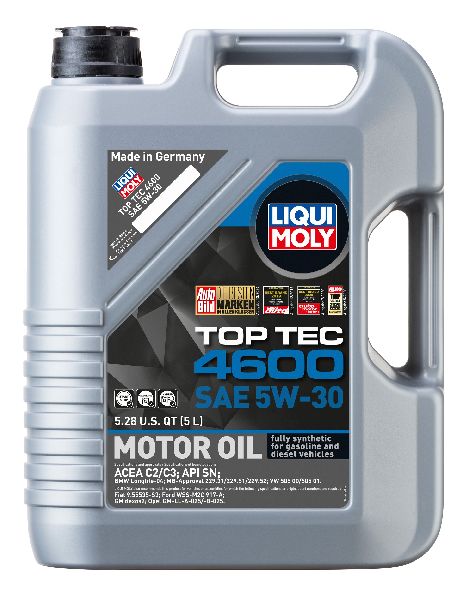
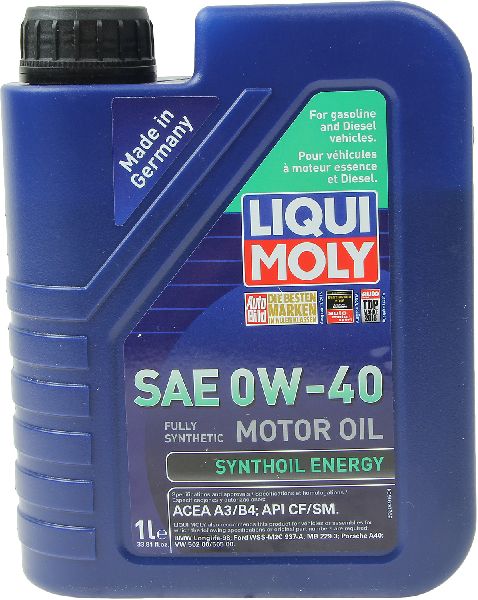
Typical fix: Perform an oil and filter change using the manufacturer-specified oil grade (e.g., SAE 0W-20).
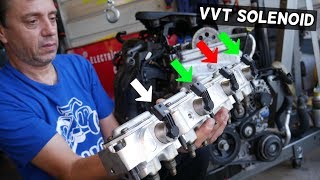
Est. part cost: $40-$80 - Failed MultiAir Actuator Assembly (Solenoid Block) 🔴 High Probability The oil supply solenoids are integrated into a single unit called the MultiAir actuator or 'brick'. An internal failure of the solenoid for cylinder 1 is a common point of failure.
How to confirm: After confirming oil level and wiring are good, the actuator itself is the next logical suspect. A professional may use an advanced scan tool to command the solenoid and observe its response.
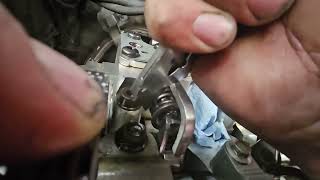
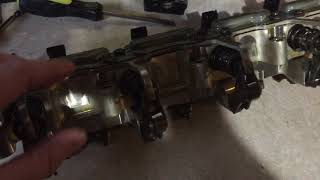
Typical fix: Replace the entire MultiAir actuator assembly. The solenoids are not serviced individually. 🎬 See this step-by-step walkthrough for removing and replacing the solenoid block.
Est. part cost: $450-$800 - Wiring or Connector Issue 🟡 Medium Probability The wiring harness to the MultiAir actuator is located at the back of the engine and can be subject to heat and vibration.
How to confirm: Visually inspect the wiring harness and connector going to the MultiAir actuator for any signs of damage, corrosion, or loose connections. Check for continuity and resistance on the specific wires for the cylinder 1 solenoid.
Typical fix: Repair the damaged section of the wiring harness or clean/re-seat the connector.
Est. part cost: $5-$50
Rare But Worth Checking
- Spread or Corroded PCM Connector Pin: A poor connection at the Powertrain Control Module (PCM) can create high resistance and mimic a solenoid fault. One documented case for a similar code showed a spread pin in the PCM connector was the root cause.
- Low System Oil Pressure: While low oil level is common, a failing oil pump or clogged oil passages could also cause system-wide low pressure, starving the MultiAir actuator and triggering this code.
Diagnosis Steps
- Verify the engine oil level and condition. Top off or change the oil and filter if necessary, using the correct OEM-specified grade.
- Scan the PCM for any other trouble codes. Codes like P0301 can confirm the issue is affecting cylinder 1.
- Inspect the main electrical connector and wiring harness leading to the MultiAir actuator assembly on the back of the engine. Look for any signs of damage, melting, or corrosion.
- If tools are available, disconnect the connector and measure the resistance of the cylinder 1 solenoid circuit. Compare this reading to the specifications or to the other cylinders. An open or shorted circuit indicates a problem.
- Check for spread or corroded pins at both the actuator connector and the corresponding pins at the PCM connector.
- If oil level, wiring, and connectors are all confirmed to be good, the MultiAir actuator assembly is the most likely failed component.
Parts You'll Likely Need
- MultiAir Valve Actuator Assembly
(OEM #5047980AE)— This is the complete assembly (or 'brick') that houses the oil supply solenoids. A failure of the internal cylinder 1 solenoid requires replacement of the entire unit.
Trusted brands: Mopar
OEM price range: $600-$850
Aftermarket price range: $450-$650 - Engine Oil and Filter — Correct oil level and quality are critical for the MultiAir system. An oil change is the first and most important diagnostic step.
Trusted brands: Pennzoil, Mobil 1, Mopar
OEM price range: $60-$100
Aftermarket price range: $40-$80
Related Codes That Often Appear With This One
- P0301 — A failure in the cylinder 1 valve control can easily lead to incomplete combustion, triggering a 'Cylinder 1 Misfire Detected' code.
- P1040-P104F (other MultiAir codes) — If the problem is related to overall oil pressure or a failing actuator assembly, faults for other cylinder solenoids may appear as well.
Technical Service Bulletins (TSBs) & Recalls
- 18-032-17: This is the primary TSB that defines code P1186 as 'Cylinder 1 Oil Supply Solenoid Valve Switch Off Time Out Of Range' for the 2016 Cherokee.
Platform-Specific Known Issues
- The 2.4L MultiAir engine is known to be highly sensitive to its oil. Using the wrong viscosity or extending oil change intervals can lead to premature failure of the MultiAir actuator.
- Some of these engines were subject to a warranty extension for excessive oil consumption, which can directly lead to low oil levels and cause this code.
Mechanic-Grade Diagnostic Values
- MultiAir (VVA) Solenoid Resistance — expected: 0.5 - 1.0 Ohms. Failure: A reading outside this range, especially an open circuit (infinite resistance) or a short (near zero resistance), points to a failed solenoid inside the actuator.
- MultiAir (VVA) Solenoid Circuit Wire Resistance — expected: Below 5.0 Ohms. Failure: Resistance above 5.0 Ohms indicates excessive resistance in the wiring harness between the PCM and the MultiAir actuator connector.
Scan Tool Commands That Help
- wiTECH or equivalent professional scanner: Active Test: VVT Solenoid 1-4 — This is a primary diagnostic step to confirm if a solenoid is electrically functional. The command allows a technician to individually activate each solenoid with the engine off (key on) and listen for an audible click. A weak or absent click from the cylinder 1 solenoid points to a failure in the solenoid or its circuit.
- wiTECH or equivalent professional scanner: Cam and Crank Variation Relearn Procedure — This procedure is required after replacing the MultiAir actuator assembly. It allows the Powertrain Control Module (PCM) to learn the new mechanical tolerances of the valvetrain components to ensure proper timing and operation.
Real Owner Repair Stories
- Reddit user in r/dodgedart (Dodge Dart with 2.4L MultiAir engine (same powertrain)) — Stumbling during driving, a completely dead cylinder at times, and rough running with code P1067 (Cylinder 4 Oil Supply Solenoid).
❌ Tried (didn't work) Initial diagnosis was inconclusive.
✅ What actually fixed it The problem was resolved by replacing the entire MultiAir actuator assembly ('brick'). This confirms that for solenoid-specific faults on this engine family, replacing the complete actuator is the standard and effective repair.
OEM Part Supersession History
5047980AD, 5047980AC, 5047980AB, 5047980AA, 5047457AE, 5047457AD→5047980AE— Component revisions and improvements to address reliability issues.
Heads up: The latest part number, 5047980AE, is the correct replacement for all prior versions and is a direct-fit replacement with no programming required.
Helpful Videos
We Have This Part in Stock

The information in this article is provided for general reference and educational purposes only. Vehicle specifications, procedures, and part compatibility can vary by production date, trim level, and region. Always consult your vehicle's factory service manual and verify part numbers before purchasing or performing repairs. Safety-critical components such as airbags, seat belts, and braking systems should be installed by a qualified professional.
- Jeep CHEROKEE:
- 🎬 Helpful Videos
- 🛍️ Shop This Part
- What's Unique About the 2016-2016 Jeep CHEROKEE
- Diagnostic Flowchart
- Symptoms You May Notice
- Most Likely Causes
- Rare But Worth Checking
- Diagnosis Steps
- Parts You'll Likely Need
- Related Codes That Often Appear With This One
- Technical Service Bulletins (TSBs) & Recalls
- Platform-Specific Known Issues
- Mechanic-Grade Diagnostic Values
- Scan Tool Commands That Help
- Real Owner Repair Stories
- OEM Part Supersession History
- 🎟️ Get 5% Off