

P1185 on 2015-2016 Ram ProMaster City: Causes for General Pressure Sensor Correlation
On a 2015-2016 ProMaster City, code P1185 is most often caused by outdated Powertrain Control Module (PCM) software. A dealer software update, as specified in TSB #18-063-17 REV. A and #18-008-16 REV. B, is the primary fix. This issue is common across other FCA vehicles with the 2.4L Tigershark engine, like the Jeep Cherokee and Chrysler 200. If the software is current, the next most likely cause is a faulty Manifold Absolute Pressure (MAP) sensor.
- Your first step for code P1185 should be to check if your vehicle's PCM software has been updated per Ram TSBs #18-063-17 REV. A and #18-008-16 REV. B.
- Do not replace any parts until you have confirmed the PCM software is current, as the update is the most common and official fix.
- If the software is up-to-date, the next most likely cause is a faulty Manifold Absolute Pressure (MAP) sensor.
- This code is related to air pressure sensors (MAP/BARO), not fuel pressure. Do not replace fuel system parts.
- Diagnosing a potential vacuum leak or replacing the MAP sensor can be done by an experienced DIYer, but the software update requires a dealer or specialized shop.
What's Unique About the 2015-2016 Ram PROMASTER CITY
For this specific vehicle and its platform mates (Jeep Cherokee, Chrysler 200, etc.) with the 2.4L Tigershark engine, the P1185 code is exceptionally well-documented by the manufacturer. Ram and other FCA brands issued multiple Technical Service Bulletins (TSBs) acknowledging that the original PCM software was overly sensitive and could set this code erroneously. Unlike other vehicles where this code might immediately point to a bad sensor, for the ProMaster City, the first diagnostic step is always to check the software version. Ignoring this step is the most common cause of misdiagnosis.
🎬 Watch: A quick overview of fixing P1185 on the ProMaster CityDiagnostic Flowchart
Tap your situation to follow the diagnostic path that matches what you're seeing on this vehicle.
Symptoms You May Notice
- Check Engine Light (Malfunction Indicator Lamp) is on
- Rough or unstable idle
- Engine stalling, especially at low speeds or when stopping
- Reduced fuel economy
- Poor engine performance or hesitation
- Engine RPM flare on startup
- Replacing the MAP sensor before checking for PCM software updates. The TSBs clearly indicate a software update is the most common fix.
- Replacing fuel system components. Some generic definitions for P1185 on other makes relate to fuel pressure, but for this Ram and its platform mates, it is strictly related to the MAP/BARO air pressure correlation.
Most Likely Causes
- Outdated Powertrain Control Module (PCM) Software 🔴 High Probability Ram explicitly released TSBs #18-063-17 REV. A and #18-008-16 REV. B to address this code, indicating the original software logic was flawed and too sensitive. This is a known issue across the entire FCA lineup using this engine.
How to confirm: A Ram dealership or a qualified shop with a wiTECH scan tool can check your vehicle's VIN to see if the software update has been applied. They will compare the current calibration ID to the latest version available as per the TSBs.
Typical fix: Reprogramming (flashing) the PCM with the latest manufacturer software. This must be done by a dealer or a properly equipped independent shop. The cost is typically one hour of labor, ranging from $100-$200.
Est. part cost: $0 - Faulty Manifold Absolute Pressure (MAP) Sensor 🟡 Medium Probability After the software issue, the MAP sensor itself is the next most likely component to fail. It is a critical sensor for calculating engine load and can fail over time, providing readings that conflict with the BARO sensor.
How to confirm: With a scan tool, compare the MAP sensor reading to the BARO reading with the key on, engine off (KOEO). They should be nearly identical (within ~1.0 inHg). At idle, the MAP sensor should read a low pressure (high vacuum). If the readings are stuck, irrational, or don't change with engine RPM, the sensor is likely bad.
Typical fix: Replace the MAP sensor. It is located on the rear of the intake manifold and is relatively accessible. The OEM Mopar part is recommended. 🎬 See this walkthrough on how to replace the MAP sensor
Est. part cost: $61-$84 - Vacuum Leak ⚪ Low Probability The accompanying codes listed in the TSBs, such as P0171 (System Too Lean) and P2172 (High Airflow/Vacuum Leak Detected), often point to unmetered air entering the engine. This can cause the MAP sensor's readings to be illogical compared to what the PCM expects, triggering the P1185 correlation fault.
How to confirm: Perform a visual inspection of all vacuum hoses connected to the intake manifold. A smoke test is the most effective method to find small leaks in hoses, gaskets, or the intake manifold itself.
Typical fix: Repair the source of the leak, which usually involves replacing a cracked vacuum hose or a faulty gasket.
Est. part cost: $5-$50
Rare But Worth Checking
- Wiring Harness Issue: A damaged wire or loose connection in the MAP sensor circuit can cause intermittent or incorrect signals. A visual inspection of the harness near the sensor for chafing or damage is a quick check. The harness can sometimes get damaged by the serpentine belt if not routed correctly.
- Faulty Powertrain Control Module (PCM): In very rare cases, the PCM itself can be the problem, specifically the internal barometric pressure sensor or the sensor's processing circuit. This should only be considered after all other possibilities, including software, sensor, and wiring, have been ruled out. A faulty PCM can be an expensive repair.
Diagnosis Steps
- Check for TSBs: The first and most important step is to contact a Ram dealer or use a professional resource to check if TSB #18-063-17 REV. A or #18-008-16 REV. B applies to your VIN and if the update has been performed.
- Verify Software: If the TSBs are applicable and haven't been done, have the PCM reprogrammed. This solves the majority of cases and is a required first step before replacing parts.
- Scan Tool Data (KOEO): If the software is up-to-date, connect a scan tool. With the Key On, Engine Off (KOEO), compare the MAP sensor pressure reading to the Barometric Pressure (BARO) reading. They should be within about 1.0 inHg (3.4 kPa) of each other. Note the BARO reading and compare it to the actual atmospheric pressure for your altitude to ensure the internal BARO sensor is accurate.
- Scan Tool Data (Engine Running): Start the engine. At idle, the MAP sensor reading should drop significantly (e.g., to 10-12 inHg), indicating vacuum. Rev the engine; the MAP reading should rise towards the BARO reading and fall quickly as the throttle closes.
- Inspect for Vacuum Leaks: Visually inspect all vacuum lines and the intake air system for obvious cracks or loose connections. Pay close attention to the PCV hose and intake manifold gaskets. Perform a smoke test to definitively rule out any hard-to-see vacuum leaks.
- Test MAP Sensor Circuit: If sensor data is still suspect, unplug the MAP sensor and check the wiring. You should find a 5-volt reference, a ground, and a signal wire. Check for continuity and ensure there are no shorts in the harness.
- Replace MAP Sensor: If the wiring is good and the sensor's readings are confirmed to be inaccurate (e.g., stuck at BARO reading even when the engine is running), replace the MAP sensor.
Parts You'll Likely Need
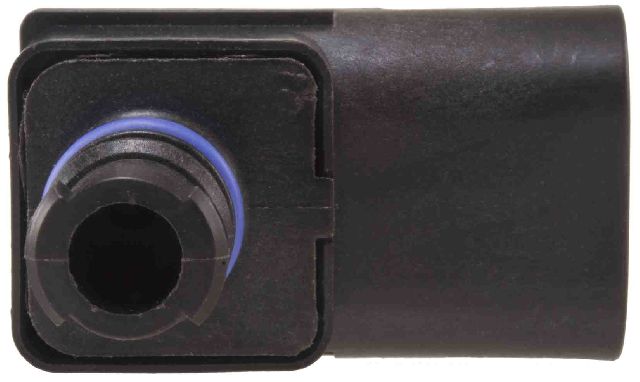
- Manifold Absolute Pressure (MAP) Sensor
(OEM #68241892AB)— If the issue is not software-related, a failing MAP sensor is the most common hardware failure causing this code.
Trusted brands: Mopar, Delphi, NTK, Standard Motor Products (SMP)
OEM price range: $61-$84
Aftermarket price range: $29-$53
Related Codes That Often Appear With This One
- P0171 — System Too Lean - A vacuum leak can cause both P1185 (by skewing MAP readings) and P0171 (by introducing unmetered air). This code is also listed in the TSBs.
- P0506 — Idle Speed Performance Lower Than Expected - This often occurs with P1185 as the incorrect pressure readings can cause the PCM to struggle with maintaining a stable idle. This code is also listed in the TSBs.
- P0441 — EVAP Purge System Performance - This code is also listed in the TSBs alongside P1185 as being resolved by the PCM software update.
- P0108 — Manifold Absolute Pressure / Barometric Pressure Circuit High - This code is more specific to a MAP sensor circuit fault and can appear with P1185 if the sensor has failed and is sending a high voltage signal.
- P2172 — High Airflow/Vacuum Leak Detected - Directly points to a potential vacuum leak, a known cause for P1185. This code is mentioned in TSBs for platform mates.
Technical Service Bulletins (TSBs) & Recalls
- 18-063-17 REV. A: Flash: Powertrain Diagnostic and System Improvements, lists P1185 as a code resolved by a PCM software update for the 2015-2016 ProMaster City.
- 18-008-16 REV. B: Flash: 2.4L Powertrain Diagnostic and System Improvements, also lists P1185 as a primary code fixed by a PCM software update.
- 18-014-17: Flash: Powertrain Control Module (PCM) Updates for 2014-2015 Jeep Cherokee, shows the same P1185 code being fixed by a software update on a platform mate.
- 18-023-16 REV. C: Flash: Powertrain Control Module (PCM) Updates for 2013-2015 Dodge Dart and 2015 Chrysler 200, also lists P1185 as a covered DTC.
Platform-Specific Known Issues
- The primary issue is the sensitivity of the original PCM software, which often misinterprets normal sensor fluctuations as a fault, triggering P1185. This was significant enough for Ram to issue multiple service bulletins to correct it with a software update.
- This fault is not isolated to the ProMaster City; it is a widespread issue on FCA vehicles using the 2.4L Tigershark engine, including the Jeep Cherokee, Chrysler 200, and Dodge Dart, all of which have similar TSBs.
Mechanic-Grade Diagnostic Values
- MAP Sensor Signal Voltage (Key On, Engine Off) — expected: Approximately 4.5 - 5.0 Volts. Failure: A voltage significantly lower than this range suggests a faulty sensor or a circuit issue. This reading should correspond to the barometric pressure.
- MAP Sensor Signal Voltage (Engine at Idle) — expected: 1.0 - 2.0 Volts. Failure: Voltage remaining high (near KOEO reading) or dropping below 1.0V indicates the sensor is not correctly reading engine vacuum.
- MAP Sensor 5-Volt Reference Wire — expected: Approximately 5.0 Volts. Failure: No voltage or significantly low voltage points to a problem with the PCM or the wiring between the PCM and the sensor.
- MAP Sensor Ground Wire — expected: Less than 0.1 Volts (100 millivolts). Failure: Higher voltage indicates a poor ground connection, which can skew sensor readings.
Scan Tool Commands That Help
- wiTECH (OEM Tool): PCM Reprogramming/Flash — This is the primary and first step in diagnosis if TSBs 18-063-17 REV. A or 18-008-16 REV. B are outstanding. It corrects the overly sensitive software logic that falsely triggers P1185.
- wiTECH or advanced aftermarket scanner: MAP Sensor Live Data Monitoring — Used to compare MAP and BARO readings with Key On, Engine Off (they should match) and to observe the MAP sensor's voltage/pressure response when starting the engine and snapping the throttle. A healthy sensor will show a sharp drop in pressure (increase in vacuum) at idle.
Wiring & Ground Locations
- MAP Sensor — On the rear of the intake manifold, facing the vehicle's firewall. It can be difficult to see and access from the top of the engine bay.. This is the primary sensor involved in the P1185 code. Its location makes it susceptible to heat, and the wiring harness can become brittle or damaged.
- MAP Sensor Wiring Harness — Runs from the MAP sensor on the back of the intake manifold toward the main engine harness. There are two plastic retainers that are supposed to keep the harness away from the serpentine belt and water pump pulley.. If the retainers are missing or broken, the harness can come into contact with the serpentine belt, causing chafing, short circuits, or open circuits in the MAP sensor's power, ground, or signal wires, directly causing the P1185 code.
- Primary Engine/Transmission Ground Strap — A braided strap that connects the transmission case to a bolt on the top of the driver-side transmission mount, near the frame rail.. While not a direct cause, a poor primary engine ground can cause inconsistent and erratic voltage readings across all engine sensors, including the MAP sensor. This can lead to correlation faults like P1185 that are difficult to diagnose.
Real Owner Repair Stories
- YouTube Channel 'Auto Repair Guys' (2015 Dodge Dart with 2.4L MultiAir engine (platform mate to ProMaster City)) — Check Engine Light with codes P0108 (Manifold Absolute Pressure / Barometric Pressure Circuit High) and P1185.
❌ Tried (didn't work) The video directly identifies the sensor as the problem after checking the codes.
✅ What actually fixed it Replacing the Manifold Absolute Pressure (MAP) sensor and clearing the codes resolved the issue. The engine light did not return after replacement.
OEM Part Supersession History
68199324AA→68199324AB— Part revision and improvement by the manufacturer.
Heads up: The original part number 5033310AC, used on other Chrysler vehicles, is not correct for the 2.4L MultiAir engine and should not be used.
Model Year Variations Within This Range
- 2015-2016: There are no significant mechanical or electrical differences between the 2015 and 2016 ProMaster City models with the 2.4L engine that would affect the diagnosis or common causes of code P1185. Both model years are covered by the same TSBs for the PCM software update.
Helpful Videos

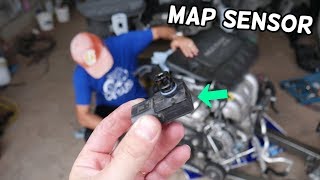
We Have This Part in Stock

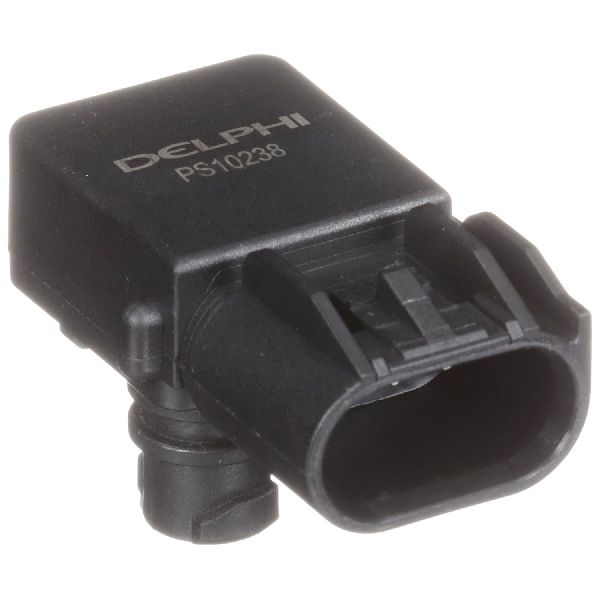
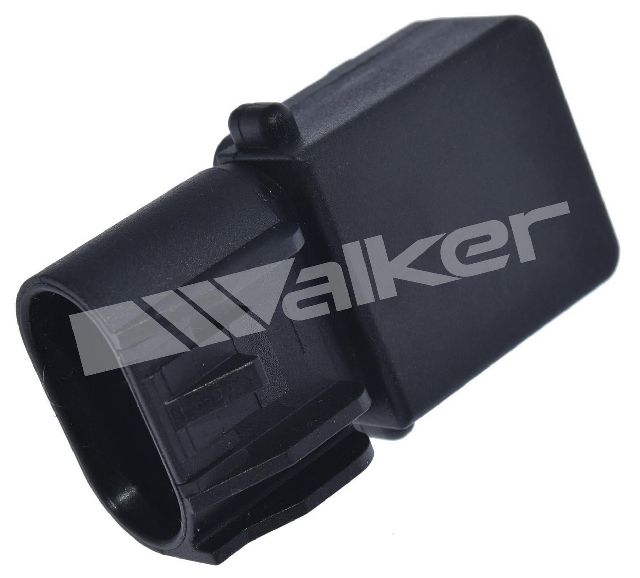
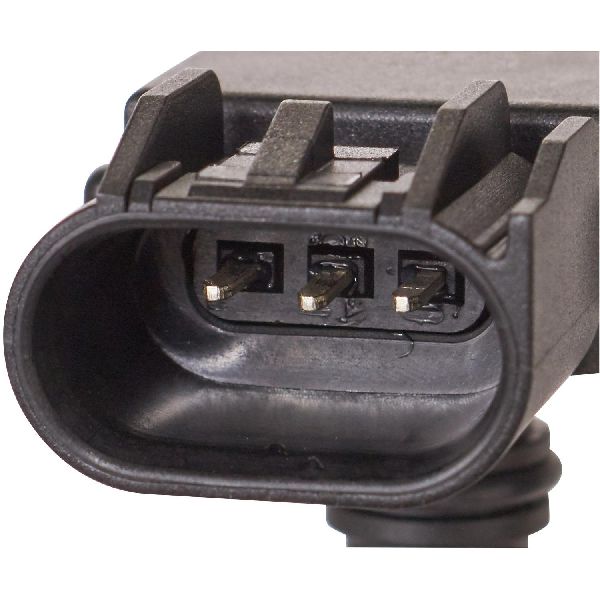

The information in this article is provided for general reference and educational purposes only. Vehicle specifications, procedures, and part compatibility can vary by production date, trim level, and region. Always consult your vehicle's factory service manual and verify part numbers before purchasing or performing repairs. Safety-critical components such as airbags, seat belts, and braking systems should be installed by a qualified professional.
- Ram PROMASTER CITY:
- 🎬 Helpful Videos
- 🛍️ Shop This Part
- What's Unique About the 2015-2016 Ram PROMASTER CITY
- Diagnostic Flowchart
- Symptoms You May Notice
- Most Likely Causes
- Rare But Worth Checking
- Diagnosis Steps
- Parts You'll Likely Need
- Related Codes That Often Appear With This One
- Technical Service Bulletins (TSBs) & Recalls
- Platform-Specific Known Issues
- Mechanic-Grade Diagnostic Values
- Scan Tool Commands That Help
- Wiring & Ground Locations
- Real Owner Repair Stories
- OEM Part Supersession History
- Model Year Variations Within This Range
- 🎟️ Get 5% Off