

P1129 on 2023-2024 Jeep Wrangler: Causes and Fixes for Closed Loop Fueling Issues
On a 2023-2024 Jeep Wrangler, code P1129 almost always points to a faulty Bank 2, Sensor 1 (upstream) oxygen sensor. This is often due to a known issue that may require a dealer software update. Expect to pay $75-$150 for an OEM sensor, with DIY replacement being moderately difficult.
- P1129 on a 2023-2024 Wrangler means the engine's fuel management system is failing on Bank 2 because of a problem with the upstream O2 sensor.
- The most likely cause is a failed Bank 2, Sensor 1 (upstream) oxygen sensor.
- Be aware that simply replacing the sensor may not be a permanent fix; a recurring code likely requires a PCM software update from a Jeep dealer due to a known issue.
- Check for accompanying codes like P0152 or P0052, as they strongly confirm the fault is with the Bank 2 upstream O2 sensor.
- Do not ignore this code, as it will cause poor performance, bad fuel economy, and can eventually damage your catalytic converter.
What's Unique About the 2023-2024 Jeep WRANGLER

The 2023-2024 Jeep Wrangler, particularly models with the 3.6L V6 engine, has documented issues with recurring oxygen sensor failures. Manufacturer Technical Service Bulletins (TSBs) confirm that P1129 often appears with O2 sensor circuit high voltage codes. Forum discussions and owner complaints strongly suggest the vehicle's computer may send an overvoltage signal that damages the sensor's internal heater, meaning a simple sensor replacement might not be a permanent fix without a corresponding PCM software update from a dealership. This is described in TSBs as an issue requiring a PCM reflash to implement "O2 Heater crack improvements".
Diagnostic Flowchart
Tap your situation to follow the diagnostic path that matches what you're seeing on this vehicle.
Symptoms You May Notice
- Check Engine Light is on
- Poor fuel economy
- Rough or unstable idle, especially when stopped
- Engine hesitation or misfiring
- Reduced engine power
- Flashing Check Engine Light in severe cases
- Replacing the wrong oxygen sensor (e.g., downstream instead of upstream, or Bank 1 instead of Bank 2).
- Replacing spark plugs or ignition coils when the issue is fuel-related.
- Assuming a major fuel system failure (like a fuel pump) before checking the much more common O2 sensor.
- Repeatedly replacing the O2 sensor without getting the required PCM software update from the dealership.
Most Likely Causes

- Faulty Bank 2, Sensor 1 (Upstream) Oxygen Sensor 🔴 High Probability TSBs and numerous owner forums indicate a very high failure rate for O2 sensors on this platform, often at very low mileage. Evidence points to a PCM software issue causing an overvoltage condition that cracks the sensor's internal heater element. TSB 18-050-24 Rev. A directly mentions software enhancements for "O2 Heater crack improvements".
How to confirm: Use an OBD-II scanner to monitor live data for the Bank 2, Sensor 1 O2 sensor. A faulty sensor will often show a stuck voltage reading (e.g., stuck high or not fluctuating). The presence of codes like P0152 (O2 Sensor Circuit High Voltage) or P0052 (HO2S Heater Control Circuit High) further points to this sensor.
Typical fix: Replace the Bank 2, Sensor 1 oxygen sensor. It is located on the driver's side of the engine, before the catalytic converter. If the problem reoccurs, which is common, a dealership visit for a PCM software update per TSB 08-142-24 or 18-050-24 REV. A is necessary for a permanent solution.
Est. part cost: $75-$150 - Wiring or Connector Issue 🟡 Medium Probability Wiring harnesses can be damaged by heat from the exhaust or debris, especially on a vehicle designed for off-road use. A loose or corroded connector can also cause the code.
How to confirm: Visually inspect the wiring and connector for the Bank 2, Sensor 1 O2 sensor. Look for any signs of melting, chafing, corrosion, or loose pins. Use a multimeter to check for proper voltage and ground at the connector.
Typical fix: Repair the damaged section of the wiring harness or clean/replace the connector.
Est. part cost: $5-$50 - Exhaust Leak ⚪ Low Probability Exhaust components can be damaged during off-roading. A leak before the O2 sensor can introduce extra oxygen, causing incorrect readings. Leaking valve cover gaskets can also drip oil onto the O2 sensor and its wiring, causing contamination and failure.
How to confirm: Listen for ticking or hissing sounds from the exhaust manifold area, especially when the engine is cold. Visually inspect the exhaust manifold and pipes for cracks or black soot marks indicating a leak. Check the valve cover area above the sensor for any signs of oil leaks.
Typical fix: Replace the leaking exhaust manifold gasket or repair the cracked pipe. If the valve cover is leaking, replace the gasket and clean or replace the contaminated O2 sensor.
Est. part cost: $20-$200
Rare But Worth Checking
- Powertrain Control Module (PCM) Software Issue: As noted in TSBs 08-142-24 and 18-050-24 REV. A, the root cause is often the PCM software itself, which causes premature failure of the O2 sensor. Many owners report replacing the sensor multiple times only for the code to return, until the PCM is reflashed by a dealer. This is the definitive fix if new sensors fail repeatedly.
- Low Fuel Pressure: While less common for this specific code, inadequate fuel pressure from a weak fuel pump or clogged filter can prevent the system from achieving the correct air-fuel ratio, triggering the code.
Diagnosis Steps
- Read all fault codes with an OBD-II scanner. Note any other codes present, especially O2 sensor circuit high codes like P0152 or P0052, as these strongly corroborate the known issue.
- Use the scanner to view live data for the Bank 2, Sensor 1 oxygen sensor. The voltage should fluctuate rapidly between approximately 0.1V and 0.9V. If it's stuck high (above 0.8V) or low (below 0.2V), the sensor is likely faulty.
- Visually inspect the wiring and connector for the Bank 2, Sensor 1 O2 sensor. Look for any visible damage, melting, or corrosion. Also check for oil contamination from a potential valve cover gasket leak.
- Check for exhaust leaks between the cylinder head and the O2 sensor. Listen for unusual noises and look for soot trails.
- If the sensor and wiring appear okay, check fuel pressure to rule out a fuel delivery problem.
- If the O2 sensor is confirmed to be the fault, replace it with a quality OEM or equivalent part.
- Crucial Step: If the code returns after replacing the sensor, contact a Jeep dealership to perform the PCM software update as detailed in TSB 08-142-24 or 18-050-24 REV. A. This is often the only permanent solution.
Parts You'll Likely Need

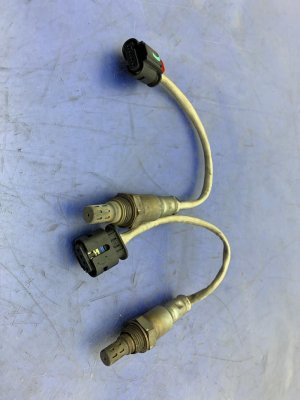
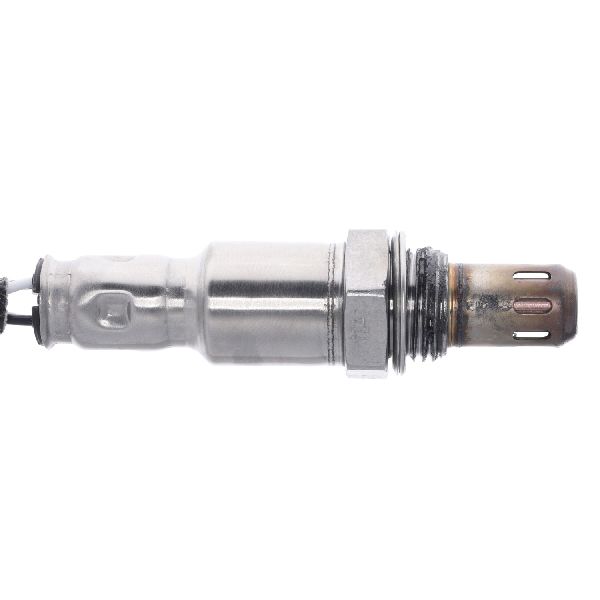
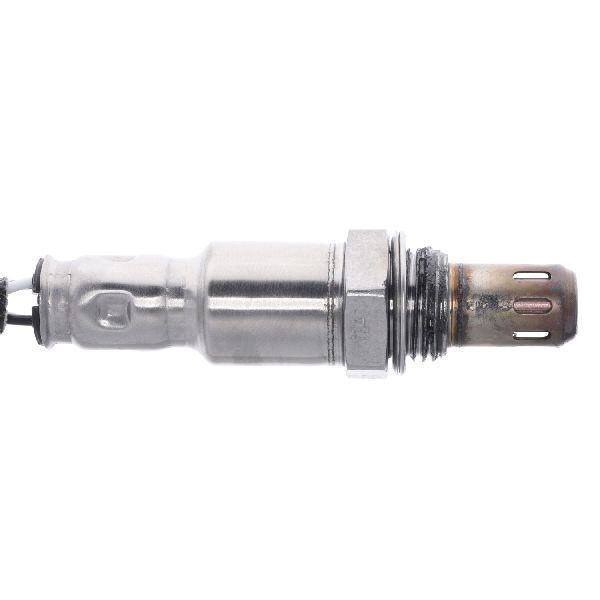
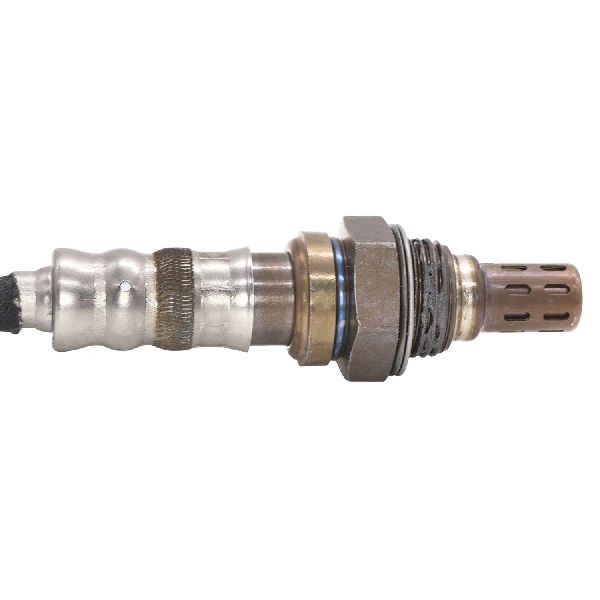
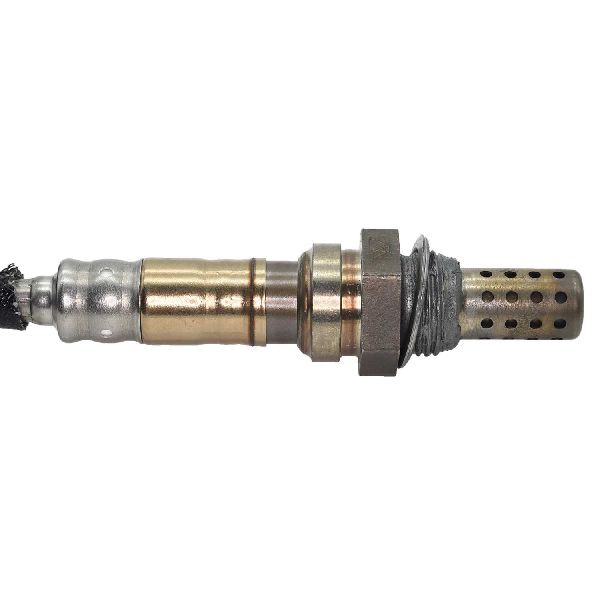
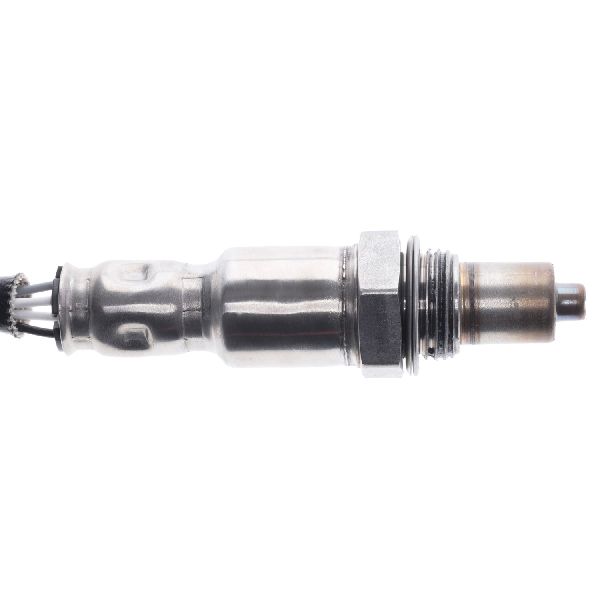
- Upstream Oxygen Sensor (Bank 2, Sensor 1)
(OEM #68504056AA)— This is the most frequent failure point for code P1129 on this vehicle, confirmed by TSBs and community reports. The failure is often caused by a PCM software flaw.
Trusted brands: Mopar, NTK, Denso, Bosch
OEM price range: $100-$150
Aftermarket price range: $60-$120 - PCM Software Flash
(OEM #N/A (Labor Operation 18-19-06-HX))— Required if the P1129 code returns after sensor replacement. TSBs 08-142-24 and 18-050-24 REV. A call for a PCM reprogram to fix the underlying overvoltage issue that destroys the sensors. This is a dealer-only procedure.
Trusted brands: Jeep Dealership Service
OEM price range: $150-$300
Aftermarket price range: N/A
Related Codes That Often Appear With This One
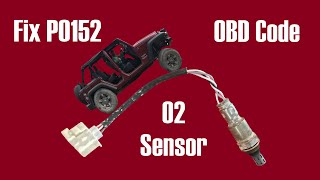
- P0152 — Stands for 'O2 Sensor Circuit High Voltage (Bank 2, Sensor 1)'. This code directly points to an electrical fault with the same sensor responsible for P1129 and is explicitly mentioned in related TSBs. 🎬 See how to fix a P0152 Bank 2 Sensor 1 code.
- P0052 — Stands for 'HO2S Heater Control Circuit High (Bank 2, Sensor 1)'. This indicates a problem with the heater circuit inside the oxygen sensor, which is the component often damaged by the PCM overvoltage issue.
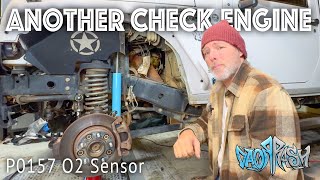
- P0158 — Stands for 'O2 Sensor Circuit High Voltage (Bank 2, Sensor 2)'. While less direct, issues with the Bank 2 downstream sensor can sometimes appear alongside upstream sensor problems, and this code is also listed in the relevant TSBs. 🎬 Watch this guide for replacing the Bank 2 Sensor 2 unit.
- P0300 — Stands for 'Random/Multiple Cylinder Misfire Detected'. A faulty upstream O2 sensor can cause incorrect fuel trimming, leading to misfires. One owner on Reddit reported P1129 along with P0300.
Technical Service Bulletins (TSBs) & Recalls
- 18-003-26: Lists P1129 with other O2 sensor circuit high DTCs.
- 18-050-24 REV. A: Lists P1129 with O2 sensor circuit high DTCs and mentions software updates for "O2 Heater crack improvements" for vehicles built on or before December 19, 2023.
- 08-142-24: Mentions MIL illumination for DTC P1129 and specifies a PCM reprogram for vehicles built on or before February 01, 2024.
Platform-Specific Known Issues
- A known pattern of repeat oxygen sensor failures on 2023-2024 models may require a PCM software update from a dealership to permanently resolve.
- TSB #18-003-26, #18-050-24 REV. A, and #08-142-24 all list P1129 in conjunction with O2 sensor circuit high codes, indicating a common electrical fault pattern.
- TSB 18-050-24 REV. A specifically mentions adding "O2 Heater crack improvements" via a software update, directly addressing the root cause of the sensor failures.
Mechanic-Grade Diagnostic Values
- O2 Sensor Heater Element Resistance — expected: 2.0 to 30.0 Ohms at ambient temperature. A more specific range for Pentastar engines is 4-10 Ohms. Some sources state 2-3 Ohms for Mopar sensors.. Failure: A reading of 0 Ohms (short circuit) or infinite resistance (open circuit) indicates a failed heater element.
- Upstream O2 Sensor Live Data Voltage (B2S1) — expected: Rapidly fluctuating between approximately 0.1V and 0.9V on a warm, running engine in closed loop.. Failure: Voltage is stuck high (e.g., >0.8V), stuck low (e.g., <0.2V), or does not fluctuate. A user with P1129 reported their sensor was stuck at 1.240V.
- O2 Sensor Signal Circuit Voltage (KOEO, sensor disconnected) — expected: Between 4.1 and 5.0 volts when measured at the harness connector with a scan tool.. Failure: A reading outside this range can indicate a wiring issue between the PCM and the sensor connector.
Scan Tool Commands That Help
- wiTECH: PCM Reprogram / Flash — This is a required, dealer-level procedure to install updated software that corrects the root cause of recurring P1129 codes, as specified in TSBs 18-050-24 REV. A and 08-142-24. The function is used after confirming the original PCM software is outdated.
- wiTECH: View Live Data / DTCs — Used to monitor the O2 sensor voltage in real-time to confirm if it is stuck or not fluctuating, and to read the active and stored DTCs that often accompany P1129, such as P0152 and P0052.
Wiring & Ground Locations

- Bank 2 Sensor 1 PCM Pins (JK Model, similar for JL) — At the Powertrain Control Module (PCM) connectors. For the JK model, the B2S1 Signal was C2 pin 33, Signal Return was C2 pin 32, and Heater control was C2 pin 17.. These pins are the direct connection points at the computer for the Bank 2 Upstream O2 sensor. A technician can test for continuity or shorts directly from these pins to the sensor connector to definitively rule out wiring harness issues.
- Engine Bay Ground Stud — On the driver's side of the engine compartment, near the brake booster, there is a main grounding stud on the body.. O2 sensor circuits are low voltage and highly sensitive to poor grounds. A corroded or loose main ground in the engine bay can introduce electrical noise or voltage offsets, causing incorrect readings and triggering codes like P1129.
- Bank 2 Location — Bank 2 is the driver's side of the engine on the 3.6L V6.. Correctly identifying Bank 2 is the first step. Misdiagnosing and replacing the Bank 1 (passenger side) sensor will not fix the code.
Real Owner Repair Stories
- RamForum.com user (2014 Ram 5.7 Hemi (similar Chrysler engine logic)) — Check engine light with codes P0152 and P1129 appeared after replacing spark plugs and coils.
❌ Tried (didn't work) Initial replacement of spark plugs and coils.
✅ What actually fixed it Replacing the Bank 2, Sensor 1 oxygen sensor (with an NGK part) resolved the check engine light and codes. - DodgeForum.com user (2015 Challenger V6 (3.6L Pentastar)) — Random sputtering, rough idle, and pending codes P0152 and P1129.
❌ Tried (didn't work) Using B12 injector cleaner.
✅ What actually fixed it The user replaced the Bank 2, Sensor 1 O2 sensor (passenger side on that vehicle's transverse mounting) which initially seemed to help but the code returned as active. The final fix was not posted, highlighting the common issue of the code returning if the root software cause is not addressed.
OEM Part Supersession History
Unknown→68504056AA— Standard part lifecycle. This part number is listed for the Bank 2 Sensor 1 position on many 3.6L applications.
Heads up: The part 68504056AA is listed by some Mopar sites as a 'Downstream' sensor for the 2.0L 4xe engine, creating potential confusion. However, forum and video evidence for the 3.6L JL shows that three of the four sensors are the same part number, with only one having a different harness length. Always verify the specific part number for the B2S1 position for the 3.6L engine via VIN with a dealer.
Model Year Variations Within This Range
- Vehicles built on or before December 19, 2023: These vehicles are specifically called out in TSB 18-050-24 REV. A as potentially needing a PCM software update to address P1129 and other O2 sensor high voltage codes.
- Vehicles built on or before February 01, 2024: TSB 08-142-24 (for the mechanically similar Gladiator JT) identifies this build date as the cutoff for vehicles that may need a PCM reprogram to fix P1129. This suggests the software fix was implemented in factory production around this time.
Helpful Videos
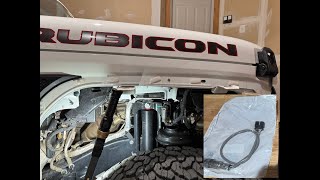
Used OEM Parts in Stock


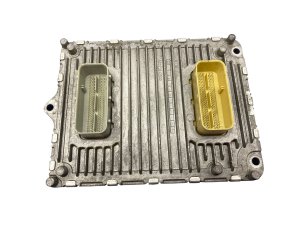


New Aftermarket Parts Available

The information in this article is provided for general reference and educational purposes only. Vehicle specifications, procedures, and part compatibility can vary by production date, trim level, and region. Always consult your vehicle's factory service manual and verify part numbers before purchasing or performing repairs. Safety-critical components such as airbags, seat belts, and braking systems should be installed by a qualified professional.
- Jeep WRANGLER:
- 🎬 Helpful Videos
- 🛍️ Shop This Part
- What's Unique About the 2023-2024 Jeep WRANGLER
- Diagnostic Flowchart
- Symptoms You May Notice
- Most Likely Causes
- Rare But Worth Checking
- Diagnosis Steps
- Parts You'll Likely Need
- Related Codes That Often Appear With This One
- Technical Service Bulletins (TSBs) & Recalls
- Platform-Specific Known Issues
- Mechanic-Grade Diagnostic Values
- Scan Tool Commands That Help
- Wiring & Ground Locations
- Real Owner Repair Stories
- OEM Part Supersession History
- Model Year Variations Within This Range
- 🎟️ Get 5% Off