

P1128 on 2013-2016 Dodge Dart: Causes and Fixes for Closed Loop Fueling Issues
On the 2013-2016 Dodge Dart, particularly those with the 2.4L MultiAir engine, code P1128 is most often caused by a faulty upstream oxygen sensor or the need for a powertrain control module (PCM) software update. Replacing the sensor costs around $70-$150 for the part, while a dealer software update may be required as per several Technical Service Bulletins (TSBs) to resolve software logic flaws.
- First, check if your Dart needs a PCM software update from a Dodge dealer, as this is a very common fix specified in TSBs.
- If a software update is not the solution, the most likely failed part is the upstream oxygen sensor (Bank 1, Sensor 1).
- Do not ignore this code. It will cause poor fuel economy and can lead to more expensive repairs, like a damaged catalytic converter, down the road.
- Other potential causes include vacuum leaks, exhaust leaks before the O2 sensor, and fuel delivery issues, which should be investigated if a new sensor and software update do not solve the problem.
What's Unique About the 2013-2016 Dodge DART

For the Dodge Dart, particularly the 2014 model year with the 2.4L engine, this code is strongly linked to manufacturer-issued Technical Service Bulletins (TSBs). These bulletins, like 18-009-15, often recommend a software update for the Powertrain Control Module (PCM) as the primary fix. Unlike many other vehicles where P1128 immediately points to a bad sensor, on the Dart, checking for and performing this software update should be the first step in the diagnostic process, as the issue is frequently a software logic problem acknowledged by the manufacturer.
🎬 Watch: How to fix P1128 on the 2.4L engine.Diagnostic Flowchart
Tap your situation to follow the diagnostic path that matches what you're seeing on this vehicle.
Symptoms You May Notice
- Check Engine Light (MIL) is on
- Increased fuel consumption
- Poor or rough idle
- Engine may stumble or hesitate during acceleration
- Engine cranks as if it has no compression
- Knocking sound from the engine at idle
- Failed emissions test
- Black smoke from tailpipe on initial cold start (as noted in related TSBs)
- Replacing the downstream oxygen sensor instead of the upstream one. The upstream sensor (Bank 1, Sensor 1) is the primary sensor for fuel control.
- Immediately replacing the O2 sensor without first checking for TSBs. On the Dart, a PCM software update is a very common and manufacturer-recommended first step.
Most Likely Causes

- Faulty Upstream Oxygen Sensor (Bank 1, Sensor 1) 🔴 High Probability The upstream O2 sensor is a critical input for closed-loop operation and is the most common hardware failure for this code. It's a common failure point on most vehicles as it ages and gets contaminated by exhaust byproducts.
How to confirm: Use a scan tool to monitor the live data from the O2 sensor (Bank 1, Sensor 1). A healthy sensor should show voltage fluctuating rapidly between approximately 0.1 and 0.9 volts. A lazy or dead sensor will have slow, no, or stuck voltage changes.
Typical fix: Replace the upstream oxygen sensor. On Dart models with the 2.4L engine, this sensor is located on the front of the engine, on the exhaust manifold, before the catalytic converter.
Est. part cost: $70-$150 - Powertrain Control Module (PCM) Software Update Needed 🔴 High Probability Dodge released multiple TSBs (e.g., 18-009-15) for the 2013-2015 Dart to address this code with a software reflash, indicating a known logic issue in the original PCM programming.
How to confirm: A Dodge dealership or a qualified shop with a wiTECH scan tool can check the current software version on your PCM and see if it's compliant with the latest TSBs. This is the only definitive way to confirm.
Typical fix: Reprogram the PCM with the updated software. This is typically a dealer-only procedure, though some specialized shops can perform it. The cost for a dealer reflash is often around one hour of labor, approximately $100-$200.
Est. part cost: $0 - Exhaust Leak Before the Oxygen Sensor 🟡 Medium Probability A leak from a cracked exhaust manifold or a bad gasket allows outside air into the exhaust stream. This extra oxygen fools the O2 sensor into thinking the engine is running lean, causing the PCM to over-fuel and preventing it from achieving a stable closed loop.
How to confirm: Visually inspect the exhaust manifold for cracks or soot trails. Listen for a ticking or hissing sound that is loudest on a cold start and may quiet down as the engine warms up. A smoke test can also definitively pinpoint the leak.
Typical fix: Replace the leaking exhaust manifold gasket or repair/replace the cracked manifold. Broken mounting bolts are a common cause of leaks and may require extraction, adding to labor time.
Est. part cost: $20-$300 - Vacuum Leak 🟡 Medium Probability Cracked or disconnected vacuum hoses, or a leaking intake manifold gasket, allow unmetered air to enter the engine. This disrupts the air-fuel ratio and can prevent the system from entering closed loop because the PCM cannot compensate for the extra air.
How to confirm: Perform a smoke test on the intake system to identify the source of the leak. You can also listen for hissing sounds around the engine bay at idle or spray brake cleaner (carefully) around suspected areas and listen for a change in engine RPM.
Typical fix: Replace the damaged vacuum hose or intake gasket.
Est. part cost: $5-$50 - Low or Incorrect Fuel Pressure ⚪ Low Probability A weak fuel pump or clogged fuel filter can prevent the engine from receiving enough fuel, leading to a lean condition that the PCM cannot correct, thus preventing closed-loop operation.
How to confirm: Connect a fuel pressure gauge to the fuel rail and verify the pressure is within the manufacturer's specifications. For the 2.0L/2.4L engines, this is approximately 61-65 PSI. Listen for a whining fuel pump or check fuel pump module-related codes.
Typical fix: Replace the fuel pump or fuel filter.
Est. part cost: $50-$250
Rare But Worth Checking
- Faulty Engine Coolant Temperature (ECT) Sensor: The PCM will not allow the engine to enter closed-loop mode if it thinks the engine is not at operating temperature. A faulty ECT sensor reporting a constant cold temperature can cause this. This would likely be accompanied by other symptoms like the temperature gauge reading incorrectly.
- Faulty Powertrain Control Module (PCM): In very rare cases, after all other possibilities have been exhausted, the PCM itself can fail internally. This is an expensive last resort, as a replacement PCM can cost over $800 and requires programming.
Diagnosis Steps
- Check for applicable Technical Service Bulletins (TSBs) for your vehicle's VIN. A PCM software update is a very common fix for this code on the Dart, especially models with the 2.4L engine. Use a dealer or shop with a wiTECH scanner to verify software compliance.
- If no software update is needed or has already been performed, use a scan tool to observe the live data from the upstream O2 sensor (Bank 1, Sensor 1).
- Look for voltage to fluctuate rapidly between approximately 0.1 and 0.9 volts on a warm engine. If the voltage is stuck (e.g., at 4.5V with the sensor disconnected) or slow to respond, the sensor is likely faulty.
- If the sensor appears to be working, perform a smoke test on the intake system to check for vacuum leaks. Pay attention to the intake manifold gasket and all vacuum hoses.
- Visually and audibly inspect the exhaust manifold and downpipe for any signs of leaks (soot trails, hissing/ticking noises, especially when cold).
- If no leaks are found, test the fuel pressure to ensure the fuel pump and filter are functioning correctly. The expected pressure for the 2.4L engine is around 61-65 PSI.
- As a final step, inspect the wiring and connector for the upstream O2 sensor for any damage, corrosion, or melting. Ensure the connector is fully seated.
Parts You'll Likely Need

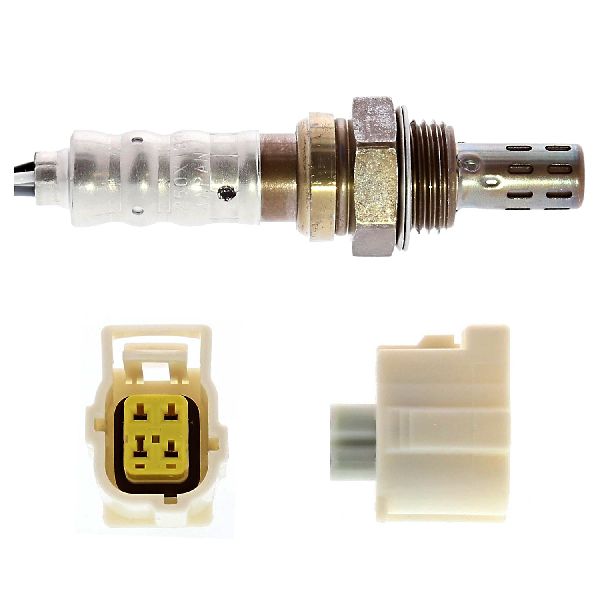
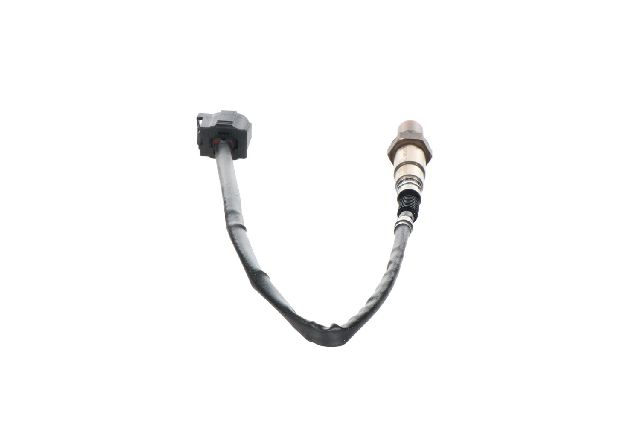
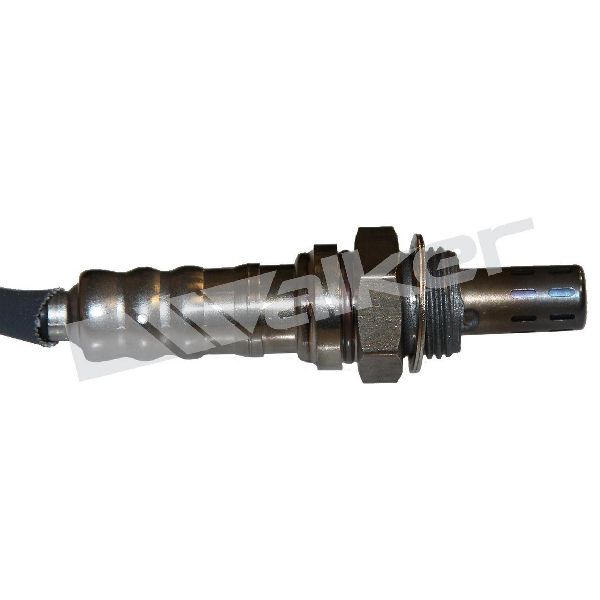
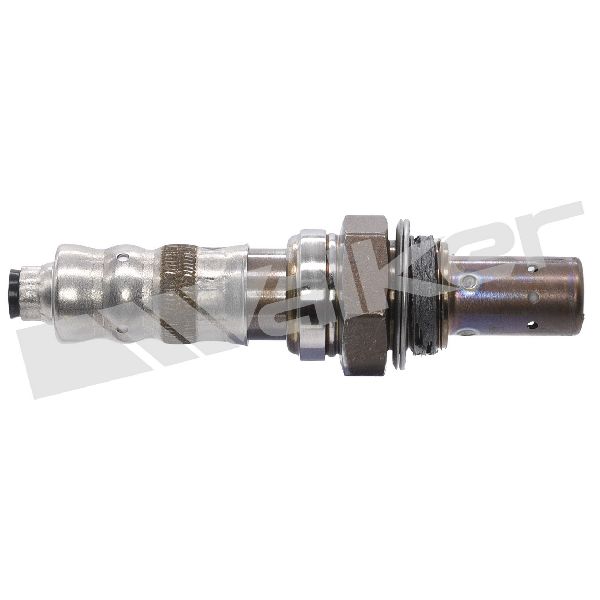
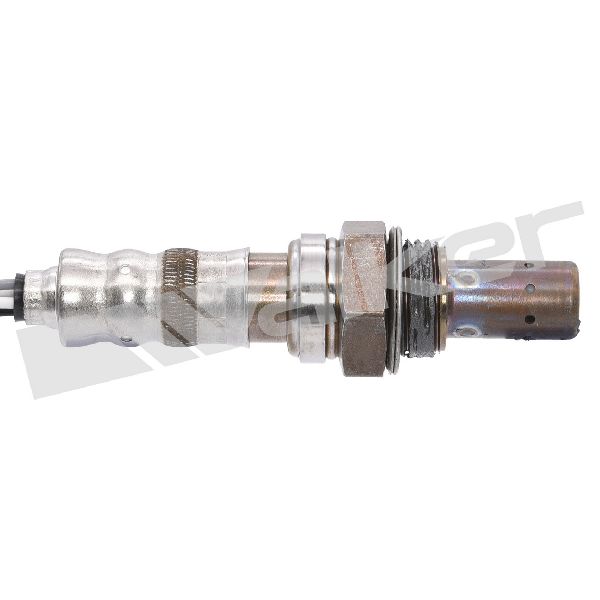
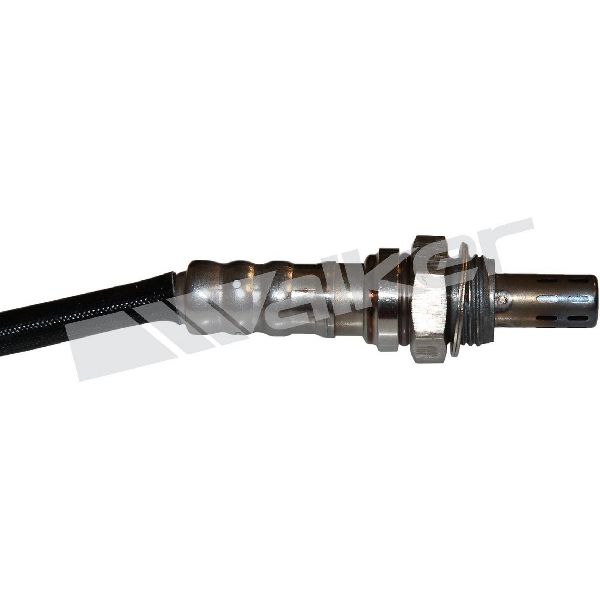
- Upstream Oxygen Sensor
(OEM #68087364AA)— This sensor provides the primary data for air-fuel ratio adjustments. It is a common failure item and the most likely hardware cause for P1128 after a software update has been ruled out.
Trusted brands: Mopar, Denso, Bosch, NGK
OEM price range: $87-$132
Aftermarket price range: $70-$110
Related Codes That Often Appear With This One
- P1D73 — AGS Performance - TSB #18-020-15 REV. B and TSB 18-009-15 list this code alongside P1128, suggesting a related software logic issue resolved by a PCM flash.
- P1CEA — Boost Side Evap Purge System Performance - Also listed in TSB #18-020-15 REV. B, indicating a potential group of codes resolved by a PCM update.
- P0456 — EVAP System Small Leak - This code is also mentioned in TSBs related to PCM updates for the Dart, suggesting a common software fix.
- P113D — O2 Sensor 1/1 Slow Response - TSB 18-009-15 REV. A specifically mentions this code as being resolved by a PCM flash, directly pointing to a software-related O2 sensor logic issue.
Technical Service Bulletins (TSBs) & Recalls
- 18-009-15 REV-F: (2016) Mentions P1128 for 2014 Dart and specifies build dates.
- 18-009-15 REV-E: (2015) Lists P1128 and symptoms like 'cranks as if it has no compression'.
- 18-009-15 REV-D: (2015) Lists P1128 and symptoms like 'knocking at idle'.
- 18-020-15 REV. B: (2015) Lists P1128 for 2013 models and other associated DTCs.
Platform-Specific Known Issues
- Multiple TSBs (18-009-15 REV. F, E, D) were issued for the 2014 Dodge Dart specifically to address P1128 with a PCM software update.
- TSB 18-020-15 REV. B also lists P1128 for the 2013 model year, indicating the issue is not isolated to a single year.
- The issue is most prevalent on models equipped with the 2.4L MultiAir engine, which is also shared with other FCA vehicles that experience the same code.
Mechanic-Grade Diagnostic Values

- Upstream O2 Sensor Heater Resistance — expected: 3 to 15 Ohms at ambient temperature.. Failure: An infinite resistance reading (open circuit) or a reading outside the specified range indicates a faulty heater element.
- Fuel Pressure (2.0L/2.4L engines) — expected: Approximately 61-65 PSI.. Failure: Significantly lower pressure points to a weak fuel pump, clogged filter, or faulty regulator.
- Engine Coolant Temperature (ECT) Sensor Resistance — expected: 2000-3000Ω at 20°C (68°F), dropping to 200-300Ω at 90°C (194°F).. Failure: Resistance values that do not correspond to the current coolant temperature indicate a faulty sensor.
- Upstream O2 Sensor Signal Voltage (Live Data) — expected: Rapidly fluctuating between 0.1V and 0.9V on a warm engine in closed loop.. Failure: Voltage is stuck, sluggish, or does not switch, indicating a lazy or dead sensor.
Scan Tool Commands That Help
- wiTECH (Chrysler/Dodge/Jeep Dealer Tool): PCM Reprogram/Flash — This is a required first step if the vehicle's VIN and software calibration match the criteria in TSBs 18-009-15 or 18-020-15. It updates the PCM logic that monitors the conditions for entering closed loop, which is a primary documented fix for P1128 on this platform.
- wiTECH or high-end generic scan tool: O2 Sensor Heater Test — To actively command the O2 sensor's internal heater on and off to verify the integrity of the heater circuit. This can help differentiate between a sensor failure and a wiring/PCM driver issue before physically testing resistance.
Wiring & Ground Locations
- Engine-to-Chassis Ground Strap — A braided strap often located on the driver's side, connecting the frame rail to the engine block or transmission. It is accessible from underneath the car after removing the belly pan.. This is a notoriously common failure point for corrosion on the Dodge Dart. A poor ground here can cause a host of electrical issues, including erratic sensor readings and no-start conditions, as the PCM and its sensors rely on a stable ground reference.
- G100 / G102 — Located at the left front of the engine compartment.. These are primary chassis ground points. Corrosion or looseness can affect multiple systems, including the PCM and sensor ground references, potentially causing incorrect readings that trigger P1128.
- Upstream O2 Sensor Connector — On the 2.4L engine, the connector is found at the top, rear of the engine, clipped to the main wiring harness.. This is the main connection point to inspect for physical damage, corrosion, or poor pin fitment before condemning the sensor itself. Its proximity to heat can make it brittle over time.
- PCM Upstream O2 Sensor Signal Pin — On similar Chrysler PCMs, the Upstream O2 Sensor Signal is often on a pin identified by circuit K41 (typically a Black/Dark Green wire).. When diagnosing a suspected wiring issue, this is the termination point at the PCM to check for continuity from the sensor connector. An open or short on this wire will prevent the PCM from receiving a signal.
Real Owner Repair Stories
- YouTube user 'Fix it Angel' (2013 Dodge Dart 2.0L) — No crank, no start condition.
❌ Tried (didn't work) Replacing the starter
✅ What actually fixed it The car had a bad ground connection. Cleaning the main engine-to-chassis ground strap, which was heavily corroded, resolved the no-start issue. This highlights the importance of checking grounds for any electrical fault on this platform.
OEM Part Supersession History
68087364AA→This part number appears to be the current and stable revision for the 2.4L engine's upstream sensor.— N/A
Heads up: While this is the correct OEM part, some owners have reported immediate P1128 codes after installing aftermarket sensors, suggesting potential compatibility issues. It was resolved by using a different, new sensor. If replacing with aftermarket, use reputable brands like Denso, NTK, or Bosch.
Model Year Variations Within This Range
- 2013-2015: TSBs #18-009-15 and #18-020-15 specifically call out build dates and model years for the required PCM software flash. For example, TSB #18-009-15 REV-F applies to 2014 Darts built between August 23, 2014, and June 16, 2015. This indicates the software logic causing P1128 was corrected in later production runs and is not applicable to all vehicles in the 2013-2016 range.
Helpful Videos

We Have This Part in Stock

The information in this article is provided for general reference and educational purposes only. Vehicle specifications, procedures, and part compatibility can vary by production date, trim level, and region. Always consult your vehicle's factory service manual and verify part numbers before purchasing or performing repairs. Safety-critical components such as airbags, seat belts, and braking systems should be installed by a qualified professional.
- Dodge DART:
- 🎬 Helpful Videos
- 🛍️ Shop This Part
- What's Unique About the 2013-2016 Dodge DART
- Diagnostic Flowchart
- Symptoms You May Notice
- Most Likely Causes
- Rare But Worth Checking
- Diagnosis Steps
- Parts You'll Likely Need
- Related Codes That Often Appear With This One
- Technical Service Bulletins (TSBs) & Recalls
- Platform-Specific Known Issues
- Mechanic-Grade Diagnostic Values
- Scan Tool Commands That Help
- Wiring & Ground Locations
- Real Owner Repair Stories
- OEM Part Supersession History
- Model Year Variations Within This Range
- 🎟️ Get 5% Off