

P1101 on 2018-2022 Chevrolet Equinox: Causes and Fixes for Intake Airflow Issues
On a 2018-2022 Equinox, P1101 is most often caused by a disconnected charge air cooler tube at the throttle body. Reconnecting it and securing the clamp is often the only fix needed. A clogged PCV system causing oil leaks is another, more complex, possibility.
- Before any other diagnosis, check if the large air tube connected to the engine's throttle body has popped off. This is the most common cause and a free fix.
- P1101 on this vehicle is almost always caused by a physical air leak, not a faulty sensor.
- If you see P1101 accompanied by new engine oil leaks, the cause is likely a more complex (and expensive) clogged PCV system issue requiring professional diagnosis.
- This code will likely put the vehicle into 'limp mode' (reduced power), so while you can drive, performance will be severely limited.
What's Unique About the 2018-2022 Chevrolet EQUINOX

The 1.5L (LYX) and 2.0L (LTG) turbocharged engines in the third-generation Equinox are highly susceptible to two specific issues that trigger P1101. The most common is the charge air cooler outlet tube becoming disconnected from the throttle body, a failure so frequent it's mentioned in multiple GM Technical Service Bulletins (TSBs) and a recall campaign. The second major issue, also documented in TSBs, involves a clogged Positive Crankcase Ventilation (PCV) orifice within the intake manifold or camshaft cover, which causes excessive crankcase pressure, leading to oil leaks and this airflow code.
Diagnostic Flowchart

Tap your situation to follow the diagnostic path that matches what you're seeing on this vehicle.
Symptoms You May Notice

- Check Engine Light (Malfunction Indicator Lamp) is on
- "Reduced Engine Power" message displayed
- Noticeable loss of engine power and poor acceleration
- Rough or unstable idle
- Vehicle may stall when stopped or at low speed
- Poor fuel economy
- Visible oil leaks on the ground, particularly from the front or rear of the engine
- Hissing sound from the engine bay due to a massive air leak
- Replacing the MAF sensor without checking for intake leaks. On this vehicle, a disconnected charge pipe is far more likely to be the cause of P1101 than a bad sensor.
- Replacing the throttle body when it only needs to be cleaned and reset.
Most Likely Causes

- Disconnected Charge Air Cooler Tube 🔴 High Probability As documented in multiple TSBs (PIP5710A, 22-NA-224, N192266090), the clamp design for the charge air cooler outlet tube at the throttle body can be faulty or come loose, causing the tube to pop off under turbo pressure. This was common enough to warrant a service campaign (N192266090) to install an improved retainer kit.
How to confirm: Visually inspect the large black plastic tube connecting to the engine's throttle body. It will likely be completely disconnected or very loose. You may see oil residue around the connection point, which is normal condensation from the PCV system.
Typical fix: Reseat the tube onto the throttle body until it clicks and ensure the retaining clip is secure. TSB PIP5710A advises checking that the internal O-ring seal is present and correctly positioned before reattaching. For a permanent fix, install the updated retainer kit, GM Part No. 13434668, 🎬 Watch: A quick guide to fixing the disconnected charge air tube. as specified in service campaign N192266090.
Est. part cost: $0-$30 - Clogged PCV Orifice in Camshaft Cover/Intake Manifold 🟡 Medium Probability TSB 20-NA-047 specifically identifies a plugged PCV orifice as a cause for P1101. This blockage leads to excessive pressure in the crankcase, which can force oil past the front and rear crankshaft seals and disrupt the engine's air management system.
How to confirm: A mechanic can test the crankcase pressure using a manometer at the oil dipstick tube. TSB 20-NA-047 specifies that normal pressure is between -1 and -5 inches of water at hot idle. A reading above 0 inches of water indicates a blockage.
Typical fix: The camshaft cover must be removed to access and clean or replace the PCV orifice. GM's recommended repair is to replace the orifice and camshaft cover gaskets. 🎬 See this walkthrough for replacing the PCV valves and camshaft cover. In some cases, the entire intake manifold or camshaft cover assembly is replaced. If seals have been damaged by the pressure, they will also need replacement.
Est. part cost: $250-$500 - Dirty or Faulty Mass Airflow (MAF) Sensor ⚪ Low Probability While less common than the other issues on this platform, oil vapors from the PCV system can contaminate the MAF sensor over time, causing inaccurate readings. A poorly fitting aftermarket air filter can also cause the MAF to read incorrectly and trigger P1101.
How to confirm: Inspect the MAF sensor element (located in the intake tube after the air filter) for dirt or oil residue. A diagnostic scan tool can also be used to monitor MAF readings to see if they are erratic or out of specification.
Typical fix: Clean the sensor with a dedicated MAF sensor cleaner spray. Do not touch the sensor wires. If cleaning does not resolve the issue, the sensor must be replaced. Always use an OEM sensor, as aftermarket ones are known to cause issues.
Est. part cost: $10-$150
Rare But Worth Checking
- Frozen Charge Air Cooler: In extremely cold climates, moisture from the PCV system can accumulate in the charge air cooler (intercooler) and freeze, creating a significant airflow obstruction. This is documented in owner forums and is related to TSBs (like 22-NA-233) addressing moisture in the intake, which can also set codes P0299 or P2227.
- Cracked or Dirty Throttle Body: Carbon buildup can prevent the throttle plate from closing properly, allowing unmetered air to enter and triggering P1101. In rare cases, as noted in TSB 22-NA-224, the plastic throttle body itself can be damaged or cracked from the charge pipe repeatedly blowing off, creating a vacuum leak. A YouTube repair video shows a successful fix by simply cleaning the throttle body and performing an idle learn reset. 🎬 Watch: How to diagnose and fix P1101 by cleaning the throttle body.
Diagnosis Steps
- Read all diagnostic trouble codes (DTCs) from the ECM.
- Open the hood and perform a thorough visual inspection of the air intake system.
- Pay close attention to the connection where the large black charge air cooler tube meets the throttle body. Check if it has popped off or is loose.
- If the tube is disconnected, inspect the tube end and throttle body for damage. Check for the presence of the O-ring seal inside the tube. Securely reattach it, ensuring the clip engages with an audible click. Clear the codes and test drive.
- If the tube is secure, inspect the air filter to ensure it is not clogged or a poorly fitting aftermarket filter.
- Inspect for signs of fresh oil leaks around the engine, particularly at the front crankshaft pulley and the rear main seal area between the engine and transmission.
- If significant oil leaks are present along with P1101, suspect a clogged PCV system. Have crankcase pressure professionally tested with a manometer. A reading above 0 inches of water at hot idle confirms a blockage per TSB 20-NA-047.
- If no leaks are found, consider removing and cleaning the throttle body with a dedicated cleaner. After reinstallation, perform an 'Intake System Learn Values Reset' and 'Throttle Body Idle Air Flow Compensation Reset' with a capable scan tool.
- As a final step, consider cleaning the MAF sensor with a dedicated cleaner.
- If the problem persists, a smoke test may be required to find other, smaller leaks in the intake system.
Parts You'll Likely Need
- Charge Air Cooler Outlet Tube Retainer Clip Kit
(OEM #13434668)— The original clip can fail, causing the charge pipe to disconnect. This updated retainer kit was specified in service campaign N192266090 for a more secure connection.
Trusted brands: ACDelco (GM Genuine)
OEM price range: $15-$30
Aftermarket price range: $10-$20 - Intake Manifold
(OEM #12696807)— On some versions of the 1.5L engine, the PCV orifice is integrated into the intake manifold. If this orifice clogs, GM's recommended repair is often to replace the entire intake manifold assembly.
Trusted brands: ACDelco
OEM price range: $300-$500
Aftermarket price range: $200-$350 - Front/Rear Crankshaft Seal — These seals can be forced to leak by the excessive crankcase pressure caused by a clogged PCV system. They are a symptom of the root cause but must be replaced once they fail.
Trusted brands: ACDelco, Fel-Pro
OEM price range: $40-$80
Aftermarket price range: $20-$50
Related Codes That Often Appear With This One
- P0299 — Turbo/Supercharger Underboost. This code is common when the charge air cooler tube disconnects, as the turbo is pressurizing the engine bay instead of the engine.
- P0101 — Mass Air Flow (MAF) Circuit Range/Performance. This is a more generic version of P1101 and often appears with it, indicating a mismatch between measured and expected airflow.
- P0172 — System Too Rich (Bank 1). The ECM detects a massive air leak from the disconnected pipe and may command a rich fuel mixture based on faulty sensor readings.
- P0506 — Idle Air Control System RPM Lower Than Expected. A large vacuum leak makes it very difficult for the ECM to control and maintain a stable idle.
Technical Service Bulletins (TSBs) & Recalls
- 20-NA-047: Front or Rear Crankshaft Oil Leak, Malfunction Indicator Lamp (MIL) Illuminated - DTC P1101 Set.
- PIP5710A: Charge air cooler tube becoming disconnected from the throttle body causing multiple DTCs including P1101.
- 22-NA-224: Procedure for Reduced Engine Power with P1101 and other codes, often due to a disconnected or damaged charge air cooler tube/throttle body.
- N192266090: Service update to install an improved charge air cooler retainer kit (Part No. 13434668) to prevent the tube from disconnecting.
- PIP5651G: Predecessor to 22-NA-224, also addressing the charge air cooler tube disconnection.
Platform-Specific Known Issues
- Multiple TSBs (#PIP5710A, #22-NA-224, #PIP5651G) and a service campaign (#N192266090) have been issued regarding the charge air cooler tube disconnecting from the throttle body, causing P1101 and other codes.
- TSB #20-NA-047 directly links P1101 to front or rear crankshaft oil leaks caused by a plugged PCV orifice, leading to crankcase pressure above 0 inches of water at idle.
Mechanic-Grade Diagnostic Values
- Crankcase Pressure at Hot Idle — expected: -1 to -5 inches of water. Failure: Pressure is positive (above 0 inches of water), indicating a PCV system blockage.
- Mass Airflow (MAF) Sensor Reading at Hot Idle — expected: Approximately 1.5 g/s for the 1.5L engine and 2.0 g/s for the 2.0L engine.. Failure: Reading is significantly different from the engine's displacement in liters, suggesting a leak or faulty sensor.
- Throttle Body Idle Air Flow Compensation (Scan Tool PID) — expected: Less than 90%. Failure: A value of 90% or higher (e.g., 100%) suggests the throttle plate is open too far at idle, often due to carbon buildup.
- MAF Sensor Voltage (Key On, Engine Running) — expected: 0.46 to 2.44 volts. Failure: Voltage is outside of the expected range, particularly below 0.46 volts.
Hidden / Shadow Codes Worth Checking
- P1101-5A: The '-5A' is a GM-specific symptom byte meaning 'Incorrect Calculation'. It specifies that the P1101 code was set because the ECM's calculated airflow model does not match what the MAF sensor is reporting, confirming a rationality fault. (see via A professional GM-level scan tool like the GDS2 (Global Diagnostic System 2).)
Scan Tool Commands That Help
- GDS2 (or equivalent professional scan tool): Throttle Body Idle Air Flow Compensation Reset — After cleaning or replacing the throttle body. This command erases the learned values for idle airflow and forces the ECM to relearn the new minimum throttle position.
- GDS2 (or equivalent professional scan tool): Intake System Learn Values Reset — After fixing any significant intake air leak (like a disconnected charge pipe) or replacing the MAF sensor. This resets the learned airflow values so the ECM can adapt to the corrected system.
Wiring & Ground Locations
- G103 / G104 — Engine block grounds, typically located on the left front or rear of the engine block, sometimes near the transmission mounting studs.. These are primary grounds for the Engine Control Module (ECM) and its sensors. A loose or corroded connection at G103 or G104 can cause erratic voltage and incorrect readings from the MAF sensor, leading to a P1101 code even if the sensor itself is good.
- MAF Sensor Connector — On the air intake tube, immediately following the air filter housing.. The 5-wire connector provides power, ground, and signal lines for both the MAF and integrated IAT sensor. A poor connection, spread terminal, or corroded pin (especially the ground wire) can cause the sensor to send incorrect data to the ECM, triggering P1101.
Real Owner Repair Stories
- YouTube channel "Advanced Level Auto Diagnosis" (2020 Chevrolet Equinox 1.5L with 75,000 miles) — Check Engine Light with code P1101. The MAF sensor had already been replaced without fixing the issue.
❌ Tried (didn't work) Replacing the Mass Airflow (MAF) sensor.
✅ What actually fixed it The technician found the 'Throttle Body Idle Air Flow Compensation' was at 100%. Cleaning heavy carbon buildup from the throttle body and bore, followed by a throttle learn reset, resolved the issue. The idle throttle angle dropped from ~24% to ~9% after the cleaning. - equinoxforum.net (2019 Chevrolet Equinox 1.5L) — Check Engine Light with P1101, P0172, and P0299.
❌ Tried (didn't work) Cleaning the MAF sensor.
✅ What actually fixed it The owner discovered the charge air cooler hose was completely disconnected on the intercooler side (the lower connection), not the more common throttle body side. Reconnecting this hose fixed the problem. - YouTube channel "Infamous Auto" (2016 Chevrolet Cruze 1.8L (shares similar logic with Equinox)) — P1101 code and engine running funny.
❌ Tried (didn't work) Initial diagnosis pointed towards a bad MAF sensor.
✅ What actually fixed it The technician found that a cheap, poorly-fitting aftermarket air filter was not sealing correctly in the airbox. This allowed unmetered air to be drawn in, causing the MAF to read inaccurately. Replacing the aftermarket filter with a proper OEM-style filter resolved the code.
"I Checked Everything" — The Actual Cause
- A clogged PCV orifice, as described in TSB 20-NA-047, will not present as a leak during a standard intake smoke test. The test will come back clean, but the excessive positive crankcase pressure created by the blockage is the root cause of the P1101 code. Diagnosis requires a manometer to test crankcase pressure, not a smoke machine.
OEM Part Supersession History
12696807→12719213— This is the intake manifold for the 1.5L LYX engine. The part was updated, likely to address issues or make manufacturing improvements. Using the latest part number is recommended.12671616→12722341 (per some sources, though 12671616 is still widely listed)— This is a common MAF sensor for these engines. Part numbers are often superseded by newer revisions. It's critical to verify the correct part for the specific vehicle VIN.
Model Year Variations Within This Range
- 2018-2020: For these model years, the P1101 code could apply to either the standard 1.5L LYX turbocharged I4 or the optional 2.0L LTG turbocharged I4 engine.
- 2021-2022: The optional 2.0L LTG turbo engine was discontinued for the 2021 model year. Therefore, on a 2021 or 2022 Equinox, a P1101 code will always be related to the 1.5L LYX engine.
Helpful Videos
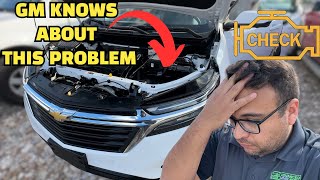
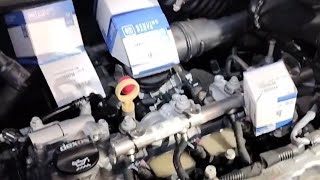
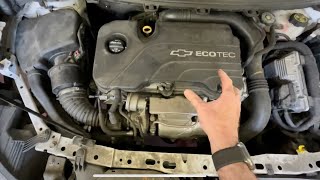
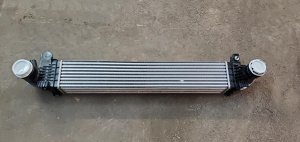
Used OEM Parts in Stock
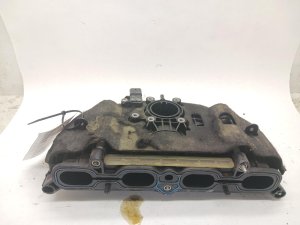
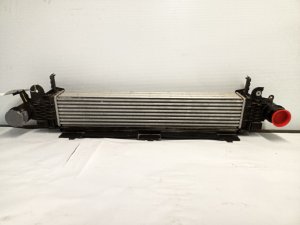
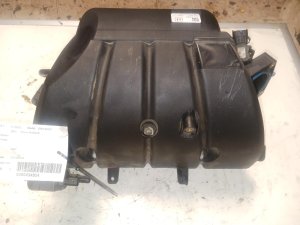

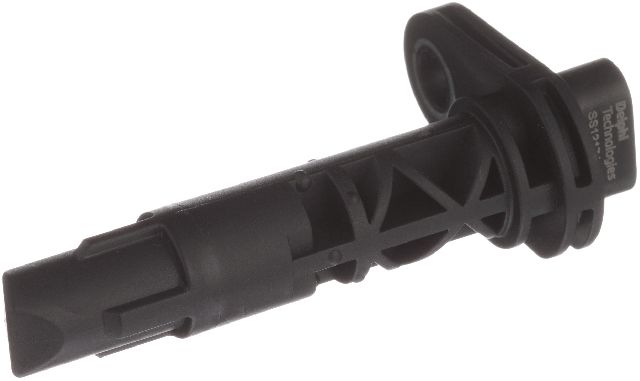
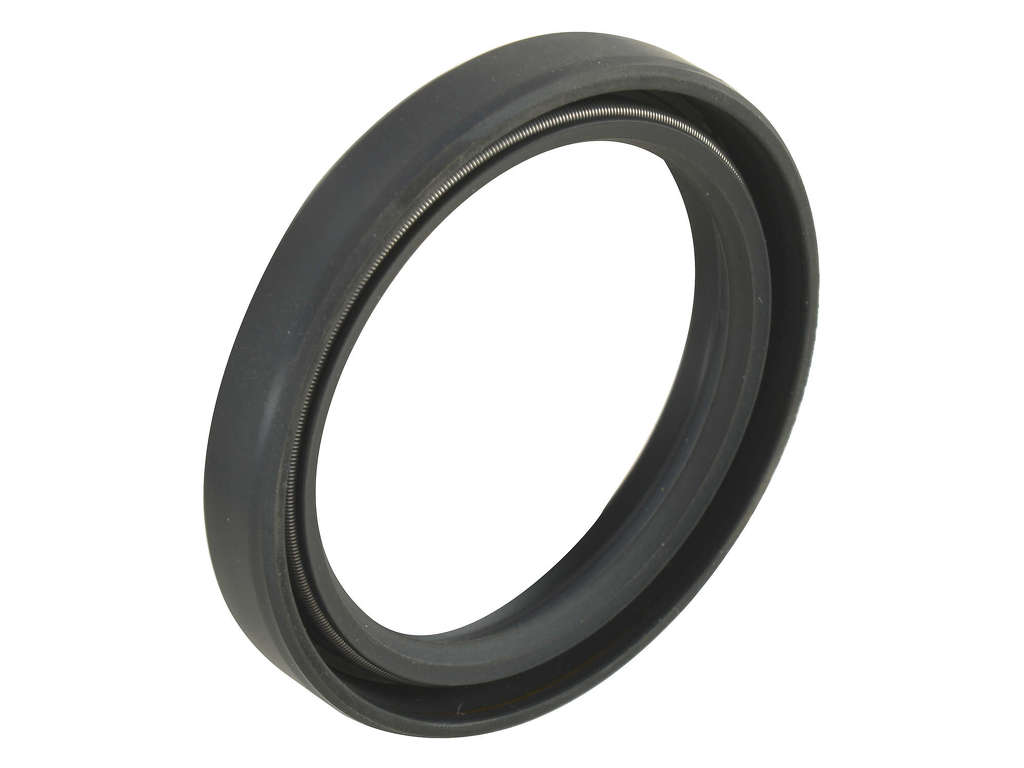
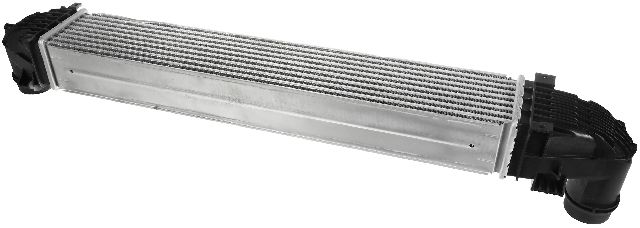
New Aftermarket Parts Available




The information in this article is provided for general reference and educational purposes only. Vehicle specifications, procedures, and part compatibility can vary by production date, trim level, and region. Always consult your vehicle's factory service manual and verify part numbers before purchasing or performing repairs. Safety-critical components such as airbags, seat belts, and braking systems should be installed by a qualified professional.
- Chevrolet EQUINOX:
- 🎬 Helpful Videos
- 🛍️ Shop This Part
- What's Unique About the 2018-2022 Chevrolet EQUINOX
- Diagnostic Flowchart
- Symptoms You May Notice
- Most Likely Causes
- Rare But Worth Checking
- Diagnosis Steps
- Parts You'll Likely Need
- Related Codes That Often Appear With This One
- Technical Service Bulletins (TSBs) & Recalls
- Platform-Specific Known Issues
- Mechanic-Grade Diagnostic Values
- Hidden / Shadow Codes Worth Checking
- Scan Tool Commands That Help
- Wiring & Ground Locations
- Real Owner Repair Stories
- "I Checked Everything" — The Actual Cause
- OEM Part Supersession History
- Model Year Variations Within This Range
- 🎟️ Get 5% Off