

P1101 on 2011-2018 Chevrolet Cruze: Intake Airflow System Causes and Fixes
On a 1.4L Turbo Cruze, P1101 is almost always caused by a failed PCV system, creating a large vacuum leak. The fix is typically replacing the valve cover assembly and inspecting the intake manifold for a missing check valve. Expect to pay $70-$150 for parts for a DIY repair.
- P1101 on a 1.4L Cruze is almost always a failed PCV system, not just a bad sensor.
- Listen for a hissing sound from the engine and check for strong suction at the oil cap to quickly diagnose the issue.
- CRITICAL: Before replacing the valve cover, you MUST inspect the intake manifold port for a small orange check valve. If it's missing, the intake manifold needs to be repaired or replaced to prevent repeat failure.
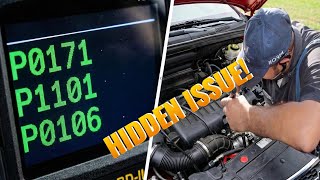
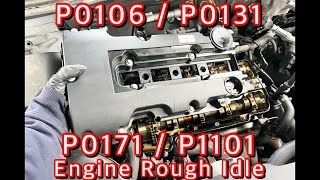
- This issue commonly triggers codes P0171 (System Too Lean) and P0106 (MAP Sensor Performance) at the same time.
- The fix is very DIY-friendly, with the most common part needed being a new valve cover assembly, which costs around $70-$150.
What's Unique About the 2011-2018 Chevrolet CRUZE

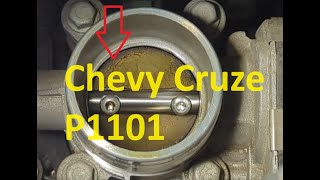
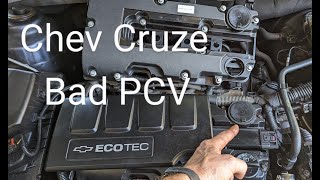
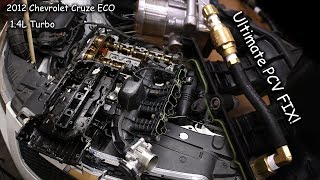
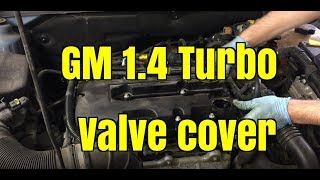
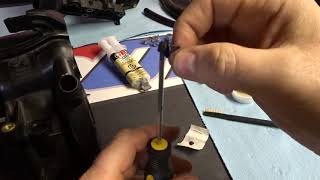
The 1.4L Turbo engine in the Chevy Cruze is notorious for a specific PCV (Positive Crankcase Ventilation) system failure that directly causes the P1101 code. 🎬 Watch: A complete breakdown of Cruze PCV failure points and solutions. Unlike many cars where this code points to a simple sensor cleaning, on the Cruze it's a symptom of a larger mechanical issue. The PCV system has two primary failure points: a rubber diaphragm in the valve cover that ruptures, and a small orange check valve inside the intake manifold that can dislodge and get sucked into the engine. When the intake manifold check valve fails, the crankcase is exposed to turbo boost pressure, which can rupture the valve cover diaphragm and pressurize the crankcase, forcing oil past seals. When the valve cover diaphragm fails, it creates a massive, unmetered vacuum leak through a small vent hole on the cover, which is the root cause of the airflow discrepancy that triggers the P1101 code.
Diagnostic Flowchart

Tap your situation to follow the diagnostic path that matches what you're seeing on this vehicle.
Generation note: This issue affects both the first generation (2011-2016) and second generation (2016-2018) Cruze models equipped with the 1.4L Turbo engine. The PCV system design is the primary weak point across these years. The first generation (J300) is particularly well-documented for this failure, with numerous forum discussions and aftermarket solutions available.
Symptoms You May Notice

- Check Engine Light is on
- Rough or unstable idle
- Hissing or whistling sound from the engine bay, sometimes described as a 'chirping' sound at idle.
- Engine stalling at stops
- Hesitation or surging during acceleration
- Reduced engine power and turbo underboost
- Noticeable vacuum when trying to remove the oil filler cap while the engine is running
- Oil being forced out of seals, particularly the crankshaft seals, leading to oil leaks.
- Replacing only the MAF sensor without checking the PCV system. Many owners replace the sensor multiple times, only for the code to return because the root cause is the vacuum leak from the valve cover or intake manifold.
- Replacing only the valve cover without checking for the presence of the intake manifold check valve. A missing check valve will cause the new valve cover diaphragm to rupture in a short amount of time.
Most Likely Causes

- Failed PCV System (Valve Cover Diaphragm and/or Intake Manifold Check Valve) 🔴 High Probability The 1.4L Turbo engine has two common PCV failure points: a rubber diaphragm in the valve cover that ruptures, and a small orange check valve in the intake manifold that can dislodge and disappear. Failure of either part creates a significant vacuum or boost leak, triggering the code. This is an extremely common failure on the platform.
How to confirm: With the engine running, listen for a distinct hissing sound from the valve cover. You can also place a finger over the small hole on the PCV diaphragm cap; if you feel strong suction, it has failed. To check the intake manifold, remove the PCV hose connecting the valve cover to the manifold and look inside the port for the presence of the small, orange, nipple-like check valve. If it's missing, it has been ingested by the engine.
Typical fix: If the diaphragm has failed, the entire valve cover assembly must be replaced as the diaphragm is not sold separately. If the intake manifold check valve is missing, the manifold should be replaced OR an external PCV fix kit can be installed. It is critical to check the intake manifold before replacing the valve cover, as a missing check valve will cause the new valve cover to fail quickly.
Est. part cost: $70-$150 for a valve cover, $150-$250 for an intake manifold, or $75 for an aftermarket PCV fix kit. - Dirty or Faulty Mass Airflow (MAF) Sensor 🟡 Medium Probability While less common than the PCV failure, oil vapor drawn through a faulty PCV system can contaminate the MAF sensor, causing incorrect readings. Many owners replace the MAF sensor first, but the P1101 code often returns because the root cause is the PCV system.
How to confirm: Remove the MAF sensor from the intake tube and inspect the small wires for dirt, oil, or debris. You can attempt to clean it with a dedicated MAF sensor cleaner. If cleaning doesn't resolve the issue, the sensor may need replacement.
Typical fix: Clean the sensor with MAF sensor cleaner. If the code returns, investigate the PCV system before replacing the MAF sensor.
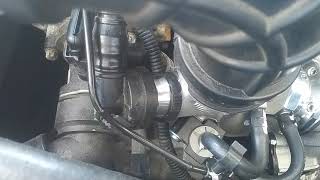
Est. part cost: $20 for cleaner, $70-$130 for a new sensor. - Other Vacuum Leaks ⚪ Low Probability The corrugated plastic PCV hoses can become brittle and crack over time, creating vacuum leaks. The charge air cooler outlet hose can also crack or be improperly installed at the throttle body.
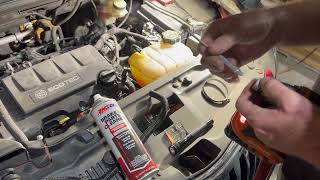
How to confirm: Perform a smoke test on the intake system. Introduce smoke into the intake and look for leaks from cracked hoses, loose connections, or bad gaskets. Pay attention to the air ducting between the turbo, intercooler, and throttle body.
Typical fix: Replace the cracked hose or faulty gasket that is causing the leak.
Est. part cost: $10-$50 - Clogged or Improperly Seated Engine Air Filter ⚪ Low Probability
How to confirm: Visually inspect the engine air filter. If it is visibly dirty or clogged, it can restrict airflow and trigger the code. Also check that the filter is seated correctly in the airbox, as an improper seal or a cheap aftermarket filter can cause turbulent airflow and incorrect MAF readings.
Typical fix: Replace the engine air filter, preferably with an OEM part.
Est. part cost: $15-$30
Rare But Worth Checking
- Cracked or disconnected charge air cooler (intercooler) hose:
Diagnosis Steps
- Read the codes with an OBD-II scanner and note any other codes present, especially P0171 and P0106.
- With the engine running, listen for a loud hissing or whistling sound from the top of the engine, indicating a ruptured PCV diaphragm in the valve cover.
- Carefully try to remove the oil filler cap with the engine idling. If there is extreme suction holding it down, the PCV system has failed.
- Remove the plastic engine cover. Locate the round PCV diaphragm cap on the valve cover and place your finger over the tiny vent hole. If you feel strong suction, the diaphragm is torn.
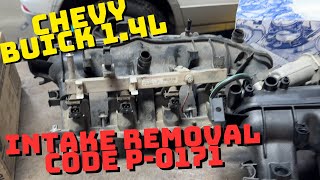
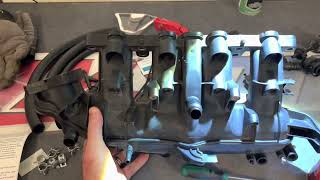
- Disconnect the PCV tube from the intake manifold. Use a flashlight to look inside the port. You should see a small, orange, nipple-like check valve. If it is missing, the intake manifold must be addressed (either replaced or an external kit installed).
- Per TSB PI0907C, check the throttle position angle at warm idle with A/C off. A reading below 7% indicates unmetered air is entering the intake.
- If the PCV system appears intact, inspect the engine air filter for dirt and debris and ensure it is seated correctly.
- Inspect the MAF sensor for contamination. Clean it with dedicated MAF sensor cleaner and re-test.
- If the cause is still not found, perform a smoke test to check for less common vacuum leaks in hoses or gaskets, paying close attention to the charge air cooler hoses.
Parts You'll Likely Need
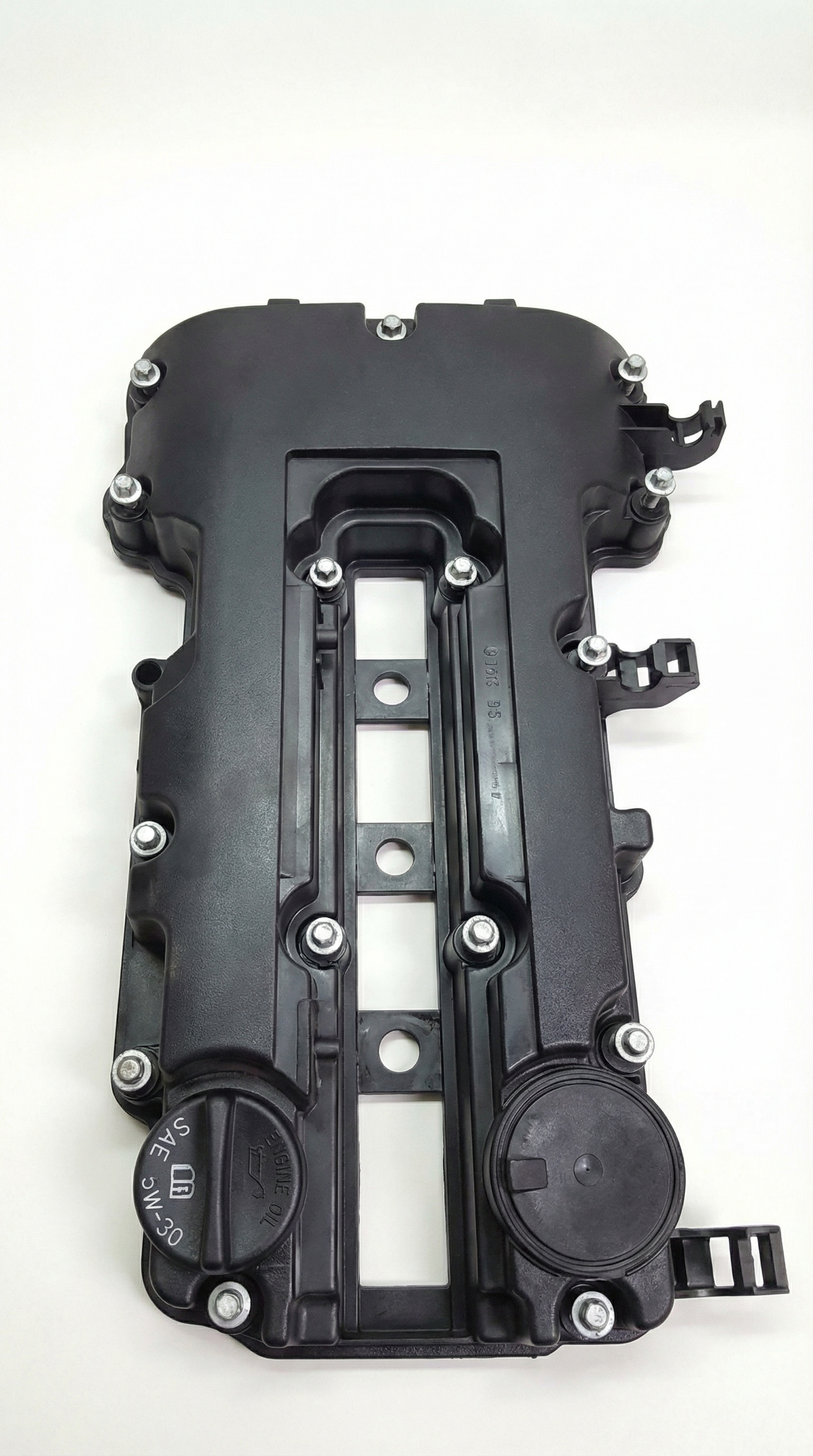
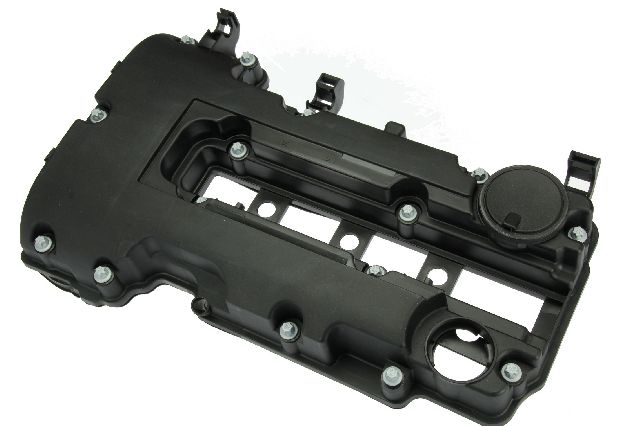
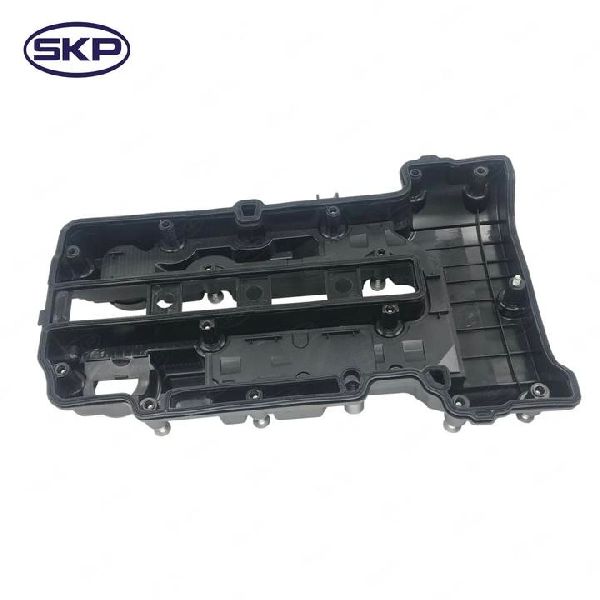
- Camshaft Valve Cover
(OEM #25198877 (superseded by 25203036, 25209141))— The PCV regulator diaphragm is integrated into the valve cover and is the most common failure point. The entire cover must be replaced.
Trusted brands: ACDelco (OEM), Dorman
OEM price range: $100-$150
Aftermarket price range: $70-$100 - Intake Manifold
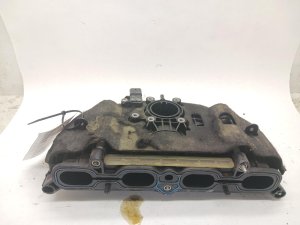
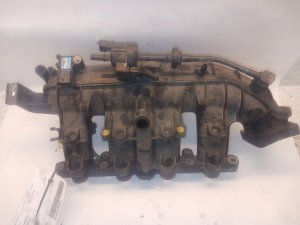
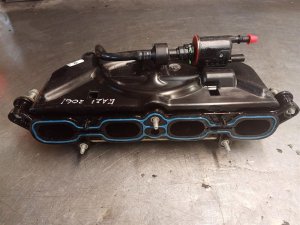
(OEM #55573171 (Dorman offers a replacement kit 615-380))— Required if the internal orange check valve is missing. A missing valve will cause repeated failure of the new valve cover.
Trusted brands: ACDelco (OEM), Dorman
OEM price range: $200-$250
Aftermarket price range: $150-$200 - Aftermarket PCV Fix Kit — A popular and cost-effective alternative to replacing the entire intake manifold when the internal check valve fails. These kits typically add an external check valve to the system.
Trusted brands: CruzeKits.com
Aftermarket price range: $75-$90
Related Codes That Often Appear With This One
- P0171 — System Too Lean. This code is frequently seen with P1101 because the unmetered air from the PCV vacuum leak creates a lean air-fuel mixture.
- P0106 — Manifold Absolute Pressure (MAP) Sensor Performance. The large vacuum leak drastically affects manifold pressure, causing the MAP sensor readings to be out of the expected range.
- P0299 — Turbocharger Underboost. A significant vacuum leak in the intake system can prevent the turbo from building proper boost pressure.
Technical Service Bulletins (TSBs) & Recalls
- 20-NA-047: Links DTC P1101 with high crankcase pressure from a plugged PCV orifice, which can also cause front or rear crankshaft oil leaks.
- PI0907C: Provides diagnostic procedure for P1101, focusing on unmetered air leaks identified by low throttle position angle and potential issues with the PCV pipe or air cleaner baffle.
- 19-NA-218: Addresses a whistle noise and P1101 on some 2018-2019 models, caused by poor installation of the charge air cooler outlet hose at the throttle body.
Platform-Specific Known Issues
- GM Technical Service Bulletin #20-NA-047: Directly links DTC P1101 to conditions caused by higher than normal crankcase pressures from a plugged or failed PCV system, which can also cause front or rear crankshaft oil leaks.
- GM Technical Service Bulletin #PI0907C: Provides diagnostic steps for P1101, advising technicians to check throttle position percentage at idle. A low reading (<7%) points to unmetered air. It suggests checking the PCV pipe and, for the Cruze specifically, ensuring the air baffle in the air cleaner box is correctly positioned.
- Intake Manifold Check Valve Failure: The failure of the intake manifold check valve is a critical secondary issue. Replacing only the valve cover without verifying the check valve is present will lead to a repeat failure of the new cover, often within a few hundred miles.
- Real Owner Story: A Common Diagnostic Path: A user on Reddit with a 2011 Cruze experienced P1101 and P0171. Following community advice, they replaced the valve cover, MAP sensor, MAF sensor, and finally the intake manifold with a Dorman unit. The P0171 code cleared, but the P1101 remained as a permanent code, highlighting the complexity and potential for lingering issues even after replacing the correct parts.
Mechanic-Grade Diagnostic Values
- Mass Airflow (MAF) Sensor Reading at Idle — expected: Approximately the same as engine displacement, e.g., ~1.4 grams/second for the 1.4L engine at warm idle with accessories off.. Failure: A significantly higher reading (e.g., >2.0 g/s) suggests an inaccurate sensor, while a lower reading could indicate a restriction.
- Long-Term and Short-Term Fuel Trims — expected: As close to 0% as possible. A range of +/- 5% is considered healthy.. Failure: High positive trims (e.g., +10% or more) indicate the ECM is adding fuel to compensate for a lean condition (vacuum leak). High negative trims (e.g., -20% or more) indicate the ECM is removing fuel, often because the MAF is over-reporting airflow.
- Crankcase Vacuum at Idle — expected: 11 to 18 inches of WATER (inH₂O), which is a very low amount of vacuum (approx. 0.4-0.65 PSI).. Failure: High vacuum (strong suction at the oil cap) indicates a failed valve cover diaphragm. Positive pressure in the crankcase (measurable at the dipstick tube) indicates a blocked PCV orifice or failed check valves.
- MAF Sensor Voltage (Key On, Engine Running) — expected: Typically between 0.46V and 2.44V during a self-test.. Failure: A voltage reading below 0.46V during the KOER self-test can trigger the P1101 code.
Scan Tool Commands That Help
- GDS2 / Professional Scan Tool: Idle Learn / Throttle Body Idle Airflow Compensation Reset — This function must be performed after cleaning or replacing the throttle body to allow the ECM to relearn the new baseline idle airflow position.
- GDS2 / Professional Scan Tool: Intake System Learned Values Reset — After performing any repair that affects intake airflow (e.g., fixing a vacuum leak, replacing valve cover), this reset clears the old adaptive values and allows the ECM to learn the new airflow characteristics faster.
- GDS2 / Professional Scan Tool: Fuel Trim Reset — After a repair, resetting the fuel trims to zero allows for immediate verification. If the trims quickly return to high positive or negative values, the fix was not successful.
Wiring & Ground Locations
- Engine Block Ground (near coil pack) — There is a ground wire that attaches to the engine block, often near the ignition coil pack mounting area.. This ground is shared by multiple sensors in the engine harness. A loose or corroded connection at this point can cause erratic sensor readings, including for the MAF and MAP sensors, leading to a variety of codes including P1101. One owner reported that a loose ground here caused the car to stall and throw multiple codes.
Real Owner Repair Stories
- Reddit user AnalQTipManufacturer (2018 Chevrolet Cruze) — Recurring P1101 code, rough running.
❌ Tried (didn't work) Changing the MAF sensor alone.
✅ What actually fixed it A comprehensive repair involving replacing the wiring loom and MAF, replacing the MAP sensor, cleaning the throttle body, replacing an O2 sensor, and replacing a damaged intercooler. The total cost was $1250. - YouTube channel 'FixIT' (2016 Chevrolet Cruze) — P1101, P0101, P0299 codes.
✅ What actually fixed it The final fix was replacing the valve cover assembly due to a failed internal PCV diaphragm, and also replacing the intake manifold because the internal check valve was missing. The video emphasizes checking the intake manifold before replacing the valve cover. - YouTube channel 'gregscruze' (Chevrolet Cruze 1.4L) — P1101 code, high negative fuel trims (-20% to -22%).
❌ Tried (didn't work) Initial diagnosis pointed towards a PCV issue or vacuum leak, but crankcase pressure was normal.
✅ What actually fixed it The MAF sensor was reading inaccurately high. Disconnecting the MAF sensor caused the fuel trims to correct towards 0%, confirming the MAF was the problem. Replacing the MAF sensor fixed the issue.
"I Checked Everything" — The Actual Cause
- A smoke test will not identify a P1101 code caused by an improperly seated or poor-quality aftermarket air filter. The filter can create air turbulence across the MAF sensor, causing it to misread airflow without an actual leak in the system.
- If the P1101 is caused by a dirty throttle body restricting airflow, a smoke test will come back clean because there is no leak to be found. The issue is a blockage/restriction, not unmetered air.
- A failing MAF sensor that is providing incorrect data (e.g., reading higher than actual airflow) will trigger a P1101 code with no vacuum leaks present for a smoke machine to find.
When the Usual Fixes Don't Work
- While the PCV system is the most common culprit for P1101 on the Gen 1 Cruze, it is not the only cause. Multiple confirmed repair stories show that a dirty throttle body can be the sole cause, even if the PCV system appears to be the problem. Similarly, a poorly seated or cheap aftermarket air filter can create airflow turbulence sufficient to trigger the code, even with no vacuum leaks. Therefore, if the primary PCV system checks (hissing sound, suction at oil cap) are negative, the next steps should be to inspect the air filter seating and clean the throttle body before replacing more expensive components.
OEM Part Supersession History
25198877→25203036, which was then superseded by 25209141— Standard part evolution by the manufacturer, likely for minor material or design improvements to address the high failure rate of the integrated PCV diaphragm.
Heads up: While the newer parts are direct replacements, using cheap aftermarket valve covers is highly discouraged as their diaphragms often fail even faster than the original OEM part.
Model Year Variations Within This Range
- 2011-2016 (Gen 1, LUV/LUJ Engine): This generation is defined by the notorious PCV system flaw. The primary cause for P1101 is almost always the combination of the valve cover diaphragm rupturing and the intake manifold check valve failing.
- 2016.5-2018 (Gen 2, LE2 Engine): This generation uses a redesigned 1.4L engine (LE2) with a different PCV system. While P1101 can still occur, it is less likely to be the classic Gen 1 PCV failure. On these models, diagnosis should focus more on a dirty MAF sensor, dirty throttle body, or other intake leaks.
Helpful Videos

Used OEM Parts in Stock
New Aftermarket Parts Available

The information in this article is provided for general reference and educational purposes only. Vehicle specifications, procedures, and part compatibility can vary by production date, trim level, and region. Always consult your vehicle's factory service manual and verify part numbers before purchasing or performing repairs. Safety-critical components such as airbags, seat belts, and braking systems should be installed by a qualified professional.
- Chevrolet CRUZE:
- 🎬 Helpful Videos
- 🛍️ Shop This Part
- What's Unique About the 2011-2018 Chevrolet CRUZE
- Diagnostic Flowchart
- Symptoms You May Notice
- Most Likely Causes
- Rare But Worth Checking
- Diagnosis Steps
- Parts You'll Likely Need
- Related Codes That Often Appear With This One
- Technical Service Bulletins (TSBs) & Recalls
- Platform-Specific Known Issues
- Mechanic-Grade Diagnostic Values
- Scan Tool Commands That Help
- Wiring & Ground Locations
- Real Owner Repair Stories
- "I Checked Everything" — The Actual Cause
- When the Usual Fixes Don't Work
- OEM Part Supersession History
- Model Year Variations Within This Range
- 🎟️ Get 5% Off