

P1101 on 2016-2019 Cadillac CT6: Intake Air Flow System Causes and Fixes
On a 2016-2019 Cadillac CT6 with a turbocharged engine, code P1101 almost always indicates an air leak in the charge air cooler system. The most common fix is replacing a missing or damaged O-ring seal in a coupler, an inexpensive part that can be a simple DIY fix. This is a well-documented issue covered by GM Technical Service Bulletin PIP5402E.
- P1101 on a turbocharged Cadillac CT6 almost always means there is an unmetered air leak after the turbo.
- The most likely culprit is a cheap, easy-to-replace O-ring seal in the charge air cooler piping, as per GM TSB PIP5402E.
- Do not replace the expensive MAF sensor until you have performed a smoke test to rule out any air leaks.
- Driving with this code can result in a 'Reduced Engine Power' state, which can be a safety hazard in traffic.
What's Unique About the 2016-2019 Cadillac CT6
The Cadillac CT6, particularly models with the 2.0L LTG turbocharged engine 🎬 Watch: Common failures and maintenance for the GM 2.0L engine., uses a complex series of pipes and hoses for the charge air cooler (intercooler) system. This system cools the compressed air from the turbo before it enters the engine. While effective for performance, the numerous connection points are potential failure points for air leaks. General Motors has specifically identified the O-ring seals at the charge air cooler couplers as a common weak spot across many vehicles using this engine, including the CT6, making it the first place to look for this code. TSB PIP5402E explicitly names the 2016-2019 CT6 and points to the seal on the passenger side of the charge air cooler as the primary suspect.
Diagnostic Flowchart
Tap your situation to follow the diagnostic path that matches what you're seeing on this vehicle.
Symptoms You May Notice
- Check Engine Light illuminated
- "Reduced Engine Power" message on the dashboard.
- Hesitation or surging during acceleration.
- Rough or unstable idle.
- Poor fuel economy.
- A 'whooshing' or hissing sound from the engine bay during acceleration, indicating a boost leak.
- Replacing the Mass Airflow (MAF) sensor without first performing a smoke test. The root cause is far more likely to be a simple and cheap air leak than an expensive failed sensor.
Most Likely Causes
- Missing or Damaged Charge Air Cooler (CAC) Coupler O-Ring Seal 🔴 High Probability This is a known issue documented by GM in Technical Service Bulletin #PIP5402E for the 2.0L LTG engine used in the CT6. The bulletin, which has been revised multiple times (A, B, C, D, E), indicates this is a persistent problem. The seal, located where the air duct connects to the charge air cooler on the passenger side, can become brittle, damaged, or be missing from a previous repair.
How to confirm: Visually inspect the charge air cooler couplers, especially the one on the passenger side of the cooler where the duct from the engine cover connects down to the intercooler inlet. A smoke test of the intake system is the most reliable way to confirm the leak's location; GM recommends a specific tool (GE-52250) for this.
Typical fix: Replace the damaged or missing O-ring. This involves removing the air duct from the coupler, picking out the old seal, and installing a new one. The OEM part number for the most commonly failed seal is GM #12637353 or ACDelco #12654059.
Est. part cost: $10-$25 - Cracked or Loose Intake Air Duct/Hose 🟡 Medium Probability The intake plumbing is made of plastic and rubber components that can become brittle and crack over time due to heat and vibration. A leak can also occur if the hose clamp at the throttle body is not properly seated.
How to confirm: Visually inspect all intake hoses and pipes between the MAF sensor and the throttle body for cracks, loose clamps, or poor connections. A smoke test will definitively reveal any leaks. A hissing or whooshing sound under boost also points to a leak.
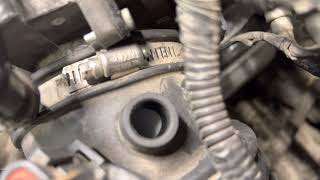
Typical fix: Tighten any loose clamps or replace the cracked hose/duct. In some cases, simply removing and reinstalling the CAC outlet hose at the throttle body can reseat it properly and fix the leak.
Est. part cost: $50-$250 - Dirty or Contaminated Mass Airflow (MAF) Sensor ⚪ Low Probability Over-oiled aftermarket air filters (e.g., K&N) or oil vapors from the PCV system can coat the MAF sensor's delicate wire, causing it to read incorrectly. This is a common misdiagnosis, and the sensor should not be replaced until all potential air leaks are ruled out.
How to confirm: Remove the MAF sensor and visually inspect the sensing element for dirt or oil film. If no leaks are found via a smoke test, cleaning the MAF is a good next step. On a scan tool, you can disconnect the MAF sensor with the engine running; if the fuel trims quickly correct toward zero, it indicates the sensor was providing inaccurate data.
Typical fix: Clean the sensor using only a dedicated MAF sensor cleaner spray. Do not touch the sensor wires. If cleaning doesn't resolve the issue, the sensor may need replacement.
Est. part cost: $10-$15 for cleaner, $70-$200 for a new sensor
Rare But Worth Checking
- PCV System Failure: On the 2.0L LTG engine, the PCV orifice is integrated into the valve/cam cover. If it fails or clogs, it can cause unexpected crankcase pressure changes that the ECM interprets as an airflow fault, triggering P1101. This often requires replacing the entire valve cover assembly.
- Dirty Throttle Body: Heavy carbon buildup around the throttle plate can disrupt airflow at low speeds and idle, contributing to the calculation error that sets the P1101 code. Cleaning the throttle body is a low-cost diagnostic step.
- Improperly Installed Air Filter: An air filter that is not seated correctly in its housing can cause turbulence as air enters the intake tube, leading to inaccurate readings by the MAF sensor and triggering a P1101 code.
Diagnosis Steps
- Read the codes with an OBD-II scanner and confirm P1101 is present, noting any other codes like P015B, P0101, or P0171.
- Perform a thorough visual inspection of the entire air intake system, from the air filter box to the throttle body. Pay close attention to the charge air cooler pipes and couplers for any signs of cracks, damage, or loose clamps.
- Specifically inspect the charge air cooler coupler on the passenger side, as detailed in TSB PIP5402E, checking for a missing or visibly damaged O-ring seal.
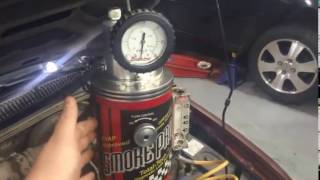
- If no obvious fault is found, perform a smoke test on the intake system. Introduce smoke into the system (GM recommends tool GE-52250) and watch for leaks from any gaskets 🎬 Watch: How to perform a smoke test to find leaks., seals, or hoses. This is the most effective way to find the leak.
- If no leaks are detected, remove and inspect the MAF sensor. Clean it with a dedicated MAF sensor cleaner if it appears dirty or has an oily film.
- Inspect the air filter to ensure it is clean and properly seated in the airbox, as an incorrect installation can cause airflow turbulence.
- If the problem persists after confirming there are no leaks and the MAF is clean, monitor the MAF sensor data on a scan tool to check for erratic readings that might indicate a failing sensor.
- As a final, less common check, inspect the PCV system for proper operation (may require a manometer to check crankcase pressure) and the throttle body for excessive carbon buildup.
Parts You'll Likely Need
- Charge Air Cooler Coupler O-Ring Seal
(OEM #GM 12637353 / ACDelco 12654059)— This is the most common failure point for this code on this vehicle, as identified in GM Technical Service Bulletin PIP5402E.
Trusted brands: GM Genuine Parts, ACDelco
OEM price range: $10-$25
Aftermarket price range: $5-$15 - Mass Airflow (MAF) Sensor
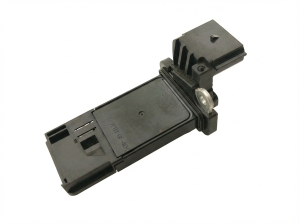
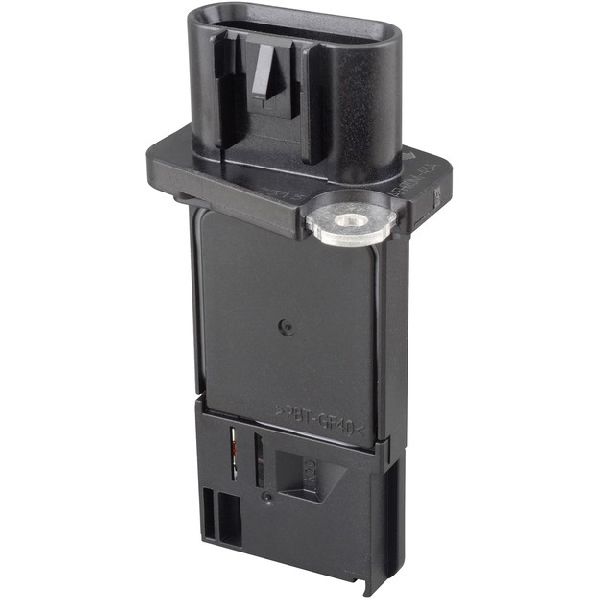
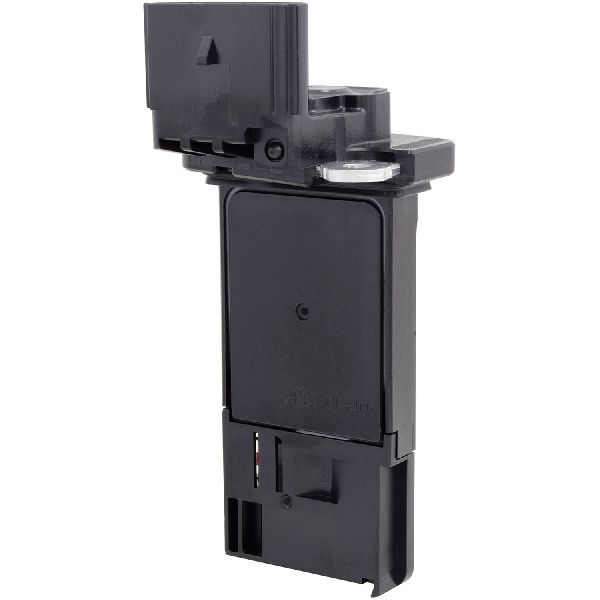
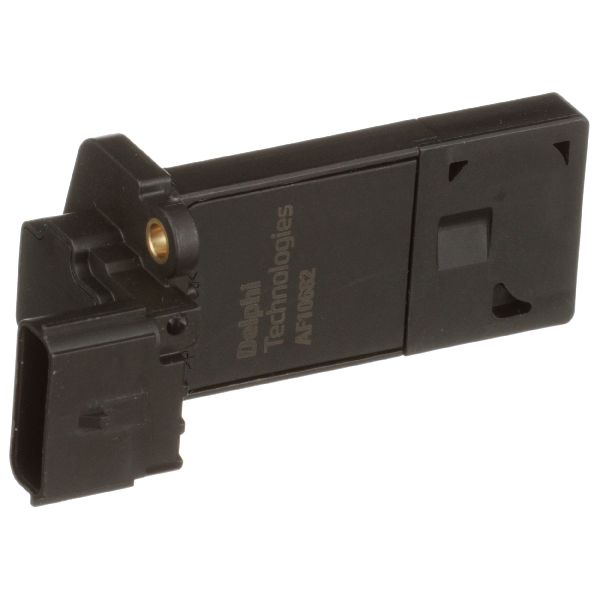
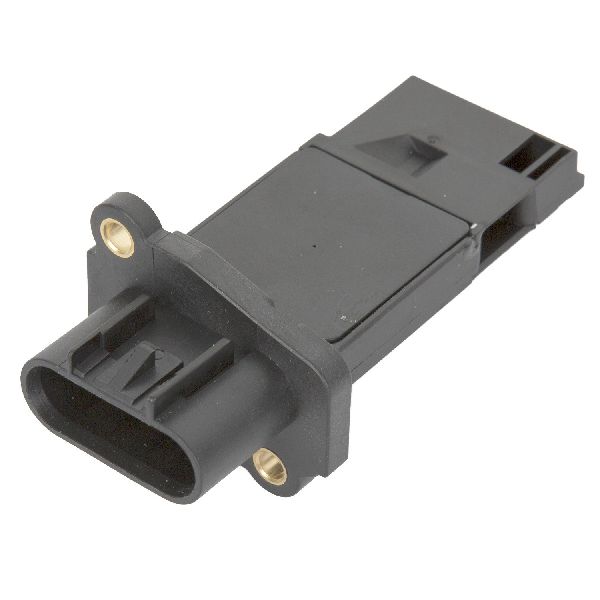
(OEM #ACDelco 213-4691 / GM 12671624)— This is often replaced unnecessarily, but can be the cause if it is dirty beyond cleaning or has failed electronically. Always rule out air leaks first.
Trusted brands: ACDelco, Bosch, Delphi
OEM price range: $150-$220
Aftermarket price range: $70-$150
Related Codes That Often Appear With This One
- P015B — This code for "O2 Sensor Delayed Response - Lean to Rich (Bank 1, Sensor 1)" is explicitly mentioned alongside P1101 in TSB PIP5402E. The unmetered air leak causes a lean condition, and the O2 sensor's struggle to report the rapidly changing air-fuel mixture can trigger this code.
- P0101 — This is a more generic code for "Mass Air Flow (MAF) Circuit Range/Performance". It often appears with P1101 because both codes relate to the MAF sensor's readings being outside of the expected range. The TSB also lists this code as a possible companion to P1101.
- P0171 — This code for 'System Too Lean (Bank 1)' can be triggered by the same unmetered air leak that causes P1101. The extra air that bypasses the MAF sensor creates a lean air-fuel mixture.
Technical Service Bulletins (TSBs) & Recalls
- PIP5402E: Addresses a check engine light with DTC P015B or a reduced engine power message with DTC P1101. It instructs technicians to inspect for a missing or damaged O-ring seal in the charge air cooler coupler on the passenger side. This TSB has gone through multiple revisions, indicating a persistent issue across many GM models with the LTG engine.
- GM Bulletin 19-NA-152: While for a different engine (1.4L LE2), this bulletin also addresses P1101 and notes the cause can be a poorly installed Charge Air Cooler (CAC) outlet hose at the throttle body, which can be fixed by simply loosening the clamp and reinstalling the hose correctly. This highlights a common installation error point in GM turbo systems.
Platform-Specific Known Issues
- The 2016-2019 CT6 with the 2.0L LTG engine is subject to GM Technical Service Bulletin PIP5402E, which directly links code P1101 and a reduced power message to a missing or damaged O-ring seal in the charge air cooler coupler. The bulletin specifically directs technicians to check the coupler on the passenger side of the vehicle.
Mechanic-Grade Diagnostic Values
- MAF Sensor Reading (Key On, Engine Off) — expected: 0 g/s. Failure: Any reading significantly above 0 g/s indicates a faulty sensor.
- MAF Sensor Frequency (at idle, ~700 RPM) — expected: ~3.2 KHz. Failure: Readings that are erratic or significantly different can indicate a faulty sensor or air leak.
- MAF Sensor Frequency (at 2500 RPM) — expected: ~5.2 KHz. Failure: Readings that do not scale properly with RPM suggest a sensor or wiring issue.
- Fuel Trim Response to MAF Disconnect — expected: With engine running, disconnecting the MAF sensor should cause Short-Term Fuel Trim (STFT) and Long-Term Fuel Trim (LTFT) to quickly move toward 0%.. Failure: If fuel trims were high (e.g., +25%) and they immediately correct toward 0% after disconnecting the sensor, it strongly implies the MAF sensor was providing inaccurate readings.
- MAF Sensor Connector Voltage (Pink Wire) — expected: 10-12 Volts DC (Ignition Power). Failure: No voltage indicates a wiring or fuse issue upstream of the sensor.
- MAF Sensor Connector Voltage (Black/White Wire) — expected: Good ground connection. Failure: High resistance to ground indicates a bad ground wire, which can cause incorrect sensor readings.
- Scan Tool Parameter: Throttle Body Idle Air Flow Compensation — expected: Less than 90%. Failure: A value of 90% or greater suggests an issue with the throttle body, such as carbon buildup or a mechanical fault.
Scan Tool Commands That Help
- GDS2 / Professional Scan Tool: Throttle Sweep — After checking for air leaks, this function can be used to command the throttle plate through its range of motion to check for binding or faults in the throttle body assembly, which is a less common cause of P1101.
- GDS2 / Professional Scan Tool: Live Data Monitoring (Fuel Trims, MAF g/s) — Essential for diagnosing a faulty MAF sensor versus a vacuum leak. High positive fuel trims indicate the engine is adding fuel to compensate for unmetered air. Disconnecting the MAF sensor and observing if trims return to zero helps isolate a bad sensor.
Wiring & Ground Locations
- MAF Sensor Connector — On the air intake tube, immediately following the air filter housing.. This is the primary sensor for the code. A poor connection, corrosion, or damaged wire here will directly cause a P1101. The typical 5-wire pinout includes: Yellow (MAF Signal), Black/White (Ground), Pink (12V Power), Tan (IAT Signal), Black (IAT Ground).
- Engine Harness Ground — Typically located on the rear of the passenger side cylinder head, near the firewall.. A poor ground connection for the engine harness can cause erratic sensor readings, including from the MAF sensor, leading to false codes.
- G106 — Located on the front center of the frame cross rail, under the crank pulley.. This is a primary engine-to-chassis ground. A poor connection here can cause a voltage drop across the entire engine management system, affecting the ECM and all sensor readings.
Real Owner Repair Stories
- Reddit user in r/AskAMechanic (2016 Chevrolet Camaro 2.0L LTG (same engine and platform generation)) — P1101 code, Check Engine Light only comes on under heavy acceleration. Drives fine in town.
❌ Tried (didn't work) Cleaning the throttle body, Replacing the MAF sensor, Replacing the MAP sensor, Confirming PCV valve was good, Confirming air filter was clean
✅ What actually fixed it Following the advice of TSB PIP5402E, the user inspected and fixed an issue with the passenger side intercooler (charge air cooler) seal. The user confirmed, "this did the trick and my car is running great now."
"I Checked Everything" — The Actual Cause
- If a smoke test of the intake and charge air cooler system shows no leaks, the cause may be a contaminated or faulty MAF sensor providing incorrect data. This can be confirmed by observing fuel trims on a scan tool, then unplugging the MAF sensor to see if the trims quickly correct toward zero.
- An improperly installed air filter can cause air turbulence across the MAF sensor, leading to incorrect readings and a P1101 code without causing a leak that a smoke test would find.
- A clogged internal PCV orifice in the valve cover can trigger P1101 by altering crankcase pressure but will not show up as a leak during a standard intake smoke test.
Model Year Variations Within This Range
- 2019: For the 2019 model year, the Cadillac CT6 began replacing the 2.0L LTG turbo engine with the newer 2.0L LSY engine. While the P1101 code can still occur, the specific TSB (PIP5402E) and its common fix (CAC O-ring) are documented for the LTG engine. Owners of 2019 models should verify which engine their vehicle has, as diagnostics may differ for the LSY.
Helpful Videos

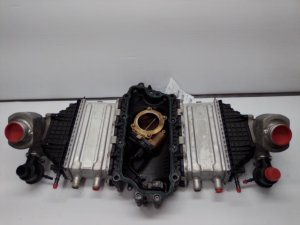
Used OEM Parts in Stock



New Aftermarket Parts Available


The information in this article is provided for general reference and educational purposes only. Vehicle specifications, procedures, and part compatibility can vary by production date, trim level, and region. Always consult your vehicle's factory service manual and verify part numbers before purchasing or performing repairs. Safety-critical components such as airbags, seat belts, and braking systems should be installed by a qualified professional.
- Cadillac CT6:
- 🎬 Helpful Videos
- 🛍️ Shop This Part
- What's Unique About the 2016-2019 Cadillac CT6
- Diagnostic Flowchart
- Symptoms You May Notice
- Most Likely Causes
- Rare But Worth Checking
- Diagnosis Steps
- Parts You'll Likely Need
- Related Codes That Often Appear With This One
- Technical Service Bulletins (TSBs) & Recalls
- Platform-Specific Known Issues
- Mechanic-Grade Diagnostic Values
- Scan Tool Commands That Help
- Wiring & Ground Locations
- Real Owner Repair Stories
- "I Checked Everything" — The Actual Cause
- Model Year Variations Within This Range
- 🎟️ Get 5% Off