

P1101 on 2013-2016 Buick Verano 2.0L Turbo: Causes and Fixes for Intake Air Leaks
On the 2.0L Turbo Verano, P1101 is almost always caused by an air leak in the intake system, not a bad MAF sensor. Check for a bad O-ring on the charge air cooler pipe or loose clamps, as noted in GM service bulletins. A 'whooshing' sound during acceleration is a key symptom. This is a simple, low-cost DIY fix.
- Do not immediately replace the MAF sensor. The P1101 code on this car is a classic symptom of an unmetered air leak.
- Start your diagnosis by inspecting the charge pipe connections, especially the O-ring seal at the charge air cooler outlet, as per TSB PIP5402E.
- Listen for a 'whoosh' sound under acceleration; it's a dead giveaway for a boost leak.
- Check and tighten all intake hose clamps. This simple step can often resolve the issue.
- If you cannot find the leak visually, a smoke test is the most reliable diagnostic method.
- This is a very common and well-documented issue, and the fix is usually simple and inexpensive.
What's Unique About the 2013-2016 Buick VERANO

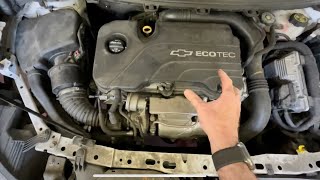
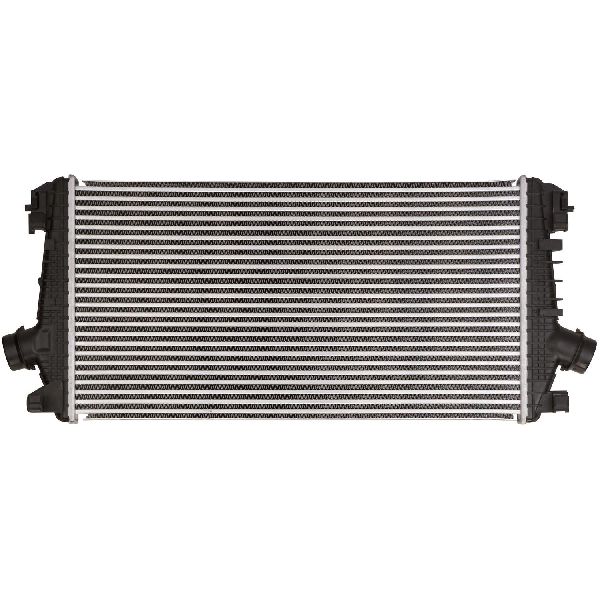
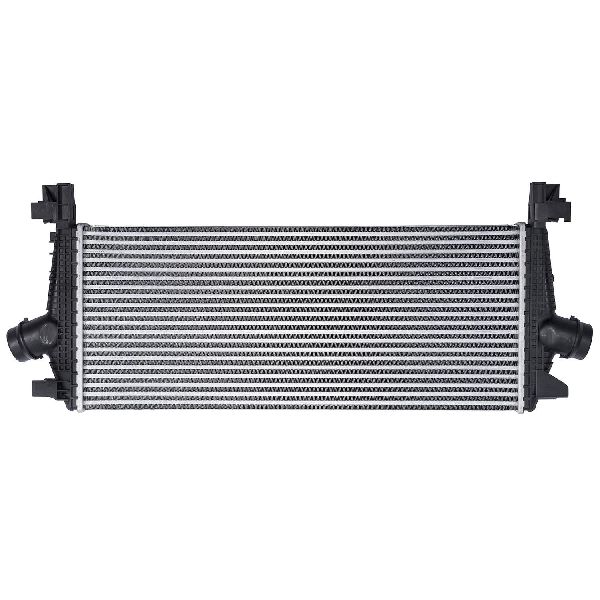
While P1101 is a general GM code, on the turbocharged 2.0L Verano, it is very platform-specific. The issue is rarely the MAF sensor itself. Instead, the pressurized air ducts between the turbo, the charge air cooler (intercooler), and the throttle body are the most common culprits. GM has issued multiple Technical Service Bulletins (TSBs) pointing directly to leaks at the couplers and clamps in this system as the primary cause. This issue is 🎬 Watch: A quick walkthrough of this common turbo duct fix. shared across many GM vehicles using the LHU and subsequent LTG 2.0L turbo engines.
Diagnostic Flowchart
Tap your situation to follow the diagnostic path that matches what you're seeing on this vehicle.
Symptoms You May Notice
- Check Engine Light illuminated
- Message for 'Reduced Engine Power' on the driver display
- Hesitation or stumbling during acceleration
- Rough or unstable idle
- Poor fuel economy
- Audible 'whoosh' or whistling sound from the engine bay during acceleration, indicating a boost leak.
- Replacing the Mass Airflow (MAF) sensor without first checking for air leaks. The code indicates a discrepancy in airflow, which is far more likely to be a mechanical leak than a sensor failure on this engine.
Most Likely Causes

- Damaged or Missing Charge Air Cooler Coupler O-Ring 🔴 High Probability This is a well-documented issue in GM Technical Service Bulletin #PIP5402E. The seal can become brittle, dislodged, or damaged over time, creating a leak in the pressurized charge pipe where it connects to the charge air cooler on the passenger side.
How to confirm: Visually inspect the O-ring seal inside the charge air cooler coupler, located on the passenger side of the charge air cooler. A smoke test of the intake system will definitively show a leak from this area. The TSB recommends using a tool like the GE-52250 Power Smoke machine for this diagnosis.
Typical fix: Replace the O-ring seal. Ensure the coupler is clean and properly seated before reconnecting. The OEM part number for the seal is often cited as GM 12633399, though this should be verified by VIN.
Est. part cost: $5-$20 - Loose Intake Air Duct Clamps 🔴 High Probability As noted in GM Technical Service Bulletin #PI0931, the clamps securing the flexible intake ducts can loosen over time due to engine vibration and temperature changes. Another TSB, 16-NA-011, specifically points to the charge air cooler outlet hose at the throttle body being improperly seated or having a loose clamp.
How to confirm: Physically check all clamps on the intake air ducts between the air filter, turbocharger, intercooler, and throttle body. Attempt to tighten them with the appropriate tool. Pay special attention to the connection at the throttle body.
Typical fix: Loosen the clamp, fully reseat the hose, and then tighten the clamp to the manufacturer's specified torque. If a clamp is stripped or rusted, replace it.
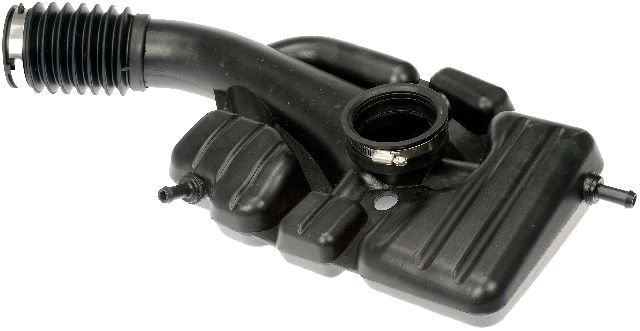
Est. part cost: $2-$10 - Cracked or Disconnected Intake Duct/Pipe 🟡 Medium Probability The plastic and rubber components of the intake system can become brittle with age and heat cycles, leading to cracks. This is a common failure point on many turbocharged GM vehicles.
How to confirm: Visually inspect all intake piping for visible cracks or damage. A smoke test is the most effective way to find small, hard-to-see cracks. A user on a forum found a crack in their intercooler hose was the ultimate cause after trying many other fixes.
Typical fix: Replace the damaged section of the intake duct or charge pipe. For a Buick Encore with a similar issue, the part number was GM 42698921.
Est. part cost: $50-$200
Rare But Worth Checking
- Dirty or Faulty Mass Airflow (MAF) Sensor: While this is a common cause for similar codes on other vehicles, it is an infrequent cause for P1101 on this specific platform. It should only be considered after all potential air leaks have been ruled out. Often, an improperly installed or deformed aftermarket air filter can cause the MAF to read incorrectly and set this code.
- Failed PCV System Component: On related GM turbo engines (like the 1.4T and later 2.0T LTG), a failed PCV valve or diaphragm in the valve cover can cause improper crankcase ventilation, leading to unmetered airflow and a P1101 code. While less commonly cited for the Verano's LHU specifically, it's a known issue in the Ecotec family.
Diagnosis Steps

- Read the code with an OBD-II scanner to confirm P1101 is present.
- Listen for an audible 'whoosh' or whistle from the engine bay while a helper revs the engine or during a test drive under boost. This is a strong indicator of a significant charge air leak.
- Perform a thorough visual inspection of the entire intake tract, from the air filter box to the throttle body.
- Pay close attention to the charge air cooler piping. Per TSB PIP5402E, inspect the coupler on the passenger side of the charge air cooler for a missing or damaged O-ring seal.
- Check and tighten all hose clamps on the intake ducts, as recommended by TSB PI0931. Pay special attention to the connection at the throttle body.
- If no obvious issues are found, perform a smoke test on the intake system. This involves introducing pressurized smoke into the intake and looking for any smoke escaping, which indicates the location of a leak. TSB PIP5402E specifically recommends this procedure.
- If and only if no leaks are found, inspect the MAF sensor for dirt or contamination. It can be cleaned with a dedicated MAF sensor cleaner. Check that the air filter is a quality OEM part and is installed correctly.
- As a final step, if all leaks are ruled out and cleaning the sensor does not work, the MAF sensor may be faulty and require replacement.
Parts You'll Likely Need
- Charge Air Cooler Coupler O-Ring Seal
(OEM #12633399)— This is the most likely culprit according to GM's own service bulletin (PIP5402E) for the P1101 code on this vehicle. While this part number is widely referenced, always confirm fitment with your vehicle's VIN.
Trusted brands: ACDelco, GM Genuine Parts
OEM price range: $10-$25
Aftermarket price range: $5-$15 - Intake Air Duct Hose Clamp — Loose clamps are a common cause of air leaks as identified in TSB PI0931 and TSB 16-NA-011.
Trusted brands: ACDelco
OEM price range: $5-$15
Aftermarket price range: $2-$10
Related Codes That Often Appear With This One
- P0171 — System Too Lean (Bank 1). This code is often triggered alongside P1101 because the unmetered air entering the engine creates a lean condition (too much air, not enough fuel).
- P0101 — Mass Air Flow (MAF) Circuit Range/Performance. This is a more general MAF performance code that can be set for similar reasons, indicating the sensor's readings are out of the expected range. It is often listed alongside P1101 in the relevant TSBs.
- P015B — O2 Sensor Delayed Response – Lean to Rich (Bank 1, Sensor 1). This code is specifically mentioned with P1101 in TSB PIP5402E, as the air leak affects the oxygen sensor's ability to read exhaust gases correctly.
- P0299 — Engine Underboost. A significant air leak in the charge system means the turbo cannot build the required pressure, causing an underboost condition in addition to the airflow rationality fault.
Technical Service Bulletins (TSBs) & Recalls

- PIP5402E: Check Engine Light MIL P015B, P1101 and /or P0101 Reduce Engine Power
- PI0931: (SES) light on with DTCs P0171, P1101, and/or P0101
- 16-NA-011: Mentions issues with the CAC outlet hose at the throttle body.
Platform-Specific Known Issues
- Technical Service Bulletin PIP5402E specifically calls out a missing or damaged O-ring seal in the charge air cooler coupler as a primary cause for code P1101 on the 2013-2016 Verano with the 2.0L engine.
- Technical Service Bulletin PI0931 instructs technicians to inspect and tighten clamps on the air duct to resolve P1101, among other codes.
- A 2014 Buick Regal GS owner on buickforums.com reported P1101 with a 'whooshing' sound caused by the charge air cooler hose blowing off the throttle body connection, a fix also noted in TSB 16-NA-011.
Mechanic-Grade Diagnostic Values
- Mass Airflow (MAF) Rate at Hot Idle — expected: 3.4 - 4.2 g/s. Failure: Significantly higher or lower readings suggest a sensor fault or a large air leak. A reading that is high may cause negative fuel trims as the ECM tries to compensate for a perceived rich condition.
- MAF Sensor Voltage (Key On, Engine Off) — expected: 0.2V - 0.3V. Failure: Voltage outside this range indicates a potential electrical fault in the sensor or its circuit.
- MAF Sensor Voltage (Key On, Engine Running at Idle) — expected: 0.46V - 2.44V. Failure: A voltage reading lower than 0.46V during the KOER self-test can trigger the P1101 code.
- Short-Term and Long-Term Fuel Trims at Idle — expected: Close to 0%, ideally within +/- 10%. Failure: High positive fuel trims (e.g., +20%) indicate the ECM is adding fuel to compensate for a lean condition, strongly suggesting an unmetered air leak. High negative trims suggest the MAF is over-reporting air.
Scan Tool Commands That Help
- GM GDS2: Engine Data / MAF Sensor Data — To monitor the MAF sensor's reported airflow in g/s and compare it to calculated values. This helps determine if the sensor is reading inaccurately or if there's a mechanical leak.
- GM GDS2: Fuel Trim Reset — After a repair (like fixing a vacuum leak or replacing a sensor), this command forces the ECM to relearn the fuel strategy immediately, rather than waiting for it to adapt over several drive cycles. This helps confirm if the fix was successful.
- GM GDS2: Intake System Smoke Test Function — Some bidirectional tools can command certain valves (like the EVAP purge valve) to close, sealing the system to make a smoke test more effective and prevent false leaks from being detected.
Wiring & Ground Locations
- G101 / G106 — Located on the front center of the frame cross rail, under the crank pulley. G101 jumpers to G106.. This ground point serves the Mass Air Flow Sensor, Engine Control Module (ECM), and Transmission Control Module (TCM). A corroded or loose connection here can cause erratic sensor readings, including from the MAF, leading to a P1101 code without any actual air leak.
- MAF Sensor Connector — The 5-pin connector on the MAF sensor itself, located on the intake tube after the air filter box.. The pins provide power, ground, and signal return to the ECM. A loose, corroded, or damaged pin can cause intermittent signal dropouts or incorrect voltage, directly causing a P1101. Wiggling the harness while monitoring MAF data can help identify a bad connection.
- Wiring Harness Under Battery Tray — The main engine wiring harness runs directly below the vehicle's battery tray.. This area is highly susceptible to corrosion from battery acid leaks. Acid can wick into the harness and destroy critical wires for the ECM and its sensors. This can cause a P1101 code or even a complete loss of communication with the ECM.
Real Owner Repair Stories
- YouTube (2013 Buick Verano) — Car would not start, no communication with ECM. Previously had accelerator pedal codes.
❌ Tried (didn't work) Scanning for codes (could not communicate with ECM)
✅ What actually fixed it The wiring harness located directly under the battery tray was found to be heavily corroded by battery acid. The wires had become swollen and broke with a slight touch. Repairing the damaged wires in this harness restored communication and resolved the underlying electrical issues. - buickforums.com (platform mate) (2013 Buick Regal 2.0L Turbo, 113k miles) — P1101 code present.
❌ Tried (didn't work) Not specified, user was asking for advice.
✅ What actually fixed it The community consensus pointed strongly towards an air leak as the cause, specifically the charge air cooler connections, rather than a faulty MAF sensor. This aligns with the known TSBs for the LHU engine.
"I Checked Everything" — The Actual Cause
- In some cases on related GM turbo engines, a smoke test of the intake tract may pass, but the P1101 code persists. The actual cause can be a faulty turbocharger bypass valve (diverter valve) that is sticking or leaking boost pressure back into the intake pre-turbo, which is not something a standard smoke test would reveal. This can sometimes be diagnosed by listening for abnormal noises during boost or by physically removing and inspecting the valve.
Helpful Videos
![How to Fix P1101 Engine Code in 3 Minutes [2 DIY Methods / Only $7.47]](https://img.youtube.com/vi/AWGlibhplBc/mqdefault.jpg)


Used OEM Parts in Stock
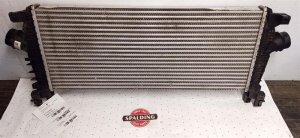
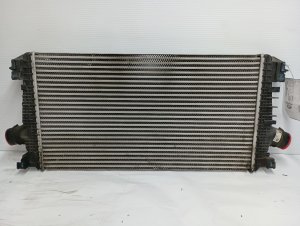
New Aftermarket Parts Available
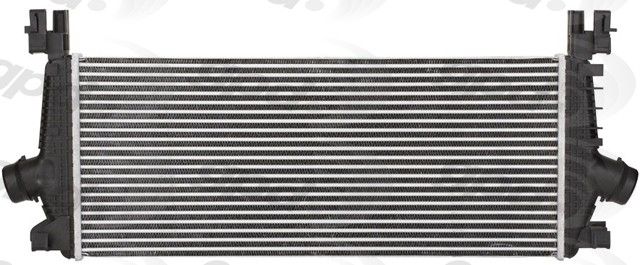
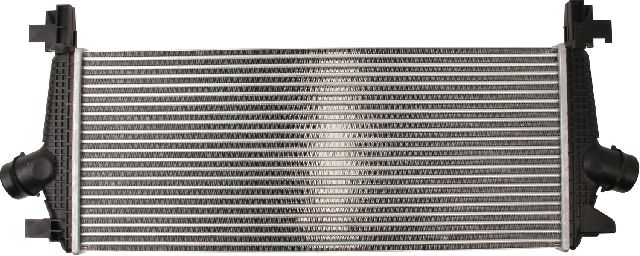


The information in this article is provided for general reference and educational purposes only. Vehicle specifications, procedures, and part compatibility can vary by production date, trim level, and region. Always consult your vehicle's factory service manual and verify part numbers before purchasing or performing repairs. Safety-critical components such as airbags, seat belts, and braking systems should be installed by a qualified professional.
- Buick VERANO:
- 🎬 Helpful Videos
- 🛍️ Shop This Part
- What's Unique About the 2013-2016 Buick VERANO
- Diagnostic Flowchart
- Symptoms You May Notice
- Most Likely Causes
- Rare But Worth Checking
- Diagnosis Steps
- Parts You'll Likely Need
- Related Codes That Often Appear With This One
- Technical Service Bulletins (TSBs) & Recalls
- Platform-Specific Known Issues
- Mechanic-Grade Diagnostic Values
- Scan Tool Commands That Help
- Wiring & Ground Locations
- Real Owner Repair Stories
- "I Checked Everything" — The Actual Cause
- 🎟️ Get 5% Off