

P1101 on 2017-2019 Buick Envision: Intake Airflow Performance Causes and Fixes
On a 2017-2019 Buick Envision with the 2.0L LTG engine, code P1101 is most often caused by an unmetered air leak in the intake system after the MAF sensor. A GM Technical Service Bulletin (PIP5402E) specifically points to a missing or damaged O-ring on the charge air cooler coupler as the primary culprit. This is a simple and inexpensive part to replace and should be the first item checked.
- For a P1101 code on a 2017-2019 Buick Envision, the first and most important thing to check is the charge air cooler system for leaks.
- A GM Technical Service Bulletin (PIP5402E) points directly to a faulty O-ring seal on the charge air cooler coupler as the most common fix.
- Do not replace the expensive Mass Airflow (MAF) sensor until you have performed a thorough visual inspection and a smoke test to rule out any air leaks.
- Symptoms often include a "Reduced Engine Power" message in addition to the Check Engine Light.
- The most likely repair is very inexpensive, involving just a small seal, and can be performed by a DIYer with basic tools.
What's Unique About the 2017-2019 Buick ENVISION
For turbocharged GM engines like the 2.0L LTG in the Envision, the P1101 code is very frequently tied to air leaks in the pressurized charge air system between the turbo and the throttle body. GM has issued a specific and repeatedly updated Technical Service Bulletin (TSB #PIP5402E) for the 2017-2019 Envision that identifies a faulty O-ring seal on the charge air cooler coupler as a known and common point of failure causing this exact code. The TSB explicitly states to check this seal, located on the passenger side of the charge air cooler, after performing initial diagnostics. This makes diagnosing P1101 on this vehicle more direct than on many other cars, where the cause might be a wider range of vacuum leaks or sensor issues.
Diagnostic Flowchart
Tap your situation to follow the diagnostic path that matches what you're seeing on this vehicle.
Symptoms You May Notice
- Check Engine Light is on
- Reduced engine power message on the driver information center
- Poor or sluggish acceleration
- Rough or erratic idle
- Increased fuel consumption
- Whistle-like 'whooshing' or hissing sound from the engine bay, especially during acceleration
- Replacing the MAF sensor without first checking for intake leaks. On this vehicle, an air leak is the most probable cause, and a new MAF sensor will not fix it. 🎬 Watch: How to fix P1101 on similar GM turbo engines. A Reddit user with a 2017 Malibu reported the dealer replaced the MAF sensor and a seal, but the P1101 code returned, highlighting the need for thorough diagnosis.
Most Likely Causes
- Missing or Damaged Charge Air Cooler (CAC) Coupler O-Ring Seal 🔴 High Probability This is a known issue documented by General Motors in TSB #PIP5402E for this specific vehicle and engine. The seal can be damaged during previous service, degrade over time, or be improperly seated, causing a leak in the pressurized intake tract after the turbocharger.
How to confirm: Visually inspect the charge air cooler coupler, located on the passenger side of the charge air cooler where the air duct connects. Check for a missing, torn, or improperly seated O-ring seal. A smoke test of the intake system, as recommended by the TSB, will definitively show a leak from this location. 🎬 Watch: An easy walkthrough for finding and fixing intake leaks.
Typical fix: Replace the damaged O-ring seal and ensure the coupler is properly seated and clamped. The OEM part number for a similar seal on a related platform is 12654059.
Est. part cost: $10-$25 - Leaking or Cracked Charge Air Cooler Hose/Duct 🟡 Medium Probability The plastic and rubber components of the intake system are exposed to heat and pressure, which can cause them to become brittle and crack over time. Another TSB (16-NA-011) notes issues with the CAC outlet hose at the throttle body being improperly installed or blowing off entirely.
How to confirm: Visually inspect all intake hoses and ducts between the turbo, intercooler, and throttle body for cracks, splits, or loose connections. Pay special attention to the connection at the throttle body. 🎬 See how a dirty throttle body can also trigger P1101. A smoke test is the most effective way to find small leaks.
Typical fix: Replace the cracked or leaking hose section. If the hose has blown off the throttle body, reconnect it and consider replacing the stock clamp with a more secure worm-gear style clamp.
Est. part cost: $50-$150 - Dirty or Faulty Mass Airflow (MAF) Sensor ⚪ Low Probability While less common than intake leaks on this platform, oil vapor from the PCV system or fine dust from an over-oiled aftermarket air filter can contaminate the MAF sensor's delicate sensing elements, causing inaccurate readings.
How to confirm: Remove and inspect the MAF sensor. If the sensing wires appear dirty, clean them carefully with a dedicated MAF sensor cleaner spray. Do not use brake or carburetor cleaner. If cleaning doesn't resolve the issue, the sensor may be faulty and can be tested by observing its data stream on a scan tool.
Typical fix: Clean the MAF sensor with a dedicated cleaner. If cleaning fails, replace the MAF sensor.
Est. part cost: $10 (cleaner) or $80-$200 (sensor) - Plugged Positive Crankcase Ventilation (PCV) Orifice ⚪ Low Probability Another GM TSB (20-NA-047, which supersedes PIP5417) notes that a plugged PCV orifice in the valve cover can cause excessive crankcase pressure, which can lead to oil leaks and set a P1101 code. This is a known issue on the LTG engine family.
How to confirm: This requires a crankcase pressure test, often performed by a technician using a manometer. A reading above 0 inches of water indicates a restriction. Oil buildup inside the intake ducting can also be a sign of a failing PCV system.
Typical fix: The PCV orifice is integrated into the camshaft cover on the 2.0L LTG engine. The entire camshaft cover assembly must be replaced.
Est. part cost: $150-$250 (for valve cover)
Rare But Worth Checking
- Poorly Seated or Incorrect Aftermarket Air Filter: An ill-fitting air filter can allow unmetered air to bypass the MAF sensor or cause air turbulence, causing the computer to see a discrepancy in airflow and trigger P1101. One owner found the air filter was not properly seated on the tube inside the airbox, causing the code.
- Leaking Intercooler (Charge Air Cooler): Less common than hose or seal failures, the intercooler itself can develop leaks from corrosion or damage from road debris. A smoke test is the best way to confirm this.
Diagnosis Steps
- Read the trouble codes with an OBD-II scanner.
- Visually inspect the entire air intake system, from the air filter box to the throttle body.
- Pay extremely close attention to the charge air cooler coupler on the passenger side, as specified in TSB #PIP5402E. Check for a missing, damaged, or improperly seated O-ring.
- Inspect all other charge air hoses and clamps for cracks, damage, or looseness. Check the connection at the throttle body, as it is known to pop off.
- If no obvious leaks are found, perform a smoke test on the intake system to pinpoint any hard-to-see leaks. This is the most effective diagnostic step and is recommended by GM in the TSB.
- If no leaks are present, remove and inspect the MAF sensor. Clean it with dedicated MAF sensor cleaner if it appears dirty.
- Check the engine air filter to ensure it is clean and properly seated in the airbox.
- If all else fails, consider a crankcase pressure test to check for a clogged PCV system, as outlined in TSB 20-NA-047.
- Monitor MAF sensor readings on a scan tool to check for erratic behavior that might indicate a failing sensor.
Parts You'll Likely Need
- Charge Air Cooler Coupler Seal (O-Ring)
(OEM #12654059 (Verify with VIN, from related platform))— This is the most likely cause of P1101 on this vehicle, as identified in a manufacturer TSB.
Trusted brands: ACDelco, GM Genuine
OEM price range: $10-$25
Aftermarket price range: $5-$15 - Mass Airflow (MAF) Sensor
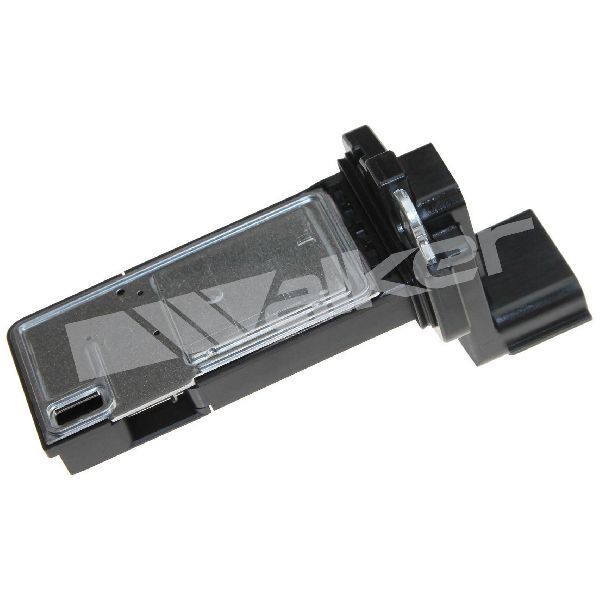
(OEM #23262343 (Verify with VIN, from related platform))— This is a potential cause if all intake leaks have been ruled out. It is often misdiagnosed.
Trusted brands: ACDelco, Bosch, Delphi
OEM price range: $150-$220
Aftermarket price range: $80-$150 - Charge Air Cooler Outlet Hose — These hoses can crack, split, or blow off the throttle body, causing a pressure leak that triggers the code.
Trusted brands: ACDelco, GM Genuine
OEM price range: $70-$150
Aftermarket price range: $40-$90
Related Codes That Often Appear With This One
- P0101 — This code also relates to MAF Sensor Performance and is often set for the same reason: a discrepancy between measured and expected airflow. TSB PIP5402E lists them together.
- P015B — This code relates to O2 Sensor Delayed Response. A significant air leak can affect the air/fuel mixture, causing this code to appear alongside P1101, as noted in TSB PIP5402E.
- P0171 — System Too Lean. A leak of unmetered air into the engine after the MAF sensor will cause a lean condition, as the engine is getting more air than the fuel system is compensating for.
- P0299 — Turbocharger/Supercharger Underboost. A significant leak in the charge air system, such as a disconnected hose, will cause a loss of boost pressure, triggering this code along with P1101.
Technical Service Bulletins (TSBs) & Recalls
- PIP5402E: Recommends inspecting for a missing or damaged O-ring seal in the
Platform-Specific Known Issues
- TSB #PIP5402E specifically calls out the 2017-2019 Envision with the 2.0L LTG engine as being susceptible to code P1101 due to a faulty O-ring seal in the charge air cooler coupler. The bulletin explicitly directs technicians to inspect the seal on the passenger side of the charge air cooler.
Mechanic-Grade Diagnostic Values
- Mass Air Flow (MAF) Rate at Idle — expected: Approximately 2.0-4.0 grams/second (g/s) at warm idle with no load. A general rule is that the g/s value should be close to the engine's displacement in liters.. Failure: A reading significantly lower than 2.0 g/s or one that does not increase smoothly with RPM suggests a leak after the MAF, a contaminated sensor, or a wiring issue.
- Long Term and Short Term Fuel Trims (LTFT/STFT) — expected: Within +/- 10% at idle and steady cruise.. Failure: A high positive fuel trim (e.g., LTFT > +15%) indicates the ECM is adding significant amounts of fuel to compensate for unmetered air entering the engine, which is a classic sign of an air/vacuum leak.
- Manifold Absolute Pressure (MAP) at Idle — expected: Approximately 30-45 kPa (4.3-6.5 psi) at warm idle.. Failure: A reading that is significantly higher than expected at idle can indicate a large vacuum leak. Under wide-open throttle, the sensor should read up to 20-32 psi (including boost).
Hidden / Shadow Codes Worth Checking
- P1101-00: The '-00' suffix is a standard GM identifier indicating the code is set without any additional, more specific sub-faults or symptom bytes being recorded. (see via Visible on most professional scan tools, such as GM's GDS2, and some higher-end consumer OBD-II scanners.)
Scan Tool Commands That Help
- Bi-Directional Scan Tool (e.g., GDS2) or Manual Procedure: Throttle Body Relearn / Idle Learn Reset — After cleaning or replacing the throttle body, a relearn procedure is necessary because the ECM's stored values for the idle throttle position will be incorrect due to the removal of carbon buildup. Failure to do this can cause a continued rough idle or P1101 code even after the fix.
Wiring & Ground Locations
- MAF Sensor Connector (8-pin) — On the air intake tube, immediately after the air filter housing.. The MAF sensor for the LTG engine is a multi-function unit containing the IAT and humidity sensors. Key wires to test with a multimeter are the 12V power supply wire, the ground wire, and the MAF signal wire (voltage should increase with RPM). A loss of power, ground, or a faulty signal wire will cause P1101.
Real Owner Repair Stories
- Reddit user in r/AskAMechanic (2016 Chevrolet Camaro 2.0L LTG) — Check engine light with P1101 would only appear when accelerating hard ('step on the gas'). Drove fine around town.
❌ Tried (didn't work) Cleaning the throttle body, Replacing the MAF sensor, Replacing the MAP sensor
✅ What actually fixed it Following advice to check for the issue described in TSB PIP5402E, the owner inspected and fixed an issue with the passenger side intercooler (CAC) O-ring seal. The user confirmed, 'this did the trick and my car is running great now.' - YouTube channel 'Backyard Chevy' (2013 Chevrolet Malibu 2.0T) — Persistent P1101 code after addressing other issues.
❌ Tried (didn't work) Initial visual inspection for leaks.
✅ What actually fixed it The technician noticed on a scan tool that the throttle position was higher than expected at idle. This indicated the throttle plate was being held open to compensate for blockage. A thorough cleaning of the throttle body to remove carbon buildup allowed the throttle plate to close fully, resolving the airflow discrepancy and the P1101 code. - Reddit user in r/cruze (2017 Chevrolet Cruze LT RS) — P1101 code and rough idle.
❌ Tried (didn't work) Just clearing the code.
✅ What actually fixed it The user performed a series of steps: 1) Ensured all intake tubing was secure. 2) Disconnected the battery. 3) Cleaned the MAF sensor connector with electronic cleaner and applied dielectric grease. 4) Cleaned the throttle body. 5) Reconnected the battery and performed a manual throttle relearn procedure by idling for 5 minutes, restarting, and then performing a 5-15 minute drive cycle. This combination of cleaning and resetting resolved the issue.
"I Checked Everything" — The Actual Cause
- A common scenario where a smoke test on the intake system passes (shows no leaks) but the P1101 code persists is a faulty or contaminated MAF sensor. The sensor itself provides incorrect data, but there is no physical leak for the smoke to escape. A technician can diagnose this by observing fuel trims on a scan tool, then unplugging the MAF sensor. If the fuel trims quickly move back towards 0%, it proves the MAF sensor was providing bad data, tricking the ECM into thinking there was a leak.
- A clogged PCV orifice, as noted in GM TSB 20-NA-047, can cause P1101 but will not show up as a leak in a typical intake smoke test. The test pressurizes the intake, but the PCV issue is one of improper crankcase pressure regulation, which affects the engine's air/fuel mixture calculations indirectly.
OEM Part Supersession History
20787043, 23118170→23262343— Standard part evolution and consolidation for the MAF Sensor assembly.
Model Year Variations Within This Range
- 2019: For the 2019 model year, Buick upgraded the transmission paired with the 2.0L LTG engine from a 6-speed automatic to a 9-speed automatic. While this does not change the fundamental causes of code P1101, it is a significant powertrain difference from the 2017-2018 models.
Helpful Videos
Used OEM Parts in Stock

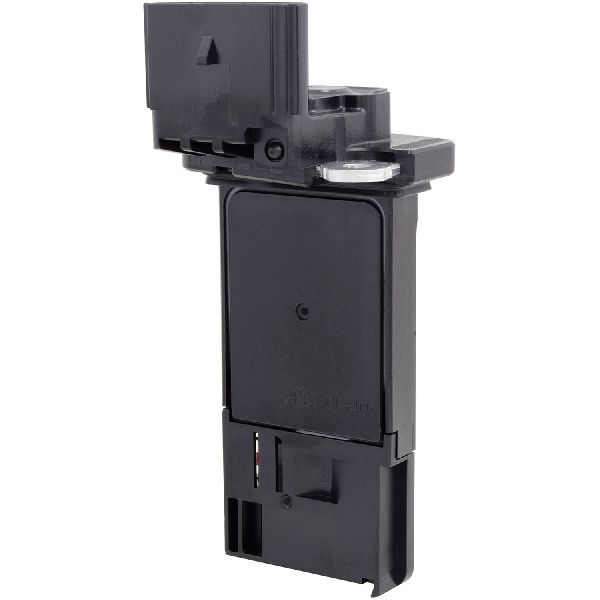
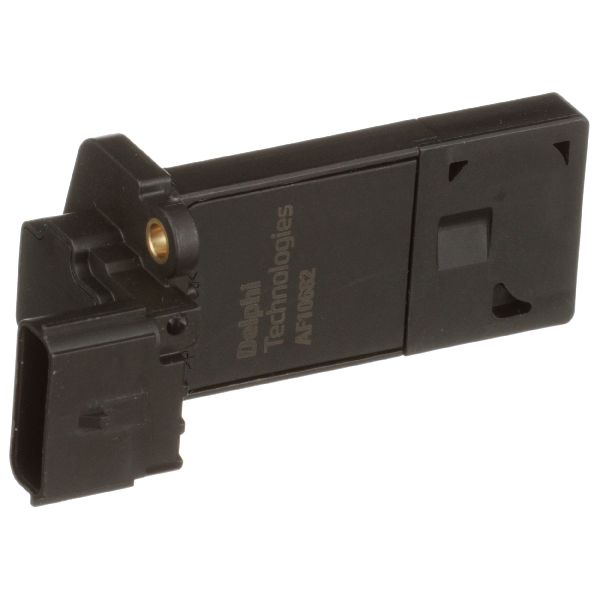
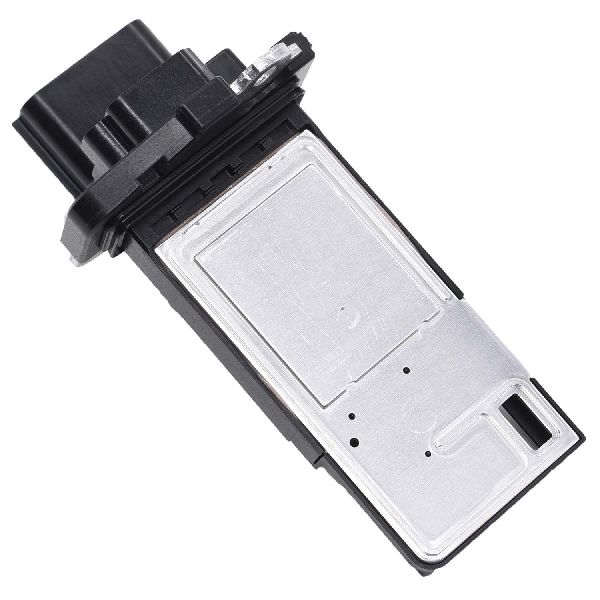
New Aftermarket Parts Available



The information in this article is provided for general reference and educational purposes only. Vehicle specifications, procedures, and part compatibility can vary by production date, trim level, and region. Always consult your vehicle's factory service manual and verify part numbers before purchasing or performing repairs. Safety-critical components such as airbags, seat belts, and braking systems should be installed by a qualified professional.
- Buick ENVISION:
- 🎬 Helpful Videos
- 🛍️ Shop This Part
- What's Unique About the 2017-2019 Buick ENVISION
- Diagnostic Flowchart
- Symptoms You May Notice
- Most Likely Causes
- Rare But Worth Checking
- Diagnosis Steps
- Parts You'll Likely Need
- Related Codes That Often Appear With This One
- Technical Service Bulletins (TSBs) & Recalls
- Platform-Specific Known Issues
- Mechanic-Grade Diagnostic Values
- Hidden / Shadow Codes Worth Checking
- Scan Tool Commands That Help
- Wiring & Ground Locations
- Real Owner Repair Stories
- "I Checked Everything" — The Actual Cause
- OEM Part Supersession History
- Model Year Variations Within This Range
- 🎟️ Get 5% Off