

P1098 on 2009-2018 BMW N55 3.0L Engines: Valvetronic Fault Causes and Fixes
Code P1098 on a BMW N55 engine indicates a problem with the Valvetronic system, which controls engine valve lift. The most common causes are a failing Valvetronic servomotor or a faulty eccentric shaft sensor. Expect to spend $200-$600 on parts, and the repair is moderately difficult for a DIYer, requiring valve cover removal.
- P1098 on a BMW N55 is almost always caused by a faulty Valvetronic servomotor or a leaking eccentric shaft sensor.
- Symptoms include serious drivability issues like limp mode, rough idle, and poor acceleration.
- Diagnosis should start with checking for oil in the eccentric shaft sensor connector, as this is a quick and definitive sign of failure.
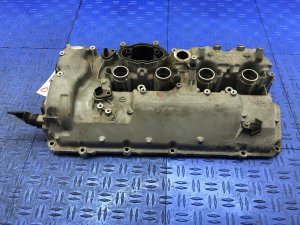
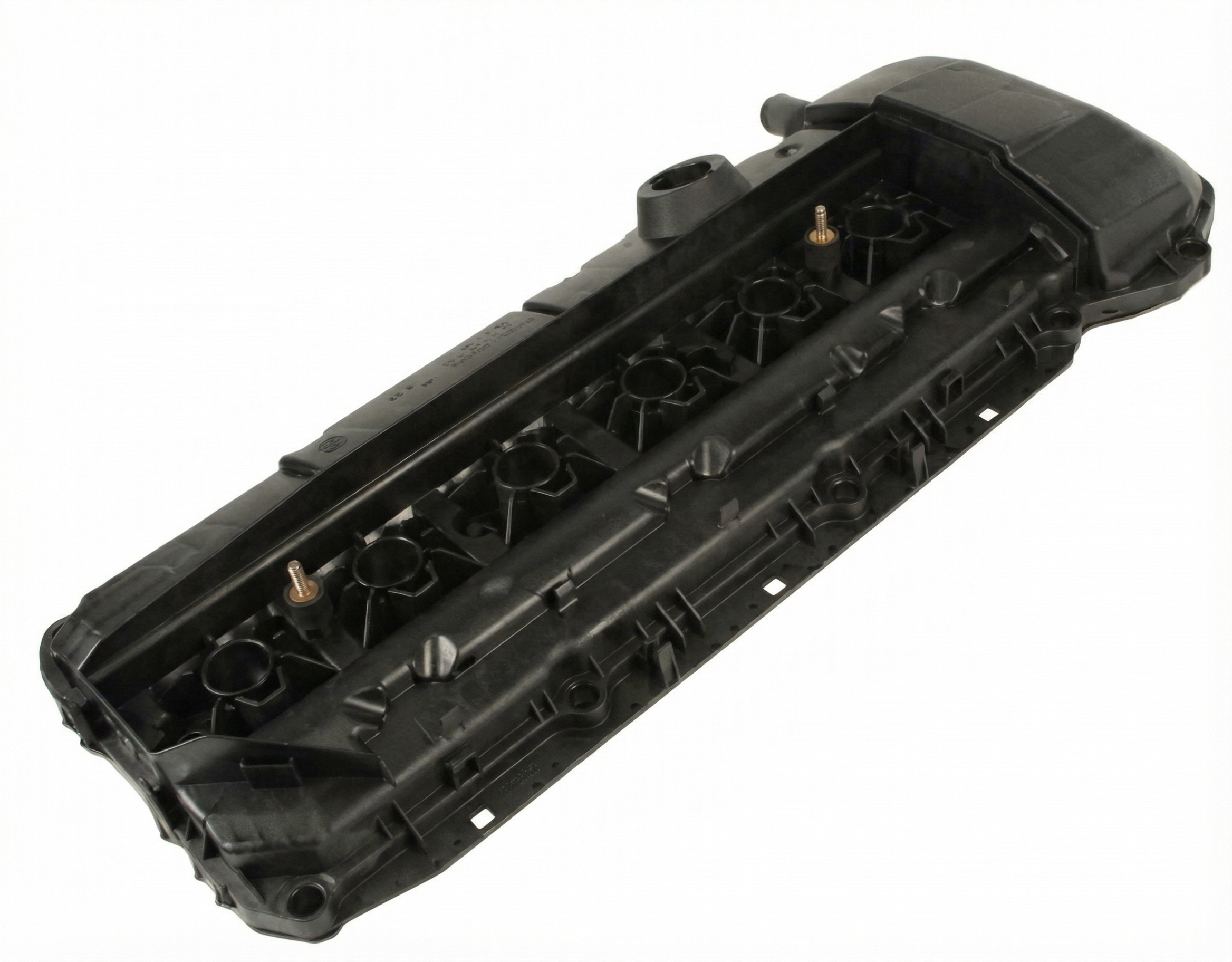
- Repair requires removing the valve cover and is a moderately difficult DIY job (4/5). It's often wise to replace the motor, sensor, and valve cover gasket at the same time.
- After replacement, the new components may need to be 're-learned' using a BMW-specific scan tool, though some sources suggest cycling the ignition can also work.
What's Unique About the 2009-2018 BMW Multiple
The N55 engine, unlike its direct predecessor the N54, incorporates BMW's third-generation Valvetronic system. This technology eliminates the need for a traditional throttle body during most driving conditions, using variable valve lift to manage engine airflow, which reduces pumping losses and improves efficiency. While this design improves fuel economy and throttle response, it also introduces unique failure points. The Valvetronic servomotor and its corresponding eccentric shaft position sensor are known weak spots that commonly trigger codes like P1098 as these cars age.
Generation note: The N55 engine was used across multiple BMW chassis generations, including the late E-series (e.g., E90 335i, E82 135i) and the subsequent F-series (e.g., F30 335i, F10 535i, F25 X3). The Valvetronic system design, and therefore the causes and fixes for P1098, are consistent across all models equipped with the N55 engine.
Symptoms You May Notice
- Check Engine Light and/or 'Drivetrain Malfunction' message on the iDrive screen.
- Engine enters 'limp mode' with significantly reduced power.
- Rough, unstable, or fluctuating idle.
- Sluggish performance and poor throttle response.
- Audible clicking, grinding, or whirring from the engine bay when locking or unlocking the car as the system attempts to cycle or relearn its limits.
- On cold starts, the engine may struggle, have a rough idle, or rev low instead of high.
- Increased fuel consumption as the engine defaults to using the less efficient throttle body.
- Ignition Coils or Spark Plugs
- Fuel Injectors
- VANOS Solenoids
Most Likely Causes
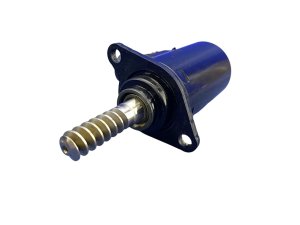
- Valvetronic Servomotor (VVT Motor) Failure 🔴 High Probability The internal plastic and worm gears of the motor wear out over time, leading to sluggish movement or complete failure. This is a common wear item on N55 engines, especially with higher mileage (70k-100k+ miles). The motor can also fail electrically, sometimes causing a short that can, in rare cases, damage the DME.
How to confirm: Use a BMW-specific scan tool (like ISTA/D or a high-end Autel) to run the Valvetronic limit-learning procedure. If the test fails, reports no movement, or you hear the motor struggling or clicking loudly, it's a strong indicator of failure. Fault codes for sluggish movement (e.g., 2DCF, P1030) or overload protection also point to the motor.
Typical fix: Replace the Valvetronic servomotor. This requires removing the valve cover for access. After replacement, the limit stops must be relearned using a scan tool.
Est. part cost: $250-$500 - Eccentric Shaft Sensor Failure 🔴 High Probability The sensor's internal seals can fail, allowing engine oil to leak into the sensor and its electrical connector. This oil contamination corrupts the position signal sent to the DME, causing a wide range of intermittent issues and plausibility faults.
How to confirm: Disconnect the eccentric shaft sensor's electrical plug on the top of the valve cover. If you see engine oil inside the connector pins or the harness plug, the sensor has failed and must be replaced. Even if dry, the sensor can still fail internally, but oil is the most common and definitive sign.
Typical fix: Replace the eccentric shaft sensor and thoroughly clean the oil from the wiring harness connector with electrical contact cleaner. This repair also requires removing the valve cover.
Est. part cost: $200-$450 - Low or Dirty Engine Oil 🟡 Medium Probability The Valvetronic system's mechanical components, particularly the interface between the servomotor gear and the eccentric shaft, are lubricated by engine oil via a small oil squirter. Low oil levels or degraded, sludgy oil can clog this passage, causing increased friction, wear, and stress on the servomotor, leading to operational faults.
How to confirm: Check the engine oil level via the iDrive/dashboard menu and check the oil's condition and service history. If the oil is low or past its service interval, this should be addressed first. BMW specifies oil consumption can be as high as 1 quart per 750-1500 miles.
Typical fix: Perform an oil and filter change with a BMW-approved oil (e.g., LL-01). Clear the codes and see if the fault returns.
Est. part cost: $70-$150
Rare But Worth Checking
- Worn Eccentric Shaft: While less common than motor or sensor failure, the teeth on the eccentric shaft itself can wear down or get damaged, causing it to bind. This usually happens as a secondary failure when a faulty servomotor has been struggling for a long time or due to oil starvation from a clogged oil squirter. If you are replacing the motor, it is critical to inspect the shaft's gear for any signs of wear, scoring, or metal shavings. Replacement is a much more involved and expensive job.
- Wiring Harness Damage: The wiring to the servomotor or eccentric shaft sensor can become brittle from engine heat and age, leading to intermittent connections or short circuits. This is less common but should be checked during diagnosis, especially if oil has wicked far into the harness from a leaking sensor, which can degrade the wire insulation over time.
- Weak or Dying Battery: A low battery voltage during startup can cause the DME to 'forget' the learned Valvetronic limit positions, leading to a fault code. One user on F30POST reported code 135808 (a related Valvetronic fault) appearing after the battery died and being resolved by recharging the battery and clearing adaptations with ISTA. This should be considered if the fault appears immediately after a dead battery event.
Diagnosis Steps
- Read all fault codes using a BMW-specific scan tool (ISTA, INPA, or advanced Autel/Snap-on) to see if other Valvetronic-related codes are present. Generic OBD-II readers are often insufficient.
- Check the engine oil level and condition. Correct if low or overdue for a change.
- Inspect the eccentric shaft sensor connector for oil contamination. Unplug it (it's on the front of the valve cover) and look for any oil on the pins or in the harness plug. If oil is present, the sensor is bad.
- Listen for abnormal sounds. A rapid clicking or grinding noise from the valve cover area when locking/unlocking the car or during startup is a classic sign of a failing servomotor.
- Using a diagnostic tool like ISTA, attempt to run the Valvetronic servomotor 'teach-in' or limit-stop learning procedure. Failure of this test points to a bad motor or a seized eccentric shaft.
- If the above steps are inconclusive, remove the engine valve cover.
- Visually inspect the eccentric shaft gear and the servomotor's worm gear for worn, broken, or damaged teeth. Check for metal shavings in the oil.
- Check the wiring harness for any signs of damage, brittleness, or oil saturation, especially near the sensor and motor connectors.
- If the sensor and motor appear to be the cause, replace them. It is often recommended to replace the sensor, motor, and valve cover gasket at the same time to avoid duplicate labor.
Parts You'll Likely Need
- Valvetronic Servomotor (VVT Motor)
(OEM #11377603979)— This motor is the most common failure point, with internal gears that wear out, causing the system to bind or fail to adjust. It is shared with N20, N26, and S55 engines.
Trusted brands: VDO (OEM), Genuine BMW
OEM price range: $400-$550
Aftermarket price range: $250-$400 - Eccentric Shaft Sensor
(OEM #11377524879)— The second most common failure, typically due to internal oil leaks that contaminate the electrical connector and disrupt the position signal.
Trusted brands: VDO (OEM), Genuine BMW
OEM price range: $350-$450
Aftermarket price range: $200-$300 - Valve Cover Gasket Kit
(OEM #11127587804)— Required for any repair that involves removing the valve cover, such as replacing the servomotor or eccentric shaft sensor. These gaskets become brittle with heat and age and must be replaced to prevent oil leaks.
Trusted brands: Elring, Victor Reinz, Genuine BMW
OEM price range: $60-$100
Aftermarket price range: $30-$60
Related Codes That Often Appear With This One
- 2E0F / 002E0F — This BMW-specific code for 'Valvetronic system: deactivated' often accompanies P1098, indicating the DME has shut the system down due to frequent faults.
- 133E10 / 2DBC — A BMW code indicating 'Valvetronic system: No adjustment possible,' which points directly to a failure in the system's ability to move, often due to a seized motor or shaft.
- P1030 / 2DCF / 135A08 — These codes relate to sluggish movement or implausible signals from the Valvetronic position sensors, directly supporting a diagnosis of a failing motor or sensor.
- 135B11 — This code for 'Valvetronic servomotor, activation, voltage phase: line disconnection' can appear after replacing the motor, sometimes pointing to an issue with a non-OEM part or the need to properly run the ISTA relearn procedure.
Technical Service Bulletins (TSBs) & Recalls
- SI B11 03 13: While not directly for P1098, this TSB discusses normal vs. excessive oil consumption for BMW engines. It notes that all engines consume some oil and that turbocharged engines consume more than naturally aspirated ones, which is relevant to the 'Low Oil' cause.
Hidden / Shadow Codes Worth Checking
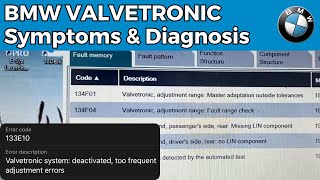
- 133E10: Valvetronic system: Deactivated, adjustment fault too frequent. This indicates the DME has shut down the Valvetronic system due to repeated failures to control its position. (see via BMW-specific scan tool like ISTA, INPA, or a high-end aftermarket scanner (Autel, BimmerLink).)
- 135608: Valvetronic system: No movement identified. This code sets when the DME commands the servomotor to move, but the eccentric shaft sensor reports no change in position, pointing to a seized motor, binding shaft, or complete electrical failure. (see via BMW-specific scan tool like ISTA, INPA, or a high-end aftermarket scanner.)
- 133B04: Valvetronic system: no adjustment possible. Similar to 135608, this suggests a mechanical or electrical inability to perform adjustments. (see via BMW-specific scan tool like ISTA, INPA, or a high-end aftermarket scanner.)
- 2DCF: Valvetronic system: no movement identified. This is another common variant of the 'no movement' fault. (see via BMW-specific scan tool like ISTA, MHD, or a high-end aftermarket scanner.)
- 135B11: Valvetronic servomotor, activation, voltage phase: Circuit Open. This code points to an electrical issue, such as a bad connection, damaged wiring harness, or a fault within the motor itself. It can also be triggered by a poor ground connection. (see via BMW-specific scan tool like ISTA.)
Scan Tool Commands That Help
- ISTA: Learning Valvetronic limit positions — This is the primary service function used after replacing the servomotor or eccentric shaft. It commands the motor to cycle from its minimum to maximum mechanical stops to learn the full range of motion. Failure of this test is a key diagnostic step.
- ISTA: Valvetronic run-in phase (or Start-up) — This is a more comprehensive procedure that may be required after major component replacement (like the shaft itself). It cycles the system hundreds of times to ensure smooth operation and proper adaptation. It requires a stable power supply of over 13 volts.
- Manual Relearn (No Scan Tool): Ignition ON, press accelerator pedal to floor 10 times within 15 seconds. — Some forum users report success with this non-scanner method to trigger a basic limit stop relearn. After the procedure, you should hear the motor cycle. This is considered a less reliable method than using ISTA but may work in some situations.
Wiring & Ground Locations
- Main Engine Ground Strap — Located on the driver's side (LHD) of the vehicle, connecting the engine mount arm to the chassis rail. It is visible from underneath after removing the splash shield.. A corroded or broken main ground strap can cause a multitude of bizarre electrical faults. For the Valvetronic system, it can introduce voltage drops or resistance that prevents the servomotor from receiving adequate power, leading to 'no movement' or 'voltage phase' faults (like 135B11) and causing the ISTA relearn procedure to fail, even with a brand new motor and shaft.
- Water Pump Ground Point — On the N55, there is a ground wire for the electric water pump attached to the engine block bed plate with an aluminum screw.. While not directly related to the Valvetronic circuit, the failure of this specific aluminum ground screw is a known N55 issue. Widespread grounding problems can sometimes manifest in unexpected modules. Checking all major engine ground points is a wise step when diagnosing elusive electrical faults.
Real Owner Repair Stories
- BavhausTV on YouTube (2015 BMW F15 X5 35i XDRIVE (N55)) — Valvetronic system faults (135808, 135B11) after mechanical repair. The ISTA 'run-in' procedure would fail every time, with the servomotor audibly struggling and not finding its stops correctly.
❌ Tried (didn't work) Replaced Valvetronic servomotor, Replaced eccentric shaft, Swapped in a second, known-good servomotor
✅ What actually fixed it The root cause was a damaged/corroded main engine-to-chassis ground strap. After temporarily connecting the engine and chassis with jumper cables, the ISTA run-in procedure completed successfully. Permanently fixing the issue required replacing the faulty ground strap. - Bimmerpost user @etnsandman (2013 BMW 535i (F10), 124k miles) — Drivetrain malfunction with codes 133B04 (no adjustment possible) and 133E10 (system deactivated).
❌ Tried (didn't work) Initial diagnosis pointed towards potential eccentric shaft failure, with a shop quote of $3700.
✅ What actually fixed it The owner inspected the eccentric shaft and found no visible damage to the gear teeth. He replaced only the Valvetronic servomotor (actuator). This resolved all fault codes. The repair cost was under $250 for the part and a tool, taking 3.5 hours as a DIY job. - Bimmerpost user on F30POST (N55 with ~80,000 miles) — Clicking/skipping noise during the Valvetronic relearn procedure after replacing the servomotor as preventative maintenance.
❌ Tried (didn't work) Replacing only the Valvetronic servomotor.
✅ What actually fixed it The eccentric shaft gear was worn, even though it didn't look severe. The skipping noise during the relearn was the new motor's worm gear jumping on the worn teeth of the old shaft. Replacing the eccentric shaft and bearings along with the motor resolved the issue.
When the Usual Fixes Don't Work
- In one documented case on a 2015 X5 with an N55, replacing the servomotor and eccentric shaft did not resolve the Valvetronic faults. The ISTA relearn procedure repeatedly failed. The technician then connected jumper cables from the engine to the chassis, and the relearn procedure immediately completed successfully. The ultimate cause was a faulty main engine ground strap, not the Valvetronic components themselves, despite the codes pointing directly at the motor.
OEM Part Supersession History
11377599021→11377603979— Part revision/update by BMW.
Heads up: The new part number (11377603979) is the correct and current replacement for the Valvetronic servomotor on the N55 engine.11377524879→11377524879 (no supersession)— This part number appears to be stable and has not been superseded.
Model Year Variations Within This Range
- 2013+: Later N55 engines (typically from 2013 onwards, varying by model) switched from a Pneumatic Wastegate (PWG) to an Electronic Wastegate (EWG) for the turbocharger. While this does not directly change the Valvetronic system's core components, it represents a change in the overall engine management system (DME software and hardware) that a technician should be aware of.
Diagnostic Flowchart
Other Known Issues on This Vehicle
Issues unrelated to this code that are worth knowing about as an owner of this generation:
- Oil Filter Housing Gasket (OFHG) Leak 🔴 High — Extremely common, often occurs between 60k-100k miles. Considered a matter of 'when,' not 'if.'
- Valve Cover & Gasket Leak 🟠 Medium — Very common, typically after 60k miles. The plastic valve cover itself can also crack or have its integrated PCV system fail.
- Electric Water Pump Failure 🔴 High — Common failure item, typically between 60k-100k miles. Fails without warning.
- Plastic Charge Pipe Failure 🟠 Medium — Common, especially on tuned vehicles, but also occurs on stock cars. Heat cycles make the plastic brittle over time.
- High-Pressure Fuel Pump (HPFP) Failure 🟠 Medium — More common on early production N55 engines (pre-2014) that used a design similar to the N54.
Used vs. New Parts: Buying Guide for This Vehicle
When a used part is the smart pick: For this specific repair, buying used parts is strongly discouraged. The primary failure components (servomotor, sensor, and shaft) are all known wear items.
Donor-vehicle mileage cap: roughly under 40000 miles for the part to have meaningful remaining life.
What to inspect on the donor part:
- If considering a used eccentric shaft, you must inspect the gear teeth meticulously for any signs of scoring, chipping, or uneven wear.
- A used servomotor is a complete gamble as the internal wear is not visible.
- Never buy a used eccentric shaft sensor, as the internal seals that fail are not visible and oil contamination may not be immediately apparent.
OEM-only on this vehicle (don't cheap out):
- Valvetronic Servomotor
- Eccentric Shaft Sensor
- Eccentric Shaft
Aftermarket brands forum-validated for this vehicle:
- VDO (This is the Original Equipment Manufacturer for the servomotor and sensor; buying VDO is equivalent to buying Genuine BMW without the dealer markup).
Brands owners have reported issues with on this vehicle:
- Unbranded or generic 'white-box' sensors and motors from online marketplaces. These parts have a very high failure rate, often failing immediately during the post-installation 'relearn' procedure or within a few thousand miles.
Real Owner Stories
Aggregated from forums and TSBs cited above. Mileages and costs reflect what owners reported in those sources.
2011 BMW 135i N55
Symptoms: The vehicle experienced Valvetronic faults and a worn eccentric shaft that caused mechanical binding.
What fixed it: Replacement of the eccentric shaft and servomotor using special BMW diagnostic and timing tools.
Source hint: Fluid MotorUnion - Fixing a BMW Valvetronic eccentric shaft failure
2013 BMW 335i (F30) N55
Symptoms: Owner experienced a Valvetronic fault code (135808) and a clicking noise immediately after the car had a dead battery.
What fixed it: Running the Valvetronic limit-stop relearn procedure with ISTA software.
Source hint: F30POST - N55 Valvetronic Advice Needed
2014 BMW 335i N55 — ~85000 miles
Symptoms: The car would not start after the servomotor was replaced; new error codes like 135B11 appeared.
What fixed it: Ensuring the use of ISTA for the relearn procedure and avoiding faulty non-OEM parts.
Source hint: r/BmwTech - Need help N55 Valvetronic failure, car not starting after replacement
Related OBD-II Codes
Frequently Asked Questions
I hear a clicking noise from the engine bay of my 335i when I unlock the doors. Is this related to P1098?
Can a weak battery cause Valvetronic codes on my N55 engine?
Is there a TSB regarding the high oil consumption I'm seeing alongside this code?
Why can't I find the VDO Valvetronic actuator (part 11377603979) for my F30 335i anymore?
How can I tell if my Eccentric Shaft Sensor has failed without taking the engine apart?
Do I need special software to fix P1098 on my BMW?
Helpful Videos


We Have This Part in Stock


The information in this article is provided for general reference and educational purposes only. Vehicle specifications, procedures, and part compatibility can vary by production date, trim level, and region. Always consult your vehicle's factory service manual and verify part numbers before purchasing or performing repairs. Safety-critical components such as airbags, seat belts, and braking systems should be installed by a qualified professional.
- BMW Multiple:
- 🎬 Helpful Videos
- 🛍️ Shop This Part
- What's Unique About the 2009-2018 BMW Multiple
- Symptoms You May Notice
- Most Likely Causes
- Rare But Worth Checking
- Diagnosis Steps
- Parts You'll Likely Need
- Related Codes That Often Appear With This One
- Technical Service Bulletins (TSBs) & Recalls
- Hidden / Shadow Codes Worth Checking
- Scan Tool Commands That Help
- Wiring & Ground Locations
- Real Owner Repair Stories
- When the Usual Fixes Don't Work
- OEM Part Supersession History
- Model Year Variations Within This Range
- Diagnostic Flowchart
- Other Known Issues on This Vehicle
- Used vs. New Parts: Buying Guide for This Vehicle
- Real Owner Stories
- 2011 BMW 135i N55
- 2013 BMW 335i (F30) N55
- 2014 BMW 335i N55 — ~85000 miles
- Related OBD-II Codes
- Frequently Asked Questions
- 🎟️ Get 5% Off