

P1072 on 2013-2020 Lincoln MKZ Hybrid: Causes and Fixes for Rich Fuel Condition
This code is almost always a typo for P0172 (System Too Rich). The most common cause on the 2.0L Hybrid engine is a failing upstream oxygen (O2) sensor, which incorrectly tells the computer to add too much fuel. Replacing the sensor costs around $50-$100 for the part and is a straightforward DIY fix for many. A YouTube tutorial demonstrates the replacement on this specific platform.
- The code P1072 is almost certainly a typo for P0172, which means the engine is running too rich.
- Start your diagnosis with the easiest and cheapest checks: inspect the engine air filter and clean the Mass Airflow (MAF) sensor.
- The most probable cause for P0172 on the 2.0L Hybrid engine is a faulty upstream oxygen (O2) sensor.
- Do not ignore this code. A prolonged rich condition can ruin your catalytic converter, turning a relatively small repair into a very expensive one.
- Because this is a hybrid, do not use diagnostic information that applies to the 2.0L EcoBoost (non-hybrid) engine, as the fuel systems are different.
What's Unique About the 2013-2020 Lincoln MKZ Hybrid
The Lincoln MKZ Hybrid shares its 2.0L Atkinson-cycle engine and powertrain with the Ford Fusion Hybrid and Ford C-Max Hybrid. This specific hybrid engine uses port fuel injection, not the direct injection found on the non-hybrid 2.0L EcoBoost engines. This simplifies diagnosis for a rich condition, as it eliminates the high-pressure fuel pump and direct injectors as potential causes. The most frequently reported cause for a P0172 code on this platform is a faulty upstream oxygen sensor providing incorrect data to the engine computer. A video guide is available showing the replacement of both upstream and downstream sensors on the MKZ Hybrid, noting the upstream sensor is easily accessible behind the engine.
Generation note: The 2013-2020 Lincoln MKZ is a single generation (the second), but it received a major facelift for the 2017 model year. There is no evidence to suggest that the causes or repair procedures for a P0172 code differ between the 2013-2016 and 2017-2020 models, as the 2.0L hybrid powertrain remained consistent.
Symptoms You May Notice
- Check Engine Light is on
- Noticeably worse fuel economy
- Strong smell of gasoline or rotten eggs from the exhaust
- Rough or unstable idle
- Black smoke from the tailpipe, especially during acceleration
- Engine hesitation or lack of power
- Engine may stall in some cases
- Replacing the downstream (post-catalyst) O2 sensor. This sensor's primary role is to monitor catalytic converter efficiency and it has very little impact on fuel trim.
- Replacing spark plugs. While fouled spark plugs can be a symptom of a rich condition, they are rarely the root cause of the P0172 code.
Most Likely Causes
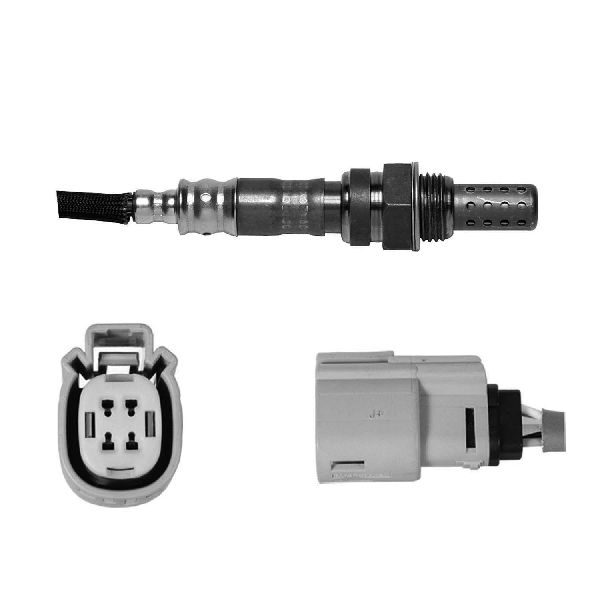
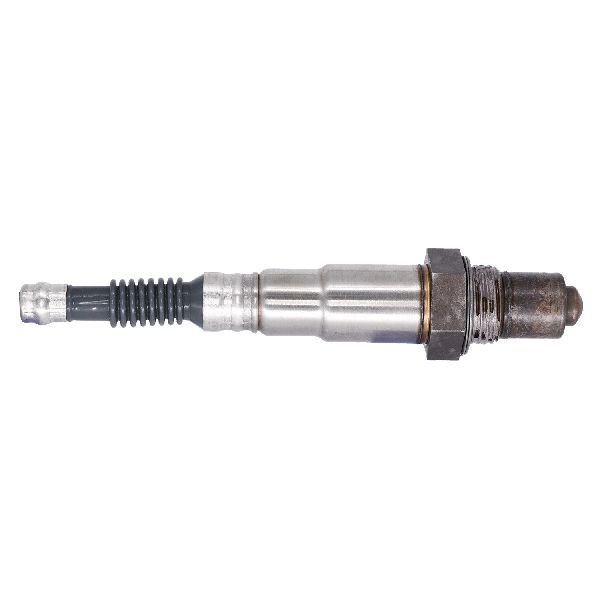
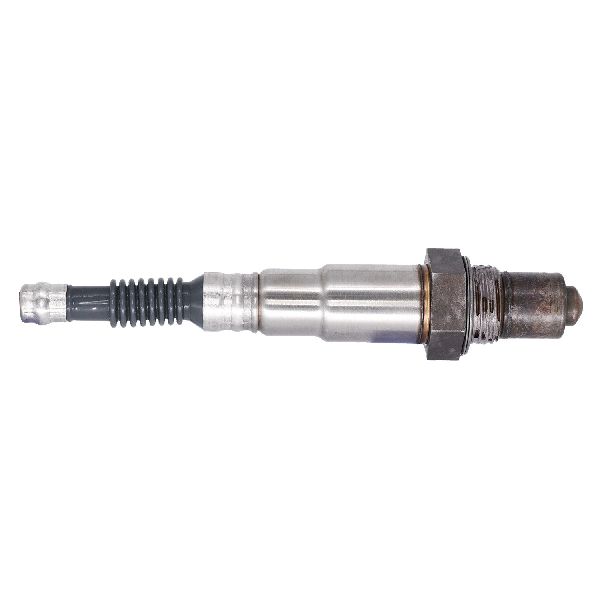
- Faulty Upstream Oxygen (O2) Sensor 🔴 High Probability The upstream O2 sensor (also called an air-fuel ratio sensor) is a primary input for fuel control. They wear out over time and can begin to send slow or biased signals, tricking the PCM into adding fuel when it isn't needed. This is the most common cause for P0172 on this powertrain.
How to confirm: Use an OBD-II scanner with live data capability. Observe the short-term (STFT) and long-term (LTFT) fuel trim values. For a P0172 code, you will see highly negative numbers (e.g., -15% or more) as the PCM tries to pull fuel out. You can also graph the O2 sensor voltage. A healthy sensor should fluctuate rapidly between approximately 0.1 and 0.9 volts; a sensor that is slow, stuck, or biased is likely faulty. The upstream sensor is located behind the engine and is relatively easy to access.
Typical fix: Replace the upstream oxygen sensor (Bank 1, Sensor 1). A DIY video is available for the MKZ Hybrid.
Est. part cost: $50-$120 - Leaking Fuel Injector(s) 🟡 Medium Probability An injector can fail mechanically, becoming stuck partially open or developing a poor seal, which allows un-commanded fuel to drip into the cylinder.
How to confirm: Perform a fuel pressure leak-down test. After pressurizing the fuel rail, turn the car off and watch the pressure gauge. A rapid drop in pressure can indicate a leaking injector. Another method is to remove the spark plugs after the engine has sat; a plug that is wet with fuel or covered in black soot points to a leaking injector in that cylinder.
Typical fix: Replace the faulty fuel injector(s). It is often recommended to replace them as a set.
Est. part cost: $40-$90 per injector - Dirty or Faulty Mass Airflow (MAF) Sensor 🟡 Medium Probability Oil and dirt can contaminate the hot wire element of the MAF sensor, causing it to under-report the amount of air entering the engine. The PCM then calculates a fuel injection amount for less air than is actually present, creating a rich mixture.
How to confirm: Inspect the sensor element for dirt or debris. You can try cleaning it first with a dedicated MAF sensor cleaner spray. If the problem persists, monitor the MAF reading on a scan tool to see if it corresponds correctly with engine RPM. A typical MAF reading at idle is around 3.14 to 3.50 grams per second.
Typical fix: Clean the MAF sensor with a specialized cleaner. If cleaning doesn't work, replace the MAF sensor assembly.
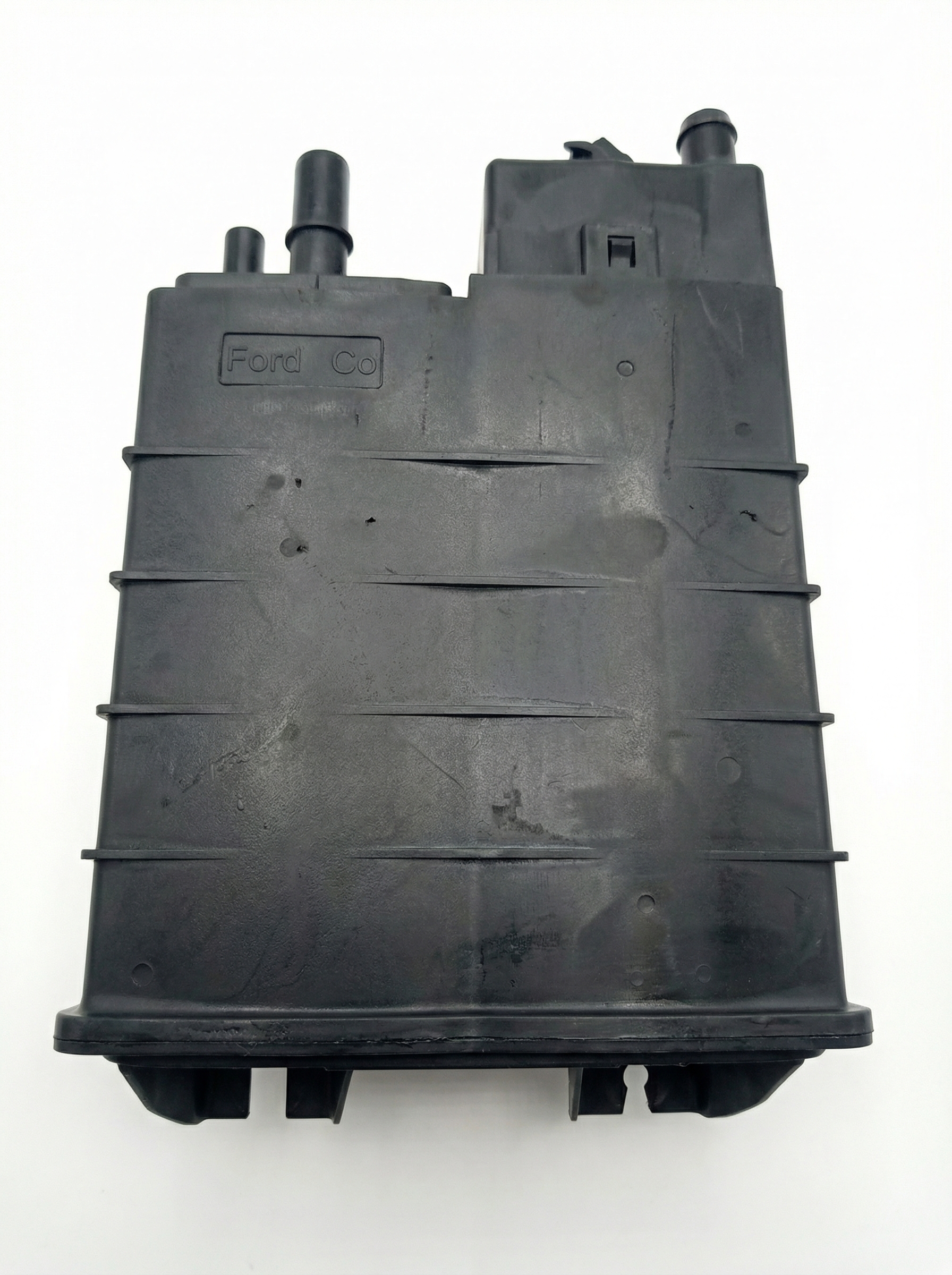
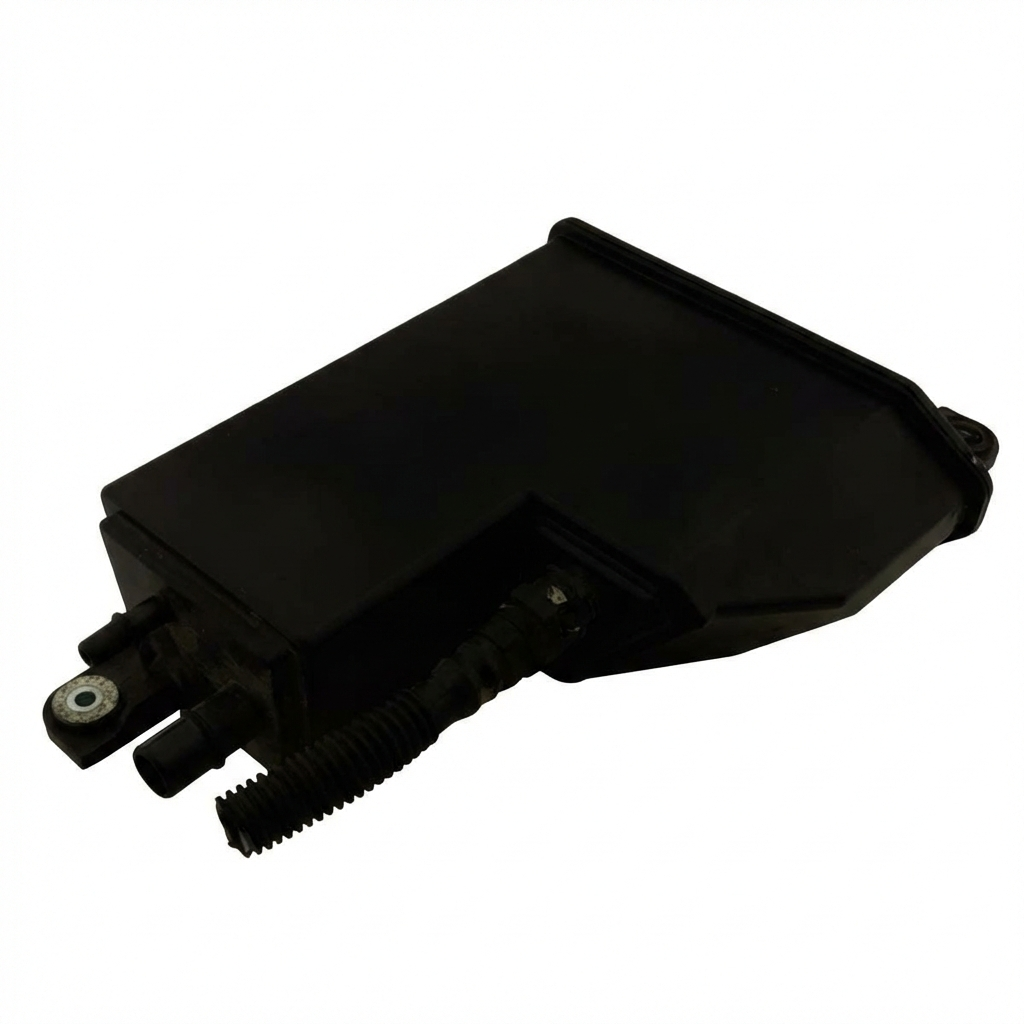
Est. part cost: $10 (cleaner) or $70-$150 (sensor) - Stuck Open EVAP Purge Valve ⚪ Low Probability The EVAP purge valve can get stuck open, allowing un-metered fuel vapors from the charcoal canister to be drawn into the intake manifold at idle, which can cause a rich condition.
How to confirm: With the engine running at idle, disconnect the vapor line from the purge valve. Use a hand vacuum pump or your finger to check for suction at the valve's port. There should be no vacuum at idle when the valve is commanded closed. A stuck open valve will often cause a rough idle.
Typical fix: Replace the EVAP purge valve.
Est. part cost: $30-$60 - Clogged Engine Air Filter ⚪ Low Probability This is not a vehicle-specific issue but a result of deferred maintenance. A severely clogged filter restricts airflow, creating a fuel-rich imbalance.
How to confirm: Visually inspect the engine air filter. If it is dark, full of debris, or you cannot see light through it, it needs to be replaced.
Typical fix: Replace the engine air filter.
Est. part cost: $20-$40
Rare But Worth Checking
- High Fuel Pressure: A faulty fuel pressure regulator can cause system pressure to be too high, forcing more fuel than intended through the injectors. This is less common than sensor or injector failures.
- Faulty Engine Coolant Temperature (ECT) Sensor: If the ECT sensor incorrectly reports to the PCM that the engine is cold (stuck reading low), the computer will intentionally run a richer fuel mixture, similar to a cold start enrichment.
Diagnosis Steps
- Verify the code with an OBD-II scanner. Note any other codes present.
- Check live data for Short Term Fuel Trim (STFT) and Long Term Fuel Trim (LTFT). For P0172, you will see significant negative values (e.g., below -10% and approaching -25%).
- Visually inspect the engine air filter. Replace if it is dirty or clogged.
- Inspect the air intake system between the MAF sensor and the throttle body for any blockages.
- Carefully remove and inspect the Mass Airflow (MAF) sensor. If it appears dirty, clean it with dedicated MAF sensor cleaner and let it dry completely before reinstalling.
- Inspect the upstream O2 sensor wiring for any damage, melting, or corrosion. The connector is located near the back of the engine.
- Using live data, analyze the upstream O2 sensor's performance. A healthy sensor should switch rapidly between 0.1V and 0.9V. A sensor that is slow, lazy, or biased is likely faulty.
- If sensors and air intake are good, perform a fuel pressure test to check for excessive pressure, which could indicate a bad fuel pressure regulator.
- If fuel pressure is normal, suspect a leaking fuel injector. Perform a fuel pressure leak-down test or remove spark plugs to check for signs of a rich condition in a specific cylinder (black, sooty plug).
Parts You'll Likely Need
- Upstream Oxygen Sensor
(OEM #DG9Z-9F472-A)— This is the most frequent failure point causing a P0172 code on this platform by sending incorrect data to the PCM.
Trusted brands: Motorcraft, Bosch, Denso, NTK
OEM price range: $90-$120
Aftermarket price range: $50-$80 - Mass Airflow Sensor
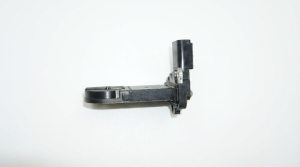
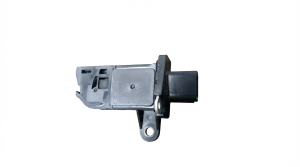
(OEM #7C5Z-12B579-A)— If contaminated, it causes the PCM to miscalculate the incoming air, leading to an incorrect fuel mixture. Often, cleaning is sufficient.
Trusted brands: Motorcraft, Hitachi
OEM price range: $100-$150
Aftermarket price range: $70-$110 - EVAP Canister Purge Valve
(OEM #CU5A-9G886-AA)— Can stick open, allowing unmetered fuel vapor into the intake at the wrong time, causing a rich mixture, especially at idle.
Trusted brands: Motorcraft, Dorman
OEM price range: $40-$60
Aftermarket price range: $25-$45
Related Codes That Often Appear With This One
- P0300-P0304 — A severe rich condition can foul spark plugs and lead to cylinder misfires. A code like P0301 would indicate a misfire in cylinder 1.
- P0175 — This code is for "System Too Rich (Bank 2)". It would not appear on the 2.0L I4 engine as it only has one bank. However, it's the companion code to P0172 on V-type engines.
Mechanic-Grade Diagnostic Values
- Short-Term Fuel Trim (STFT) & Long-Term Fuel Trim (LTFT) — expected: Fluctuating near 0%, with a combined total ideally within +/- 10%.. Failure: For a P0172, LTFT will be significantly negative (e.g., -15% to -25%) as the PCM tries to remove fuel.
- Upstream Oxygen Sensor (Air/Fuel Ratio Sensor) Voltage — expected: On a traditional zirconia sensor, voltage should rapidly fluctuate between 0.1V and 0.9V.. Failure: A sensor that is stuck high (e.g., >0.8V), switches slowly, or has a flat-line reading is faulty.
- Mass Airflow (MAF) Sensor Reading at Idle — expected: Approximately 3.14 to 3.50 grams per second (g/s) at normal idle.. Failure: Readings significantly lower than expected for a given RPM can indicate a contaminated sensor, causing the PCM to inject less fuel than necessary for the actual airflow, leading to a rich condition.
- Fuel Pressure Leak-Down Test — expected: After the engine is turned off, fuel pressure should remain relatively constant for at least 10-15 minutes.. Failure: A steady, continuous drop in pressure indicates a leak in the system, most likely a leaking fuel injector.
Scan Tool Commands That Help
- Ford IDS (Integrated Diagnostic System) or equivalent professional scanner (e.g., FORScan): Reset All Adaptations / Clear Transmission Adaptive Tables / Reset Fuel Trims — After replacing a component like an O2 sensor, MAF sensor, or fuel injectors, resetting the PCM's learned fuel trim values is crucial. This forces the computer to relearn the fuel strategy from a clean slate with the new part, preventing the old, incorrect learned values from causing persistent issues.
- Generic OBD-II Scanner: Battery Disconnect / Hard Reset — A simpler, less precise method to reset adaptive memory is to disconnect the negative battery terminal for at least 15-20 minutes. Some mechanics recommend touching the disconnected negative cable to the positive terminal to drain residual power from capacitors, ensuring a more complete reset. This should be done after a repair to force the PCM to relearn.
Wiring & Ground Locations
- G105 — Located on the right side of the engine compartment.. This is a primary engine compartment ground. A poor connection here can affect various sensors and the PCM, potentially causing erratic readings that could lead to a false rich condition.
- G100 / G102 — Located on the left front of the engine compartment.. These are additional key ground points for the engine and its control systems. Corrosion or looseness at these points can introduce resistance and interfere with sensor signals returning to the PCM.
- PCM Location — The Powertrain Control Module (PCM) is located on the right rear of the engine compartment.. Knowing the PCM's location is essential for inspecting its connectors for corrosion or damage and for testing wiring continuity from sensors like the O2 sensor or MAF sensor.
- Engine Harness Chafe Points — General areas to inspect on Ford platforms include where the harness passes near the shock tower, upper control arm, and sharp edges of brackets or the cylinder head.. A chafed wire, particularly for the O2 sensor, MAF, or injector circuits, can short to ground or another wire, causing incorrect signals to be sent to the PCM and triggering a P0172 code.
OEM Part Supersession History
CU5A-9G886-AA→There is no clear supersession found in public data, but this part number remains the standard replacement for the EVAP purge valve.— N/ADG9Z-9F472-A→This part number for the upstream O2 sensor appears to be stable with no major supersessions noted in public data for this vehicle range.— N/A
Model Year Variations Within This Range
- 2017-2020: The 2017 model year introduced a significant facelift with a new grille and interior changes, including replacing the MyLincoln Touch system with the much-improved SYNC 3 infotainment system. However, the core 2.0L I4 Hybrid powertrain, and thus the causes and diagnostics for a P0172 code, remained consistent with the 2013-2016 models.
Diagnostic Flowchart
Other Known Issues on This Vehicle
Issues unrelated to this code that are worth knowing about as an owner of this generation:
- eCVT Transmission Bearing Failure 🔴 High — Primarily affects 2013-2015 models. Symptoms include fluid leaks followed by humming or grinding noises. Later models (2016+) have updated bearings.
- Electric Power Steering Failure 🔴 High — Multiple recalls (e.g., 15S14, 19S26) were issued for corroding steering gear motor bolts, which could lead to a loss of power assist. Primarily affects vehicles in salt-belt regions. (Ref: NHTSA 19V632000 (Recall 19S26), NHTSA 15V250000 (Recall 15S14))
- Faulty Door Latches 🟠 Medium — A component within the door latch can break, preventing the door from closing securely or causing it to open while driving. Subject to multiple recalls. (Ref: NHTSA 20V177000)
- Panoramic Sunroof Shade Failure 🟡 Low — The sunshade can bunch up or fail to retract due to dried grease on the tracks. It is a common complaint and a labor-intensive, expensive repair at the dealership.
- Torque Converter Weld Failure 🔴 High — Affects some 2017-2018 models. Inadequate welds on the torque converter studs can fail, causing a complete loss of motive power. (Ref: NHTSA 18V471000 (Recall 17S16 S2))
- A-Pillar Fabric Bubbling 🟡 Low — A cosmetic issue where the fabric on the interior A-pillars bubbles and separates, often due to sun exposure.
Used vs. New Parts: Buying Guide for This Vehicle
When a used part is the smart pick: For this code, used parts are generally not recommended for sensors, but can be considered for mechanical components like an EVAP purge valve assembly if sourced from a low-mileage donor vehicle.
Donor-vehicle mileage cap: roughly under 60000 miles for the part to have meaningful remaining life.
What to inspect on the donor part:
- For any used part, check for lack of corrosion on electrical connectors.
- Ensure plastic housings are not cracked or brittle.
- Verify the part is from an identical vehicle (MKZ/Fusion/C-Max Hybrid) and year range.
OEM-only on this vehicle (don't cheap out):
- Oxygen (O2) Sensor: Aftermarket O2 sensors are notoriously problematic. To avoid repeat failures, it is highly recommended to use an OEM Motorcraft part or a direct OE supplier like Bosch, NTK, or Denso.
- Mass Airflow (MAF) Sensor: While some aftermarket MAF sensors work, many have calibration issues that can cause persistent fuel trim problems. Sticking with the OEM Motorcraft part is the safest bet.
Aftermarket brands forum-validated for this vehicle:
- Bosch, NTK, Denso for Oxygen Sensors.
- Dorman for the EVAP Purge Valve.
Brands owners have reported issues with on this vehicle:
- Unbranded, no-name oxygen sensors or MAF sensors from online marketplaces. These often fail quickly or are not calibrated correctly for the vehicle's PCM, leading to more diagnostic headaches.
Real Owner Stories
Aggregated from forums and TSBs cited above. Mileages and costs reflect what owners reported in those sources.
2013-2020 Lincoln MKZ Hybrid 2.0L
Symptoms: The owner identified code P0172 on the Ford Fusion/C-Max/Lincoln MKZ platform.
What fixed it: Replacement of the upstream O2 sensor (Bank 1, Sensor 1).
Source hint: YouTube video from "Electrical Car Repair LIVE" specifically covers code P0172 on the Ford Fusion/C-Max/Lincoln MKZ platform
2013-2020 Lincoln MKZ Hybrid 2.0L
Symptoms: General discussion of vehicle reliability and common problems for the 2013-2020 MKZ model years.
What fixed it: The source provides context on general vehicle reliability rather than a specific P0172 repair.
Source hint: YouTube video from user "321verykindAUTOS" discusses common problems on the 2013-2020 MKZ
Lincoln MKZ Hybrid
Symptoms: The powertrain is described as 'pretty flawless,' but the owner noted issues with the panoramic roof shade and headlight LED failures.
What fixed it: The source notes these as common complaints but does not specify a P0172 fix.
Source hint: Blue Oval Forums thread titled 'MKZ Hybrid still reliable?'
Related OBD-II Codes
Frequently Asked Questions
Is there a specific video guide for replacing the upstream O2 sensor on my Lincoln MKZ Hybrid?
What are the common recall issues for the 2013-2020 Lincoln MKZ Hybrid that I should be aware of?
My MKZ Hybrid has a rough idle and a rich condition; could it be the EVAP system?
What is the typical MAF sensor reading for the 2.0L I4 Hybrid engine at idle?
Are there known transmission issues for the early model years of this MKZ Hybrid?
Is the panoramic sunroof shade failure a common issue on the MKZ Hybrid?
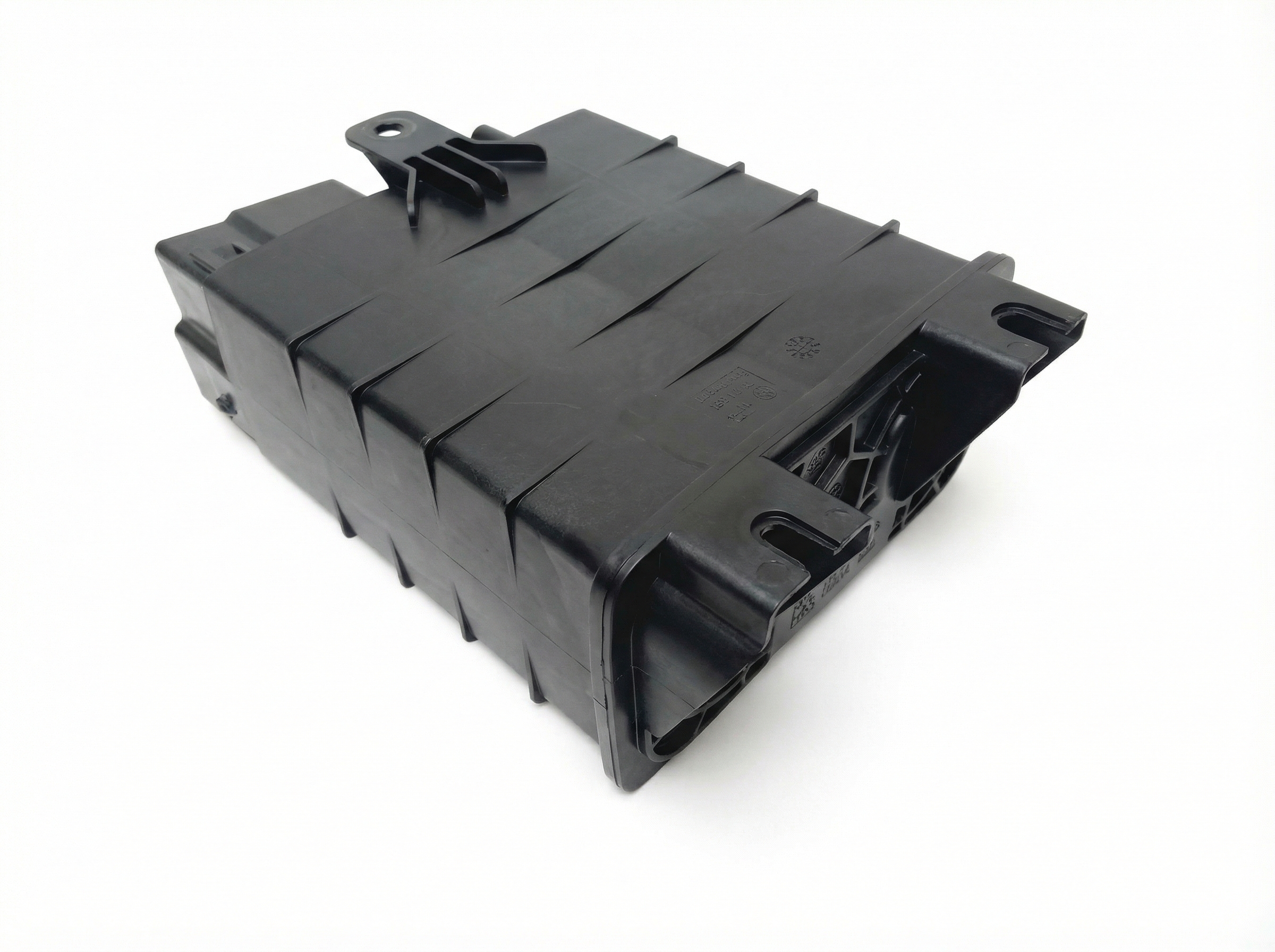
Used OEM Parts in Stock

New Aftermarket Parts Available


The information in this article is provided for general reference and educational purposes only. Vehicle specifications, procedures, and part compatibility can vary by production date, trim level, and region. Always consult your vehicle's factory service manual and verify part numbers before purchasing or performing repairs. Safety-critical components such as airbags, seat belts, and braking systems should be installed by a qualified professional.
- Lincoln MKZ Hybrid:
- 🛍️ Shop This Part
- What's Unique About the 2013-2020 Lincoln MKZ Hybrid
- Symptoms You May Notice
- Most Likely Causes
- Rare But Worth Checking
- Diagnosis Steps
- Parts You'll Likely Need
- Related Codes That Often Appear With This One
- Mechanic-Grade Diagnostic Values
- Scan Tool Commands That Help
- Wiring & Ground Locations
- OEM Part Supersession History
- Model Year Variations Within This Range
- Diagnostic Flowchart
- Other Known Issues on This Vehicle
- Used vs. New Parts: Buying Guide for This Vehicle
- Real Owner Stories
- 2013-2020 Lincoln MKZ Hybrid 2.0L
- 2013-2020 Lincoln MKZ Hybrid 2.0L
- Lincoln MKZ Hybrid
- Related OBD-II Codes
- Frequently Asked Questions
- 🎟️ Get 5% Off