

P1068 on 2016-2020 Jeep Cherokee: Cylinder 2 Oil Solenoid Fault Causes and Fixes
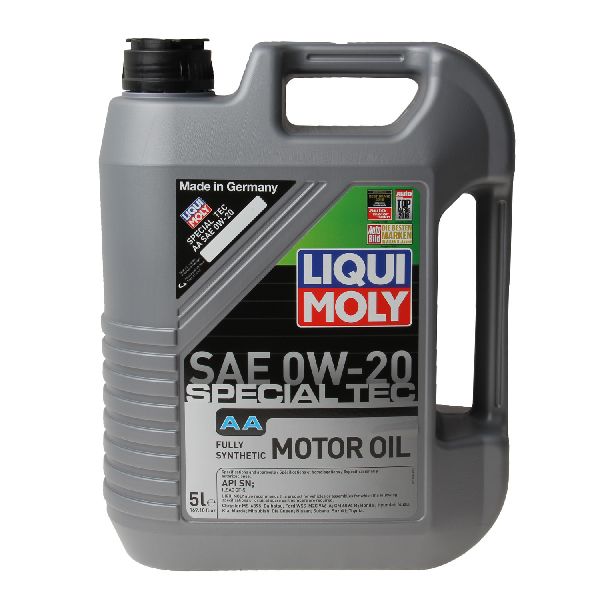
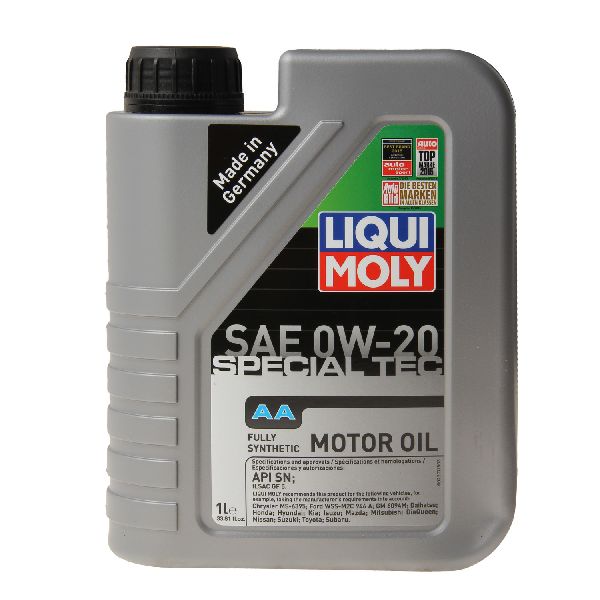
On a 2016-2020 Jeep Cherokee with the 2.4L engine, code P1068 is most often caused by low or incorrect engine oil. Before performing expensive repairs, check the oil level and ensure the correct full synthetic SAE 0W-20 oil that meets Chrysler's MS-6395 specification is being used. If the oil is correct, the next most likely cause is a failing MultiAir actuator assembly, also known as the 'brick'.
- P1068 on a 2.4L Jeep Cherokee is specific to the Cylinder 2 valve control solenoid.
- Before any other diagnosis, check the engine oil level and quality. Low or incorrect oil is the most common trigger for this code.
- Ask a dealer or shop to check for available PCM software updates, as this is a known fix.
- If oil and software are not the issue, the likely culprit is the entire MultiAir actuator assembly ('brick'), which is a costly repair.
What's Unique About the 2016-2020 Jeep CHEROKEE

The 2016-2020 Jeep Cherokee (KL generation) uses the 2.4L Tigershark MultiAir engine, which is known for having issues related to oil. This engine can consume oil between changes, and the MultiAir system is extremely sensitive to oil level and quality. A low oil level can cause the hydraulic actuators to malfunction, directly leading to codes like P1068. This oil consumption issue was so widespread that it led to a class-action lawsuit and a warranty extension program from the manufacturer. Therefore, unlike on other vehicles where a timing code might point directly to a sensor, on this Jeep, the first and most critical check is always the engine oil.
Diagnostic Flowchart

Tap your situation to follow the diagnostic path that matches what you're seeing on this vehicle.
Symptoms You May Notice
- Check Engine Light (MIL) illuminated
- Engine running rough or rough idle
- Loss of engine power
- Decreased fuel efficiency
- Engine stalling in some cases
- Intermittent elevated engine RPM at start up
- Spark Plugs or Ignition Coils: While a rough running engine might seem like a misfire, P1068 is very specific to the valve control system. Replacing ignition components will not fix this code.
Most Likely Causes

- Low or Incorrect Engine Oil 🔴 High Probability The 2.4L Tigershark engine is notorious for excessive oil consumption, an issue acknowledged in a class-action lawsuit and subsequent warranty extensions (W80/XB1). The MultiAir system is highly sensitive to the oil level and viscosity for proper hydraulic actuation.
How to confirm: Physically check the engine oil dipstick on a level surface when the engine is cold. Check service records to ensure the correct oil type (full synthetic SAE 0W-20 meeting Chrysler spec MS-6395) was used.
Typical fix: Top off or change the engine oil and filter with the manufacturer-specified grade. Reset the code and drive the vehicle to see if it returns. Many owners report this alone resolves the code.
Est. part cost: $50-$100 - Failing MultiAir Actuator Assembly ('Brick') 🟡 Medium Probability The solenoids are integrated into the MultiAir actuator assembly. Contaminated oil, low oil pressure, or simple electronic failure can cause a specific solenoid to malfunction. This is a well-documented failure point on this engine across multiple vehicle platforms.
How to confirm: If the oil level and quality are correct and a PCM update hasn't solved the issue, the next step is to test the solenoid's circuit. A diagnostic scan tool may be able to actuate the solenoid. Often, this is a diagnosis by elimination after ruling out oil and software.
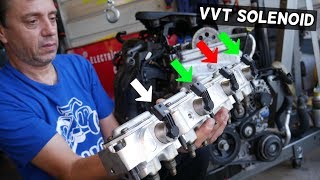
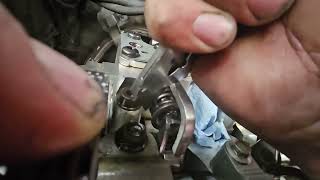
Typical fix: The entire MultiAir actuator assembly (which contains all four solenoids) must be replaced. It is not possible to replace just one solenoid. This is a labor-intensive job. 🎬 See this installation hack to replace the actuator without specialty tools
Est. part cost: $650-$1200 - Outdated Powertrain Control Module (PCM) Software ⚪ Low Probability Manufacturer TSBs #18-032-17 and #18-122-16 specifically mention reprogramming the PCM to correct false positives for this family of codes, indicating the original software was too sensitive or had logic flaws.
How to confirm: A Jeep dealership or a well-equipped independent shop can check the current software version against the latest available from the manufacturer using your vehicle's VIN.
Typical fix: Reprogram (flash) the PCM with the latest software. This may also include updates to improve idle performance and prevent catalytic converter overheating.
Est. part cost: $0-$250
Rare But Worth Checking
- Wiring Harness or Connector Issue: A damaged wire or a loose/corroded pin at the PCM or the MultiAir actuator connector can cause an intermittent signal and trigger the code. This should be visually inspected before replacing the expensive actuator.
- Low Engine Oil Pressure: A failing oil pump or clogged oil passages can starve the entire engine, including the MultiAir system, of adequate pressure. This is a severe mechanical issue that would likely present with other symptoms, such as an oil pressure warning light and low pressure readings on the gauge.
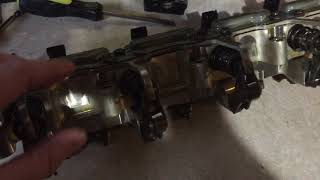
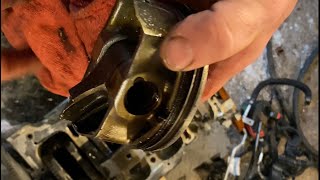
- Clogged MultiAir Oil Filter Screen: A small, often-overlooked oil filter screen for the MultiAir system can become clogged with sludge or debris, restricting oil flow 🎬 Watch this engine teardown to see internal oil passages and components to the actuator 'brick' and causing solenoid timing faults. This is a rare but possible cause if oil quality has been poor.
Diagnosis Steps
- Verify the Check Engine Light is on and code P1068 is present using an OBD-II scanner.
- CRITICAL: Check the engine oil level using the dipstick when the engine is cold and on a level surface. If it is low, top it off with full synthetic SAE 0W-20 oil meeting Chrysler specification MS-6395.
- Verify the correct oil filter is installed and the oil does not appear overly dirty or contaminated. If in doubt, perform an oil and filter change.
- Reset the code and drive the vehicle to see if the code returns. If it does not, the issue was likely the oil level or quality.
- If the code returns, check with a dealer or qualified shop if a PCM software update is available for your vehicle's VIN, as per TSBs #18-032-17 and #18-122-16.
- Inspect the wiring harness and connector going to the MultiAir actuator and the PCM for any signs of damage, corrosion, or loose pins.
- If using an advanced scan tool, attempt to perform a system test on the MultiAir actuator to command the solenoids individually and monitor their response.
- If oil, software, and wiring are all good, the most likely remaining cause is a faulty MultiAir actuator assembly ('brick'). Replacement is the only remedy as individual solenoids are not serviceable.
Parts You'll Likely Need
- MultiAir Actuator Assembly
(OEM #5047980AE)— This assembly, often called the 'brick', contains the non-serviceable solenoid for cylinder 2. When the solenoid fails electronically or mechanically, the entire unit must be replaced. The latest part number, 5047980AE, supersedes several previous versions. Always verify the correct part number with a dealer using your VIN.
Trusted brands: Mopar
OEM price range: $750-$1200
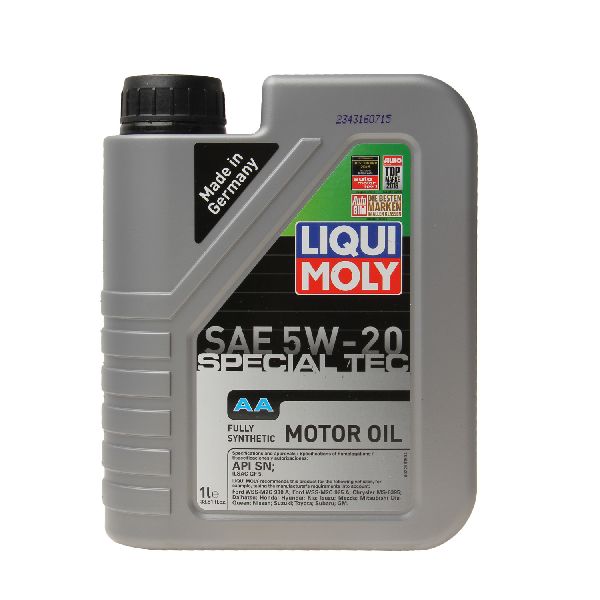
Aftermarket price range: $500-$800 - Engine Oil and Filter — The 2.4L MultiAir engine is highly sensitive to oil level and quality. Low or incorrect oil is a primary cause of this fault code. The required specification is full synthetic SAE 0W-20 meeting Chrysler MS-6395.
Trusted brands: Pennzoil, Mobil 1, Mopar, Quaker State
OEM price range: $70-$110
Aftermarket price range: $50-$90
Related Codes That Often Appear With This One
- P1066 — This is the same fault for Cylinder 1. It's common to see faults for multiple cylinders at once, often pointing to a systemic issue like oil level or a needed PCM flash.
- P106A — This is the same fault for Cylinder 3.
- P106C — This is the same fault for Cylinder 4.
- P219A — This code indicates a Bank 1 Air-Fuel Ratio Imbalance. If a cylinder's valve timing is off due to the P1068 fault, it can lead to an improper air-fuel mixture, triggering this code. [S2018000003]
- P0335 — Crankshaft Position Sensor Circuit. TSB #18-032-17 notes that this code can appear alongside the P106x family of codes and be resolved by the same PCM software update.
Technical Service Bulletins (TSBs) & Recalls

- S2018000003: Notes that P1068 may be stored along with P219A (Air-Fuel Ratio Imbalance) and can cause loss of power or rough running.
- 18-032-17: Lists P1068 as a code that may be resolved by a PCM software update for 2016 models. Also addresses other issues like intermittent high idle and includes en
Platform-Specific Known Issues
- Excessive oil consumption is a well-documented issue with the 2.4L Tigershark engine, making regular oil level checks essential to prevent codes like P1068. This issue was the subject of class-action lawsuits (e.g., Wood, et al. v. FCA US, LLC) and resulted in warranty extensions.
- Several Technical Service Bulletins (TSBs) have been issued by the manufacturer to address these codes via a PCM software update, indicating that the original software was too sensitive.
- Failure of the MultiAir 'brick' is a common, high-cost repair discussed frequently by owners.
Mechanic-Grade Diagnostic Values
- MultiAir Solenoid Coil Resistance — expected: 5 - 20 Ohms. Failure: A reading of infinite resistance (Open Loop) or near zero ohms (short circuit) indicates a failed solenoid coil.
- Engine Oil Pressure (2.4L MultiAir) — expected: Minimum 4 PSI at hot idle; 25-80 PSI at 3000 RPM.. Failure: Pressure that is consistently below the minimum specification at idle or does not rise appropriately with RPM can indicate a weak oil pump, clogged passages, or excessive internal engine wear, all of which will starve the MultiAir system.
Scan Tool Commands That Help
- wiTECH (or equivalent high-level scanner): Active Test: Cylinder 2 Oil Supply Solenoid Valve — This bidirectional test is used after verifying oil level and software are correct. It directly commands the suspect solenoid on and off. The technician should listen for an audible click from the actuator. A lack of a click from the cylinder 2 solenoid, when others are working, strongly indicates a failed solenoid within the MultiAir brick.
- wiTECH (or equivalent high-level scanner): MultiAir Lube Oil System Purge — This service function should be performed after replacing the MultiAir actuator assembly or after an oil and filter change where the oil level was found to be critically low. It helps purge air from the hydraulic passages to ensure immediate and correct operation of the new or existing actuator.
Wiring & Ground Locations
- MultiAir Actuator Connector — On the back side of the engine's cylinder head, underneath the plastic engine cover. The harness connects to the entire 'brick' assembly.. This is the single point of electrical connection for all four MultiAir solenoids. Before condemning the expensive actuator, it's crucial to inspect this connector for a secure connection, pushed-out pins, or any signs of corrosion or damage to the harness.
- Main Engine Ground (G100/G103) — Often a stud on the engine block near the oil dipstick tube or a strap from the firewall to the block.. A poor engine ground can cause a host of electrical issues and erratic sensor readings. While not a direct cause of a single-cylinder solenoid fault, verifying the main engine grounds are clean and tight is a fundamental step in any electrical diagnosis.
Real Owner Repair Stories
- 200forums.com user report (2015 Chrysler 200 with 2.4L MultiAir engine (same engine family)) — Check engine light with codes P1066, P1068, P106A, and P106C.
❌ Tried (didn't work) Dealer performed a TSB software update (PCM reflash).
✅ What actually fixed it The codes returned shortly after the software update. The dealer then replaced the entire MultiAir actuator assembly ('brick'), which permanently resolved the problem.
When the Usual Fixes Don't Work
- While a PCM software update is a common fix recommended by TSBs, it is not a guaranteed solution. There are documented cases where the software flash was performed by a dealer, only for the P106x codes to return. In these instances, the root cause was a mechanical or electrical failure within the MultiAir actuator ('brick') itself, which required complete replacement to fix the issue.
OEM Part Supersession History
05047980AA, 05047980AB, 05047980AC, 05047980AD→5047980AE— Part revisions by the manufacturer to improve reliability and address common failure modes of the internal solenoids and hydraulic components.
Heads up: While 5047980AE is the latest version, some parts databases note a potential difference for vehicles built before and after February 28, 2014. It is critical to always verify the correct part number with the vehicle's VIN before ordering.
Model Year Variations Within This Range
- 2019-2020: The Jeep Cherokee received a major facelift for the 2019 model year with updated exterior styling and the introduction of an optional 2.0L Turbo engine. However, the 2.4L I4 MultiAir engine remained the standard base engine and was fundamentally unchanged. Therefore, the causes, symptoms, and fixes for code P1068 are consistent across the entire 2016-2020 range for vehicles equipped with the 2.4L engine.
Helpful Videos
We Have This Part in Stock

The information in this article is provided for general reference and educational purposes only. Vehicle specifications, procedures, and part compatibility can vary by production date, trim level, and region. Always consult your vehicle's factory service manual and verify part numbers before purchasing or performing repairs. Safety-critical components such as airbags, seat belts, and braking systems should be installed by a qualified professional.
- Jeep CHEROKEE:
- 🎬 Helpful Videos
- 🛍️ Shop This Part
- What's Unique About the 2016-2020 Jeep CHEROKEE
- Diagnostic Flowchart
- Symptoms You May Notice
- Most Likely Causes
- Rare But Worth Checking
- Diagnosis Steps
- Parts You'll Likely Need
- Related Codes That Often Appear With This One
- Technical Service Bulletins (TSBs) & Recalls
- Platform-Specific Known Issues
- Mechanic-Grade Diagnostic Values
- Scan Tool Commands That Help
- Wiring & Ground Locations
- Real Owner Repair Stories
- When the Usual Fixes Don't Work
- OEM Part Supersession History
- Model Year Variations Within This Range
- 🎟️ Get 5% Off