

P1068 on 2015-2016 Chrysler 200: Cylinder 2 Oil Supply Solenoid Fixes
This code usually points to a faulty oil supply solenoid for cylinder 2 within the MultiAir 'brick' assembly. Before considering major repairs, it is critical to first check your engine oil level and condition, as low, old, or incorrect oil is a very common cause. Additionally, a simple PCM software update is a frequent fix mandated by Chrysler in multiple Technical Service Bulletins (TSBs) to correct overly sensitive fault triggers.
- P1068 on a 2015-2016 Chrysler 200 2.4L points to a problem with the Cylinder 2 Oil Supply Solenoid in the MultiAir system.
- First, check your engine oil. Low, old, or incorrect oil is the most common and cheapest-to-fix cause.
- Ask a dealer to check if your vehicle needs a PCM software update per TSBs #1805116 or #18-022-17 REV. A, as this is a known fix.
- If oil and software are good, the likely culprit is the Variable Valve Actuator assembly (the 'MultiAir brick'), which will need to be replaced.
What's Unique About the 2015-2016 Chrysler 200
The 2015-2016 Chrysler 200 with the 2.4L engine uses Fiat Chrysler's MultiAir technology, which is an electro-hydraulic variable valve lift system. Unlike traditional camshaft-driven systems, it relies on oil pressure controlled by solenoids to actuate the intake valves. This makes the system highly sensitive to oil quality, level, and pressure. This sensitivity is the subject of numerous owner forum discussions and multiple manufacturer-issued Technical Service Bulletins specifically addressing these solenoid-related fault codes.
Diagnostic Flowchart
Tap your situation to follow the diagnostic path that matches what you're seeing on this vehicle.
Symptoms You May Notice
- Check Engine Light (MIL) illuminated
- Rough or unstable idle
- Poor or hesitant acceleration
- Reduced fuel efficiency
- Engine misfires, sometimes with corresponding misfire codes (e.g., P0302)
- Engine may stall or have difficulty starting
- Vehicle may enter 'limp mode' with reduced power
- Replacing spark plugs or ignition coils, as the symptoms can mimic a misfire.
- Replacing camshaft or crankshaft position sensors without confirming specific codes for those components.
- Immediately replacing the MultiAir brick without first performing an oil change and checking for required PCM software updates.
Most Likely Causes
- Low or Dirty Engine Oil 🔴 High Probability The MultiAir system is hydraulic and extremely sensitive to oil volume and cleanliness. Low pressure from insufficient or contaminated oil can delay solenoid response time, directly causing this fault.
How to confirm: Check the engine oil dipstick for proper level and inspect the oil's color and consistency. If it is dark, gritty, or below the 'add' line, it needs to be changed. The recommended interval should be followed strictly.
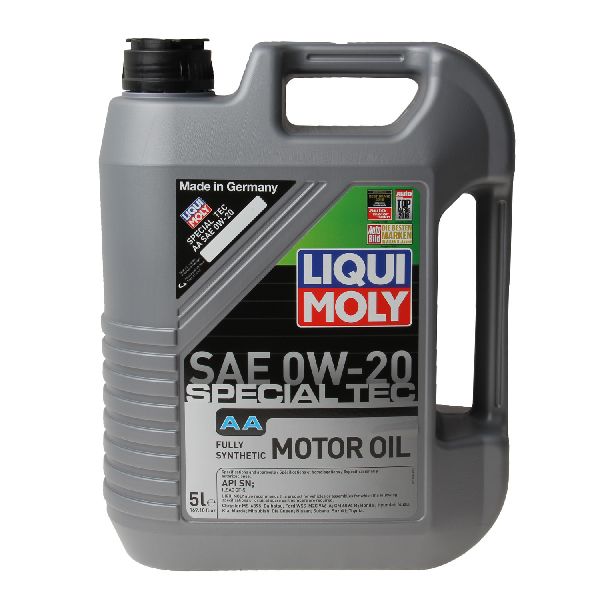
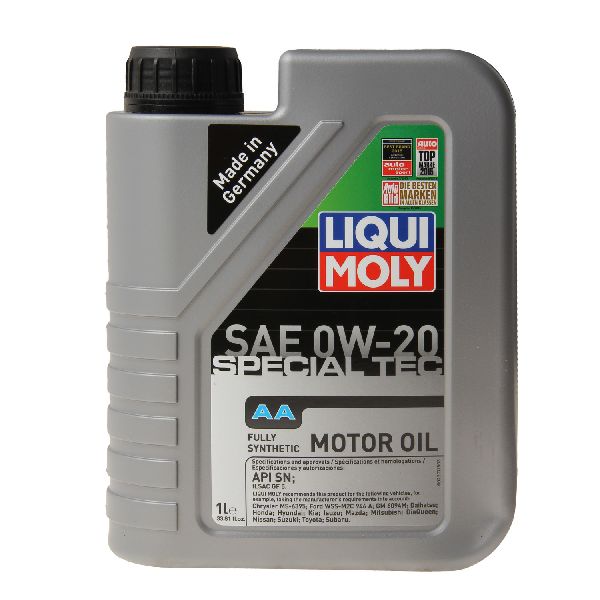
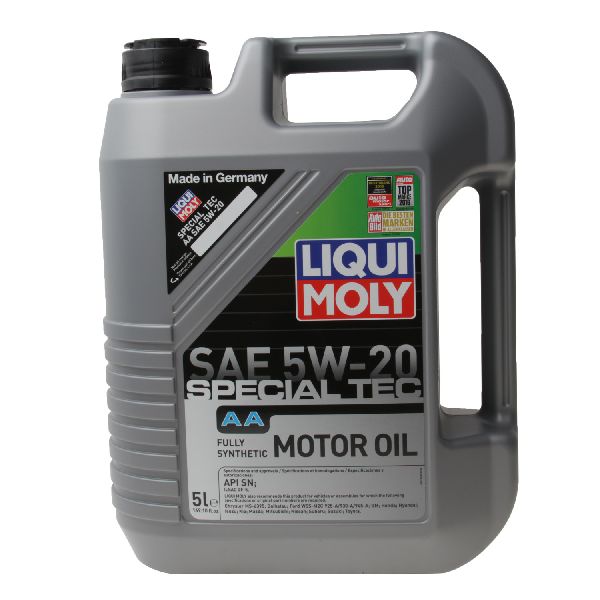
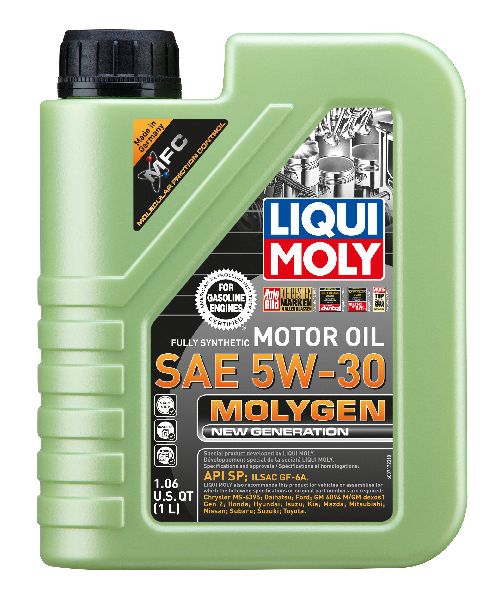
Typical fix: Perform an oil and filter change using the manufacturer-specified oil grade, which is full synthetic SAE 0W-20 meeting API certification. Reset the oil life monitor after the change.
Est. part cost: $40-$80 - Outdated PCM Software 🔴 High Probability Chrysler has issued multiple Technical Service Bulletins (TSBs) indicating that the original PCM software is overly sensitive and can falsely set this code. This is a very common and well-documented issue.
How to confirm: A Chrysler dealership or a qualified shop with a wiTECH scan tool can check the current software version against the latest available updates mentioned in TSBs like #18-022-17 REV. A and #1805116.
Typical fix: Reprogram the Powertrain Control Module (PCM) with the latest software. This is often the first step a dealer will take. The cost can range from a small diagnostic fee to a couple hundred dollars if out of warranty.
Est. part cost: $100-$250 - Faulty Cylinder 2 Oil Supply Solenoid 🟡 Medium Probability The solenoid itself can fail electronically or become clogged with sludge, preventing it from actuating within the specified timeframe. The solenoids are integrated into the MultiAir actuator and are not serviced individually.
How to confirm: A technician can command the solenoid on and off with a bidirectional scan tool to check its response. If the PCM software is up-to-date and oil pressure is good, but the code persists, the actuator is the likely culprit.
Typical fix: Replace the entire Variable Valve Actuator (VVA) assembly, commonly called the 'MultiAir brick'. This is a significant repair in terms of cost and labor.
Est. part cost: $300-$500 - Incorrect Oil Filter ⚪ Low Probability Using an oil filter that does not meet OEM specifications can cause oil pressure issues, affecting the MultiAir system. The filter must have the correct bypass valve pressure and flow characteristics.
How to confirm: Verify the part number of the installed oil filter against the OEM-recommended part (e.g., Mopar 68191349AC) or a high-quality aftermarket equivalent that meets specifications.
Typical fix: Replace the incorrect filter with a proper OEM or equivalent filter during an oil change.
Est. part cost: $10-$20
Rare But Worth Checking
- Wiring Harness or Connector Issue: The wiring to the MultiAir actuator assembly can become damaged, or the connector pins can get corroded or contaminated with oil, leading to an intermittent connection. Inspect the harness that runs to the actuator.
- Failing Powertrain Control Module (PCM): In very rare cases, the driver circuit within the PCM that controls the solenoid can fail. This should only be considered after all other possibilities, including wiring, have been exhaustively ruled out.
- Low Engine Oil Pressure: Beyond just low oil level, mechanical issues like a failing oil pump or clogged oil passages could lead to low system pressure, triggering these codes. A mechanical oil pressure test would be needed to confirm.
Diagnosis Steps
- Verify Engine Oil Level and Condition: This is the first and most important step. Check the dipstick. If the oil is low, top it off. If it's old, dirty, or the wrong type, perform a full oil and filter change with full synthetic SAE 0W-20 oil and an OEM-spec filter. Reset the oil life monitor.
- Scan for All Codes: Use an OBD-II scanner to check for other related codes (P1066, P106A, P106C, U1424, etc.) to understand the full scope of the problem.
- Check for TSBs: This is critical. Contact a Chrysler dealership with your VIN or use an online service to see if TSBs #1805116, #18-022-17 REV. A, or #18-023-16 apply. A PCM reflash is a very common and prescribed fix for these codes.
- Inspect Solenoid Wiring: Visually inspect the wiring harness and connector going to the MultiAir actuator assembly for any signs of damage, corrosion, or oil contamination. Ensure the connector is seated properly.
- Advanced: Test the Solenoid: This is an advanced step. A technician with a bidirectional scan tool (like wiTECH) can attempt to actuate the solenoid. If it fails to respond or responds slowly, and the previous steps have been completed, the actuator assembly is likely faulty.
- Advanced: Mechanical Oil Pressure Test: If multiple solenoid codes are present and oil/software are correct, a mechanical oil pressure test can confirm if the oil pump and passages are providing adequate pressure to the MultiAir system.
- Replace the Variable Valve Actuator ('MultiAir Brick'): If all other steps fail to resolve the code, the solenoid within the actuator assembly has likely failed. The entire assembly must be replaced as a unit.
Parts You'll Likely Need
- Variable Valve Actuator Assembly (MultiAir Brick)
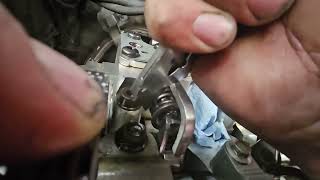
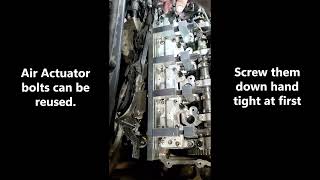
(OEM #5047980AE (supercedes 05047980AD, 5047980AC, 5047980AB, 5047980AA))— This assembly contains the oil supply solenoids. If one solenoid fails and software/oil issues are ruled out, the entire unit must be replaced as the solenoids are not serviced individually. 🎬 Watch: A complete walkthrough of the MultiAir actuator replacement process.
Trusted brands: Mopar
OEM price range: $450-$600
Aftermarket price range: $300-$450 - Engine Oil and Filter
(OEM #Oil: 68218950MN (or equivalent 0W-20); Filter: 68191349AC)— Correcting low, old, or contaminated oil is the first and most crucial step, as it is a primary cause of this code. Using the correct full synthetic 0W-20 oil and an OEM-spec filter is mandatory for the health of the MultiAir system.
Trusted brands: Mopar, Pennzoil, Mobil 1
OEM price range: $60-$100
Aftermarket price range: $40-$80
Related Codes That Often Appear With This One
- P1066 — This is the same fault for the Cylinder 1 Oil Supply Solenoid. It's common for multiple solenoids in the MultiAir brick to experience issues simultaneously, often pointing to a systemic issue like oil or a needed software update.
- P106A — This is the same fault for the Cylinder 3 Oil Supply Solenoid, often appearing with P1068 for the same reasons.
- P106C — This is the same fault for the Cylinder 4 Oil Supply Solenoid. Seeing all four codes (P1066, P1068, P106A, P106C) strongly points to a systemic issue like oil pressure/quality or a required PCM flash.
- U1424 — Stands for 'Implausible Engine Torque Signal Received'. The PCM may set this code when the engine is not producing the expected amount of power due to the valve lift issue caused by P1068. This code is explicitly mentioned in related TSBs.
Technical Service Bulletins (TSBs) & Recalls
- 1805116: Flash: Powertrain Diagnostic and System Improvements for 2016 models, addresses P1068 and the other three cylinder solenoid codes.
- 18-022-17 REV. A: Flash: Powertrain Diagnostic and System Improvements for 2015 models, addresses P1068, U1424, and other related codes.
- 18-023-16: Flash: 2.4L Powertrain Diagnostic and System Improvements, addresses P1068 and mentions improving vehicle acceleration.
Platform-Specific Known Issues
- Multiple TSBs (#1805116, #18-022-17 REV. A, #18-023-16) have been released by Chrysler for the 2015-2016 200 with the 2.4L engine, specifically to address this code and others related to the oil supply solenoids. The primary fix recommended is a PCM software update.
- Owner forums, such as 200forums.com and Reddit's r/MechanicAdvice, contain numerous threads where owners of 2015-2016 Chrysler 200s report experiencing P1068 and related codes. The most common successful fixes reported by users are an oil change followed by a dealer PCM flash. Replacement of the 'MultiAir brick' is also a common repair for high
Mechanic-Grade Diagnostic Values
- MultiAir Actuator (Brick) Mounting Bolt Torque — expected: Three-step sequence: 1) Tighten all bolts to 89 in-lbs (approx. 7.4 ft-lbs). 2) Tighten all bolts to 16 ft-lbs. 3) Perform a final pass, tightening all bolts to 16 ft-lbs again. Follow the specified tightening pattern.. Failure: Incorrect or uneven torque can lead to oil leaks or damage to the actuator or cylinder head.
- Engine Oil Pressure (Mechanical Gauge Test) — expected: While not definitively specified for the 2.4L MultiAir in the search results, a healthy engine should have more than 4-5 PSI at hot idle. A similar, non-MultiAir 2.4L engine specifies >4 psi at idle and 25-80 psi at 3000 RPM.. Failure: Extremely low pressure (e.g., 5 PSI at idle) indicates a severe mechanical issue like a failing oil pump or worn engine components, which can trigger P1068.
- Oil Pressure Sensor Reading (Key On, Engine Off) — expected: 0 PSI.. Failure: A reading significantly above zero (e.g., 100 PSI) indicates a shorted or faulty oil pressure sensor, which can contribute to incorrect diagnostics.
Scan Tool Commands That Help
- wiTECH or capable aftermarket scanner (e.g., Autel): Active Test: VVT Solenoid Actuation — After verifying oil level/pressure and PCM software are correct, this command is used to individually activate each cylinder's oil supply solenoid. The technician can listen for an audible 'click' to confirm the solenoid is mechanically responding to the PCM's command. A lack of a click from the cylinder 2 solenoid when commanded would strongly indicate a failed solenoid within the MultiAir brick.
- N/A - Manual Procedure: MultiAir System Oil Bleed Procedure — After the MultiAir brick has been replaced or the engine has sat for a long time, the hydraulic circuits may contain air, preventing the engine from starting. To bleed the system, press the accelerator pedal fully to the floor (this disables fuel injection) and crank the engine for 5-10 seconds. Repeat this process several times with a cool-down period for the starter in between, until compression builds and the engine attempts to start.
Wiring & Ground Locations
- G909A — Near the transmission assembly, related to the Transmission Control Module ground circuit.. While not directly for the VVA solenoid, a poor ground in the general vicinity of the powertrain control modules can cause erratic electronic behavior and phantom codes. Verifying major grounds in the engine bay is a valid diagnostic step for persistent electronic faults.
- Power Distribution Center (PDC) — Left side of the engine compartment.. This unit houses the fuses and relays that supply power to the PCM and, by extension, the MultiAir actuator. Corrosion or damage to this fuse box, for instance from a coolant leak, has been reported to cause widespread electrical issues.
Real Owner Repair Stories
- Reddit r/MechanicAdvice user post (2015 Chrysler 200) — Initial symptoms of a bad MultiAir brick.
❌ Tried (didn't work) Owner replaced the MultiAir brick, but accidentally damaged the valves in the process. Then replaced the entire cylinder head and installed a second new brick.
✅ What actually fixed it This story is a cautionary tale with no final fix. After replacing the head and the brick, the car went into limp mode and threw new codes for timing misalignment (P0016) and implausible torque (U1424), and eventually the original low oil pressure codes (P1523) returned. The user suspected a PCM reprogram was needed but the outcome was unresolved. This highlights the complexity of the repair and the potential for creating new, severe issues if timing and installation procedures are not followed perfectly.
When the Usual Fixes Don't Work
- While replacing the MultiAir actuator ('brick') is a common fix for a confirmed internal solenoid failure, it is not a simple plug-and-play repair. A real-world case showed that improper installation can lead to catastrophic engine damage (bent valves) or secondary, hard-to-diagnose electronic issues like timing misalignment codes (P0016) and a return of the original fault symptoms even with a new part. This indicates that the procedure is complex, requires mechanical precision, and may necessitate a subsequent PCM relearn or programming step to function correctly.
OEM Part Supersession History
5047980AA, 5047980AB, 5047980AC, 5047980AD, 5047457AD, 5047457AE→5047980AE— Part has been revised multiple times by the manufacturer to improve reliability and address failures.
Heads up: While the latest part (5047980AE) is the correct service replacement for all previous versions, using an older, superseded part number is not recommended as it may be prone to the original failure mode.
Model Year Variations Within This Range
- 2015: The 2015 model year has a significantly higher volume of owner complaints related to the engine and powertrain compared to the 2016 model. This suggests that early production vehicles were more susceptible to issues like P1068, which were later mitigated by running production changes and the widespread application of PCM software updates via TSBs.
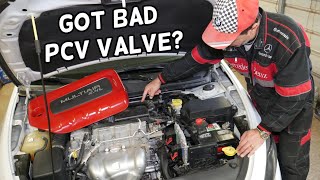
Helpful Videos
Used OEM Parts in Stock

New Aftermarket Parts Available

The information in this article is provided for general reference and educational purposes only. Vehicle specifications, procedures, and part compatibility can vary by production date, trim level, and region. Always consult your vehicle's factory service manual and verify part numbers before purchasing or performing repairs. Safety-critical components such as airbags, seat belts, and braking systems should be installed by a qualified professional.
- Chrysler 200:
- 🎬 Helpful Videos
- 🛍️ Shop This Part
- What's Unique About the 2015-2016 Chrysler 200
- Diagnostic Flowchart
- Symptoms You May Notice
- Most Likely Causes
- Rare But Worth Checking
- Diagnosis Steps
- Parts You'll Likely Need
- Related Codes That Often Appear With This One
- Technical Service Bulletins (TSBs) & Recalls
- Platform-Specific Known Issues
- Mechanic-Grade Diagnostic Values
- Scan Tool Commands That Help
- Wiring & Ground Locations
- Real Owner Repair Stories
- When the Usual Fixes Don't Work
- OEM Part Supersession History
- Model Year Variations Within This Range
- 🎟️ Get 5% Off