

P1066 on 2015-2016 Ram ProMaster City: Cylinder 1 Oil Solenoid Fault Causes and Fixes
On a 2015-2016 ProMaster City, code P1066 is most often caused by outdated powertrain software. The first step should be a software update (reflash) at a dealer, as specified in TSB #18-063-17 REV. A. This is the cheapest and most common fix. If the code persists, the issue is likely low, dirty, or incorrect engine oil (must be full synthetic 0W-20) or a failed MultiAir actuator assembly, also known as the 'brick', which is a significantly more expensive repair.
- P1066 on a ProMaster City is almost always related to the unique MultiAir valve system.
- Before any repairs, verify the engine oil is full and is the correct SAE 0W-20 viscosity.
- The most common fix is a software update from a Ram dealer, as detailed in TSB #18-063-17 REV. A.
- Do not replace expensive parts like the MultiAir actuator ('brick') until you have confirmed the software is up-to-date and the oil is correct.
- This code will cause noticeable drivability problems like a rough idle and misfires, so it should be addressed promptly.
What's Unique About the 2015-2016 Ram PROMASTER CITY
The Ram ProMaster City uses a Fiat-Chrysler (FCA) 2.4L Tigershark engine equipped with an electro-hydraulic Variable Valve Actuation (VVA) system called MultiAir. This system replaces a traditional intake camshaft with oil-pressure-activated solenoids. This design is highly sensitive to oil quality, level, and software calibration, making these P1xxx codes specific to this engine family and not found on other Ram trucks with different engines. The 2.4L Tigershark is also known for oil consumption issues, which can starve the MultiAir system and trigger these codes.
Diagnostic Flowchart
Tap your situation to follow the diagnostic path that matches what you're seeing on this vehicle.
Symptoms You May Notice
- Check Engine Light (MIL) is on
- Rough or unstable idle
- Engine misfiring or stumbling, especially during acceleration
- Loss of engine power
- Difficulty starting the engine
- Increased fuel consumption
- Engine stalling at stops or low speeds.
- Replacing spark plugs or ignition coils to fix a misfire without first addressing the P1066 code, which is the underlying cause of the misfire.
- Replacing the MultiAir actuator ('brick') before performing the required PCM software update, which is the most common and cheapest solution.
Most Likely Causes
- Outdated Powertrain Control Module (PCM) Software 🔴 High Probability FCA released multiple Technical Service Bulletins (TSBs) to address this specific code by updating the PCM software. The original software was overly sensitive and could trigger the code incorrectly, often along with codes for other cylinders.
How to confirm: A Ram dealer or a shop with access to FCA's technical database can check your vehicle's VIN against TSB #18-063-17 REV. A to see if the update is needed. This TSB explicitly lists P1066 as a code addressed by the reflash.
Typical fix: Reprogramming (flashing) the PCM with the latest software. The TSB also recommends ensuring the Transmission Control Module (TCM) is updated simultaneously. This must be done with a wiTECH scan tool.
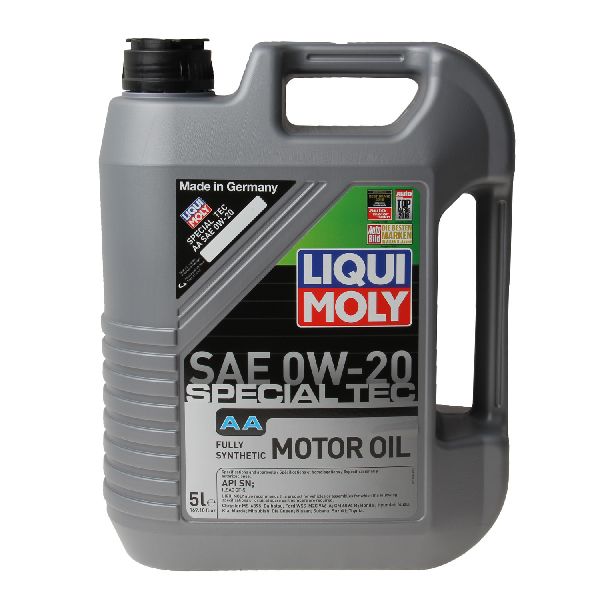
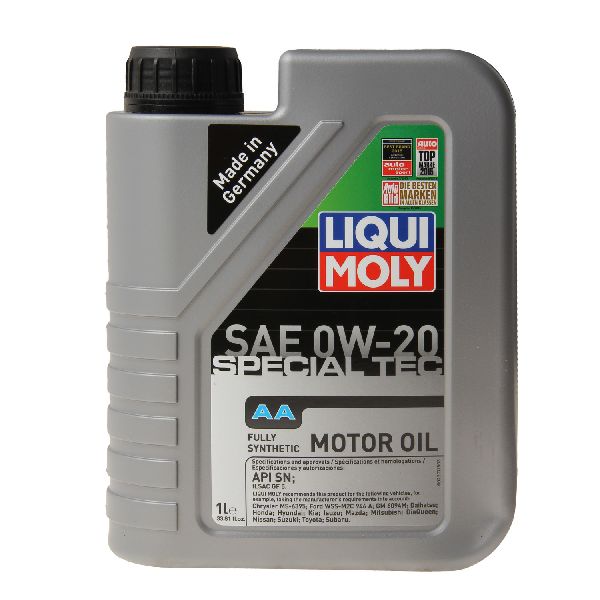
Est. part cost: $0 - Low, Dirty, or Incorrect Viscosity Engine Oil 🟡 Medium Probability The MultiAir system is an electro-hydraulic system that is extremely sensitive to oil level, cleanliness, and viscosity. The 2.4L Tigershark engine is known for consuming oil, and using anything other than the specified full synthetic SAE 0W-20 oil meeting Chrysler MS-6395 can cause the solenoids to malfunction.
How to confirm: Check the engine oil level on the dipstick when the engine is cold and on a level surface. Review service records to confirm the correct oil (API Certified SAE 0W-20) was used. Many owners across platforms report these codes appearing simply due to being low on oil.
Typical fix: Perform an oil and filter change with the exact OEM-specified oil and a quality filter. This is often the first and cheapest step after checking for TSBs.
Est. part cost: $50-$100 - Failed MultiAir Actuator Assembly ('Brick') ⚪ Low Probability The oil supply solenoid is integrated into the MultiAir actuator assembly. This unit is complex and can fail internally, but this should only be suspected after software and oil issues are ruled out. It is a known failure point on the 2.4L MultiAir engine family.
How to confirm: After confirming the software is up to date and the oil is correct, a technician can use a high-level scan tool (like wiTECH) to perform an active test on the cylinder 1 solenoid. If it fails to respond correctly, or if resistance checks on the circuit fail, the actuator is likely faulty.
Typical fix: Replacement of the entire MultiAir actuator assembly. This is a labor-intensive and expensive repair. One owner on a Dodge Dart forum reported a dealer quote of $1700 for the part alone.
Est. part cost: $1100-$1700
Rare But Worth Checking
- Wiring Harness or Connector Issue: Corrosion or damage to the wiring leading to the MultiAir actuator can cause this fault. A recall for the 2015-2016 ProMaster City addressed a connector near the driver's seat that was prone to water intrusion and could cause various electrical issues. While not directly linked to P1066, it highlights the platform's susceptibility to connector problems.
- Clogged MultiAir Oil Filter/Strainer: The MultiAir system has a small, dedicated oil filter screen (OEM #68192523AA). If this screen becomes clogged with sludge or debris from infrequent oil changes, it can restrict oil flow to the entire actuator 'brick', causing solenoid timing faults for one or more cylinders.
Diagnosis Steps
- Check the engine oil level and condition. Ensure it is full and that the correct full synthetic SAE 0W-20 oil meeting Chrysler specification MS-6395 is being used. If in doubt, change the oil and filter.
- Connect a professional scan tool (like wiTECH) to check for TSBs related to your vehicle's VIN. Specifically, check if TSB #18-063-17 REV. A has been performed.
- If the TSB is open, have a dealership or qualified repair shop update the PCM and TCM software. This is the most common fix.
- Clear the codes and perform a drive cycle to see if P1066 returns. If it does, proceed with further diagnosis.
- If the code returns, inspect the wiring harness and connector going to the MultiAir actuator for any signs of damage, corrosion, or loose connections. Pay close attention to where the harness may rub against other components.
- Using a bidirectional scan tool, command the Cylinder 1 Oil Supply Solenoid on and off to test its function. Listen for an audible click from the solenoid.
- If the solenoid does not respond or the code immediately returns, the MultiAir actuator assembly is the most likely point of failure and will require replacement.
Parts You'll Likely Need
- MultiAir Actuator Assembly
(OEM #68245272AA)— This assembly, often called the 'MultiAir brick', contains the non-serviceable solenoid that triggers the P1066 code. It is replaced as a complete unit if it fails. Part numbers may be superseded; always verify with a dealer using your VIN.
Trusted brands: Mopar
OEM price range: $1500-$1800
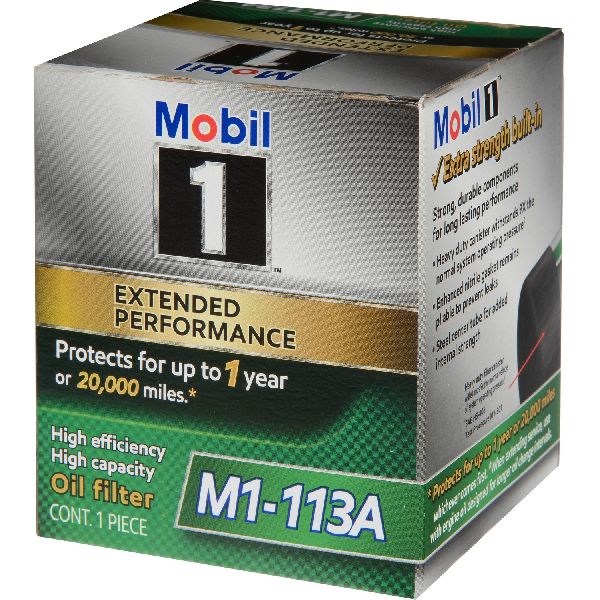
Aftermarket price range: $1100-$1400 - Engine Oil and Filter — The MultiAir system is highly dependent on the correct oil. Using the specified full synthetic SAE 0W-20 oil (meeting Chrysler MS-6395) is a critical first step in diagnosis and maintenance.
Trusted brands: Pennzoil, Mobil 1, Valvoline, Mopar
OEM price range: $70-$120
Aftermarket price range: $50-$90
Related Codes That Often Appear With This One
- P1068, P106A, P106C — These are identical faults for cylinders 2, 3, and 4, respectively. Seeing them together strongly points to a systemic issue like old software or an oil problem affecting the entire MultiAir system.
- P0128 — Thermostat Rationality. This code is also listed in the same TSB (#18-063-17 REV. A) as P1066, indicating the PCM software update addresses both issues.
- U0402 — Implausible Data Received From TCM. This network code is also mentioned in TSB #18-063-17 REV. A and is resolved by the software updates for the PCM and TCM.
- P0301 — Cylinder 1 Misfire. Since the P1066 code indicates a problem with valve control for cylinder 1, it will often cause a misfire in that same cylinder.
- P0335 — Crankshaft Position Sensor Circuit. This code is frequently listed alongside the P106x family in TSBs, and the software update often includes logic to prevent false misfire detection when a crank sensor fault is present.
Technical Service Bulletins (TSBs) & Recalls
- 18-063-17 REV. A: Flash: Powertrain Diagnostic and System Improvements. This is the primary TSB for fixing P1066 on the ProMaster City via a software update.
- 18-063-17: The original version of the above TSB, also mentioning P1066.
Platform-Specific Known Issues
- TSB #18-063-17 REV. A was issued by FCA specifically to address P1066 and other related codes on the 2015-2016 Ram ProMaster City by reprogramming the PCM.
- The 2.4L MultiAir engine is known for oil consumption, which can lead to low oil levels and trigger this code if not monitored regularly. This has been the subject of class-action lawsuits for other vehicles with this engine.
Mechanic-Grade Diagnostic Values
- MultiAir (VVA) Solenoid Resistance — expected: 0.5 - 1.0 Ohms. Failure: A reading outside this range, especially an open circuit (infinite resistance) or short circuit (near zero resistance), indicates a failed solenoid.
- MultiAir (VVA) Solenoid Circuit Wire Resistance — expected: Below 5.0 Ohms. Failure: Resistance above 5.0 Ohms points to a problem in the wiring harness between the PCM and the MultiAir actuator connector.
- MultiAir Actuator Mounting Bolt Torque — expected: Three-step sequence: 1) Tighten all bolts to 89 in-lbs. 2) Tighten all bolts to 16 ft-lbs. 3) Perform a final pass, tightening all bolts to 16 ft-lbs again, following the specified pattern.. Failure: Incorrect or uneven torque can lead to oil leaks or damage to the actuator or cylinder head.
- Spark Plug Gap (2.4L MultiAir) — expected: 0.047 inches (1.2mm). Failure: An incorrect gap can cause misfires and inefficient combustion.
Scan Tool Commands That Help
- wiTECH or equivalent: Active Test: Cylinder 1-4 Oil Supply Solenoid Valve — After verifying software and oil level are correct, use this to command the specific solenoid on and off. A technician should listen for an audible click from the actuator to confirm electrical function.
- wiTECH or equivalent: MultiAir Lube Oil System Purge / VVA Oil Bleed — This procedure should be performed after replacing the MultiAir actuator assembly or after an oil change where the oil level was critically low. It helps prime the new actuator and purge trapped air from the hydraulic passages to prevent misfires and codes on startup.
- wiTECH or equivalent: PROXI Alignment — This is a required procedure if the Powertrain Control Module (PCM) or other key ECUs are replaced. It aligns the configuration data of the new module with the rest of the vehicle's systems.
Wiring & Ground Locations
- Main Engine/Transmission Ground Strap — A braided strap running from the transmission case to the transmission mount on the driver's side of the engine bay. It can be seen more clearly by removing the driver's side headlight assembly.. A poor engine ground can cause inconsistent sensor readings and erratic electronic component behavior, potentially corrupting the data the PCM receives from engine sensors and actuators like the MultiAir system.
- PCM Connector C2 — One of the main harness connectors at the Powertrain Control Module (PCM) in the engine bay.. This connector contains the individual signal and return wires for each of the four VVA/MultiAir solenoids. For example, on related models, Cylinder 2 uses Pin 1 and Pin 25. A fault at the specific pins for Cylinder 1 on this connector could directly cause P1066.
- EPB Module Connector — Under the storage bin, accessible from the driver's side footwell area.. While not directly related to the engine, TSB #08-060-16 describes how this connector is prone to water intrusion and corrosion, causing various electrical faults. This confirms the platform's susceptibility to connector issues from water ingress, a potential cause for any electrical fault code.
Real Owner Repair Stories
- 200forums.com user report (2015 Chrysler 200 2.4L (same engine/actuator)) — Check engine light with codes P1066, P1068, P106A, P106C.
❌ Tried (didn't work) Dealer performed TSB software update (PCM reflash).
✅ What actually fixed it The dealer replaced the entire MultiAir actuator assembly ('brick'). The problem was resolved only after the hardware replacement. - Reddit user in r/dodgedart (Dodge Dart with 2.4L MultiAir engine) — Stumbling during driving, completely dead cylinder at times, rough running.
❌ Tried (didn't work) Initial diagnosis pointed to a different cylinder's solenoid.
✅ What actually fixed it The user replaced the entire MultiAir actuator 'brick' themselves. They noted that the special service tool to compress the springs was not necessary if the actuator was loosened carefully and slowly in sequence.
When the Usual Fixes Don't Work
- While a PCM software update is the most common and recommended first step, it is not a guaranteed fix. There are multiple owner-documented cases on vehicles with the same 2.4L MultiAir engine (like the Chrysler 200) where the P1066 code (and related cylinder codes) returned shortly after the dealer performed the TSB reflash. In these instances, the root cause was a mechanical or internal electronic failure of the MultiAir actuator ('brick'), and the problem was only resolved by replacing the entire expensive assembly.
OEM Part Supersession History
68245272AA (from Pass 2)→5047980AB -> 5047980AC -> 5047980AD -> 5047980AE— Revisions by the manufacturer to improve reliability and address failure modes of the MultiAir actuator.
Heads up: Later part numbers are generally backwards compatible, but always confirm with a dealer using the vehicle's VIN before purchasing.
We Have This Part in Stock


The information in this article is provided for general reference and educational purposes only. Vehicle specifications, procedures, and part compatibility can vary by production date, trim level, and region. Always consult your vehicle's factory service manual and verify part numbers before purchasing or performing repairs. Safety-critical components such as airbags, seat belts, and braking systems should be installed by a qualified professional.
- Ram PROMASTER CITY:
- 🛍️ Shop This Part
- What's Unique About the 2015-2016 Ram PROMASTER CITY
- Diagnostic Flowchart
- Symptoms You May Notice
- Most Likely Causes
- Rare But Worth Checking
- Diagnosis Steps
- Parts You'll Likely Need
- Related Codes That Often Appear With This One
- Technical Service Bulletins (TSBs) & Recalls
- Platform-Specific Known Issues
- Mechanic-Grade Diagnostic Values
- Scan Tool Commands That Help
- Wiring & Ground Locations
- Real Owner Repair Stories
- When the Usual Fixes Don't Work
- OEM Part Supersession History
- 🎟️ Get 5% Off