

P1066 on 2016-2020 Jeep Cherokee: 2.4L Oil Solenoid Fault Causes and Fixes
On a 2016-2020 Cherokee with the 2.4L engine, P1066 is most often caused by low/incorrect engine oil or outdated powertrain software. Always check your oil level first. If the oil is correct, a dealership software update is the next most likely fix. If neither resolves the issue, the MultiAir actuator 'brick' has likely failed.
- This code applies specifically to the 2.4L MultiAir engine, not the V6.
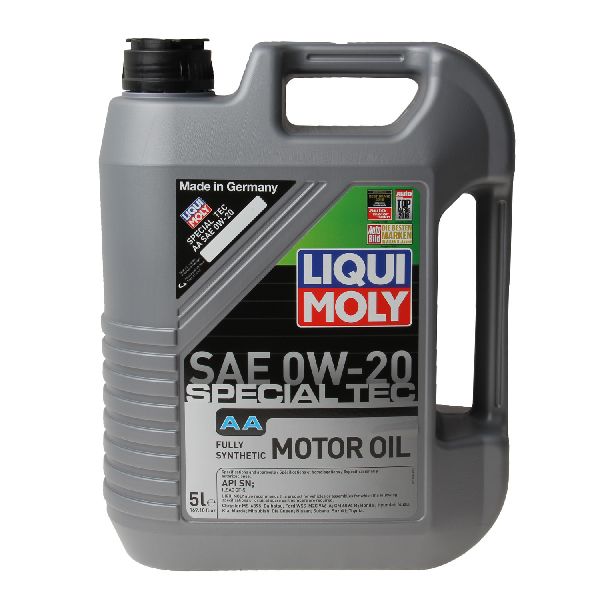
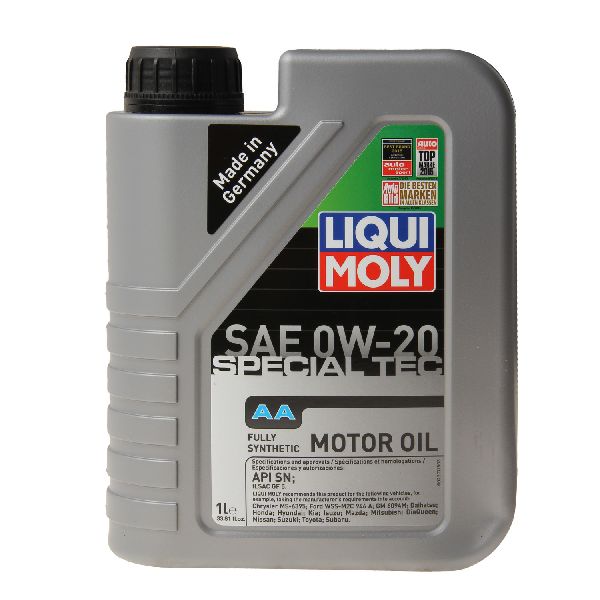
- Your first and cheapest step is to check the engine oil. Ensure it is full and that the correct SAE 0W-20 full synthetic oil is being used.
- A very common fix is a simple software update for the Powertrain Control Module (PCM), which must be done by a dealer.
- If an oil change and software update do not fix the problem, the entire MultiAir actuator assembly (the 'brick') for that bank of cylinders likely needs to be replaced.
- This code is often accompanied by similar codes for other cylinders (P1068, P106A, P106C).
What's Unique About the 2016-2020 Jeep CHEROKEE

This code is almost exclusively found on the 2.4L 'Tigershark' MultiAir engine used across many FCA vehicles. This engine's valve control system is electro-hydraulic, making it extremely sensitive to engine oil level, viscosity, and cleanliness. Furthermore, FCA released multiple software updates via Technical Service Bulletins (TSBs) because the original PCM calibrations were often too sensitive, triggering this code erroneously. This platform is also known for issues with oil consumption, which can starve the MultiAir system and cause this fault.
Diagnostic Flowchart

Tap your situation to follow the diagnostic path that matches what you're seeing on this vehicle.
Symptoms You May Notice
- Check Engine Light (MIL) is on
- Loss of engine power. [S2018000003]
- Engine running rough or rough idle. [S2018000003]
- Poor fuel economy
- Engine may stall intermittently
- Intermittent elevated engine RPM at start up.
- Replacing only the camshaft or crankshaft position sensors.
- Replacing ignition coils or spark plugs without addressing the underlying oil pressure or solenoid fault.
- Replacing the oil pressure sensor or switch, which is a separate component and typically throws its own specific codes.
Most Likely Causes

- Low, Dirty, or Incorrect Viscosity Engine Oil 🔴 High Probability The 2.4L MultiAir engine is known for oil consumption issues, making low oil levels common. The system is hydraulic and requires clean, full synthetic 0W-20 oil at the proper pressure to function correctly; using thicker or conventional oil can disrupt the system.
How to confirm: Check the engine oil dipstick when the engine is cold and on level ground. The level should be full, and the oil should be amber and clean, not black or sludgy. Verify service records for the correct oil type (full synthetic SAE 0W-20 meeting Chrysler MS-6395).
Typical fix: Perform an engine oil and filter change using full synthetic SAE 0W-20 oil that meets Chrysler's MS-6395 specification. If oil consumption is suspected, a dealer can perform an oil consumption test as part of warranty extension XB1.
Est. part cost: $50-$100 - Outdated Powertrain Control Module (PCM) Software 🔴 High Probability The manufacturer issued multiple TSBs (e.g., 18-032-17, 18-014-17) indicating the original software logic was too sensitive and could set this code incorrectly, often along with codes for other cylinders.
How to confirm: A Jeep dealership or a well-equipped independent shop can check your vehicle's VIN against FCA's database for open TSBs or recalls. They can see the current software version and if an update is available.
Typical fix: Reprogramming (flashing) the PCM with the latest available software using a wiTECH scan tool. 🎬 Watch how a PCM update quickly fixes multiple engine codes. This must be done at a dealership or qualified shop. Some TSBs also require the Transmission Control Module (TCM) to be updated simultaneously.
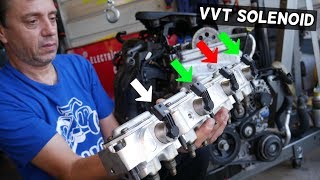
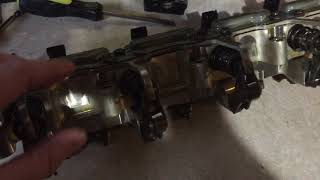
Est. part cost: $0-$250 - Failed MultiAir Actuator Assembly ('Brick') 🟡 Medium Probability The oil supply solenoid is integrated into the MultiAir actuator assembly. This entire unit is a known failure point on these engines due to its complexity and sensitivity to oil issues. It must be replaced as a whole.
How to confirm: If the PCM software is up-to-date and the oil is correct, a technician can use a scan tool to perform an active test on the solenoid. If it fails the test or if codes return immediately after being cleared, the actuator is faulty.
Typical fix: Replace the entire MultiAir actuator assembly. The individual solenoids are not serviced separately. This is a labor-intensive job. 🎬 See this installation hack to replace the actuator without specialty tools.
Est. part cost: $450-$750
Rare But Worth Checking
- Wiring or Connector Issue at the PCM: A video for a similar code on a Jeep Compass with the same engine showed that a spread or corroded pin in the PCM connector can cause intermittent signals and trigger this fault. It's worth inspecting the connector if other causes are ruled out.
Diagnosis Steps
- Verify the engine oil level and condition. If low, top it off and see if the code clears after a few drive cycles. If the oil is old, dirty, or of unknown type, perform a full oil and filter change with SAE 0W-20 full synthetic oil meeting MS-6395 spec.
- Using a scan tool, check for any available Technical Service Bulletins (TSBs) related to your vehicle's VIN. If a PCM software update is indicated (e.g., TSB 18-032-17), have this performed by a dealership or qualified shop with a wiTECH tool.
- Inspect the wiring harness and connector going to the MultiAir actuator assembly. Look for any signs of damage, corrosion, or loose pins.
- Inspect the main PCM connectors for any spread or corroded pins, particularly the one corresponding to the cylinder 1 oil solenoid.
- If all previous steps fail to resolve the issue, the MultiAir actuator assembly ('brick') is the most likely culprit and will require replacement.
Parts You'll Likely Need
- MultiAir Actuator Assembly
(OEM #5047980AE)— This assembly contains the non-serviceable oil supply solenoid that causes code P1066. If the solenoid fails, the entire unit must be replaced. This part number supersedes previous versions including 5047980AD, 5047980AC, 5047980AB, and 5047980AA.
Trusted brands: Mopar
OEM price range: $600-$1400
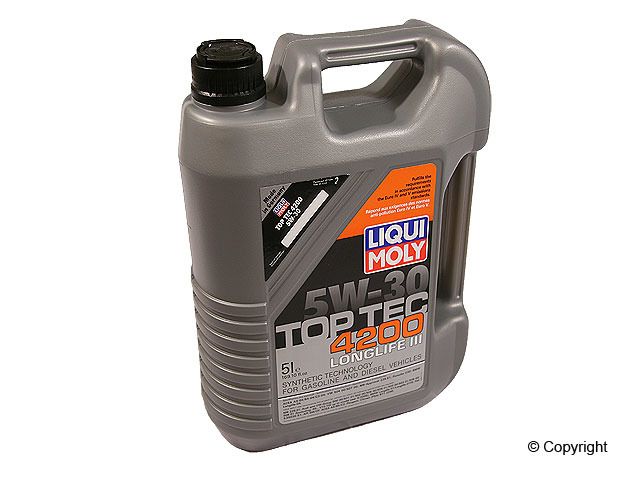
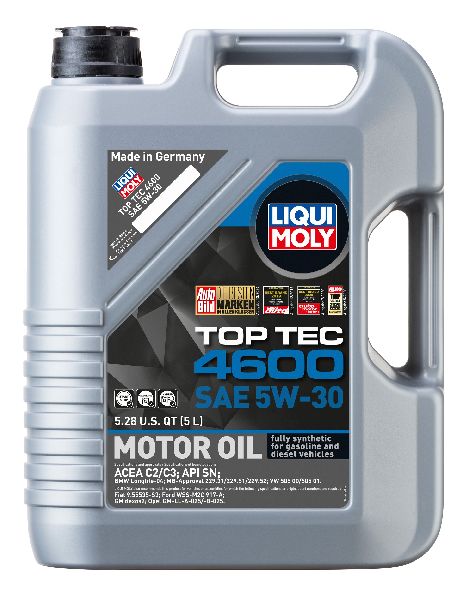
Aftermarket price range: $450-$650 - Engine Oil and Filter — The MultiAir system is highly sensitive to oil level and quality. An oil change with the correct full synthetic 0W-20 oil is a critical first diagnostic step.
Trusted brands: Pennzoil, Mobil 1, Valvoline
OEM price range: $70-$120
Aftermarket price range: $50-$90
Related Codes That Often Appear With This One
- P1068 — This is the same fault but for Cylinder 2. It's common for multiple cylinder solenoid codes to appear together, often pointing to a systemic issue like software or oil quality. [S2018000003, 18-032-17, 18-122-16, 35]
- P106A — This is the same fault but for Cylinder 3. [S2018000003, 18-032-17, 18-122-16, 35]
- P106C — This is the same fault but for Cylinder 4. [S2018000003, 18-032-17, 18-122-16, 35]
- P219A — This code indicates a Bank 1 Air-Fuel Ratio Imbalance. It can be triggered by P1066 because improper valve lift on one cylinder disrupts the engine's air-fuel mixture. TSB S2018000003 directly links these codes. [S2018000003]
- P0301 — This is a misfire code for Cylinder 1. If the intake valves aren't opening correctly, it can lead to incomplete combustion and a misfire.
- P1185 — General Pressure Sensor Correlation. This code is frequently listed in the same TSBs as the P106x family, suggesting the PCM software update addresses the logic for multiple sensor inputs.
Technical Service Bulletins (TSBs) & Recalls

- S2018000003: Links P1066 to P219A (Air-Fuel Ratio Imbalance) and symptoms like loss of power.
- 18-032-17: For 2016 models, lists P1066 as a code fixed by a PCM software update and also addresses idle performance and other system enhancements.
- 18-122-16: Notes that P1066 can cause MIL illumination and lists it with identical codes for other cylinders, suggesting a PCM flash.
- 18-014-17: Supersedes an earlier TSB and lists P1066 and many other codes as being resolved by a PCM software update for 2014-2015 models.
- 18-063-16 REV. A: A TSB for the Jeep Renegade that also lists P1066 as being fixed by a PCM flash, showing the issue is not unique to the Cherokee.
Platform-Specific Known Issues
- FCA issued warranty extension XB1 for some 2.4L engines due to excessive oil consumption, which is a primary trigger for this code. Owners may notice the low oil pressure light between changes.
- Numerous TSBs exist for this code across multiple FCA platforms using the 2.4L engine, most of which recommend a PCM software update as the primary fix, indicating a known calibration issue from the factory.
Mechanic-Grade Diagnostic Values
- MultiAir Solenoid Coil Resistance — expected: 0.2 to 1.0 ohms. Failure: An open circuit (infinite resistance) or a reading outside this range indicates a failed solenoid coil.
Scan Tool Commands That Help
- wiTECH: Active Test: Cylinder 1-4 Oil Supply Solenoid Valve — This is a primary diagnostic step to confirm solenoid failure. The command allows a technician to individually activate each solenoid with the engine off (key on). A lack of an audible click from the cylinder 1 solenoid, when others are working, strongly indicates a failed solenoid within the MultiAir brick.
- wiTECH: MultiAir Lube Oil System Purge — This procedure should be performed after replacing the MultiAir actuator assembly or after an oil change where air may have entered the system. It helps to bleed trapped air from the hydraulic passages to prevent misfires and codes on startup.
- N/A - Manual Procedure: Extended Park Starting Procedure — If the vehicle has been sitting for over 30 days, oil can drain from the MultiAir brick, causing a no-start or rough start. This procedure involves repeated cranking cycles (10-15 seconds on, 5 seconds off) to prime the oil system. Disabling the fuel pump by holding the accelerator to the floor during cranking can prevent flooding.
Wiring & Ground Locations
- Engine to Chassis Ground — There are multiple critical grounds. One is a braided strap from the back of the valve cover to the firewall. Others include a main ground from the battery negative terminal to the chassis near the battery, and grounds on the engine block itself near the starter/alternator.. Poor grounding can cause erratic voltage signals and unpredictable behavior from electronic components, including the PCM and the solenoids it controls. While not a direct cause of a timing-out code, verifying grounds are clean and tight is a crucial step in diagnosing any electronic fault.
Real Owner Repair Stories
- Reddit user in r/dodgedart (Dodge Dart (same 2.4L MultiAir engine and actuator)) — Stumbling during driving, completely dead cylinder at times, rough running.
❌ Tried (didn't work) Initial diagnosis pointed to a failed actuator valve for a different cylinder (P1067).
✅ What actually fixed it The user replaced the entire MultiAir actuator 'brick' themselves. They noted that the special service tool to compress the springs was not necessary; by carefully loosening the final two bolts, the actuator could be removed and installed without the expensive tool. The total DIY cost was around $300.
OEM Part Supersession History
5047980AA, 5047980AB, 5047980AC, 5047980AD→5047980AE— Part revisions to improve reliability and address known failure modes.
Heads up: The latest part number, 5047980AE, is the recommended replacement for all prior versions and fits the specified model years.
Model Year Variations Within This Range
- 2019-2020: The 2019 model year introduced a significant facelift for the Cherokee. While the 2.4L MultiAir engine remained the base engine, a new 2.0L turbocharged four-cylinder was added as an option. This does not change the diagnosis for P1066, which is specific to the 2.4L engine, but it's a key variation to be aware of when identifying the engine in a 2019+ Cherokee.
Helpful Videos
We Have This Part in Stock

The information in this article is provided for general reference and educational purposes only. Vehicle specifications, procedures, and part compatibility can vary by production date, trim level, and region. Always consult your vehicle's factory service manual and verify part numbers before purchasing or performing repairs. Safety-critical components such as airbags, seat belts, and braking systems should be installed by a qualified professional.
- Jeep CHEROKEE:
- 🎬 Helpful Videos
- 🛍️ Shop This Part
- What's Unique About the 2016-2020 Jeep CHEROKEE
- Diagnostic Flowchart
- Symptoms You May Notice
- Most Likely Causes
- Rare But Worth Checking
- Diagnosis Steps
- Parts You'll Likely Need
- Related Codes That Often Appear With This One
- Technical Service Bulletins (TSBs) & Recalls
- Platform-Specific Known Issues
- Mechanic-Grade Diagnostic Values
- Scan Tool Commands That Help
- Wiring & Ground Locations
- Real Owner Repair Stories
- OEM Part Supersession History
- Model Year Variations Within This Range
- 🎟️ Get 5% Off