

P1065 on 2020 Jeep Renegade: Cylinder 1 Oil Solenoid Fixes
On a 2020 Jeep Renegade with the 1.3L Turbo engine, code P1065 is most often caused by outdated Powertrain Control Module (PCM) software. The primary fix is a software update performed by a Jeep dealer, as outlined in Technical Service Bulletin #18-057-23. If the software update doesn't resolve it, the issue may be the Cylinder 1 Oil Supply Solenoid itself, which is part of the larger, non-serviceable MultiAir 'brick' assembly.
- For a 2020 Jeep Renegade 1.3L, P1065 is almost always a software issue.
- The first step in diagnosis should be checking with a dealer for the TSB #18-057-23 software update.
- Do not replace any parts until the PCM has been updated, as this will likely solve the problem.
- Using the correct specification of engine oil and a quality OEM filter is critical for the health of the MultiAir system.
What's Unique About the 2020-2020 Jeep RENEGADE

The 2020 Jeep Renegade's 1.3L Turbo engine uses Fiat Chrysler's MultiAir technology (also known as GSE or Global Small Engine). This system is highly dependent on clean oil of the correct viscosity and precise electronic control. For this specific model and year, Jeep has identified that the logic within the engine's computer can be overly sensitive or contain errors, leading it to falsely trigger code P1065 and related faults. This is why the most common fix is not a part replacement, but a software update to the PCM, as documented in multiple Technical Service Bulletins. A similar service document for the platform-mate Fiat 500X confirms the issue is 'Software calibration'.
Diagnostic Flowchart

Tap your situation to follow the diagnostic path that matches what you're seeing on this vehicle.
Symptoms You May Notice
- Check Engine Light (MIL) is on.
- Poor engine performance or hesitation during acceleration.
- Rough or unstable idle.
- Engine Stop/Start feature is automatically deactivated.
- Reduced fuel economy.
- Vehicle may enter a forced limited RPM 'limp mode'.
- Replacing the MultiAir actuator ('brick') before performing the PCM software update. The TSBs strongly indicate the software is the first and most likely fix.
Most Likely Causes

- Outdated Powertrain Control Module (PCM) Software 🔴 High Probability Jeep issued multiple TSBs (e.g., #18-057-23) specifically to address this code and others with a software update, indicating it's a widespread calibration issue from the factory. The TSB explicitly states the cause is 'PCM software'. This is corroborated by Fiat service documents for the same engine.
How to confirm: A Jeep dealership or a qualified shop with a wiTECH scan tool can check the current software calibration ID against the latest version specified in the TSB. The TSB repair summary is simply 'reprogramming the PCM with the latest available software'.
Typical fix: Reprogram the PCM with the latest available software. This is a dealership or specialty shop repair. The labor time allocated for this task under warranty is 0.4 hours.
Est. part cost: $0 - Faulty Cylinder 1 Oil Supply Solenoid Valve 🟡 Medium Probability These solenoids operate under high pressure and can fail electrically or become clogged with debris from the engine oil. On this engine, the solenoids are integrated into the MultiAir actuator assembly (the 'brick') and are not individually replaceable.
How to confirm: After a PCM update, if the code returns, a technician can use a scan tool with bidirectional capability to command the solenoid on and off to check for an audible click. Resistance checks on the solenoid's circuit can also be performed. Physical inspection would require removing the valve cover.
Typical fix: Replace the entire MultiAir actuator assembly ('brick'). This is a significant labor-intensive repair.
Est. part cost: $75-$250 - Low, Dirty, or Incorrect Engine Oil / Filter ⚪ Low Probability The MultiAir system is hydraulic and extremely sensitive to oil level, quality, and pressure. Incorrect or degraded oil can cause the solenoids to operate slowly or stick. Some owners have reported that using aftermarket oil filters can cause pressure drops sufficient to trigger oil-related engine codes.
How to confirm: Check the oil level on the dipstick and review vehicle service records. The oil should be the correct specification (e.g., Mopar API SN Plus SAE 5W-30) and within its service life. Ensure a quality OEM or equivalent oil filter is used.
Typical fix: Perform an engine oil and filter change using the manufacturer-specified oil and a Mopar or equivalent quality filter.
Est. part cost: $50-$100
Rare But Worth Checking
- Wiring or Connector Issue: A poor connection at the PCM or at the solenoid itself can cause intermittent signals and trigger this code. A video for a similar code on a Jeep Cherokee showed heat damage on the PCM connector pins, indicating a poor connection was the root cause. The wiring harness for the solenoids can also become fragile or damaged.
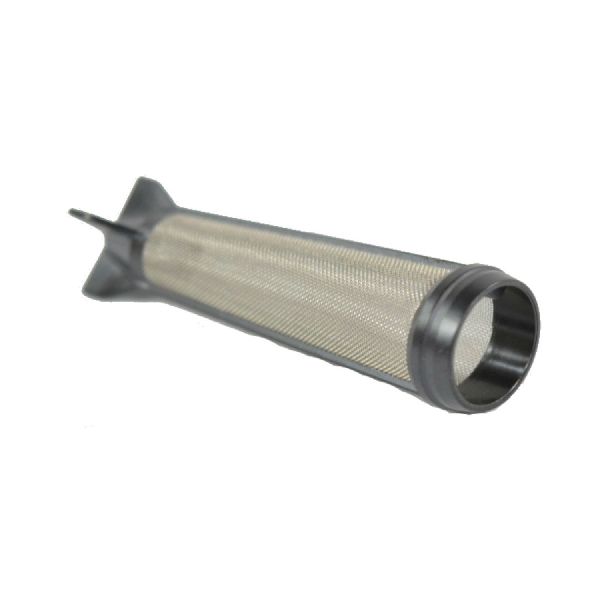
- Clogged MultiAir Actuator Oil Supply Filter: The MultiAir system has small, serviceable oil filters. If one of these becomes clogged with sludge or debris, it can starve the actuator for oil pressure and cause solenoid-related codes. The OEM part number for this filter is 68440265AA.
- Failing Powertrain Control Module (PCM): While rare, it's possible for the driver circuit within the PCM that controls the solenoid to fail. This should only be considered after all other possibilities, including the software update, have been exhausted.
Diagnosis Steps
- Verify the engine oil level and condition. Ensure it meets the manufacturer's specifications (SAE 5W-30) and that a quality oil filter is installed.
- Connect a professional scan tool to check for any other accompanying DTCs, paying close attention to other P106x or P030x codes.
- Contact a Jeep dealership with your VIN to determine if Technical Service Bulletin #18-057-23 or any superseding bulletin applies to your vehicle.
- If the TSB is applicable, have the PCM reprogrammed with the latest software. The TSB notes this procedure takes approximately 0.4 hours.
- During the flash, the technician should connect a battery charger to ensure voltage does not drop below 13.2 volts or exceed 13.5 volts.
- If the code returns after the software update, use a scan tool with bidirectional controls (like wiTECH) to perform an 'Active Test' on the Cylinder 1 solenoid and listen for an audible click.
- If the solenoid does not activate, inspect the wiring harness and connector for damage or corrosion between the PCM and the MultiAir actuator.
- If the circuit and solenoid test good, inspect the MultiAir actuator oil supply filter (Part # 68440265AA) for blockages.
- If all else fails, the issue is likely a mechanical problem with the MultiAir 'brick' assembly, which would require replacement.
Parts You'll Likely Need
- Cylinder 1 Oil Supply Solenoid Valve — If a PCM software update does not fix the code, the solenoid itself is the next most likely component to have failed. However, it is part of the entire MultiAir Actuator Assembly ('brick') and cannot be replaced individually.
Trusted brands: Mopar
OEM price range: $100-$200
Aftermarket price range: $75-$150 - MultiAir Actuator Oil Supply Filter
(OEM #68440265AA)— This small filter can become clogged with sludge, restricting oil flow to the MultiAir actuator and causing solenoid performance codes. It's a potential point of failure to check before replacing the entire actuator.
Trusted brands: Mopar
OEM price range: $3-$10
Related Codes That Often Appear With This One
- P1061 — This code for 'Cylinder 1 Oil Supply Solenoid Valve Stuck' is often listed in the same TSBs and points to a related fault in the same component.
- P0301 — A 'Cylinder 1 Misfire' can occur if the oil supply solenoid isn't working correctly, as it directly impacts intake valve operation for that cylinder. TSB 18-057-23 lists both codes together.
- P1062, P1067, P1063, P1069, P1064, P106B — These are the equivalent 'stuck' or 'out of range' codes for cylinders 2, 3, and 4. Seeing multiple codes together may point to a systemic issue like low oil pressure or a widespread software problem. All are listed in TSB 18-057-23.
- P2173 — 'High Airflow/Vacuum Leak Detected'. This code is also listed as one of the potential DTCs resolved by the PCM flash in TSB 18-057-23, suggesting the software update corrects multiple monitoring parameters.
- P0607 — 'Control Module Performance'. This code, also mentioned in TSB 18-057-23, points directly to an internal PCM logic or performance issue, reinforcing that the root cause is often the software itself.
Technical Service Bulletins (TSBs) & Recalls
- 1805723 / 18-057-23: Flash: Powertrain Control Module (PCM) Updates. This TSB explicitly lists P1065 as a code that can be resolved by reprogramming the PCM on 2020 Renegades with the 1.3L Turbo engine. It also lists over a dozen other related codes fixed by the same update.
- 18-007-23: Flash: Powertrain Control Module (PCM) Updates. A similar TSB that also lists P1065 as a primary code fixed by a software update, corroborating the widespread nature of the software issue.
- 1801621: Also mentions P1065 in a list of DTCs addressed by PCM software updates, further confirming the recommended fix.
Platform-Specific Known Issues
- The primary vehicle-specific issue is the need for a PCM software update as identified in TSB #18-057-23 to correct the logic for monitoring the oil supply solenoids.
- The issue is also present on the platform-mate Fiat 500X with the same 1.3L engine, where service documents also point to 'Software calibration' as the cause.
Scan Tool Commands That Help

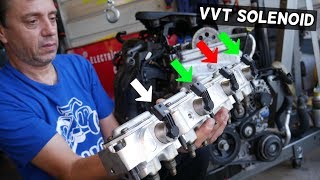
- wiTECH: Active Test - VVT Solenoid — After confirming the PCM software is up to date, a technician can use this function to individually command each MultiAir solenoid to activate. A healthy solenoid will produce an audible click. This helps isolate a failed solenoid without disassembly.
- wiTECH: Reprogram the PCM — This is the primary repair step for code P1065 as per TSB #18-057-23. It updates the PCM's software logic to correct erroneous fault detection. The TSB requires maintaining battery voltage between 13.2 and 13.5 volts during the process.
- Generic Scan Tool: MultiAir Engine Oil Bleed/Prime Procedure — If the MultiAir actuator has been replaced or the engine has sat for a long time, the hydraulic system may need to be bled of air. While some scan tools may have a guided function, a manual procedure of cranking the engine can also be performed to prime the system.
Real Owner Repair Stories
- Reddit user in r/JeepRenegade (2016 Jeep Renegade (similar platform, different model year)) — Hard shifting, extended cranking/slow starting, sluggish acceleration.
❌ Tried (didn't work) Initial diagnosis did not point to a clear mechanical failure.
✅ What actually fixed it A software update for the Transmission Control Module, Anti-lock Brake Module, and Instrument Panel Cluster resolved the starting and shifting issues, and improved engine responsiveness. This corroborates the manufacturer's TSBs pointing to software as a fix for various performance complaints.
Helpful Videos
We Have This Part in Stock

The information in this article is provided for general reference and educational purposes only. Vehicle specifications, procedures, and part compatibility can vary by production date, trim level, and region. Always consult your vehicle's factory service manual and verify part numbers before purchasing or performing repairs. Safety-critical components such as airbags, seat belts, and braking systems should be installed by a qualified professional.
- Jeep RENEGADE:
- 🎬 Helpful Videos
- 🛍️ Shop This Part
- What's Unique About the 2020-2020 Jeep RENEGADE
- Diagnostic Flowchart
- Symptoms You May Notice
- Most Likely Causes
- Rare But Worth Checking
- Diagnosis Steps
- Parts You'll Likely Need
- Related Codes That Often Appear With This One
- Technical Service Bulletins (TSBs) & Recalls
- Platform-Specific Known Issues
- Scan Tool Commands That Help
- Real Owner Repair Stories
- 🎟️ Get 5% Off