

OBD-II Code P1010: Manufacturer-Specific Fault
What P1010 means, why it triggers, and how to fix it
- P1010 is a manufacturer-specific code, meaning you must look up the exact definition for your vehicle's make and year before replacing any parts.
- On 2008-2017 GM Ecotec engines, P1010 almost always indicates a failed VVT solenoid caused by low engine oil, a repair costing under $100 to DIY.
- For 2006-2013 BMWs with the N52 engine, P1010 points to a failed eccentric shaft sensor, requiring a $1,200+ repair due to oil contaminating the 9-pin connector.
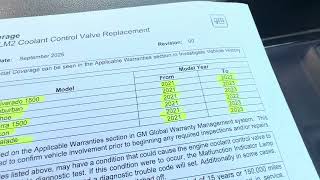
- Owners of 2020-2023 GM 3.0L Duramax diesels should immediately contact a dealer, as P1010 indicates a coolant valve failure often covered for free under Special Coverage N252508341.
What Does P1010 Mean?

The P1010 code is a manufacturer-specific trouble code, meaning its definition changes entirely depending on your vehicle's make. For General Motors (GM) vehicles, it points to a problem with the camshaft position actuator solenoid (VVT) circuit, which controls engine timing. For BMWs, it relates to the Valvetronic (VVT) eccentric shaft sensor. For Volkswagen or Toyota, it indicates an electrical issue with an injector circuit or an internal computer sensor. You must identify the exact definition for your specific vehicle before attempting a diagnosis.
Technical definition: The official SAE/OBD-II definition for codes starting with 'P1' is 'Manufacturer Controlled Fuel and Air Metering and Auxiliary Emission Controls'. The car manufacturer defines the specific fault. For example, on a 2021 GM diesel truck, P1010 means 'Engine Coolant Flow Control Valve Position Sensor Exceeded Minimum Learning Limit'. On a Toyota, it means 'Outside Temperature Sensor Plausibility Check,' indicating an internal ECM fault.
Can I Drive With P1010?
Yes, But With Caution. You can drive temporarily, but expect reduced engine power, poor fuel economy, rough idling, and stalling. GM 3.0L Duramax vehicles enter a strict 'Reduced Engine Power' mode. Ignoring a timing-related P1010 causes engine misfires, dumping unburnt fuel into the exhaust and destroying the catalytic converter—an $800 to $2,500 repair. Diagnose the issue within 50 miles.
Common Causes

- Low, Dirty, or Incorrect Viscosity Engine Oil (Very Common) — The camshaft timing system is hydraulic and relies on clean oil at the correct pressure. Low oil, sludge buildup, or the wrong viscosity (e.g., 5W-20 instead of 5W-30) blocks oil passages, impedes VVT solenoids, and triggers the code.
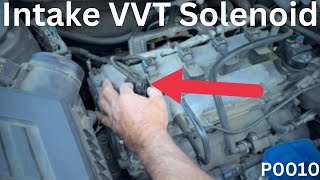
- Faulty Camshaft Position Actuator Solenoid (VVT Solenoid) (Very Common) — This is the most frequent cause on GM Ecotec engines. 🎬 Watch: How to replace VVT solenoids on a Chevy Equinox. These solenoids control oil flow to adjust camshaft timing. They fail electrically or become clogged with engine sludge, causing them to stick.
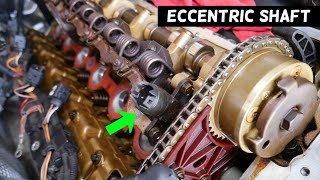
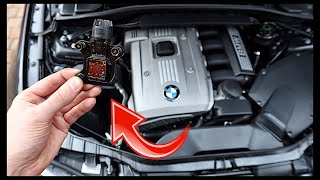
- Oil Leaking into Eccentric Shaft Sensor Connector (BMW) (Very Common) — A signature failure on BMWs with N52 engines is the eccentric shaft position sensor's seal failing. Engine oil seeps into the sensor's electrical connector, causing short circuits and triggering a P1010 fault. 🎬 See this guide on locating and replacing the eccentric shaft sensor.
- Failed Engine Coolant Flow Control Valve (GM 3.0L Duramax) (Common) — On 2020 and newer GM trucks with the 3.0L Duramax diesel engine, P1010 points to a failed thermostat or sensor within the engine coolant flow control valve assembly. This forces the engine fan to run at high speed and triggers 'Reduced Engine Power'.
- Damaged Wiring or Electrical Connectors (Common) — A frayed wire, loose connection, or corrosion on the connectors for the relevant sensor (VVT solenoid, eccentric shaft sensor, etc.) interrupts the signal to the engine computer, causing a circuit fault.
- Faulty Injector or Injector Circuit (Volkswagen) (Less Common) — On VW engines like the VR6, P1010 indicates an 'open circuit' for a specific fuel injector. The computer detects an electrical fault in the injector's wiring or the injector coil itself.
- Leaking Intake Air or Dirty MAF Sensor (Nissan) (Less Common) — On Nissan vehicles where P1010 relates to the MAF sensor, the cause is unmetered air entering the engine from a cracked intake boot, a poorly sealed air filter housing, or a dirty MAF sensor wire.
- Faulty Engine Control Module (ECM) (Rare) — The problem occasionally lies within the engine computer itself. This includes an internal sensor failure (like Toyota's ambient temp sensor inside the ECM) or a faulty driver circuit.
Symptoms

- Check Engine Light is On — The ECM detects a fault and stores the P1010 code, illuminating the malfunction indicator lamp (MIL) on your dashboard.
- Reduced Engine Power and Acceleration — The vehicle feels sluggish, hesitates, and enters a 'limp mode' with significantly reduced power to prevent engine damage.
- Rough Idling and Stalling — The engine shakes, idles unevenly, or shuts off at stops because the camshaft timing, air-fuel mixture, or valve lift is incorrect.
- Engine Fan Runs at Maximum Speed — A specific symptom for the GM 3.0L Duramax fault, where the computer defaults to running the cooling fans at 100% as a precaution when the coolant control valve fails.
- Poor Fuel Economy — Incorrect engine timing or air metering forces the engine to burn fuel less efficiently, drastically lowering your MPG.
- Failed Emissions Test — Incorrect valve timing or fuel mixture control increases harmful emissions, causing an automatic failure during a smog check.
Diagnostic Flowchart
Tap your situation to follow the diagnostic path that matches what you're seeing on this code.
Common Fixes & Costs
- Perform an Oil and Filter Change — Parts: $30-$80, Labor: $50-$100, ~0.5 hr book time (DIY)
- Replace Camshaft Position Actuator Solenoid(s)
— Parts: $40-$150, Labor: $75-$180, ~0.8 hr book time
(DIY)
Chevy Equinox/GMC Terrain (2.4L Ecotec): OEM - Replace BMW Eccentric Shaft Sensor & Gaskets
— Parts: $350-$600, Labor: $900-$1600, ~7.5 hr book time
(Advanced)
BMW 328i, X3, etc. (N52 Engine): OEM - Replace Engine Coolant Flow Control Valve (GM 3.0L Diesel)
— Parts: $300-$500, Labor: $900-$1700, ~8.5 hr book time
(Advanced)
Chevy/GMC 1500 (3.0L LM2 Duramax): OEM - Repair Damaged Wiring or Connector — Parts: $10-$30, Labor: $125-$250, ~1.5 hr book time (Intermediate)
Used vs. New Parts: Buying Guide
When a used part is worth it: For simple electronic parts like VVT solenoids, buying used is not worth the risk. For high-cost assemblies like the BMW eccentric shaft sensor or GM coolant control valve, a used part from a low-mileage vehicle is a budget option, but carries significant risk of repeat labor costs.
Donor-vehicle mileage cap: roughly under 60000 miles for the part to have meaningful remaining life.
Donor quality checklist:
- Verify the donor vehicle's mileage and ensure it was not scrapped due to engine failure.
- Inspect the connector for any signs of corrosion, oil contamination, or broken clips.
- Match the part number exactly, as manufacturers frequently update part revisions.
Decision logic:
- If Part is electronic with high failure rate (VVT Solenoid, Eccentric Shaft Sensor). → Buy new OEM or high-quality OEM supplier (e.g., VDO). The labor to replace a failed used part negates any savings.
- If Vehicle has over 150,000 miles and the repair is cost-prohibitive with new parts. → A used part is a viable risk to keep an older car running on a tight budget.
- If The labor cost for installation is very high (e.g., BMW Eccentric Shaft Sensor, GM Coolant Valve). → Strongly favor a new part. Paying for 8 hours of labor twice because a used part failed is a massive financial loss.
Warranty tradeoff: Salvage yards offer 30-90 day warranties on the part only. New aftermarket parts offer 1-year warranties. New OEM parts carry a 1-2 year warranty that covers labor if installed by a dealer.
Worst-case if a used part fails: $800-$2000 if a complex, labor-intensive used part fails after the warranty period, requiring a second full payment for labor.
What Happens If You Wait — Timeline
- 0-1 month: Check Engine Light illuminates. A slight rough idle is noticeable on cold starts but smooths out when warm. (MPG impact: 0-5%% · Added cost: $0-40 in wasted fuel)
- 1-4 months: Rough idle becomes persistent. The vehicle hesitates during acceleration and fuel economy noticeably decreases. (MPG impact: 5-15%% · Added cost: $50-200 in wasted fuel)
- 4-12 months: Engine stalls at low speeds. Persistent incorrect timing causes engine misfires, dumping unburnt fuel into the exhaust and overheating the catalytic converter. (MPG impact: 10-20%% · Added cost: $800-$2,500 for catalytic converter replacement.)
- 12+ months: Severe internal engine damage. Oil-starved VVT systems cause stretched timing chains or worn camshaft phasers. BMW Valvetronic failures damage the eccentric shaft itself. (MPG impact: 20-30%+% · Added cost: $2,000-$5,000+ for timing system or Valvetronic mechanical repairs.)
Cost of Not Fixing It
- Short-Term (0-3 months): Noticeable decrease in fuel economy, rough idling, stalling, and poor acceleration. Failed emissions test is guaranteed. (Added cost: $50-$200 in wasted fuel.)
- Medium-Term (3-12 months): Persistent misfires from incorrect timing cause unburnt fuel to enter the exhaust, melting the internal structure of the catalytic converter. (Added cost: $1,200-$2,800 for catalytic converter replacement.)
- Long-Term (12+ months): Ignoring oil pressure issues causes premature wear on timing chains and camshaft phasers. Ignoring a BMW eccentric shaft sensor destroys the eccentric shaft itself. (Added cost: $1,500-$4,000+ for timing chain or Valvetronic mechanical repairs.)
Diagnosis Steps

- Identify the Specific Definition for Your Vehicle
Since P1010 is manufacturer-specific, use a repair database to find what P1010 means for your exact make, model, and year. This dictates your entire diagnostic path.
Tools: Internet access (Beginner) - Check Engine Oil Level and Condition
For GM, BMW, and other VVT-related faults, pull the dipstick. Ensure the oil level is between the 'min' and 'max' marks. If the oil is dark, thick, or sludgy, perform an oil change before further diagnosis.
Tools: Rag, dipstick (Beginner) - Check for Related Technical Service Bulletins (TSBs)
Manufacturers release TSBs for known problems. GM released Special Coverage N252508341 to extend the warranty on the coolant control valve for 3.0L Duramax engines. Searching your VIN for TSBs saves hours of diagnosis.
Tools: Internet access (Beginner) - Inspect the Relevant Sensor and Connector
Locate the component (e.g., VVT Solenoid, BMW Eccentric Shaft Sensor). Visually inspect the electrical connector for damage or loose pins. For BMWs, specifically check for oil inside the eccentric shaft sensor connector.
Tools: Flashlight (Beginner) - Inspect the Wiring Harness
Trace the wires leading to the sensor. Look for fraying, melting, or breaks, especially where the harness rubs against the engine block.
Tools: Flashlight (Intermediate) - Inspect Physical Component for Contamination
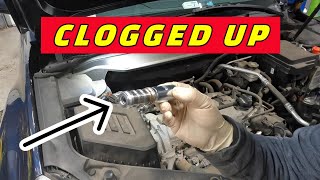
Remove the suspected VVT solenoid. Inspect the small mesh screens. If they are clogged with black sludge or metallic debris, they are preventing proper oil flow and require replacement.
Tools: Socket set, brake cleaner, rags (Intermediate) - Pro Tip: Test Component with a Multimeter
Disconnect the VVT solenoid connector and set a multimeter to Ohms (Ω). Measure the resistance between the two pins. For GM 2.4L Ecotec engines, a good solenoid reads 8-13 Ohms. 'OL' indicates an open circuit; near zero indicates a short.
Tools: Multimeter (Advanced) - Pro Tip: Analyze Scan Tool Live Data
Monitor the 'Camshaft Position Variance' or 'Eccentric Shaft Angle Desired vs. Actual' PIDs. At a steady idle on a warm engine, the desired and actual values must match closely. A value that is stuck or slow to respond points to a mechanical failure.
Tools: Advanced OBD-II scanner (Advanced) - Pro Tip: Perform Scan Tool Active Test & Relearn Procedure
Command the solenoid to activate using a bi-directional scanner to see if it responds. After replacing parts like the GM 3.0L Coolant Control Valve or BMW Eccentric Shaft Sensor, you must run a 'relearn' procedure to teach the computer the new part's limits.
Tools: Advanced bi-directional OBD-II scanner (Advanced)
When This Code Triggers (Freeze-Frame Conditions)
- Engine Coolant Temp: 180-210°F (82-99°C) (The fault is most often detected when the engine is fully warmed up. For specific checks, like on certain Toyotas, the fault logs during a cold start comparison.)
- RPM: 1500-3000 RPM (The VVT system is most active during steady-state cruising or light acceleration, and the ECU runs self-tests under these stable conditions.)
- Engine Load: 25-70% (The code sets under moderate engine load, not during idle or full throttle, as this is when the ECU expects a response from the timing or flow control systems.)
- Vehicle Speed: 40-65 mph (Highway or steady suburban driving provides the ideal conditions for the ECU to monitor VVT and related systems over time.)
Related Codes
- P0010 / P0011 — Generic codes for the Bank 1 Intake camshaft. P0010 is a circuit malfunction; P0011 means timing is over-advanced. On a GM vehicle, seeing these alongside P1010 confirms a fault with the intake VVT solenoid.
- P0013 / P0014 — Generic codes for the Bank 1 Exhaust camshaft. P0013 is a circuit fault; P0014 is over-advanced timing. Always replace both intake and exhaust solenoids at the same time.
- P0101 — A generic code for a Mass Airflow (MAF) Sensor circuit problem. P0101 is always a MAF code, while P1010 is only a MAF code if the specific manufacturer (like Nissan) defines it that way.
- P1101 — On GM vehicles, P1101 is 'Intake Air Flow System Performance'. It points to a dirty throttle body or vacuum leaks, and should not be confused with a MAF-specific P1010 on other makes.
Climate & Environmental Factors
- Cold Weather: Extremely cold temperatures thicken engine oil. Using the wrong oil viscosity in winter slows the hydraulic response of VVT systems, causing a temporary delay in camshaft timing adjustments and triggering a P1010 code until the engine warms up.
How to Talk to a Mechanic About This Code
Say this: "I have a [Your Car Year, Make, Model] with a P1010 check engine light. I know this is a manufacturer-specific code. For my car, it points to the [VVT system/BMW Valvetronic system/GM Duramax coolant valve]. I'd like to schedule a diagnostic to confirm the fault. Can you tell me your diagnostic fee and if it applies toward the repair?"
This signals you've done your research and directs the technician to the most likely cause, saving diagnostic time. Mentioning the specific system prevents them from misdiagnosing it as a generic code. Asking about the diagnostic fee upfront avoids surprises.
Avoid saying:
- 'My check engine light is on, can you just fix it?' (This invites a costly, part-swapping approach.)
- 'I think it's the MAF sensor.' (Unless P1010 on your specific car means MAF, this sends them down the wrong path.)
- 'Just do whatever you think is best.' (This gives up your control over the cost and repair process.)
Questions to ask before authorizing the repair:
- Can you show me the faulty part or a photo of the issue? For example, the oil in the BMW sensor connector or the clogged VVT solenoid screens?
- What specific tests did you run to confirm this was the cause? Did you test the solenoid's resistance or command it with a scan tool?
- Is this part covered by any warranty or special coverage program? (Crucial for the GM Duramax issue).
- Can I get a written estimate that breaks down the cost of parts and labor?
- What is the warranty on the new part and your labor?
Where to Take It: Dealer vs Independent vs Chain
- Dealer:
Recommended for warranty-related claims (especially GM Duramax) and complex diagnostics on German vehicles where specialized tools are required.
Best for: Vehicles under warranty., Newer GM trucks (2020+) with the 3.0L Duramax, to check for Special Coverage N252508341., Complex BMW Valvetronic issues requiring specific programming and experienced technicians.
Downsides: Highest labor rates, often 1.5x to 2x more than independent shops., May recommend replacing an entire assembly when only a smaller component has failed. (Typical cost: +50% vs. baseline) - Independent Shop:
Best overall fit for most P1010 repairs, especially on common domestic vehicles. Vet the shop's experience with your specific make.
Best for: Out-of-warranty GM vehicles with the common VVT solenoid issue., General wiring or connector repairs., Owners looking for a better value on labor-intensive jobs like the BMW eccentric shaft sensor replacement.
Downsides: Quality varies greatly; look for shops that specialize in your vehicle's brand., May not have the latest manufacturer-specific software or information on special warranties. (Typical cost: +0% vs. baseline) - Chain Shop:
AVOID for diagnosing P1010. Their business model is not designed for complex fault codes. Only use if you have already diagnosed the problem as low/dirty oil.
Best for: If the confirmed fix is a simple oil change.
Downsides: Technician skill and diagnostic equipment are rarely suited for manufacturer-specific codes., High pressure to upsell services; frequently misdiagnoses the issue, leading to unnecessary repairs. (Typical cost: -10% vs. baseline)
When to Walk Away From the Repair
If the total estimated repair cost for the P1010 fault exceeds 50% of your car's private-party market value, seriously consider selling the car instead of repairing it.
- Car worth $4000, fix is $2200: Walk away. A $2,200 repair on a $4,000 car is a poor investment. The repair cost is 55% of the car's value.
- Car worth $15000, fix is $1800: Fix it. The repair cost is only 12% of the vehicle's value, well below the threshold.
- Car worth $3000, fix is $700: Borderline. The cost is 23% of the value. If the car is otherwise reliable, it is worth fixing. If it has other pending issues, sell it.
What Scan Tool You Need for This Code
Minimum: A scanner that reads manufacturer-specific codes and views live data PIDs for your vehicle's make.
A basic $20 code reader only shows the P1010 code but won't tell you what it means for your car or show the live data (like 'Camshaft Angle Desired vs. Actual') needed to verify component function.
Budget: BlueDriver Pro (~$100) — Reads manufacturer-specific codes, provides definitions, and graphs live data, which is essential for monitoring VVT or Valvetronic sensor performance.
Mid-range: Foxwell NT510 Elite (~$180) — Includes bi-directional controls to perform active tests, like commanding a GM VVT solenoid to activate. It also performs the 'Valvetronic limit relearn' required after replacing a BMW eccentric shaft sensor.
Professional: Autel MaxiCOM MK808S (~$500) — Offers full OE-level diagnostics. Provides robust bi-directional control and performs all necessary relearn, calibration, and initialization procedures for parts like the GM Coolant Control Valve.
Rent vs buy: For a simple GM VVT solenoid issue, a budget scanner is a great investment. For a complex BMW or GM Duramax repair requiring relearn procedures, consider the cost of a mid-range scanner versus paying a shop's diagnostic fee.
How to Clear the Code After You Fix It
- Use an OBD-II scan tool to formally clear the diagnostic trouble codes.
- Perform a complete OBD-II drive cycle to allow the vehicle's readiness monitors to run.
- Check readiness monitor status with a scan tool before attempting an emissions test.
Drive cycle (~30 minutes): A generic GM drive cycle includes: 1. Cold start. 2. Idle for 3 minutes with A/C and defroster on. 3. Accelerate to 55 mph and hold steady for 5 minutes. 4. Coast down to 20 mph without braking. 5. Accelerate to 55 mph and hold for 5 minutes. 6. Stop and idle for 2 minutes.
Readiness monitors affected: Catalyst (CAT) Monitor, Evaporative System (EVAP) Monitor, Oxygen (O2) Sensor Monitor, EGR System Monitor
Watch out for:
- Disconnecting the battery clears the code but resets all readiness monitors to 'incomplete', causing an automatic emissions test failure.
- The code returns immediately if the underlying mechanical or electrical fault is not repaired.
- The EVAP monitor requires specific fuel levels (15-85%) and takes multiple drive cycles to complete.
Will This Fail Emissions / State Inspection?
Yes — this code typically fails an OBD-II emissions inspection.
- California: An active P1010 code is an automatic failure. After repair, the vehicle must complete a specific drive cycle to set all readiness monitors before the BAR-OIS system allows a retest.
- New York: A lit Check Engine Light from a P1010 code results in an automatic failure of the NYS DMV emissions inspection.
- Texas: In the 17 counties requiring emissions testing, an active P1010 code causes the vehicle to fail the OBD-II portion of the annual safety inspection.
Most Commonly Affected Vehicles
- Chevrolet Equinox, Malibu, Cobalt, HHR (2008-2017) — Extremely common for 2.2L and 2.4L Ecotec engines to suffer failed VVT Solenoids. The 2010-2013 Equinox is notorious for excessive oil consumption, which starves the VVT system.
- Chevrolet / GMC Silverado 1500 / Sierra 1500 (2020-2023) — On 3.0L LM2 Duramax diesels, P1010 indicates a fault with the Engine Coolant Flow Control Valve. GM issued Special Coverage N252508341 extending the warranty on this part.
- GMC Terrain (2010-2017) — Shares the 2.4L Ecotec engine and high failure rate of VVT solenoids with the Chevy Equinox, driven by the same oil consumption issues.
- Pontiac G6, G5, Solstice (2006-2010) — These models use Ecotec engines where P1010 indicates a faulty VVT solenoid, sometimes referred to as a 'Rocker Arm Oil Control Solenoid'.
- BMW 328i, 528i, X3, X5, Z4 (2006-2013) — On models with the N52 6-cylinder engine, P1010 points to a Valvetronic system fault, specifically an eccentric shaft sensor failure caused by oil leaking into its connector.
- Volkswagen Jetta, Golf, Passat (VR6, TDI) (1999-2015) — P1010 indicates an 'open circuit' for a fuel injector. On TDI models, failures of the piezoelectric injectors generate circuit-related faults.
- Nissan Altima, Maxima (2002-2012) — P1010 relates to the Mass Airflow (MAF) sensor circuit. It is triggered by intake air leaks (cracked boots, loose airbox) or a dirty sensor.
- Toyota Various Models (2005-2018) — P1010 means 'ACC Power Failure' or an issue with an internal ECM temperature sensor, requiring advanced electrical diagnosis or ECM replacement.
Manufacturer-Specific Notes

- General Motors (Chevy, GMC, Pontiac, Buick): For Ecotec engines, P1010 almost always means a faulty VVT solenoid caused by excessive oil consumption. For 2020-2023 3.0L Duramax diesels, P1010 points to the Engine Coolant Flow Control Valve, covered by Special Coverage N252508341 (15yr/150k miles).
- BMW: P1010 points to the Valvetronic system. On N52 engines, the eccentric shaft position sensor fails due to engine oil contaminating its 9-pin electrical connector. Diagnosis requires removing the engine cover to inspect the plug.
- Volkswagen: P1010 refers to an 'open circuit' for a specific cylinder's fuel injector (e.g., cylinder 1 on a VR6). This highlights the extreme importance of verifying the code definition for the specific engine.
- Toyota: P1010 indicates an internal ECM electrical issue, such as an 'Outside Temperature Sensor Plausibility Check' failing during a cold start. The sensor is integrated into the ECM, requiring computer replacement.
- Harley-Davidson: On motorcycles with aftermarket tuners (like the Vance & Hines FP3), P1010 means 'missing password' and indicates a communication error between the tuner and the bike's ECM.
Real Owner Stories
2012 Chevy Equinox 2.4L at 115K miles - Easy Fix
Check Engine Light came on with codes P1010, P0010, and P0013. The engine had a rough idle and felt sluggish.
What they tried:
- Checked the engine oil and found it was over a quart low.
- Performed an oil and filter change using full synthetic 5W-30 oil.
- Replaced both the intake and exhaust VVT solenoids.
Outcome: Replacing both VVT solenoids and changing the oil completely resolved the issue. The total cost for parts was under $100 and the repair took less than an hour.
Lesson: On a GM Ecotec engine, P1010 accompanied by P0010/P0013 points directly to the VVT solenoids. Always check your oil level first, and replace both solenoids at once for a cheap, effective fix.
2009 BMW 328i (N52) at 130K miles - Misdiagnosis Story
Car developed a rough idle, occasional no-start condition, and codes for eccentric shaft sensor plausibility.
What they tried:
- Owner had previously replaced the eccentric shaft sensor with a cheap aftermarket part.
- Assuming the new sensor was good, they wasted hours checking the servo motor and wiring.
- Inspected the sensor connector and found no oil, leading to more confusion.
Outcome: The aftermarket eccentric shaft sensor had failed internally without leaking oil. Replacing it with a high-quality OEM supplier part (VDO) and performing a Valvetronic limit relearn fixed the problem.
Lesson: For critical sensors like the BMW eccentric shaft sensor, using a cheap aftermarket part guarantees failure. A sensor fails internally even without the classic symptom of oil in the connector.
2021 GMC Sierra 1500 3.0L Duramax at 65K miles - Warranty Save
The Check Engine Light illuminated, cooling fans ran at maximum speed constantly, and the dash displayed 'Reduced Engine Power'.
What they tried:
- Scanned the codes and found P1010.
- Researched the Engine Coolant Flow Control Valve issue.
- Called the local GMC dealer with the VIN.
Outcome: The dealer confirmed the truck was covered under GM's Special Coverage N252508341. The dealer replaced the valve assembly at no charge, saving the owner over $1,500.
Lesson: For newer GM diesel trucks, P1010 is highly specific. Before paying for a costly repair, always check with a dealer for active Special Coverage programs related to your VIN.
How to Prevent This Code From Triggering
- Perform regular oil changes with high-quality synthetic oil (Every 5,000-7,500 miles) — Clean, correct-viscosity oil is essential for the hydraulic VVT system. Frequent changes prevent sludge that clogs solenoid screens and oil passages.
- Check engine oil level frequently (Every 1,000 miles or every other fuel fill-up) — Engines like the GM 2.4L Ecotec consume oil rapidly. Running low on oil starves the VVT system of hydraulic pressure, destroying solenoids and phasers.
- Replace the BMW N52 eccentric shaft sensor seal proactively (During any valve cover gasket replacement) — The small seal around the eccentric shaft sensor fails and allows oil into the connector, destroying the expensive sensor. A $15 gasket prevents a $1,500 repair.
- Avoid frequent short trips and extended idling (Daily habit) — Short trips prevent engine oil from reaching optimal temperature, allowing moisture and fuel to build up and create sludge. Longer drives burn off contaminants.
Frequently Asked Questions
What is the first thing to check for a P1010 code?
First, identify what the code means for your specific vehicle make and model. Second, check the engine oil level and condition, especially on GM and BMW vehicles. Low or dirty oil is the primary cause of VVT system problems that trigger this code.
I replaced my MAF sensor but the P1010 code came back. What now?
P1010 is NOT a universal code for the Mass Airflow (MAF) sensor. While Nissan uses it for MAF issues, GM, BMW, and Toyota use it for VVT, Valvetronic, or ECM faults. You must find the correct definition for your specific vehicle to avoid costly misdiagnosis.
My P1010 code appeared right after an oil change or air filter change. What should I check?
If the code appeared immediately after maintenance, re-check your work. Ensure you used the correct oil viscosity, secured all electrical connectors, and properly clamped intake hoses. A simple oversight like a loose oil cap or unplugged sensor is often the culprit.
Can I just clear the P1010 code?
You can clear the code with a scanner, but it will return within a few drive cycles until the underlying mechanical or electrical problem is fixed. Clearing the code does not solve the issue.
Is P1010 an expensive fix?
Costs vary drastically based on the manufacturer definition. A GM VVT solenoid replacement costs $40-$80 for DIY parts, while a BMW eccentric shaft sensor or GM diesel coolant valve repair exceeds $1,500 at a shop. Always check for extended warranties on high-cost known issues.
Will an oil change fix a P1010 code?
If the code is caused by low, dirty, or incorrect viscosity oil, an oil change restores proper hydraulic pressure to the timing system and fixes the problem. It is the first and cheapest diagnostic step for GM vehicles with VVT systems.
What's the difference between P1010 and P0011?
P0011 is a generic OBD-II code specifically meaning 'A Camshaft Position Timing Over-Advanced (Bank 1)'. P1010 is a manufacturer-specific code that GM often sets alongside P0011 to point to the same VVT system fault. On a BMW or VW, P1010 means something completely different and is unrelated to P0011.
Can a weak battery cause a P1010 code?
While not a direct cause, a weak battery causes a variety of seemingly unrelated electrical issues and codes. On Toyotas where P1010 means 'ACC Power Failure', a bad battery is a direct trigger. Always ensure your battery and charging system are healthy before diving into complex diagnostics.
Key Takeaways
- P1010 is a manufacturer-specific code, meaning you must look up the exact definition for your vehicle's make and year before replacing any parts.
- On 2008-2017 GM Ecotec engines, P1010 almost always indicates a failed VVT solenoid caused by low engine oil, a repair costing under $100 to DIY.
- For 2006-2013 BMWs with the N52 engine, P1010 points to a failed eccentric shaft sensor, requiring a $1,200+ repair due to oil contaminating the 9-pin connector.
- Owners of 2020-2023 GM 3.0L Duramax diesels should immediately contact a dealer, as P1010 indicates a coolant valve failure often covered for free under Special Coverage N252508341.
Helpful Videos

The information in this article is provided for general reference and educational purposes only. Vehicle specifications, procedures, and part compatibility can vary by production date, trim level, and region. Always consult your vehicle's factory service manual and verify part numbers before purchasing or performing repairs. Safety-critical components such as airbags, seat belts, and braking systems should be installed by a qualified professional.
- 🎬 Helpful Videos
- What Does P1010 Mean?
- Can I Drive With P1010?
- Common Causes
- Symptoms
- Diagnostic Flowchart
- Common Fixes & Costs
- Used vs. New Parts: Buying Guide
- What Happens If You Wait — Timeline
- Cost of Not Fixing It
- Diagnosis Steps
- When This Code Triggers (Freeze-Frame Conditions)
- Related Codes
- Climate & Environmental Factors
- How to Talk to a Mechanic About This Code
- Where to Take It: Dealer vs Independent vs Chain
- When to Walk Away From the Repair
- What Scan Tool You Need for This Code
- How to Clear the Code After You Fix It
- Will This Fail Emissions / State Inspection?
- Most Commonly Affected Vehicles
- Manufacturer-Specific Notes
- Real Owner Stories
- 2012 Chevy Equinox 2.4L at 115K miles - Easy Fix
- 2009 BMW 328i (N52) at 130K miles - Misdiagnosis Story
- 2021 GMC Sierra 1500 3.0L Duramax at 65K miles - Warranty Save
- How to Prevent This Code From Triggering
- Frequently Asked Questions
- What is the first thing to check for a P1010 code?
- I replaced my MAF sensor but the P1010 code came back. What now?
- My P1010 code appeared right after an oil change or air filter change. What should I check?
- Can I just clear the P1010 code?
- Is P1010 an expensive fix?
- Will an oil change fix a P1010 code?
- What's the difference between P1010 and P0011?
- Can a weak battery cause a P1010 code?
- Key Takeaways
- 🎟️ Get 5% Off