

P0942 on 2016-2021 Mazda CX-5: DSC & ABS Module Failure Causes and Fixes
On a 2016-2021 Mazda CX-5, code P0942 is not a transmission problem. It indicates an internal failure of the Dynamic Stability Control (DSC) / ABS module. The most common fix is replacing the entire DSC Hydraulic Unit, which is a costly part ($1200+) and requires professional installation and programming. Rebuilding the existing module is a cheaper alternative.
- P0942 on a Mazda CX-5 is an ABS/DSC module failure, NOT a transmission problem.
- This fault disables critical safety features like ABS and stability control, making the vehicle unsafe to drive.
- The official fix from Mazda is to replace the DSC Hydraulic Unit / Control Module if the code reappears after being cleared.
- This is an expensive repair ($1000-$1900) that requires professional service and programming of the new module.
- A cost-effective alternative is to have the original module rebuilt by a third-party service for a few hundred dollars.
What's Unique About the 2016-2021 Mazda CX-5

This is a classic case where a generic code definition is completely wrong for a specific vehicle. Many owners or technicians might mistakenly diagnose a transmission issue based on the generic definition. However, Mazda has issued specific Technical Service Bulletins (TSBs) because this fault was not even listed in the original workshop manuals. The problem is a known issue with the DSC/ABS module on these CX-5 models, leading to a clear, albeit expensive, repair path. A user on a Mazda forum with a similar issue on an older CX-5 was told by a mechanic it was the ABS module and master cylinder, highlighting the potential for confusion.
Diagnostic Flowchart
Tap your situation to follow the diagnostic path that matches what you're seeing on this vehicle.
Generation note: This issue affects both the first generation (KE, 2016 model year) and second generation (KF, 2017-2021 model years) of the Mazda CX-5. The repair procedure outlined in Mazda's TSBs is the same for all affected years.
Symptoms You May Notice
- ABS warning light is on
- Brake system warning light is on
- TCS/DSC (traction/stability control) indicator light is on
- Tire Pressure Monitoring System (TPMS) warning light may be on or flashing
- Disabling of advanced driver-assistance systems like Mazda Radar Cruise Control (MRCC) and Smart Brake Support (SBS)
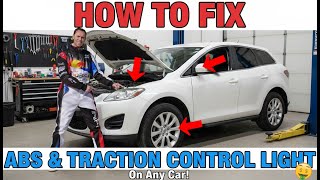
- A 'Christmas tree' effect of multiple, seemingly unrelated warning lights on the dashboard. 🎬 Watch: How to diagnose ABS and traction control lights on any car.
- Speedometer may remain stuck at 0 in some related failures.
- Replacing transmission components, such as the hydraulic pressure pump or solenoids, based on the generic P0942 definition. This will not fix the issue on a Mazda CX-5.
- Replacing individual wheel speed sensors. While a faulty wheel speed sensor can trigger ABS/DSC lights, it will typically generate a different code specific to that sensor.
Most Likely Causes

- Internal Failure of the DSC Hydraulic Unit / Control Module (DSC HU/CM) 🔴 High Probability This is a documented issue with two manufacturer TSBs (SA-008-21 and SA-034-20) issued to address the problem, indicating a known weakness in the component. The failure is an internal communication error between the hydraulic unit and the control module.
How to confirm: A professional scan tool will show code P0942:49. The diagnostic procedure is to clear the code and test drive the vehicle above 6 mph (10 km/h). If the code returns, the DSC HU/CM is faulty and requires replacement.
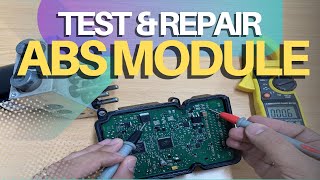
Typical fix: Replace the entire DSC Hydraulic Unit / Control Module assembly. The new unit must be programmed to the vehicle. Alternatively, the original module can be sent to a specialist for repair and rebuilding, which is often more cost-effective and may not require reprogramming. 🎬 See how to repair an ABS module before buying a replacement.
Est. part cost: $800-$1500 (New OEM), $150-$350 (Rebuild Service)
Diagnosis Steps
- Confirm the presence of DTC P0942:49 using a Mazda-compatible diagnostic scan tool (like FORScan or the dealer's MDARS).
- Per Mazda TSB SA-008-21, clear the DTC from memory.
- Perform a test drive, ensuring vehicle speed exceeds 6 mph (10 km/h).
- If the DTC P0942:49 returns, the DSC Hydraulic Unit (HU/CM) is confirmed to be faulty.
- If the DTC does not return, the issue may have been an intermittent glitch. Release the vehicle and monitor.
- If a different DTC appears, diagnose that code using the workshop manual.
Parts You'll Likely Need

- DSC Hydraulic Unit / ABS Control Module
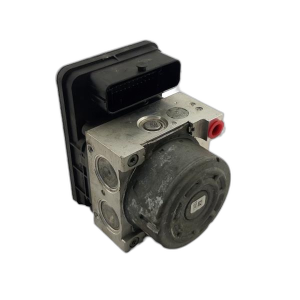
(OEM #KBY0-43-7A0)— This is the component that has failed internally, as identified by Mazda's specific definition for code P0942:49 and the associated TSBs. This part includes the hydraulic block, pump, and electronic control module as a single assembly.
Trusted brands: Mazda (OEM), XeMODeX (Rebuild Service), UpFix (Rebuild Service)
OEM price range: $770-$1400.
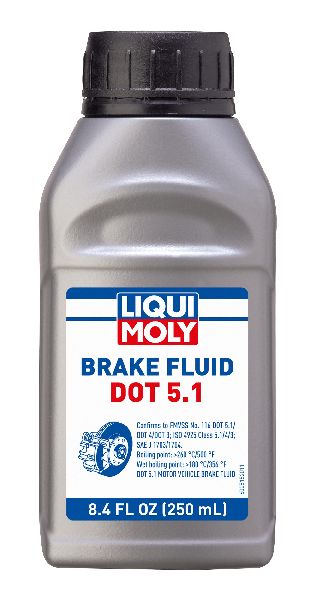
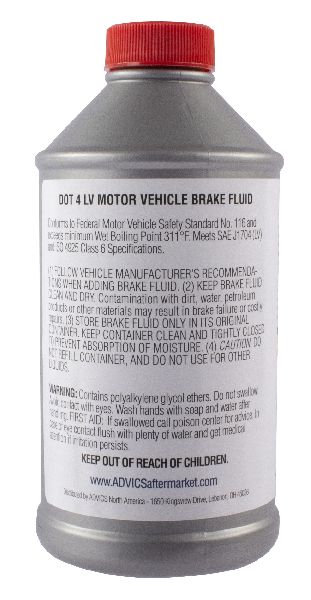
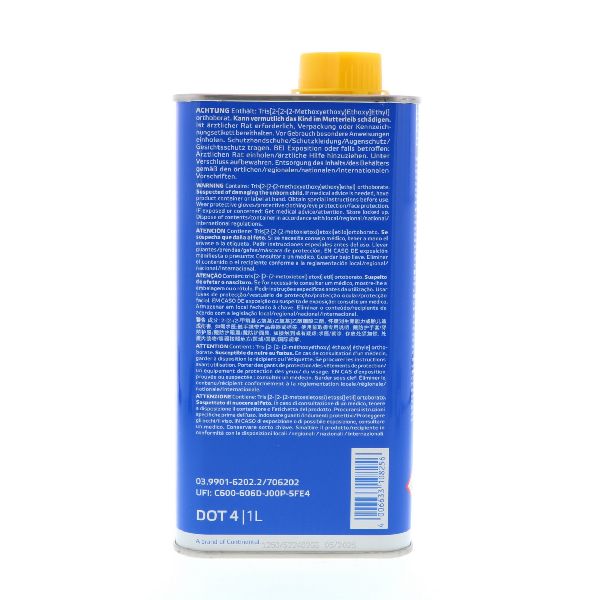
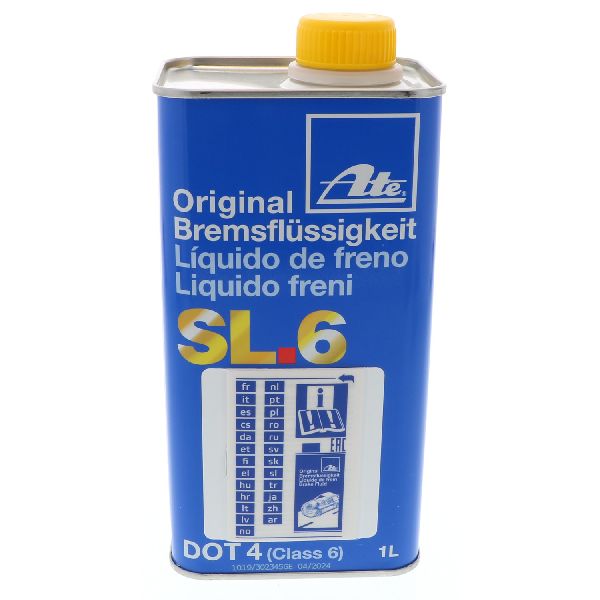
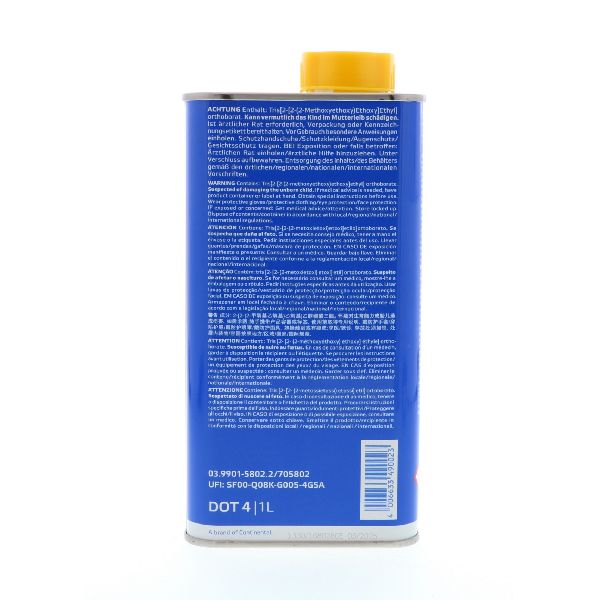
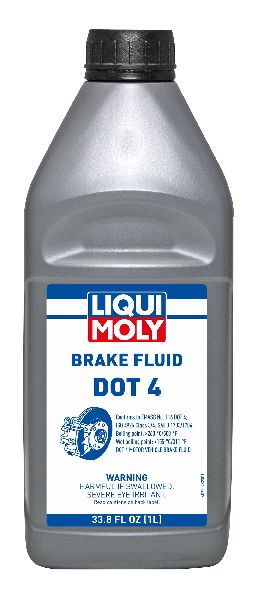
Aftermarket price range: $150-$350 (Remanufactured/Rebuild Service) - Brake Fluid (DOT 3 or DOT 4) — The hydraulic system must be opened to replace the DSC unit, requiring a full brake bleed procedure afterward.
Trusted brands: Bosch, ATE, Prestone
OEM price range: $15-$30
Aftermarket price range: $10-$25
Technical Service Bulletins (TSBs) & Recalls
- SA-008-21: Supersedes the previous TSB and provides the troubleshooting procedure for P0942:49 on 2016-2021 CX-5 models, stating to replace the DSC H/U if the code resets after a test drive.
- SA-034-20: The original service alert for the missing P0942:49 DTC information, covering 2016-2020 models.
- 08-001/20: A related TSB for other Mazda models mentions part number KB8E-88-11XC being superseded by KBY1-88-11X, which may be relevant for part interchangeability.
Platform-Specific Known Issues
- Mazda issued TSBs SA-034-20 and SA-008-21 because the code P0942:49 and its repair procedure were missing from the official workshop manual, highlighting this as a known but initially undocumented problem.
- The cost of a new OEM module from a dealer can be prohibitively expensive, leading many owners to seek out third-party repair services that rebuild the original electronic module for a fraction of the price.
Hidden / Shadow Codes Worth Checking
- P0942:49: This is the manufacturer-specific sub-code for the internal DSC HU/CM malfunction. The generic P0942 code alone is insufficient for diagnosis. (see via A Mazda-compatible scan tool like the dealer's MDARS or advanced aftermarket tools like FORScan are required to read the ':49' suffix.)
Scan Tool Commands That Help

- Mazda MDARS (Dealer Tool): Automatic Configuration — This function must be performed after replacing the DSC HU/CM with a new unit to ensure correct operation. It involves a specific sequence of ignition cycles.
- Mazda MDARS (Dealer Tool): DSC related parts sensor initialization procedure — Required after installing a new DSC HU/CM to initialize all related sensors, such as the steering angle sensor. Failure to do this will leave the DSC system inoperative.
- FORScan: ABS Module Configuration (As-Built format) — When installing a used or new ABS module, the vehicle's original 'As-Built' data must be loaded onto the replacement module. This is done by saving the data from the old module (if possible), installing the new module, and then writing the saved data to it. 🎬 Watch this walkthrough on reprogramming a Mazda ABS module at home.
- FORScan: ABS Service Functions -> Calibrate Steering Angle Sensor — After replacing the DSC/ABS module, the Steering Angle Sensor must be recalibrated so the stability control system knows the steering wheel's position.
Wiring & Ground Locations
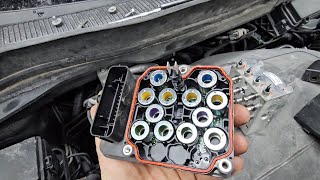
- DSC HU/CM Assembly — In the engine compartment, typically mounted towards the rear/firewall. It is a metal block with multiple brake lines and a large electrical connector attached.. This is the component that fails. Knowing its location is critical for inspection of the connector and for replacement.
- DSC HU/CM Connector — The large, multi-pin (approx. 25-pin) electrical connector that plugs into the DSC module.. Corrosion or damage to this connector or its wiring can cause communication faults that may mimic an internal module failure. A visual inspection for corrosion or pushed-out pins is a valid, though rare, diagnostic step.
- Ground Point GND3 — A wiring diagram for a similar platform (Mazda3) indicates a primary ground point for the DSC system is labeled 'GND3'. While the exact physical location on a CX-5 requires a specific manual, checking main chassis and engine grounds in the engine bay is a wise step for any communication-related DTC..
- Fuse F-01-F9 (30A) — In the main fuse block in the engine compartment.. This 30A fuse, labeled 'ABS/DSC S', provides power to the DSC solenoid. While a blown fuse is unlikely to cause P0942 specifically (it would likely cause other codes), verifying power supply is a fundamental diagnostic step.
Real Owner Repair Stories
- Mazda Forum (2013 Mazda5) — Very soft brake pedal, needing to be pressed far down to work. No ABS light initially.
❌ Tried (didn't work) Brake bleeding, Replacing the master cylinder
✅ What actually fixed it Replacing the ABS module solved the soft pedal issue. The total cost was around $2000 CAD. - Reddit r/MechanicAdvice (2011 Mazda3) — Spongy brakes and 'catastrophic ABS module failure' diagnosed by a shop after hitting a pothole.
✅ What actually fixed it The user was quoted $1400 for a full replacement of the ABS module and a brake flush, which other users confirmed was a reasonable, if slightly high, price for a dealer or large chain repair.
OEM Part Supersession History
KJY1-43-7A0, KJY1-43-7A0A, KJY1-43-7A0B→KJY1-43-7A0C— Standard part revision and update.KA0G-43-7A0B→UnknownK123-43-7A0→UnknownKBY0-43-7A0→Current— Part for models with auto brake and pedestrian brake features.
Heads up: This part is specified for models with certain advanced driver-assistance systems. Using the wrong module will result in configuration errors.KSY1-43-7A0→Current— Part for models 'Without auto brake'.
Heads up: This part is specified for models WITHOUT certain advanced driver-assistance systems. It is not interchangeable with KBY0-43-7A0.
Model Year Variations Within This Range
- 2016-2021: The specific OEM part number for the DSC/ABS module can vary significantly based on the model year and the vehicle's equipped options (e.g., with or without automatic emergency braking). It is critical to order the part using the vehicle's VIN to ensure compatibility. For example, part KBY0-43-7A0 is listed for 2020-2021 models with pedestrian brake, while KSY1-43-7A0 is for models without auto brake.
Helpful Videos

Used OEM Parts in Stock




New Aftermarket Parts Available

The information in this article is provided for general reference and educational purposes only. Vehicle specifications, procedures, and part compatibility can vary by production date, trim level, and region. Always consult your vehicle's factory service manual and verify part numbers before purchasing or performing repairs. Safety-critical components such as airbags, seat belts, and braking systems should be installed by a qualified professional.
- Mazda CX-5:
- 🎬 Helpful Videos
- 🛍️ Shop This Part
- What's Unique About the 2016-2021 Mazda CX-5
- Diagnostic Flowchart
- Symptoms You May Notice
- Most Likely Causes
- Diagnosis Steps
- Parts You'll Likely Need
- Technical Service Bulletins (TSBs) & Recalls
- Platform-Specific Known Issues
- Hidden / Shadow Codes Worth Checking
- Scan Tool Commands That Help
- Wiring & Ground Locations
- Real Owner Repair Stories
- OEM Part Supersession History
- Model Year Variations Within This Range
- 🎟️ Get 5% Off