

Ultimate Guide to OBD-II Code P0885: TCM Power Relay Control Circuit/Open
The Most Complete P0885 Resource: What it means, why it happens, and exactly how to fix it.
- Code P0885 indicates a 0-volt open circuit in the Transmission Control Module (TCM) power relay, completely cutting power to the transmission computer.
- Do not drive the vehicle; driving with 0% TCM control forces maximum line pressure, causing violent shifts that destroy clutch packs within 50 miles.
- Check the $15 TCM power relay and the 10-amp to 30-amp transmission fuses first, as these solve over 50% of P0885 cases.
- For 2007-2017 Chrysler, Dodge, and Jeep vehicles, verify the Totally Integrated Power Module (TIPM) and check for dealer software updates before replacing any transmission hardware.
- Never replace a $3,000+ transmission for a P0885 code; this is strictly an electrical power delivery failure, not an internal mechanical breakdown.
What Does P0885 Mean?

P0885 means the car's main computer, the Powertrain Control Module (PCM), detects that the Transmission Control Module (TCM)—the dedicated computer for your automatic transmission—is not receiving electrical power. This occurs because there is an open or a break in the power relay circuit that supplies the TCM with voltage. Without a stable power supply, the TCM cannot manage transmission shifting, line pressure, or communication with other modules, leading to severe drivability problems.
Technical definition: The official SAE/OBD-II definition for this code 🎬 Watch: A quick guide on fixing the TCM power relay is "TCM Power Relay Control Circuit/Open". This indicates that the Powertrain Control Module (PCM) detects a loss of signal or a break in the control circuit of the relay responsible for supplying power to the Transmission Control Module (TCM).
Can I Drive With P0885?
No — Do Not Drive. Driving is not recommended. The transmission shifts harshly, gets stuck in gear, or causes the engine to stall unexpectedly, creating a serious safety hazard in traffic. Continuing to drive leads to further damage to the transmission's internal components due to uncontrolled line pressure.
Common Causes

- Blown fuse or faulty fusible link (Very Common) — A blown fuse is the most frequent cause for this code. Fuses and fusible links protect the circuit from electrical surges. Corrosion on the fuse blades or in the fuse holder also creates an open circuit condition.
- Faulty TCM power relay (Very Common) — The TCM power relay is a small electromagnetic switch that controls the flow of power to the transmission computer. These relays fail internally from heat and vibration, getting stuck open and preventing power from reaching the TCM.
- Low battery voltage or failing charging system (Very Common) — The TCM performs a self-test at every startup to ensure it has sufficient voltage. A weak battery or a faulty alternator provides insufficient voltage and triggers the code, even if the circuit itself is perfectly fine.
- Damaged wiring or loose connections (Common) — The wiring harness between the fuse box, relay, and TCM becomes damaged from stress, chafing, or corrosion. Additionally, metal terminals inside a connector lose their grip, or the relay itself fails to fully seat in the fuse block, creating an intermittent open circuit.
- Defective ground connection (Common) — A corroded, loose, or broken ground wire for the TCM or the relay control circuit causes a P0885. The circuit requires a solid ground to complete the electrical path; without it, the system behaves as if there is an open circuit.
- Faulty Totally Integrated Power Module (TIPM) (Less Common) — On many Chrysler, Dodge, and Jeep vehicles, the TCM relay is integrated into the TIPM. These modules fail internally, causing a P0885 code and other electrical issues, requiring replacement of the entire TIPM.
- Software glitches or module memory loss (Less Common) — On modern vehicles, particularly from Chrysler, software issues within the PCM or TCM falsely trigger a P0885 code. In other cases, a disconnected or dead battery causes the TCM to lose its programming, preventing it from powering up correctly.
- Faulty Transmission Control Module (TCM) (Rare) — The TCM itself is one of the least common points of failure. An internal failure within the module prevents it from receiving power correctly, but all other electrical causes must be meticulously ruled out before condemning the module.
Symptoms

- Harsh, erratic, or delayed shifting — The transmission slams into gear, shifts at incorrect times, or hesitates before engaging because it cannot properly control shift solenoids.
- Transmission stuck in "limp mode" — The vehicle gets stuck in a single gear (often 2nd or 3rd) to prevent damage, resulting in extremely poor acceleration from a stop.
- Engine stalls at idle — The engine unexpectedly shuts off when the vehicle comes to a stop due to improper torque converter clutch control.
- Check Engine Light or Transmission Warning Light is on — The Malfunction Indicator Lamp (MIL) or a dedicated transmission warning light illuminates on the dashboard to alert the driver of the fault.
- Malfunctioning speedometer or odometer — The speedometer or odometer fails or behaves erratically, as they rely on data processed by the TCM.
- No communication with TCM (scan-tool only — no driver-felt sign) — A professional scan tool is unable to establish communication with the Transmission Control Module because it is not powered on.
Diagnostic Flowchart
Tap your situation to follow the diagnostic path that matches what you're seeing on this code.
Common Fixes & Costs
- Replace blown fuse(s) — Parts: $1-$5, Labor: $0-$50, ~0.1 hr book time (DIY)
- Replace TCM power relay
— Parts: $15-$60, Labor: $25-$75, ~0.2 hr book time
(DIY)
: OEM Mopar 56029972AA (Alt: Standard Motor Products RY1535, Bosch 0332209150)
: OEM GM 13500114 (Alt: O'Reilly Import Direct 25-0301, Duralast 20630)
: OEM Ford F80Z-14N089-AA (Alt: Motorcraft FC-1033, Standard Motor Products RY612) - Repair or replace damaged wiring/connectors — Parts: $10-$100, Labor: $150-$400, ~2.5 hr book time (Intermediate)
- Replace Totally Integrated Power Module (TIPM)
— Parts: $400-$1200, Labor: $150-$300, ~1.5 hr book time
(Professional)
: OEM Mopar 68239606 (2015-2020), Mopar 68105507AC (2012) (Alt: Dorman 599-913, 599-916)
: OEM Mopar RL692236AI, 68233701AB (Alt: Dorman 599-905, Cardone 73-7630) - Reprogram or reflash TCM/PCM software — Parts: $0, Labor: $125-$250, ~1.2 hr book time (Professional)
- Replace Transmission Control Module (TCM)
— Parts: $200-$900, Labor: $150-$300, ~2.0 hr book time
(Professional)
: OEM GM 25188346 (Alt: ACDelco 25188346)
DIY vs Professional
- Replace blown fuse(s) — Beginner:
Tools: Fuse puller or small pliers. - Replace TCM power relay — Beginner:
Tools: None, relays are typically plug-and-play. - Repair or replace damaged wiring/connectors — Beginner:
Tools: Digital Multimeter, wire strippers, crimpers, heat shrink tubing, soldering iron, vehicle-specific wiring diagrams. - Replace Totally Integrated Power Module (TIPM) — Beginner:
Tools: Socket set, screwdrivers. Some vehicles require a 'proxy alignment' or configuration with a professional scan tool after installation. - Reprogram or reflash TCM/PCM software — Beginner:
Tools: Manufacturer-specific scan tool and a subscription to the OEM service. - Replace Transmission Control Module (TCM) — Beginner:
Tools: Socket set, professional scan tool for programming/coding.
Used vs. New Parts: Buying Guide
When a used part is worth it: For expensive modules like a TIPM or TCM on an older, high-mileage vehicle, a used or professionally rebuilt part is a cost-effective alternative to a new OEM part, which is often prohibitively expensive or on backorder.
Donor-vehicle mileage cap: roughly under 100000 miles for the part to have meaningful remaining life.
Donor quality checklist:
- Match part numbers exactly. For modules like TCMs, even a slight difference leads to incompatibility or requires programming.
- For Chrysler TIPMs, consider a reputable rebuilder who addresses common failure points (like internal relays) rather than a standard junkyard part.
- Check the warranty. Most used parts offer a 30-90 day warranty, while rebuilt units offer a year or more.
Decision logic:
- If The fix is a simple relay or fuse → Always buy new. The cost is minimal.
- If The fix is a TIPM or TCM and the vehicle is over 10 years old or 150K miles → A used or rebuilt module is a reasonable choice to manage repair costs.
- If The part requires complex vehicle-specific programming after installation (common for TCMs) → Favor a new OEM part or a rebuilt unit from a service that provides programming, as programming a used module is problematic.
Warranty tradeoff: Used parts from a salvage yard typically have a 30-90 day parts-only warranty. Rebuilt modules often come with a 1-year or longer warranty. New OEM parts carry the best warranty, especially when installed by a dealer.
Worst-case if a used part fails: $400-$1000 if a used or rebuilt module fails after the warranty period, requiring repeat labor costs for diagnosis and replacement, plus the cost of another part.
What Happens If You Wait — Timeline
- Immediate: Code P0885 sets. Check Engine Light illuminates. Transmission enters 'limp mode,' stuck in 2nd or 3rd gear. Harsh shifting or stalling occurs. Vehicle is a safety risk. (MPG impact: 15-30%% · Added cost: $0)
- 1-4 weeks of continued driving: Driving in limp mode with high line pressure puts severe stress on the transmission's internal components. Clutch packs and solenoids experience accelerated wear from harsh engagements. (MPG impact: 15-30%% · Added cost: $250-$600 (Potential damage to the transmission solenoid pack).)
- 1-3 months of continued driving: The friction material on clutch plates burns and glazes due to constant high-pressure, uncontrolled shifting. This causes slipping and contaminates the transmission fluid with debris. (MPG impact: 20-40%% · Added cost: $800-$2000 (Cost of valve body repair or clutch pack replacement).)
- 3+ months of continued driving: Catastrophic internal transmission failure. Burnt clutches, damaged gear sets, or a failed torque converter occur. The transmission requires a complete rebuild or replacement. (MPG impact: N/A (Vehicle likely undrivable)% · Added cost: $2500-$5000+ (Full transmission replacement or rebuild).)
Cost of Not Fixing It
- Immediate: Severe safety risk. Vehicle stalls in traffic, shifts to neutral unexpectedly, or gets stuck in one gear, making it unpredictable and dangerous to drive. (Added cost: N/A)
- 0-1 month: Increased mechanical stress. Harsh shifting and high line pressure cause accelerated wear on internal transmission components like clutch packs, bands, and solenoids. (Added cost: $500-$2000 (Solenoid pack or valve body repairs))
- 1-6 months: Catastrophic transmission damage. Continued operation under fault conditions leads to burnt clutches, broken hard parts, and complete transmission failure. (Added cost: $2500-$5000+ (Complete transmission rebuild or replacement))
Diagnosis Steps

- Check for TSBs and Scan for All Codes
Before any physical inspection, check for Technical Service Bulletins (TSBs) for your specific vehicle. Many manufacturers issue software updates that fix this code. Use a quality scanner to pull all codes from all modules, not just the P0885.
Tools: OBD-II Scanner, Internet access for TSB search (Beginner) - Verify Battery Health and Fuses
Ensure your battery has a full charge (at least 12.4 volts with the engine off, 13.5-14.5V running). Locate the fuse box and visually inspect all fuses related to the transmission (TCM, AT, etc.). A blown fuse is a very common and easy fix.
Tools: Digital Multimeter, vehicle owner's manual (Beginner) - Inspect and Swap the TCM Power Relay
Find the TCM power relay in the main fuse box. Check for corrosion and ensure it is fully seated. Swap it with an identical relay from a non-essential system (like the horn) to see if the problem resolves. If the horn stops working and the transmission functions, you found the faulty relay.
Tools: Owner's manual (Beginner) - Inspect Wiring, Connectors, and Grounds
Visually inspect all accessible wiring going to the TCM and its relay. Look for chafing, melting, or corrosion. Unplug the TCM connector and look for bent, loose, or corroded pins. Follow the main ground strap from the TCM to the chassis and ensure it is clean and tight.
Tools: Flashlight, socket set (Intermediate) - Test the Relay Socket for Power and Control Signals
Remove the TCM relay. Using a multimeter and a wiring diagram, identify the terminals. Check for constant battery voltage (power input), voltage when the key is on (control input), and continuity to the TCM (power output). If the control signal is missing, the problem lies with the PCM or the ignition switch.
Tools: Digital Multimeter, vehicle-specific wiring diagram (Intermediate) - [PRO TIP] Perform a Voltage Drop Test
A voltage drop test checks a circuit's integrity under load. Set your multimeter to DC volts. Connect the positive lead to the battery positive post and the negative lead to the power input pin at the TCM connector (back-probe). With the key on and the circuit energized, the reading must be less than 0.5 volts. A higher reading indicates excessive resistance in the power feed circuit.
Tools: Digital Multimeter, back-probe kit, wiring diagram (Advanced) - [PRO TIP] Check the Relay Control Circuit with a Test Light
To verify the PCM is commanding the relay on, connect a test light between the battery positive post and the control (ground) side of the relay socket. When you turn the ignition on, the test light illuminates, indicating the PCM provides the necessary ground. If it stays dark, there is an open in the control wire back to the PCM, or the PCM's driver circuit failed.
Tools: 12V Test Light, wiring diagram (Advanced) - [ADVANCED] Test Relay Coil Resistance
Remove the TCM relay. Set a multimeter to Ohms (Ω). Connect the leads to terminals 85 and 86 of the relay. A good 12V automotive relay has a resistance reading between 50 and 120 Ohms. A reading of infinity (OL) indicates an open coil, and a reading near zero indicates a shorted coil. In either case, replace the relay.
Tools: Digital Multimeter (Advanced) - [ADVANCED] Verify Voltage at the TCM
Identify the main power input pin(s) on the TCM connector. With the connector plugged in and the key on, back-probe this pin with a multimeter set to DC volts. The voltage must be nearly identical to battery voltage (>12.4V). If voltage is low or absent here but correct at the relay output, the wiring between the relay and the TCM is faulty.
Tools: Digital Multimeter, back-probe kit, wiring diagram (Advanced) - [PRO TIP] Analyze the Circuit with an Oscilloscope
For intermittent issues, connect an oscilloscope to the relay control signal and the relay's power output to the TCM. When the fault occurs, you see exactly which signal drops out. A clean drop on the control signal followed by a drop in output power points to the PCM. A stable control signal but a flickering output signal confirms a faulty relay.
Tools: Automotive Oscilloscope, wiring diagram (Professional)
When This Code Triggers (Freeze-Frame Conditions)
- Engine Coolant Temp: 40-210°F (5-99°C) (Varies. The code sets during the initial key-on self-test when the engine is cold, or during operation when fully warmed up.)
- RPM: 0 - 800 RPM (Often sets at key-on (0 RPM) or just after starting (idle RPM) when the initial power-on self-test fails.)
- Vehicle Speed: 0 mph (Frequently triggers when the vehicle is stationary and the ignition is turned on.)
- Battery Voltage: < 11.5V (The code is often triggered by low system voltage, either from a weak battery or a fault in the charging system, detected during the TCM's startup check.)
Related Codes
- P0700 — This is a general transmission fault code. It means the TCM stored a fault code (like P0885) and requested the main computer to turn on the Check Engine Light. It almost always appears with other transmission codes.
- P0886 — This code means 'TCM Power Relay Control Circuit Low,' indicating the circuit is shorted to ground. It points to the same components as P0885 but specifies a short instead of an open.
- P0887 — This code means 'TCM Power Relay Control Circuit High,' indicating a short to voltage. It is a close relative of P0885 and points to a specific electrical fault in the same circuit.
- P0888 — This code means 'TCM Power Relay Sense Circuit,' indicating a problem with the feedback circuit that confirms to the PCM that the relay turned on. It suggests the relay works, but the verification signal is lost.
Climate & Environmental Factors
- High Humidity / Road Salt (Rust Belt Regions): Moisture and salt accelerate corrosion on wiring, connectors, and ground points. This corrosion creates high resistance or a complete open in the circuit, causing the P0885 code.
- Extreme Cold: Very cold temperatures make wire insulation brittle, exposing the wire and causing shorts. Additionally, cold weather significantly reduces a battery's cranking power, and the resulting low system voltage triggers a P0885 code.
How to Talk to a Mechanic About This Code
Say this: "I have a P0885 code and the transmission is in limp mode. I'd like to schedule a diagnostic appointment. Please start by checking the basics like the battery, fuses, and the TCM power relay before moving to more complex diagnostics. I want to rule out the simple fixes first."
This signals you've done research and directs the mechanic to follow a logical, cost-effective diagnostic path. It prevents them from immediately jumping to expensive conclusions like replacing the TCM or transmission.
Avoid saying:
- 'My transmission is broken.'
- 'Just fix whatever's wrong.'
- 'My check engine light is on, can you look at it?'
Questions to ask before authorizing the repair:
- Have you checked for any Technical Service Bulletins for this code on my vehicle?
- Did you test the TCM power relay and its socket for correct voltage and ground signals?
- Before we replace the [TCM/TIPM], can you show me the test results that prove the module is bad and not the wiring to it?
- What is the warranty on this repair, for both parts and labor?
Where to Take It: Dealer vs Independent vs Chain
- Dealer:
Recommended for Chrysler/Dodge/Jeep vehicles or if a software update is the suspected cause.
Best for: Vehicles with known software issues (e.g., Chrysler 200) or TIPM failures (Dodge/Jeep)., Vehicles still under a powertrain warranty., Complex diagnostics requiring manufacturer-specific tools and information.
Downsides: Highest labor rates., May prefer to replace a large assembly (like a TIPM) rather than attempt a more granular repair. - Independent Shop:
Best fit for most vehicles, provided the shop has strong electrical diagnostic skills. Look for ASE certifications and good reviews.
Best for: Out-of-warranty vehicles with suspected standard electrical faults (wiring, relay, grounds)., Building a long-term relationship with a trusted mechanic.
Downsides: Quality and expertise vary widely; may lack expensive, manufacturer-specific programming tools. - Chain Shop:
AVOID for diagnosing P0885. The risk of misdiagnosis and being sold unnecessary, expensive parts (like a whole transmission) is very high.
Best for: Simple, clear-cut repairs like a battery test or replacement.
Downsides: Technician skill varies dramatically; high pressure to meet sales quotas leads to misdiagnosis and upselling., Generally not equipped for in-depth electrical or transmission diagnostics.
When to Walk Away From the Repair
If the estimated repair cost exceeds 40-50% of your car's private-party value, seriously consider selling or trading it in instead of fixing it.
- Car worth $3500, fix is $1500: Walk away. The repair is nearly half the car's value and other age-related issues are likely.
- Car worth $10000, fix is $1200: Fix it. The repair cost is well below the threshold and restores a valuable asset.
- Car worth $5000, fix is $400: Fix it. This is a relatively inexpensive repair that resolves a major safety and drivability issue.
What Scan Tool You Need for This Code
Minimum: A scanner that reads live data (especially system voltage) and can pull codes from the Transmission Control Module (TCM), not just generic engine codes.
A basic $20 reader only shows the P0885 code. It cannot show live battery voltage during startup, which is often the cause, nor can it confirm if the TCM itself is online. You will be diagnosing blind.
Budget: BlueDriver Pro (~$100) — Reads and clears transmission codes, shows freeze frame data, and graphs live data like system voltage so you can monitor it during testing.
Mid-range: Foxwell NT510 Elite / NT604 Elite (~$150) — Offers manufacturer-specific diagnostics for the transmission system, providing more detailed codes and data than generic scanners. This helps differentiate between a wiring and module problem.
Professional: Autel MaxiCOM MK808 / MK906BT (~$500-1200) — Provides full bidirectional control. This is a game-changer for P0885, as it allows you to command the TCM power relay on and off directly from the tool to confirm if the relay, wiring, and PCM driver are working, drastically speeding up diagnosis.
Rent vs buy: Rent a basic scanner from an auto parts store to confirm the code for free. However, to properly diagnose this electrical issue by observing live data, you will need to buy at least a budget-level scanner.
How to Clear the Code After You Fix It
- Fix the underlying electrical fault (e.g., replace relay, repair wire).
- Use an OBD-II scan tool to clear the P0885 and any related fault codes.
- Perform a complete drive cycle to allow the vehicle's readiness monitors to run.
Drive cycle (~30 minutes): A generic drive cycle includes: a cold start (engine off for 8+ hours), 2-3 minutes of idling, 15 minutes of mixed city driving (stop-and-go), followed by 5-10 minutes of steady highway speed (55-60 mph).
Readiness monitors affected: Catalyst Monitor, Evaporative System (EVAP) Monitor, Oxygen (O2) Sensor Monitor, Oxygen Sensor Heater Monitor
Before emissions retest: drive at least 100 miles to fully set monitors.
Watch out for:
- Simply disconnecting the battery to clear the code resets all readiness monitors, leading to an automatic emissions test failure.
- If the root cause of the P0885 code is not properly repaired, the code returns almost immediately after being cleared.
- Not completing a full drive cycle leaves monitors in a 'Not Ready' state, causing an emissions test failure.
Will This Fail Emissions / State Inspection?
Yes — this code typically fails an OBD-II emissions inspection.
- California: An illuminated Check Engine Light from code P0885 is an automatic failure. After repair, a full drive cycle must be completed as CARB regulations strictly require readiness monitors to be set to 'Ready' before a retest.
- New York: The NYS vehicle inspection includes an OBD-II scan. An active P0885 code results in an immediate inspection failure.
- Texas: In counties requiring an emissions test, an active P0885 code is an automatic fail. Furthermore, if the code was recently cleared, the test fails if too many readiness monitors are 'Not Ready'.
Most Commonly Affected Vehicles

- Chrysler 200, 300, Town & Country (2008-2017) — For 2015-2017 200 models, this code is frequently caused by a software glitch in the 9-speed transmission; a dealer reflash is the primary fix per TSB 21-019-17 REV. A. On older models, it points to a faulty TIPM.
- Dodge Grand Caravan, Journey, Charger (2008-2016) — These vehicles integrate the TCM power relay into the Totally Integrated Power Module (TIPM). A failing TIPM is a very common cause for this code, requiring replacement of the entire unit.
- Jeep Grand Cherokee, Wrangler (2007-2015) — Similar to Dodge, many Jeeps use a TIPM that integrates the TCM relay. Failure of the TIPM is a well-documented issue leading to P0885 and other power problems.
- Chevrolet Spark (2014-2015) — According to TSB PI1053A, this code is caused by a TCM relay that is not fully seated in the fuse block or a loose connection at terminal 16 of the TCM connector X1.
- Ford F-250/F-350 Super Duty, F-150 (2011-2019) — On these trucks, the code puts the transmission into an aggressive limp mode, sometimes defaulting to 5th gear, making the vehicle nearly undrivable from a stop.
- Hyundai Sonata, Tucson, Elantra, XG350 (2005-2015) — The TCM sets P0885 if the voltage at its power supply pin drops below 7V. This also indicates a 'CAN bus-off' event, where the TCM stops communicating with other modules due to excessive electrical errors.
- Nissan Rogue, Altima, Maxima (2008-2018) — Nissan vehicles commonly log P0885 due to a faulty TCM power relay, wiring issues, or a problem with the IPDM (Intelligent Power Distribution Module), which houses the relay.
- Toyota Corolla (with Multi-Mode Transaxle) (2007-2013) — On models with the automated manual transmission, the TCM sets P0885 if the voltage at its +BM terminal is 6.29 volts or less, pointing directly to a fault with the AMT relay.
Manufacturer-Specific Notes
- Chrysler/Dodge/Jeep: The TCM relay is soldered into the Totally Integrated Power Module (TIPM). A P0885 code is often a primary symptom of a failing TIPM. For newer models like the Chrysler 200, a software update (TSB 21-019-17) is the first recommended fix. A dead battery also causes the TCM to lose its VIN programming, requiring a 'proxy alignment' procedure by a dealer.
- Chevrolet: On the 2014 Spark, TSB PI1053A points to a simple mechanical issue: the TCM relay is not fully seated in the fuse box, or terminal 16 in the TCM connector is loose, causing an open circuit.
- Ford: On trucks like the F-150 and Super Duty, this code puts the transmission into an aggressive limp mode, sometimes defaulting to a high gear like 5th, making the vehicle very difficult to drive from a stop.
- Hyundai: This code signifies a 'CAN bus-off' condition, a serious network communication problem. It means the TCM detected so many errors that it took itself offline, requiring in-depth network diagnosis rather than just checking the power relay circuit.
Real Owner Stories
2012 Dodge Grand Caravan at 115K miles
Vehicle suddenly wouldn't shift out of first gear and the check engine light came on. The owner reported the issue happened without warning.
What they tried:
- A local mechanic diagnosed P0885 and quoted over $1,500 to replace the solenoid pack, suspecting an internal transmission issue.
Outcome: The owner researched online forums and discovered the common TIPM failure on these vans. They had a different shop replace the TIPM for $1,100, resolving the P0885 code and shifting problems.
Lesson: On Chrysler/Dodge/Jeep products, P0885 is very frequently caused by a faulty TIPM, not an internal transmission part. Always investigate this possibility before agreeing to expensive transmission work.
2014 Chevrolet Spark at 75K miles
The check engine light was on and the transmission was shifting erratically and felt like it was slipping at high RPMs.
What they tried:
- The owner took the car to a mechanic who found code P0885. Following GM's Technical Service Bulletin (TSB) PI1053A, the mechanic first checked the underhood fuse block.
Outcome: The mechanic found the transmission control relay was not fully seated in the fuse block. After pushing the relay firmly into its socket, the connection was restored. The code was cleared and did not return. Total cost was one hour of diagnostic labor.
Lesson: Always check for the simplest mechanical issues first. A loose relay or connector mimics a major component failure, and checking for TSBs leads to a quick, inexpensive fix.
2015 Chrysler 200 with 9-speed transmission
Owner experienced a check engine light with code P0885, sometimes accompanied by harsh shifting or lurching at low speeds.
What they tried:
- The owner initially feared a major transmission failure due to the vehicle's reputation for transmission problems. They considered replacing the relay or checking wiring.
Outcome: Before attempting repairs, the owner found TSB 21-019-17 REV. A, which specifically addresses P0885 on this model. They took the vehicle to a dealership, which confirmed the software was outdated and performed a TCM software reflash for $180, resolving the code.
Lesson: For modern, computer-heavy vehicles, a software glitch is a real and common cause of fault codes. Always search for TSBs related to your specific vehicle and code before replacing any hardware.
How to Prevent This Code From Triggering
- Periodically clean battery terminals and chassis ground points (Every 12 months or during oil change) — Corrosion on terminals and grounds creates high resistance, which lowers system voltage and starves modules of power, triggering codes like P0885. Cleaning with a wire brush and baking soda solution ensures a solid electrical connection.
- Apply dielectric grease to critical connectors (When servicing components or if exposed) — Applying a thin layer of dielectric grease to the seals of the TCM connector and relay socket blocks moisture and oxygen, preventing the corrosion that leads to open circuits.
- Test battery and charging system annually (Once per year, especially before winter) — A weak battery or a failing alternator causes low system voltage, which is a direct trigger for P0885 during the TCM's startup self-test.
- Avoid frequent short trips (Daily habit) — Short drives prevent the alternator from fully recharging the battery, leading to a chronically undercharged state that shortens battery life and causes voltage-related fault codes.
- Visually inspect under-hood wiring harnesses (Every 6 months) — Periodically checking for wires that rub against sharp edges, show signs of melting, or have rodent damage helps you catch a potential open circuit before it leaves you stranded.
Frequently Asked Questions
Can I fix P0885 myself?
Replacing a blown fuse or bad relay is an easy DIY fix. Stop and take the vehicle to a professional diagnostic shop if the problem requires tracing wiring, performing voltage drop tests, or replacing a TIPM or TCM.
How much does it cost to fix P0885?
Costs range from $15 for a fuse or relay to over $1,500 for complex module replacements. A wiring repair averages $150-$400, while a Chrysler/Dodge/Jeep TIPM replacement costs $800-$1,500. A new TCM costs $500-$1,200 including programming.
Will a weak battery cause code P0885?
Yes. The TCM checks for proper voltage when you start the car, and if the voltage is too low during its self-test, it sets this code even if there is no problem with the relay or wiring.
What is a TCM power relay and where is it?
It is an electromagnetic switch that turns the power on and off for your transmission's computer. It is almost always located in a fuse and relay box in the engine bay, but your owner's manual shows the exact location.
Does P0885 mean I need a new transmission?
No, almost never. This code points to an electrical problem supplying power to the transmission's computer, not a mechanical failure inside the transmission itself. Do not replace the transmission for this code.
What is the difference between a PCM and a TCM?
The PCM (Powertrain Control Module) is the main computer for the engine and often integrates transmission functions. The TCM (Transmission Control Module) is a dedicated computer that exclusively manages the transmission. In many modern cars, the TCM is a separate unit that communicates with the PCM.
Can a bad ground cause code P0885?
Yes. The TCM power relay circuit requires a complete path, which includes a solid ground. A poor or missing ground for the relay's control coil or for the TCM itself prevents the circuit from energizing, which the computer interprets as an open circuit.
What are the most common misdiagnosis mistakes for P0885?
The biggest mistake is replacing the TCM or the entire transmission before performing basic electrical checks. Always check for software updates first, especially on Chrysler products. Another common error is overlooking simple issues like a poorly seated relay, corroded grounds, or bad pin tension.
Key Takeaways
- Code P0885 indicates a 0-volt open circuit in the Transmission Control Module (TCM) power relay, completely cutting power to the transmission computer.
- Do not drive the vehicle; driving with 0% TCM control forces maximum line pressure, causing violent shifts that destroy clutch packs within 50 miles.
- Check the $15 TCM power relay and the 10-amp to 30-amp transmission fuses first, as these solve over 50% of P0885 cases.
- For 2007-2017 Chrysler, Dodge, and Jeep vehicles, verify the Totally Integrated Power Module (TIPM) and check for dealer software updates before replacing any transmission hardware.
- Never replace a $3,000+ transmission for a P0885 code; this is strictly an electrical power delivery failure, not an internal mechanical breakdown.
Helpful Videos

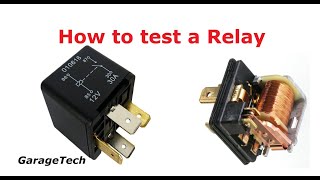

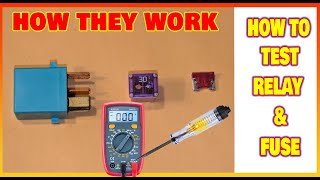
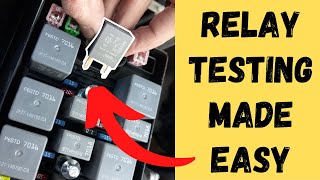
![TIPM [Dodge, Chrysler, Jeep] Removal and Solution](https://img.youtube.com/vi/qea1H85HBwU/mqdefault.jpg)

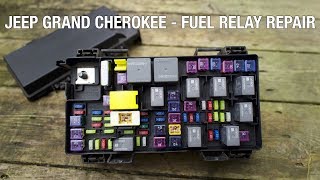
![What is P0885 Engine Code [Quick Guide]](https://img.youtube.com/vi/0zyPI15ZWEU/mqdefault.jpg)

The information in this article is provided for general reference and educational purposes only. Vehicle specifications, procedures, and part compatibility can vary by production date, trim level, and region. Always consult your vehicle's factory service manual and verify part numbers before purchasing or performing repairs. Safety-critical components such as airbags, seat belts, and braking systems should be installed by a qualified professional.
- 🎬 Helpful Videos
- What Does P0885 Mean?
- Can I Drive With P0885?
- Common Causes
- Symptoms
- Diagnostic Flowchart
- Common Fixes & Costs
- DIY vs Professional
- Used vs. New Parts: Buying Guide
- What Happens If You Wait — Timeline
- Cost of Not Fixing It
- Diagnosis Steps
- When This Code Triggers (Freeze-Frame Conditions)
- Related Codes
- Climate & Environmental Factors
- How to Talk to a Mechanic About This Code
- Where to Take It: Dealer vs Independent vs Chain
- When to Walk Away From the Repair
- What Scan Tool You Need for This Code
- How to Clear the Code After You Fix It
- Will This Fail Emissions / State Inspection?
- Most Commonly Affected Vehicles
- Manufacturer-Specific Notes
- Real Owner Stories
- 2012 Dodge Grand Caravan at 115K miles
- 2014 Chevrolet Spark at 75K miles
- 2015 Chrysler 200 with 9-speed transmission
- How to Prevent This Code From Triggering
- Frequently Asked Questions
- Can I fix P0885 myself?
- How much does it cost to fix P0885?
- Will a weak battery cause code P0885?
- What is a TCM power relay and where is it?
- Does P0885 mean I need a new transmission?
- What is the difference between a PCM and a TCM?
- Can a bad ground cause code P0885?
- What are the most common misdiagnosis mistakes for P0885?
- Key Takeaways
- 🎟️ Get 5% Off