

OBD-II Code P0883: TCM Power Input Signal High
What P0883 means, why it triggers, and how to fix it
- Code P0883 indicates an electrical overvoltage issue, not an internal mechanical transmission failure.
- Test the alternator first; an internal voltage regulator failure pushing over 15.0V is the leading cause of this code.
- Stop driving immediately to prevent irreversible thermal damage to the $800+ Transmission Control Module (TCM).
- Never replace the TCM without first verifying the integrity of the power relay, wiring harness, and charging system.
What Does P0883 Mean?

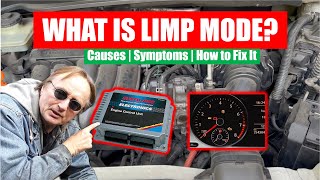
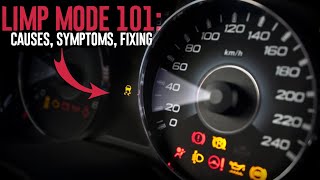
The Powertrain Control Module (PCM) reports that the Transmission Control Module (TCM) is receiving excessive voltage. The TCM requires a stable 9-15V to control automatic shifting. When voltage exceeds this threshold, the PCM triggers 'limp mode' to prevent mechanical damage. 🎬 Watch: A mechanic explains what limp mode actually means. This code points exclusively to an electrical issue, not an internal transmission failure.
Technical definition: SAE/OBD-II defines P0883 as "TCM Power Input Signal High. 🎬 Watch: Step-by-step guide to fixing the P0883 error code." The PCM detects voltage supplied to the TCM exceeding the manufacturer's specified range. In Chrysler/Dodge/Jeep models, this sets if the PCM detects over 3.0 volts on the TCM power output circuit before energizing the relay, indicating a short to power. In other systems, it triggers when input voltage exceeds 16.0V for a specified duration.
Can I Drive With P0883?
No — Do Not Drive. Do not drive. The vehicle is in 'limp mode,' locked in a single gear with severely limited acceleration, making it unsafe for traffic. Continuing to drive with a high-voltage condition causes irreversible thermal damage to the Transmission Control Module (TCM) and Powertrain Control Module (PCM), turning a basic alternator repair into a $1,000+ module replacement.
Common Causes

- Faulty or overcharging alternator (Very Common) — A defective alternator with a failing internal voltage regulator is the primary cause. If it produces over 15-16V, it overwhelms the TCM's power circuit and triggers the code.
- Damaged, corroded, or shorted wiring (Very Common) — Wires in the TCM harness chafe against the chassis or engine block, causing a direct short to power. Corroded connectors also create erratic high-voltage signals.
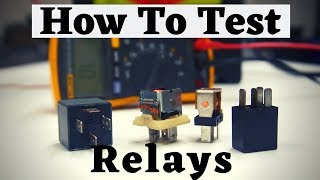
- Faulty TCM power relay (Common) — The relay supplying power to the TCM physically sticks in the 'on' position or fails internally, sending continuous voltage. 🎬 See this video for the best way to test relays. Water intrusion in the fuse box corrodes contacts and causes this.
- Defective Totally Integrated Power Module (TIPM) (Common) — In 2008-2016 Chrysler, Dodge, and Jeep vehicles, the TIPM frequently fails. Internal circuit board faults send incorrect voltage to the TCM.
- Poor Ground Connections (Common) — A corroded or loose ground strap creates a floating ground. This instability forces voltage potentials to rise unexpectedly across modules, triggering the high-voltage code.
- Improper Jump Start (Less Common) — Reversing jumper cable polarity or using a high-voltage booster pack sends a massive voltage spike through the electrical system, damaging the TCM.
- Failing Transmission Control Module (TCM) (Rare) — Control modules are robust and rarely the root cause. They set this code because of the voltage they receive. Exhaust all external electrical possibilities before replacing a module.
Symptoms

- Transmission stuck in 'Limp Mode' — The transmission locks into 2nd or 3rd gear to protect itself. This causes extremely poor acceleration and high engine RPMs at moderate speeds.
- Harsh or erratic shifting — Before entering full limp mode, the transmission slams into gear, jerks, or shifts at inappropriate times.
- Vehicle will not start — In some designs, a critical TCM power fault prevents the engine from cranking as a safety precaution.
- Check Engine Light is on (also visible on scanner) — The PCM illuminates the Malfunction Indicator Lamp (MIL) immediately upon detecting the high-voltage fault.
- ABS or Traction Control lights are on (also visible on scanner) — A critical power fault severs TCM communication on the CAN bus network, triggering warning lights for reliant systems like anti-lock brakes.
Diagnostic Flowchart
Tap your situation to follow the diagnostic path that matches what you're seeing on this code.
Common Fixes & Costs
- Replace Alternator
— Parts: $250-$750, Labor: $150-$300, ~1.5 hr book time
(Intermediate)
Dodge Ram 1500 (2009-2018, 5.7L): OEM 56028697AD (Alt: Duralast 12073, Bosch AL6442X)
Ford F-150 (2011-2017, 5.0L): OEM BL3Z-10346-A (Alt: Motorcraft GL-989, Bosch AL7693X) - Replace TCM Power Relay — Parts: $20-$100, Labor: $0-$60, ~0.2 hr book time (DIY)
- Install TIPM Relay Bypass Kit (Chrysler/Dodge/Jeep)
— Parts: $50-$150, Labor: $100-$200, ~1 hr book time
(Intermediate)
Dodge/Chrysler/Jeep (2008-2016): OEM CBWPR091AC (Alt: Dorman 912-288) - Repair Wiring Harness — Parts: $10-$50, Labor: $250-$1000+, ~2.5 hr book time (Professional)
- Replace Transmission Control Module (TCM)
— Parts: $400-$1200, Labor: $150-$400, ~2 hr book time
(Professional)
Ford Focus/Fiesta (2011-2019, DPS6): OEM AE8Z-7Z369-F (Alt: Remanufactured units requiring VIN programming.)
DIY vs Professional
- Replace Alternator — Beginner:
Tools: Socket set, serpentine belt tool, multimeter, torque wrench. - Replace TCM Power Relay — Beginner:
Tools: Pliers. - Install TIPM Relay Bypass Kit — Beginner:
Tools: Basic hand tools, wire strippers/crimpers. - Repair Wiring Harness — Beginner:
Tools: Multimeter, wiring diagrams, soldering iron, heat shrink. - Replace Transmission Control Module (TCM) — Beginner:
Tools: Advanced scan tool for programming.
Used vs. New Parts: Buying Guide
When a used part is worth it: For an alternator, a remanufactured unit is better than used, as it is rebuilt with new wear items.
Donor-vehicle mileage cap: roughly under 60000 miles for the part to have meaningful remaining life.
Donor quality checklist:
- Verify the donor vehicle was not scrapped due to electrical failure.
- Check for a clean, corrosion-free housing.
- Ensure the part number and pulley configuration match exactly.
Decision logic:
- If The vehicle is newer or under warranty → Use a new OEM part to ensure compatibility and longevity.
- If Budget is the primary concern on an older vehicle → A quality remanufactured alternator with a lifetime warranty offers the best balance of cost and reliability.
- If The part is a simple relay → Buy new; the cost savings for a used relay are negligible.
Warranty tradeoff: Used parts typically have a 30-90 day warranty. Remanufactured alternators offer one-year to limited lifetime warranties.
Worst-case if a used part fails: $300-$600 if a cheap alternator fails prematurely, requiring repeat labor costs.
What Happens If You Wait — Timeline
- Immediate: Code P0883 sets, Check Engine Light illuminates, and the transmission forces 'Limp Mode.' (MPG impact: 15-30%% · Added cost: $100-$300 (Towing cost))
- 1-10 drive cycles: Sustained high voltage (>15.5V) stresses the TCM's microprocessors. Internal components overheat. (MPG impact: 15-30%% · Added cost: $50-$100 (Wasted fuel))
- Several days to a few weeks: Irreversible thermal damage occurs. The high voltage fries the TCM's internal circuits, leading to communication loss. (MPG impact: 15-30%% · Added cost: $800-$2500 (New TCM required).)
- 1+ month: Over-voltage damages the PCM or ABS module. Driving in limp mode causes excessive wear on internal transmission clutches. (MPG impact: 15-30%% · Added cost: $3000-$6000+ (TCM, PCM, and transmission rebuild))
Cost of Not Fixing It
- Immediate: Vehicle is unsafe to drive, stuck in limp mode with poor acceleration. (Added cost: $100-$300 (Towing))
- Weeks to Months: Sustained over-voltage causes thermal damage to the Transmission Control Module (TCM) and Powertrain Control Module (PCM). (Added cost: $800-$2500 (Module Replacement and Programming))
- Months: Driving in a fixed high gear puts excessive strain on the engine and causes premature wear on internal transmission components. (Added cost: $2000-$5000+ (Transmission Repair or Replacement))
Diagnosis Steps

- Scan Codes and Review Freeze Frame Data
Use an OBD-II scanner to read codes from all modules. Look for alternator codes (P0562/P0563) or communication codes (U-codes). Analyze freeze frame data to identify the exact system voltage when the fault occurred.
Tools: OBD-II Scanner (Beginner) - Test the Battery and Charging System
Check battery voltage with the engine off (~12.6V). Start the engine and measure again. A healthy alternator outputs 13.5V-14.5V. A reading consistently above 15.0V confirms an overcharging alternator.
Tools: Multimeter (Beginner) - Inspect and Test the TCM Power Relay
Locate the TCM power relay in the fuse box. Visually inspect for corrosion. Swap the TCM relay with an identical non-critical relay (like the horn). If the problem resolves, replace the faulty relay.
Tools: Owner's Manual, Pliers (Beginner) - Check for Technical Service Bulletins (TSBs)
Search for TSBs related to P0883 for your specific vehicle. Manufacturers release bulletins for known issues, such as faulty TIPMs or wiring harness chafing, saving hours of diagnostic time.
Tools: Online TSB Database (Beginner) - Perform a Visual Inspection of Wiring
Inspect the wiring harness between the power source and the TCM. Look for chafing points where the harness touches the engine or chassis. Check for melted insulation or pushed-out pins at all connectors.
Tools: Flashlight (Intermediate) - Test Voltage at the TCM Connector
Identify the main power input pin on the TCM connector. Disconnect it and probe the harness side with the key 'ON'. Voltage must match battery voltage. Higher readings confirm a short to power.
Tools: Multimeter, Wiring Diagram (Advanced) - Perform a Voltage Drop Test on the Ground Circuit
Connect the multimeter's red lead to the battery negative and the black lead to the TCM ground pin. With the engine running, the reading must be under 0.1 volts. Readings above 0.5 volts indicate excessive ground resistance.
Tools: Multimeter, Wiring Diagram (Advanced) - Isolate the Circuit to Find the Short
If a short to voltage is confirmed, disconnect the battery, TCM, and power source. Check for continuity between the TCM power input wire and every other wire in the harness. A beep indicates a short circuit requiring harness repair.
Tools: Multimeter, Wiring Diagram (Professional)
When This Code Triggers (Freeze-Frame Conditions)
- System Voltage: > 15.5V (The voltage reading that directly triggered the fault.)
- Engine Coolant Temp: 180-210°F (Vehicle at full operating temperature.)
- RPM: 1200-2500 (During light acceleration or steady-state cruise.)
- Vehicle Speed: 25-60 mph (Normal driving when the charging system is active.)
Related Codes
- P0882 — The opposite code, 'TCM Power Input Signal Low.'
- P0563 — 'System Voltage High.'
- U0101 — 'Lost Communication with TCM.'
- P0700 — A generic transmission fault code.
Climate & Environmental Factors
- High Humidity / Moisture: Coastal salt air accelerates corrosion on electrical connectors and fuse boxes (TIPM). This creates unintended electrical paths and resistance, triggering P0883.
- Road Salt: Salty winter slush splashes onto wiring harnesses. This highly conductive solution eats away at wire insulation, leading to direct shorts to power.
- Extreme Heat: High ambient temperatures break down wire insulation and protective loom, making wires susceptible to chafing and melting together.
How to Talk to a Mechanic About This Code
Say this: "I have a P0883 code, and the transmission is in limp mode. Please start by testing the charging system voltage and checking the TCM power relay and its circuit for shorts before recommending a module replacement."
This directs the technician to check the most common failure points first, preventing a rush to replace the expensive TCM.
Avoid saying:
- 'My transmission is broken.'
- 'My check engine light is on, can you just fix it?'
- 'I think I need a new transmission computer.'
Questions to ask before authorizing the repair:
- What was the charging system voltage when the engine was running? Was it over 15 volts?
- Did you test the TCM power relay, or swap it with a known good one?
- If you are recommending a wiring repair, can you show me where the short or corrosion is?
- If you are recommending a TCM replacement, what specific tests did you perform to rule out the alternator, relay, and wiring harness first?
Where to Take It: Dealer vs Independent vs Chain
- Dealer:
A strong choice if your vehicle has a known TSB or is under warranty. Otherwise, it is the most expensive option.
Best for: Vehicles under powertrain warranty., Known manufacturer-specific issues covered by TSBs., Complex jobs requiring module programming.
Downsides: Highest labor rates., May prefer replacing an entire wiring harness rather than repairing a single wire. (Typical cost: +50% vs. baseline) - Independent Shop:
Best overall fit. A good independent shop accurately finds the root cause without defaulting to the most expensive part.
Best for: Out-of-warranty vehicles., Complex electrical diagnostics and wiring repairs., Alternator replacements.
Downsides: Quality varies. Look for ASE-certified technicians., May lack manufacturer-specific programming tools. (Typical cost: +0% vs. baseline) - Chain Shop:
AVOID. This code requires advanced electrical troubleshooting outside the scope of chain shops.
Best for: Simple maintenance like oil changes.
Downsides: Technicians lack specialized training for complex electrical diagnostics., High risk of misdiagnosis and upselling. (Typical cost: -10% vs. baseline)
When to Walk Away From the Repair
If the total estimated repair cost exceeds 50% of your car's current private-party value, consider selling the car as-is.
- Car worth $8000, fix is $650: Fix it. This is a low repair cost for a functional vehicle.
- Car worth $4000, fix is $2100: Walk away. The repair cost is over 50% of the car's value.
- Car worth $2500, fix is $1200: Borderline. Get a firm diagnosis before deciding. If other repairs are needed, walk away.
What Scan Tool You Need for This Code

Minimum: An OBD-II scanner that reads and graphs live data PIDs for all modules.
A basic $20 code reader cannot display live voltage data from the TCM and PCM. Without live data, you cannot determine if the cause is an overcharging alternator or an isolated short.
Budget: BlueDriver Pro (~$99) — Displays and graphs live data for 'System Voltage' and 'TCM Voltage'. Provides freeze-frame data.
Mid-range: Foxwell NT510 Elite (~$150) — Scans all modules and offers limited active tests to diagnose relay or TIPM issues.
Professional: Autel MaxiCOM MK808S (~$450-650) — Offers full bidirectional control to command the TCM power relay on and off. Provides OE-level diagnostics for integrated modules like a TIPM.
How to Clear the Code After You Fix It
- Reconnect battery if disconnected for repair.
- Use an OBD-II scan tool to erase P0883 and related fault codes.
- Perform a complete drive cycle to run readiness monitors.
Drive cycle (~30 minutes): Start cold (sat for 8+ hours). Idle for 3 minutes. Drive a mix of city and highway speeds (steady 55-65 mph for 15 minutes). Allow the vehicle to cool down completely.
Readiness monitors affected: Comprehensive Component Monitor, Misfire Monitor
Before emissions retest: drive at least 50 miles to fully set monitors.
Watch out for:
- Disconnecting the battery clears the code but resets all readiness monitors, guaranteeing an emissions test failure.
- The code returns immediately on the next key cycle if the root electrical cause remains.
Will This Fail Emissions / State Inspection?
Yes — this code typically fails an OBD-II emissions inspection.
- California: An active P0883 code results in an automatic smog check failure. A full drive cycle must be completed after repair.
- New York: The presence of a Malfunction Indicator Lamp for P0883 is an automatic failure.
- Texas: Vehicles with an illuminated Check Engine Light for P0883 fail the OBD portion of the inspection.
Most Commonly Affected Vehicles
- Dodge/Chrysler/Jeep Grand Caravan, Town & Country, Ram 1500, Grand Cherokee (2008-2016) — Extremely common due to failures of the Totally Integrated Power Module (TIPM). The internal TCM power relay fails, causing P0883.
- Ford Focus, Fiesta, F-150, Explorer (2011-2019) — Focus and Fiesta models with the DPS6 transmission have an externally mounted TCM that fails frequently due to heat and vibration.
- Chevrolet/GM Cruze, Sonic, Malibu, Silverado (2011-2017) — Often related to wiring issues in the harness near the 6T40/6T45 transmission or voltage spikes from the underhood fuse block.
- Hyundai/Kia Elantra, Sonata, Optima, Sorento (2011-2017) — Frequently traced to a faulty TCM power relay within the Intelligent Power Module or corrosion in main harness connectors.
- Nissan Altima, Maxima, Rogue (2007-2015) — Triggered by alternator overcharging issues or internal faults in the Intelligent Power Distribution Module (IPDM).
- Volkswagen/Audi Jetta, Golf, Passat, A4 (2010-2018) — Points to issues with the power supply relay for the Mechatronics unit or breaks in the wiring harness near the transmission.
Manufacturer-Specific Notes
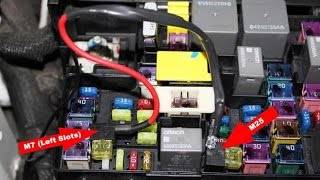
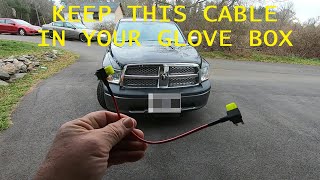
- Chrysler/Dodge/Jeep: The TIPM is the primary cause. Chrysler issued TSBs detailing how to install an external relay harness to bypass the faulty internal relay, avoiding a costly TIPM replacement.
- Ford: On 2011-2016 Fiesta and Focus models, the externally mounted DPS6 TCM fails from heat and vibration. Ford extended the warranty on affected components following a class-action lawsuit.
- GM (Chevrolet/GMC/Buick): On 6T40/6T45 transmissions, the wiring harness connector at the transmission case corrodes or chafes nearby, causing a short.
- Hyundai/Kia: The TCM power relay in the engine compartment fuse box frequently sticks internally. Replacing this inexpensive relay often fixes the code.
Real Owner Stories
2009 Dodge Grand Caravan with intermittent P0883
Owner experienced intermittent limp mode. The check engine light showed P0883. The problem disappeared after restarting the vehicle.
What they tried:
- A repair shop cleaned relays, which temporarily resolved the issue.
- The shop suspected a faulty TIPM or PCM.
Outcome: The owner discovered the TIPM was a common failure point. They installed an external relay to bypass the faulty internal transmission power relay within the TIPM, permanently fixing the issue for under $150.
Lesson: For 2008-2016 Chrysler/Dodge/Jeep vehicles, the TIPM is the most likely culprit. Research TIPM bypass kits before agreeing to a costly PCM or full TIPM replacement.
Misdiagnosis leads to unnecessary TCM replacement
A car went into limp mode with code P0883. The mechanic immediately recommended replacing the TCM.
What they tried:
- The shop replaced the TCM for $1,200.
Outcome: The P0883 code returned immediately. Further diagnosis revealed an overcharging alternator producing 16.5V. Replacing the alternator for $450 permanently fixed the issue.
Lesson: P0883 is an input voltage code. Always test the charging system first. Never replace the TCM until the alternator, battery, relays, and wiring are proven good.
2012 Ford Focus with P0883 and shifting issues
Owner experienced harsh shifting, delayed engagement, and P0883 with limp mode.
What they tried:
- Clearing the code worked only temporarily.
- A dealership diagnosed a failed TCM.
Outcome: The TCM failed due to excessive heat and vibration. Ford acknowledged this widespread issue through warranty extensions. The owner had the TCM replaced under the extended warranty program.
Lesson: If you own a 2011-2019 Ford Focus or Fiesta, check if your VIN is covered by Ford's warranty extension program for the DPS6 transmission's TCM.
How to Prevent This Code From Triggering
- Inspect and Clean Battery Terminals and Ground Straps (Every 6 months) — Corrosion creates resistance, destabilizing the electrical system and causing erratic voltage spikes. Clean connections ensure a stable voltage supply.
- Address a Failing Alternator Immediately (At first sign of trouble) — An overcharging alternator is the most common cause of P0883. Driving with it damages the TCM and other expensive electronics.
- Protect Wiring from Rodents (Ongoing) — Rodents chew soy-based insulation, causing direct shorts to power. Use deterrents like peppermint oil or rodent-repellent tape.
- Keep Engine Bay Clean (As needed) — Fluids degrade wiring insulation, making it brittle. A clean engine bay makes it easier to spot wiring damage before shorts occur.
Frequently Asked Questions
What is the most common misdiagnosis for a P0883 code?
The most common and costly mistake is replacing the Transmission Control Module (TCM) without performing a complete electrical diagnosis. P0883 flags the input voltage to the module, meaning the problem is almost always external (alternator, wiring, relay). Replacing the TCM rarely solves the issue and wastes over $800.
Can a bad battery cause code P0883?
A battery with an internal short causes erratic voltage spikes during charging, triggering P0883. However, a weak battery typically causes the opposite code, P0882 (Low Voltage).
Can a bad jump start cause P0883?
Yes. Reversed polarity or unregulated jump packs send damaging voltage surges through the electrical system. This instantly fries sensitive TCM electronics, triggering P0883.
Will clearing the code fix the problem?
No. Clearing the code only erases the fault record. Since P0883 triggers from real-time high voltage, the code and limp mode return instantly upon the next key cycle.
What is 'limp mode'?
Limp mode is a fail-safe where the computer limits engine power and locks the transmission in a single gear (usually 2nd or 3rd). This prevents catastrophic mechanical damage, allowing you to drive to a safe location at low speeds.
Why did my ABS and traction control lights come on with this transmission code?
The TCM, ABS, and PCM share data on the CAN bus network. A critical TCM power fault severs this communication. Other modules detect the data loss and illuminate their respective warning lights.
Is there a fuse for the TCM?
Yes, the TCM power circuit uses a fuse and relay. A blown fuse causes a P0882 (low voltage) code, but a corroded fuse holder creates resistance and intermittent high-voltage readings. Always check the fuse box first.
Key Takeaways
- Code P0883 indicates an electrical overvoltage issue, not an internal mechanical transmission failure.
- Test the alternator first; an internal voltage regulator failure pushing over 15.0V is the leading cause of this code.
- Stop driving immediately to prevent irreversible thermal damage to the $800+ Transmission Control Module (TCM).
- Never replace the TCM without first verifying the integrity of the power relay, wiring harness, and charging system.
Helpful Videos





The information in this article is provided for general reference and educational purposes only. Vehicle specifications, procedures, and part compatibility can vary by production date, trim level, and region. Always consult your vehicle's factory service manual and verify part numbers before purchasing or performing repairs. Safety-critical components such as airbags, seat belts, and braking systems should be installed by a qualified professional.
- 🎬 Helpful Videos
- What Does P0883 Mean?
- Can I Drive With P0883?
- Common Causes
- Symptoms
- Diagnostic Flowchart
- Common Fixes & Costs
- DIY vs Professional
- Used vs. New Parts: Buying Guide
- What Happens If You Wait — Timeline
- Cost of Not Fixing It
- Diagnosis Steps
- When This Code Triggers (Freeze-Frame Conditions)
- Related Codes
- Climate & Environmental Factors
- How to Talk to a Mechanic About This Code
- Where to Take It: Dealer vs Independent vs Chain
- When to Walk Away From the Repair
- What Scan Tool You Need for This Code
- How to Clear the Code After You Fix It
- Will This Fail Emissions / State Inspection?
- Most Commonly Affected Vehicles
- Manufacturer-Specific Notes
- Real Owner Stories
- 2009 Dodge Grand Caravan with intermittent P0883
- Misdiagnosis leads to unnecessary TCM replacement
- 2012 Ford Focus with P0883 and shifting issues
- How to Prevent This Code From Triggering
- Frequently Asked Questions
- What is the most common misdiagnosis for a P0883 code?
- Can a bad battery cause code P0883?
- Can a bad jump start cause P0883?
- Will clearing the code fix the problem?
- What is 'limp mode'?
- Why did my ABS and traction control lights come on with this transmission code?
- Is there a fuse for the TCM?
- Key Takeaways
- 🎟️ Get 5% Off