

P0869 on 2013 Ram 3500: Transmission Line Pressure High Causes and Fixes
On a 2013 Ram 3500, P0869 means the transmission line pressure is too high. This often causes harsh shifting and can put the truck in limp mode. The most common fix is replacing the transmission line pressure sensor, which is a relatively inexpensive part. This issue is particularly noted during cold starts where the sensor may send falsely high readings.
- P0869 on your 2013 Ram 3500 means the transmission fluid pressure is too high, which can cause harsh shifting and potential damage.
- The most likely cause is a faulty transmission line pressure sensor, a relatively affordable part located inside the transmission oil pan.
- Before performing expensive repairs like replacing the valve body, always check the fluid level/condition and have the line pressure sensor tested.
- Check with a Ram dealer to see if your truck has any open recalls or TSBs related to the transmission control module software, as an update could be the fix.
What's Unique About the 2013-2013 Ram 3500
For the 2013 Ram 3500, often equipped with the 68RFE automatic transmission, this code is a well-documented issue. The problem is frequently traced back to the line pressure sensor itself rather than a more serious internal transmission failure. Forum discussions among owners show that a faulty sensor can send incorrect high-pressure readings (e.g., 252 psi) at idle, especially when the transmission is cold. This leads to erratic shifting that sometimes corrects itself once warmed up or when tow/haul mode is engaged, which commands a different pressure curve. The provided NHTSA TSBs (like #18-091-16) address this code by changing it from a one-trip to a two-trip fault, reducing the chance of a MIL for intermittent spikes, but do not fix the underlying mechanical or sensor issue.
Diagnostic Flowchart
Tap your situation to follow the diagnostic path that matches what you're seeing on this vehicle.
Symptoms You May Notice
- Harsh, abrupt, or jarring gear shifts.
- Transmission may feel like it's stuck in one gear (limp mode).
- Delayed engagement when shifting into Drive or Reverse.
- Check Engine Light is illuminated.
- Transmission warning light may be on.
- Increased fuel consumption.
- Whining or buzzing noises from the transmission.
- Potential for fluid to be forced past seals due to excessive pressure, causing leaks.
- Replacing the entire transmission when only a sensor or solenoid is faulty.
- Replacing the valve body when the issue is a simpler, less expensive line pressure sensor.
- Assuming a PCM/TCM flash will fix the root cause; TSBs for this code often just change the fault reporting sensitivity from a one-trip to a two-trip event.
Most Likely Causes
- Faulty Transmission Line Pressure Sensor (LPS) 🔴 High Probability Owner forums and mechanic reports frequently point to this sensor failing on the 68RFE transmission. It is known to send erratic readings, often spiking to maximum pressure (around 252 psi) on cold starts, which then may normalize as the transmission warms up.
How to confirm: Use a scan tool to monitor the line pressure reading. If the pressure reads abnormally high (e.g., 250+ psi) at idle when cold, or if the reading is erratic, the sensor is likely faulty. A technician can also compare the scan tool reading to a manual pressure gauge connected to the transmission's pressure port.
Typical fix: Replace the line pressure sensor. This sensor is located on the valve body inside the transmission oil pan and requires removing the pan for access. 🎬 See this walkthrough on how to swap the pressure sensor.
Est. part cost: $50-$100 - Low or Incorrect Transmission Fluid 🟡 Medium Probability While not specific to the platform, incorrect fluid levels or using non-specified fluid (e.g., not Mopar ATF+4) can affect hydraulic pressure and performance, leading to a variety of transmission issues.
How to confirm: Check the transmission fluid level and condition according to the manufacturer's procedure. The fluid should be at the correct level, red in color, and not smell burnt.
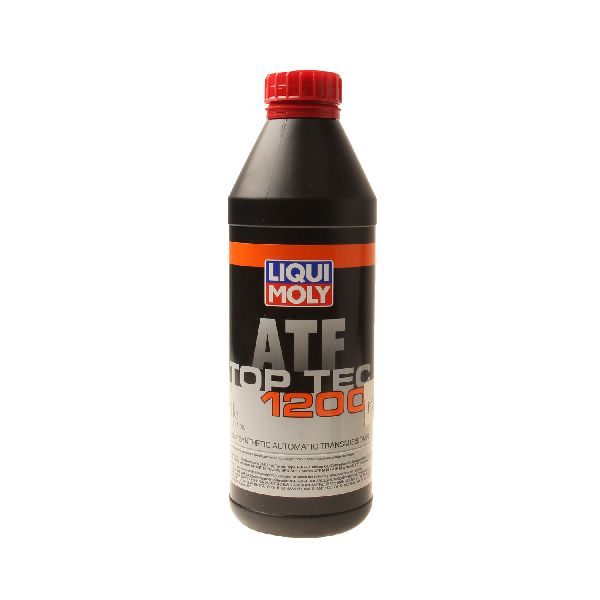
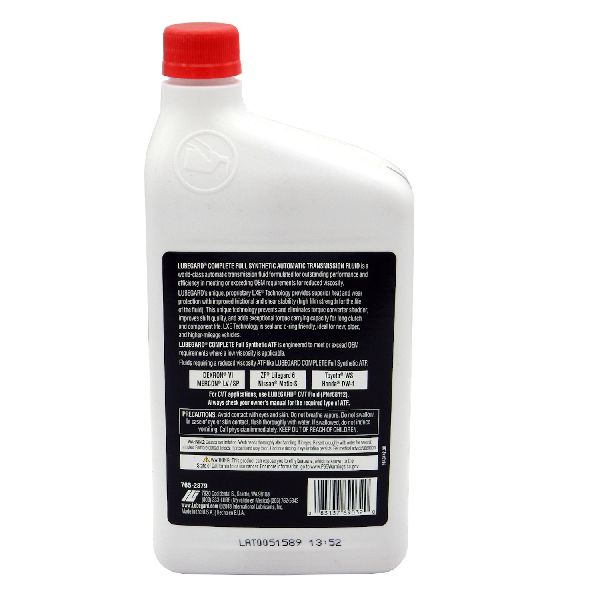
Typical fix: Perform a transmission fluid and filter change using the correct Mopar ATF+4 fluid. 🎬 Watch: Step-by-step guide to a 68RFE fluid and filter change.
Est. part cost: $100-$200 - Faulty Pressure Control Solenoid / Valve Body ⚪ Low Probability
How to confirm: This is typically diagnosed after ruling out the sensor and fluid. It may involve testing the solenoid's electrical circuit with a multimeter for correct resistance or inspecting the valve body for sticking valves or blockages. In some cases, the pressure control solenoid within the main solenoid pack is stuck, causing the issue.
Typical fix: Replace the solenoid pack or the entire valve body assembly. A transmission quick-learn procedure with a capable scan tool is required after replacement.
Est. part cost: $300-$800 - Wiring or Connector Issue ⚪ Low Probability
How to confirm: Inspect the wiring harness leading to the transmission for any signs of damage, corrosion, or loose connections, particularly at the main connector and the line pressure sensor connector. Wiggle the wires while monitoring pressure data to see if the reading fluctuates.
Typical fix: Repair or replace the damaged section of the wiring harness or clean/secure the connector.
Est. part cost: $20-$200
Rare But Worth Checking
- Faulty Powertrain Control Module (PCM) or Transmission Control Module (TCM): This is a rare cause. Before condemning the module, all other possibilities (sensor, wiring, fluid, mechanical) must be exhaustively ruled out. A video shows a case where a PCM repair was the ultimate solution after extensive diagnosis proved all transmission components were functioning correctly.
- Stuck Pressure Control Solenoid: A specific failure where the pressure control solenoid, part of the larger solenoid block, gets mechanically stuck. A dealership diagnosis in one owner's case identified this after a test sensor still showed high pressure, pointing to the solenoid itself being unable to regulate pressure even with correct electrical commands.
Diagnosis Steps
- Check for other related DTCs. Codes like P0933 or P0934 can point more directly to a sensor or circuit fault.
- With a quality scan tool, monitor the live data for 'Actual Line Pressure' and 'Desired Line Pressure'. Note the pressure at idle in Park, Neutral, Drive, and Reverse, especially when the engine is cold. Readings stuck at a high value (e.g., 252 psi) on a cold start strongly suggest a faulty sensor.
- Inspect the transmission fluid level and condition. Ensure it is at the correct level and is clean, red Mopar ATF+4 fluid.
- Inspect the main transmission electrical connector for corrosion, pushed-out pins, or damage. Wiggle the harness to check for intermittent connections.
- If the pressure reading is consistently high or erratic, the next step is to test or replace the line pressure sensor. This involves dropping the transmission pan to access the sensor on the valve body.
- If a new sensor does not resolve the issue, the problem may lie within the pressure control solenoid (part of the solenoid pack) or the valve body itself. Test the solenoid's circuit for proper voltage and ground.
- As a last resort, if all mechanical and electrical components of the transmission check out, the PCM/TCM should be professionally tested.
Parts You'll Likely Need
- Transmission Line Pressure Sensor
(OEM #4799758AF)— This is the most frequently reported failure point for P0869 on this platform, directly responsible for measuring the pressure that triggers the code. It is also referred to as a transducer.
Trusted brands: Mopar, Dorman, Standard Motor Products, XDP (XD1029)
OEM price range: $70-$120
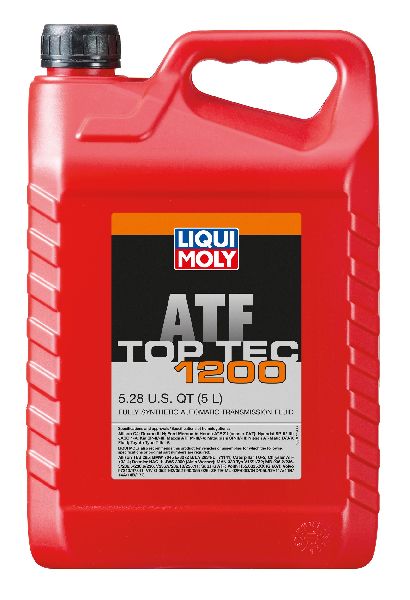
Aftermarket price range: $40-$80 - Transmission Filter Kit (with ATF+4 Fluid) — Required when dropping the pan to replace the line pressure sensor or service the valve body. Fresh fluid and filters are critical for transmission health and a necessary part of the repair.
Trusted brands: Mopar, Wix, ATP
OEM price range: $120-$180
Aftermarket price range: $80-$130 - Transmission Solenoid Block / Pack
(OEM #5170877AA (or superseding part numbers like 68353383AB/AC))— If the line pressure sensor is not the cause, a faulty pressure control solenoid within this block is the next likely culprit responsible for regulating the pressure. It is replaced as a complete assembly.
Trusted brands: Mopar, Rostra
OEM price range: $350-$500
Aftermarket price range: $250-$450
Related Codes That Often Appear With This One
- P0933 — P0933 (Hydraulic Pressure Sensor Range/Performance) is often triggered alongside P0869 because they both relate to the transmission's hydraulic pressure monitoring system. An erratic sensor reading that is too high can violate the expected range for both codes.
- P0740 — P0740 (Torque Converter Clutch Circuit/Open) can appear with pressure codes as the TCM may disable TCC lockup as a protective measure when it detects a pressure regulation problem. The TSBs cite this code in conjunction with P0869.
- P0934 — P0934 (Line Pressure Sensor Circuit Low) is the counterpart to P0869 and can be seen if the sensor or wiring has an intermittent fault that causes both high and low readings. The provided TSBs list this code as well.
Technical Service Bulletins (TSBs) & Recalls
- 18-091-16: Lists P0869 - Line Pressure High. The bulletin involves a PCM software update to change the sensitivity of the fault detection, making it a two-trip fault instead of one.
- 18-057-15 REV A: Also lists P0869 and involves a PCM software update for various diagnostic and system improvements. Requires a transmission quick-learn procedure after the flash.
- 18-030-14 REV. B: Superseded by later bulletins, but also lists P0869 as a code addressed by a PCM software flash.
Platform-Specific Known Issues
- The provided NHTSA Technical Service Bulletins (#18-091-16, #18-057-15 REV A, #18-030-14 REV. B) list P0869 among a group of transmission codes. The fix described is a PCM software update. This update changes the fault logic from a one-trip to a two-trip fault, making the Check Engine Light less likely to illuminate from a single, brief pressure spike. It does not fix the underlying hardware issue causing the high pressure.
- A common owner experience detailed on the Turbo Diesel Register forum involves seeing line pressure stuck at 252 psi on a cold start, causing limp mode and harsh shifts. Engaging tow/haul mode would sometimes temporarily resolve the issue by commanding a different pressure map. The ultimate fix was replacing the line pressure sensor. URL: https://www.turbodieselregister.com/threads/68rfe-issues.273645/
- A Reddit thread for a similar 65RFE transmission details a frustrating diagnostic loop where an owner first replaced the solenoid pack based on a dealer diagnosis, but the P0869 code returned. They then replaced the pressure sensor, which also did not fix it, illustrating that diagnosis can be complex and may point towards wiring or even the PCM in rare cases. URL: https://www.reddit.com/r/MechanicAdvice/comments/g21znp/2013_ram_1500_4x4_laramie_with_65rfe_transmission/
Mechanic-Grade Diagnostic Values
- Line Pressure Sensor Voltage - KOEO (Key On, Engine Off) — expected: ~0.7 Volts or ~30 PSI. Failure: A reading significantly different, or one that changes when wiggling the connector, indicates a connection issue or faulty sensor.
- Line Pressure Sensor Voltage - Circuit High Fault Threshold — expected: Below 4.75 Volts. Failure: Voltage over 4.75V will set a P0935 (Circuit High) code, which can be related to P0869.
- Line Pressure Sensor Voltage - Circuit Low Fault Threshold — expected: Above 0.35 Volts. Failure: Voltage below 0.35V will set a P0934 (Circuit Low) code.
- Pressure Control Solenoid (PCS) Duty Cycle — expected: Varies (e.g., ~26% for minimum pressure, ~5% for maximum pressure). Failure: The P0869 code sets when actual pressure is high while the PCS duty cycle is near its maximum value (~62%), which should be commanding minimum pressure. This points to a mechanical or sensor issue, as the electronics are already trying to lower the pressure.
- Scan Tool Line Pressure at Cold Start (Idle) — expected: Should be within a normal range (e.g., ~60-70 PSI). Failure: A reading of 252 PSI immediately upon a cold start is a classic symptom of a failed line pressure sensor.
Scan Tool Commands That Help
- wiTECH, Snap-on, Autel, Launch X431, AlfaOBD: Quick Learn — This function must be performed after replacing the valve body or the entire transmission to reset adaptive memory and calibrate the clutches and solenoids. Failure to perform this procedure can lead to premature wear or damage. The process involves following on-screen prompts to shift the vehicle while parked, followed by a specific drive-learn cycle.
Wiring & Ground Locations
- Transmission Main Connector — On the passenger side of the 68RFE transmission case.. This is the central connection point for the line pressure sensor and solenoid block. Corrosion inside this connector is a known issue and can cause erratic pressure readings and codes like P0869. It's recommended to inspect for corrosion and apply dielectric grease when reconnecting.
- Engine/Transmission Wiring Harness — Runs from the TCM/PCM, over the transmission, and connects to components.. The harness should be inspected for chafing or damage, especially where it might contact moving parts like the steering shaft or front driveshaft. A short or open in the 5-volt supply or signal wire for the line pressure sensor can cause this code.
Real Owner Repair Stories
- Turbo Diesel Register user @jmorse (2015 Ram 2500 w/ 68RFE, 44,000 miles) — Check Engine Light with codes P0933, P0869, and P0935.
❌ Tried (didn't work) Checked connector (it was clean), applied dielectric grease., Dropped pan, inspected, and replaced Mopar filters and fluid.
✅ What actually fixed it Replacing the line pressure sensor. The owner confirmed with a scan tool that on a cold start (~45°F), the line pressure read 252psi in park, triggering the code. After replacement, the transmission worked properly. - Reddit user u/BigWillisStyle88 (2013 Ram 1500 w/ 65RFE, 50,000 miles (Note: 65RFE is similar and this story is relevant)) — CEL with code P0869.
❌ Tried (didn't work) Replaced the solenoid pack and performed a transmission service. The code returned the next day., Replaced the transmission pressure sensor. The code still returned after turning the truck off and on again, even though it seemed fixed for a 40-mile drive.
✅ What actually fixed it The user's post is a request for help and does not contain the final fix. It is a valuable example of how replacing both the solenoid pack and the sensor may not immediately solve the problem, pointing towards a potential wiring or PCM issue.
OEM Part Supersession History
4799758→4799758AC, 4799758AD, 4799758AF— Standard part revision and improvement over time.
Heads up: The current part number is 4799758AF. While earlier versions may have existed, this is the correct service replacement. Some aftermarket sensors note that their 3-pin design replaces the older 4-pin design.5170877AA (White/Gray Connector)→68353383AB, 68376695AA— Design updates for reliability.
Heads up: 2019 and newer 68RFE transmissions use a different solenoid pack with a blue connector (e.g., P/N 68456067AA) which is not interchangeable with the older white/gray connector style. It is critical to match the connector color and part number to the vehicle's model year.
Helpful Videos
Used OEM Parts in Stock

New Aftermarket Parts Available


The information in this article is provided for general reference and educational purposes only. Vehicle specifications, procedures, and part compatibility can vary by production date, trim level, and region. Always consult your vehicle's factory service manual and verify part numbers before purchasing or performing repairs. Safety-critical components such as airbags, seat belts, and braking systems should be installed by a qualified professional.
- Ram 3500:
- 🎬 Helpful Videos
- 🛍️ Shop This Part
- What's Unique About the 2013-2013 Ram 3500
- Diagnostic Flowchart
- Symptoms You May Notice
- Most Likely Causes
- Rare But Worth Checking
- Diagnosis Steps
- Parts You'll Likely Need
- Related Codes That Often Appear With This One
- Technical Service Bulletins (TSBs) & Recalls
- Platform-Specific Known Issues
- Mechanic-Grade Diagnostic Values
- Scan Tool Commands That Help
- Wiring & Ground Locations
- Real Owner Repair Stories
- OEM Part Supersession History
- 🎟️ Get 5% Off