

OBD-II Code P0869: Transmission Fluid Pressure High
The Ultimate Guide to What P0869 Means, Why It Triggers, and How to Fix It
- P0869 means your transmission's hydraulic fluid pressure is dangerously high, requiring immediate attention to prevent catastrophic internal damage.
- Expect harsh, jarring gear shifts and your vehicle locking into 'limp mode' (usually 2nd or 3rd gear) to protect the transmission.
- On Ram and Dodge vehicles, a faulty Transmission Fluid Pressure (TFP) sensor falsely reading 252 psi on cold starts causes over 70% of P0869 codes.
- Always verify 'Actual' versus 'Desired' line pressure with a live data scanner or mechanical gauge before spending $800+ on a new valve body.
- Driving with an active P0869 code destroys internal clutch packs and seals within 50 to 100 miles, turning a $300 sensor repair into a $4,000 rebuild.
What Does P0869 Mean?

Your Transmission Control Module (TCM) detected that the hydraulic fluid pressure inside the automatic transmission is dangerously high. This pressure engages clutches and shifts gears. When excessive, it causes harsh shifts and puts extreme strain on internal seals and valves, leading to catastrophic damage if ignored.
Technical definition: The SAE/OBD-II definition is "Transmission Fluid Pressure High". The code sets when the Powertrain Control Module (PCM) or TCM sees actual line pressure, reported by the Transmission Fluid Pressure (TFP) sensor, significantly exceeding the commanded pressure for a specific duration. For example, on Dodge vehicles, the code sets if actual pressure exceeds 120 psi for 3.5 seconds while the system commands minimum pressure.
Can I Drive With P0869?

No — Do Not Drive. Driving is strongly discouraged. Your vehicle will enter a protective 'limp mode,' severely limiting speed and locking into a single gear. Continuing to drive, especially if the pressure is genuinely high and not just a sensor error, causes irreversible clutch pack and seal damage within 50 to 100 miles. This turns a sub-$500 sensor repair into a $4,000+ transmission rebuild. If the transmission slips, overheats, or whines, stop driving immediately.
Common Causes

- Faulty Transmission Fluid Pressure (TFP) Sensor (Very Common) — The sensor fails and sends incorrect high-pressure readings to the computer. This is extremely common on Dodge and Ram vehicles, often reading a false, maxed-out 252 psi on cold starts.
- Contaminated, Overfilled, or Incorrect Transmission Fluid (Very Common) — Old fluid full of clutch debris, improper overfilling, or using non-spec ATF restricts flow in narrow passages and spikes hydraulic pressure.
- Clogged Transmission Fluid Filter (Common) — A debris-clogged filter severely restricts fluid circulation, causing pressure spikes in the system before the filter.
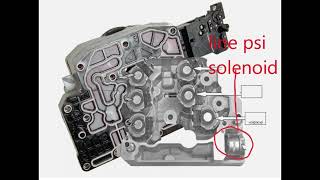
- Faulty Pressure Control Solenoid (PCS) 🎬 See how to replace a transmission control solenoid pack (Common) — This electronic valve regulates fluid pressure. If stuck closed or electrically faulty, it cannot bleed off pressure, causing a genuine spike.
- Malfunctioning Transmission Valve Body (Less Common) — If the valve body's channels block with sludge or a mechanical regulator valve sticks, pressure becomes trapped and builds to excessive levels.
- Restricted or Damaged Transmission Cooler Lines (Less Common) — A blocked, kinked, or internally collapsed cooler line restricts fluid return, causing a hydraulic backup.
- Faulty Transmission Fluid Temperature (TFT) Sensor (Less Common) — The TCM uses fluid temperature to calculate desired pressure. A faulty sensor reporting inaccurately cold temperatures causes the TCM to command higher pressure.
- Wiring or Connector Issue (Rare) — Corroded or shorted wiring in the sensor circuit sends false high-pressure signals. Corrosion inside the main transmission harness connector is a known trigger.
- Faulty Transmission Pump (Rare) — A malfunctioning pump with a stuck internal regulator valve over-pressurizes the entire system, often accompanied by a distinct whining noise.
- Faulty Powertrain/Transmission Control Module (PCM/TCM) (Very Rare) — The control module itself fails, misinterpreting sensor data and falsely setting a P0869 code. Rule out all wiring and sensor issues before replacing the module.
Symptoms

- Check Engine Light / Transmission Warning Light On — The primary indicator that the TCM has stored a fault code.
- Vehicle Enters 'Limp Mode' / Stuck in Gear — The transmission locks into a single gear (often 2nd or 3rd) and refuses to shift, resulting in poor acceleration and high RPMs at cruising speed.
- Harsh, Jarring, or Delayed Shifting — You feel a hard bang or jolt when shifting gears, especially moving from Park to Drive or Reverse.
- Transmission Slipping or Overheating — The engine revs higher than usual without increasing speed, or you notice a burning smell indicating dangerously high temperatures.
- Whining or Buzzing Noises — Unusual hydraulic whining sounds from the transmission indicate excessive pressure buildup or a maxed-out pressure regulator valve.
- Leaking Transmission Fluid — Excessively high pressure forces fluid past seals and gaskets not designed to withstand such force.
Diagnostic Flowchart
Tap your situation to follow the diagnostic path that matches what you're seeing on this code.
Common Fixes & Costs
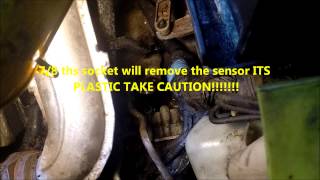
- Replace Transmission Fluid Pressure (TFP) Sensor — Parts: $50-$150, Labor: $200-$350, ~2.5 hr book time (Intermediate)
- Transmission Fluid and Filter Change — Parts: $75-$150, Labor: $125-$250, ~1.5 hr book time (Intermediate)
- Replace Pressure Control Solenoid / Solenoid Pack — Parts: $250-$500, Labor: $250-$500, ~3 hr book time (Professional)
- Repair/Replace Transmission Cooler & Lines — Parts: $100-$300, Labor: $150-$300, ~2 hr book time (Intermediate)
- Replace Transmission Valve Body — Parts: $500-$1000, Labor: $300-$600, ~4 hr book time (Professional)
- Replace Transmission Control Module (TCM) — Parts: $500-$800, Labor: $150-$300, ~1.5 hr book time (Professional)
DIY vs Professional
- Transmission Fluid and Filter Change — Beginner:
Tools: Socket set, drain pan, funnel, new fluid, new filter/gasket, torque wrench. - Replace Transmission Fluid Pressure (TFP) Sensor — Beginner:
Tools: Same as fluid change, plus Torx bits, inch-pound torque wrench, and potentially a pick tool for connectors. - Replace Pressure Control Solenoid / Solenoid Pack — Beginner:
Tools: Same as sensor replacement. Requires careful handling of the valve body assembly. - Replace Transmission Valve Body — Beginner:
Tools: Specialized transmission tools, extensive knowledge of the specific transmission, and an extremely clean work environment.
Used vs. New Parts: Buying Guide
When a used part is worth it: For the most common fixes like the pressure sensor or solenoid pack, used parts are generally not recommended. These are electronic components with a known failure rate. The cost savings are minimal compared to the risk of the used part failing shortly after installation. A used valve body from a low-mileage, accident-damaged vehicle is a viable option if the part number matches exactly.
Donor-vehicle mileage cap: roughly under 60000 miles for the part to have meaningful remaining life.
Donor quality checklist:
- Verify the donor vehicle was not scrapped due to transmission failure.
- Match part numbers exactly, including any superseded numbers.
- For electronic components, avoid parts from vehicles that sat for a long time, as corrosion is an issue.
Decision logic:
- If The part is a sensor or solenoid pack → Buy new (OEM or reputable aftermarket). The labor to replace it is too high to risk a used part.
- If The vehicle is over 150K miles and the budget is extremely tight for a valve body → A used part from a verified low-mileage donor is a calculated risk.
- If The part is electronic and under $200 new → Always buy new for the warranty and peace of mind.
Warranty tradeoff: Used parts typically come with a 30-90 day functional warranty. New aftermarket parts often have a 1-year to limited lifetime warranty. New OEM parts carry a manufacturer's warranty, typically 1 year or 12,000 miles.
Worst-case if a used part fails: $400-800 if a used sensor or solenoid fails after installation, due to repeat labor costs and the need to purchase another part.
What Happens If You Wait — Timeline
- 0-1 month: Code sets and Check Engine Light is on. Vehicle enters 'limp mode' intermittently. Harsh, jarring shifts are noticeable, especially when cold. No permanent damage yet if addressed quickly. (MPG impact: 0-5%% · Added cost: $0 (if repaired now), $100-$300 in potential towing costs if stranded.)
- 1-3 months: Limp mode becomes more frequent. The constant high pressure puts significant strain on internal seals and gaskets. Clutch surfaces experience accelerated wear due to harsh engagement. Transmission begins to whine. (MPG impact: 5-10%% · Added cost: $50-$150 in wasted fuel. The risk of turning a sensor fix into a more expensive solenoid/valve body repair increases.)
- 3-6 months: Internal seals fail, causing fluid leaks and cross-leaks between hydraulic circuits. Clutch packs become glazed or burnt from slipping and harsh shifts. The valve body's regulator valves score their bores from operating at maximum pressure. (MPG impact: 10-15%% · Added cost: $800-$1600. Simply fixing the original cause is no longer enough. Damaged seals, solenoids, or the valve body now require replacement.)
- 6+ months: Catastrophic failure is imminent. Extreme pressure and heat destroy multiple clutch packs, warp hard parts, and damage the transmission pump. The fluid is burnt and full of debris. (MPG impact: 15-25%+% · Added cost: $3500-$7000+. The transmission is no longer salvageable with a minor repair. A complete rebuild or replacement is the only option.)
Cost of Not Fixing It
- 0-1 month: Continued harsh shifting and potential for being stranded in 'limp mode'. Increased stress on transmission seals and clutches. (Added cost: Negligible, but risk of towing costs ($100-$300).)
- 1-6 months: Accelerated wear of clutch packs and internal seals due to constant high pressure. Fluid is forced past seals, causing leaks and low fluid levels. Damage to the valve body or pressure control solenoid is likely. (Added cost: $1200-$2800 for valve body/solenoid replacement, in addition to the original repair.)
- 6+ months: Catastrophic transmission failure. The constant high pressure and resulting heat destroy clutch packs, warp internal components, and damage the transmission pump. A complete transmission rebuild or replacement is required. (Added cost: $3500-$7000+ for a full transmission replacement or rebuild.)
Diagnosis Steps
- Scan for Live Data (Initial Check)
Use an advanced OBD-II scanner to compare 'Desired' vs. 'Actual' fluid pressure. A sensor reading a maxed-out value (e.g., 252 psi on Rams) on a cold start before the engine runs is definitive proof of a faulty sensor.
Tools: Advanced OBD-II Scanner (Intermediate) - Check the Transmission Fluid
With the vehicle warm and level, check fluid level and condition. It must be within 'Full' marks, brightly colored, and not smell burnt. Overfilled or dirty fluid causes pressure problems.
Tools: Rag, Vehicle-Specific Dipstick (Beginner) - PRO TIP: Verify with a Mechanical Pressure Gauge
Connect a mechanical gauge to the line pressure test port. Compare the gauge reading to the scanner's 'Actual Pressure'. If the gauge shows normal pressure (e.g., 70-85 psi at idle) but the scanner shows high, the TFP sensor is faulty.
Tools: Mechanical Pressure Gauge Kit, Advanced OBD-II Scanner (Professional) - Inspect Wiring and Connectors
Visually inspect the transmission wiring harness and main round connector for corrosion, damage, or fluid intrusion. Perform a 'wiggle test' while monitoring live pressure data.
Tools: Flashlight, Dielectric Grease (Intermediate) - PRO TIP: Analyze Pressure Control Solenoid (PCS) Duty Cycle
Monitor the PCS duty cycle PID. The TCM increases duty cycle to command lower pressure. If actual pressure remains high while duty cycle is maxed out (e.g., 62% on Chrysler), a mechanical fault or bad sensor is preventing the pressure drop.
Tools: Advanced OBD-II Scanner (Advanced) - PRO TIP: Test the TFP Sensor Circuit Voltage
Back-probe the TFP sensor connector with a multimeter. Check for 5V reference and good ground. The signal wire voltage must correspond to pressure (e.g., 0.35V-4.75V for Chrysler 68RFE). 0V or constant 5V indicates a fault.
Tools: Digital Multimeter, Wiring Diagram, Back-Probe Kit (Advanced) - PRO TIP: Test Solenoid Pack Resistance
Test internal resistance from the main case connector. For a 62TE, the Line Pressure Solenoid (pin 12) should read 4.8-5.1 ohms. Readings outside spec indicate a faulty solenoid pack.
Tools: Digital Multimeter, Connector Pinout Diagram (Advanced) - Test the Pressure Control Solenoid (PCS)
Command the PCS on and off with a bidirectional scanner. If actual pressure (verified via mechanical gauge) does not change, the solenoid is stuck or failed.
Tools: Advanced OBD-II Scanner, Mechanical Pressure Gauge (Professional) - Inspect the Valve Body and Internal Components
If electronics test perfectly but mechanical pressure is genuinely high, remove the transmission pan to inspect the valve body for sludge or stuck regulator valves. Stop DIY here and consult a transmission specialist.
Tools: Socket Set, Drain Pan, Gasket Scraper, Torque Wrench (Professional)
When This Code Triggers (Freeze-Frame Conditions)
- Engine Coolant Temp: 180-200°F (Fully warmed up, indicating the issue is not solely related to cold, thick fluid.)
- RPM: 1500-2500 (Cruise or steady throttle, when the transmission is expected to maintain a stable pressure.)
- Vehicle Speed: 35-55 mph (Highway or city cruising speeds, often during or just after a gear shift.)
- Transmission Fluid Temperature: 175-220°F (Normal operating temperature, which helps differentiate from cold-start specific sensor faults.)
Related Codes
- P0868 — This code means 'Transmission Fluid Pressure Low,' the direct opposite of P0869. They share the same root causes (bad sensor, solenoid, wiring, fluid). If the pressure reading is stuck low, P0868 is set. If it's stuck high, P0869 is set.
- P0933 — This code for 'Hydraulic Pressure Sensor Range/Performance' is a critical companion code, especially on Ram/Dodge/Jeep vehicles. P0933 indicates an electrical fault, while P0869 indicates the pressure value is too high. Seeing them together strongly indicates the pressure sensor failed.
- P0934 — This code means 'Line Pressure Sensor Circuit Low'. It points directly to the TFP sensor circuit. It appears with P0869 if the sensor fails in a way that causes both a low voltage signal and an incorrect high-pressure reading.
- P1745 — On Dodge/Chrysler vehicles, this code for 'Transmission Line Pressure Too High for Too Long' is a manufacturer-specific equivalent or companion to P0869. It reinforces that the computer has seen a sustained high-pressure condition.
- P0700 — This is a generic 'gateway' code indicating the Transmission Control Module (TCM) has stored a fault. It illuminates the Check Engine Light and tells a technician to scan the TCM for more specific codes, such as P0869.
Climate & Environmental Factors
- Cold Temperatures: Cold weather is a significant trigger for P0869, particularly in Ram trucks with the 68RFE transmission. A failing pressure sensor is prone to sending an erroneous, maxed-out pressure signal (e.g., 252 psi) to the computer during a cold start, immediately triggering the code and limp mode.
- High Humidity / Corrosion: In humid or high-salt environments, corrosion builds up in the main transmission electrical connector. This corrosion alters the voltage of the sensor signal, leading the TCM to interpret a false high-pressure reading.
How to Talk to a Mechanic About This Code
Say this: "I have a P0869 code, Transmission Fluid Pressure High. I'd like to book a diagnostic appointment. I want to confirm if this is a faulty sensor or a true high-pressure condition. Please check the live data for desired versus actual transmission line pressure, especially on a cold start, before recommending any parts."
This signals you've done research and understand the common failure points. It directs the technician to perform a specific, crucial diagnostic step (checking live data) to differentiate between a cheap sensor fix and a more expensive mechanical problem, preventing them from jumping to conclusions.
Avoid saying:
- 'My transmission is acting weird.'
- 'My check engine light is on, can you just fix it?'
- 'I think I need a new transmission.'
Questions to ask before authorizing the repair:
- Did you compare the scanner's pressure reading with a mechanical gauge? What were the two readings?
- If the pressure reading was stuck high on a cold start, can you confirm it's the sensor and not the solenoid pack?
- What is the warranty on the recommended parts and labor?
- If you are recommending a valve body or solenoid replacement, what specific test led you to that conclusion instead of a sensor fault?
Where to Take It: Dealer vs Independent vs Chain
- Dealer:
Recommended only if the vehicle is under warranty or if a known manufacturer-specific software update is required. Otherwise, an independent shop is more cost-effective.
Best for: Vehicles under powertrain warranty., Complex, manufacturer-specific issues like TCM software updates (e.g., Ram TSB 18-091-16).
Downsides: Highest labor rates., May default to replacing larger, more expensive assemblies (like a whole valve body) rather than smaller components. (Typical cost: +50% vs. baseline) - Independent Shop:
Best choice for most P0869 repairs. An experienced transmission-specialty shop will accurately diagnose the sensor vs. mechanical fault and offer more repair options than a dealer.
Best for: Out-of-warranty vehicles where cost is a major factor., Accurate diagnosis of common codes like P0869.
Downsides: Quality and expertise vary; look for shops that specialize in transmissions or have strong diagnostic reputations. (Typical cost: +0% vs. baseline) - Chain Shop:
Use with caution. Acceptable for a fluid/filter change, but be wary of a P0869 diagnosis from a chain shop. A dedicated transmission specialty shop is a much safer bet for an accurate diagnosis.
Best for: Simple fluid and filter changes if you provide the correct fluid.
Downsides: Technician skill varies widely., May lack the advanced diagnostic tools or specific transmission expertise to distinguish a sensor fault from a mechanical one, leading to misdiagnosis. (Typical cost: -10% vs. baseline)
When to Walk Away From the Repair
If the estimated repair cost exceeds 50% of the car's private-party value, you should seriously consider selling the car as-is or trading it in.
- Car worth $5000, fix is $600: Fix it. This is a common sensor or fluid-related repair, and the cost is well below the threshold.
- Car worth $8000, fix is $1800: Borderline. This likely involves a valve body or solenoid pack. Get a second opinion before authorizing, as the repair is a significant percentage of the car's value.
- Car worth $4000, fix is $3500: Walk away. The repair requires a full transmission rebuild or replacement, which is not economical for a vehicle of this value.
What Scan Tool You Need for This Code
Minimum: A scanner that can read manufacturer-specific codes and view **live transmission data**, including Transmission Fluid Temperature and, most importantly, 'Actual' vs. 'Desired' Line Pressure.
A basic $20 code reader will only show 'P0869' and cannot display the live data needed to determine if the pressure sensor is lying or if there's a real hydraulic problem. You will be guessing and likely replacing the wrong parts.
Budget: BlueDriver Pro Scan Tool (~$100) — Can read and clear transmission codes and view live data streams (including some transmission PIDs) on its mobile app for many models, which is the minimum requirement for diagnosing P0869.
Mid-range: Foxwell NT510 Elite (~$180) — Offers OE-level diagnostics for specific makes, including reading live transmission pressure data. Crucially, it has **bidirectional control** to perform active tests on components like the pressure control solenoid, helping to confirm if a part is faulty.
Professional: Autel MaxiCOM MK808S / MK808S-TS (~$500-700) — Provides full system diagnostics, extensive live data graphing, and bidirectional control. It can also perform advanced transmission functions like 'Quick Learn' and adaptive value resets after a repair, which is often required for Chrysler/Dodge vehicles.
Rent vs buy: Most auto parts store loaner tools are basic readers and will NOT be sufficient for this code. If this is a one-time fix, find a trusted local mechanic with the right tools. If you plan to do your own maintenance regularly, investing in a mid-range scanner like the Foxwell or Autel is a wise choice.
How to Clear the Code After You Fix It
- Use an OBD-II scan tool to clear the P0869 and any related codes (like P0700, P0933).
- Perform a transmission control module (TCM) reset or relearn procedure if available on the scan tool.
- Drive the vehicle through at least one full warm-up cycle to allow the readiness monitors to reset.
Drive cycle (~20 minutes): Cold start the vehicle and allow it to idle for 2-3 minutes. Drive in stop-and-go city conditions for 10 minutes, including several gear shifts. Drive at a steady highway speed (50-60 mph) for 5-10 minutes. Allow the vehicle to cool down completely.
Readiness monitors affected: Comprehensive Component Monitor, Transmission
Before emissions retest: drive at least 50 miles to fully set monitors.
Watch out for:
- Simply disconnecting the battery will clear the code but not the underlying issue, and it will reset all readiness monitors, guaranteeing an emissions test failure.
- The code will return almost immediately if the root cause (e.g., a faulty sensor or mechanical issue) has not been properly repaired.
Will This Fail Emissions / State Inspection?
Yes — this code typically fails an OBD-II emissions inspection.
- California: An active P0869 code causes an automatic failure of the smog check. All OBD readiness monitors must be set to 'Ready' to pass, so you cannot simply clear the code before the test.
- New York: The NYS DMV emissions inspection includes an OBD-II scan. The presence of a Check Engine Light and a code like P0869 results in an immediate inspection failure.
- Texas: In the 17 counties requiring emissions testing, an illuminated Check Engine Light with code P0869 causes the vehicle to fail the OBD portion of the state inspection.
Most Commonly Affected Vehicles
- Ram 2500 / 3500 (2013-2018) — Extremely common on trucks with the 68RFE transmission. The root cause is almost always a faulty line pressure sensor (OEM P/N 4799758AD/AF) that gives a false, maxed-out reading of 252 psi on cold starts, often triggering code P0933 simultaneously.
- Dodge Grand Caravan, Journey, Charger, Durango (2008-2019) — Very common on models with the 62TE transmission. The issue is often a clogged main filter, which tends to occur between 130k-160k miles. It is also caused by a faulty solenoid pack or pressure sensor.
- Jeep Grand Cherokee, Wrangler (2005-2014) — Pressure sensor and solenoid issues are common causes for this code in many Jeep transmissions, including the 42RLE and 545RFE/65RFE. The P0933 code is a frequent companion.
- Chrysler Town & Country, 300 (2008-2016) — Similar to their Dodge counterparts with the 62TE transmission, these Chrysler models frequently experience P0869 due to clogged filters or electronic sensor/solenoid failures.
- Chevrolet / GMC Silverado / Sierra 1500/2500/3500 (2015-2022) — On some trucks, this code is caused by a faulty TCM. Other known issues include torque converter problems and twisted/restricted transmission cooler lines that create pressure issues.
- Ford F-150 (2015-2019) — A documented case on a 2015 F-150 showed P0869 being caused by a simple clogged transmission filter, which was resolved with a fluid and filter service for around $250.
- Honda Accord (2008-2012) — A real-world case on a 2010 Accord showed P0869 triggered by a leaking transmission cooler, which led to fluid loss, overheating, and subsequent pressure control problems.
- Nissan Altima, Maxima, Murano (2007-2015) — Many Nissan models equipped with Continuously Variable Transmissions (CVTs) are susceptible to pressure-related codes due to fluid degradation, valve body wear, or internal pump issues.
Manufacturer-Specific Notes
- Ram / Dodge / Chrysler (68RFE): On trucks with the 68RFE transmission, P0869 is almost always caused by a faulty line pressure sensor that sends a false, maxed-out pressure reading (e.g., 252 psi) on a cold start. TSB 18-091-16 addresses this by reprogramming the PCM to make it less sensitive to intermittent false readings, but the sensor hardware usually requires replacement.
- Dodge / Chrysler (62TE): In vans and cars with the 62TE transmission (Grand Caravan, Town & Country), P0869 is very commonly caused by the primary transmission filter becoming clogged, typically between 130,000 and 160,000 miles. A fluid and filter service often resolves the code.
- Nissan: On Nissan vehicles with CVTs, P0869 is often a serious indicator of advanced wear. It frequently points to problems with the valve body or the fluid itself breaking down under heat and pressure. Simply clearing the code is rarely a long-term solution.
- Ford: On some Ford models like the F-150, P0869 is triggered by something as simple as a clogged transmission filter. This is a much less severe starting point for diagnosis compared to other makes where electronics are the primary suspect.
Real Owner Stories
2015 Ram 2500 with 68RFE at 44K miles
Check Engine Light came on. Scan showed codes P0869 (Trans Fluid Pressure High), P0933 (Hydraulic Pressure Sensor Range/Performance), and P0935 (Hydraulic Pressure Circuit High). Vehicle drove fine initially but codes returned quickly after clearing.
What they tried:
- Checked fluid, which was clean and at the correct level.
- Inspected the main electrical connector, which was clean.
- Replaced both transmission filters (pan drop and spin-on) with Mopar parts and refilled with new ATF+4 fluid. Codes still returned.
Outcome: Using an advanced scan tool, the owner observed the transmission pressure reading a maxed-out 252 psi on a cold start, while desired pressure was low. This confirmed a faulty sensor. The line pressure sensor was replaced, which resolved all codes.
Lesson: On a Ram 68RFE, P0869 paired with P0933 is almost always a faulty line pressure sensor, not a major mechanical failure. Confirming the false high-pressure reading on a cold start with a scan tool avoids unnecessary, expensive repairs.
2015 Ford F-150 with erratic shifting
The truck was shifting erratically and the Check Engine Light came on, storing code P0869.
What they tried:
- The owner took the vehicle for professional diagnosis.
Outcome: A technician identified that the transmission filter was severely clogged. A transmission fluid and filter service was performed. This simple service resolved the high-pressure condition and the erratic shifting for approximately $250.
Lesson: Don't immediately assume the worst. On some vehicles like the F-150, P0869 is triggered by a basic maintenance issue like a clogged filter. A fluid and filter service is a logical first step if the fluid is old.
2010 Honda Accord with P0869 after a long drive
The P0869 code appeared after the vehicle experienced overheating during a long trip. The owner noticed performance issues related to the overheating and a pressure problem.
What they tried:
- The vehicle was taken for professional diagnosis to find the source of the overheating and the trouble code.
Outcome: The diagnosis found that the transmission cooler had developed a leak. This leak led to a loss of transmission fluid, which caused the transmission to overheat and build up excessive pressure. The transmission cooler was replaced and the fluid refilled for around $400.
Lesson: P0869 isn't always caused by an internal transmission part. If the code appears after an overheating event, inspect the entire transmission cooling circuit, including lines and the cooler itself, for leaks or blockages.
How to Prevent This Code From Triggering
- Perform regular transmission fluid and filter changes (Every 30,000 to 60,000 miles, or per manufacturer's schedule) — Clean fluid and a fresh filter are the most critical factors in preventing P0869. Old, broken-down fluid loses its hydraulic properties, and a clogged filter restricts flow, both of which cause pressure spikes.
- Use only the manufacturer-specified transmission fluid (Every time fluid is added or changed) — Using the wrong fluid (e.g., a generic ATF instead of the required Mopar ATF+4 in a Ram) causes foaming, improper hydraulic pressure, and shifting problems that trigger a P0869 code.
- Maintain the engine's cooling system (Inspect annually, service per manufacturer's schedule) — Most automatic transmissions cool their fluid via a heat exchanger in the engine's radiator. An overheating engine causes the transmission to overheat, breaking down the fluid and leading to pressure control issues.
- Install an auxiliary transmission cooler (Once, especially if you tow or haul heavy loads) — Excessive heat is the number one enemy of a transmission. An auxiliary cooler provides extra cooling capacity, keeping fluid temperatures stable and preventing the fluid breakdown that leads to pressure problems.
- Avoid aggressive driving and overloading (Daily habit) — Hard acceleration, abrupt shifts, and exceeding the vehicle's weight capacity put immense strain on the transmission pump and hydraulic system, generating excess heat and pressure that accelerate wear.
Frequently Asked Questions
What does P0869 mean in simple terms?
It means the fluid pressure inside your automatic transmission is dangerously high. This causes hard, jerky shifts and leads to severe, expensive transmission damage if ignored.
What is the most common misdiagnosis for P0869?
A common mistake is replacing the entire solenoid pack (costing $700+) when the actual problem is a cheap line pressure sensor. Another is replacing the entire transmission when the fault is purely electronic.
Is it safe to drive with a P0869 code?
No. Your car will enter 'limp mode' with limited power to protect the transmission. Driving further causes severe damage, turning a simple fix into a complete rebuild.
How much does it cost to fix P0869?
A fluid and filter change costs $200-$400. Replacing the common faulty pressure sensor costs $250-$500. A more involved solenoid or valve body replacement ranges from $800 to $1600.
Can I fix P0869 myself?
Checking the fluid is a simple DIY task. However, accurate diagnosis requires an advanced scan tool, and repairs often involve dropping the transmission pan. This is an intermediate-to-advanced job best left to professionals if you lack the tools.
Will changing the transmission fluid fix a P0869 code?
Yes, if the code is caused by old, contaminated fluid, an overfilled transmission, or a clogged filter. However, if the cause is a bad sensor or solenoid, a fluid change will not solve the issue.
What's the difference between the pressure sensor and the pressure control solenoid?
The pressure sensor is a gauge that reads pressure and reports it to the computer. The pressure control solenoid is a valve that regulates pressure based on computer commands. A bad sensor gives a false reading, while a bad solenoid fails to control actual pressure.
Can a bad battery or low voltage cause a P0869 code?
Low system voltage from a failing battery or alternator causes electronic modules to behave erratically. This potentially leads to false codes or improper solenoid control. Always ensure the battery and charging system are healthy before performing transmission work.
Key Takeaways
- P0869 means your transmission's hydraulic fluid pressure is dangerously high, requiring immediate attention to prevent catastrophic internal damage.
- Expect harsh, jarring gear shifts and your vehicle locking into 'limp mode' (usually 2nd or 3rd gear) to protect the transmission.
- On Ram and Dodge vehicles, a faulty Transmission Fluid Pressure (TFP) sensor falsely reading 252 psi on cold starts causes over 70% of P0869 codes.
- Always verify 'Actual' versus 'Desired' line pressure with a live data scanner or mechanical gauge before spending $800+ on a new valve body.
- Driving with an active P0869 code destroys internal clutch packs and seals within 50 to 100 miles, turning a $300 sensor repair into a $4,000 rebuild.
Helpful Videos
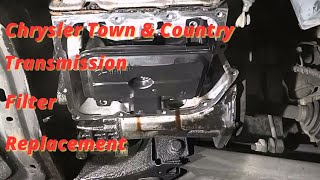

The information in this article is provided for general reference and educational purposes only. Vehicle specifications, procedures, and part compatibility can vary by production date, trim level, and region. Always consult your vehicle's factory service manual and verify part numbers before purchasing or performing repairs. Safety-critical components such as airbags, seat belts, and braking systems should be installed by a qualified professional.
- 🎬 Helpful Videos
- What Does P0869 Mean?
- Can I Drive With P0869?
- Common Causes
- Symptoms
- Diagnostic Flowchart
- Common Fixes & Costs
- DIY vs Professional
- Used vs. New Parts: Buying Guide
- What Happens If You Wait — Timeline
- Cost of Not Fixing It
- Diagnosis Steps
- When This Code Triggers (Freeze-Frame Conditions)
- Related Codes
- Climate & Environmental Factors
- How to Talk to a Mechanic About This Code
- Where to Take It: Dealer vs Independent vs Chain
- When to Walk Away From the Repair
- What Scan Tool You Need for This Code
- How to Clear the Code After You Fix It
- Will This Fail Emissions / State Inspection?
- Most Commonly Affected Vehicles
- Manufacturer-Specific Notes
- Real Owner Stories
- 2015 Ram 2500 with 68RFE at 44K miles
- 2015 Ford F-150 with erratic shifting
- 2010 Honda Accord with P0869 after a long drive
- How to Prevent This Code From Triggering
- Frequently Asked Questions
- What does P0869 mean in simple terms?
- What is the most common misdiagnosis for P0869?
- Is it safe to drive with a P0869 code?
- How much does it cost to fix P0869?
- Can I fix P0869 myself?
- Will changing the transmission fluid fix a P0869 code?
- What's the difference between the pressure sensor and the pressure control solenoid?
- Can a bad battery or low voltage cause a P0869 code?
- Key Takeaways
- 🎟️ Get 5% Off