

P0868 on 2016-2020 Ram 3500: Transmission Fluid Pressure Low Causes & Fixes
On a Ram 3500 with the 68RFE transmission, P0868 means the transmission line pressure is too low. The most common fixes are correcting a low/improper fluid level, replacing clogged or improperly installed filters (especially the pan filter O-ring after a service), or replacing a faulty line pressure sensor or solenoid block. Do not drive the vehicle, as this can lead to severe transmission damage.
- P0868 on a Ram 3500 with the 68RFE transmission is a critical code for low transmission line pressure that requires immediate attention.
- DO NOT continue to drive the vehicle. Doing so can quickly turn a repairable issue into a catastrophic transmission failure.
- Always start diagnosis by checking the transmission fluid level and condition. An incorrect level (either low or high) is a common cause.
- If the code appeared after a recent transmission service, the most likely cause is an improperly installed filter or a damaged filter O-ring.
- If fluid and filters are correct, the most probable cause is a faulty transmission solenoid block or line pressure sensor.
What's Unique About the 2016-2020 Ram 3500

This code is almost exclusively associated with the 6.7L Cummins diesel engine because it was paired with the 68RFE transmission, which has known vulnerabilities that can trigger P0868. Unlike many 🎬 Watch: A quick breakdown of what P0868 means for your truck. other vehicles where this code is a generic fluid issue, on Ram HD trucks it frequently points to specific, well-documented failure points. These include the line pressure sensor, the solenoid block, or issues with the dual-filter system. A very common scenario, frequently discussed on forums like CumminsForum.com and Turbo Diesel Register, is a split or dislodged O-ring on the pan filter's pickup tube, often occurring immediately after a recent fluid service and causing a suction leak.
Diagnostic Flowchart
Tap your situation to follow the diagnostic path that matches what you're seeing on this vehicle.
Generation note: The 2016-2020 year range covers the late fourth-generation (2016-2018) and early fifth-generation (2019-2020) Ram 3500. Both generations used the 68RFE automatic transmission with the 6.7L Cummins engine, and the causes and fixes for P0868 are generally consistent across these years. However, 2019+ models received an updated valve body.
Symptoms You May Notice
- Check Engine Light (Malfunction Indicator Lamp) is on
- Vehicle enters "limp mode," often getting stuck in 4th gear.
- Harsh or delayed shifting, sometimes described as 'brutally hard' shifts.
- Transmission slipping between gears.
- Inability to engage gears from a stop.
- Transmission overheating message on the dash.
- Burning smell from overheated transmission fluid.
- Replacing the entire transmission when the fault was a simple and inexpensive issue like an improperly seated filter O-ring or a faulty solenoid pack.
- Replacing only the fluid and filters when the code is caused by a failing pressure sensor or solenoid, leading to the code returning shortly after service.
Most Likely Causes

- Low, High, or Incorrect Transmission Fluid Level 🔴 High Probability Fluid can be consumed over time or leak. An overfilled condition can also cause aeration (bubbles on the dipstick) and pressure issues, triggering P0868. One owner on RamForum.com reported this code was caused by a dealer overfilling the transmission by over 3 quarts.
How to confirm: Check the transmission fluid level and condition with the engine running in Neutral and at operating temperature (150-170°F). The fluid should be at the correct level and not appear dark, burnt, or have bubbles.
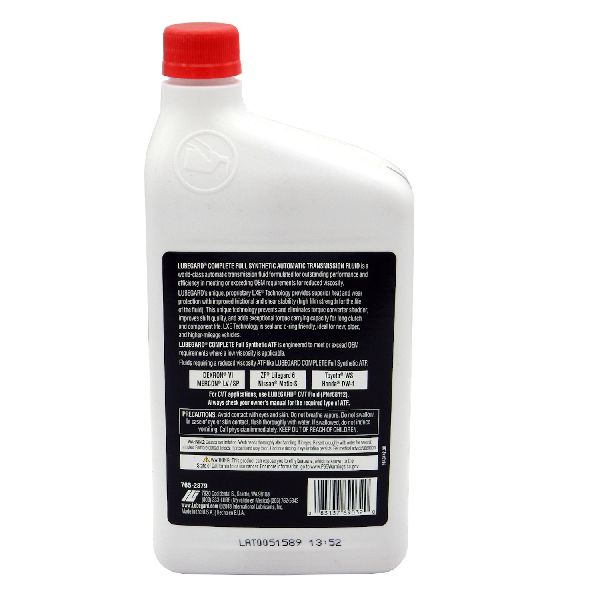
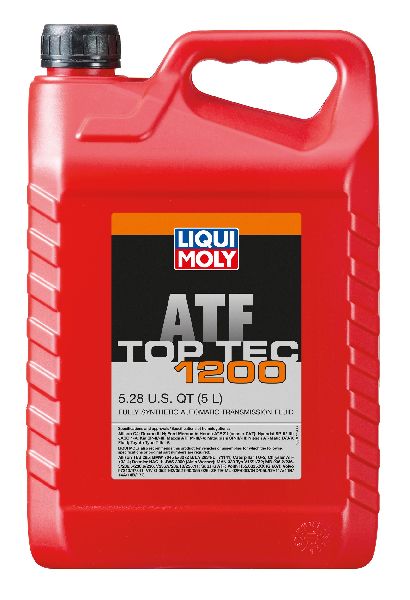
Typical fix: Adjust fluid to the correct level using only Mopar ATF+4 fluid. If low, inspect for leaks. If overfilled, extract the excess fluid.
Est. part cost: $50-$100 for fluid - Clogged or Incorrectly Installed Transmission Filters 🔴 High Probability The 68RFE has two filters. A very common issue is the O-ring on the pan filter's pickup tube getting damaged, dislodged, or not being replaced during a service, creating a suction leak that starves the pump. This often happens immediately after a transmission service, especially if non-OEM filters are used.
How to confirm: This requires dropping the transmission pan. Inspect the main sump filter for cracks and verify the O-ring is correctly installed and not damaged. The seal's metal flange should be flush with the pump housing.
Typical fix: Replace both the spin-on cooler return filter and the main sump filter inside the pan. It is highly recommended to use OEM Mopar parts to avoid fitment issues.
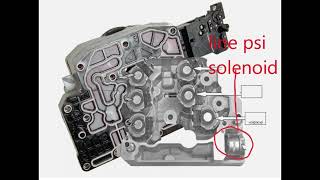
Est. part cost: $60-$120 - Failed Transmission Solenoid Block / Pack 🟡 Medium Probability The 68RFE solenoid pack is a well-known weak point that regulates line pressure. It can fail electronically or mechanically, leading to pressure control problems. Debris in the fluid can cause valves within the pack to stick.
How to confirm: Diagnosis typically involves using a scan tool to monitor solenoid performance and command pressures. If fluid and filters are good, the solenoid pack is a primary suspect.
Typical fix: Replace the entire solenoid block assembly. This is often done at the same time as a filter change since the transmission pan must be removed.
Est. part cost: $350-$600 - Failed Transmission Line Pressure Sensor (Transducer) 🟡 Medium Probability
How to confirm: Use a scan tool to compare the 'Desired Line Pressure' to the 'Actual Line Pressure'. If the actual reading is erratic, stuck at a low value (e.g., 95psi when 135psi is desired at idle), or clearly incorrect despite good fluid level, the sensor is likely faulty. A mechanical pressure gauge can be used to verify the sensor's readings.
Typical fix: On the 68RFE, the pressure sensor (transducer) is a separate component from the main solenoid block and can be replaced independently, though it is located on the valve body, requiring pan removal. Many owners replace it as a precaution when replacing the solenoid pack.
Est. part cost: $80-$150 for an OEM sensor
Rare But Worth Checking
- Worn Transmission Oil Pump: If the pump is worn or the pressure regulator valve within it is stuck, it cannot generate sufficient pressure. This is a major internal failure often indicated by excessive metal debris in the transmission pan.
- Damaged Wiring or Connectors: A chafed or corroded wire in the harness leading to the transmission, particularly the connector for the line pressure sensor, can cause an incorrect signal, triggering the code.
- Outdated Powertrain Control Module (PCM) Software: Multiple TSBs, including #1813022REVA, indicate that a PCM software update can resolve false triggers for P0868, especially when it appears with other codes. This should be checked by a dealer if no mechanical faults are found. [TSB #1813022REVA]
- Cracked or Warped Valve Body: The valve body itself can develop cracks or warp, causing internal cross-leaks between hydraulic circuits. This is a known issue, particularly around the accumulator plate area, which can lead to low line pressure.
Diagnosis Steps
- Check the transmission fluid level and condition while the engine is running, in neutral, and at operating temperature (150-170°F). Ensure it is not low or overfilled.
- Use a professional scan tool to confirm P0868 is active and check for any other related transmission codes, especially P0933.
- Monitor 'Desired Line Pressure' vs. 'Actual Line Pressure' on the scan tool. A large, consistent discrepancy (e.g., actual is 15+ psi lower than desired) points to a real pressure issue or a bad sensor.
- Inspect the main transmission wiring harness and connectors for any signs of damage, corrosion, or moisture intrusion, paying close attention to the main round connector on the driver's side.
- Drop the transmission pan. Inspect the fluid for excessive clutch material or metal shavings, which indicate severe internal damage.
- Carefully inspect the pan filter and its O-ring. Ensure the filter is not cracked and the O-ring is properly seated in the pump housing. Using a non-OEM filter is a common cause of failure.
- If fluid and filters are confirmed good, the next logical step is to test the circuits for the line pressure sensor and solenoid pack.
- If tests point to a faulty component, replace the solenoid block assembly and/or the line pressure sensor. It is highly recommended to replace both while the pan is off.
Parts You'll Likely Need

- 68RFE Transmission Solenoid Block
(OEM #68456067AB (supersedes 68456067AA, 68367309AA))— This is a very common failure item that contains the pressure control solenoids. It is the most likely electronic component to fail and cause P0868. Part has been updated by Mopar.
Trusted brands: Mopar, RevMax
OEM price range: $400-$600
Aftermarket price range: $300-$500 - 68RFE Transmission Filter Kit
(OEM #5013470AC (Kit includes pan filter and spin-on filter))— A clogged, split, or improperly installed filter is a leading cause of P0868. Replacing both the pan filter and spin-on filter with OEM parts is a critical step. The previous part number cited (68019688AA) is for the Aisin transmission, not the 68RFE.
Trusted brands: Mopar
OEM price range: $60-$120
Related Codes That Often Appear With This One
- P0933 — Hydraulic Pressure Sensor Range/Performance. This code is directly related to the line pressure sensor and often appears with P0868. TSB #18-064-25 explicitly links these two codes. [TSB #18-064-25]
- P0735 — Gear 5 Shift Incorrect Ratio. Low line pressure can cause clutches to slip, leading to gear ratio errors. TSB #18-064-25 lists this as a related code. [TSB #18-064-25]
- P0729 — Gear 6 Shift Incorrect Ratio. Similar to P0735, low pressure causes slippage and an incorrect ratio is detected by the PCM. TSB #18-064-25 lists this as a related code. [TSB #18-064-25]
- P0218 — Transmission High Temperature Operation Activated. Low line pressure causes clutch slippage, which generates excessive heat. TSB #1813022REVA lists this as a related code for the 68RFE. [TSB #1813022REVA]
Technical Service Bulletins (TSBs) & Recalls
- 18-064-25
- 1806623
- 1813022REVA
- 1813022
- 1810122REVA
- 1802321
- 18-101-22
Platform-Specific Known Issues

- A significant number of P0868 cases appear immediately after a transmission fluid and filter change. This is almost always due to using a low-quality aftermarket filter or improperly installing the pan filter's O-ring seal, causing a suction leak.
- The solenoid block on the 68RFE is a well-documented weak point. Many owners and shops will replace the solenoid pack as a preventative measure or as the primary fix after ruling out fluid and filter issues.
Mechanic-Grade Diagnostic Values
- Line Pressure Sensor (LPS) Monitored Voltage — expected: 0.35 - 4.75 Volts. Failure: Voltage outside this range indicates a sensor or wiring problem. A 5V reading on the signal wire can indicate an open ground circuit.
- Pressure Control Solenoid (PCS) Resistance — expected: ~4.9 Ohms. Failure: Resistance significantly different from 4.9 Ohms indicates a faulty solenoid.
- Other Shift Solenoids (LR, MS, UD, OD, 4C, 2C) Resistance — expected: ~1.3 Ohms. Failure: Resistance significantly different from 1.3 Ohms indicates a faulty solenoid in the pack.
- Scan Tool vs. Mechanical Gauge Pressure — expected: Readings should be within 34 kPa (5 psi) of each other.. Failure: A significant difference between the scan tool's reported pressure and a mechanical gauge's reading confirms a faulty line pressure sensor.
- P0868 Set Condition Threshold — expected: Actual line pressure must stay within 15 psi of desired line pressure.. Failure: If actual pressure is more than 15 psi below desired pressure for 3.5 seconds, the DTC will set.
Scan Tool Commands That Help

- WiTech, Autel, Launch, Snap-on: Quick Learn Procedure — This function must be performed after replacing the transmission, valve body, or solenoid pack. It resets and relearns the clutch volume indexes (CVIs), which are critical for proper shift timing and feel. Failure to perform a quick learn can lead to harsh shifting, clutch damage, and other codes.
- WiTech or equivalent: Line Pressure Test / Actuator Test — Allows a technician to command specific line pressures, overriding the TCM's calculations. This helps isolate whether the issue is with the control side (TCM, sensors) or the hydraulic/mechanical side (pump, valve body, solenoids).
Wiring & Ground Locations
- Transmission Solenoid / TRS Assembly Connector — On the driver's side of the transmission case, a large, round, 23-pin connector.. This is the main electrical interface for the entire valve body, including the line pressure sensor and all solenoids. Corrosion (especially under the yellow cap), bent pins, or a loose connection here can cause P0868 and other transmission codes.
- Engine/Chassis Grounds — Key grounds are located near the battery negative terminal, on the core support near the driver's side headlight, and from the engine block to the frame.. A poor ground connection between the PCM/TCM and the chassis can cause erratic sensor readings and incorrect solenoid operation, potentially leading to false P0868 codes and communication errors.
Real Owner Repair Stories
- Reddit user, r/Cummins (2015 Ram 2500 with 68RFE, 142k miles) — Intermittent P0868 code, especially when passing or under load. Later developed a P0750 (Low/Reverse Solenoid) and went into limp mode after hard acceleration.
❌ Tried (didn't work) Clearing the code worked temporarily but it would return under load.
✅ What actually fixed it The user was advised that the combination of codes and symptoms pointed towards a failing valve body or solenoid pack, with replacement being the recommended course of action. The final fix was not posted, but the diagnosis moved from a simple sensor to the complete valve body assembly.
Model Year Variations Within This Range
- 2019-2020: For the 2019 model year, the 68RFE received an updated valve body. While the core design and P0868 failure modes are similar, parts like the solenoid pack may have different part numbers for 2019+ trucks compared to 2016-2018 models.
Helpful Videos
Used OEM Parts in Stock

New Aftermarket Parts Available


The information in this article is provided for general reference and educational purposes only. Vehicle specifications, procedures, and part compatibility can vary by production date, trim level, and region. Always consult your vehicle's factory service manual and verify part numbers before purchasing or performing repairs. Safety-critical components such as airbags, seat belts, and braking systems should be installed by a qualified professional.
- Ram 3500:
- 🎬 Helpful Videos
- 🛍️ Shop This Part
- What's Unique About the 2016-2020 Ram 3500
- Diagnostic Flowchart
- Symptoms You May Notice
- Most Likely Causes
- Rare But Worth Checking
- Diagnosis Steps
- Parts You'll Likely Need
- Related Codes That Often Appear With This One
- Technical Service Bulletins (TSBs) & Recalls
- Platform-Specific Known Issues
- Mechanic-Grade Diagnostic Values
- Scan Tool Commands That Help
- Wiring & Ground Locations
- Real Owner Repair Stories
- Model Year Variations Within This Range
- 🎟️ Get 5% Off