

P0846 on 2013-2017 Nissan Sentra: CVT Judder, Causes, and Fixes
On a 2013-2017 Sentra, code P0846 almost always indicates a serious internal problem with the Continuously Variable Transmission (CVT), not just a bad sensor. It's strongly associated with CVT judder and is addressed in Nissan TSB NTB17-034i. The most common fix is replacing the CVT valve body or the entire transmission, a costly repair. This issue is common to other Nissan vehicles using the RE0F11A CVT.
- P0846 on a 2013-2017 Sentra is a serious code that almost always points to an internal CVT problem, not a simple sensor fix.
- The most common symptom is a noticeable judder or shudder during acceleration.
- Do not replace only the pressure sensor; the fix is typically a valve body replacement or, if metal debris is found, a full CVT replacement.
- This repair should be handled by a professional familiar with Nissan CVTs and the relevant TSBs.
- Always use genuine Nissan CVT Fluid NS-3. The wrong fluid will cause further, non-warrantable damage.
What's Unique About the 2013-2017 Nissan SENTRA

The 2013-2017 Nissan Sentra (B17 generation) uses a Jatco RE0F11A Continuously Variable Transmission (CVT) that is known for specific, widespread issues. Unlike many other vehicles where P0846 might be a straightforward sensor or wiring fix, on this platform, the code is a well-documented indicator of internal CVT problems, often manifesting as a judder or hesitation. Nissan has issued multiple technical service bulletins (like NTB17-034i) that directly link P0846 to these known mechanical failures, guiding technicians toward valve body or full CVT replacement instead of just sensor replacement.
Diagnostic Flowchart

Tap your situation to follow the diagnostic path that matches what you're seeing on this vehicle.
Symptoms You May Notice
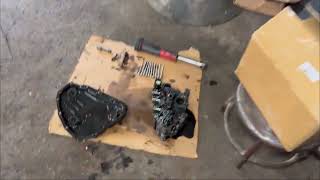
- Transmission judder (shaking, shuddering, or vibration) during acceleration. 🎬 Watch: Why your Nissan CVT is shaking and shuddering
- Hesitation or lack of power.
- RPMs flare or rev unexpectedly, especially when going uphill.
- Harsh or jerky shifting, or a lurching feeling from a stop.
- Vehicle enters 'limp mode', limiting speed.
- Inability to accelerate from a stop, requiring the car to be restarted.
- Check Engine Light is on.
- Replacing only the transmission fluid pressure sensor. This part is usually part of the valve body and is not the root cause; the code will likely return.
- Assuming the issue is a simple fluid change. While incorrect fluid can cause issues, by the time P0846 is stored, a fluid change alone is unlikely to resolve the underlying mechanical or hydraulic fault.
Most Likely Causes

- Internal CVT Failure (Control Valve Body) 🔴 High Probability These CVTs are known for issues with the valve body, which contains the solenoids and pressure sensors. This is the most common cause cited in Nissan's own technical service bulletins for this code when major mechanical debris is not found.
How to confirm: A technician will follow the diagnostic procedure in TSB NTB17-034i, which involves checking for other codes, inspecting CVT fluid and pan for debris, and potentially inspecting the CVT belt. If only fine metallic dust is found on the pan magnets, the valve body is the likely culprit.
Typical fix: Replacement of the CVT control valve assembly (valve body) and reprogramming the TCM.
Est. part cost: $800-$1500 - Internal CVT Failure (Full Assembly) 🟡 Medium Probability If the issues causing the pressure fault have led to mechanical damage, such as to the CVT's internal belt and pulleys, the entire unit must be replaced. This can happen if symptoms are ignored.
How to confirm: During the diagnostic process outlined in TSB NTB17-034i, the technician will inspect the CVT fluid and pan for excessive metallic debris. Finding large chips, chunks of metal, or other broken parts indicates widespread internal damage requiring a full replacement.
Typical fix: Replacement of the entire CVT assembly.
Est. part cost: $3500-$5000 - Low or Degraded CVT Fluid ⚪ Low Probability Incorrect fluid level or using non-approved fluid can cause hydraulic pressure problems. The 2013-2017 Sentra has a sealed transmission without a dipstick, making fluid level checks less straightforward for DIYers. Using anything other than Nissan CVT Fluid NS-3 will cause damage.
How to confirm: The fluid level must be checked via the overflow plug procedure at a specific temperature. The fluid should be inspected for color and smell; it should not be dark, burnt, or full of debris. Only Nissan CVT Fluid NS-3 should be used.
Typical fix: Perform a CVT fluid drain and fill with the correct fluid (Nissan NS-3) to the proper level. This is rarely a permanent fix if the code has already appeared.
Est. part cost: $100-$200
Rare But Worth Checking
- Faulty Transmission Fluid Pressure Sensor: While the sensor itself can fail, it is rarely the root cause on this vehicle. It is usually reporting a genuine pressure problem. Replacing only the sensor without addressing the underlying cause often results in the code returning. The sensor is integrated into the valve body and not sold separately by Nissan.
- Wiring or Connector Issues: Damage to the wiring harness leading to the transmission can cause this code, but it's much less common than the internal mechanical issues. A technician may check connectors for corrosion or damage as part of the diagnosis.
Diagnosis Steps
- Connect a professional scan tool (like Nissan CONSULT) to verify the presence of P0846 and check for any other related DTCs (e.g., P0965, P0746, P17F0).
- Interview the driver to confirm symptoms, especially CVT judder, hesitation, or noise.
- Follow the diagnostic flowchart in Nissan TSB NTB17-034i or a subsequent version. This TSB provides a detailed, step-by-step process for technicians.
- Check the CVT fluid level and condition. Note that this requires a specific procedure using the fill/overflow plug, as there is no dipstick. Only Nissan NS-3 fluid is acceptable.
- Remove the CVT oil pan and inspect the magnets for metallic debris. A small amount of fine, metallic dust is normal. Large chips, chunks, or excessive sludge indicate severe internal damage requiring CVT replacement.
- If minimal debris is found, the TSB directs the technician to replace the control valve assembly (valve body).
- If the valve body is replaced, the TCM must be reprogrammed and all required learning procedures must be performed using a compatible scan tool.
Parts You'll Likely Need
- CVT Control Valve Assembly (Valve Body)
(OEM #31705-3VX0D (may be superseded by 31705-3VX4D or other revisions))— This is the most common repair for P0846 when there is no evidence of major mechanical damage inside the CVT, as recommended by Nissan TSBs. Part numbers can vary and are often updated.
Trusted brands: Nissan (OEM)
OEM price range: $1000-$1500
Aftermarket price range: $600-$900 (Remanufactured) - CVT Assembly — Required if inspection reveals significant metallic debris in the transmission pan, indicating failure of the belt, pulleys, or other major internal components.
Trusted brands: Nissan (OEM Remanufactured)
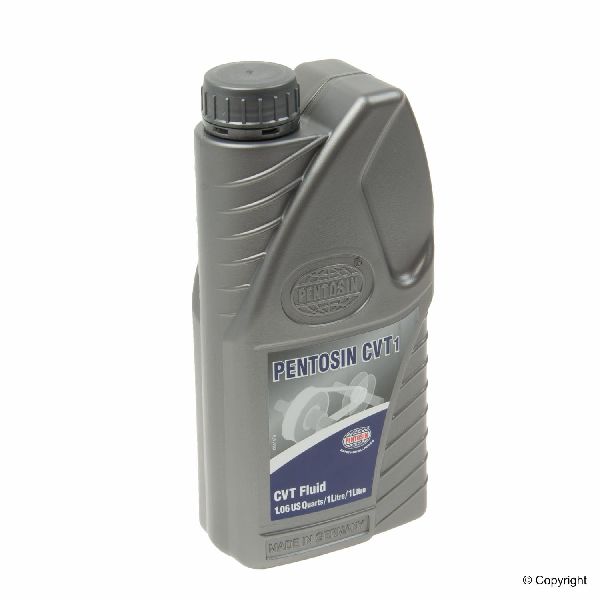
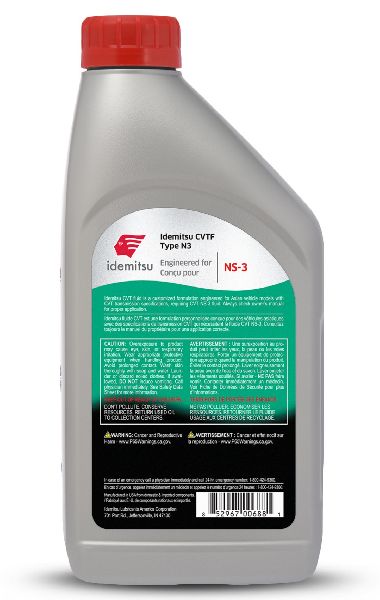
OEM price range: $3500-$5000 - Nissan CVT Fluid NS-3
(OEM #999MP-NS300P)— This is the required fluid for any service on this transmission. Using any other fluid type will cause damage. Approximately 7 quarts are needed for a drain and fill.
Trusted brands: Nissan (OEM), Idemitsu N3 (aftermarket equivalent)
OEM price range: $20-$25 per quart
Aftermarket price range: $15-$20 per quart
Related Codes That Often Appear With This One
- P0965 — This code for 'Pressure Control Solenoid B' is often stored with P0846 as they are both related to the same hydraulic control circuits within the CVT valve body. Both are mentioned in TSB NTB17-034i.
- P0746 — This code for 'Pressure Control Solenoid A' is also frequently seen with P0846 and points to a fault in the valve body or internal CVT. It is also listed in TSB NTB17-034i.
- P17F0 — This is a manufacturer-specific code for 'CVT Judder'. When seen with P0846, it strongly confirms the issue is the mechanical/hydraulic judder problem 🎬 Watch: Diagnosing the common P17F0 Nissan CVT judder code addressed by Nissan's TSBs.
- P2857, P2858, P2859, P285A — These codes relate to clutch pressure control and are also listed in Nissan's diagnostic flowcharts for CVT issues, often appearing alongside P0846 and indicating a serious internal fault.
Technical Service Bulletins (TSBs) & Recalls
- NTB17-034i: 'CVT JUDDER AND/OR P0746/P0965/P17F0/P0846 STORED' - This is the primary TSB that outlines the diagnostic flow for this specific code when accompanied by judder, often leading to valve body or CVT replacement.
- NTB19-075: A related TSB that also covers CVT judder and lists P0846 as a key diagnostic trouble code.
Platform-Specific Known Issues
- The RE0F11A CVT in these Sentra models is subject to several Technical Service Bulletins for judder and internal faults. Code P0846 is a primary indicator used in these bulletins to diagnose the problem.
- An owner complaint filed with the NHTSA (ODI #11663513) for a 2017 Sentra with code P0846 resulted in two separate shops diagnosing an internal transmission issue, corroborating the TSB findings.
- Numerous owner complaints on forums like Reddit describe a sudden onset of symptoms, including going into limp mode or losing acceleration from a stop, shortly after the P0846 code appears.
Mechanic-Grade Diagnostic Values
- Secondary Pressure at Stall — expected: 41.8-46.8 Bars (607-680 psi). Failure: Pressure outside of this range indicates a hydraulic circuit issue.
- Secondary Pressure at Idle (D/R) — expected: 5-13 Bars (72.5-200 psi). Failure: Pressure outside of this range points to a potential valve body or pump issue.
Scan Tool Commands That Help
- Nissan CONSULT or compatible professional scan tool: Auxiliary Gearbox Clutch Point Learning — This procedure is mandatory after replacing the CVT valve body or the entire transmission assembly. Failure to perform this relearn can result in harsh shifting, shift shock, or incorrect shift timing of the auxiliary gearbox.
- Nissan CONSULT or compatible professional scan tool: Conform CVTF Deteriortn (CVT Fluid Deterioration) — This resets the fluid life monitor and must be performed after a CVT fluid change or any major transmission service, as outlined in Nissan service bulletins like NTB15-037f.
- Nissan CONSULT-III plus: TCM Reprogramming — Required when replacing the valve body on certain model years to update the control logic, as specified in TSBs like NTB15-037f. The engine must be off, and all electrical loads must be turned off during this process to prevent TCM damage.
Wiring & Ground Locations
- OBD-II Data Link Connector (DLC) — Under the driver's side dashboard, to the left of the steering column.. This is the port used to connect a scan tool to read the P0846 code and perform all diagnostic functions.
- Main Chassis Ground Point — In some Sentra models, a primary grounding point with multiple wires is located behind the glove compartment, requiring significant dashboard disassembly to access.. Poor grounding can cause erratic sensor readings and communication errors between modules. While not a common cause for P0846, checking major grounds is a valid step in advanced electrical diagnosis.
- Transmission Ground — A grounding wire is typically run from a bolt on the transmission case (e.g., on or near the slave cylinder or thermostat housing) to the chassis.. A secure ground for the transmission is essential for all sensors and solenoids, including the pressure sensors within the valve body, to function correctly.
Real Owner Repair Stories
- Reddit user in r/Nissan (Nissan Sentra with 155k miles) — Car runs poorly, low MPG, heavy/random shifting, RPM flares into 5k range, lurching from a stop, sometimes fails to accelerate from a stop at all.
❌ Tried (didn't work) The user was considering replacing individual sensors and solenoids.
✅ What actually fixed it The user's symptoms (P0846, P2857, P0965, P2859) were diagnosed by a Nissan technician as requiring a full transmission replacement, indicating the sensor codes were symptoms of a larger mechanical failure. - 2CarPros Forum User (Nissan Note with RE0F11A CVT (shared with Sentra)) — Check engine light with code P0846, high fuel consumption, high revs, and some jerking.
❌ Tried (didn't work) The user was looking to buy and replace only the pressure sensor.
✅ What actually fixed it A Master Certified Mechanic advised that the correct fix is to replace the entire rebuilt valve body, as this ensures the sensor and the valves are all working correctly, rather than chasing a single component.
OEM Part Supersession History
31705-3VX0D→31705-3VX4D— Part revision by manufacturer.
Heads up: The original part 31705-3VX0D is out of production. 31705-3VX4D is listed as the replacement.Multiple (e.g., 31705-X428B, 31705-X428C)→31705-X428E— Part revision for remanufactured valve bodies.
Heads up: Many aftermarket and remanufactured valve bodies for the RE0F11A exist under various part numbers (e.g., 31705-X429C, 31705-X420B). It is critical to verify compatibility by VIN, as there are different versions.
Helpful Videos

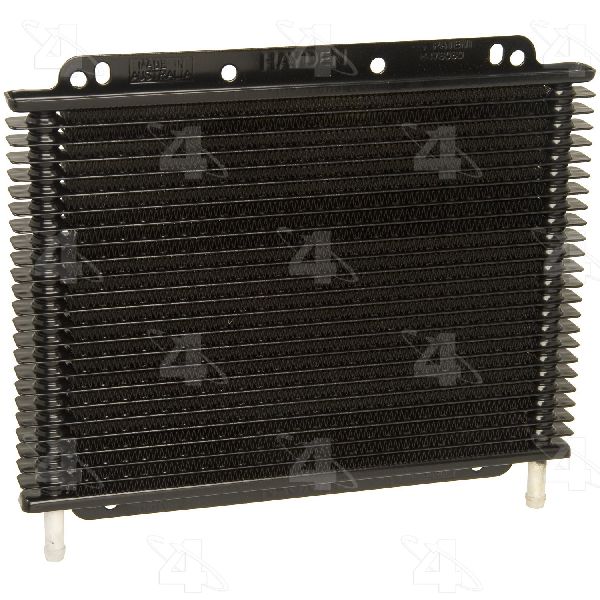
We Have This Part in Stock

The information in this article is provided for general reference and educational purposes only. Vehicle specifications, procedures, and part compatibility can vary by production date, trim level, and region. Always consult your vehicle's factory service manual and verify part numbers before purchasing or performing repairs. Safety-critical components such as airbags, seat belts, and braking systems should be installed by a qualified professional.
- Nissan SENTRA:
- 🎬 Helpful Videos
- 🛍️ Shop This Part
- What's Unique About the 2013-2017 Nissan SENTRA
- Diagnostic Flowchart
- Symptoms You May Notice
- Most Likely Causes
- Rare But Worth Checking
- Diagnosis Steps
- Parts You'll Likely Need
- Related Codes That Often Appear With This One
- Technical Service Bulletins (TSBs) & Recalls
- Platform-Specific Known Issues
- Mechanic-Grade Diagnostic Values
- Scan Tool Commands That Help
- Wiring & Ground Locations
- Real Owner Repair Stories
- OEM Part Supersession History
- 🎟️ Get 5% Off