

OBD-II Code P0826: Up/Down Shift Switch Circuit Malfunction
The Ultimate 2026 Guide to What P0826 Means, Why It Triggers, and How to Fix It
- Code P0826 disables your automatic transmission's manual shift mode (Tiptronic/paddle shifters) due to an electrical circuit failure.
- Spilled drinks in the center console cause over 50% of P0826 codes by shorting out the shifter's internal microswitches.
- You can safely drive the vehicle in standard automatic mode, but ignoring a limp-mode condition risks a $2,500+ transmission rebuild.
- Always clean sticky residue from the shifter assembly and check the transmission control fuse before buying a $300 replacement part.
- If your paddle shifters and steering wheel buttons fail simultaneously, replace the steering column clockspring.
What Does P0826 Mean?

The Powertrain Control Module (PCM) detected an electrical fault in the manual gear selector circuit. This system controls manual shifting in automatic transmissions (often called Tiptronic, SelectShift, or AutoStick). When the PCM receives an erratic, out-of-range, or missing voltage signal from the switch, it triggers code P0826 and disables manual shifting to prevent transmission damage.
Technical definition: The SAE/OBD-II definition is 'Up and Down Shift Switch Circuit.' The PCM detected a voltage variance from the upshift/downshift switch circuit outside the manufacturer's specified range. 🎬 Watch: A complete breakdown of P0826 causes and diagnostic steps. This circuit includes the physical switches, wiring, connectors, shifter circuit board, and the steering wheel clockspring for paddle shifters.
Can I Drive With P0826?
Yes, But With Caution. Yes, you can drive the vehicle, but limit trips to essential travel. The transmission shifts automatically, but manual mode (paddle shifters or +/- gate) is disabled. Some vehicles enter 'Limp Mode,' restricting speed to 35 mph. Driving in limp mode causes severe transmission damage, turning a $100 electrical fix into a $2,500 mechanical rebuild. Drive directly to a repair shop or home.
Common Causes

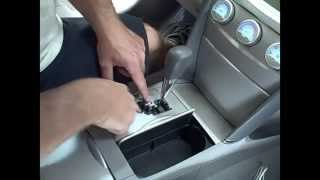
- Liquid spilled on the gear shifter assembly (Very Common) — This is the most frequent cause. Spilling coffee, soda, or water into the gear selector shorts out the sensitive electronic switches and circuit board underneath the trim. 🎬 See how to properly clean a sticky or spilled-on shifter.
- Faulty up/down shift switch (Common) — Physical switches inside the shifter or paddle shifters wear out. They stick, break, or fail to make electrical contact, sending incorrect signals to the PCM.
- Damaged wiring or corroded connectors (Common) — Wires leading to the shifter fray, pinch, or break at pivot points. Connectors corrode or loosen, interrupting the signal between the switch and the computer.
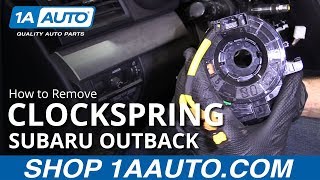
- Faulty clockspring (for paddle shifters) (Common) — In vehicles with paddle shifters, wiring runs through the steering column clockspring. This component wears out and breaks the electrical connection as the wheel turns. 🎬 Watch: How to diagnose and replace a faulty steering wheel clockspring.
- Blown fuse (Less Common) — A blown fuse disables the entire shifter circuit and triggers the code instantly.
- Defective transmission mode selector switch (Less Common) — If the separate 'Sport' or 'Manual' mode switch fails, the PCM cannot enable the up/down shift circuit.
- Low battery voltage (Less Common) — Battery voltage below 12.0V causes erratic electronic behavior. The TCM incorrectly flags the shifter circuit due to insufficient power.
- Faulty upshift solenoid (Rare) — A failing transmission solenoid causes erratic shifting that the PCM misinterprets as a switch circuit failure.
- Software or firmware glitch (Rare) — A software error in the PCM or TCM misinterprets shift signals, requiring a dealer firmware update.
- Faulty Transmission Control Module (TCM) or Powertrain Control Module (PCM) (Very Rare) — The computer module reading the switch signal fails. This is an expensive, worst-case scenario considered only after eliminating all other causes.
Symptoms

- Manual shift mode is disabled — The vehicle ignores paddle shifter or '+/-' gear lever inputs.
- Check Engine Light is on — The Malfunction Indicator Lamp (MIL) illuminates, sometimes requiring multiple failure cycles to trigger.
- Transmission or Overdrive light flashes — The transmission warning or 'O/D OFF' light flashes to indicate a critical transmission fault.
- Transmission enters 'Limp Mode' — The transmission locks into 2nd or 3rd gear to prevent damage, severely limiting vehicle speed and acceleration.
- Harsh or erratic shifting — The transmission shifts roughly or at incorrect RPMs in automatic mode due to confusing circuit signals.
- Torque converter lock-up function is lost (also visible on scanner) — The transmission fails to engage the lock-up clutch at highway speeds, increasing RPMs and reducing fuel economy.
Diagnostic Flowchart
Tap your situation to follow the diagnostic path that matches what you're seeing on this code.
Common Fixes & Costs
- Replacing a Blown Fuse — Parts: $1-$5, Labor: $0-$50, ~0.1 hr book time (Beginner)
- Cleaning the Shifter Assembly — Parts: $5-$15, Labor: $100-$200, ~1.5 hr book time (Intermediate)
- Repairing Damaged Wiring or Connectors — Parts: $10-$30, Labor: $100-$300, ~2 hr book time (Professional)
- Replacing the Shifter Assembly or Up/Down Switch — Parts: $100-$600, Labor: $150-$400, ~2 hr book time (Intermediate)
- Replacing the Clockspring — Parts: $75-$400, Labor: $150-$300, ~1.5 hr book time (Professional)
- Replacing the Transmission Range Sensor — Parts: $40-$180, Labor: $200-$300, ~2.5 hr book time (Professional)
Used vs. New Parts: Buying Guide
When a used part is worth it: For a complete shifter assembly, a used OEM part from a low-mileage vehicle (under 80K miles) saves money. Never buy a used clockspring due to airbag safety risks and hidden ribbon cable wear.
Donor-vehicle mileage cap: roughly under 80000 miles for the part to have meaningful remaining life.
Donor quality checklist:
- Verify the donor vehicle was not involved in a frontal collision (for clocksprings) or had liquid damage in the console area (for shifters).
- Match the part number exactly, including any revisions. Connectors and pinouts change mid-model-year.
- Ask for a warranty; reputable sellers of used parts offer a 30-90 day functional guarantee.
Decision logic:
- If The part is a clockspring → Strongly favor a new OEM or high-quality aftermarket part due to the safety-critical nature of the airbag system.
- If The part is a shifter assembly and the vehicle is over 100K miles → A used assembly from a low-mileage donor is a reasonable choice to save money, but inspect it for signs of wear or liquid contamination before installation.
- If The cost of a new aftermarket part is less than 50% more than a used part → Buy new for the longer warranty and assurance of no prior wear.
Warranty tradeoff: Used parts typically come with a 30-90 day warranty. New aftermarket parts often have a 1-year to limited lifetime warranty. New OEM parts carry a 12-month/12,000-mile warranty if installed by a dealer.
Worst-case if a used part fails: $300-$600 if a used electronic part fails shortly after installation, as you will have to pay for the repeat labor plus the cost of another replacement part.
What Happens If You Wait — Timeline
- 0-1 month: Manual shift mode disabled. Car drives normally in automatic. (MPG impact: 0%% · Added cost: $0)
- 1-6 months: Intermittent shorts cause occasional harsh shifts or brief limp mode events. (MPG impact: 0-2%% · Added cost: $0-$50)
- 6-12 months: Persistent voltage fluctuations stress the TCM input drivers. Limp mode becomes frequent. (MPG impact: 10%% · Added cost: $100-$300)
- 12+ months: Electrical stress destroys the TCM. Vehicle fails to shift or start. (MPG impact: 30%% · Added cost: $800-$2500)
Cost of Not Fixing It
- 0-3 months: Loss of manual shifting and potential harsh shifting. Limp mode severely restricts drivability. (Added cost: $0)
- 3-12 months: Harsh shifting accelerates wear on transmission clutches. Unresolved electrical shorts damage the Transmission Control Module (TCM). (Added cost: $1500-$3500 for TCM replacement or rebuild.)
- 12+ months: Prolonged operation with incorrect shifting pressures causes catastrophic internal transmission failure. (Added cost: $2500-$5000+ for complete transmission replacement.)
Diagnosis Steps

- Read the Fault Codes & Freeze Frame Data
Use an OBD-II scanner to confirm P0826. Note related codes (P0827, P0828, P0706) and review freeze frame data to identify operating conditions during the fault.
Tools: OBD-II Scanner (Beginner) - Perform a Thorough Visual Inspection
Inspect the gear shifter for sticky residue, debris, or physical damage. Check the wiring harness for chafing or breaks where it enters the console.
Tools: Flashlight, Trim Removal Tools (Beginner) - Check Relevant Fuses
Locate the transmission control fuse in the owner's manual. A blown fuse indicates a short circuit requiring immediate repair.
Tools: Owner's Manual, Fuse Puller (Beginner) - [PRO TIP] Live Data Stream Analysis
Use an advanced scanner to monitor the 'Up/Down Shift Switch' PID. Toggle the shifter; if the status remains unchanged or erratic, the circuit is faulty.
Tools: Advanced OBD-II Scanner (Advanced) - Inspect Wiring and Connectors
Remove the center console trim. Disconnect the shifter and inspect pins for corrosion or moisture. Tug wires gently to ensure secure seating.
Tools: Trim Removal Tools, Screwdrivers (Intermediate) - Test the Shift Switch with a Multimeter
With the shifter unplugged, set a multimeter to Ohms. Probe the switch contacts while pressing the buttons. Resistance must change dramatically (open to closed).
Tools: Digital Multimeter, Wiring Diagram (Intermediate) - Check for Voltage and Ground at the Connector
Identify the 5V/12V reference and ground wires. With the key on, verify correct voltage and solid ground. Missing voltage indicates an upstream wiring break.
Tools: Digital Multimeter, Wiring Diagram (Advanced) - Test the Clockspring (If Applicable)
For paddle shifters, check continuity through the clockspring signal wires while turning the steering wheel lock-to-lock. Resistance spikes indicate a broken internal ribbon.
Tools: Digital Multimeter, Wiring Diagram (Professional) - [ADVANCED] Quantitative Switch Resistance Test
Probe the switch's signal and ground pins. Open resistance must be 'OL' (infinite). Closed resistance must drop below 1.0 Ω. Higher closed resistance confirms a faulty switch.
Tools: Digital Multimeter, Wiring Diagram (Advanced) - [ADVANCED] Quantitative Voltage Drop Test
Back-probe the signal wire. Key on, it reads reference voltage (e.g., 5V). Pressing the switch drops voltage to <0.5V. No drop means an open circuit; constant <0.5V means a short to ground.
Tools: Digital Multimeter, Back-probe Kit, Wiring Diagram (Advanced) - [PRO TIP] Scope Pattern Analysis
Back-probe the signal wire with an oscilloscope. A healthy switch produces a clean square wave. Slow or noisy voltage drops reveal erratic switch contacts.
Tools: Oscilloscope, Wiring Diagram (Professional)
When This Code Triggers (Freeze-Frame Conditions)
- Engine Coolant Temp: 170-210°F (Fully warmed up)
- RPM: 1200-2500 (Light acceleration or steady cruise)
- Engine Load: 25-60% (Normal driving, not under heavy load)
- Vehicle Speed: 25-60 mph (City or highway driving)
Related Codes
- P0827 — Up and Down Shift Switch Circuit Low. The computer sees a constant low voltage, indicating a short to ground.
- P0828 — Up and Down Shift Switch Circuit High. The computer sees a constant high voltage, indicating an open circuit or broken wire.
- P0705 — Transmission Range Sensor Circuit Malfunction. The PCM receives conflicting gear position data. Always diagnose and fix P0705 first, as it often triggers P0826.
- P0706 — Transmission Range Sensor Circuit Range/Performance. Indicates an illogical sensor signal. Fixing P0706 usually clears the associated P0826 code.
Climate & Environmental Factors
- Cold Weather: Extremely cold temperatures cause wiring insulation to become brittle and crack at flex points, creating new shorts or open circuits.
- High Humidity / Salty Air: Moisture accelerates corrosion on connector pins and circuit boards, especially after a spill. This increases electrical resistance, triggering P0826.
- Extreme Heat: High cabin temperatures bake spilled sugary liquids into a hard, conductive crust on the shifter circuit board, permanently shorting the microswitches.
How to Talk to a Mechanic About This Code
Say this: "I have a P0826 code and manual shift is disabled. Please inspect the shifter assembly, connector, and wiring for liquid damage or breaks before quoting a full replacement."
This directs the technician to diagnose the cheapest problems first, preventing unnecessary $500 part replacements.
Avoid saying:
- 'My check engine light is on, can you just fix it?'
- 'The internet said to replace the shifter, how much is that?'
- 'My paddle shifters are broken.'
Questions to ask before authorizing the repair:
- Did you find any evidence of liquid damage or corrosion in the shifter or on its connector?
- How did you test the switch? Did you check it with a multimeter or by watching live data on a scan tool?
- If you are recommending a clockspring replacement, what was the result of the continuity test while turning the steering wheel?
- Is a wiring repair possible, or is the entire component truly faulty?
Where to Take It: Dealer vs Independent vs Chain
- Dealer:
Recommended only for vehicles under warranty or with active TSBs.
Best for: Vehicles still under the original powertrain warranty., Known manufacturer-specific issues covered by a Technical Service Bulletin (TSB) or extended warranty program (e.g., Subaru clockspring)., Very new or complex models (e.g., late-model German vehicles) where independent shops may lack specific diagnostic software.
Downsides: Highest labor rates, often 1.5x to 2x more than independent shops., More likely to recommend replacing a full assembly (e.g., entire shifter) rather than attempting a more nuanced wiring or component-level repair. (Typical cost: +50% vs. baseline) - Independent Shop:
Best fit. Auto electric specialists efficiently diagnose circuit faults and repair wiring, saving money over full replacements.
Best for: Most out-of-warranty vehicles., Diagnosing and repairing common electrical faults like broken wires, corroded connectors, or cleaning liquid-damaged components., Owners seeking the best value and a direct line of communication with the technician.
Downsides: Shop quality and diagnostic skill can vary greatly; it's important to choose one with a good reputation for electrical work., May not have access to the very latest dealer-level software for brand-new models. (Typical cost: +0% vs. baseline) - Chain Shop:
AVOID. Chain shops lack specialized electrical diagnostic training and frequently misdiagnose P0826.
Best for: Simple, unrelated maintenance like oil changes or tire rotations.
Downsides: Technicians often lack the specialized electrical diagnostic training needed for a code like P0826., High pressure to sell parts can lead to misdiagnosis and unnecessary replacement of expensive components like the shifter assembly or TCM. (Typical cost: -10% vs. baseline)
When to Walk Away From the Repair
If the P0826 repair exceeds 40-50% of the vehicle's private-party value, sell or trade it in.
- Car worth $3500, fix is $1800: Walk away. The repair cost is over 50% of the car's value. It is not a sound financial decision to proceed.
- Car worth $15000, fix is $800: Fix it. The repair cost is well under the threshold and will restore full functionality to the vehicle.
- Car worth $5000, fix is $2000: Borderline. At 40% of the vehicle's value, get a second opinion. If another reputable shop confirms the diagnosis and cost, consider your car's overall condition before proceeding.
What Scan Tool You Need for This Code

Minimum: A scanner that can read and clear codes from the Transmission Control Module (TCM) and display live data PIDs (Parameter IDs).
A basic $20 code reader will only tell you the P0826 code exists. It cannot show you the live data for the 'Up/Down Shift Switch' status, which is crucial for confirming if the switch is sending a signal when you move the shifter.
Budget: BlueDriver Pro Scan Tool or OBDeleven 3 (~$100) — Displays live data streams from the TCM to verify switch operation in real time.
Mid-range: Foxwell NT510 Elite or Innova 5610 (~$180) — Offers OEM-specific transmission data and live graphing to catch intermittent switch failures.
Professional: Autel MaxiCOM MK808 or XTOOL D7 (~$450-600) — Provides full bidirectional control and dealer-level module access.
Rent vs buy: For a one-time diagnosis, use the free 'Loan-A-Tool' program from stores like AutoZone. You pay a deposit for the scanner, which is fully refunded when you return it within 90 days. Buy a scanner only if you plan to do your own car repairs more than once or twice a year.
How to Clear the Code After You Fix It
- Reconnect battery if disconnected for repair
- Use an OBD-II scan tool to clear all fault codes.
- Perform a complete drive cycle to allow readiness monitors to run.
Drive cycle (~30 minutes): Start with a cold engine (coolant temp below 122°F). Idle for 2-3 minutes. Drive for 15-20 minutes with a mix of city (stops and starts) and highway speeds (steady 55 mph for at least 3-5 minutes). Allow the vehicle to coast down from highway speed without braking. Let the vehicle cool down completely (8+ hours) and repeat if necessary.
Readiness monitors affected: Comprehensive Component Monitor (CCM), Catalyst Monitor, EVAP System Monitor
Before emissions retest: drive at least 100 miles to fully set monitors.
Watch out for:
- Simply disconnecting the battery clears the code but resets readiness monitors, causing an automatic emissions failure.
- The code returns immediately if the root circuit fault remains unrepaired.
- Fuel tanks must be between 15% and 85% full for the EVAP monitor to run.
Will This Fail Emissions / State Inspection?
Yes — this code typically fails an OBD-II emissions inspection.
- California: An active P0826 Check Engine Light is an automatic failure for a smog check. After repair, a complete drive cycle must be performed to set all readiness monitors to 'complete' before a re-test is possible.
- New York: The NYS DMV vehicle safety/emissions inspection includes an OBD-II scan. An illuminated MIL (Check Engine Light) will result in an automatic inspection failure.
- Texas: In the 17 Texas counties requiring emissions testing, an active P0826 code will cause the vehicle to fail the OBD-II portion of the annual inspection.
Most Commonly Affected Vehicles
- Jaguar S-Type, X-Type, XK (2002-2008) — The J-Gate shifter circuit board is highly sensitive to moisture. A single spilled drink is the leading cause of P0826.
- Ford Focus, Fusion, Kuga/Escape (2012-2018) — Millions of 2013-2021 Fords were recalled for faulty shifter cable bushings (NHTSA 22S43). Always check TSBs for updated shifter wiring repair procedures.
- Subaru Outback, Legacy, Impreza WRX (2010-2019) — Subaru issued extended warranties for clocksprings on certain models due to high failure rates. Check your VIN with a dealer for a potential free repair.
- Dodge / Chrysler Charger, 300, Grand Caravan (2008-2014) — The 'AutoStick' feature becomes inoperative due to a faulty shifter assembly circuit board or broken solder joints.
- Nissan Altima, Maxima (2007-2015) — This code points to a fault within the shifter assembly's electronic components. On higher mileage vehicles, it indicates early CVT issues causing erratic electrical behavior.
- Chevrolet Cruze, Malibu, Sonic (2011-2019) — On the Cruze and Sonic, wires for the +/- shift button break at the shift knob base due to repeated flexing. This requires a targeted wiring repair.
- Volkswagen / Audi Jetta, Golf, GTI, A3, A4 (2006-2016) — Relates to a failure of the microswitches within the DSG/Tiptronic shifter assembly. The actuating magnet often dislodges and requires repositioning.
- BMW 3-Series (E90), 5-Series (E60) (2005-2013) — Failures occur in the Steptronic shifter assembly wiring. The insulation becomes brittle and flakes off, causing shorts.
Manufacturer-Specific Notes
- Jaguar: The J-Gate shifter circuit board is highly sensitive to moisture. A single spilled drink is the leading cause of P0826.
- Ford: Millions of 2013-2021 Fords were recalled for faulty shifter cable bushings (NHTSA 22S43). Always check TSBs for updated shifter wiring repair procedures.
- Chevrolet: On the Cruze and Sonic, wires for the +/- shift button break at the shift knob base due to repeated flexing. This requires a targeted wiring repair.
- Subaru: Subaru issued extended warranties for clocksprings on certain models due to high failure rates. Check your VIN with a dealer for a potential free repair.
- General: The Check Engine Light often requires two or three consecutive failure cycles to illuminate after the initial fault occurs.
Real Owner Stories
2014 Subaru Impreza at 140K miles
Horn and steering wheel buttons suddenly stopped working, triggering P0826 and an airbag light.
What they tried:
- Checked the horn fuse and relay, which were fine.
- Verified the horn worked using the panic button on the remote, isolating the problem to the steering wheel circuit.
Outcome: Owner diagnosed a failed clockspring. Replaced it with an aftermarket part for around $40-$50 and spent about an hour on the repair. All functions were restored.
Lesson: If multiple steering wheel functions fail simultaneously, replace the clockspring. Testing the horn with the panic button isolates the steering wheel circuit.
2011 Chevy Cruze with 50K miles
Car would not accelerate past 20 MPH and was stuck in a low gear (Limp Mode). Check engine light eventually came on.
What they tried:
- A first mechanic changed the transmission fluid for $120, which did not solve the problem.
- A second mechanic read multiple codes including P0815/P0816 (upshift/downshift circuit) and others pointing to internal transmission failure.
Outcome: The combination of codes indicated a severe internal transmission problem, not just a simple shifter switch fault. The recommendation was a transmission replacement.
Lesson: P0826 appearing alongside codes like P0741 or P0776 indicates severe internal transmission failure, not a simple switch fault.
2009 Nissan Altima, mileage unknown
Check Engine Light came on. Scanned the code and found P0826. The manual shifting mode still appeared to work fine.
What they tried:
- Owner posted on a forum seeking advice on the urgency of the repair.
Outcome: Forum experts advised that the issue was likely a dirty or stuck microswitch in the shifter assembly, possibly from debris or a past spill. The advice was to remove the center console trim and clean the switch mechanism.
Lesson: An intermittent P0826 without drivability symptoms usually points to debris in the shifter. Cleaning the microswitches resolves the issue cheaply.
Land Rover LR3, mileage unknown
P0826 code present, manual shifting disabled.
What they tried:
- Technician had previously seen this code on a Range Rover Sport caused by corrosion on the shifter's electrical connector.
Outcome: Upon disassembly of the center console, the technician found corrosion on the connector pins for the shifter assembly. Cleaning the connector and applying dielectric grease resolved the fault.
Lesson: Always inspect the electrical connector for corrosion before replacing the shifter assembly. A $5 can of contact cleaner prevents a $500 repair.
How to Prevent This Code From Triggering
- Use spill-proof containers for drinks in the car. (Daily habit) — Use spill-proof containers to prevent liquid from shorting the shifter electronics.
- Clean the center console and shifter area regularly. (Every 3-6 months) — Vacuum the center console to prevent debris from jamming the microswitches.
- Apply dielectric grease to the shifter connector. (When servicing the console or if corrosion is found.) — Apply dielectric grease to connector pins to prevent moisture intrusion and corrosion.
- Avoid yanking or putting stress on the gear shifter. (Daily habit) — Avoid aggressive shifting to prevent internal wire breakage, especially on shift-knob buttons.
- Secure the clockspring when doing steering system repairs. (During steering wheel or column service.) — Tape the clockspring securely during steering repairs to prevent ribbon cable breakage.
Frequently Asked Questions
Can a spilled drink really cause my Check Engine Light to come on?
Yes. Spilled liquids are the most common cause of P0826. Modern gear shifters contain sensitive, non-waterproof circuit boards that short out easily.
What is the most common misdiagnosis for P0826?
Mechanics often replace the entire $500 shifter assembly without checking for simpler issues. A blown fuse, hidden wire break, or sticky microswitch are frequently overlooked.
Is it expensive to fix code P0826?
Costs vary widely based on the root cause. A simple wiring repair or cleaning costs $100-$250. Replacing the shifter assembly or clockspring ranges from $400 to $800+.
My paddle shifters stopped working. Could the problem be in my steering wheel?
Yes. Paddle shifter wiring runs through the steering column's clockspring. Repeated steering wheel rotation breaks the internal wires, disabling the paddles and triggering P0826.
Why did my manual mode stop working but the car still drives fine in automatic?
The manual shift circuit is completely separate from the main automatic shifting logic. The computer disables the faulty manual circuit for safety but allows standard automatic operation.
Can I fix P0826 myself?
You can clean a sticky shifter or check fuses yourself with basic tools. Leave complex electrical testing or clockspring replacement to professionals to avoid airbag deployment risks.
Can a bad battery cause code P0826?
Yes. A weak battery causes low voltage across the electrical system. The Transmission Control Module (TCM) generates erroneous P0826 codes when it lacks sufficient power.
What's the difference between P0826, P0827, and P0828?
They all relate to the same circuit. P0826 is a general fault, P0827 indicates a short to ground (Circuit Low), and P0828 indicates an open circuit (Circuit High). The specific code helps technicians pinpoint the exact electrical failure.
Key Takeaways
- Code P0826 disables your automatic transmission's manual shift mode (Tiptronic/paddle shifters) due to an electrical circuit failure.
- Spilled drinks in the center console cause over 50% of P0826 codes by shorting out the shifter's internal microswitches.
- You can safely drive the vehicle in standard automatic mode, but ignoring a limp-mode condition risks a $2,500+ transmission rebuild.
- Always clean sticky residue from the shifter assembly and check the transmission control fuse before buying a $300 replacement part.
- If your paddle shifters and steering wheel buttons fail simultaneously, replace the steering column clockspring.
Helpful Videos

The information in this article is provided for general reference and educational purposes only. Vehicle specifications, procedures, and part compatibility can vary by production date, trim level, and region. Always consult your vehicle's factory service manual and verify part numbers before purchasing or performing repairs. Safety-critical components such as airbags, seat belts, and braking systems should be installed by a qualified professional.
- 🎬 Helpful Videos
- What Does P0826 Mean?
- Can I Drive With P0826?
- Common Causes
- Symptoms
- Diagnostic Flowchart
- Common Fixes & Costs
- Used vs. New Parts: Buying Guide
- What Happens If You Wait — Timeline
- Cost of Not Fixing It
- Diagnosis Steps
- When This Code Triggers (Freeze-Frame Conditions)
- Related Codes
- Climate & Environmental Factors
- How to Talk to a Mechanic About This Code
- Where to Take It: Dealer vs Independent vs Chain
- When to Walk Away From the Repair
- What Scan Tool You Need for This Code
- How to Clear the Code After You Fix It
- Will This Fail Emissions / State Inspection?
- Most Commonly Affected Vehicles
- Manufacturer-Specific Notes
- Real Owner Stories
- 2014 Subaru Impreza at 140K miles
- 2011 Chevy Cruze with 50K miles
- 2009 Nissan Altima, mileage unknown
- Land Rover LR3, mileage unknown
- How to Prevent This Code From Triggering
- Frequently Asked Questions
- Can a spilled drink really cause my Check Engine Light to come on?
- What is the most common misdiagnosis for P0826?
- Is it expensive to fix code P0826?
- My paddle shifters stopped working. Could the problem be in my steering wheel?
- Why did my manual mode stop working but the car still drives fine in automatic?
- Can I fix P0826 myself?
- Can a bad battery cause code P0826?
- What's the difference between P0826, P0827, and P0828?
- Key Takeaways
- 🎟️ Get 5% Off