

P0814 on 2017-2020 Jeep Compass: Transmission Range Display Circuit Causes and Fixes
On a 2017-2020 Jeep Compass, code P0814 is most often caused by a software glitch in the Electronic Shift Module (ESM). The primary fix is a software update performed by a Jeep dealer, as outlined in Technical Service Bulletin 08-210-22. If not software, the cause is likely a faulty transmission range sensor or wiring.
- For a 2017-2020 Jeep Compass, P0814 is most likely a software problem.
- Before replacing any parts, have a Jeep dealer check if your vehicle needs the software update specified in TSB 08-210-22.
- Symptoms include a flickering or dead gear indicator (PRNDM), a 'Vehicle not in park' message, and a battery that drains overnight.
- If the software flash doesn't fix it, the next most likely cause is a failed Transmission Range Sensor.
What's Unique About the 2017-2020 Jeep COMPASS

For the second-generation Jeep Compass (MP platform), this code is strongly linked to a known software issue. Jeep issued Technical Service Bulletin (TSB) 08-051-20, later superseded by 08-210-22, specifically to address this problem by reprogramming the Electronic Shift Module (ESM). This makes a software update the most probable solution, distinguishing it from many other vehicles where a faulty sensor is immediately suspected.
Diagnostic Flowchart
Tap your situation to follow the diagnostic path that matches what you're seeing on this vehicle.
Symptoms You May Notice

- PRNDM (gear indicator) lights on the dashboard flicker or do not light up at all.
- Check Engine Light (Malfunction Indicator Lamp) is on.
- Vehicle may stall if shifted out of Park while cranking.
- A 'Vehicle not in park' message may appear on the Instrument Panel Cluster (IPC) even when the lever is in Park.
- Vehicle may not turn off completely, with the engine off but some modules remaining awake, leading to a drained battery.
- Difficulty starting the engine if the vehicle cannot confirm it is in Park or Neutral.
- In some cases, the radio or infotainment screen may stay on after the vehicle is shut off, contributing to battery drain.
- Replacing the transmission range sensor when only a software update was needed. Given the known TSB, the software should always be checked first to avoid unnecessary expense.
Most Likely Causes

- Electronic Shift Module (ESM) Software 🔴 High Probability Jeep issued TSB 08-051-20 (and a later revision 08-210-22) specifically to correct this fault via a software update, indicating it's a widespread, known issue affecting multiple model years.
How to confirm: A Jeep dealership or a properly equipped independent shop can check the current software version of the ESM using a wiTECH scan tool and compare it against the latest version available as per the TSB.
Typical fix: Reprogramming (flashing) the Electronic Shift Module with the latest software. The procedure also requires a PROXI alignment and BCM hard reset.
Est. part cost: $0 - Faulty Transmission Range Sensor (TRS) 🟡 Medium Probability This sensor, also known as a neutral safety switch, reads the physical position of the gear selector. Like any electronic sensor, it can fail over time due to internal wear or heat exposure from the transmission.
How to confirm: After ruling out software, a technician can test the sensor's output signal with a multimeter to see if it matches the manufacturer's specifications for each gear position. This involves checking for correct voltage and resistance values as outlined in the factory service manual.
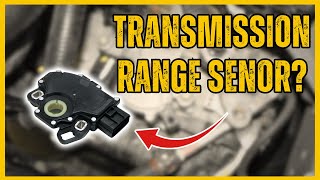
Typical fix: Replace the transmission range sensor. 🎬 See this replacement walkthrough for a new transmission range sensor.
Est. part cost: $55-$325 - Wiring or Connector Issue ⚪ Low Probability The wiring harness between the transmission range sensor, ESM, and instrument cluster can become damaged, corroded, or loose, though this is less common than software or sensor failure. Connectors exposed to the elements are the most likely points of failure.
How to confirm: Visually inspect the wiring harness for obvious damage. Perform a continuity and resistance test on the circuit with a multimeter to find any open circuits or shorts.
Typical fix: Repair the damaged section of wire or replace the faulty connector.
Est. part cost: $20-$100
Rare But Worth Checking
- Instrument Cluster Failure: While rare, the instrument cluster itself can fail, preventing the gear position from being displayed even if the rest of the circuit is working correctly. This is usually diagnosed only after all other possibilities have been eliminated.
- Powertrain Control Module (PCM) or Transmission Control Module (TCM) Failure: A failure in the main computer is very unlikely but possible. This would typically be accompanied by other, more severe symptoms and trouble codes.
- Weak or Failing Battery: Modern Jeeps are known to exhibit strange electrical behavior and throw spurious codes when the main or auxiliary battery is failing. While not a direct cause of the P0814 circuit fault, a low voltage condition can cause communication errors between modules, potentially triggering this code among others. If you also have slow cranking or other electrical gremlins, test the battery.
Diagnosis Steps
- Check for Technical Service Bulletins (TSBs). The first step for this specific code on this vehicle is to check for TSB 08-051-20 or its successor, 08-210-22.
- Verify Software Version. If the TSB is applicable, have a dealer or qualified shop check the Electronic Shift Module's software. If it's outdated, reprogram it. This requires a wiTECH scan tool and a stable power supply to the vehicle during the flash.
- Inspect Wiring and Connectors. Visually inspect the wiring harness leading to the transmission range sensor for any signs of damage, corrosion, or loose connections. Pay close attention to the connector at the sensor itself.
- Test the Transmission Range Sensor (TRS) Circuit. Use a multimeter to check for proper voltage (often a 5V reference) and continuity in the circuit between the sensor and the control module.
- Test the TRS Itself. If the circuit is good, test the sensor's internal resistance at each gear position to ensure it's within the specifications listed in the factory service manual.
- Check Battery Health. Given the platform's sensitivity to voltage, have both the main and auxiliary batteries professionally load tested to rule out low voltage as a contributing factor.
- Diagnose Control Modules. If all of the above check out, further diagnostics would be needed on the instrument cluster and powertrain/transmission control modules, which typically requires a professional.
Parts You'll Likely Need

- Transmission Range Sensor
(OEM #68197333AA)— If the issue is not software-related, this sensor is the most likely hardware component to have failed. It is responsible for reporting the gear selector's position. This part number fits various Jeep models including the Compass and Cherokee with the 9-speed automatic transmission.
Trusted brands: Mopar, Crown Automotive
OEM price range: $300-$460
Aftermarket price range: $50-$75
Related Codes That Often Appear With This One
- P081C — This code for 'Park Input Circuit' is explicitly mentioned in the revised TSB (08-210-22) and relates to the same system's inability to correctly determine if the vehicle is in Park.
Technical Service Bulletins (TSBs) & Recalls
- 08-051-20: 'Flash: Electronic Shift Module (ESM) Updates' - The original bulletin to reprogram the ESM to fix P0814 and flickering PRNDM lights.
- 08-210-22: This bulletin supersedes 08-051-20, expanding the model years covered (up to 2022 for some configurations), adding DTC P081C, and providing more detailed symptoms like battery drain and 'Vehicle not in park' messages.
Platform-Specific Known Issues
- A widely acknowledged software issue prompted Jeep to release TSB 08-051-20, later superseded by TSB 08-210-22, which instructs dealers to reprogram the Electronic Shift Module (ESM) to fix the P0814 code and its associated symptoms.
- The battery drain symptom associated with this code is a significant owner complaint. The fault prevents the Body Control Module (BCM) and other systems from entering 'sleep mode', causing a parasitic draw that can drain a healthy battery overnight.
Mechanic-Grade Diagnostic Values
- Sensor Reference Voltage — expected: Typically 5V or 12V (check service manual). Failure: No voltage or significantly low voltage indicates a wiring or PCM/TCM issue.
- Circuit Continuity to Ground — expected: >30 MOhms (very high resistance). Failure: Low resistance or a reading near zero indicates a short to ground in the wiring.
- Wiring Harness Continuity — expected: Approx. 0 Ohms. Failure: High resistance or an 'OL' (Open Loop) reading indicates a break in the wire.
Scan Tool Commands That Help

- wiTECH: ESM Reprogramming — This is the primary repair step outlined in TSB 08-210-22 to load the corrected software that resolves the P0814 fault.
- wiTECH or equivalent (AlfaOBD, Appcar): PROXI Alignment (Configuration) — This must be performed after reprogramming the ESM or replacing modules. It synchronizes the vehicle's configuration across all electronic modules to prevent communication mismatches, which can cause a flashing odometer or other faults.
- wiTECH: BCM Hard Reset — This is the final step listed in the TSB repair procedure after reprogramming and PROXI alignment to ensure the Body Control Module fully recognizes the changes.
- wiTECH: Loss of Comm Test — If the software fix does not resolve the issue, this function can help diagnose intermittent wiring or BUS communication problems by monitoring module responsiveness during a wiggle test.
Wiring & Ground Locations
- G102 / G103 — Potentially on top of the transmission housing. This is based on diagrams for an earlier model year (2012) Compass, but locations are often carried over.. A poor ground connection at the transmission can cause erratic behavior and incorrect signals from sensors mounted on it, including the Transmission Range Sensor.
- G301 — Potentially under the driver's seat, near the floor. This location is cited for a Grand Cherokee, but is noted to ground the TRS assembly.. Interior grounds can be responsible for circuits that run from the transmission to the control modules inside the cabin. Corrosion or looseness here could interrupt the signal.
Model Year Variations Within This Range
- 2017-2022: TSB 08-210-22, which supersedes the original TSB, expands the range of affected vehicles and provides specific build date cutoffs. For example, it applies to 'M1' market code vehicles built on or before August 24, 2021, and 'M4' vehicles built on or before August 1, 2021, among others. This means a 2021 or 2022 Compass could be affected while a later-build 2021/2022 may not be.
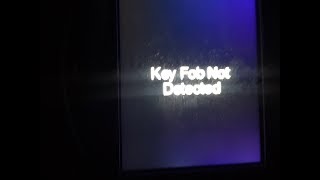
Helpful Videos
Used OEM Parts in Stock


New Aftermarket Parts Available

The information in this article is provided for general reference and educational purposes only. Vehicle specifications, procedures, and part compatibility can vary by production date, trim level, and region. Always consult your vehicle's factory service manual and verify part numbers before purchasing or performing repairs. Safety-critical components such as airbags, seat belts, and braking systems should be installed by a qualified professional.
- Jeep COMPASS:
- 🎬 Helpful Videos
- 🛍️ Shop This Part
- What's Unique About the 2017-2020 Jeep COMPASS
- Diagnostic Flowchart
- Symptoms You May Notice
- Most Likely Causes
- Rare But Worth Checking
- Diagnosis Steps
- Parts You'll Likely Need
- Related Codes That Often Appear With This One
- Technical Service Bulletins (TSBs) & Recalls
- Platform-Specific Known Issues
- Mechanic-Grade Diagnostic Values
- Scan Tool Commands That Help
- Wiring & Ground Locations
- Model Year Variations Within This Range
- 🎟️ Get 5% Off