

P0776 on 2001-2008 Chevrolet Silverado 2500: Causes and Fixes
P0776 on a Silverado 2500 indicates a problem with the Pressure Control Solenoid 'B', often due to dirty transmission fluid or a failing solenoid. The most common fix is to service the transmission, which includes changing the fluid, filter, and often the solenoid itself, costing between $200 and $500 for parts and labor. However, on Allison transmissions, this code can also be triggered by using an incorrect spin-on filter or even by internal mechanical damage.
- P0776 means Pressure Control Solenoid 'B' in your transmission is not working correctly, leading to serious shifting problems.
- The most common causes are old/dirty transmission fluid, a clogged filter, or the solenoid itself failing.
- Start your diagnosis by checking the transmission fluid. A simple fluid and filter service often fixes the problem.
- On Allison transmissions, be sure to use a high-quality OEM-spec spin-on filter, as cheap alternatives are a known cause of this code.
- This is not a DIY-friendly fix for beginners. Professional diagnosis is recommended to avoid causing more severe transmission damage.
What's Unique About the 2001-2008 Chevrolet SILVERADO 2500
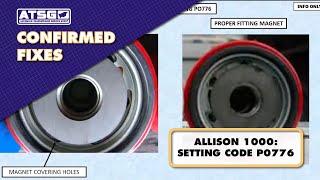
The 2001-2008 Silverado 2500, particularly the HD models, often came equipped with the robust Allison 1000 or 4L80-E transmissions. For these units, code P0776 can be triggered by a surprisingly wide range of issues beyond just a bad solenoid. Technicians from the Automatic Transmission Service Group (ATSG) 🎬 Watch: ATSG experts explain why the Allison 1000 sets P0776. warn that the Allison 1000 can set a P0776 for problems like a restricted spin-on filter, using a substandard aftermarket filter, a leaking case connector, or even a chipped tooth on an internal speed sensor tone wheel. This means diagnosis requires looking beyond the solenoid itself to common wear and maintenance items specific to these heavy-duty transmissions.
Diagnostic Flowchart
Tap your situation to follow the diagnostic path that matches what you're seeing on this vehicle.
Generation note: This range covers the end of the first generation ('GMT800', 2001-2007 Classic) and the beginning of the second generation ('GMT900', 2007.5-2008). Both generations used heavy-duty transmissions like the Allison 1000 (5-speed until 2005, 6-speed from 2006) and 4L80-E where this code can appear. The fundamental causes and diagnostic steps are similar across these generations for this specific code.
Symptoms You May Notice
- Harsh, jerky, or delayed gear shifts.
- Transmission slipping between gears.
- Vehicle enters 'limp mode', often stuck in 2nd or 3rd gear.
- Inability to shift into higher gears.
- Failure to complete the 3-4 shift, especially when cold, forcing the transmission into 3rd gear limp mode until the vehicle is restarted.
- Check Engine Light or Transmission Warning Light is on.
- Reduced fuel economy.
- In some cases, no reverse gear, as noted in a related TSB. [Bulletin #PIP4379N]
- Immediately replacing the Transmission Control Module (TCM) without first checking fluid, filters, and the solenoid itself.
- Assuming the entire transmission needs to be rebuilt without performing basic hydraulic and electrical tests first.
- On Allison transmissions, replacing the 'B' solenoid when the actual cause is a cheap, restrictive aftermarket spin-on filter.
Most Likely Causes
- Low or Dirty Transmission Fluid 🔴 High Probability These trucks work hard, leading to faster fluid breakdown. Dirty fluid can clog the small passages and screens in the solenoids, causing them to stick.
How to confirm: Check the transmission fluid level and condition using the dipstick (if equipped). The fluid should be reddish and clear, not brown, black, or smelling burnt.
Typical fix: Perform a transmission fluid and filter change. This is often the first and most effective step.
Est. part cost: $75-$150 - Failed Pressure Control Solenoid 'B' 🔴 High Probability The solenoid is an electronic part that operates in a high-heat environment and can fail electrically (coil burnout) or mechanically (valve sticking) over time.
How to confirm: After dropping the transmission pan, the solenoid can be tested with a multimeter for correct resistance. For a 4L80-E, the EPC (pressure control) solenoid should be between 3.5 and 5.5 ohms. For an Allison 1000, the 'B' Trim solenoid (PCS2 on 6-speeds) should be around 5.5 ohms. A professional can also command the solenoid with a scan tool to check its operation.
Typical fix: Replace the faulty solenoid. This is typically done during a fluid and filter service as the transmission pan must be removed to access it.
Est. part cost: $50-$150 - Clogged or Incorrect Transmission Filter 🟡 Medium Probability For Allison transmissions specifically, using a substandard aftermarket spin-on filter with an incorrect design can restrict flow and trigger a P0776 code. The internal magnet can obstruct the fluid passages on poorly designed filters.
How to confirm: Inspect the filter during a fluid service. If it's not an OEM or high-quality equivalent (like Allison brand), or if it's visibly clogged with debris, it's a likely cause.
Typical fix: Replace the internal filter (in the pan) and the external spin-on filter (if equipped) with high-quality OEM-spec parts.
Est. part cost: $40-$80 - Faulty Transmission Valve Body ⚪ Low Probability Debris from worn clutches can score the bores within the valve body, causing valves to stick and disrupting hydraulic pressure. A torn screen on the valve body spacer plate has also been identified as a cause in some GM transmissions.
How to confirm: This is a complex diagnosis. If new fluid, filter, and solenoid do not resolve the issue, the valve body is inspected for wear, blockages, and torn screens.
Typical fix: The valve body may be cleaned and serviced, or replaced entirely.
Est. part cost: $300-$800
Rare But Worth Checking
- Damaged Wiring or Connectors: The wiring harness leading to the transmission is exposed to heat and debris. A corroded pin or broken wire at the main case connector can interrupt the signal to the solenoid, mimicking a solenoid failure.
- Faulty Transmission Control Module (TCM): While rare, the TCM itself can fail, sending improper signals or failing to read sensor data correctly. This is usually the last item to be considered after all other possibilities are ruled out.
- Internal Mechanical Failure: In Allison transmissions, a chipped tooth on an internal speed sensor tone wheel has been documented by ATSG to cause a P0776 without setting any speed sensor codes. In other cases, burned C2 and C3 clutch packs from slipping have been found as the root cause, with the code being a symptom of the failure.
- Faulty Input/Output Speed Sensors (4L80-E): On trucks with the 4L80-E, a failing input (ISS) or output (VSS) speed sensor can cause the transmission to enter limp mode, mimicking a hydraulic or solenoid fault. This can occur even without a specific speed sensor trouble code being stored.
Diagnosis Steps
- Check the transmission fluid level and condition. If it's low, dark, or smells burnt, a fluid and filter change is the first step.
- Scan the TCM for all stored codes. Note if P0776 appears with other solenoid or sensor codes.
- Using a professional scan tool, monitor the commanded state of Pressure Control Solenoid 'B' versus the actual transmission line pressure to see if it responds.
- Inspect the transmission's main electrical connector for corrosion, pushed-out pins, or damage.
- Drop the transmission pan to inspect for excessive metal debris (glitter) or clutch material, which would indicate internal mechanical failure.
- With the pan off, visually inspect the wiring to the solenoid.
- Test the resistance of the solenoid with a multimeter. For a 4L80-E, the value should be between 3.5 and 5.5 ohms. For an Allison, check against OEM specs, which is typically around 5.5 ohms for the 'B' Trim solenoid (PCS2).
- For Allison transmissions, carefully inspect the external spin-on filter. Ensure it is a high-quality OEM or equivalent filter and that the flow holes are not being obstructed by the internal magnet.
- If the solenoid, wiring, and filters are good, the problem may be a sticking valve in the valve body, a faulty speed sensor (on 4L80-E), or a deeper internal issue like a damaged tone wheel (on Allison).
Parts You'll Likely Need
- Pressure Control Solenoid (PCS) 'B'
(OEM #For Allison 5-Speed (2001-2005): 29533075. For Allison 6-Speed (2006-2008): 29541896. For 4L80-E (Varies by year): e.g., 8684216 (Post-1994 Holley style).)— This is the component directly identified by the code. It can fail electrically or become clogged and stick.
Trusted brands: ACDelco, GM Genuine, Bosch, Allison
OEM price range: $70-$150
Aftermarket price range: $40-$90 - Transmission Filter Kit (with Gasket) — A clogged filter is a primary cause of pressure issues and must be replaced whenever the pan is dropped for service. For Allison transmissions, using a high-quality spin-on filter is critical.
Trusted brands: ACDelco, Allison, Wix
OEM price range: $40-$80
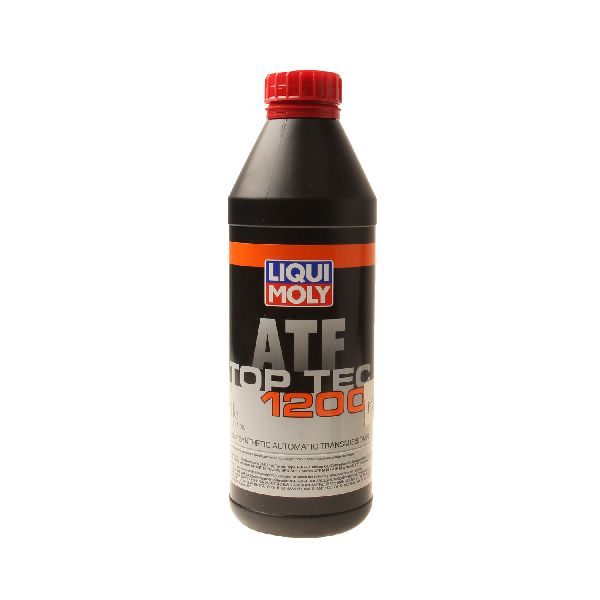
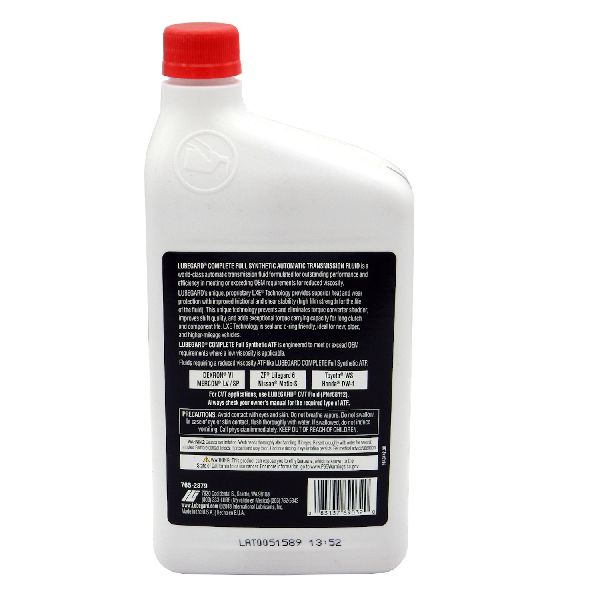
Aftermarket price range: $20-$50 - Automatic Transmission Fluid — Dirty, degraded, or low fluid is a primary cause of solenoid and valve body issues. A fluid change is required for any internal service. Use DEXRON-VI for 2006 and newer models, and DEXRON-III for older models.
Trusted brands: ACDelco, Valvoline, Mobil 1
OEM price range: $10-$15 per quart
Aftermarket price range: $7-$12 per quart
Related Codes That Often Appear With This One
- P0700 — P0700 is a generic code indicating the Transmission Control Module (TCM) has detected a fault. It's an 'umbrella' code that is almost always present alongside a more specific transmission code like P0776.
- P0751, P0756, P0761, etc. — These codes relate to other shift or pressure control solenoids. The provided TSB (PIP4379N) shows that P0776 often appears with a group of other solenoid codes, which can point to a widespread hydraulic or electrical issue rather than a single failed part. [Bulletin #PIP4379N]
Technical Service Bulletins (TSBs) & Recalls
- Bulletin #PIP4379N (2008 POWER TRAIN, dated 2018-09-12): Notes that P0776 can appear with a host of other solenoid and pressure switch codes, suggesting a broader hydraulic or electrical fault.
- Bulletin #22-NA-258 (on later models) notes that a torn screen on the valve body spacer plate can cause this code, highlighting the sensitivity to internal debris and hydraulic blockages.
Platform-Specific Known Issues
- Extreme Sensitivity to Non-Solenoid Faults: Technicians from ATSG specifically warn that the Allison 1000 transmission can set a P0776 code for a wide variety of reasons beyond a bad solenoid. A top cause is using a substandard or incorrectly designed aftermarket external spin-on filter, where the magnet can obstruct fluid flow. Another documented cause is a single chipped tooth on the internal output speed sensor tone wheel, which can trigger P0776 without setting any speed sensor codes, requiring a transmission teardown to identify.
- Speed Sensor Failure Mimicking Solenoid Fault: On trucks equipped with the 4L80-E, a common cause for limp mode (stuck in 2nd gear) that throws pressure control codes can be a failing Input Speed Sensor (ISS) or Vehicle Speed Sensor (VSS). Owners have reported fixing shifting issues that were not resolved by replacing solenoids by instead replacing the two speed sensors (GM Part #24203876).
Mechanic-Grade Diagnostic Values
- Pressure Control Solenoid 'B' (PCS/EPC) Resistance (4L80-E) — expected: 3.5 - 5.5 ohms. Failure: A reading outside this range, or an open/short circuit, indicates a failed solenoid.
- Pressure Control Solenoid 'B' / PCS2 Resistance (Allison 1000, 6-Speed) — expected: ~5.5 ohms. Failure: Significant deviation from this value suggests a faulty solenoid.
- Trim 'B' Solenoid Resistance (Allison 1000, 5-Speed) — expected: 5.5 - 6.5 ohms. Failure: A reading outside this range indicates a faulty solenoid.
- Line Pressure at Idle in Drive (4L80-E) — expected: 40-70 psi. Failure: Significantly lower pressure can indicate pump, filter, or major leak issues.
- Line Pressure at Stall Speed in Drive (4L80-E) — expected: 160-180 psi. Failure: Low pressure under load points to a hydraulic issue that may not be the solenoid itself.
Scan Tool Commands That Help
- Tech2 / GDS2: Solenoid Test — To manually command the Pressure Control Solenoid 'B' on and off while monitoring transmission line pressure. This directly tests the solenoid's hydraulic and electrical function. If the solenoid is commanded ON and pressure does not change, it confirms a fault in the solenoid or its circuit.
- Tech2 / GDS2: Clutch Test — For Allison transmissions, this test cycles through the clutches. During the test, turbine speed should be zero through all ranges. If turbine speed is detected when a clutch should be holding, it can indicate internal clutch pack slippage or a hydraulic leak, which could be the root cause of the P0776 code.
Wiring & Ground Locations
- Allison Main Connector (Red, 32-Way on 5-Speed) — The main round connector on the side of the Allison transmission case.. Pin 24 (PNK/BLK) and Pin 25 (BRN/WHT) are for the 'PPC B Valve' (Pressure Control Solenoid B). Testing for voltage and continuity at these pins can isolate a wiring problem between the TCM and the solenoid.
- G110 — On the right rear of the engine, typically mounted to the back of the passenger side cylinder head.. This is a primary engine and control module ground point. A loose or corroded G110 ground can cause erratic behavior in various sensors and solenoids, including those in the transmission, leading to false codes like P0776.
Real Owner Repair Stories
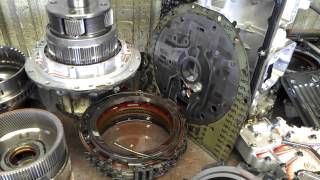
- YouTube channel 'Automatic Transmission' (2006 Chevrolet with Allison 1000 6-speed) — Slipped going into 4th gear, then would fail-safe into 3rd gear under heavy acceleration. Threw a P0776 code (mislabeled as P0775 in video narration but corrected in description).
❌ Tried (didn't work) The video is a teardown analysis, so no prior failed attempts were documented.
✅ What actually fixed it The root cause was found to be burned C2 and C3 clutch frictions. The P0776 code was set because the TCM maxed out the adaptive pressure trying to prevent the clutches from slipping but could not succeed. The final fix required a complete transmission overhaul with new clutches, two new trim solenoids, and an updated Transgo kit with new trim valves. - DuramaxDiesels.com forum (Silverado with 5-speed Allison transmission and a previously installed Transgo shift kit.) — Truck felt like it limped, dropping to 3rd gear and throwing a CEL with code P0776. It seemed to slip on the 3-4 shift.
❌ Tried (didn't work) The owner suspected a clogged spin-on filter initially.
✅ What actually fixed it The owner admitted to not drilling the required holes in the separator plate during the initial Transgo kit installation. A forum expert explained this mistake prevents mainline pressure from reaching the C3/C4 clutches, resulting in only 50% of the required clamping force. This led to clutch slippage and eventual failure, triggering the P0776 code. The fix required dropping the transmission to correct the installation and likely replace the damaged clutches.
Model Year Variations Within This Range
- 2001-2005 vs 2006-2008: The Allison 1000 transmission was updated from a 5-speed to a 6-speed starting in the 2006 model year. This involved significant valve body and solenoid changes. The 5-speed uses 'A' and 'B' trim solenoids with a resistance of 5.5-6.5 ohms. The 6-speed uses PCS1 (Pressure Control Solenoid 1) and PCS2 (Pressure Control Solenoid 2), with P0776 corresponding to PCS2. These have a resistance of ~5.5 ohms and are physically different parts. The 6-speed valve body also has an extra tube on the bottom.
Helpful Videos
We Have This Part in Stock


The information in this article is provided for general reference and educational purposes only. Vehicle specifications, procedures, and part compatibility can vary by production date, trim level, and region. Always consult your vehicle's factory service manual and verify part numbers before purchasing or performing repairs. Safety-critical components such as airbags, seat belts, and braking systems should be installed by a qualified professional.
- Chevrolet SILVERADO 2500:
- 🎬 Helpful Videos
- 🛍️ Shop This Part
- What's Unique About the 2001-2008 Chevrolet SILVERADO 2500
- Diagnostic Flowchart
- Symptoms You May Notice
- Most Likely Causes
- Rare But Worth Checking
- Diagnosis Steps
- Parts You'll Likely Need
- Related Codes That Often Appear With This One
- Technical Service Bulletins (TSBs) & Recalls
- Platform-Specific Known Issues
- Mechanic-Grade Diagnostic Values
- Scan Tool Commands That Help
- Wiring & Ground Locations
- Real Owner Repair Stories
- Model Year Variations Within This Range
- 🎟️ Get 5% Off